
Trinidad and Tobago is confronting a growing health crisis characterized by a sharp increase in amputations, primarily driven by diabetes and vascular disease. Dr. Lemuel Pran, a consultant vascular surgeon and lecturer at the University of the West Indies (UWI), revealed that approximately 400 amputations are performed annually, based on a comprehensive study conducted between 2019 and 2023 across regional health authorities. Dr. Pran, who specializes in carotid surgery and diabetic foot management, described the situation as urgent and deeply concerning, emphasizing that the rate of amputations is alarmingly high compared to both regional and international benchmarks. The leading causes of amputations are infections in diabetic patients, accounting for 80% of cases, followed by vascular disease, trauma, and limb cancers. Delayed medical intervention, exacerbated by the use of home remedies and lifestyle factors such as poor diet and lack of exercise, significantly contribute to the crisis. Dr. Pran called for a multi-level approach to address the issue, stressing the need for improved public awareness, early detection, and better access to healthcare services. He also highlighted the challenges faced by amputees, including limited access to prosthetics and the emotional toll of losing a limb. In a positive development, Prime Minister Kamla Persad-Bissessar announced the establishment of an artificial limb center in Trinidad and Tobago, supported by India, which aims to provide prosthetic limbs to over 800 individuals. Dr. Pran urged citizens to prioritize their health, seek timely medical care, and pay attention to foot health to prevent complications.
分类: health
-
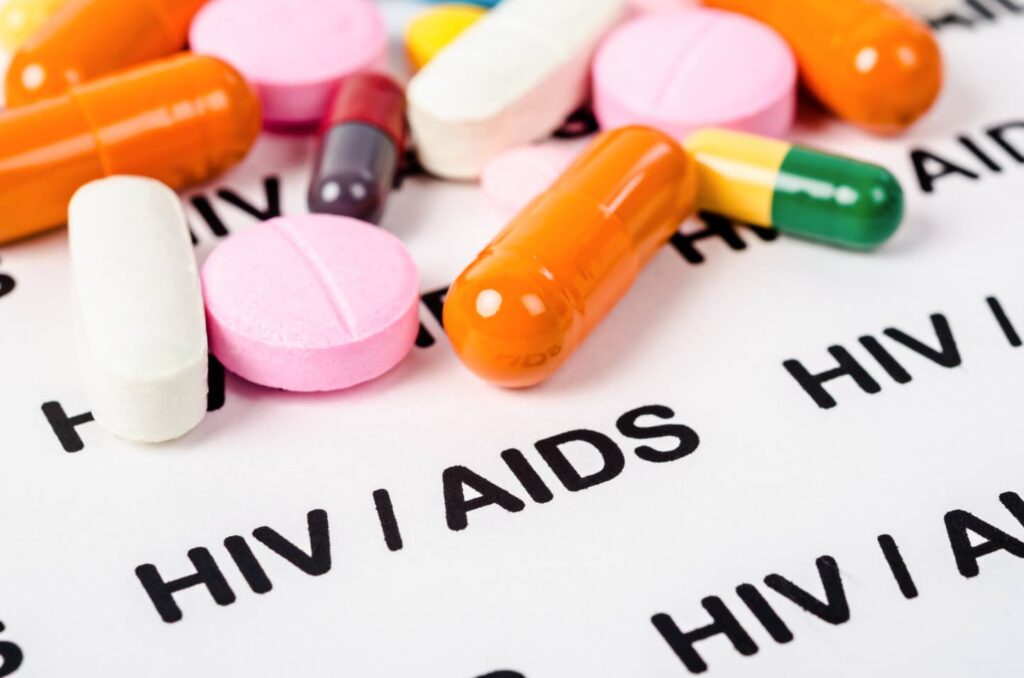
Cuts to HIV funding ‘most significant setback in decades’— UN
GENEVA, Switzerland (AFP)—The global fight against HIV has been plunged into chaos following significant international funding cuts, the United Nations warned on Tuesday. The UNAIDS agency revealed that abrupt reductions in financial support, particularly from the United States, have destabilized the infrastructure for HIV treatment and prevention in numerous countries. This disruption has led to clinic closures, job losses for healthcare workers, and widespread interruptions in essential services such as testing, treatment, and prevention. UNAIDS Executive Director Winnie Byanyima described the situation as the ‘most significant setback in decades.’ She highlighted the ‘abrupt pause’ in funding by the U.S., historically the largest contributor to global HIV efforts, following President Donald Trump’s return to the White House earlier this year. Other major donors have also slashed their foreign aid budgets, exacerbating the crisis. The UNAIDS report disclosed that in 2024, approximately 1.3 million people contracted HIV, a 40% decrease from 2010 but still three times higher than the target needed to end AIDS as a public health threat by 2030. Last year, 630,000 people died from AIDS-related illnesses, marking a 54% decline since 2010. However, Byanyima cautioned that the funding shortfall has exposed the fragility of past progress. Even before the crisis, the global AIDS response was underfunded, with $18.7 billion available in 2024—17% below the required amount. Last year, 9.2 million of the 40 million people living with HIV worldwide were not receiving treatment. In 13 countries, the number of people starting treatment has declined compared to the previous year. Byanyima expressed particular concern about the collapse of HIV prevention services, warning that failure to address this could lead to 3.3 million additional new infections by 2030. The funding crisis coincides with a deteriorating global human rights environment, with marginalized populations facing severe consequences. Criminalization of same-sex relations, transgender expression, and sex work in more countries could reduce HIV testing rates. Byanyima emphasized the urgency of the situation, stating, ‘This is the moment to choose. We can allow these shocks to undo decades of hard-won gains, or we can unite behind the shared vision of ending AIDS. Millions of lives depend on the choices we make now.’
-
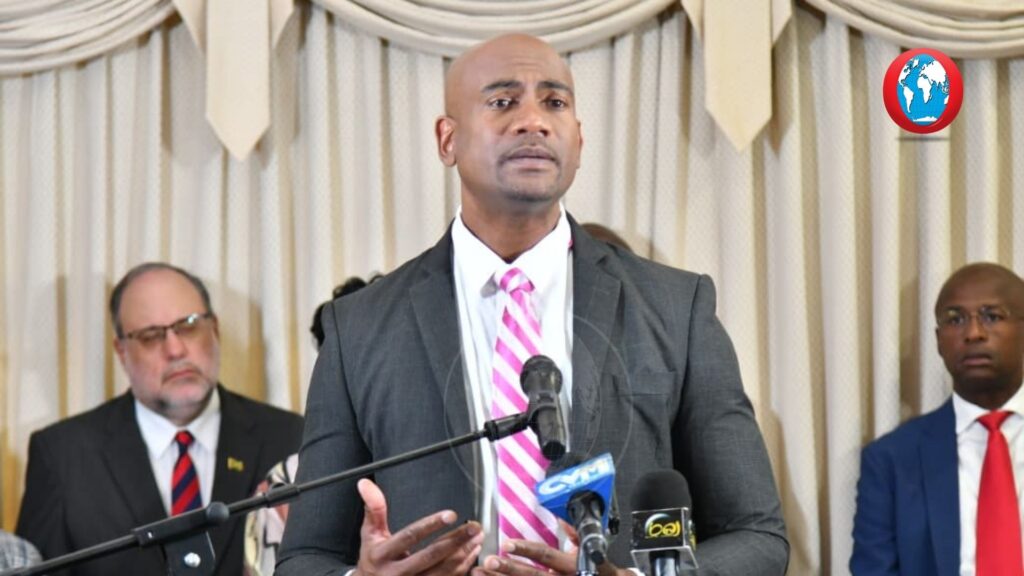
Dr Dawes questions ministry’s capacity to confirm leptospirosis cases
KINGSTON, Jamaica — Dr. Alfred Dawes, the Opposition Spokesperson on Health, has expressed significant concerns regarding Jamaica’s capacity to accurately detect and monitor leptospirosis cases in the aftermath of Hurricane Melissa. Speaking at a press briefing on Tuesday at the Office of the Leader of the Opposition, Dr. Dawes emphasized the urgent need for a robust and multifaceted approach to address the rising infections.
-

Westmoreland residents urged to be vigilant when purchasing water
In the wake of Hurricane Melissa, the Westmoreland Public Health Department has issued a stern warning to residents about the potential dangers of purchasing trucked water from unverified sources. Gerald Miller, the parish’s health promotion and education officer, emphasized that water should only be sourced from the department’s three authorized loading bays located in Petersfield, Grange Hill, and Spring Garden. These sites, operated by the National Water Commission (NWC), are the sole approved locations for obtaining safe, potable water. Miller cautioned that water procured from unauthorized sources could lead to severe health risks, including diarrhoeal and other waterborne diseases. He urged the public to demand proof of purchase from truck operators, ensuring the water’s origin is legitimate. Historical incidents of truckers sourcing water from unsafe locations have heightened concerns, particularly during periods of emergency and water scarcity. Miller reiterated the importance of vigilance to safeguard public health, stressing that unsafe water remains a significant threat in such challenging times.
-
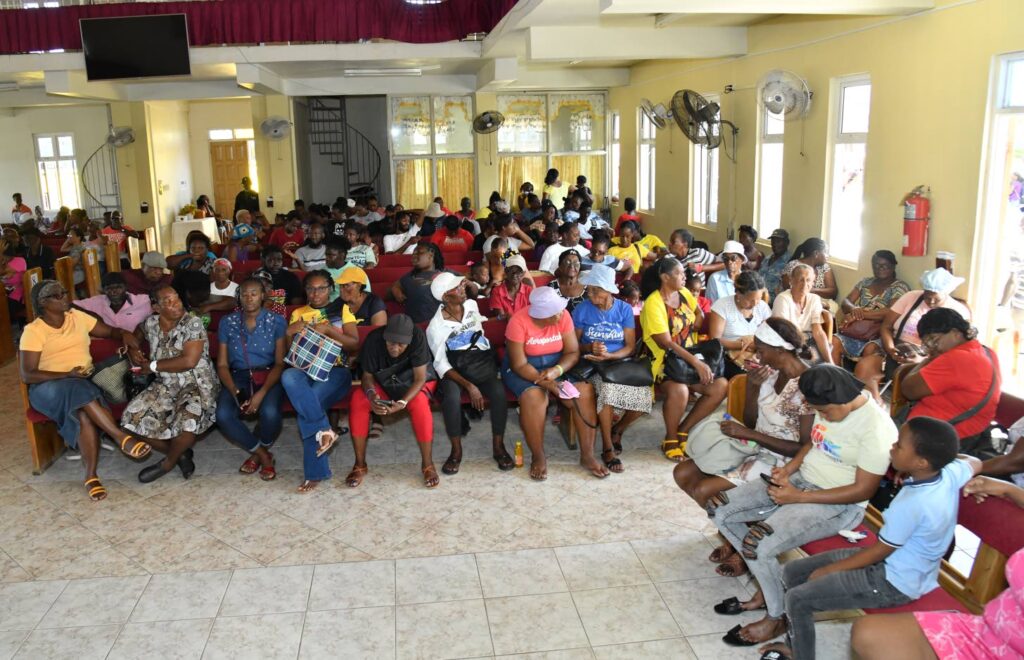
Nigerian doctor invites GOJ to partner on future medical missions
FALMOUTH, Trelawny — Dr. Cliff Eke, President of the Association of Nigerian Physicians in the Americas (ANPA), has urged the Jamaican Government to establish long-term partnerships to improve healthcare services across the island. Leading a team of eight medical professionals on a recent mission to Jamaica, Dr. Eke emphasized ANPA’s commitment to expanding its support but stressed the need for governmental collaboration to achieve sustainable impact.
-

Antiguan Researcher Earns Top Honor From U.S. Speech-Language Pathology Association
Aethiopia Joseph-Salmon, an Antiguan-born PhD candidate at Purdue University, has been awarded a prestigious accolade by the American Speech-Language-Hearing Association (ASHA) for her pioneering research on fibromyalgia. Her work, which investigates the cognitive and communication challenges faced by fibromyalgia patients, was selected as one of the 88 ‘Meritorious Posters’ out of 1,586 submissions at ASHA’s annual convention held from November 20–22, 2025. Joseph-Salmon’s study highlights the often-overlooked struggles of fibromyalgia patients, emphasizing the potential role of speech-language pathologists in addressing these symptoms, which many patients find as debilitating as chronic pain. This recognition adds to her growing list of achievements, including ASHA’s Students Preparing for Academic and Research Careers Award in 2024. Diagnosed with fibromyalgia five years ago, Joseph-Salmon’s personal experience with the condition inspired her to pursue research aimed at improving care for others. She credits her upbringing in Antigua and the support of her mother and early mentors for her academic success. As one of the first Antiguans to complete Howard University’s speech-language pathology program, Joseph-Salmon aspires to develop speech-language services in Antigua and Barbuda, ensuring better support for individuals with communication challenges.
-

Scrub Life Cares Announces 5th Annual “Grow With The Flo” Women & Girls Health Expo, Set for May 23rd, 2026
Scrub Life Cares, a prominent public health NGO in Antigua and Barbuda, has announced the 5th Annual Grow With The Flo Women & Girls Health Expo, scheduled for Saturday, May 23rd, 2026. This event coincides with the organization’s fifth anniversary in November, marking a significant milestone in its mission to promote menstrual equity and comprehensive reproductive and sexual health literacy. Since its inception in 2021, the Expo has grown into a cornerstone community health event, uniting women, girls, families, educators, and health professionals in a day dedicated to dignity, access, and education. Tanya Ambrose, MPH, Founder and CEO of Scrub Life Cares, emphasized the event’s importance, stating, ‘This year celebrates the growth of a movement shaped by our community and partners. It’s a testament to the power of prioritizing dignity, equity, and education.’ Over the years, the Expo has expanded its reach, attracting increasing participation from men and boys, reflecting a broader societal recognition of menstrual and reproductive health as community-wide concerns. The 2026 Expo will adopt a more family-centered approach, offering programs that include maternal and child health education, prenatal and postpartum support, breastfeeding resources, and family bonding activities. This expansion aligns with Scrub Life Cares’ commitment to addressing public health needs across all life stages. Through its advocacy, research, and community engagement, the organization has established itself as a leader in advancing health equity in Antigua and Barbuda. As it celebrates its fifth anniversary, Scrub Life Cares invites families, educators, health professionals, and community leaders to join the 2026 Expo, promising an event that is bigger, bolder, and more impactful than ever.
-

Taiwan : Haiti signed the World Health Forum declaration
Dr. Bertrand Sinal, Haiti’s Minister of Public Health, represented the nation at the 2025 World Health and Wellbeing Forum in Taipei, Taiwan, where he signed the Ministerial Declaration. The forum, centered on the theme ‘Taiwan’s National Health Insurance at 30: Towards Sustainable Success in the 21st Century,’ brought together health ministers from across the globe to address pressing health challenges. The declaration emphasizes the collective commitment to advancing Universal Health Coverage (UHC) and fostering sustainable, innovative, and resilient health systems. Dr. Sinal’s participation highlights Haiti’s dedication to global health collaboration and its efforts to enhance its domestic healthcare infrastructure. The declaration outlines five key commitments: promoting international solidarity, ensuring sustainable health financing, fostering inclusive innovation in health, building climate-resilient health systems, and enhancing monitoring and accountability mechanisms. These commitments aim to address disparities, leverage technology, and prepare health systems for the impacts of climate change while ensuring transparency and progress toward UHC.
-

HPV education crucial to preventing oropharyngeal cancers, says ENT specialist
Barbados faces a critical challenge in addressing the escalating rates of oropharyngeal cancers linked to human papillomavirus (HPV), according to Dr. Salonee Shenoy, an ENT specialist at the Queen Elizabeth Hospital. Speaking at the Barbados Association of Medical Practitioners (BAMP) annual medical conference, Dr. Shenoy emphasized the urgent need for enhanced public education and awareness, particularly among high-risk groups. Recent research reveals a concerning trend in HPV-related cancers, with young women emerging as a particularly vulnerable demographic. Dr. Shenoy highlighted that while studies have identified risk groups, the focus must shift to prevention and education rather than costly diagnostic screenings. She advocated for mandatory HPV vaccination as part of the routine immunization protocol, citing its potential to significantly reduce cancer risks. The global medical community is increasingly alarmed by the role of high-risk HPV strains, such as types 16 and 18, in driving oropharyngeal cancers. Dr. Shenoy stressed that early education, behavioral awareness, and vaccination remain Barbados’ most effective tools in combating this growing health threat.
-

Barbados doctors urged to strengthen high-risk screening for head & neck and thyroid cancers
Barbadian healthcare professionals are being encouraged to implement targeted, high-risk screening strategies for head and neck cancers, as global cases continue to surge and new guidelines for thyroid cancer detection reshape medical practices. Dr. Salonee Shenoy, an Ear, Nose, and Throat (ENT) Specialist at Queen Elizabeth Hospital, emphasized this approach during her presentation at the Barbados Association of Medical Practitioners (BAMP) annual conference. She highlighted that routine population-wide screening for head and neck cancers is neither practical nor effective, unlike screenings for breast or prostate cancer. ‘In the general population, it is not recommended due to low prevalence and the potential for false positives,’ Dr. Shenoy explained. ‘The focus should be on identifying high-risk groups, such as heavy smokers, alcohol users, HPV-positive individuals, and those with a family history of thyroid cancers.’ Globally, head and neck cancers account for 650,000 new cases annually, with the highest prevalence in India, Pakistan, Eastern Europe, and parts of Asia. By 2030, mucosal cancers in these regions are projected to increase by 30%. Thyroid cancer, particularly among women, is also on the rise worldwide. While Barbados and the Caribbean have relatively low prevalence rates, Dr. Shenoy warned against complacency. She cautioned that universal screening could lead to unnecessary procedures, false positives, and over-diagnosis, with no proven mortality benefit. Instead, she advocated for regular oral cavity examinations in high-risk patients and vigilance for pre-malignant lesions like leukoplakia and erythroplakia, which have a 20–30% malignant potential. Dr. Shenoy also outlined critical warning signs requiring urgent ENT referral, including non-healing mouth sores, persistent throat discomfort, and unexplained neck masses. She highlighted advancements in thyroid cancer detection, such as the TR1–TR5 scoring system, high-resolution ultrasound, and AI-assisted diagnostics. ‘Screening should be targeted, not universal,’ she concluded. ‘Patient education and the use of advanced tools like ultrasound, biopsy, and molecular markers are essential for accurate risk stratification.’ Future directions include personalized screening, AI integration, and improved biomarker discovery.