分类: health

  • Permanent Secretary Colin O’Keiffe Attends Pan-American Highway for Digital Health Meeting in El Salvador

    Permanent Secretary Colin O’Keiffe Attends Pan-American Highway for Digital Health Meeting in El Salvador

    Antigua and Barbuda’s Permanent Secretary, Mr. Colin Okeiffe, is actively participating in the Pan-American Highway for Digital Health (PH4H) meeting, held in San Salvador, El Salvador, from October 27 to 30, 2025. This high-level regional gathering, themed “Driving Innovation and Connection in the Americas,” unites representatives from all Pan American Health Organization (PAHO) Member States to accelerate the digital transformation of healthcare systems across Latin America and the Caribbean. The PH4H initiative aims to create a unified, interoperable digital health ecosystem that fosters interoperability, continuity of care, patient-centered approaches, information verification, and regional resilience. Currently, the Americas’ healthcare systems face challenges due to fragmented technological integration, which impedes information sharing and hampers swift responses to health crises. PH4H seeks to address these issues by transitioning Member States from isolated systems to a fully digitized, interconnected health sector. Organized by PAHO in partnership with the Inter-American Development Bank (IDB), the workshop focuses on establishing legal, ethical, and governance frameworks to ensure secure, confidential, and private cross-border data exchange. PAHO will assist Member States in implementing these systems following national readiness assessments. Key anticipated benefits include enhanced regional collaboration, improved cybersecurity, better patient engagement, data-driven decision-making, increased stakeholder participation, and the integration of digitized health registries. Mr. Okeiffe highlighted the transformative potential of this initiative, stating, “Every person’s health will travel with them, ensuring seamless access to health information across borders, cultures, and backgrounds, with their consent.” The Ministry of Health reaffirmed its dedication to fostering regional cooperation, advancing technological innovation, and ensuring equitable participation in the digital transformation of public health.

  • The silent storm: TT grapples with rising tide of stroke, especially in the young

    The silent storm: TT grapples with rising tide of stroke, especially in the young

    Stroke, once considered a condition primarily affecting the elderly, is now increasingly striking younger adults in Trinidad and Tobago, with devastating consequences for individuals, families, and society. On World Stroke Day (October 29), medical professionals are raising the alarm about this growing crisis, emphasizing that stroke is no longer confined to older populations. The two main types of stroke—ischaemic and haemorrhagic—are both on the rise, driven by factors such as hypertension, diabetes, obesity, and unhealthy lifestyles. Ischaemic strokes, caused by blood clots blocking brain vessels, account for 85% of cases, while haemorrhagic strokes, resulting from ruptured blood vessels, make up the remaining 15%. Both types share common risk factors, with uncontrolled hypertension being the most significant. The trend is particularly alarming among adults in their 30s, 40s, and 50s, who are increasingly falling victim to stroke due to poor diets, sedentary habits, and unmanaged stress. This shift not only imposes heavy medical costs but also leads to lost income, emotional trauma, and a decline in the nation’s productive workforce. To combat this, the BEFAST campaign—which stands for Balance, Eyes, Face, Arms, Speech, and Time—is being promoted as a critical tool for recognizing stroke symptoms and seeking immediate medical attention. Advances in treatment, such as thrombolysis and thrombectomy for ischaemic strokes, and neurosurgical interventions for haemorrhagic strokes, offer hope, but timely action is essential. The medical community is calling for a national effort to raise awareness, manage risk factors, and promote healthier lifestyles to prevent and treat stroke effectively.

  • Tufton says efforts underway to relocate patients from Black River Hospital

    Tufton says efforts underway to relocate patients from Black River Hospital

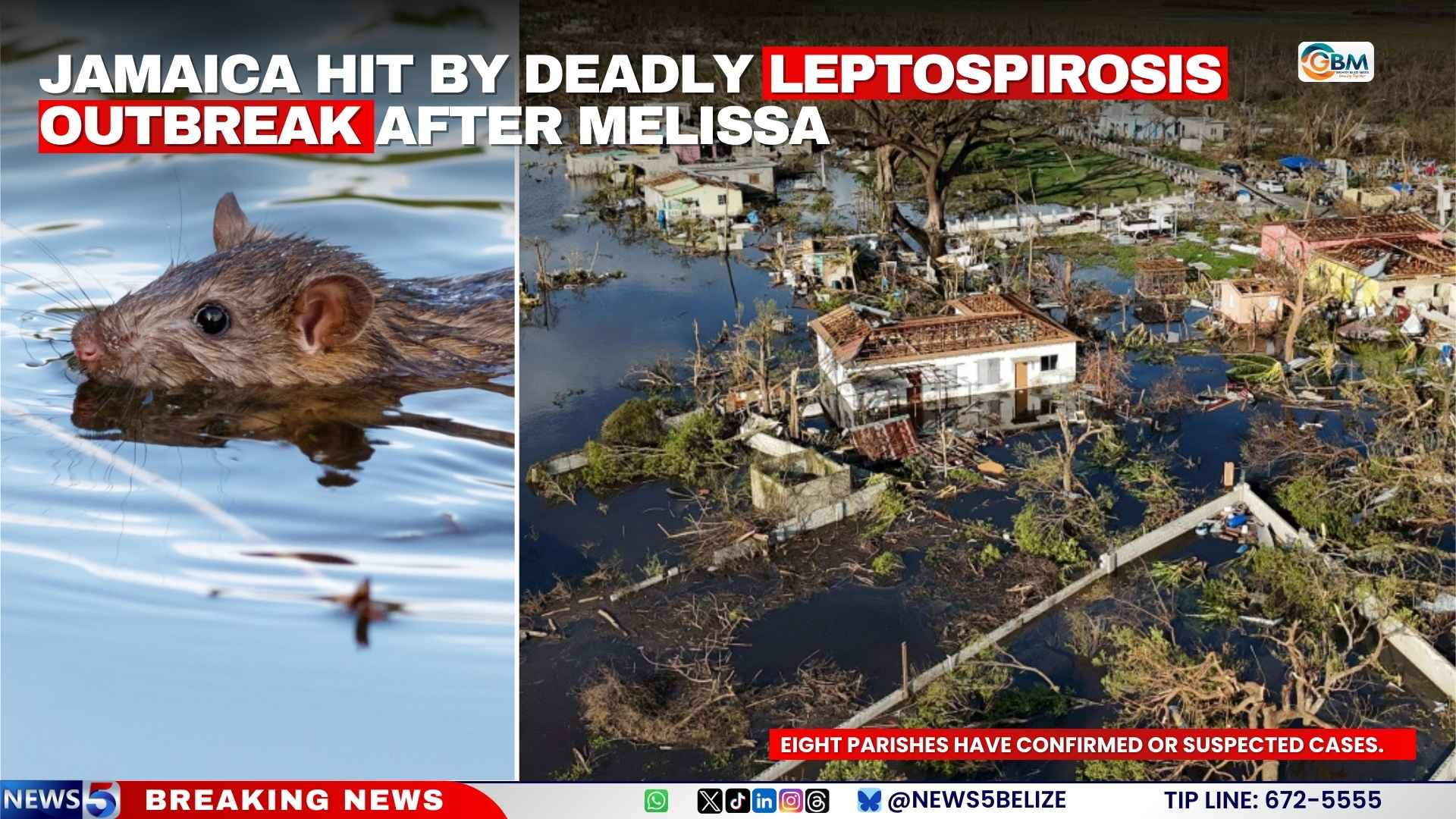
    In the wake of Hurricane Melissa’s devastating impact on St Elizabeth, Jamaica, the Minister of Health and Wellness, Dr Christopher Tufton, has announced urgent measures to relocate patients from the severely damaged Black River Hospital. The facility has been rendered inaccessible due to the storm’s destruction, prompting immediate action to ensure the safety and care of approximately 71 patients currently housed there.

  • Health Ministry urges blood donations as supplies run low after Hurricane Melissa

    Health Ministry urges blood donations as supplies run low after Hurricane Melissa

    KINGSTON, Jamaica — In the wake of Hurricane Melissa, the Ministry of Health and Wellness has issued an urgent appeal to the public to donate blood as soon as it is safe to do so. The hurricane has severely disrupted blood collection and storage operations across multiple parishes, leaving national blood supplies critically low. The National Blood Transfusion Service (NBTS) reported that routine blood drives have been halted, and the transportation of blood and blood products to hospitals has been significantly delayed. This shortage poses a serious risk to patients requiring transfusions for surgeries, trauma care, and childbirth complications. Dr. Jacquiline Bisasor-McKenzie, the chief medical officer, emphasized the importance of donations, stating, ‘We are urging all Jamaicans who are able to give blood. Your donation can save lives, especially at a time when hospitals are still in emergency mode and every unit counts.’ Potential donors are advised to ensure safe travel conditions, prepare by eating well and staying hydrated, and bring a valid ID to the Blood Bank. Donations are currently being accepted at the NBTS office located at 21 Slipe Road in Kingston. Updates on additional collection sites and schedules will be communicated through the ministry’s official channels and NBTS social media platforms in the coming days.

  • The silent storm: Trinidad and Tobago grapples with rising tide of stroke, especially in the young

    The silent storm: Trinidad and Tobago grapples with rising tide of stroke, especially in the young

    Stroke, once considered a condition primarily affecting the elderly, is now increasingly striking younger adults in Trinidad and Tobago. On World Stroke Day (October 29), medical professionals highlighted this alarming trend, emphasizing the urgent need for awareness and preventive measures. The story of Anita B, a 52-year-old market vendor from Chaguanas, illustrates the severity of the issue. Anita suffered a haemorrhagic stroke caused by a ruptured aneurysm, leading to a sudden, violent headache, nausea, blurred vision, and collapse. Her case is emblematic of a broader crisis unfolding across the nation. Strokes are broadly categorized into two types: ischaemic strokes, caused by blood clots blocking brain vessels, and haemorrhagic strokes, resulting from ruptured blood vessels. Both types share common risk factors, including hypertension, diabetes, high cholesterol, and obesity, which are prevalent in Trinidad and Tobago. The rise in stroke cases among individuals in their 30s, 40s, and 50s is attributed to unhealthy diets, sedentary lifestyles, and unmanaged stress. This trend carries significant economic and social consequences, as it affects breadwinners and families, leading to lost income and emotional strain. The BEFAST campaign—Balance, Eyes, Face, Arms, Speech, Time—is a critical tool for early detection and response. Immediate medical intervention is essential, as treatments like thrombolysis and thrombectomy can significantly improve outcomes if administered promptly. Dr. Nicholas N Maraj, a consultant neurologist, underscores the importance of public education, hypertension management, and national health policies to combat this growing crisis. Anita’s journey of recovery serves as a poignant reminder of the need for vigilance and proactive health measures to prevent strokes and protect the nation’s most valuable resource—its people.

  • Recall of Neutrogena Make-up Remover Ultra-Soft Cleansing Towelettes

    Recall of Neutrogena Make-up Remover Ultra-Soft Cleansing Towelettes

    The Prices and Consumer Affairs Division has issued a public alert regarding the recall of Neutrogena Make-up Remover Ultra-Soft Cleansing Towelettes following the discovery of potential bacterial contamination. The U.S. Food and Drug Administration (FDA) confirmed that Kenvue Brands LLC, the parent company of Neutrogena, conducted an internal investigation which identified the presence of Pluralibacter gergoviae in the product. The FDA has categorized this recall as Class II, indicating that while the product may lead to temporary or medically reversible health issues, the likelihood of severe adverse effects remains low. Pluralibacter gergoviae, as noted by the manufacturer, poses significant risks to individuals with compromised immune systems, chronic conditions, or those recovering from surgeries. The bacteria has been associated with respiratory ailments, urinary tract infections, eye infections, and even sepsis, according to Malbec Microbiology. Consumers who have purchased the affected product are strongly advised to discontinue its use and return it to the point of purchase for a full refund. For further details or support, individuals are encouraged to contact the relevant authorities.

  • Healthcare data protection in Barbados: Seminar signals shift from education to enforcement

    Healthcare data protection in Barbados: Seminar signals shift from education to enforcement

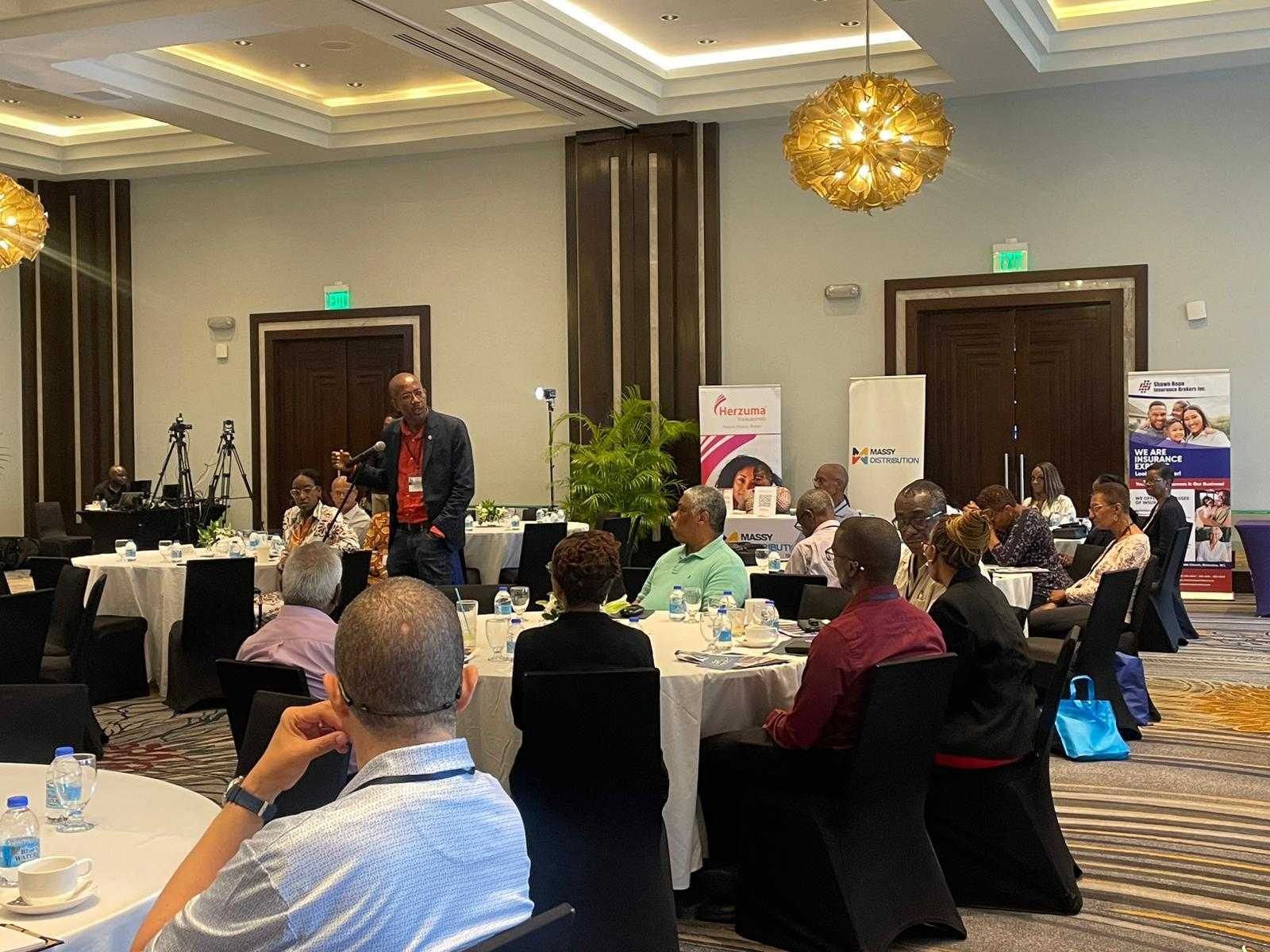
    The Healthcare Sector Seminar, held on October 22 and jointly organized by the Ministry of Industry, Innovation, Science and Technology and the Office of the Data Protection Commission, marked a pivotal moment for Barbados’ healthcare industry. The event, attended by a diverse group of stakeholders including the Barbados Drug Service, public and private pharmacies, medical practitioners, and ancillary healthcare providers, focused on reinforcing data protection and cybersecurity obligations within the sector. Minister of Innovation, Industry, Science and Technology Senator Jonathan Reid opened the seminar with a personal reflection on the importance of safeguarding patient information. He highlighted a common issue in healthcare settings: the repeated collection of personally identifiable information (PII), which increases risks of human error, unauthorized disclosure, and data misuse. This practice, as outlined in the Barbados Data Protection Act (2019-29), violates the principles of data minimization and purpose limitation. The seminar emphasized the need for healthcare organizations to transition from awareness to actionable compliance. Data Commissioner Lisa Greaves detailed the statutory obligations under the Act, stressing the importance of written policies, risk assessments, and the appointment of a Data Privacy Officer. She clarified that while healthcare data is not explicitly categorized as ‘sensitive’ under the Act, it must be treated as high-risk due to its deeply personal nature. Legal and Data Privacy specialist Jabarry Garnes introduced the concept of Privacy by Design, advocating for the integration of privacy protections into healthcare systems from the outset. Patricia Rowe-Seale, the government’s chief information security officer, addressed cybersecurity risks, emphasizing the need for continuous monitoring and layered defense strategies. The seminar concluded with a call for healthcare organizations to adopt compliance, privacy-focused design, and cybersecurity resilience as interconnected priorities. The road ahead presents challenges, including resistance to change and the adoption of formal privacy programs. However, the event signaled the beginning of a transformative journey toward modern, compliant healthcare practices in Barbados.

  • GFNC’s Fruity Wednesday milestone update

    GFNC’s Fruity Wednesday milestone update

    The Grenada Food and Nutrition Council (GFNC) has successfully revived its Fruity Wednesday initiative, garnering an overwhelmingly positive response across the nation. The campaign, which encourages Grenadians to replace processed snacks with locally sourced fruits every Wednesday, aims to promote healthier eating habits while fostering national pride in homegrown produce. Just one week after its relaunch on September 10, Dr. Dianne Abel-Jeffrey, Chief Education Officer, issued a circular urging all schools to participate, emphasizing the nutritional benefits of fruits over artificial snacks. Since then, the initiative has seen remarkable engagement from individuals, schools, organizations, and social media influencers across Grenada, Carriacou, and Petite Martinique. Over 40 creative submissions have highlighted innovative ways to incorporate fruits into daily routines, from classrooms to workplaces. The GFNC has expressed heartfelt gratitude to all participants, whose enthusiasm is transforming healthy eating into a joyful, nationwide habit. The campaign continues to inspire with weekly submissions tagged #FruityWednesday, showcasing the collective effort to strengthen food and nutrition security in Grenada.

  • Home-grown health tech push to transform healthcare system

    Home-grown health tech push to transform healthcare system

    Barbados is spearheading a transformative initiative to address its pressing healthcare challenges by encouraging local innovators to develop tailored health technologies. With escalating costs, a growing burden of chronic diseases, and imported solutions that often fall short, the nation is rallying its citizens to create homegrown tools, apps, and systems that align with its unique needs. Dr. Kia Lewis, a community activator for FutureHEALTH, emphasized the urgency of innovation and collaboration to combat inefficiencies, high disease burdens, and financial strain in the health sector. She highlighted the limitations of overseas technologies, which, while useful, often fail to address the specific context of Barbados. Locally designed solutions, she argued, could not only enhance healthcare delivery but also generate significant economic benefits. In response, FutureHEALTH has launched the FutureHEALTH Incubator, the island’s first dedicated program to foster health tech innovation. The incubator operates through three tracks: the Ideation Track for early-stage innovators, the Minimum Viable Product Track for refining prototypes, and the Pilot Track for large-scale testing. Applications are now open, targeting healthcare workers, students, entrepreneurs, and tech professionals. Dr. Lewis described the incubator as a vital step in reshaping Barbados’ approach to healthcare innovation, combining talent, technology, and creativity to improve lives and unlock financial opportunities in the burgeoning health tech field.

  • Rotary engages “Parents of Tomorrow” in Purple Pinkie Day at TAMCC

    Rotary engages “Parents of Tomorrow” in Purple Pinkie Day at TAMCC

    The Rotary Club of Grenada marked the culmination of its World Polio Day activities with a vibrant Purple Pinkie Day event held at the T A Marryshow Community College (TAMCC) on October 24, 2025. This event, organized in collaboration with the Ministry of Health, served as the highlight of a week-long series of initiatives aimed at raising public awareness about the global fight to eradicate polio. Throughout the week, the club engaged in various activities, including media appearances, educational outreach, and reflections from a polio survivor. Additionally, members made online donations to Rotary International’s Polio Fund during their regular meeting on October 23, reinforcing their commitment to the cause. The Purple Pinkie Day event specifically targeted students, referred to as the ‘parents of tomorrow,’ emphasizing the critical role of vaccination in protecting future generations from poliomyelitis. The symbolic ‘purple pinkie’—a mark given to children who receive the oral polio vaccine—served as a powerful reminder of the life-saving impact of vaccination. Rotarian Dr. Sonia Nixon highlighted the importance of educating young people early, stating, ‘These students will soon be the decision-makers, the parents, the caregivers. Educating them now ensures the message of disease prevention continues into the next generation.’ Representatives from the Rotary Club of Grenada and the Ministry of Health shared insights on Rotary International’s ‘End Polio Now’ campaign, which has reduced polio cases by over 99% since 1988. The event concluded with a ‘purple pinkie pledge,’ where students demonstrated their solidarity with the global effort to eradicate polio. Rotary Club President Julia Lawrence emphasized the ongoing need for awareness and vaccination, stating, ‘Polio anywhere is a threat to children everywhere.’ The Rotary Club of Grenada expressed gratitude to the Ministry of Health, TAMCC administration, and students for their enthusiastic participation, underscoring the power of partnership in fostering a healthier, polio-free future.