分类: health

  • 24/7 service at St Joseph Health Centre

    24/7 service at St Joseph Health Centre

    In a transformative move for Trinidad’s healthcare landscape, the North Central Regional Health Authority (NCRHA) has implemented round-the-clock general practice services at the St Joseph Enhanced Health Centre effective December 1st. This strategic expansion represents a significant advancement in making primary healthcare accessible beyond conventional operating hours.

    The initiative, unveiled through an official December 3rd announcement, aims to substantially alleviate patient overload at the Eric Williams Medical Sciences Complex (EWMSC). Health authorities emphasize that this 24/7 operational model will particularly benefit working families and caregivers who previously struggled to access medical services during standard business hours.

    According to the NCRHA, patients can anticipate enhanced convenience, minimized treatment delays, and considerably reduced waiting times. The round-the-clock availability is projected to create systemic improvements across the healthcare network by redirecting non-emergency cases from the Accident and Emergency Department at Mt Hope to the St Joseph facility for prompt attention.

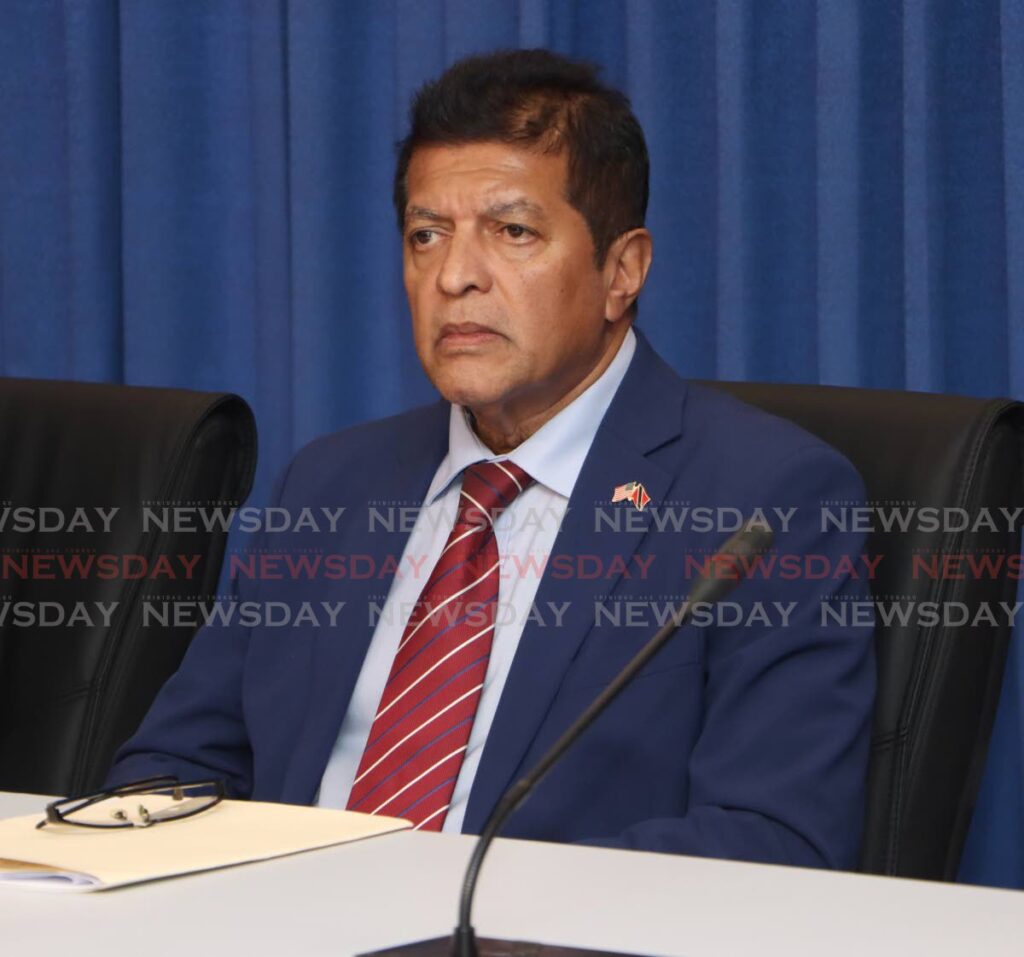
    This development occurs under the guidance of Health Minister Dr. Lackram Bodoe and newly appointed NCRHA chairman Dr. Tim Gopeesingh, who stated: “By extending our hours, we aim to make high-quality healthcare more accessible to every citizen. This service reflects our commitment to strengthening primary care while ensuring people receive appropriate medical attention when they need it most.”

    The St Joseph Enhanced Health Centre will maintain its walk-in general practice services for diverse medical conditions, aligning with the NCRHA’s comprehensive strategy to modernize and expand primary healthcare infrastructure throughout the region.
  • Ministry of Health Launches National Workshop to Strengthen Nutrition Standards in Schools

    Ministry of Health Launches National Workshop to Strengthen Nutrition Standards in Schools

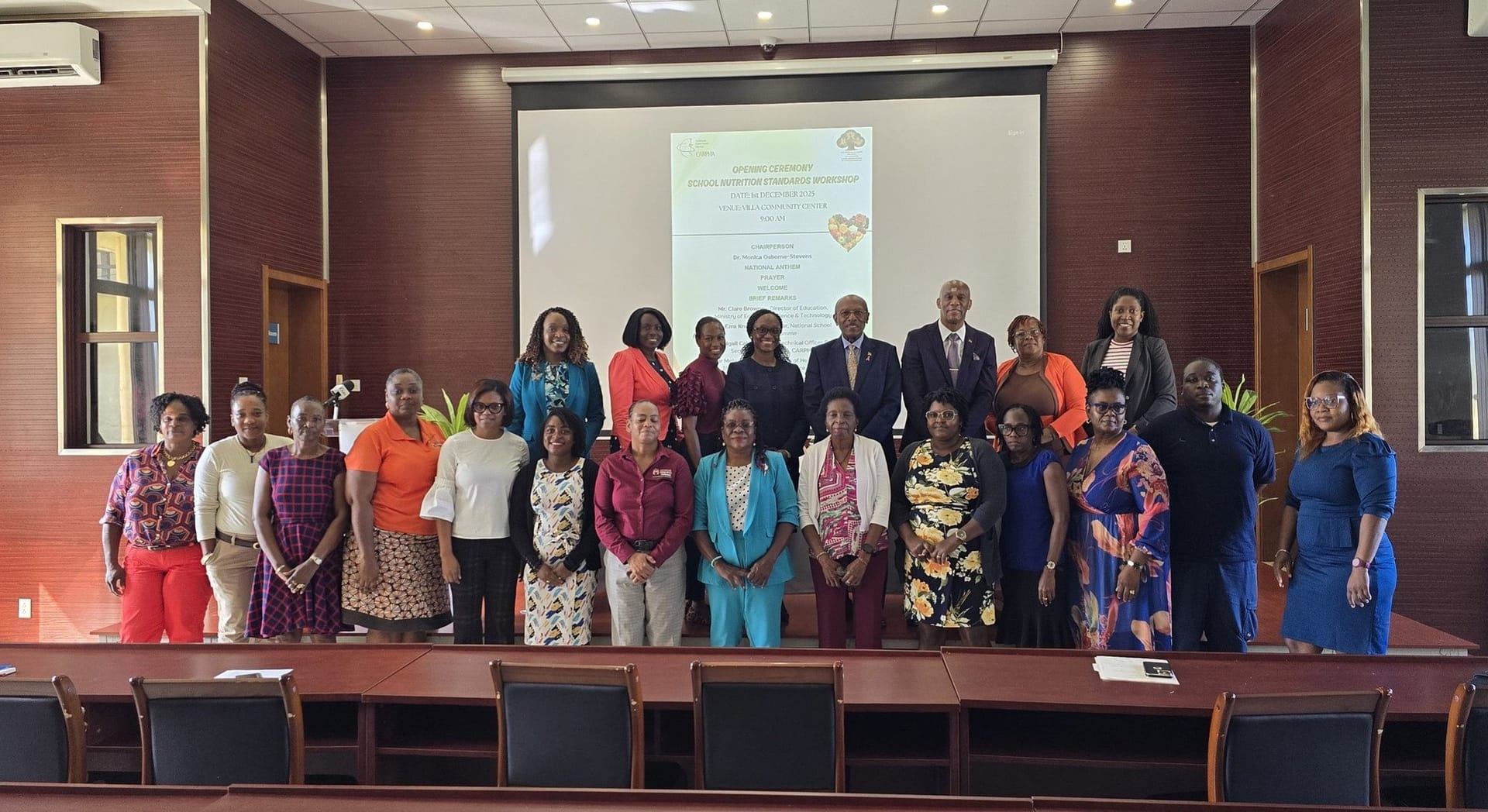
    Antigua and Barbuda has initiated a comprehensive national effort to address childhood nutrition through the inauguration of a multisectoral workshop focused on establishing rigorous food standards for educational institutions. The Ministry of Health, Wellness, Environment and Civil Service Affairs is spearheading this critical public health intervention amid growing concerns over dietary health in the Caribbean region.

    Health Minister Sir Molwyn Joseph delivered a stark warning during the opening ceremony, revealing that childhood overweight and obesity now affect approximately 33% of Caribbean children—a statistic that poses significant threats to the nation’s future prosperity. “The escalating prevalence of childhood obesity represents a clear danger to our national development,” Minister Joseph stated. “Unhealthy dietary patterns and inadequate food environments continue to fuel this public health crisis. This initiative constitutes a vital step toward protecting the health and potential of our youth.”

    The workshop operates under the guidance of the CARPHA/PAHO Technical Recommendations for the Development of Nutrition Standards for Caribbean Schools, an evidence-based framework specifically created to transform school food environments. This strategic approach focuses on limiting access to nutritionally deficient options while expanding availability of wholesome foods, thereby fostering improved dietary behaviors among children and adolescents.

    Minister Joseph articulated the program’s objective: “We are committed to establishing and enforcing robust national nutrition standards that will transform every school in Antigua and Barbuda into an environment that cultivates healthy development, cognitive excellence, and promising futures.”

    Participants will receive specialized training in multiple domains, including implementation of technical guidelines, enhancement of food safety protocols, development of nutritious meal plans, and formulation of national standards through collaborative multisectoral engagement. The event saw participation from key stakeholders including Director of Education Mr. Clare Browne and CARPHA Food Security Technical Officer Ms. Abigail Caleb, both of whom endorsed the initiative and emphasized the necessity of coordinated action to address nutritional challenges.

    The Ministry acknowledged CARPHA and PAHO for their sustained partnership in bolstering public health capabilities throughout the region. This workshop represents a component of Antigua and Barbuda’s broader strategy to combat noncommunicable diseases and eliminate malnutrition in all its forms by 2030, consistent with its commitments to the Sustainable Development Goals.

  • Ministry of Health Engages Chinese Medical Delegation on Advancing Healthcare in Antigua and Barbuda

    Ministry of Health Engages Chinese Medical Delegation on Advancing Healthcare in Antigua and Barbuda

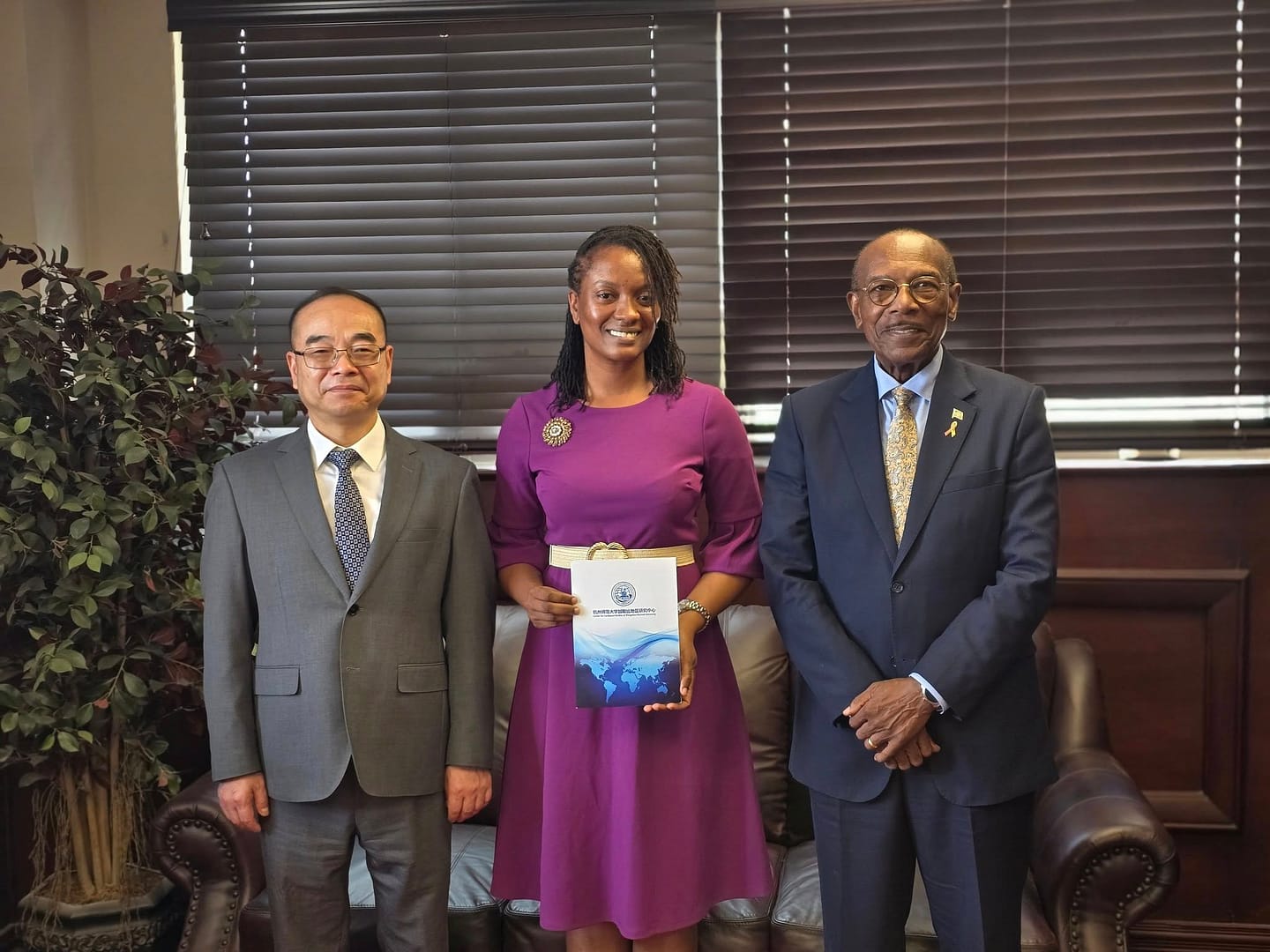
    The Ministry of Health and Wellness of Antigua and Barbuda has initiated high-level discussions with a specialized medical delegation from the People’s Republic of China, marking a significant development in bilateral health cooperation. The strategic dialogue focused on enhancing the Caribbean nation’s healthcare infrastructure through potential knowledge transfer, technological exchange, and capacity building initiatives.

    This diplomatic health engagement examined multiple collaborative avenues including specialist medical training programs, telemedicine implementation, and public health system modernization. The Chinese delegation presented innovative healthcare solutions that have demonstrated effectiveness in diverse clinical environments, with particular emphasis on tropical medicine applications relevant to the Caribbean context.

    Health officials from both nations explored sustainable partnership models that could potentially revolutionize patient care delivery in Antigua and Barbuda. The discussions addressed critical healthcare challenges facing small island developing states, including limited specialist coverage, pharmaceutical supply chain vulnerabilities, and healthcare accessibility in remote communities.

    The bilateral talks represent a growing trend of South-South cooperation in global health, with China sharing advanced medical expertise and technological resources with Caribbean partners. This health diplomacy initiative aligns with Antigua and Barbuda’s broader national development strategy to achieve comprehensive healthcare transformation through international partnerships.

    Medical professionals from both countries are expected to establish working groups to develop implementation frameworks for the identified cooperation areas, potentially creating new opportunities for medical education, clinical research, and healthcare technology adaptation in the Eastern Caribbean region.

  • The epidemiological situation remains complex

    The epidemiological situation remains complex

    Cuban President Miguel Díaz-Canel Bermúdez convened with leading health experts and scientists this week to address the nation’s escalating arbovirus crisis, which has claimed 33 lives to date according to official figures. Health authorities confirmed dengue fever has resulted in 12 fatalities, including seven minors, while chikungunya has caused 21 deaths, 14 of whom were under 18 years old.

    Despite reporting a 2.4% national decrease in nonspecific febrile syndrome cases, Deputy Health Minister Dr. Carilda Peña García revealed concerning increases across seven provinces: Las Tunas, Holguín, Pinar del Río, Mayabeque, Granma, and Sancti Spíritus. The situation remains particularly critical in Las Tunas, Holguín, and Pinar del Río.

    Dr. Raúl Guinovart Díaz, Mathematics expert and Director of Science and Technology at the University of Havana, presented predictive models indicating unfavorable arbovirus trends in the coming weeks. While cooler temperatures typically reduce Aedes aegypti mosquito infestation, Guinovart warned that mosquitoes are now seeking refuge indoors, making household prevention measures critically important.

    Epidemiological data shows dengue transmission persisting at consistent levels across 14 provinces, 43 municipalities, and 51 health areas. Chikungunya infections have demonstrated a 25.9% reduction over three weeks, with 5,716 new suspected cases and 5,409 confirmations. Cumulative figures indicate 38,342 chikungunya cases nationwide, with infections reported across all 15 territories, 113 municipalities, and 199 health areas. No new Oropouche cases were reported in the past week.

    The meeting also addressed respiratory infections, which have declined over five consecutive weeks with 893 fewer medical visits recorded. However, health officials anticipate an upcoming increase in acute respiratory infections despite current numbers remaining within endemic corridors.

    COVID-19 surveillance data revealed only 13 cases diagnosed in October, with 3,407 tests conducted throughout the year. Health authorities confirmed no variations in circulating Omicron strains and sub-variants.

    President Díaz-Canel emphasized the necessity of transparent, comprehensive daily public communication regarding health threats. Meanwhile, IPK specialists discussed WHO and PAHO-endorsed innovative vector control technologies, including sterile insect techniques, genetic modification, and bacterial infection methods currently deployed in over 20 countries, with Brazil leading regional implementation.

  • St. Kitts and Nevis reports slight rise in HIV cases as global infections decline

    St. Kitts and Nevis reports slight rise in HIV cases as global infections decline

    While global HIV infections show a declining trajectory, the Federation of St. Kitts and Nevis is confronting an unsettling reverse trend. Health Minister Dr. Terrance Drew has confirmed a concerning uptick in new cases during the nation’s observance of World AIDS Day. This local increase starkly contrasts with worldwide figures, which estimated 40.8 million people living with HIV and 1.3 million new diagnoses in 2024.

    The national HIV/AIDS caseload has now surpassed 200, with 19 new diagnoses recorded last year and three AIDS-related fatalities. A particularly alarming pattern has emerged among youth aged 15-24, prompting Prime Minister Drew to declare, “Now is the time for urgent action.”

    The Federation’s response is coordinated through its National HIV/AIDS Program, which operates on foundational principles of equity, human rights, and confidentiality. However, this public health infrastructure faces unprecedented challenges due to severe funding cuts from international donors and partner agencies.

    United Nations Secretary-General António Guterres has echoed concerns about how diminishing financial resources threaten to reverse decades of progress. This year’s World AIDS Day theme, “Overcoming Disruption, Transforming the AIDS Response,” directly addresses these fiscal challenges that jeopardize services for vulnerable populations.

    The Global Fund Grant for AIDS, Tuberculosis, and Malaria—a critical source of technical and financial support—is now in jeopardy. Although a May 2025 agreement committed over US$56,000 to St. Kitts and Nevis through December 2027, Minister Drew disclosed that the Federation may not receive the full pledged amount due to global donor reductions.

    In response to these challenges, health authorities are urging citizens to adopt preventive measures including regular HIV testing, partner screening before unprotected intimacy, and education about transmission risks. The government emphasizes that HIV is no longer a death sentence, with early diagnosis and treatment enabling patients to achieve undetectable viral loads and lead healthy lives.

    With the festive Christmas and Carnival season approaching, health officials are reminding the public that testing and condoms remain freely available at all public health facilities, underscoring that collective community action is essential to combat the epidemic.

  • World AIDS Day Highlights Belize’s HIV Challenge

    World AIDS Day Highlights Belize’s HIV Challenge

    On World AIDS Day 2025, Belize faces a sobering assessment of its ongoing battle against HIV, with health authorities acknowledging significant challenges despite nearly four decades of global awareness and twenty-five years of national response efforts. The latest data reveals 244 new HIV cases recorded in 2024 alone, highlighting the persistent transmission rates that continue to trouble the Central American nation.

    Dolores Balderamos-Garcia, Chair of Belize’s National AIDS Commission, emphasized the critical need for transformative approaches during commemorative ceremonies. “Despite all our efforts, we still have a challenge in Belize,” stated Balderamos-Garcia, noting that the global epidemic now approaches its fourth decade with continued urgency.

    The commission has adopted the international theme “Overcoming disruption and transforming the AIDS response” to guide renewed efforts toward achieving the ambitious 95-95-95 targets by 2030. These targets aim to ensure that 95% of people living with HIV know their status, 95% of diagnosed individuals receive antiretroviral therapy, and 95% of those treated achieve viral suppression—a crucial milestone that prevents further transmission.

    Balderamos-Garcia highlighted the scientific consensus that effective viral suppression virtually eliminates transmission risk, underscoring the importance of treatment adherence. She reflected on Belize’s three-decade-long response, noting that while knowledge and tools have advanced significantly, implementation gaps and persistent stigma continue to hinder progress toward epidemic control.

    The announcement comes as global health organizations and national governments reassess strategies to revitalize HIV prevention and treatment programs following pandemic-related disruptions that affected healthcare delivery worldwide.

  • Diakonessenhuis ontvangt mozaïekkunstwerk op Wereld Aids Dag: symbool verbondenheid en strijd tegen stigma

    Diakonessenhuis ontvangt mozaïekkunstwerk op Wereld Aids Dag: symbool verbondenheid en strijd tegen stigma

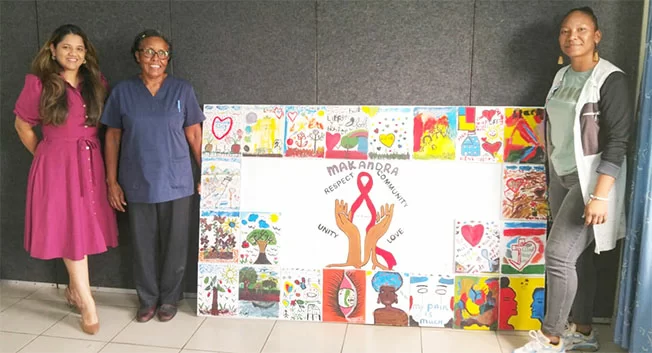
    In a poignant ceremony marking World AIDS Day 2025, the Diakonessen Hospital received a distinctive mosaic artwork created by individuals living with HIV. The collaborative piece, developed under the guidance of artist Ruth-Rachel Joeroeja, was presented to internist and HIV specialist Marja van Eer as a powerful symbol of solidarity, awareness, and stigma reduction.

    The artistic initiative emerged from the HIV Awareness Program led by Lianne Cremers of Vrije Universiteit Amsterdam, in partnership with Anton de Kom University, Paramaribo Academic Hospital, multiple researchers, and artist Joeroeja. The Raining Colors Foundation organized a creative workshop in Paramaribo where participants—all affected by HIV—first attended a motivational session facilitated by Erika Van Der Mark, followed by a painting workshop. Their individual artistic expressions were subsequently integrated into a unified collective artwork.

    During the presentation ceremony, Dr. Van Eer addressed the persistent challenges in achieving a world free of HIV-related complications. “Numerous setbacks mark the path toward eliminating HIV as a public health threat,” she stated. “The World Health Organization’s sustainable development goals for 2030 require that HIV/AIDS no longer constitutes a public health emergency.”

    She highlighted concerning trends, noting that diminishing international support for HIV prevention and treatment programs has complicated early detection of new infections. Simultaneously, stigma and discrimination continue to pose significant barriers to effective HIV management.

    The current epidemiological landscape in Suriname reveals alarming statistics: approximately 7,900 people are living with HIV, with only half aware of their status. Annual new infections approach 460 cases, representing 1.6% of the population. Disparities emerge across demographics: 0.9% among tested women compared to 2.4% among tested men, with many men presenting late with increased complication risks. Pregnant women show a 1.1% prevalence rate.

    Particularly vulnerable populations face dramatically elevated rates: men who have sex with men (31%), transgender individuals (26%), female sex workers (2.1%), and male sex workers (52%). Additionally, teenagers, adolescents, and young pregnant women are increasingly presenting with sexually transmitted infections including HIV, creating risks for both mothers and children.

    Dr. Van Eer emphasized the critical importance of accessibility, testing, and treatment: “Individuals with risks from unprotected sexual contact must have access to education, counseling, and testing. Modern HIV inhibitors enable people with HIV to lead healthy lives.” She issued a compelling call to action: “We must leave no one behind in our HIV response—this is our collective responsibility.”

    The Diakonessen Hospital, which has provided care and support for people living with HIV and their loved ones since 1995, expressed honor in granting the artwork a prominent permanent location within their facilities.

  • Family Issues Urgent Appeal for O-Negative Blood to Support Young Mother Battling Advanced Cancer

    Family Issues Urgent Appeal for O-Negative Blood to Support Young Mother Battling Advanced Cancer

    An urgent humanitarian appeal has been launched in Antigua for immediate blood donations to support a young mother undergoing critical cancer treatment. Rudisha Jean-Pierre, 29, is confronting a life-threatening complication in her battle against stage four metastatic breast cancer that requires emergency O-negative blood transfusions to sustain her treatment protocol.

    Medical authorities confirm that Jean-Pierre’s condition has reached a critical juncture where compatible blood transfusions are essential for maintaining stability. The specific requirement for O-negative blood type—the universal donor blood—presents a particular challenge due to its relative rarity in the population.

    Family representatives describe Jean-Pierre as a resilient wife and devoted mother of two whose spiritual strength has sustained her through an arduous medical journey. They now emphasize that community intervention has become a medical necessity, stating that without immediate blood donations, her prognosis appears increasingly concerning.

    “We are appealing to the collective compassion of our community,” the family stated. “Each blood donation represents potential additional time for a mother with her children and hope for our entire family. Every contribution, whether through direct donation or information sharing, carries significant impact.”

    The family has coordinated with local medical facilities to streamline the donation process, directing potential donors to nearby hospitals and blood collection centers. They’ve expressed profound gratitude for existing support while emphasizing the ongoing nature of Jean-Pierre’s medical requirements.

    Medical professionals note that O-negative blood donations serve particularly crucial functions in emergency medicine and cancer treatment protocols, making sustained donor availability essential for multiple critical care scenarios beyond this individual case.

  • Hidden dangers after hurricane passes

    Hidden dangers after hurricane passes

    KINGSTON, Jamaica — Beyond the visible wreckage of toppled trees and flooded streets, hurricanes leave a more insidious threat lurking within Jamaica’s food supply chain. The period following severe weather creates a perfect storm for contamination, where floodwaters carrying sewage and chemicals combine with power outages that compromise refrigeration systems. These conditions create critical vulnerabilities in kitchens, warehouses, and distribution centers across the island.

    Dr. Roy McNeil, Chief Food Storage Officer of Jamaica’s Food Storage and Prevention of Infestation Division (FSPID), emphasizes that food safety standards transform from routine practice to urgent public health necessity following hurricanes. The division activates its Inspectorate and Disinfestation Unit, deploying teams to assess food facilities across affected parishes while leveraging five specialized laboratories for scientific analysis of potential contaminants.

    The immediate 24-72 hour window after a storm proves most critical. Dr. McNeil advises that safety begins with structural assessments and hazard elimination before any food evaluation. Refrigeration failures demand particular attention—perishable items left unrefrigerated beyond safe time limits must be discarded regardless of appearance or smell, as dangerous pathogens like E. coli and salmonella don’t affect sensory qualities.

    Floodwater contact necessitates immediate disposal of affected food items, including dry goods in non-waterproof packaging. Porous materials like cardboard and wooden utensils typically cannot be salvaged due to deep microbial penetration. While undamaged factory-sealed metal cans might be saved through rigorous cleaning, the governing principle remains: “When in doubt, throw it out.”

    The recovery phase introduces complex pest management challenges as flooding displaces rodents and insects toward human habitats. The FSPI Act defines infestation broadly and mandates specific structural protections—water-resistant surfaces, mesh-sealed ventilation, and properly fitted drains—to exclude pests during rebuilding. The division advocates for non-chemical control methods where possible and requires strict adherence to regulations when pesticides are necessary.

    FSPID inspectors maintain vigilant oversight throughout recovery, examining warehouses, retail establishments, and transport vehicles with authority to detain, seize, or destroy compromised products. This multilayered approach—combining regulatory enforcement, scientific analysis, and public education—forms Jamaica’s defensive barrier against post-hurricane foodborne illness outbreaks, ensuring the nation’s food remains safe and nourishing despite climatic challenges.

  • $80m waste

    $80m waste

    A staggering $80 million worth of pharmaceuticals expired unused within Trinidad and Tobago’s public health system over a ten-year period, parliamentary hearings revealed on December 1. This massive wastage occurs against a backdrop of chronic shortages plaguing the nation’s healthcare infrastructure, where insufficient medical personnel, limited hospital beds, and excessively long waiting times for critical services remain persistent challenges.

    The disclosure before Parliament’s public administration and appropriations committee highlights profound systemic inefficiencies in medication procurement and inventory management. While some drug wastage is inevitable in any healthcare system due to patient mortality, side effects, or regimen non-compliance, the scale of this loss points to deeper operational failures.

    Health Minister Lackram Bodoe previously indicated to MPs during mid-year review debates that the $80 million figure actually represented waste accumulated between 2020-2025 alone, suggesting the total ten-year wastage likely far exceeds the officially reported amount. This discrepancy in reporting timelines further underscores the confusion and poor coordination characterizing the current system.

    The medication procurement process reveals structural flaws: while patients receive care through regional health authorities, pharmaceuticals are centrally purchased through the Health Ministry via contracted entity Nipdec. These multiple administrative layers contribute to significant over-projection of medication needs. North Central Regional Health Authority CEO Davlin Thomas acknowledged fundamental data transmission gaps, unable to confirm how information flows between regional authorities and central procurement.

    This enormous financial loss represents missed opportunities to address critical healthcare shortages. The wasted $80 million could have funded additional medical staff, expanded hospital capacity, or upgraded diagnostic equipment. Despite recent digitization improvements in tracking systems, the scale of wastage indicates that more coordinated oversight and streamlined procurement processes are urgently required to balance adequate medication supply against preventable expiration.