分类: health

  • Health : More than twenty ambulances repaired and put back into service

    Health : More than twenty ambulances repaired and put back into service

    Haiti’s healthcare infrastructure has received a significant boost with the successful restoration of more than twenty ambulances previously sidelined by mechanical failures. This comprehensive rehabilitation initiative, spearheaded by the National Ambulance Center (CAN) since early 2025, represents a strategic nationwide effort to strengthen emergency medical response capabilities across all departments.

    Under the coordinated leadership of CAN Director General Renand Aristide and Administrative and Financial Director Leconte Dor, the program has achieved remarkable regional successes. The Great South region has witnessed the reactivation of over ten emergency vehicles through extensive repairs and systematic maintenance performed by CAN’s specialized technical teams.

    The Northern Region has demonstrated particularly impressive outcomes. In the Northwest territory, a dedicated team of four mechanics under Garage Head Carlo Mompoint executed central administration directives to restore eight long-dormant ambulances to operational status. Complementing these efforts, the department received an additional new vehicle to further enhance its emergency fleet capacity.

    Concurrent operations in the North and Fort-Liberté areas addressed three ambulances suffering from critical mechanical failures. These targeted interventions have substantially improved regional emergency response readiness, ensuring communities regain access to rapid and functional medical transportation services.

    The sight of mechanics working tirelessly on vehicle maintenance has transformed into operational ambulances now actively serving populations again. This systematic approach to rebuilding emergency medical infrastructure marks a crucial step in addressing healthcare accessibility challenges throughout Haiti’s diverse regions.

  • Urgent Appeal Issued for O-Negative Blood Donations

    Urgent Appeal Issued for O-Negative Blood Donations

    The Sir Lester Bird Medical Centre has declared a critical shortage of O-negative blood supplies, triggering an emergency response from health authorities. Medical administrators have mobilized a public donation campaign targeting compatible donors to prevent potential healthcare disruptions.

    In an official communiqué, hospital management outlined the severity of the situation, emphasizing that current reserves have fallen to dangerously inadequate levels. The facility’s Blood Bank division, situated on the first floor of the laboratory building, has extended operational hours from 9:00 a.m. to 6:00 p.m. daily to accommodate urgent donations.

    O-negative blood maintains unique clinical significance as the universal donor type, making it indispensable for emergency medicine when patient blood typing isn’t immediately possible. Hematology specialists emphasize that deficits in this particular blood component directly compromise trauma response capabilities, surgical procedures, and critical care interventions.

    The medical center has established direct communication channels for prospective donors, requesting inquiries through telephone number 484-2720. Healthcare professionals underscore that individual contributions possess exponential lifesaving potential, with single donations potentially benefiting multiple recipients across various medical disciplines.

    Hospital authorities have extended gratitude to potential donors while stressing the time-sensitive nature of the shortage. The appeal highlights the community-dependent nature of blood supply chains and the vital role civilian donors play in maintaining healthcare system resilience.

  • MOH clarifies leprosy myths, misconceptions

    MOH clarifies leprosy myths, misconceptions

    In a decisive move to combat persistent misinformation, Saint Lucia’s Ministry of Health, Wellness and Nutrition has launched a public education campaign emphasizing that leprosy is entirely curable and that social stigma represents the primary barrier to its eradication.

    The Ministry’s statement, timed with World Leprosy Day (January 25), highlights how medical advancements have transformed leprosy from a historically feared disease into a manageable condition. Free and effective treatment is readily accessible through dermatology clinics at wellness centers nationwide.

    Observed under the theme “Leprosy is Curable; the Real Challenge is Stigma,” World Leprosy Day 2026 spotlights the disconnect between medical reality and public perception. Health officials acknowledge significant therapeutic progress while noting that misinformation continues to perpetuate fear, silence, and social isolation among affected individuals.

    Leprosy, a chronic infectious disease affecting the skin, nerves, eyes, and respiratory tract, becomes non-transmissible within days of starting treatment. The Ministry stresses that early detection and proper medical intervention prevent permanent disability, enabling patients to maintain normal lives and livelihoods.

    Despite medical certainty, deep-rooted stigma persists through misconceptions about transmission methods, curability, and supernatural associations. These false beliefs frequently delay treatment-seeking behavior and inflict psychological trauma that lingers beyond medical recovery.

    The health authority urges public cooperation in disseminating factual information, demonstrating compassion, and supporting affected community members. Citizens are advised to seek immediate medical consultation upon observing symptoms including pale skin patches with diminished sensation, body nodules, or recurrent burns and ulcers on extremities.

    Notably, the Ministry confirms that preventive treatment is available without charge for close contacts of diagnosed individuals, representing a crucial component of transmission interruption.

    Health officials maintain that leprosy elimination in Saint Lucia is medically achievable, but eliminating stigma demands collective societal effort. The Ministry reaffirms that no individual should face discrimination or exclusion due to a preventable and curable health condition.

  • One-third of beds active at Falmouth Hospital despite Hurricane Melissa damage

    One-third of beds active at Falmouth Hospital despite Hurricane Melissa damage

    FALMOUTH, Trelawny — Health and Wellness Minister Dr. Christopher Tufton has confirmed that Falmouth Public General Hospital continues to provide critical services despite sustaining substantial damage from Hurricane Melissa. Currently, only 57 of the facility’s 140 beds remain operational, representing approximately one-third of its total capacity.

    During a comprehensive assessment tour this past Saturday, Minister Tufton evaluated repair progress and consulted with administrative and clinical staff. He reported that two-thirds of the hospital’s bed capacity had been compromised by the hurricane, creating significant operational constraints.

    The hospital administration has implemented adaptive measures to maintain emergency services, including relocating the Accident and Emergency (A&E) department to a previously unused COVID-19 ward that underwent rapid repairs. This temporary solution ensures continued emergency care availability despite the ongoing reconstruction efforts.

    Among the most severely damaged areas is the A&E department, which requires complete roof replacement. Construction crews are elevating and reinforcing the roof structure with concrete slabs to enhance future storm resistance. The dietary department also suffered substantial roof damage, though temporary arrangements have been established while repairs continue.

    Minister Tufton emphasized the importance of utilizing primary healthcare facilities during this recovery period, urging Trelawny parish residents to visit local health centers for non-emergency care. “I appeal to citizens to recognize the inconveniences and utilize health centers as first stops unless facing absolute emergencies,” he stated, while assuring that emergency medical services remain available at the hospital.

    The Ministry of Health has targeted March for full completion of repairs, though officials are encouraging contractors to accelerate the timeline where possible. The ongoing situation presents temporary challenges for healthcare delivery throughout the parish as recovery efforts continue.

  • Renovation works intensifying at Noel Holmes Hospital after Melissa damage

    Renovation works intensifying at Noel Holmes Hospital after Melissa damage

    HANOVER, Jamaica — With approximately one month remaining until project completion, renovation efforts at Hanover’s Noel Holmes Hospital are advancing in a meticulously controlled manner, successfully avoiding patient overcrowding issues that have plagued other medical facilities. Health and Wellness Minister Dr. Christopher Tufton confirmed the positive progress following his comprehensive inspection tour this past Saturday.

    Minister Tufton, engaging with press representatives after evaluating the institution, emphasized the hospital’s exceptional operational management. “Among the facilities I’ve recently assessed, this one demonstrates remarkable control with no signs of patient overcrowding, as consistently reported by both clinical and administrative leadership,” Tufton stated.

    The ministerial visit formed part of a broader evaluation initiative covering six medical institutions impacted by previous catastrophic weather events, including Mandeville Regional Hospital, Black River Hospital, Savanna-la-Mar Public General Hospital, Cornwall Regional Hospital, and Falmouth Public General Hospital. The 60-bed Noel Holmes Hospital presents a stark contrast to Savanna-la-Mar Hospital, which, despite its original 218-bed capacity, currently accommodates 298 patients between its primary structure and temporary field hospital.

    Critical emergency services at Noel Holmes remain fully functional, with Tufton noting that the Accident and Emergency department maintains comfortable operations, managing approximately 40 patient cases daily. This efficiency is bolstered by collaborative support from a Spanish-based non-governmental organization, which has established an emergency field unit complete with operational theater capabilities and supplementary bed capacity.

    Renovation activities are concurrently advancing across multiple hospital sectors, including comprehensive upgrades to nursing quarters, dietary service facilities, and maternity ward infrastructure. Construction teams have successfully executed roof removal and structural reinforcement procedures, with concrete slab installation scheduled for imminent implementation.

    Additionally, Minister Tufton provided progress updates regarding the nearby Lucea Health Centre, where roofing replacement has been finalized. Healthcare staff are anticipated to resume primary care services within the facility during the upcoming week, despite minor outstanding roofing requirements in limited sections.

    — Anthony Lewis

  • Trinidad and Tobago Newsday – Sunday January 25th 2026

    Trinidad and Tobago Newsday – Sunday January 25th 2026

    The global dietary supplement market is undergoing significant transformation as regulatory bodies and health experts call for enhanced oversight. With consumers increasingly turning to vitamins, minerals, and herbal products for wellness support, questions regarding efficacy, safety, and manufacturing standards have moved to the forefront of public health discussions.

    Recent developments indicate regulatory agencies are strengthening monitoring systems to address quality control issues and misleading marketing claims. The industry, valued at approximately $150 billion worldwide, has experienced exponential growth despite varying regulatory frameworks across different jurisdictions. Scientific communities continue to debate the actual health benefits of many popular supplements, with research outcomes often presenting conflicting evidence.

    Manufacturers now face mounting pressure to implement more rigorous testing protocols and provide transparent labeling. Consumer advocacy groups have intensified campaigns for mandatory third-party verification and clearer disclosure of potential side effects. Medical professionals increasingly recommend that patients consult healthcare providers before incorporating supplements into their regimens, particularly when combining them with prescription medications.

    The digital era has further complicated the landscape through the proliferation of online marketplaces and social media influencers promoting unverified products. International health organizations are collaborating to establish harmonized standards while developing public education initiatives about supplement safety and appropriate usage.

  • Is fat on the way to becoming extinct?

    Is fat on the way to becoming extinct?

    The public discourse surrounding GLP-1 medications has reached a cultural tipping point, propelled by celebrity endorsements from figures like Oprah Winfrey and Serena Williams. Their candid discussions about using these pharmaceuticals for weight management have transformed once-private health conversations into mainstream dialogue, effectively destigmatizing curiosity about medical interventions for obesity.

    This cultural shift demands a critical examination grounded in scientific evidence rather than social media hype. While these medications demonstrate significant clinical efficacy—with studies like the STEP trials published in The New England Journal of Medicine showing 10-15% average weight loss over approximately one year—they are frequently misunderstood as miracle solutions rather than tools requiring medical supervision.

    The fundamental mechanism of GLP-1 drugs involves mimicking natural hormones that regulate appetite and blood sugar, creating feelings of fullness and reducing caloric intake. Originally developed for Type 2 diabetes management, medications like semaglutide (Ozempic) have shown remarkable effectiveness for weight management when combined with lifestyle modifications.

    However, the disparity between scientific reality and cultural perception has created dangerous consequences. The World Health Organization’s December 2025 global guidelines formally recognized obesity as a chronic disease while issuing cautious conditional recommendations for GLP-1 therapies, citing limited long-term safety data, cost concerns, and serious equity considerations.

    The underground market for these medications presents alarming risks. Reports of counterfeit and compounded versions sold through social media platforms without prescriptions, proper medical oversight, or quality control have prompted international regulatory warnings. These unauthorized products may contain harmful ingredients and pose significant health dangers.

    Jamaica’s Minister of Health and Wellness Dr. Christopher Tufton emphasizes that while these medications represent advancement in obesity treatment, they must be integrated within comprehensive healthcare strategies including nutrition, physical activity, and professional medical support. The current trend of off-label use has already created shortages for diabetic patients who rely on these drugs for disease management, highlighting systemic resource allocation challenges.

    The conversation must recenter on evidence-based medicine rather than cultural pressure. As access to these treatments remains uneven across socioeconomic groups, there’s risk that thinness becomes a status symbol rather than a health outcome, potentially exacerbating existing health disparities and body shaming attitudes.

    Medical professionals stress that these prescription medications require thorough assessment including blood work, contraindication screening, and ongoing monitoring. The most critical recommendation for anyone considering GLP-1 therapy remains consultation with qualified healthcare providers to understand risks, benefits, and appropriate integration with long-term health strategies.

  • Two new medicinal cannabis centres could open this year, says licensing chief

    Two new medicinal cannabis centres could open this year, says licensing chief

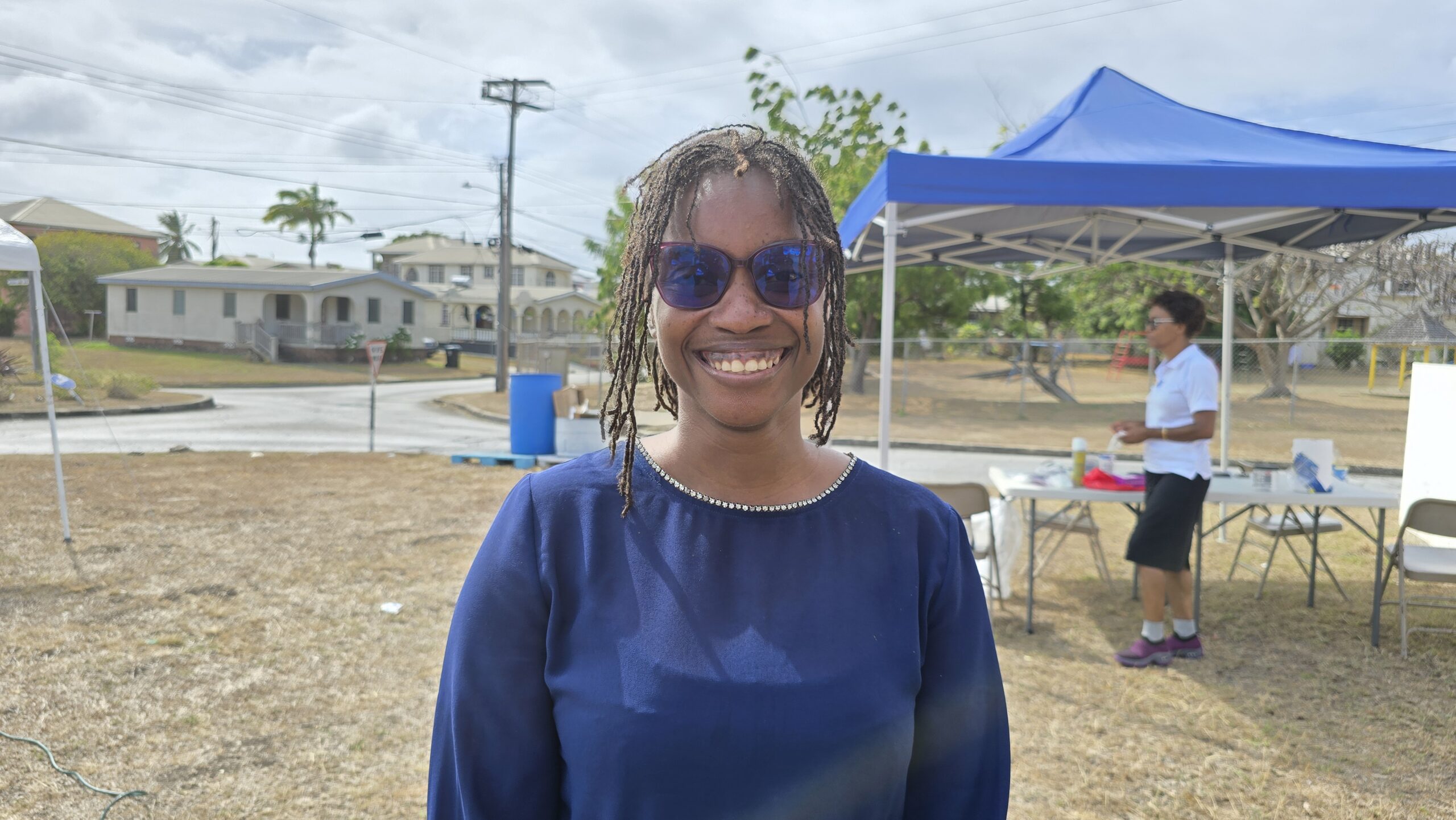
    Barbados’ regulated medicinal cannabis sector is poised for significant expansion in 2026, with two new facilities advancing toward operational status, according to official statements from the island’s regulatory authority. Shanika Roberts-Odle, Acting CEO of the Barbados Medicinal Cannabis Licensing Authority (BMCLA), confirmed the developments during a public open day event at Island Naturals Medical Centre in Sheraton Mall, marking the organization’s fifth anniversary.

    The forthcoming facilities will operate within the pharmacy and therapeutic categories, providing supervised medical access to cannabis products under Barbados’ strict regulatory framework. This expansion follows the successful launch of two businesses in 2025, demonstrating what Roberts-Odle characterized as ‘tangible progress’ in an industry that requires long-term development strategies.

    Currently, the BMCLA has issued approximately 12 licenses spanning the entire value chain, including cultivation, manufacturing, retail, transportation, security, and research—with one license held by The University of the West Indies. While some licensees are already operational, others continue navigating substantial business, financial, and logistical challenges.

    Roberts-Odle identified international banking restrictions as the most significant obstacle facing the industry, directly linking these constraints to the continued federal prohibition of cannabis in the United States. ‘We do not exist in isolation,’ she emphasized. ‘Because the U.S. maintains federal prohibition, our local banks—which all maintain U.S. correspondent relationships—are reluctant to engage with cannabis businesses.’

    Despite these hurdles, the acting CEO urged collaboration and persistence, noting the industry has demonstrated remarkable resilience. She advised prospective entrepreneurs to ‘work together as a group of individuals’ and emphasized the BMCLA’s willingness to facilitate problem-solving dialogues.

    The open day event formed part of a broader public education initiative addressing decades of stigma associated with cannabis use. Roberts-Odle stressed that changing public perceptions requires sustained exposure and open discussion, contrasting regulated medical facilities with illicit market operations.

    At the Sheraton Mall facility, patients can access diverse medicinal products including locally cultivated cannabis flowers, creams, oils, tinctures, and vaporizer products—some imported from international sources. This differs from the Island Therapeutics facility in Worthing, which focuses primarily on Barbados-grown flowers and pharmacist-compounded products.

    Roberts-Odle clarified that the authority does not interfere with doctor-patient relationships or restrict conditions eligible for cannabis treatment, trusting Barbadian medical professionals to make appropriate decisions. Common applications include cancer-related pain and nausea, multiple sclerosis symptoms, arthritis, endometrial pain, and sleep disorders—though she emphasized that ‘cannabis is not snake oil’ but rather ‘another tool in the toolbox’ that may not be suitable for everyone.

    Regarding regulatory compliance, Roberts-Odle explained that legal access requires a prescription from registered medical practitioners, either private doctors or on-site physicians at approved facilities. She specifically addressed misconceptions about membership cards, noting that prescription labels—not cards—provide legal protection. While some patients have been stopped by authorities, she reported that issues were promptly resolved upon presentation of proper documentation.

    The regulatory framework explicitly prohibits smoking medicinal cannabis, permitting only vaping, oils, creams, and tinctures as approved consumption methods.

  • Zeven nieuwe gezondheidsassistenten versterken zorg Medische Zending

    Zeven nieuwe gezondheidsassistenten versterken zorg Medische Zending

    PARAMARIBO – In a significant boost to rural healthcare infrastructure, seven Healthcare Assistants (GZA) from Medical Mission Primary Health Care Suriname have successfully completed their accredited training program and are now prepared for deployment to the nation’s interior regions. The graduates received their official certification during a ceremony held on Thursday.

    The comprehensive GZA training program holds dual accreditation, being formally recognized by the Ministry of Education, Science and Culture while also meeting the legal standards established by the Ministry of Health. Following their official swearing-in ceremony, these newly qualified healthcare professionals will be immediately assigned to serve within Medical Mission’s operational coverage areas.

    Health Minister André Misiekaba emphasized the critical importance of well-trained medical personnel for strengthening primary healthcare services, particularly in remote and underserved regions. “These healthcare assistants will serve as the first point of contact for medical assistance in village communities, providing accessible and essential healthcare services to residents,” Minister Misiekaba stated during the certification event.

    The training journey presented considerable challenges, including significant disruptions and delays caused by the COVID-19 pandemic. Despite these obstacles, all seven participants demonstrated remarkable perseverance and successfully completed the rigorous program.

    Herman Jintie, Director of Medical Mission, highlighted the indispensable role these healthcare assistants play within the primary healthcare framework of Suriname’s interior. “GZAs form an irreplaceable component of our healthcare delivery system in remote areas,” Jintie affirmed. The organization additionally expressed gratitude to the Spring Health Foundation for their substantial support throughout the training initiative.

  • Efforts underway to cut mother-to-child transmission of syphilis, HIV

    Efforts underway to cut mother-to-child transmission of syphilis, HIV

    Barbados is confronting a significant public health emergency as health authorities report a concerning surge in syphilis infections nationwide. The Ministry of Health has issued urgent advisories, calling for sexually active individuals to undergo immediate testing. While specific case numbers remain undisclosed, officials confirm an upward trend that demands proactive public engagement.

    Syphilis, a bacterial infection transmitted through sexual contact, presents a unique public health challenge due to its frequently asymptomatic nature in early stages. The ministry emphasized that many carriers remain unaware of their infection as initial symptoms can be mild or absent entirely, allowing silent transmission to continue unchecked.

    The infection’s progression poses severe health risks if left untreated. After initial presentation as painless sores on genitals, anus, or mouth, the disease can manifest as skin rashes—particularly on palms and soles—accompanied by swollen glands, fever, fatigue, and body aches that are often misdiagnosed as other conditions. Crucially, even when visible symptoms disappear, the infection persists and can cause irreversible damage to brain, heart, and other organs over years.

    Most alarmingly, syphilis presents grave dangers during pregnancy. Untreated infections can lead to miscarriage, stillbirth, or congenital syphilis in newborns, resulting in severe lifelong complications. Health authorities stress that these outcomes are entirely preventable through early prenatal testing and prompt antibiotic treatment.

    The ministry recommends consistent condom use as primary prevention and urges testing for all sexually active individuals, particularly those with new or multiple partners. Those testing positive are encouraged to begin immediate treatment and notify recent sexual partners to facilitate contact tracing and prevent further spread.

    This health alert emerges as Barbados pursues World Health Organization certification for eliminating mother-to-child transmission of syphilis, HIV, and hepatitis B. A recent Pan American Health Organization assessment recognized Barbados’ strong maternal health systems while identifying areas for improvement. Achieving certification would place Barbados among eleven Caribbean nations already recognized for preventing vertical transmission of these infections, following Cuba’s pioneering success in eliminating both HIV and syphilis transmission to newborns.

    The health ministry is concurrently working to expand testing accessibility, ensure treatment availability, and reduce societal stigma surrounding sexually transmitted infections to encourage more people to seek care without hesitation.