分类: health

  • 13-y-o battles rapidly worsening scoliosis as family struggles to raise funds for surgery

    13-y-o battles rapidly worsening scoliosis as family struggles to raise funds for surgery

    Thirteen-year-old Jamaican student Shanita Bruce faces an escalating medical battle with severe scoliosis that has abruptly halted her athletic pursuits and normal childhood activities. What began as a minor concern detected at age eleven has rapidly progressed into a debilitating spinal condition that causes frequent pain and functional limitations.

    Medical imaging reveals significant rightward curvature of Shanita’s spine, with the angle worsening dramatically over the past two years. The condition has transformed her from an active track and field enthusiast to someone who experiences chest and back pain with basic movement. Her father, Sean Bruce, recounts how some days she cannot even attend school due to her inability to maintain a seated position for extended periods.

    Daily life has become increasingly challenging for the teenager. Her mother describes how Shanita must frequently lie down to alleviate spinal pressure and struggles with pain during routine activities like standing, sitting, or even styling her hair. Although Holy Childhood High School has recommended a specialized chair to accommodate her needs, the young student has expressed reluctance to use equipment that might draw attention to her condition.

    Despite these physical limitations, Shanita maintains remarkable resilience and continues participating in dance, singing, and drama activities within her physical capabilities. Her family confirms that spinal fusion surgery remains the only viable medical solution, with estimated costs exceeding $4 million Jamaican dollars (approximately $25,600 USD) for the procedure, medical tests, spinal hardware, and postoperative care—excluding separate surgeon’s fees.

    The Bruce family has initiated a GoFundMe campaign alongside local fundraising efforts including cake sales to finance the life-changing operation. Shanita’s mother, who recently joined online scoliosis support communities, describes the research process as emotionally overwhelming yet necessary. She emphasizes the critical importance of early intervention, urging parents to seek multiple medical opinions and pursue physiotherapy before conditions become severe enough to require surgical intervention.

    While confronting the realities of postoperative recovery—including potential assistance with basic functions and significant pain management—the family maintains hope through Shanita’s unwavering faith and determination. The young patient herself understands the necessity of the procedure, primarily wishing to prevent further physical deformity.

    This case has highlighted broader concerns about healthcare accessibility in Jamaica, with the family advocating for more affordable treatment options for children diagnosed with scoliosis. Those wishing to support Shanita’s medical journey can contribute through their GoFundMe page at https://gofund.me/83cdd1670.


  • Chinese hospital ship to provide free medical care in Barbados for Christmas

    Chinese hospital ship to provide free medical care in Barbados for Christmas

    The People’s Republic of China will deploy its advanced naval hospital vessel, the Silk Road Ark, to Barbados during the Christmas season to deliver comprehensive medical care at no cost to local residents. This initiative marks the ship’s inaugural international humanitarian mission, scheduled from December 20-27, 2024.

    According to Barbados’ Ministry of Health and Wellness, the floating medical facility will offer services from December 21-26, operating daily between 8:00-11:00 AM and 2:00-5:00 PM. The vessel represents one of the most sophisticated mobile medical platforms globally, featuring five specialized medical zones, eight fully-equipped operating theaters, and emergency helicopter capabilities.

    Medical services encompass over sixty treatment modalities across fourteen clinical disciplines. Specialized care will include cardiovascular and respiratory medicine, gastroenterology, general surgery, orthopedics, ophthalmology, obstetrics and gynecology, pediatrics, dermatology, otolaryngology, and traditional Chinese medicine therapies. Surgical interventions will range from appendectomies and hernia repairs to fracture stabilization, cataract procedures, and various endoscopic operations.

    Stringent health protocols will be enforced to minimize infection risks, with restrictions applied to individuals presenting fever exceeding 37.5°C, active tuberculosis, comatose states, or critical infectious conditions. All Chinese medical personnel aboard will hold valid registrations with Barbadian professional councils, and patients may access services without mandatory referral documentation.

    Health officials characterize this deployment as a significant humanitarian gesture during the holiday period, providing Barbadians unprecedented access to advanced medical care regardless of their healthcare status.

  • Health officials warn against improper use of some water products

    Health officials warn against improper use of some water products

    The Ministry of Health and Wellness has escalated public health concerns by issuing a formal advisory against numerous commercially available water products falsely marketed as deionized or distilled. Recent comprehensive evaluations conducted by the Ministry have uncovered that several products bearing these labels critically fail to meet established health and safety benchmarks.

    Official assessments indicate these non-compliant products pose potential health risks for both domestic consumption and clinical applications. Consequently, the Ministry is urgently advising consumers to strictly adhere to the usage purposes explicitly stated on product labeling, emphatically warning against their utilization for drinking, cooking, or personal hygiene.

    In a significant directive to healthcare providers, the Ministry specifically alerted medical facilities and clinical institutions that these substandard products are deemed unsuitable for sterilization, wound care, or any medical procedures due to unverifiable quality assurance. The safety profile of these products for healthcare environments cannot be guaranteed, potentially compromising patient safety and clinical outcomes.

    The Ministry has activated additional channels for public assistance, directing concerned citizens and medical professionals to contact the Environmental Health Department directly at 536-3854 or 536-3855 for further clarification and guidance regarding product safety verification.

  • Belize Among Top Alcohol Consumers in the Americas

    Belize Among Top Alcohol Consumers in the Americas

    Belize faces a mounting public health emergency as new data reveals the nation ranks among the highest per-capita alcohol consumers in the Western Hemisphere. Beyond cultural celebrations, excessive drinking has evolved into a destructive pattern fueling addiction, non-communicable diseases, and domestic violence across the Central American nation.

    The Ministry of Health and Wellness convened a critical stakeholder forum this week to address the alarming trends. Medical experts presented disturbing findings indicating children are typically introduced to alcohol before age ten, with habitual drinking patterns solidifying during teenage years.

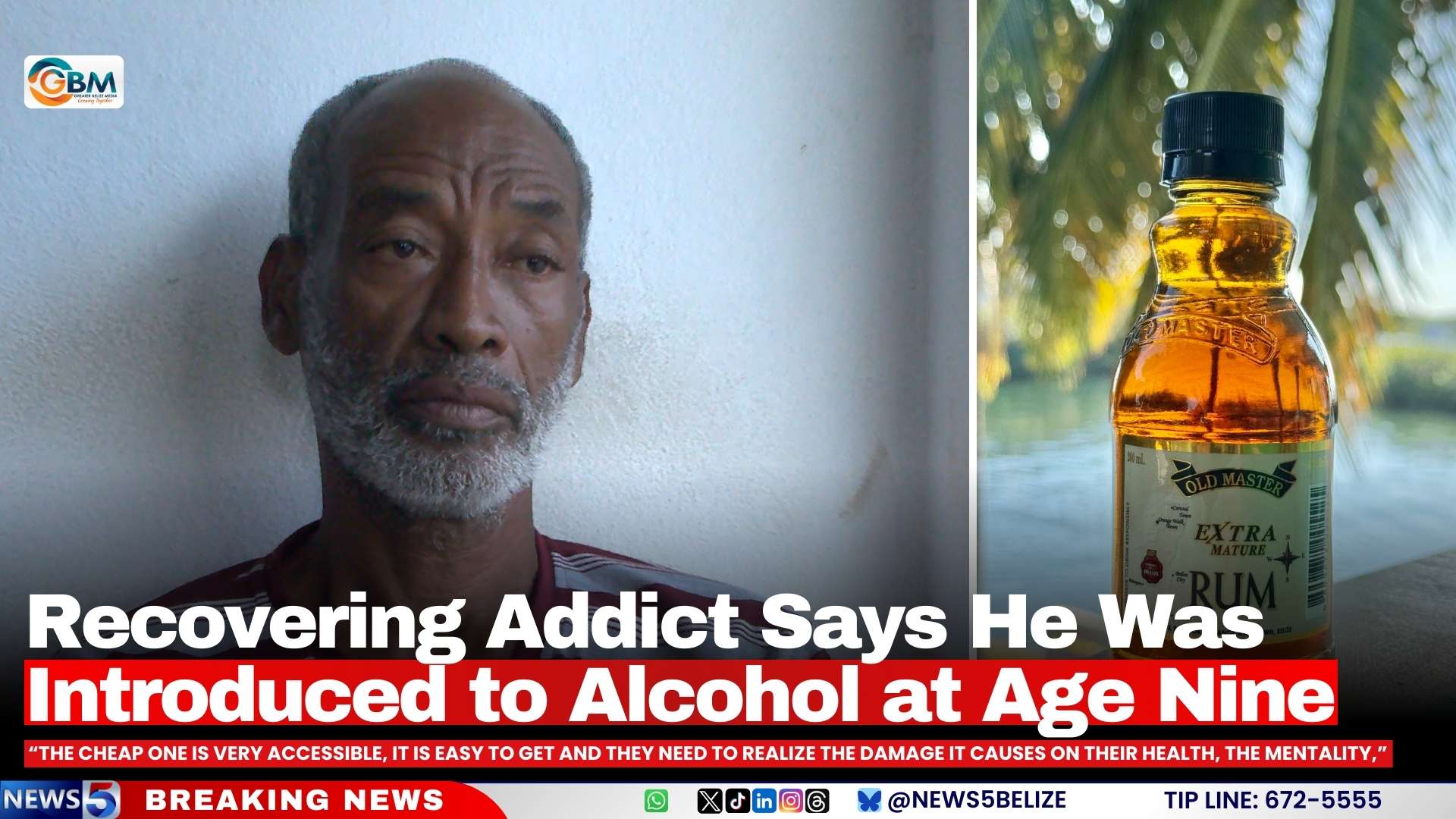
    Recovering addict Lee Henkis provided a harrowing firsthand account, tracing his substance abuse journey to childhood exposure. “My stepfather had me light cigarettes and clean marijuana for him under the house,” Henkis revealed. “It affected my life greatly—I lost educational opportunities, family trust, and ultimately myself.”

    The accessibility and affordability of alcohol, particularly potent illicit varieties known locally as “badman” or “fire water,” exacerbate the crisis. Felicia Hill of Remar Belize addiction recovery center emphasized, “The cheap alcohol is very accessible. People need to realize the damage it causes to health and mentality.”

    Dr. Lila Estephan, Non-Communicable Disease Coordinator for Belize’s health ministry, framed alcoholism as a medical condition rather than moral failing. “Alcoholism is a disease, an addiction—we cannot blame the consumer,” she stated.

    Henkis, now sober for two-and-a-half years through Remar Belize’s program, represents hope for recovery. The nonprofit organization, operational since the 1990s, continues helping Belizeans overcome dependency while advocating for stricter enforcement of age verification laws and public awareness campaigns.

  • Recovering Addict Says He Was Introduced to Alcohol at Age Nine

    Recovering Addict Says He Was Introduced to Alcohol at Age Nine

    A startling personal account from Belize has highlighted the severe public health crisis of early-age substance exposure. Lee Henkis, now in recovery, reveals he was first introduced to alcohol, cigarettes, and marijuana at just nine years old by an adult within his household.

    Henkis describes how substance use derailed his academic potential and personal life. “It affected my life profoundly,” he stated. “I demonstrated strong aptitude in biology, but negative social influences led me toward destructive habits of drinking and smoking, resulting in severe self-neglect.” His addiction eventually eroded family trust and precipitated mental health struggles, compounded by a diabetes diagnosis three years ago.

    His path to recovery began at Remar Belize, a rehabilitation facility co-directed by Felicia Hill. Hill identifies accessibility and affordability as primary drivers of addiction. “The inexpensive alcohol varieties remain highly accessible,” Hill explained. “Individuals must recognize the severe damage these substances inflict on both physical health and mental wellbeing.”

    This testimony emerges alongside concerning data indicating numerous Belizeans initiate alcohol consumption before age ten, often continuing into adolescence. Hill advocates for heightened community responsibility, urging retailers to rigorously verify age through official identification.

    Health authorities emphasize that alcohol dependence constitutes a medical condition rather than mere behavioral failure. Dr. Lila Estephan, Non-Communicable Disease Coordinator at Belize’s Ministry of Health and Wellness, clarified: “Alcoholism is a legitimate disease. Blaming consumers misunderstands the condition’s clinical nature.”

    Henkis mourns childhood friends lost to excessive alcohol consumption, recalling their consumption of high-potency, inexpensive alcohol known locally as “badman,” often consumed nearly undiluted. Having maintained sobriety for two and a half years, his story now serves as both warning and inspiration within Belize’s public health landscape.

  • It May Taste Good, But “It’s Killing Us”

    It May Taste Good, But “It’s Killing Us”

    A groundbreaking legal battle unfolding in San Francisco has ignited global concerns about the health implications of ultraprocessed foods, products that have become increasingly prevalent in households worldwide, including in Belize. The City of San Francisco has initiated litigation against ten multinational food corporations, alleging they have deliberately engineered and marketed products scientifically linked to serious chronic health conditions.

    The lawsuit presents evidence that these food items were specifically formulated to create addictive consumption patterns, contributing significantly to escalating global rates of obesity, diabetes, and related metabolic disorders. San Francisco City Attorney David Chiu emphasized that scientific research has now reached an undeniable “tipping point,” establishing profound connections between these products and deteriorating public health outcomes, alongside imposing substantial healthcare costs on consumers.

    Among the specifically named defendants are industry titans Coca-Cola, PepsiCo, Nestlé, Kellogg, and Kraft Heinz—all familiar presences in Belizean markets. The comprehensive list further includes Mondelez International, Post Holdings, General Mills, Mars Incorporated, and ConAgra Brands.

    Ultraprocessed foods subject to litigation typically encompass sugar-sweetened beverages, artificially flavored chips, and packaged snack items containing excessive additives, sugars, sodium, and unhealthy fats. University of California San Francisco Professor Laura Schmidt described the decades-long health crisis as “watching a train wreck in slow motion,” noting particularly alarming increases in childhood diabetes, pediatric fatty liver disease, and youth obesity rates linked to these nutritional products.

    The Consumer Brands Association has formally contested the allegations, maintaining that member companies strictly follow evidence-based safety protocols established by the U.S. Food and Drug Administration. Nevertheless, prominent nutrition researcher Barry Popkin counters that despite successful public health campaigns reducing smoking rates, chronic diseases continue escalating due to dietary patterns. Popkin’s research indicates approximately 75-80% of children’s caloric intake and 55-60% of adults’ consumption derives from ultraprocessed sources, leading him to state unequivocally: “The food is killing us.”

  • [UPDATED] Hislop on cancer diagnosis: Testing saves lives

    [UPDATED] Hislop on cancer diagnosis: Testing saves lives

    Former Trinidad and Tobago international goalkeeper Shaka Hislop has become an outspoken advocate for prostate cancer screening after revealing his own 18-month battle with the disease. The 56-year-old ESPN analyst shared his health journey in a powerful social media video on December 3rd, emphasizing how early detection proved crucial to his treatment success.

    Hislop disclosed that routine bloodwork during an annual physical examination first flagged concerning PSA (prostate-specific antigen) levels, leading to further diagnostic procedures. Subsequent MRI scans and biopsies confirmed an aggressive form of prostate cancer that eventually metastasized to his pelvic bone by mid-2025. The former Premier League goalkeeper recently completed an intensive seven-week radiation therapy regimen.

    Addressing the disproportionate impact on Caribbean communities, Hislop stated: ‘The highest rate of prostate cancer mortality is in Caribbean men. Please go get tested, know your PSA, track its history.’ He stressed that genetic history doesn’t necessarily predict risk, noting that comprehensive genetic testing showed no familial traits despite multiple family members eventually being affected.

    Hislop’s message has resonated across the football community and beyond. The Trinidad and Tobago Football Association expressed support, while former teammates and coaches including Dwight Yorke, Russell Latapy, and Stephen Hart offered public well-wishes. His emotional video concluded with the symbolic gesture of ringing the cancer treatment bell, marking a significant milestone in his recovery journey.

    The former Newcastle and West Ham United goalkeeper emphasized that regular screening is recommended for all men over 50, with the age dropping to 40 for those of African descent. His advocacy highlights how proactive healthcare decisions can significantly impact outcomes, with Hislop affirming: ‘Testing saves lives. It saved mine.’

  • PAHO launches tool to improve care for women who survive sexual violence

    PAHO launches tool to improve care for women who survive sexual violence

    In response to the alarming prevalence of gender-based violence across the Americas, the Pan American Health Organization (PAHO) has introduced a pioneering rapid assessment instrument designed to revolutionize care for survivors of sexual assault. This initiative addresses the staggering statistic indicating approximately one-third of women in the region experience physical or sexual violence during their lifetimes.

    The innovative tool provides public health systems with an evidence-based framework to critically evaluate emergency room and clinical services, identify significant deficiencies in post-assault care protocols, and enhance medical responses to this pervasive public health crisis. Launched during a specialized webinar attended by over 400 healthcare professionals, the instrument enables nations to transform regional commitments into tangible improvements within medical facilities.

    Britta Monika Baer, PAHO’s violence prevention advisor, emphasized the critical nature of this development: ‘Every survivor deserves compassionate, comprehensive healthcare following sexual assault. Medical systems serve not merely as responders but as essential lifelines capable of restoring dignity, preventing lifelong physical and psychological trauma, and ultimately disrupting cycles of violence.’

    This groundbreaking assessment methodology builds upon PAHO’s existing Strategy and Plan of Action on Strengthening the Health System to Address Violence against Women (2015-2025), which recognizes healthcare’s dual role in both responding to and preventing violence. Developed with financial support from the Canadian government, the tool answers health ministers’ requests for practical resources to monitor progress against regional indicators while optimizing limited resources.

    Specifically tailored to the Americas’ healthcare context and initially designed in Spanish, the instrument incorporates World Health Organization clinical guidelines on intimate partner and sexual violence while integrating quality-assurance standards from partner organizations. PAHO has adapted these international protocols to focus specifically on core post-rape care components and frontline provider competencies, addressing the urgent need for compassionate care to prevent unintended pregnancies, HIV transmission, and other sexually transmitted infections while safeguarding survivor well-being.

  • Health Minister Dr Lackram Bodoe: No shortage of critical meds

    Health Minister Dr Lackram Bodoe: No shortage of critical meds

    Health Minister Dr. Lackram Bodoe has issued firm assurances that Trinidad and Tobago’s public health system maintains adequate supplies of cardiovascular, hypertension, and cancer medications, despite recent revelations of significant pharmaceutical wastage. The confirmation comes in response to disclosures made during a December 1 sitting of the Public Administration and Appropriations Committee, which uncovered that approximately $80 million worth of unused drugs had expired in storage over the past decade.

    In an exchange with Newsday via WhatsApp, Minister Bodoe addressed concerns regarding potential impacts on the Chronic Disease Assistance Programme (CDAP), a vital initiative providing free prescription medications for diabetes, hypertension, cardiac conditions, and other chronic diseases. When questioned about how the addition of five new drugs to the CDAP formulary on October 1 might affect existing stockpiles, and what preventive measures would be implemented to curb future waste, Bodoe provided detailed reassurances.

    “I am advised that these medicines remain available across the regional health authorities for the population, and that patient care is not at risk,” Bodoe stated emphatically. He elaborated on the ministry’s operational framework, noting that “the ministry operates through a structured, accountable procurement and supply-chain process that ensures continuous availability of essential drugs. Procurement decisions are guided by clinical need, safety, quality and value for money.”

    The Health Minister emphasized that citizen health and well-being constitute the ministry’s paramount priority, with daily monitoring protocols actively ensuring uninterrupted access to life-saving medications throughout the healthcare system.

  • Minister Nisbett: Alexandra Hospital Continues to Deliver First-Class Care as Services Expand

    Minister Nisbett: Alexandra Hospital Continues to Deliver First-Class Care as Services Expand

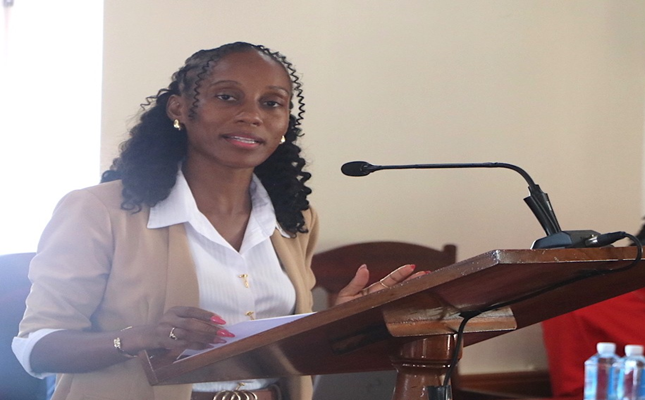
    During the 2026 Budget Debate in the Nevis Island Assembly, Health Minister Honourable Senator Jahnel Nisbett delivered a robust defense of Alexandra Hospital’s operational performance and future vision. The minister presented compelling data demonstrating the institution’s critical role in serving the Nevisian community while outlining ambitious modernization plans supported by substantial government funding.

    Minister Nisbett emphatically countered negative perceptions about the hospital’s status, stating: “The Alexandra Hospital is not closed. It is not failing. It is not dormant. It is functioning, busy, and carrying the weight of this island’s healthcare needs daily.” Statistical evidence supports this assertion, with 18,626 new patients registered in the health information system between January and November 2025 alone. The facility recorded 17,355 patient visits and completed 14,789 clinical appointments during this period, while 7,795 individuals received direct treatment.

    The hospital’s diagnostic capabilities remain particularly strong, with laboratory services averaging over 700 tests monthly and radiology departments conducting more than 250 scans per month. Financial management also reflects responsible stewardship, with the institution generating over EC$3 million in patient services billing and collecting more than EC$2.1 million net revenue. Notably, patients pay less than EC$30 for hospital stays encompassing three daily meals and comprehensive care.

    Specialized services like the Nevis Eye Care Programme further exemplify healthcare excellence, recording 1,576 patient visits in 2025. The program delivered 43 diabetic laser procedures, 14 glaucoma laser treatments, multiple cataract interventions, and two corneal transplants—all provided at minimal patient cost, with no individual paying more than $400 for specialty services.

    While celebrating current achievements, Minister Nisbett acknowledged the necessity for infrastructure improvements. “We acknowledge openly that it requires modernization and expansion, including the well-overdue Alexandra Hospital Wing,” she stated, confirming the government’s commitment to funded expansion rather than ceremonial projects. Negotiations are currently underway to secure favorable financing options for this development.

    The Ministry of Health, Gender Affairs and Social Empowerment will receive $43 million in funding for 2026, representing 15% of the total budget and the second-highest ministerial allocation. This substantial investment underscores the Concerned Citizens Movement-led government’s dedication to healthcare advancement, ensuring Alexandra Hospital continues serving as the cornerstone of Nevis’s healthcare system while transitioning toward an enhanced, modernized future.