分类: health

  • Percy Junor Hospital becomes 12th baby-friendly certified institution

    Percy Junor Hospital becomes 12th baby-friendly certified institution

    KINGSTON, Jamaica — Percy Junor Hospital in Manchester has attained international recognition as a baby-friendly institution, marking a significant milestone as Jamaica’s twelfth public hospital to receive this prestigious certification. The accreditation comes through the globally recognized Baby-Friendly Hospital Initiative (BFHI), a joint program established by the World Health Organization (WHO) and the United Nations Children’s Fund (UNICEF).

    The BFHI framework acknowledges healthcare facilities that demonstrate excellence in maternal and newborn care while actively championing evidence-based breastfeeding practices. The initiative emphasizes critical interventions proven to enhance infant survival rates and long-term health outcomes, including immediate breastfeeding initiation post-delivery, exclusive breastfeeding during the first six months, and continued breastfeeding with nutritionally appropriate complementary foods for up to two years or beyond.

    During Thursday’s accreditation ceremony at the Spalding-based facility, Health and Wellness Minister Dr. Christopher Tufton commended the hospital’s leadership and staff for their commitment to elevating care standards. “This achievement reflects our broader strategic vision to reduce infant mortality, improve maternal health outcomes, and strengthen quality standards across Jamaica’s public health network,” Dr. Tufton stated.

    The minister highlighted the remarkable progress made since 2016 when only one of Jamaica’s 23 public hospitals held baby-friendly designation. “Today, twelve institutions have achieved this status—representing substantial advancement in our healthcare quality journey. This transformation demonstrates that our medical teams, supported by regional agencies and the Ministry, can deliver world-class infant and maternal care,” he emphasized.

    Dr. Tufton issued a compelling challenge to the remaining eleven hospitals, urging them to obtain certification within three to five years. “If twelve facilities can accomplish this, all twenty-three can achieve baby-friendly status. The framework exists, the expertise is available, and the support systems are in place,” he asserted.

    Addressing Percy Junor Hospital’s notable 64% decline in births from 2014 to 2025, the minister called for enhanced community outreach. “Our responsibility extends beyond clinical settings into communities where we must promote responsible parenting practices. As trusted healthcare providers, we must leverage our credibility to guide families toward evidence-based child-rearing approaches that optimize children’s development,” Dr. Tufton advised.

    Acting Chief Executive Officer Faith Sterling expressed profound satisfaction with the accreditation, describing it as “an absolute elation that signifies both elevated standards and a paradigm shift toward first-class healthcare excellence not just in Jamaica but throughout the Caribbean region.”

  • Public Health reports 89 infant deaths so far this year

    Public Health reports 89 infant deaths so far this year

    Santo Domingo – The Dominican Republic’s Ministry of Public Health (MSP) released its latest epidemiological data on Thursday, revealing both concerning fatalities and promising trends in the nation’s public health landscape.

    According to the official report, 89 infant deaths have been documented nationwide since the beginning of the year, including 20 cases within the past week. The ministry simultaneously reported four maternal deaths occurring this year, with one additional case confirmed in the most recent reporting period involving a Dominican national.

    Despite these sobering numbers, health authorities emphasized significant improvements compared to previous years. The current infant mortality count shows a notable reduction from the 108 fatalities recorded during the equivalent period in the previous year. Similarly, maternal deaths have decreased from five documented cases by this time in 2025 to the current total of four.

    The epidemiological bulletin further highlighted substantial progress in controlling infectious diseases. Dengue infections continue their downward trajectory with only one confirmed case reported this week, bringing the annual total to 13 cases. This represents an incidence rate of 2.04 per 100,000 residents.

    Malaria cases also demonstrate considerable decline, with three new infections reported this week accumulating to 10 total cases for the year. The current incidence rate of 1.57% marks a dramatic improvement from the 14.03% rate recorded during the same period in 2025.

    The report noted no new leptospirosis cases this week, maintaining the year’s total at two infections with an incidence rate of 0.31—reflecting a 92% reduction compared to previous data. Additionally, health authorities confirmed no reported cases of vaccine-preventable diseases during the latest monitoring period, indicating successful immunization coverage and disease prevention efforts.

  • Rotary Club of Dominica fosters project at Psychiatric Unit, completes handover

    Rotary Club of Dominica fosters project at Psychiatric Unit, completes handover

    In a landmark achievement for Caribbean mental healthcare infrastructure, the Rotary Club of Dominica has unveiled a comprehensively renovated Acute Psychiatric Unit following a significant modernization initiative. The completed project was officially inaugurated during a ceremonial event on January 30, 2026, attended by government officials, healthcare specialists, and Rotary representatives.

    The renovation project focused on four primary objectives: comprehensive physical infrastructure modernization, creation of a safer and more dignified patient-centered environment, enhancement of working conditions for medical staff, and substantial strengthening of Dominica’s mental health treatment capabilities.

    Substantial facility improvements included complete electrical system upgrades, modernized plumbing infrastructure, comprehensive refurbishment of both patient wards and staff offices, acquisition of new beds and mattresses, and a complete repainting of the facility. These enhancements collectively create a more therapeutic and welcoming environment conducive to patient recovery and healing.

    Notably, the project funding totaling XCD$44,218.92 was primarily generated through the Rotary Club’s annual Carnival Souse and Punch fundraising event, demonstrating how community-supported initiatives directly contribute to critical infrastructure development.

    During the inauguration ceremony, Health Minister Cassanni Laville expressed profound gratitude for the Rotary Club’s partnership, emphasizing that “well-maintained and dignified facilities are fundamental to effective mental healthcare and successful patient recovery.” He highlighted the critical importance of collaborative efforts between service organizations and government entities in advancing national healthcare infrastructure.

    Rotary District 7030 Governor Soraya A.J. Warner-Gustave commended the project as embodying Rotary’s core principles of compassion, community service, and sustainable impact. She noted that such partnerships between service organizations and government agencies yield profound and lasting benefits for society.

    Dr. Jermaine Jewel Jean-Pierre, President of the Rotary Club of Dominica, reaffirmed the organization’s ongoing commitment to supporting national healthcare systems. He emphasized the project’s alignment with Rotary International’s strategic focus on “Disease Prevention and Treatment,” particularly through infrastructure improvements that directly enhance patient wellbeing.

    The renovated APU facility holds particular historical significance, having been originally established in 1982 through Rotary Club vision and resources. The recent modernization project reinforces the organization’s enduring legacy of sustainable community development and service excellence.

    The Rotary Club extended special recognition to Harris Paint Dominica for material donations, along with numerous volunteers, supporters, and the dedicated staff of the Ministry of Health and APU for their cooperation and commitment to serving some of the nation’s most vulnerable citizens.

  • The fight against cancer reveals the genocidal face of the blockade

    The fight against cancer reveals the genocidal face of the blockade

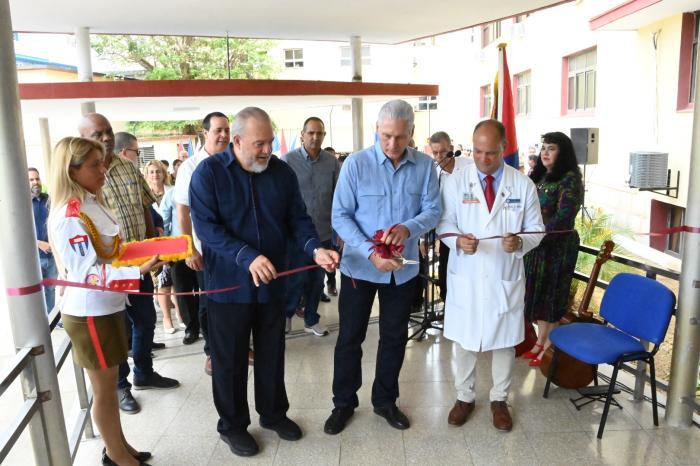
    Cuba continues to advance its Comprehensive Cancer Control Program despite significant constraints stemming from the longstanding U.S. economic embargo, demonstrating the nation’s unwavering commitment to public health and patient care. On World Cancer Day, medical authorities revealed the substantial challenges facing oncology treatment in the country while reaffirming their dedication to maintaining cancer care services.

    Dr. Luis Martínez Rodríguez, Director of the National Institute of Oncology and Radiobiology, emphasized that cancer represents the second leading cause of mortality in Cuba and the primary contributor to potential years of life lost. The country records approximately 50,000 new cancer diagnoses annually, with many cases being preventable through lifestyle modifications.

    Dr. Carlos Alberto Martínez Blanco, Head of the Cancer Control Section at the Ministry of Public Health, detailed how the U.S. blockade has directly impacted disease management outcomes. The restrictions have created substantial obstacles across multiple domains including procurement of preventive vaccines, maintenance of critical medical technologies, acquisition of replacement components, access to specialized cancer medications, and implementation of advanced surgical technologies.

    Despite these operational challenges, Cuba maintains a structured three-tiered healthcare approach that integrates primary care with specialized institutional services. The nation’s strategy emphasizes prevention, health promotion, and the development of an integrated national network coordinating clinical oncology, radiotherapy, and pediatric oncology services. This comprehensive framework underscores Cuba’s continued efforts to uphold the fundamental right to health care despite external economic pressures.

  • SLBMC Marks World Cancer Day, Urges Early Detection and Patient-Centered Care

    SLBMC Marks World Cancer Day, Urges Early Detection and Patient-Centered Care

    In a significant observance of World Cancer Day, the Sir Lester Bird Medical Centre (SLBMC) has embraced the global theme “United by Unique” to emphasize the distinctive nature of each cancer journey while advocating for collective action against the disease. As Antigua and Barbuda’s premier national referral hospital, SLBMC is leveraging this international platform to reinforce its commitment to personalized oncology care that integrates clinical excellence with profound compassion.

    The hospital’s leadership underscores that while every patient’s experience with cancer is inherently unique, there exists a powerful unity among patients, families, and healthcare professionals in combating this health challenge. This unified approach forms the cornerstone of SLBMC’s patient-centered philosophy, which prioritizes individualized treatment plans and respects the specific needs and dignity of each person under their care.

    Central to SLBMC’s World Cancer Day message is the critical importance of early detection and preventive health practices. Medical authorities at the institution identify awareness and timely intervention as the most effective weapons in the cancer fight. The public is strongly encouraged to adhere to recommended screening schedules, seek prompt medical consultation for concerning symptoms, and maintain transparent dialogue with healthcare providers.

    The occasion also serves as an opportunity for SLBMC to recognize the extraordinary dedication of its oncology team—including clinicians, nursing staff, and support personnel—whose relentless efforts ensure comprehensive patient support throughout treatment journeys. Their work embodies the institution’s commitment to both medical excellence and human connection.

    Looking forward, SLBMC reaffirms its strategic mission to enhance cancer care services through continued collaboration with national and international partners. This commitment aims to ensure all patients receive treatment that reflects both their personal experience and the highest standards of medical quality, advancing toward improved outcomes for everyone affected by cancer.

  • Rotary Club of Antigua Promotes Healthy Living at Old Road Primary

    Rotary Club of Antigua Promotes Healthy Living at Old Road Primary

    ST. JOHN’S, ANTIGUA – In a proactive move against childhood obesity, the Rotary Club of Antigua executed an impactful awareness initiative at Old Road Primary School on January 29, 2026. Dubbed ‘Healthy Bounce, Happy Bodies,’ the event marked a significant effort within the broader Rotary MOVES campaign to instill healthier habits among the youth.

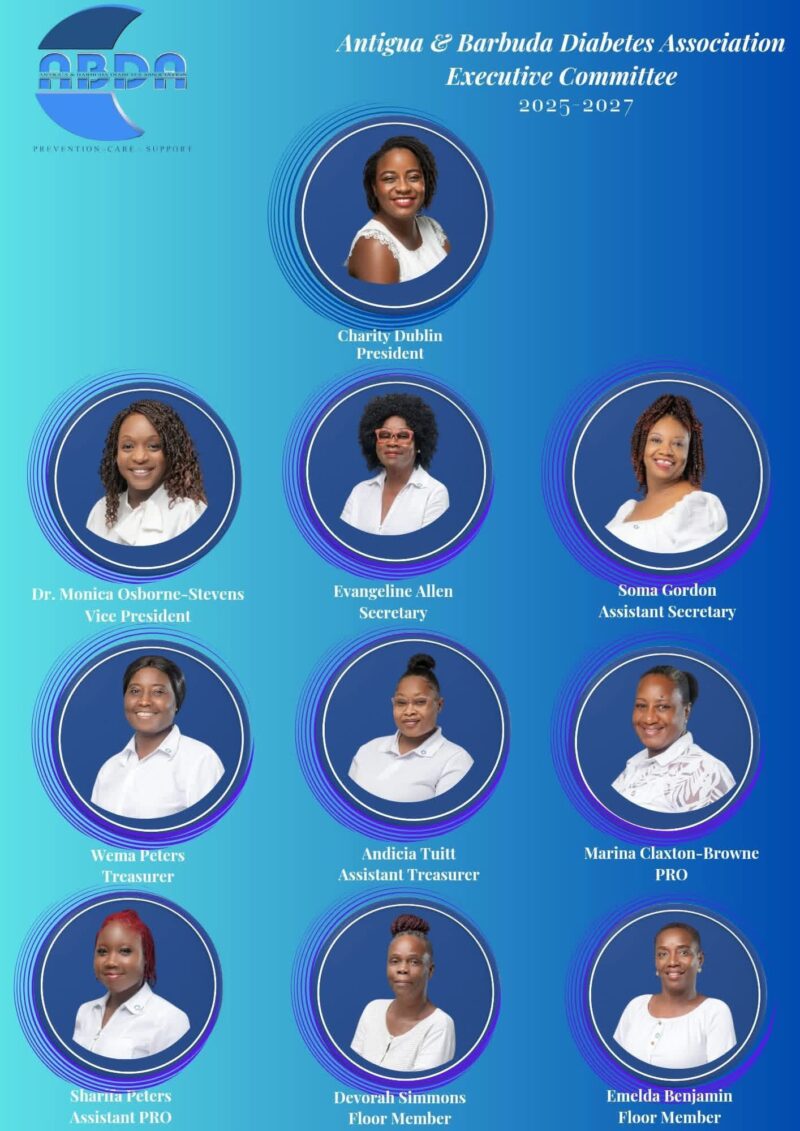
    The session provided a dual focus on nutritional education and physical activity, addressing core components in combating non-communicable diseases. Renowned nutritionist Ms. Charity Dublin spearheaded an interactive workshop, educating students on the fundamentals of a balanced diet and the critical role of various food groups. In a practical demonstration, she prepared two wholesome smoothies—banana chocolate and banana vanilla—showcasing them as delicious alternatives to sugar-laden snacks. The student body responded with notable enthusiasm to these nutritious samples.

    Complementing the dietary segment, the program emphasized the necessity of consistent physical exercise. Each participant was gifted a bouncing ball and engaged in a guided demonstration of straightforward exercises. The children were advised to incorporate at least five to ten minutes of such active movement into their daily routines, whether at home or within the school environment.

    Further reinforcing these health-centric messages, all students received a copy of the District-published booklet, ‘Eat Well, Move Well,’ designed to serve as a continuing resource. This initiative is a cornerstone of the Rotary District 7030’s Childhood Obesity Prevention (COP) Programme, which mobilizes clubs throughout the Caribbean to enhance awareness, bolster advocacy, and deploy localized interventions for improved community health outcomes.

    The Rotary Club of Antigua has reaffirmed its dedication to equipping the nation’s next generation with the knowledge and tools required to make informed, healthier lifestyle decisions, signaling an ongoing commitment to public health advancement.

  • Awareness, Education, Empowerment: Belize Observes World Cancer Day

    Awareness, Education, Empowerment: Belize Observes World Cancer Day

    Belize joined the global community on February 4th in observing World Cancer Day under the international theme ‘United by Unique,’ emphasizing personalized care and support for cancer patients. The Belize Cancer Society, under the leadership of President Kim Simplis-Barrow, is championing a humanized approach to cancer awareness that prioritizes individual patient experiences and needs.

    Simplis-Barrow emphasized the Society’s commitment to placing ‘cancer at the center of the conversation’ while maintaining a people-centered perspective. ‘No two cancer journeys are the same,’ she noted, highlighting the importance of recognizing the unique challenges faced by each patient and holding society accountable for supporting those affected.

    The Society has announced an ambitious calendar of events for 2026, building on recent initiatives during January’s Cervical Cancer Awareness Month. A significant upcoming event is the Cervical Cancer Forum scheduled for February 27th at St. Catherine Academy, organized in partnership with the Pan American Health Organization (PAHO) and Belize’s Ministry of Health and Wellness.

    The forum will feature educational components, empowerment sessions, and personal testimonials from cervical cancer survivors. The Ministry of Health and Wellness will provide on-site HPV testing and vaccination services during the event. Additionally, the Society confirmed plans for its annual cancer walk in May and committed to monthly awareness campaigns covering all cancer types, moving beyond the focus on only the most publicized forms of the disease.

  • World Cancer Day 2026: ‘United by Unique’

    World Cancer Day 2026: ‘United by Unique’

    BELIZE CITY – The Belize Cancer Society has issued a powerful call to reframe the national conversation around cancer, positioning it not merely as a medical condition but as a profoundly human experience. This paradigm shift was announced as the nation joined global observances of World Cancer Day 2026 under the international theme “United by Unique.”

    Society President Kim Simplis Barrow articulated this transformative vision, emphasizing that effective cancer care extends beyond clinical treatment to encompass mental health support, family dynamics, and financial burdens. “Our mission transcends conventional medical approaches,” Barrow stated in an official release. “We are humanizing this disease by placing individuals at the core of our efforts, recognizing that each cancer journey carries distinct challenges and narratives.”

    The organization has unveiled an extensive 2026 agenda designed to sustain engagement beyond symbolic observances. Among the inaugural events is a cervical cancer forum scheduled for February 27 at St. Catherine Academy. This collaborative initiative with the Ministry of Health and Wellness and PAHO will feature survivor testimonials, public education sessions, and on-site HPV testing and vaccination services.

    The “United by Unique” theme resonates deeply with Belize’s approach, acknowledging diverse cancer experiences while emphasizing collective action. Barrow affirmed that through unified efforts, “we can forge a future where Belize’s cancer care becomes truly inclusive, accessible, and fundamentally centered on the people it serves.”

  • Wereld Kanker Dag: Suriname zet in op versnelde strijd tegen baarmoederhalskanker

    Wereld Kanker Dag: Suriname zet in op versnelde strijd tegen baarmoederhalskanker

    Suriname faces a severe healthcare challenge as cancer ranks as the nation’s second leading cause of death, with distinct patterns emerging across genders. Women predominantly suffer from breast, cervical, and colorectal cancers, while men most frequently develop prostate, lung, colorectal, and head-neck cancers. This alarming situation comes into sharp focus on World Cancer Day, observed globally on February 4th, which emphasizes cancer’s profound impact and the critical importance of prevention, early detection, timely treatment, and comprehensive care.

    The World Health Organization reveals that approximately 40% of all cancer cases are preventable through avoiding key risk factors including tobacco use, excessive alcohol consumption, unhealthy diets, physical inactivity, and exposure to air pollution. Vaccination against Hepatitis B and Human Papillomavirus (HPV) plays a pivotal role in preventing liver and cervical cancers respectively. Regular screening significantly enhances early detection and successful treatment outcomes for cervical, breast, and colorectal cancers.

    Across the Americas, cervical cancer diagnoses exceed 78,000 annually among women, resulting in over 40,000 deaths. The situation is particularly dire in Latin America and the Caribbean—where Suriname is located—where mortality rates triple those in North America, highlighting substantial disparities in prevention and care access.

    The Pan American Health Organization has issued an urgent call to accelerate efforts toward eliminating cervical cancer by 2030. This ambitious goal requires achieving three targets: 90% HPV vaccination coverage for girls under 15, 70% screening coverage with high-quality tests for women at ages 35 and 45, and 90% treatment access for women with pre-cancerous or invasive cancer. While 24 countries have implemented single-dose vaccination schedules and regional first-dose coverage reaches 70%, screening and treatment programs lag significantly behind.

    PAHO is supporting member states through technical assistance and leveraging regional funds to ensure affordable vaccines, screening equipment, and treatment tools. Collaborations with partners including Unitaid and Spain’s AECID strengthen this comprehensive approach to make quality care accessible through primary healthcare systems.

    Meanwhile, Suriname’s Ministry of Health emphasizes the crucial role of mental and emotional support for cancer patients and their families, recognizing that psychological care is indispensable within overall cancer management.

    Marking World Cancer Day 2026, WHO/PAHO is hosting the webinar ‘Supporting the Elimination of Cervical Cancer’ to accelerate action on vaccination, screening, and care access to eliminate cervical cancer as a public health problem.

  • Cancer Society hails early diagnosis ‘breakthrough’

    Cancer Society hails early diagnosis ‘breakthrough’

    The Barbados Cancer Society (BCS) has achieved a landmark medical advancement, positioning itself as a regional leader in oncology through the successful completion of two groundbreaking clinical trials. These trials focused on prostate and colon cancers and introduced a novel diagnostic protocol utilizing DNA blood tests to differentiate between false-positive results and genuine malignancies—a first-of-its-kind initiative in the Caribbean.

    Under the leadership of President Professor David Rosin, the BCS has established a unique patient support system where medical personnel guide individuals with positive screening results through subsequent confirmatory testing and treatment pathways. The DNA-based verification method significantly reduces unnecessary medical interventions by distinguishing cancers from conditions such as prostatitis or other non-cancerous infections.

    In the prostate cancer trial, which involved 565 participants, the Society identified not only 20 known cancer cases but also detected 50 asymptomatic individuals with normal PSA levels who exhibited early genetic markers indicating high future cancer risk. These individuals are now under close monitoring. A parallel colon cancer study included 610 participants and demonstrated similar success in early risk detection.

    Professor Rosin emphasized that early detection through this method can prevent the need for surgery, chemotherapy, or radiotherapy. He also acknowledged the role of family members in encouraging timely screenings, particularly among men who may be hesitant to participate. The Society plans to expand its trials and continue promoting public awareness about the critical importance of proactive cancer screening.