分类: health

  • Ministry of Health investigates tuberculosis cases

    Ministry of Health investigates tuberculosis cases

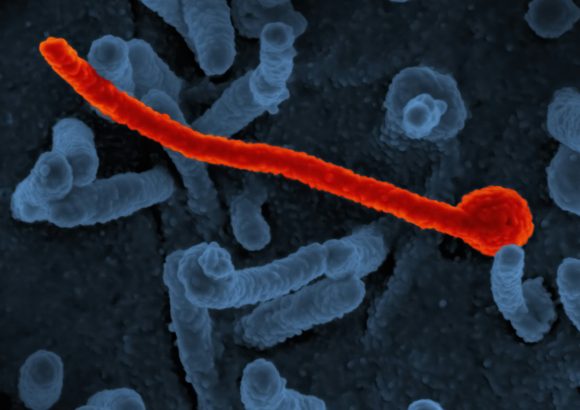
    Health authorities in Grenada have launched a comprehensive investigation into multiple tuberculosis cases, with particular concern over pediatric infections. The Caribbean nation, which typically records just 2-3 annual TB cases, has already confirmed three active infections this year, signaling a potential public health anomaly.

    Medical officials confirm all diagnosed patients are currently in isolation receiving specialized antibiotic treatment. Tuberculosis, a chronic bacterial infection primarily targeting the lungs, transmits through airborne respiratory droplets when infected individuals cough or sneeze. Transmission typically requires prolonged close contact, making household and close community interactions particularly significant for disease spread.

    The Ministry of Health emphasizes the critical distinction between latent and active TB infections. Latent TB infection (LTBI) occurs when bacteria remain dormant without causing symptoms or contagiousness. Active disease emerges when compromised immune systems—often due to other illnesses or malnutrition—allow bacterial multiplication. Symptomatic active TB manifests through persistent productive cough, fever, fatigue, and unexplained weight loss.

    Standard treatment involves a six-month antibiotic regimen that achieves full cure when completed. Left untreated, tuberculosis can prove fatal. The ministry’s protocol mandates thorough contact tracing for every diagnosed case, with exposed individuals receiving testing and preventive treatment for latent infections to dramatically reduce activation risks.

    Health officials are urging full public cooperation with contact investigations as they work to contain transmission. The ministry’s response highlights the ongoing challenges of managing communicable diseases in small population centers, where each case represents a significant epidemiological event.

  • Health official renews call for Jamaicans to get early screening for cancers

    Health official renews call for Jamaicans to get early screening for cancers

    KINGSTON, Jamaica – Dr. Carol Hamilton, Assistant Medical Officer of Health for St. Elizabeth parish, has reinforced the critical importance of early cancer detection during a World Cancer Day observance at the Southfield Health Centre on February 4. Emphasizing that timely screening significantly increases survival rates, Dr. Hamilton urged citizens to utilize Jamaica’s public health resources for preventive care.

    The event, held under this year’s global theme “United by Unique,” provided attendees with comprehensive education on cancer prevention, varieties of cancers, and screening protocols. Participants received free health services such as pap smears, mammogram referrals, dental check-ups, prostate-specific antigen (PSA) tests, digital rectal examinations, and blood pressure and glucose screenings.

    Presentations covered prostate, breast, cervical, and oral cancers, as well as the roles of nutrition and physical activity in cancer risk reduction. Dr. Hamilton highlighted that cervical cancer remains the second most fatal cancer among Jamaican women, primarily caused by the Human Papillomavirus (HPV). She strongly advocated for HPV vaccination, available free of charge to boys aged 9–14 and girls aged 9–26 within the public health system.

    Dr. Hamilton underscored that screenings should begin before symptoms emerge to maximize treatment efficacy and improve health outcomes. The event served as both an educational platform and a practical health service opportunity, aligning with worldwide efforts to reduce cancer mortality through awareness and proactive healthcare.

  • Fruits and vegetables are non-negotiable for children

    Fruits and vegetables are non-negotiable for children

    The Grenada Food and Nutrition Council (GFNC) has issued comprehensive guidance addressing the widespread challenge of children’s resistance to consuming fruits and vegetables. Recognizing that nutritional needs extend beyond protein to essential vitamins, minerals, and protective compounds, the council emphasizes that these food groups must remain dietary staples despite common rejection behaviors.

    Scientific research reveals that children’s aversion typically stems from multiple factors including flavor sensitivity, neophobia (fear of new foods), limited exposure, and texture discomfort. The council acknowledges these challenges while maintaining that except for medically confirmed allergies, elimination of fruits and vegetables from children’s diets is nutritionally unacceptable.

    The GFNC outlines evidence-based strategies for overcoming these barriers:

    1. **Flavor Adaptation**: Studies published in the Journal of the American Dietetic Association demonstrate that pairing vegetables with familiar flavors significantly increases acceptance. Research involving 152 preschool children revealed that serving broccoli with dipping sauce over a 7-week period resulted in 80% consumption without complaint. This approach can be adapted using local produce combinations like eggplant with tomatoes or callaloo with pumpkin.

    2. **Parental Modeling**: Children’s eating behaviors are profoundly influenced by observation. Research in Public Health Nutrition indicates that children consume more fruits and vegetables when parents consistently eat them, provide them as snacks, and maintain home availability. Parental consumption normalizes these foods and establishes them as regular dietary components.

    3. **Texture Modification**: For children sensitive to specific textures, the council recommends culinary creativity through grating, blending, or incorporating vegetables into familiar dishes. Studies on optimal exposure frequency indicate that varied preparation methods significantly enhance acceptance rates.

    The council provides crucial guidance on distinguishing between preference and allergy, detailing symptoms that warrant medical consultation including oral itching, skin reactions, swelling, and severe anaphylaxis. Only medically confirmed allergies justify elimination of specific fruits or vegetables.

    The GFNC positions consistent fruit and vegetable consumption as fundamental to healthy development and lifelong nutritional habits, urging parents to implement these strategies with patience and persistence.

  • St. Kitts and Nevis Medicinal Cannabis Authority Concludes Successful Two-Week Engagement with Consultant Dr. Machel Emanuel

    St. Kitts and Nevis Medicinal Cannabis Authority Concludes Successful Two-Week Engagement with Consultant Dr. Machel Emanuel

    BASSETERRE, St. Kitts – The Medicinal Cannabis Authority (MCA) of St. Kitts and Nevis has successfully completed an extensive two-week consultation initiative led by distinguished consultant Dr. Machel Emanuel. This comprehensive program represents a pivotal advancement in establishing the Federation’s medicinal cannabis framework, combining regulatory development with public engagement strategies.

    The initiative featured an ambitious schedule including multi-stakeholder consultations, cultivator assemblies on both islands, media appearances, and high-level institutional meetings. These engagements were strategically designed to enhance regulatory preparedness and facilitate the sector’s transition to operational status.

    Cultivator meetings demonstrated remarkable participation, fostering productive dialogues focused on regulatory compliance, operational requirements, and the Authority’s commitment to building an inclusive, sustainable industry. Media outreach through ZIZ Television’s ‘InFocus’ and VON Radio’s ‘On The Mark’ with Premier Mark Brantley provided public education regarding the program’s objectives and national benefits.

    Critical institutional engagements included consultations with the Chief Medical Officer, medical professionals, the Bureau of Standards, Police High Command, and various government agencies. A significant meeting with the Premier of Nevis highlighted the essential role of intergovernmental cooperation in sector development.

    The program culminated in a well-attended public lecture that stimulated active audience participation and reinforced community interest in medicinal cannabis as both a public health initiative and economic development opportunity.

    The MCA acknowledges the constructive nature of all dialogues conducted during the consultation period and confirms that stakeholder feedback will inform the ongoing operationalization process. The Authority has officially opened the application process for sector participation, with licensing operations scheduled to commence imminently. Application materials are available at the MCA Office on Princes Street.

    The Authority expressed gratitude to Dr. Emanuel, all participating stakeholders, and community members while reaffirming its dedication to transparent, inclusive, and properly regulated sector development.

  • Union urges stronger investment in homegrown nurses

    Union urges stronger investment in homegrown nurses

    Barbados’s healthcare system is confronting an escalating nursing crisis that threatens to destabilize medical services nationwide. The National Union of Public Workers (NUPW) issued a stark warning that the government’s international recruitment initiatives will prove insufficient unless immediate measures are implemented to retain local nursing talent.

    Union representative Mechell Marshall emphasized that nurses have operated under extreme pressure for years due to chronic understaffing, excessive patient loads, and constrained resources—particularly evident at Queen Elizabeth Hospital and within primary healthcare facilities. This assessment follows Prime Minister Mia Mottley’s recent disclosure that Barbados faces a deficit of approximately 200 nurses across its public health infrastructure, prompting urgent international recruitment efforts.

    Health authorities are actively pursuing nurses from African nations including Ghana, Kenya, and Ethiopia through the Health Partnership between Africa and the Caribbean (HEDPAC) program. However, the NUPW contends that merely filling vacancies overlooks the fundamental drivers of workforce migration.

    According to union analysis, nurses are departing not from lack of patriotism but due to systemic challenges including professional burnout, unsustainable workloads, restricted career advancement opportunities, and inadequate compensation structures. The NUPW advocates for a comprehensive retention strategy featuring enhanced working conditions, transparent career pathways with specialized roles, increased investment in nursing education, and meaningful engagement with nursing representatives during healthcare reforms.

    Marshall highlighted the critical importance of public health nursing training, describing it as the foundational access point for all healthcare services. While acknowledging that short-term recruitment of Ghanaian nurses with public health and midwifery training could provide interim relief, she stressed that long-term stability requires strengthening domestic training capabilities.

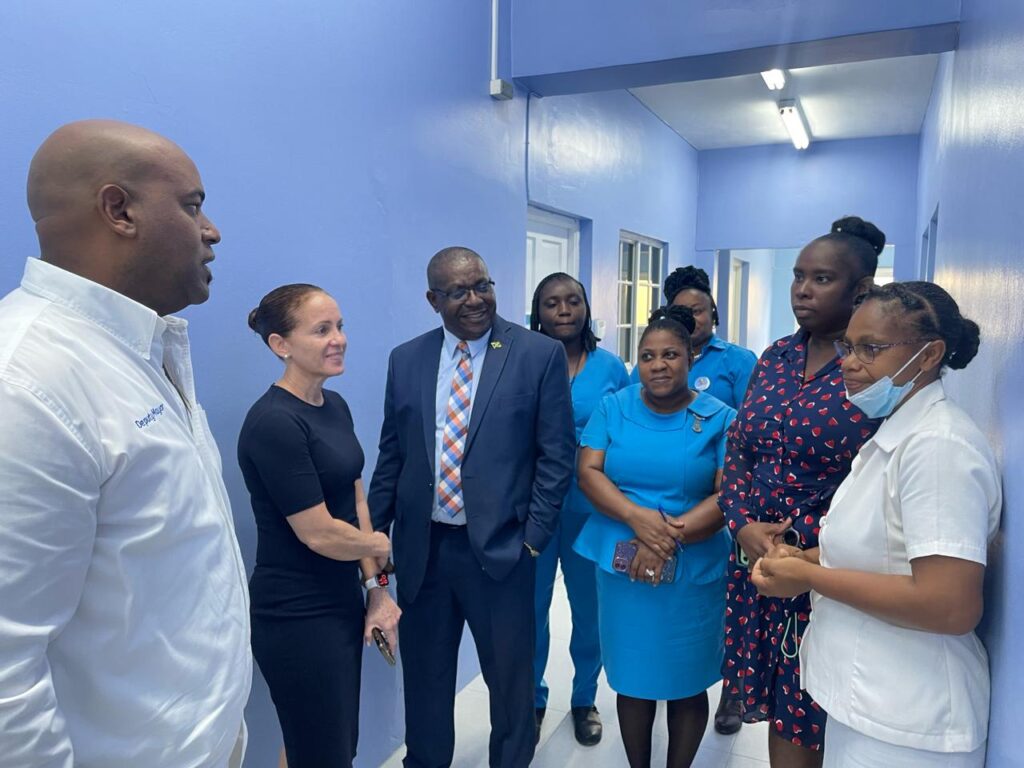
    The union welcomed governmental recognition of nursing’s human-centered nature and the recent upgrading of primary healthcare facilities like the St Thomas Clinic. However, Marshall cautioned that infrastructure improvements without corresponding staffing investments risk undermining sustainability. The NUPW remains committed to collaborative efforts with government and stakeholders to build a resilient, people-centered healthcare system capable of delivering safe, compassionate care through adequately supported nursing professionals.

  • Urgent Call Issued for Blood Donations for Villa Woman

    Urgent Call Issued for Blood Donations for Villa Woman

    Medical authorities in Antigua have issued an urgent plea for blood donations to assist Villa resident Iola Hill, also known as Kyah, who is currently facing a critical health emergency requiring immediate transfusion support. The appeal, circulated widely on Monday, indicates that Hill specifically requires either B-negative or O-negative blood types to address her pressing medical needs.

    According to the medical alert, eligible donors are being urgently directed to the Sir Lester Bird Medical Centre, where blood collection services operate from 9 a.m. to 6 p.m. throughout the Monday-to-Friday workweek. The family has characterized this as an exceptionally challenging period, emphasizing that timely blood donations could prove life-saving for their loved one.

    Health officials stress that compatible blood types are in critically short supply, creating an urgent situation where community response could directly determine patient outcomes. The medical centre has streamlined its donation procedures to accommodate the emergency needs, though all standard screening protocols remain in effect to ensure donor and recipient safety.

    Community members are being strongly encouraged to present themselves for donation without delay, as the window for effective medical intervention remains time-sensitive. This case highlights the ongoing importance of maintained blood reserves in regional healthcare systems and the critical role of voluntary donors in emergency medical situations.

  • World Pediatrics, ‘Circle of Friends’ facilitate fifth traveling language clinic in Dominica

    World Pediatrics, ‘Circle of Friends’ facilitate fifth traveling language clinic in Dominica

    DOMINICA – World Pediatrics has launched its fifth consecutive Speech and Language Traveling Team Clinic in Dominica, marking a significant milestone in providing specialized therapeutic care to children facing communication disorders. The initiative has already delivered critical interventions to nearly 200 young patients, fundamentally enhancing their speech articulation and language acquisition capabilities.

    The program operates in collaboration with the non-profit organization ‘Circle of Friends,’ which facilitates patient registration and works synergistically with clinical therapists to bolster local healthcare infrastructure. A core component of the mission involves hands-on training for Dominican educators, who are learning and implementing innovative therapeutic strategies directly within their classrooms. Early reports indicate these methods are catalyzing extraordinary developmental progress among students.

    Christel Pascal, a special education instructor at Achievement Learning in Dominica and a three-time participant in the clinic, testified to its profound impact. “Participating in these clinics has been an immense professional and personal blessing,” Pascal stated. “My heightened awareness of students’ communicative needs allows me to integrate techniques from both speech and occupational therapy into daily lessons. This has cultivated an inclusive educational atmosphere where children feel empowered to engage, leading to marked improvements in their confidence and expressive abilities.”

    In an expansion of this year’s itinerary, a new Communication Support Training session will be held for parents and caregivers on the clinic’s final day from 4 PM to 6 PM. This workshop is designed to equip families and teachers with practical, sustainable tools to reinforce children’s communication skills in home and school environments, ensuring continuity of care.

    Through this ongoing partnership, World Pediatrics and Circle of Friends are not only delivering essential medical services but also fostering sustainable community empowerment and building more inclusive support networks across Dominica.

  • AZP wijst braindrain zorgpersoneel aan als hoofdreden lange wachttijden

    AZP wijst braindrain zorgpersoneel aan als hoofdreden lange wachttijden

    Paramaribo Academic Hospital (AZP) has identified the persistent exodus of healthcare professionals as the primary catalyst for extensive surgical waiting lists and the systematic reduction of medical services. Since 2023, the institution has consistently raised alarms regarding the departure of qualified staff and the urgent need for structural improvements in employment conditions.

    Hospital Director Claudia Redan recalled that a comprehensive proposal for sustainable solutions to better compensate medical personnel was initially submitted in 2021. While temporary allowances were implemented and provided short-term relief, they proved inadequate for long-term stability. These supplements failed to contribute to pension accrual and did not address fundamental issues such as proper overtime compensation.

    The scaling back of operating theaters and other critical services originated during this same period. Officially, AZP has been functioning at approximately 50% of its surgical capacity for several years, with recent months dipping even below this threshold. Compounding the challenge, AZP remains the only medical facility performing emergency surgeries around the clock, frequently requiring postponement of scheduled procedures due to urgent cases from the Emergency Department.

    Redan detailed multiple countermeasures implemented in recent years, including significant expansion of operating room assistant training programs. The hospital also attempted to borrow surgical assistants from neighboring institutions or secure operating time at other facilities for AZP surgeons. These efforts proved unsuccessful as other hospitals faced similar capacity constraints, ultimately redirecting additional patient volume back to AZP.

    Although patients requiring non-complex procedures could theoretically seek treatment at other hospitals, an ongoing dispute between surgeons and the State Health Insurance Fund (SZF) prevents SZF-insured patients from accessing these alternatives. This situation creates additional and unjustified pressure on the academic medical center.

    AZP emphasizes that surgical procedures may only occur in safe and responsible environments. The hospital has issued apologies for current service limitations while requesting public understanding. Simultaneously, work continues on structural solutions, with expectations that gradual increases in surgical capacity will materialize within one to two months.

  • Rotary Clubs Lead the MOVE Against Childhood Obesity

    Rotary Clubs Lead the MOVE Against Childhood Obesity

    Rotary International, the worldwide service organization with over 1.4 million members, has launched a comprehensive initiative targeting the global childhood obesity crisis. The MOVE program (Mobilizing Overweight and Obesity Victories Everywhere) represents one of the organization’s most ambitious health interventions to date, leveraging its extensive network of local clubs across 200 countries and territories.

    The initiative emerges as global health data reveals alarming trends: childhood obesity rates have increased tenfold over the past four decades, with the World Health Organization classifying the situation as one of the most serious public health challenges of the 21st century. Rotary’s approach addresses both prevention and intervention through multi-faceted strategies including nutritional education, physical activity promotion, and community-wide awareness campaigns.

    Local Rotary chapters are implementing tailored programs based on regional needs and cultural contexts. In food-insecure urban areas, initiatives focus on improving access to nutritious options through community gardens and partnerships with local markets. Suburban and rural chapters are addressing sedentary lifestyles through after-school sports programs and walking clubs. The organization is also collaborating with healthcare providers to offer BMI screenings and counseling services during community health fairs.

    Beyond immediate health impacts, the initiative addresses obesity’s socioeconomic dimensions. Rotary’s vocational training arm is developing programs to help older adolescents pursue careers in nutrition, fitness, and public health, creating both health and economic benefits for communities.

    The long-term vision extends beyond individual behavior change to systemic transformation. Rotary clubs are advocating for policy changes at municipal and national levels, including improved school lunch standards, urban planning that prioritizes walkability, and restrictions on marketing unhealthy foods to children. Early data from pilot programs shows promising results, with participating communities reporting measurable improvements in children’s health metrics and increased awareness of nutritional needs.

  • GFNC supports youth art and nutrition education in St David

    GFNC supports youth art and nutrition education in St David

    The Grenada Food and Nutrition Council (GFNC) played a pivotal role in supporting a groundbreaking art competition during Diabetes Awareness Month, partnering with the Grenada Diabetes Association’s St David’s branch and local educational institutions. The initiative successfully merged artistic creativity with crucial health messaging for Grenada’s youth.

    The award ceremony, held on February 4, 2026, at St Theresa RC School, coincided with the institution’s first Parent-Teacher Association meeting of the year. The event gathered students, parents, educators, and health advocates to celebrate both artistic achievement and the importance of healthy living practices.

    GFNC’s comprehensive support included educational resources and practical tools for sustainable nutrition education. The council distributed specially designed 2026-2027 Food Based Dietary Guideline-themed calendars to award recipients and school leadership. Additionally, GFNC provided extensive nutritional education materials to the PTA and facilitated an expert presentation by Nutritionist Masha Benjamin-Hunte, who offered practical strategies for incorporating fruits and vegetables into children’s daily diets.

    The competition featured age-appropriate creative activities that effectively connected artistic expression with nutritional education. Four-year-old participants engaged with GFNC-designed activity sheets, coloring various fruits and vegetables to learn identification through interactive fun. Older students, divided into 5-8 and 9-12 age groups, created original artwork based on two thematic concepts: “My Lunchbox from the Garden” showcasing healthy local items like guava, banana, mango, and breadfruit chips, and “Shop Local, Snack Local” depicting local markets and home kitchens utilizing regional produce.

    The competition recognized outstanding participants across all age categories. In the 4-year-old division, Shawn Hazzard claimed first place, followed by Rhea Victor and Kayson Wilson. Among 5-8-year-olds, Lily Charles earned top honors with Kalisha Honore and Savana Joseph receiving second and third places respectively. The 9-12 category saw Samera Bartholomew secure first place, with Renisha Antoine and Wyhatt St Bernard completing the top three positions.

    This innovative approach demonstrates GFNC’s ongoing commitment to developing engaging, educational experiences that address nutrition security and diabetes prevention through creative, community-based initiatives.