分类: health

  • FAO and partners help Grenada to use One Health Approach

    FAO and partners help Grenada to use One Health Approach

    Seventy-two officials from public health, agriculture, and environmental sectors across four Eastern Caribbean nations have completed a groundbreaking series of workshops to combat emerging health threats. Conducted in Grenada, St Vincent and the Grenadines, St Lucia, and St Kitts and Nevis, these sessions focused on prioritizing zoonotic diseases using advanced methodological frameworks.

    The initiative received substantial technical backing from major international organizations, including the Food and Agriculture Organisation of the United Nations (FAO) and the Pan American Health Organisation (PAHO). Specialized support was provided through PANAFTOSA (The Pan American Centre for Foot-and-Mouth Disease and Veterinary Public Health) and PAHO’s Eastern Caribbean office.

    Participants engaged in a comprehensive evaluation of 40 zoonotic diseases utilizing PANAFTOSA’s adapted prioritization methodology. The assessment incorporated multiple critical factors: human transmissibility patterns, animal-to-human transmission potential, severity indicators, public health consequences, economic ramifications, surveillance feasibility, climate sensitivity, and impacts on vulnerable populations. This evidence-based approach enabled each nation to identify their most concerning zoonotic threats, establishing a robust foundation for policy development within the One Health framework.

    The workshops produced concrete action plans featuring strengthened multisectoral surveillance systems, harmonized case definitions, improved information-sharing protocols, and enhanced private veterinarian engagement. Additional priorities include developing national emergency response plans and implementing long-term initiatives such as simulation exercises and integrated surveillance infrastructure.

    Dr. Frédérique Dorleans, PAHO/WHO Advisor for Social and Environmental Determinants for Health Equity, emphasized the workshops’ critical importance: “This collaborative effort represents a significant advancement in regional preparedness against emerging infectious threats. The project establishes common ground for strategic activities targeting surveillance, prevention, and optimized resource allocation.”

    Tania de Getrouwe Hoost, FAO’s Lead Technical Officer for the project, highlighted the technical rigor of the methodology: “The prioritization exercises applied an evidence-based approach integrating epidemiological, environmental, and socioeconomic criteria to guide national decision-making. This process represents a crucial technical step toward operationalizing the One Health approach at national levels.”

    These workshops constitute a vital component of the broader “Strengthening Prevention, Preparedness and Response to Health Emergencies in the Eastern Caribbean Countries” project, supported by the Pandemic Fund and implemented through collaboration between national governments, PAHO/WHO, FAO, and the World Bank.


  • Scrub Life Cares’ Menstrual Health Policy Motion Ranked Among Top Three Global Priorities at the 2025 International Association for Adolescent Health World Congress

    Scrub Life Cares’ Menstrual Health Policy Motion Ranked Among Top Three Global Priorities at the 2025 International Association for Adolescent Health World Congress

    A groundbreaking policy motion advocating for the global integration of menstrual health and comprehensive sexual education into adolescent health policies has achieved top-tier recognition at the 2025 International Association for Adolescent Health (IAAH) World Congress. Submitted by Scrub Life Cares, a community-based nonprofit from Antigua and Barbuda, the initiative secured placement among the conference’s top three global priorities after receiving overwhelming 96.2% support from international delegates.

    The motion addresses critical barriers to adolescent health and education, particularly in Caribbean regions where menstrual inequity persists as a significant challenge. Research consistently demonstrates that many young girls miss school or reduce participation in daily activities due to limited access to menstrual products, accurate information, and supportive environments. These challenges are further exacerbated by insufficient comprehensive sexual education, leaving adolescents without essential knowledge to make informed health decisions.

    Founder and CEO Tanya Ambrose, MPH, described the powerful moment when the motion received immediate positive feedback during her presentation. ‘Hearing that encouragement in real time affirmed that this work matters far beyond our borders,’ Ambrose shared. ‘It was validation not just personally, but for the communities and region we represent.’

    This achievement marks a significant milestone for both Antigua and Barbuda and the wider Caribbean region. Among ten motions selected for presentation, Scrub Life Cares’ submission stood as the only Caribbean-originated proposal, effectively centering Caribbean perspectives and lived experiences within global health policy discussions.

    The virtual congress, which transitioned online due to Hurricane Melissa, convened adolescent health professionals from over twenty countries across six continents. While passed motions are not binding for the incoming IAAH Council, they establish the foundation for the organization’s Policy Agenda and guide advocacy priorities, strategic planning, and program development for the upcoming term.

    Beyond policy advocacy, Scrub Life Cares was scheduled to present original qualitative research on day three of the conference, though organizers are currently reassessing research presentations due to the hurricane’s impact. The organization remains committed to sharing evidence-based research informed by Caribbean experiences to advance global adolescent health practices.

    This recognition strengthens Scrub Life Cares’ ongoing initiatives to integrate menstrual health education into national school curricula, expand public-private partnerships for product accessibility, and support adolescent-centered public health systems throughout the Caribbean. As Ambrose emphasized, ‘This achievement belongs to every girl, parent, educator, advocate, and health professional working toward a future where menstrual health is recognized as a human right.’

  • OPINION: Do Abortion Laws Matter?

    OPINION: Do Abortion Laws Matter?

    Comprehensive data from multiple nations demonstrates that legalizing abortion directly correlates with significant reductions in maternal mortality and healthcare complications. The most striking evidence emerges from Romania’s historical experience, where dictator Nicolae Ceausescu’s 1965 abortion ban resulted in thousands of preventable female deaths until its reversal in 1990 prompted an immediate decline in abortion-related fatalities.

    Caribbean nations provide contemporary validation of this pattern. Barbados documented a 43% decrease in induced abortion complications at Queen Elizabeth Hospital within a decade of legalization, with adolescent cases dropping by 59%. Guyana achieved even more dramatic results: septic abortion admissions at Georgetown Public Hospital Corporation declined by 97% over thirty years following legalization, dropping from the third-leading cause of hospital admissions to a rare occurrence.

    Contrary to common misconceptions, research from the Allan Guttmacher Institute reveals that abortion rates in Guyana actually decreased by 20% post-legalization, while unintended pregnancies fell by 28%. This data indicates improved contraceptive adoption rather than diminished family planning interest, largely attributed to post-abortion counseling services that see over 90% of patients requesting long-term birth control methods.

    The analysis concludes that accelerated implementation of reproductive healthcare frameworks, combined with comprehensive public education and contraceptive access, could achieve similar positive outcomes in other regions within five years rather than decades, potentially saving countless lives through evidence-based policy reform.

  • Tweede Huisartsen Spoedpost geopend aan Nieuwweergevondenweg

    Tweede Huisartsen Spoedpost geopend aan Nieuwweergevondenweg

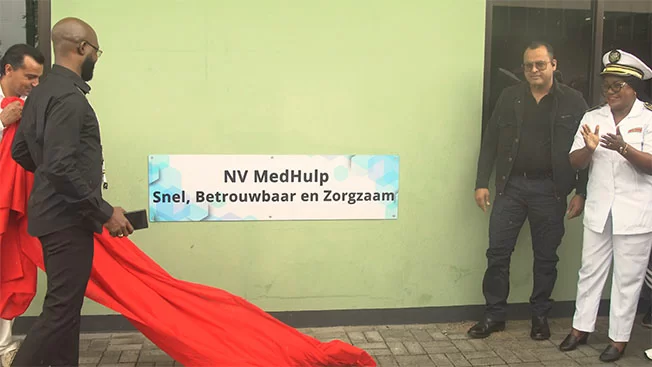
    Suriname’s healthcare system has taken a significant step forward with the inauguration of its second General Practitioner Urgent Care Center at Nieuwweergevondenweg 6. Health Minister André Misiekaba officially opened the facility on Saturday, describing it as a crucial component in the government’s broader strategy to enhance healthcare accessibility and gradually strengthen medical services nationwide.

    The new center addresses the overwhelming pressure on existing emergency services, particularly the Emergency Department at Paramaribo Academic Hospital (AZP), which handles the most critical and complex cases around the clock. Minister Misiekaba highlighted international models, specifically noting how neighborhood-based facilities in the United States operate their own emergency units to stabilize patients before potential transfers.

    Through the Regional Health Service (RGD), Suriname aims to develop a comparable system where urgent care centers manage less acute cases within communities. This approach allows hospital emergency departments to focus on life-threatening situations while patients with non-critical conditions receive treatment closer to home, resulting in more efficient allocation of healthcare resources.

    Minister Misiekaba also addressed ongoing staffing challenges, acknowledging that despite recruiting specialized nurses from countries including the Philippines, operating rooms and ICU beds remain limited. To fully restore AZP’s capacity, the government has allocated funds in the 2026 budget to attract additional specialized nursing staff.

    A third GP Urgent Care Center in Meerzorg is already in planning stages to accommodate growing demand in the area and improve healthcare access for much of Commewijne district. The minister urged citizens to first utilize their nearest urgent care facility, allowing nurses to determine if hospital referral is necessary—a practice that brings healthcare closer to communities while reducing strain on emergency departments.

    The first urgent care center operates at the State Health Fund on Fred Derbystraat. With this second opening, Suriname moves closer to establishing a better distributed, accessible, and community-focused healthcare structure.

  • Clinics across the island set for repairs in 2026

    Clinics across the island set for repairs in 2026

    The government of Antigua and Barbuda has unveiled an extensive public building rehabilitation initiative that will significantly expand in 2026, with health clinics receiving prioritized attention. This infrastructure enhancement program specifically targets critical issues including leaking roofs, moisture infiltration, and mold proliferation that have compromised air quality in medical facilities nationwide.

    Budget deliberations revealed that clinical facilities have been incorporated into a broader infrastructure rehabilitation agenda focused on creating safer environments for both healthcare professionals and patients. The comprehensive strategy involves systematic roof-sealing operations and remediation of persistent leaks identified as primary contributors to indoor humidity problems and fungal growth in public buildings.

    Building upon previous successful interventions at major government structures, the 2026 phase will concentrate on ensuring all publicly accessible buildings meet operational standards for safety and dryness. Ministry officials emphasize that these practical improvements are crucial not merely for structural integrity but fundamentally for public health protection.

    The clinical infrastructure upgrades constitute one component of a multidimensional approach encompassing public building maintenance, climate resilience adaptation, and sustainable facility management. The program aims to safeguard medical equipment integrity while establishing healthier environments for workers and citizens dependent on clinical services across the island nation.

  • ‘Manufacturer’s error’ blamed for delay to Rand morgue

    ‘Manufacturer’s error’ blamed for delay to Rand morgue

    Grand Bahama’s Rand Memorial Hospital is finally approaching the completion of its long-awaited morgue renovation project after a significant delay caused by a manufacturer’s error. Health Minister Dr. Michael Darville confirmed the timeline during the annual Governor General’s visit to the facility on Friday.

    The $1.6 million modernization project, which began over two years ago in June 2022, faced substantial setbacks when equipment provided by the manufacturer proved incompatible with the renovated space. “Our morgue facility was delayed tremendously because of an error from the manufacturer who sent us a system that could not fit the renovated space,” Dr. Darville explained. “After extensive negotiations, the problem has been corrected and we are back on track.”

    The urgency of the situation was highlighted earlier this month when a temporary refrigerated trailer used for body storage collapsed and required replacement, raising public concerns about the facility’s conditions.

    Dr. Darville acknowledged broader challenges with capital works at the hospital, stating: “There have been many setbacks, frustrations, and challenges, but I want to let the people of Grand Bahama know that even though they are not completed, we are moving rapidly to complete this work before our term in office is over.”

    Beyond the morgue project, several other healthcare infrastructure initiatives are progressing. Renovations to the hospital’s modular units are ongoing with completion expected in first quarter 2026, which Dr. Darville said would “restore the dignity of the final chapter” for affected services.

    Additionally, a contract has been awarded for the renovation of Davies House to expand oncology and mammogram services, allowing patients to receive specialized care locally. The Freeport Health Centre construction remains on schedule, with phase one targeting completion in second quarter 2026. Phase two, featuring inpatient surgical suites, urgent care facilities, and replacement beds for Rand Memorial Hospital, will proceed following a tender process in early 2026.

  • Health ministry implements outreach programme for expectant and new mothers

    Health ministry implements outreach programme for expectant and new mothers

    In response to the devastation caused by Hurricane Melissa, Jamaica’s Ministry of Health and Wellness has launched a comprehensive maternal outreach program designed to support pregnant women and new mothers in severely affected parishes. Recognizing the heightened vulnerability of these groups during disaster recovery, the initiative focuses on ensuring continuous access to essential healthcare services and resources.

    State Minister Krystal Lee emphasized that the program deploys mobile health teams into communities to conduct safety checks, provide medical monitoring, and distribute critical supplies. These teams offer nutritional guidance, maternal packages containing hygiene items, mosquito nets, and cleaning supplies, while also facilitating clinical consultations and hospital coordination where local facilities sustained damage.

    The program has already been implemented in Black River, St. Elizabeth, as well as Savanna-la-Mar and Grange Hill in Westmoreland, with expansions planned for St. James, Hanover, and St. Ann. Beyond physical health services, the initiative incorporates mental health support, aiming to destigmatize psychological care for mothers experiencing post-disaster stress.

    Minister Lee highlighted the program’s success in re-engaging previously isolated mothers, noting that field clinics have established trust and routine care networks. The ministry plans a nationwide awareness campaign focusing on prenatal and postnatal care, vaccination, and infant health, aiming to improve birth outcomes and family resilience during Jamaica’s reconstruction efforts.

  • Westmoreland residents urged to treat all non-bottled water

    Westmoreland residents urged to treat all non-bottled water

    ST JAMES, Jamaica — In the wake of Hurricane Melissa, Westmoreland’s health authorities have escalated public health advisories concerning water safety. Dr. Marcia Graham, the parish’s Medical Officer of Health, has issued a critical directive for residents to consider all non-bottled water as potentially hazardous for consumption.

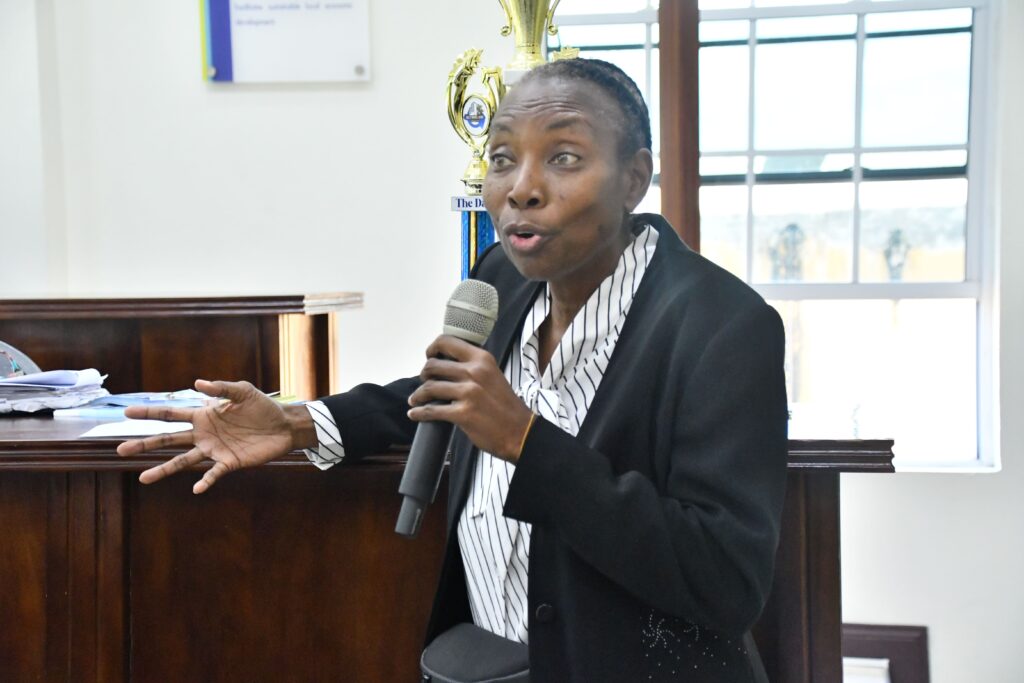
    Addressing the Westmoreland Municipal Corporation at a recent monthly assembly, Dr. Graham highlighted the severe degradation of local infrastructure and the unpredictable quality of water supplies, which have collectively elevated the threat of waterborne diseases. She emphasized that the current water conditions fall below safety standards, necessitating extreme caution. “We must treat all water sources as unsafe unless it is sealed bottled water that remains unopened,” she stated.

    The health expert detailed several approved purification techniques, identifying vigorous boiling as a paramount method. She instructed, “Achieve a rolling boil and maintain it for at least one full minute to ensure the water becomes safe for human use.” Additionally, Dr. Graham endorsed the application of bleach or chlorine tablets, underlining the necessity of precise measurement and a mandatory thirty-minute settling period for the chemicals to effectively neutralize pathogens.

    Beyond contaminated water risks, Dr. Graham raised alarms over a surge in leptospirosis exposure, a bacterial infection exacerbated by displaced wildlife and polluted water bodies. She cautioned that even minimal contact through small cuts or abrasions could lead to severe systemic illness. “Exposure to tainted water can rapidly result in renal failure, liver dysfunction, and other life-threatening conditions,” she warned, noting the parish has already documented fatal outcomes connected to post-hurricane diseases.

  • Mexico flags first case of fast-spreading H3N2 ‘subclade K’ Flu

    Mexico flags first case of fast-spreading H3N2 ‘subclade K’ Flu

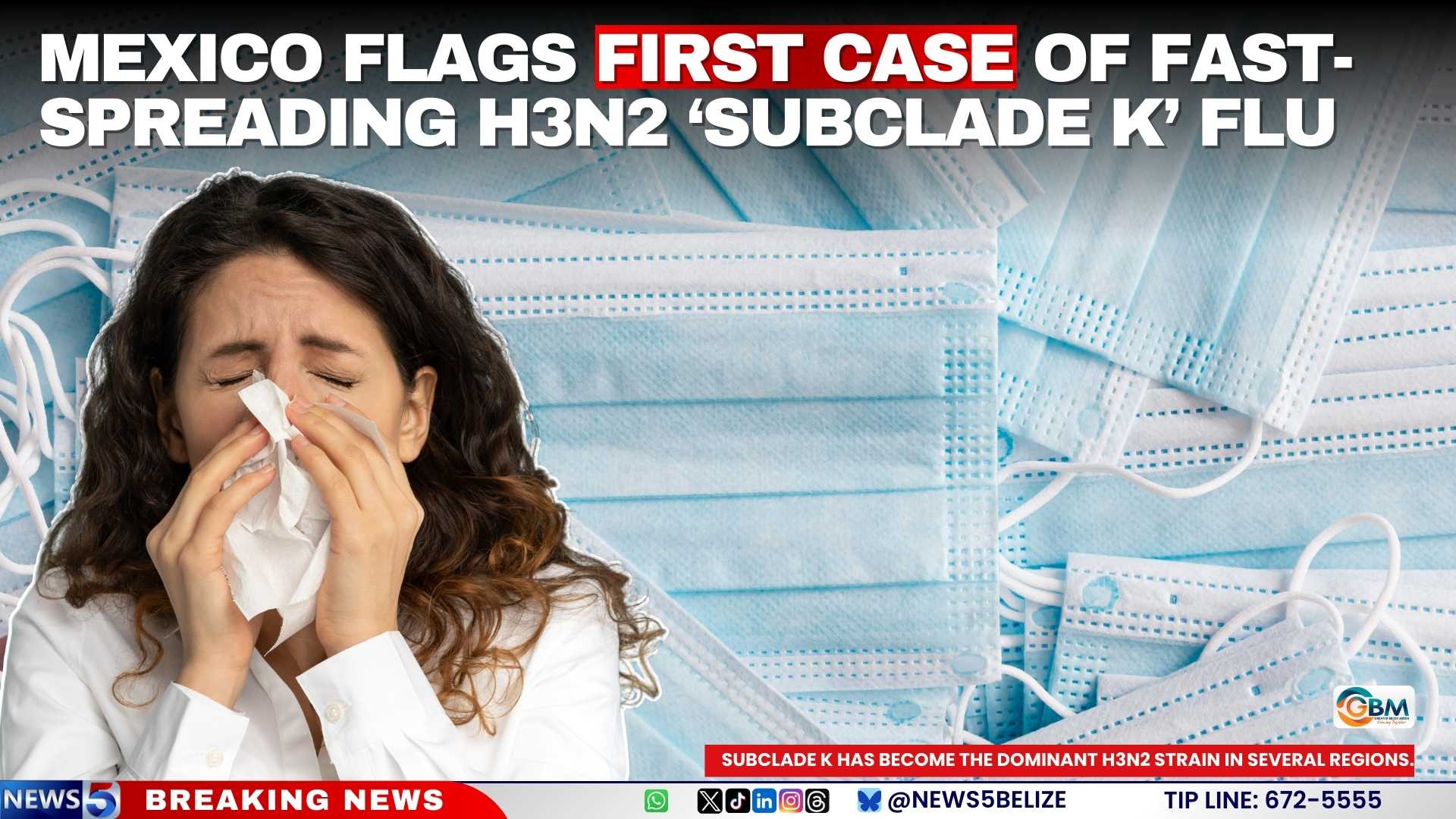
    Mexican health authorities have officially documented the nation’s inaugural infection of the influenza A(H3N2) subclade K variant, a highly transmissible strain currently accelerating seasonal flu patterns across Europe and North America. The detection was confirmed through the surveillance systems of the National Institute of Respiratory Diseases, with health officials reporting the affected individual has successfully recovered following appropriate antiviral therapy. While withholding specific location details to protect patient privacy, the Ministry of Health emphasized the situation “does not warrant public alarm” despite the strain’s concerning transmission dynamics. This development gains epidemiological significance as subclade K emerges as the predominant influenza variant across multiple global regions, prompting coordinated alerts from international health bodies. The Pan American Health Organization (PAHO) and World Health Organization (WHO) issued a joint advisory indicating this accelerated viral spread could precipitate an earlier and potentially more severe influenza season throughout the Americas. Although current data reveals no substantial alterations in clinical severity profiles, historical patterns indicate H3N2-dominated seasons frequently correlate with elevated hospitalization rates, particularly among elderly demographics. Health authorities strongly advocate for enhanced preventive measures while reaffirming that vaccination continues to serve as the primary defense mechanism against influenza, COVID-19, and pneumococcal comorbidities. Notably, preliminary vaccine effectiveness data indicates sustained protection against hospitalizations remains consistent with previous seasonal patterns, demonstrating approximately 70-75% efficacy in pediatric populations and 30-40% in adult cohorts despite observed antigenic variations in the emerging subclade.

  • An increase in respiratory viruses has been recorded in children in the National District

    An increase in respiratory viruses has been recorded in children in the National District

    Santo Domingo’s healthcare system is facing a significant public health challenge as multiple hospitals across the National District report a dramatic increase in patients suffering from respiratory and gastrointestinal viruses during November and December. Children have emerged as the most severely affected demographic in this concerning epidemiological situation.

    Medical authorities, including Dr. Mabel Jones, Director of the Children’s Hospital, have confirmed the active circulation of multiple pathogens in the environment. Laboratory testing has identified Respiratory Syncytial Virus (RSV), Influenza strains A and B, H1N1, and various gastrointestinal viruses as the primary culprits behind the current wave of infections.

    On-site observations by Listin Diario reporters at two major healthcare facilities revealed numerous patients, predominantly infants and young children, exhibiting characteristic symptoms including persistent cough, nasal congestion, high fever, fatigue, and general malaise. While the majority of cases involve children under five, adults presenting with influenza-like symptoms have also been documented.

    The Robert Reid Cabral Children’s Hospital has become a critical care epicenter, with concerned parents seeking urgent medical attention for their children. Hospital corridors and waiting areas have been filled with children ranging from three months to five years of age, requiring both routine check-ups and treatment for severe flu complications.

    Patient case studies highlight the severity of the situation. Karen de la Cruz traveled from Haina, San Cristóbal, seeking treatment for her son who has been battling unrelenting fever and severe coughing since early November. Similarly, Gloribel Santos reported her three-month-old daughter’s deteriorating condition with worsening cough and congestion symptoms that necessitated transfer to a Santo Domingo medical facility.

    In response to the crisis, health authorities have issued comprehensive prevention guidelines. Dr. Jones emphasized critical measures including keeping symptomatic children home from school, consistent mask usage by infected individuals, frequent hand washing, avoiding self-medication without pediatric consultation, and prioritizing vaccination to prevent further complications.

    The Dr. Luis Eduardo Aybar Health City reported additional cases, including a five-year-old girl requiring three medical visits over several weeks for persistent flu-like symptoms. Medical staff confirmed 37 cases of acute febrile upper respiratory illnesses in November alone at this facility.

    The Ministry of Public Health has activated 71 vaccination centers throughout Greater Santo Domingo and the National District to combat seasonal influenza. While health officials acknowledge that public response to vaccination efforts has not yet reached optimal levels, medical staff at the Santo Socorro Hospital vaccination tent report steady attendance across all age groups, including children with parents and senior citizens accessing vaccines for influenza and other viruses.