分类: health

  • Psychologist outlines techniques to protect mental health post Melissa

    Psychologist outlines techniques to protect mental health post Melissa

    KINGSTON, Jamaica — In the devastating aftermath of Hurricane Melissa, which has left profound emotional scars across Jamaica, mental health experts are advocating for innovative psychological interventions to address widespread trauma. Dr. Marlon Simpson, a licensed clinical psychologist and trauma specialist, has introduced a series of science-based neuropsychological techniques specifically designed to help survivors combat anxiety, trauma, and survivor’s guilt.

    During a recent virtual symposium organized by the JN Foundation, Dr. Simpson presented these methods to JN Circle chapters, emphasizing that conventional approaches are insufficient for what he described as an “outside-the-box” hurricane that has psychologically disempowered countless individuals. “Our bodies may be safe now, but our brains are still telling us we’re in danger,” Dr. Simpson noted. “We need techniques that help recalibrate the brain’s alarm system.”

    The five evidence-based strategies outlined include:

    1. **Brain Reset Exercises**: Simple head movements—slowly turning left, center, and right for 2-5 minutes—signal to the brain that the danger has passed, reducing sleeplessness and stress.

    2. **Therapeutic Journaling**: Writing helps break guilt-based narratives and fosters acceptance of uncontrollable outcomes during the storm.

    3. **Vocalization Techniques**: Humming or soft vocalizing stimulates brain regions associated with safety, countering feelings of loneliness or unworthiness.

    4. **Sensory Grounding**: Wrapping oneself firmly in a light blanket or towel provides physical cues of safety, calming the nervous system.

    5. **Audio Journaling**: Recording private voice notes helps externalize racing thoughts, restoring mental clarity and reducing cognitive exaggeration of problems.

    Dr. Simpson also highlighted the importance of monitoring behavioral changes in children, such as reduced appetite, social withdrawal, or rescue-themed play, urging adults to recognize these as signs of distress.

    Hakeem Atkinson, Member Relations Supervisor at the JN Group, reflected on the session’s significance, stating that the initiative was designed to address the invisible wounds many Jamaicans are enduring. He emphasized that mental health support must become an integral part of disaster recovery, equally prioritized alongside physical reconstruction efforts.

    The JN Circle, a global network of members and customers active in 14 parishes and international cities including Toronto and London, continues to drive community-focused recovery initiatives in the wake of natural disasters.

  • From NYC to Santo Domingo: a check-up that brings peace of mind

    From NYC to Santo Domingo: a check-up that brings peace of mind

    For Dominican nationals residing in New York City, returning home involves far more than simple travel—it encompasses family obligations, celebrations, and numerous responsibilities that quickly fill their schedules. This often leads to a recurring dilemma: postponing essential preventive health check-ups for themselves and necessary medical follow-ups for their aging parents back in the Dominican Republic.

    Addressing this pressing need, Médico Express, located in Santo Domingo Este, has developed a specialized healthcare solution tailored specifically for the diaspora community. The facility offers a seamlessly coordinated medical experience that transforms brief visits into opportunities for comprehensive health assessment and peace of mind.

    The institution’s approach centers on eliminating the common barriers to healthcare access faced by international travelers. Rather than simply providing tests, Médico Express focuses on delivering clinical clarity, actionable health plans, and ultimately, improved quality of life through their structured programs.

    Key differentiators include international certifications from Global Healthcare Accreditation (GHA) and Fitwel, ensuring patient-centered, safety-driven care. Their strategic proximity to Las Américas International Airport (SDQ) minimizes travel time, maximizing valuable family moments. Advanced diagnostic capabilities feature AI-enhanced 1.5T MRI and state-of-the-art CT imaging technology for precise, timely assessments.

    As a comprehensive medical facility, Médico Express consolidates 40 medical specialties, adult and pediatric urgent care, ambulatory surgery, endoscopy, dental and ophthalmology services, and a full diagnostic center under one roof—eliminating the need for multiple facility visits.

    Two specialized programs cater specifically to New York-based Dominicans: The Homecoming Executive Check-Up, a streamlined 4-hour comprehensive assessment with pre-coordination and digital results, and the Senior Check-Up for Parents, designed for children abroad to remotely coordinate and fund healthcare for their parents in the DR.

    The NYC Concierge service via WhatsApp facilitates pre-trip coordination, appointment confirmation, and ongoing support throughout the medical journey. This model ensures certainty and efficiency for those managing healthcare across international borders, allowing them to protect their health without sacrificing precious family time during their visits home.

  • Dominican Republic closes 2025 with nearly 80,000 HIV diagnoses

    Dominican Republic closes 2025 with nearly 80,000 HIV diagnoses

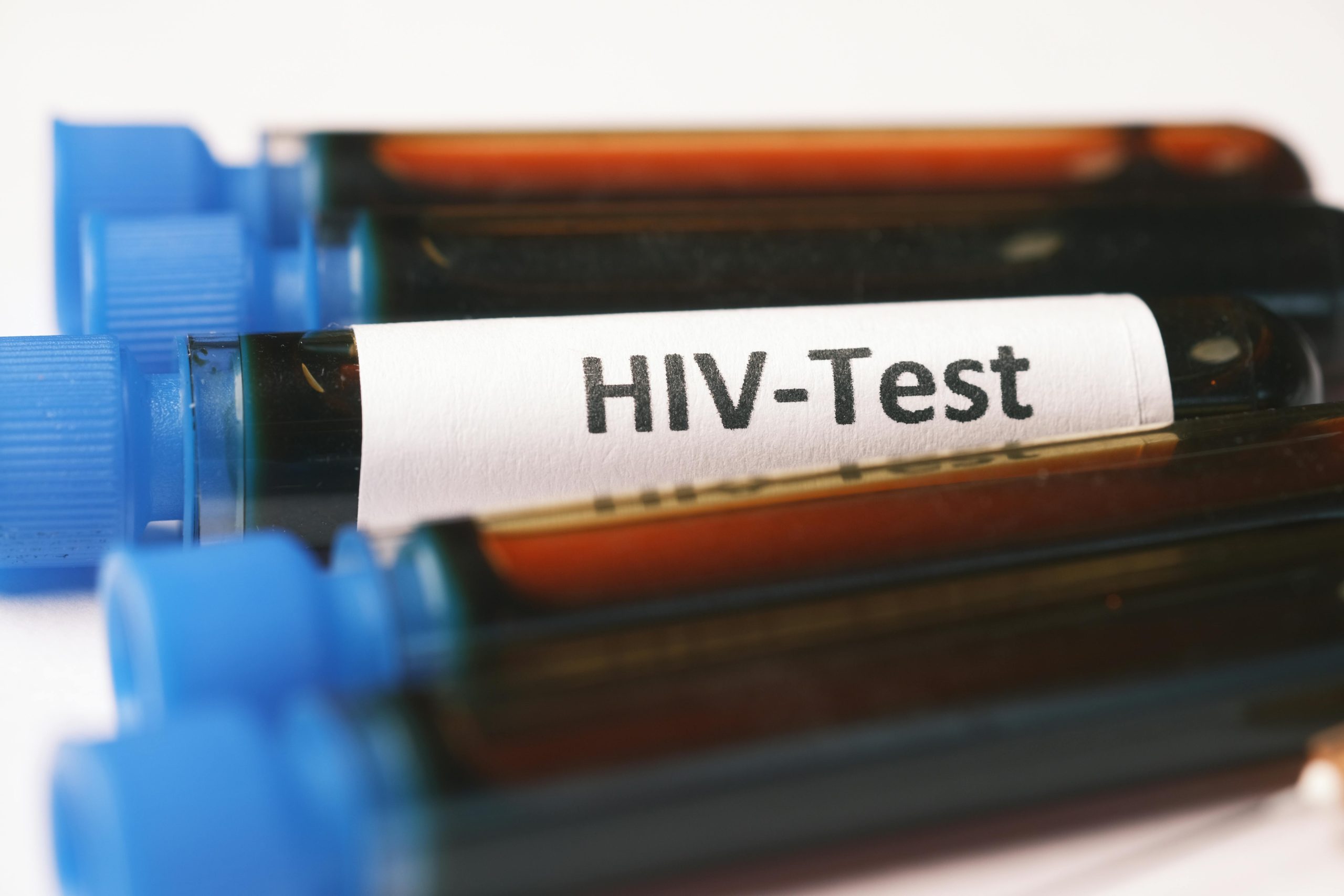
    The Dominican Republic concluded 2025 with approximately 80,000 documented HIV cases, a statistic that underscores both the virus’s prevalence and the nation’s substantial advancements in detection and treatment systems. Health officials emphasize that these figures demonstrate improved diagnostic capabilities and disease management protocols consistent with global public health benchmarks.

    Official data from the Ministry of Public Health reveals 79,800 individuals registered within the national HIV monitoring system. Among these, over 56,000 patients are receiving ongoing antiretroviral therapy, with approximately 49,000 achieving viral suppression levels that prevent disease transmission. This performance exceeded the World Health Organization and UNAIDS 95-95-95 targets, earning the country prestigious ‘Champion Country’ status in global HIV response.

    Health Minister Víctor Atallah credited this success to comprehensive strategies emphasizing prevention initiatives, equitable medication access, and societal stigma reduction campaigns. These efforts received substantial governmental backing and international collaboration with organizations including the Pan American Health Organization. Health authorities caution that maintaining these achievements will require sustained investment in public education, preventive healthcare infrastructure, and guaranteed treatment access for marginalized communities.

  • Psychologen roepen regering op tot ingrijpende versterking geestelijke gezondheidszorg

    Psychologen roepen regering op tot ingrijpende versterking geestelijke gezondheidszorg

    In the wake of a devastating incident that resulted in nine fatalities, the Surinamese Association of Psychologists and Orthopedagogues (SVPO) has issued an urgent appeal to the government and relevant care institutions. The professional organization calls for a comprehensive evaluation and strengthening of the nation’s mental healthcare system, emphasizing that this tragedy must serve as a pivotal moment for policy reform regarding detection, treatment, and protection in cases of severe psychological disturbance.

    The SVPO expressed profound sympathy for the victims, their bereaved families, and all those affected by the catastrophic event. While unequivocally stating that violence can never be justified, the association cautioned against rapid and oversimplified conclusions that might emerge in the aftermath.

    “Psychological disorders do not automatically render individuals violent,” the association clarified. “The majority of people experiencing mental health challenges pose no threat to others and are often particularly vulnerable themselves.” According to the SVPO, exceptional and severe cases typically involve multiple contributing factors, including failures in early detection, insufficient care continuity, poor inter-agency coordination, and inadequate protection measures for both affected individuals and their communities.

    The organization advocates for an exhaustive independent investigation into the specific shortcomings that occurred in this case, with subsequent findings informing policy enhancements. Specifically, the SVPO urges implementation of improved early warning systems, professional risk assessment protocols, adequate treatment capacity, and clearly defined responsibilities when dealing with severe psychological crises.

    Additionally, the association made a pressing appeal to media outlets and society at large to exercise restraint in potentially stigmatizing reporting. Psychologists warn that simplistic narratives and fear-driven rhetoric not only fail to contribute to solutions but may actively discourage individuals with mental health conditions from seeking essential support.

    “As psychologists, we remain committed to advancing a mental healthcare system that is humane, professional, and secure—serving not only clients but also their loved ones and society in its entirety,” concluded the SVPO statement.

  • Chemicals used in mosquito fogging safe – Tufton

    Chemicals used in mosquito fogging safe – Tufton

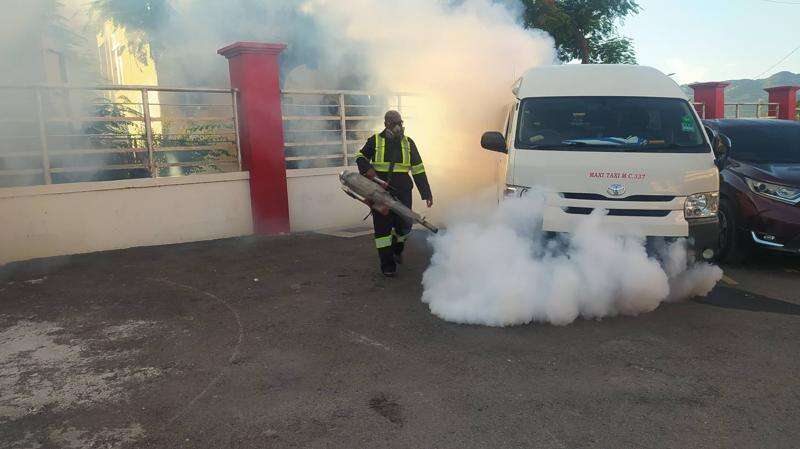
    KINGSTON, Jamaica — Health authorities in Jamaica have issued firm reassurances regarding the safety of chemical fogging operations being conducted across multiple communities to combat surging mosquito populations following Hurricane Melissa.

    Portfolio Minister Dr. Christopher Tufton characterized the fogging methodology as a fundamentally secure approach for eliminating mosquitoes capable of transmitting dengue and other viruses. In statements to JIS News, Dr. Tufton emphasized that contemporary insecticides have undergone substantial advancements, resulting in formulations that are significantly more environmentally considerate. “These chemicals will not cause fatalities or harm to individuals,” he stated, “while effectively mitigating the nuisance and health hazards posed by mosquitoes.”

    The Minister advised minimal exposure for persons with known allergies, suggesting the temporary use of a damp cloth over the nose until the dispersed mist settles. He strongly encouraged public cooperation to allow fogging teams to perform their essential duties without obstruction.

    Echoing these sentiments, Sherine Huntley Jones, Medical Entomologist and National Programme Manager for Vector Control, confirmed that all chemicals deployed are certified and endorsed by the World Health Organization (WHO). Their application strictly follows manufacturer guidelines, negating any legitimate concerns about adverse health effects, she assured.

    In response to post-hurricane conditions, the Ministry of Health and Wellness has heightened its alert status for mosquito-borne disease transmission and intensified its control initiatives. This includes an expanded schedule for both fogging and larvicidal treatments. Ms. Huntley Jones indicated these operations would gradually scale down once the threat of an outbreak is deemed sufficiently contained.

    The public is urged to report any issues related to fogging to their local parish health department. Concurrently, officials are calling for citizen participation in source reduction efforts—promptly identifying and eliminating containers that collect water and facilitate mosquito breeding around homes. This collaborative approach between the government and communities is presented as the most effective strategy for reducing mosquito populations and curtailing disease risk.

    Supporting the ministry’s position, the WHO notes that the insecticide concentrations used in fogging are minimal and calibrated to target only small insects like mosquitoes. Occasional exposure at these levels is not anticipated to produce negative health outcomes in humans. The global health body advocates for an Integrated Vector Management (IVM) strategy, which combines fogging with other proven measures such as Insecticide-Treated Nets (ITNs), Indoor Residual Spraying (IRS), EPA-registered repellents, and environmental management to prevent breeding sites.

  • Elio Fiallo Hospital guarantees attention to tourists

    Elio Fiallo Hospital guarantees attention to tourists

    In a demonstration of protocol adherence and patient-centered care, the Elio Fiallo Hospital in Pedernales has successfully managed the medical transfer of two foreign tourists following established international healthcare guidelines. Hospital Director Edelberta Otaño provided a comprehensive account of the institution’s handling of the case, emphasizing strict compliance with national regulations for foreign patients.

    According to official communications, the medical facility provided continuous clinical care from the moment of admission, with treatment prioritization based solely on the patients’ medical condition and welfare requirements. The hospital’s administration immediately identified that the tourists lacked affiliation with the Dominican national health system, triggering predetermined protocols for international visitors.

    The institution promptly verified the patients’ international medical insurance coverage, confirming that all generated expenses would be covered by their insurance provider. Dr. Otaño clarified that all administrative procedures were conducted exclusively through the insurance channel, with no direct payments required for services rendered or anticipated.

    The transfer process to a medical facility in Santiago was initiated following a coordination request from the patients’ relatives. This complex procedure involved thorough clinical evaluation and meticulous pre-coordination between medical teams. Hospital authorities emphasized that the transfer was conducted with full family consent and in strict accordance with medical and administrative protocols, always prioritizing patient safety and well-being throughout the transition.

  • Nippes : Construction of the departmental incinerator for biomedical waste

    Nippes : Construction of the departmental incinerator for biomedical waste

    The Nippes Department of Haiti is witnessing a significant enhancement to its healthcare infrastructure with the ongoing construction of a specialized biomedical waste incineration facility. This strategic initiative, vigorously championed by Departmental Health Director Dr. Esther Ceus Dumont, represents a critical advancement in regional public health and environmental safety.

    During a recent inspection of the construction site, Dr. Dumont emphasized the facility’s vital role in establishing secure disposal protocols for medical waste generated by both public and private healthcare institutions. She characterized the incinerator as an indispensable tool for mitigating health hazards, safeguarding community wellbeing, and ensuring ecological preservation—addressing a longstanding deficiency in the department’s waste management capabilities.

    Financial backing for this essential project is provided by the World Bank, with operational oversight delegated to the Project Management Unit and Haiti’s Ministry of Public Health under Minister Dr. Sinal Bertrand. The Haitian construction company SOPEC PLUS has been entrusted with the physical execution of the project.

    The path to construction required considerable institutional coordination. The designated plot, adjacent to the Departmental Health Directorate offices, had been subject to unlawful occupation. Through Dr. Dumont’s determined leadership, a collaborative effort involving police, judicial authorities, the General Directorate of Taxes, and the Ministry of Planning successfully reclaimed the property for its intended public use.

    Construction is now advancing at an accelerated pace, reflecting the unwavering commitment of health authorities to see this crucial public health project through to completion, marking a new chapter in medical waste management for the Nippes region.

  • Seecheran: Regulated framework for traditional medicine

    Seecheran: Regulated framework for traditional medicine

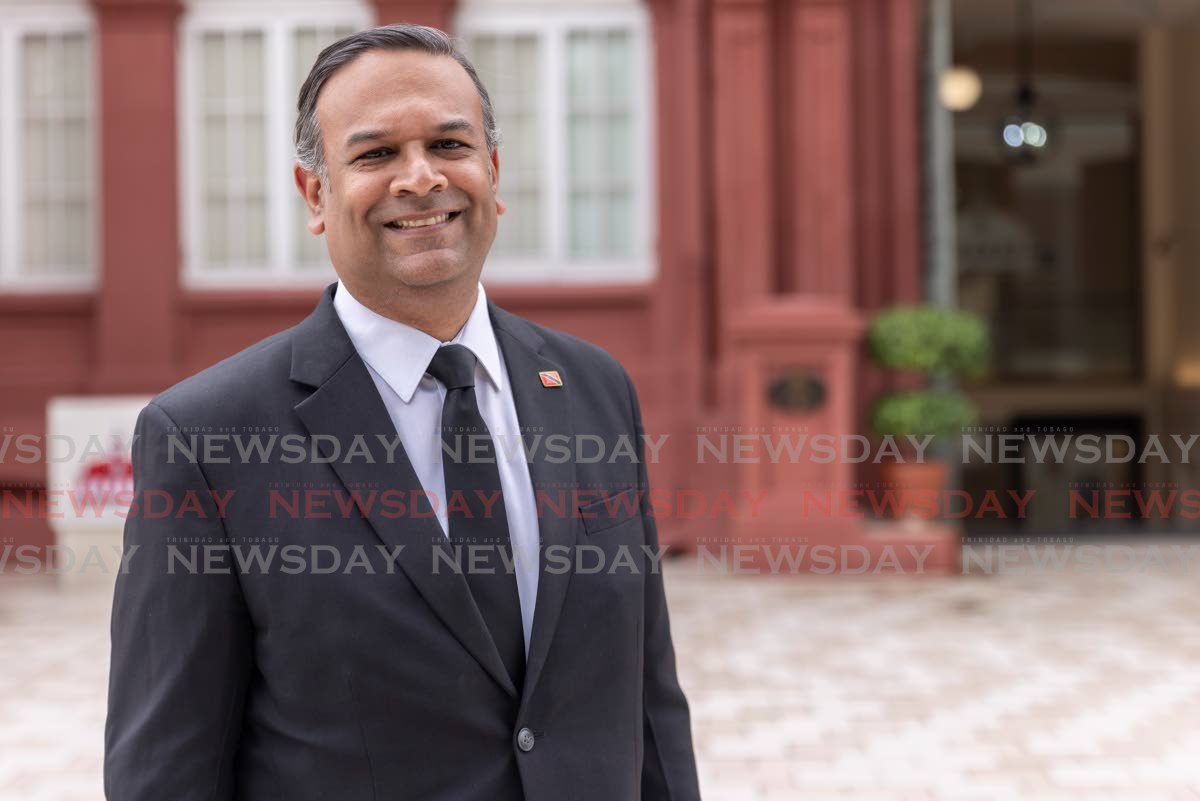
    Trinidad and Tobago has announced a strategic initiative to formally incorporate traditional medicine practices into its national public health framework. The declaration came from Dr. Rishad Seecheran, Minister in the Ministry of Health, during his address at the second World Health Organization Global Summit on Traditional Medicine in New Delhi.

    Dr. Seecheran emphasized that global health systems face increasing pressure to develop greater resilience, cultural responsiveness, and equity. He positioned traditional medicine not as an alternative approach but as a valuable complementary component that could enhance universal health coverage objectives. The minister characterized traditional medicine as representing ‘centuries of accumulated knowledge, practices and beliefs deeply rooted in culture and community life.’

    The government’s approach acknowledges the existing reality that many citizens already combine traditional remedies with conventional Western treatments. Rather than disregarding this practice, policymakers are developing standardized regulations for traditional medicine products, practices, and practitioners. This regulatory framework will prioritize safety protocols and quality control measures.

    Supporting this integration will be increased investment in scientific research to validate traditional approaches. Trinidad and Tobago also plans to collaborate with international agencies to build specialized human resource capacity and identify integration models tailored to local requirements. Dr. Seecheran commended the WHO’s Traditional Medicine Strategy for providing guidance on evidence-based policy development in this field.

  • The UWI, PAHO collaborate on infectious disease diagnostics and genomic surveillance

    The UWI, PAHO collaborate on infectious disease diagnostics and genomic surveillance

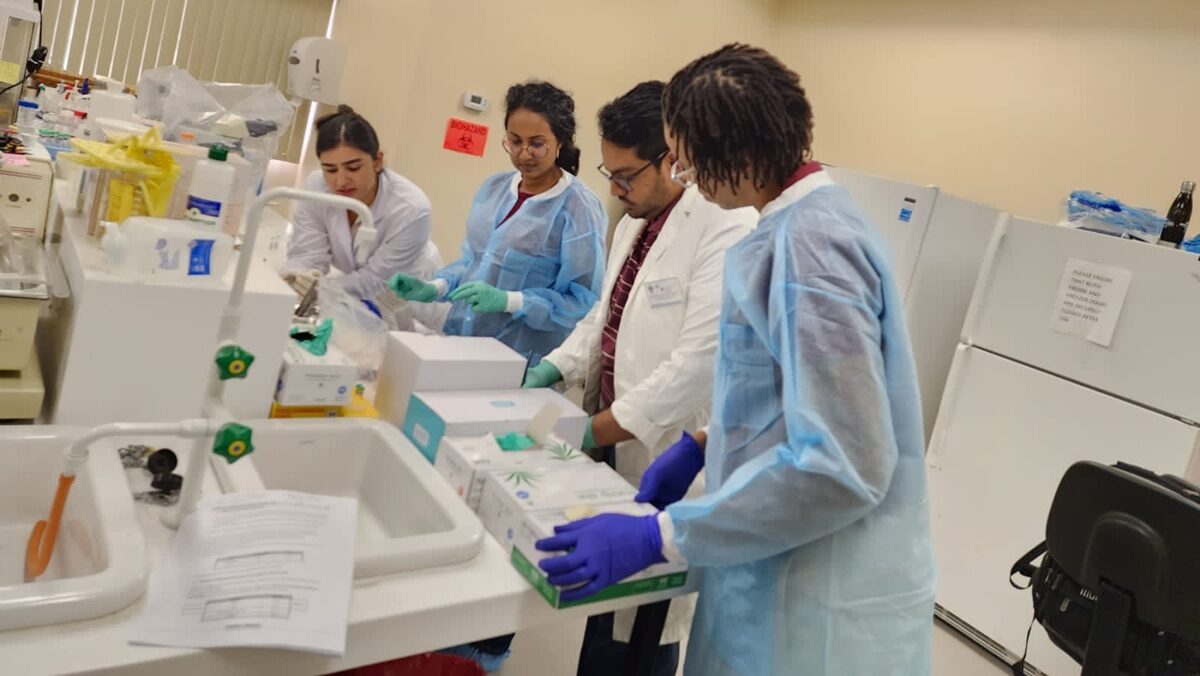
    In a significant move to bolster regional health security, the University of the West Indies (UWI) recently convened a virtual assembly of over 40 veterinary and public health specialists, laboratory experts, and academic researchers from approximately ten Caribbean nations and territories. The strategic session, organized in partnership with the Pan American Health Organization (PAHO), focused on enhancing collaborative efforts in infectious disease diagnostics, genomic surveillance, and scientific research.

    Co-ordinated by Professor Christine Carrington, Professor of Molecular Genetics and Virology, and Dr. Arianne Brown-Jordan, Laboratory Coordinator and Research Scientist at The UWI/PAHO/WHO Reference Sequencing Laboratory, the gathering marked a pivotal step toward regional health cooperation. The primary outcome was a consolidated commitment to improve coordination and eliminate redundant efforts as genomic surveillance capabilities expand throughout the Caribbean.

    Key priorities identified include specialized training in genomics and bioinformatics, the development of national genomic surveillance strategies, and stronger advocacy for incorporating genomics into public health policy and preparedness structures. Professor Carrington emphasized the value of shared insights, stating, “We all gained valuable insights into the needs and concerns of other stakeholders… and most importantly how we can support each other.”

    The meeting underscored the essential role of partnerships among academic institutions, regional health agencies, and international organizations in constructing resilient, data-driven health systems. Professor Carrington also unveiled plans for a UWI Centre of Excellence for One Health molecular epidemiology and genomics, intended to serve as a central hub for research, training, and collaboration.

    Discussions addressed practical implementation challenges, such as workforce development, sustainable financing, policy integration, and equitable access to resources. Presentations from Dr. Jairo Méndez-Rico of PAHO and Dr. Sue Min Nathaniel of the Caribbean Public Health Agency (CARPHA) highlighted ongoing initiatives and regional vulnerabilities, stressing the need for timely data and coordinated response mechanisms.

    Feature presenter Professor Nuno Faria of Imperial College London illustrated how genomic epidemiology can generate actionable public health intelligence, using case studies from arbovirus outbreaks. The session concluded with a focus on integrating genomic data into national surveillance frameworks and the importance of developing clear strategies for genomic adoption in public health infrastructure.

  • Su Aid haalt recordbedrag van SRD 6 miljoen op voor Hematologie SVZ

    Su Aid haalt recordbedrag van SRD 6 miljoen op voor Hematologie SVZ

    In an extraordinary display of community support, Stichting Su Aid has successfully raised SRD 6 million (approximately $180,000 USD) for the Hematology Department at Sint Vincentiusziekenhuis (SVZ) hospital. The preliminary fundraising total was formally presented to hospital officials on Wednesday, marking the highest amount ever collected by the foundation in its history.

    Hospital Director Jason van Genderen described the achievement as “a special day and the most beautiful Christmas gift the hospital could have wished for.” The visibly emotional director expressed profound gratitude for the unprecedented community effort behind the record-breaking donation.

    The Hematology Department, which treats patients suffering from anemia, blood cancer, sickle cell disease, and other blood-related disorders, urgently requires comprehensive renovation, expansion, and modernization. While the campaign fell short of its original SRD 10 million target, the amount raised will enable the immediate procurement of essential medical equipment to enhance patient care.

    Van Genderen praised the dedication and commitment of all involved, stating: “This proves it can be done. A record amount has been raised through tireless efforts—people were out early every day fundraising. I thank all donors who dug deep into their pockets. Six million SRD! I want to walk through the entire hospital with this and show it off,” he added, referencing the symbolic check presentation.

    Su Aid emphasized that this represents an interim result, with additional commitments from both individual and corporate donors still pending. The foundation anticipates concluding its fundraising campaign in January and delivering a final report by February. The organization has committed to ensuring all funds will be allocated with complete transparency and accountability throughout the modernization project.