In a significant move to decentralize medical services, Antigua and Barbuda’s Health Minister Sir Molwyn Joseph has unveiled comprehensive modernization plans for the Glanville Polyclinic. The ambitious upgrade initiative aims to establish the facility as a self-sufficient healthcare hub serving the St. Philip’s North constituency.\n\nThe enhancement package includes four cornerstone services: an integrated pharmacy for local prescription fulfillment, laboratory facilities for basic medical testing, electrocardiogram (EKG) equipment for cardiac assessment, and ultrasound capabilities particularly beneficial for prenatal care. Minister Joseph emphasized that this integrated approach follows the successful implementation of a similar model in Villa, demonstrating the government’s commitment to replicating effective healthcare frameworks across communities.\n\nDuring a constituent town hall meeting, Joseph articulated the strategic vision behind these developments. \”Our fundamental objective is to eliminate the necessity for residents to undertake burdensome journeys to St. John’s for routine medical procedures,\” he stated. The minister highlighted that the planned pharmacy would operate within the clinic premises, allowing patients to obtain medications without leaving their community.\n\nThe diagnostic enhancements represent particularly critical advancements. The introduction of EKG services will enable local assessment of cardiac symptoms, while ultrasound equipment will address what Joseph described as \”one of the most sought-after services in our healthcare system,\” especially for maternal healthcare needs.\n\nThis infrastructure expansion forms part of a broader national strategy to strengthen primary healthcare delivery across Antigua and Barbuda. Minister Joseph framed these improvements within the context of his philosophical conviction that \”health is wealth,\\” asserting that accessible community-based services are fundamental to improving public health outcomes. The government plans to continue service expansion at the polyclinic throughout the coming months as part of what officials term a \”major transformation\” for the region’s healthcare landscape.
分类: health
-

VES: Wanica Ziekenhuis uitbouwen tot centrum voor chronische zorg
The Association of Economists in Suriname (VES) has unveiled an ambitious proposal to transform Wanica Hospital into a specialized center dedicated to treating chronic diseases including diabetes, cardiovascular conditions, and chronic kidney diseases. This strategic initiative aims to address the growing healthcare demands within Suriname’s fastest-growing district through an integrated care model that promises enhanced efficiency, affordability, and sustainability.
With approximately 118,000 residents, Wanica represents a critical demographic shift in Suriname’s population landscape. The district’s substantial proportion of inhabitants aged 40-70 years creates heightened vulnerability to chronic health conditions. According to VES data, diabetes affects approximately 14% of the population (16,300 individuals), cardiovascular diseases impact 25% (29,500 individuals), and chronic kidney diseases affect 15% (17,700 individuals). Collectively, these conditions represent over 60,000 patients, many experiencing multiple comorbid health challenges.
The proposed healthcare revolution centers on implementing ‘care pathways’ – integrated treatment trajectories that consolidate prevention, diagnosis, treatment, and aftercare services according to specific disease profiles. This innovative approach would establish dedicated diabetes care pathways, cardiovascular care pathways, and renal care pathways within Wanica Hospital.
Economic analysis indicates that care consolidation would significantly reduce duplicate testing, optimize staff utilization, and minimize medication waste. These efficiencies would enable the hospital to treat more patients while maintaining lower structural operational costs.
Financial projections estimate annual operational costs for the proposed care pathways at approximately USD 16 million, against expected annual revenue of USD 19-20 million. The resulting 10% profit margin is conceptualized not as profit maximization but as essential capital for maintenance, innovation, and improved staff compensation.
A mixed financing model proposes 30% government funding, 30% through employee and employer premiums (including SZF reform), and 40% private investment. With phased implementation over four to five years, the hospital could achieve break-even operation within six to seven years.
The specialization initiative is expected to generate substantial employment opportunities for nurses, laboratory technicians, dialysis specialists, dietitians, data analysts, and healthcare managers. Increased productivity would create financial flexibility for competitive salaries, potentially reducing the emigration of healthcare professionals abroad.
VES envisions Wanica Hospital as the central hub within a national healthcare network, connecting with RGD clinics, regional hospitals, and telemedicine facilities serving interior regions. This model demonstrates how demographic realities, economic considerations, and policy vision can converge to create structural healthcare reform with nationwide implications.
-

Will Belizeans Finally Get the Healthcare They’ve Been Promised?
After a quarter-century of development, Belize’s ambitious National Health Insurance (NHI) program has reached a pivotal moment with the signing of new implementation contracts. The recent ceremony marked more than bureaucratic formality—it represented the latest chapter in Belize’s long-standing struggle to transform healthcare from a privilege into a fundamental right for all citizens.
Government officials presented NHI as a hard-won success story originating from the southside of Belize City. Prime Minister John Briceño characterized the event as a “homecoming” for an idea born twenty-five years ago from the conviction that “where you live or how much you earn should never determine whether you live or die.” He described the program as a “laboratory of hope” that has demonstrated how investments in primary care save lives.
Health Minister Kevin Bernard emphasized that the contract signing signifies Belize’s continued commitment to making healthcare “accessible, affordable and quality” while close to home. He identified primary healthcare as the backbone of an effective health system, noting that NHI has already helped thousands avoid “overwhelming out-of-pocket costs.”
Lionel Olivera, Communications Officer for Total Health Solutions, detailed the practical implementation: nearly fifteen thousand residents in Pickstock, Freetown and Fort George constituencies will benefit from a “one-stop shop” model integrating primary care, pharmaceutical services, and laboratory facilities within single community-focused buildings.
Despite the optimistic rhetoric, the ceremony revived fundamental questions that have persisted throughout NHI’s history. Belizeans continue to scrutinize whether the system is expanding rapidly enough, whether funding remains adequate, and whether this renewed effort will finally deliver consistent, reliable healthcare that matches decades of promises.
-

Ministry Warns: Missed Mental‑Health Signs Fuel Crises
The Belize Ministry of Health and Wellness has issued a critical public health advisory emphasizing the importance of early detection and intervention in mental health cases. Contrary to popular perception, officials reveal that individuals with mental health conditions are significantly more likely to be victims of violence than perpetrators of it.
Mental Health Coordinator Yveth Quintanilla presented compelling statistics indicating that only 3-5% of violent incidents involve persons with mental disorders, while these individuals face ten times greater risk of becoming victims themselves. The ministry maintains active monitoring and support systems for known cases, but expresses greater concern about undetected cases that only receive attention after reaching crisis points.
Quintanilla identified several early warning signs that families and communities should recognize: social withdrawal, sleep disturbances, and sudden changes in eating patterns. These behavioral changes typically manifest in home environments long before emergency situations develop.
The health authority’s central message advocates for proactive engagement rather than reactive response. They encourage public vigilance and early consultation with mental health professionals, emphasizing that protective intervention begins within immediate social circles. The ministry has reinforced its clinical services to support early-stage mental health challenges before they escalate into critical conditions.
-

International healthcare accreditation and other improvements on the docket for Dominica, says DHA chairman
The Dominica Hospitals Authority (DHA) has announced a comprehensive strategic roadmap aimed at revolutionizing healthcare delivery on the island. Chairman Dr. Donald Peters revealed the multi-faceted plan during a recent press conference, outlining key priorities for the coming year.
Foremost among these initiatives is the pursuit of international accreditation for Dominica’s medical facilities. Dr. Peters emphasized that this three-year endeavor, conducted in collaboration with Canadian authorities, would enable the hospital to serve international patients and meet global insurance requirements. “Our standards need to meet international standards to achieve this crucial recognition,” he stated.
The chairman identified financial stabilization as perhaps the most critical challenge, noting that healthcare represents the most significant expenditure for governments worldwide. “Some governments simply cannot afford to make healthcare free due to the enormous costs involved,” Dr. Peters explained, contextualizing the global healthcare financing dilemma.
A third pillar of the strategy involves enhanced collaboration with the Ministry of Health to address systemic inefficiencies. Dr. Peters revealed a startling statistic: 68% of Accident and Emergency department visitors present with non-urgent conditions like stomach aches or flu viruses. He made a public appeal: “Please go to your health center instead of coming all the way to Goodwill for non-emergencies so that critical cases can receive prompt attention.”
The most technologically ambitious component involves implementing a nationwide Hospital Management Information System, with $8 million already allocated for the project. This digital transformation will digitize all medical records nationally, accelerating both diagnosis and treatment delivery while improving overall care quality.
Dr. Peters also addressed the sensitive topic of medical fees, clarifying that the government subsidizes approximately 90% of actual costs. While the cabinet-approved charges appear modest—a $400 bill representing what should be a $4,000 service—he emphasized that these payments remain essential for the hospital’s financial viability.
The chairman concluded by noting that the Dominican government allocates approximately $28 million daily to healthcare, with a significant portion directed to hospital operations, underscoring the substantial investment required to maintain the nation’s health infrastructure.
-

Bermuda recalls infant and baby milk formula products
HAMILTON, Bermuda – In a critical public health alert, Bermuda’s Ministry of Health has initiated an immediate product recall for multiple batches of infant and follow-on milk formulas. The urgent action targets specific products from the Cow & Gate and Aptamil brands, manufactured by the international food conglomerate Danone, over potential contamination with cereulide, a harmful toxin known to induce severe gastrointestinal distress.
The Ministry confirmed that environmental health officers have already commenced the removal of the identified 15 products from retail shelves across the island. Officials emphasized that the recalled items, which were available in local stores, pose a significant health risk to infants, potentially causing symptoms including acute nausea, vomiting, and abdominal cramping.
Authorities are strongly urging all parents and caregivers to immediately cease using the affected formulas and to return them to their point of purchase for a full refund, irrespective of whether a receipt can be provided. For detailed information on the specific batch numbers involved in this recall, consumers are directed to the official resource website, www.cgbabyclub.co.uk.
The Ministry has committed to ongoing surveillance of the situation and will disseminate further updates to the public as necessary, ensuring transparent communication throughout the remediation process.
-

Two Students Diagnosed With Tuberculosis
The Ministry of Health and Wellness in Belize has officially confirmed the diagnosis of tuberculosis in two students from Belize City educational institutions. Health authorities reported that a 16-year-old female student attending Edward P. Yorke High School received a positive TB test result on Thursday of last week. Medical officials confirm the adolescent has commenced anti-tuberculosis medication and is demonstrating positive response to therapeutic interventions.
In a related development, a 10-year-old student from Ephesus Primary School, identified as a family member of the first case, has also tested positive for the bacterial infection. The younger patient presented with non-specific symptoms before diagnosis and has similarly initiated appropriate medical treatment protocols.
Health Ministry representatives have implemented comprehensive response measures, including formal notification of both educational institutions and the activation of systematic contact tracing procedures. Epidemiological teams are currently working to identify and assess all individuals who may have experienced close contact with the infected students.
Tuberculosis remains a significant public health concern, characterized as an airborne bacterial infection that primarily targets pulmonary tissue. Transmission occurs through respiratory droplets when infected individuals cough, sneeze, or speak. Health authorities emphasize that persistent or concerning respiratory symptoms warrant immediate medical evaluation. The Ministry confirms that complete TB screening, diagnostic services, and treatment regimens remain available without cost at all public healthcare facilities throughout the nation.
-

Two Belizeans Test Positive for Malaria Following Guatemala Trip
Health authorities in Belize have confirmed two imported malaria cases detected in Crique Sarco Village, Toledo District, marking a significant public health development. According to Dr. Melissa Diaz-Musa, Director of Public Health and Wellness, both patients had recently traveled to Guatemala and developed symptoms in mid-January before being formally diagnosed.
The Ministry of Health and Wellness has intensified surveillance measures to prevent local transmission while maintaining Belize’s malaria-free status. Healthcare teams are conducting enhanced monitoring in affected and surrounding villages, testing residents for fever, joint pains, and other malaria symptoms. The national health system maintains capacity to test for multiple vector-borne illnesses including dengue, chikungunya, and Zika, which present similar symptoms.
In a separate development, Belize experienced a January spike in influenza cases coinciding with an unusual cold front. The H3N2 influenza subtype mirrored outbreaks reported in the United States and Canada. While cases have since stabilized, health officials continue urging vaccination, with both flu and pneumococcal vaccines available at public and private health facilities.
Dr. Diaz-Musa also addressed the planned demolition of Port Loyola Polyclinic in Belize City, which was condemned due to mold contamination. Services have been relocated to the Welcome Resource Center, which now provides comprehensive care including psychiatric services, counseling, and basic necessities. Demolition is expected within the next month, with new construction anticipated to commence within a year.
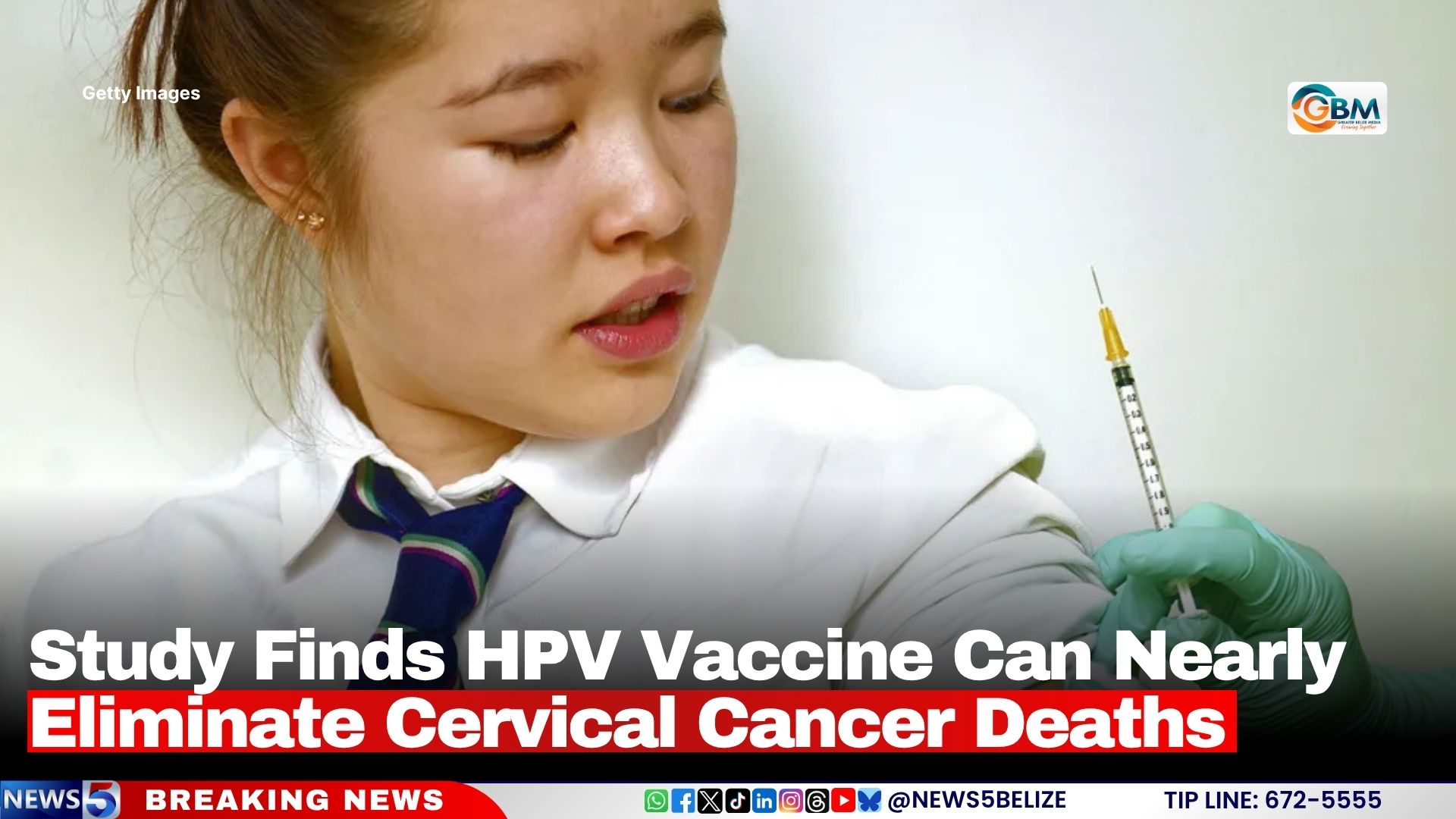
The ministry reported significant recovery in vaccination rates post-COVID, particularly noting HPV vaccination coverage improving from 38% to 76% in 2025, advancing cervical cancer elimination goals.
-

Belize Joins Challenge to Increase Glasses Coverage by Forty Percent
Belize has formally aligned with the World Health Organization’s ambitious Specs 2030 initiative, marking a transformative commitment to address the nation’s vision care challenges. The groundbreaking program, unveiled during a February 18th ceremony, represents a coordinated effort to tackle uncorrected refractive errors—the predominant cause of global vision impairment.
Dr. Melissa Diaz-Musa, Director of Public Health and Wellness, emphasized the initiative’s critical timing: “With approximately 2.2 billion people worldwide experiencing vision issues and one billion lacking access to testing and corrective glasses, this program addresses a fundamental healthcare disparity.”
The initiative operates through five strategic pillars: Services, Personnel, Education, Cost, and Surveillance. This multidimensional approach will enhance eye care delivery systems, develop professional training programs, implement public awareness campaigns, reduce financial barriers, and strengthen data collection mechanisms.
Carla Ayres-Musa, Executive Director of the Belize Council for the Visually Impaired (BCVI), outlined the collaborative nature of the endeavor: “This initiative creates a holistic, all-of-society approach uniting the Ministry of Health, BCVI, One Sight, Essilor Luxottica Foundation, and the Pan-American Health Organization.”
The program specifically targets a forty percent increase in glasses coverage within four years through expanded screening initiatives. Schools will become primary intervention points, identifying students who may require vision correction but lack access to ophthalmologists or optometrists.
Community outreach represents another crucial component, addressing cultural hesitancy around glasses adoption and emphasizing preventive eye care, particularly for aging populations. The initiative will also focus on human resource development, expanding beyond BCVI’s existing five clinics to deliver mobile services reaching remote communities.
This partnership signifies Belize’s commitment to ensuring equitable, affordable vision care for all citizens regardless of geographic location or economic status, potentially serving as a model for other low- and middle-income nations addressing similar healthcare challenges.
-

Dominica partners with other countries, PAHO, for health system support
Dominica’s healthcare system is poised for significant enhancement through a newly ratified multi-country cooperation strategy with the Pan American Health Organization (PAHO). Health Minister Cassanni Laville confirmed the partnership, which includes various OECS nations and Barbados and will extend from 2026 to 2031. The initiative unlocks $1.7 million in funding specifically earmarked for strengthening health systems leadership, integrated people-centered care, and emergency response capabilities.
Minister Laville, addressing a recent Dominica Hospitals Authority press conference, emphasized that this strategic alignment is a cornerstone of national development. The funding will directly support the Dominica Hospitals Authority in its mission to improve governance and service delivery. A key operational focus involves finalizing several critical senior management appointments, particularly within the nursing sector, to reinforce institutional leadership.
The administration’s efforts are underpinned by a robust legislative framework. The foundational Dominica Hospitals Authority Act of 2021 established modern protocols for managing public hospitals, including the Dominica-China Friendship Hospital. This framework was substantially fortified in December 2024 with the passage of the Amendment Act (Act number 13 of 2024), which explicitly reinforced governance standards, accountability measures, and patient protection principles.
Despite acknowledging the ‘very demanding circumstances’ and operational pressures faced by hospital staff over the past year, Laville commended their unwavering commitment to delivering essential services. He asserted that strong institutions, clear leadership, and honest communication are fundamental to maintaining public trust. The ultimate beneficiary of these consolidated efforts, the minister concluded, will be the people of Dominica, who stand to gain substantially improved healthcare outcomes.