分类: health

  • Eight China medical team arrives at QEH

    Eight China medical team arrives at QEH

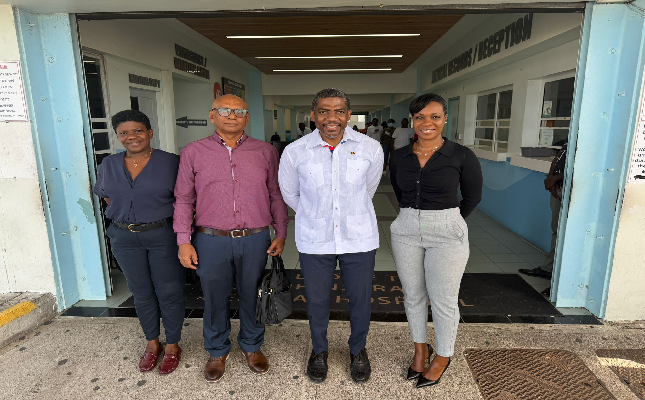
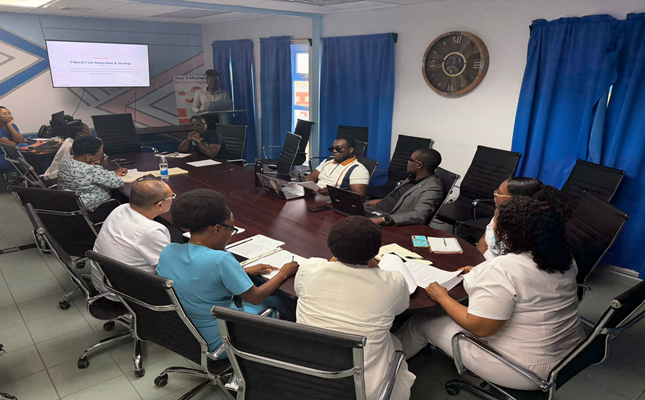
    The Queen Elizabeth Hospital (QEH) has formally received the eighth contingent of medical experts from China, marking a significant milestone in international healthcare collaboration. This specialized team of seven seasoned professionals will integrate into the hospital’s clinical framework beginning Thursday, February 26, focusing on elevating specialist services and advancing patient care standards.

    The delegation brings together exceptional expertise across critical medical disciplines: Dr. Cui Kun, a distinguished Cardiologist, leads the team as Captain alongside Dr. Yu Yang, Cardiovascular Surgeon; Dr. Cui Hong, Anaesthesiologist; Dr. Hu Kei, Joint Surgeon; Dr. Li Huanhuan, Nuclear Medicine Physician; Dr. Xiao Yang, Ultrasound Diagnostic Physician; and Dr. Mou Qiujie, Acupuncturist.

    Their deployment will foster extensive interdepartmental collaboration, particularly enhancing capabilities in cardiovascular treatment, orthopaedic surgery, advanced anaesthesia protocols, precision diagnostic imaging, nuclear medicine applications, and integrative complementary therapies. This initiative is strategically designed to facilitate profound knowledge exchange and sustained skills transfer between the visiting specialists and QEH’s clinical staff.

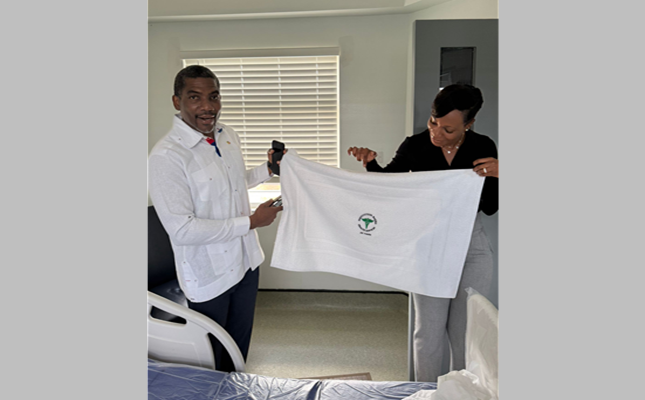
    Dr. Carlos Chase, Director of Medical Services, personally welcomed the delegation, conducting an comprehensive orientation tour through pivotal hospital departments. This introductory session aimed to acclimatize the team with institutional operations, patient management systems, and existing clinical workflows to ensure seamless integration.

    The hospital administration expressed profound appreciation for this ongoing international partnership, emphasizing its transformative potential for elevating clinical outcomes, enriching service delivery quality, and fostering long-term advancements in specialized medical care through shared expertise and cross-cultural medical dialogue.

  • Health Ministry Expands Weekend HPV Testing and Vaccination Clinics in March

    Health Ministry Expands Weekend HPV Testing and Vaccination Clinics in March

    In a significant public health initiative, the Ministry of Health, Wellness, Environment and Civil Service Affairs is broadening accessibility to cervical cancer prevention through specialized weekend clinics offering both HPV vaccination and complimentary testing throughout March. This strategic move specifically targets individuals who face scheduling constraints during standard weekday hours, reflecting the government’s deepened commitment to comprehensive healthcare equity.

    Health authorities have detailed that free HPV testing sessions will be available at the Villa Polyclinic across two weekends: March 7–8 and March 21–22, operating from 9 a.m. to 1 p.m. The campaign is strategically focused on women aged 30 to 65, prioritizing those who have never undergone an HPV screening or who retain their uterus. Crucially, officials emphasize that even women with a history of Pap smears remain eligible for this vital testing.

    Concurrently, the ministry is reinforcing its HPV vaccination drive, urging all eligible candidates to utilize these dedicated weekend vaccination clinics. Human papillomavirus (HPV) is a known primary cause of cervical cancer, and medical experts consistently advocate that early detection via testing and preemptive vaccination are indispensable strategies for mitigating the disease’s prevalence and impact.

    The ministry encourages citizens seeking further details to consult the official informational flyer or contact its offices directly for clarification on eligibility and appointment scheduling.

  • Georgetown health group holds weeks of activities

    Georgetown health group holds weeks of activities

    The Georgetown Diabetics and Hypertensive group successfully concluded a comprehensive week of health-focused activities with a vibrant march and rally in the North Central Windward community earlier this month. The initiative, built around the empowering theme “Better Health Begins With Me,” aimed to combat two prevalent non-communicable diseases in the district.

    The week’s events commenced with a spiritual foundation through a church service at the Wesleyan Holiness Church on Mt Bentick’s Bay Road. This was followed by a series of practical health interventions, including widespread blood sugar and blood pressure screenings to facilitate early detection and management. A community soup sale and extensive outreach efforts were organized to raise awareness and foster a collective sense of responsibility toward personal health.

    The culmination occurred on Thursday with a mini health fair, a spirited march, and a motivational rally that drew participation from various groups across the district. The event was notably led by the Royal St. Vincent and the Grenadines Police Force Band, which preceded the procession from the Caratal bridge to the Chili Playing Field at 9:45 a.m. The playing field was transformed into a hub of wellness with multiple health booths providing essential services and information.

    A key highlight of the day was a communal exercise session, emphasizing the critical role of physical activity in preventing and managing chronic conditions. The feature address was delivered by the Minister of Health, Honorable Daniel Cummings, who underscored the government’s commitment to public health. Public health nurse Sister Glendareen Browne provided brief remarks, stating that diabetes (commonly called ‘sugar’) and hypertension (high blood pressure) are among the most common non-communicable diseases affecting the local population. The event was expertly chaired by Rosemary Muckette-Burke, the Nutritionist and Community Health Development Officer for the district.

  • Saint Lucia braces for Saharan dust plume

    Saint Lucia braces for Saharan dust plume

    Saint Lucia braces for a significant meteorological event as a dense plume of Saharan dust traverses the Atlantic Ocean, forecast to envelop the island in the coming days. While this atmospheric phenomenon promises to create visually striking sunsets against hazy skies, it simultaneously raises substantial public health concerns that have prompted immediate governmental response.

    The Ministry of Health has escalated its advisory status, urging all residents to implement comprehensive protective measures as dust concentrations approach concerning levels. Health officials specifically recommend minimizing outdoor activities, utilizing protective face masks when ventilation is unavoidable, and maintaining adequate hydration to mitigate physiological stress.

    Medical authorities emphasize that the fine particulate matter carried by these dust clouds poses particular risks to respiratory health. The microscopic particles can penetrate deep into lung tissue, potentially exacerbating chronic conditions and triggering acute symptoms including persistent coughing, wheezing, respiratory distress, ocular irritation, and pharyngeal discomfort.

    Vulnerable demographics—including pediatric and geriatric populations, along with individuals managing asthma or other pre-existing respiratory conditions—face elevated risk profiles. Healthcare providers encourage symptomatic individuals to seek prompt medical consultation rather than awaiting spontaneous resolution.

    This annual phenomenon originates from the Sahara Desert, Earth’s largest hot desert spanning North Africa. During late spring and summer months, intensified surface winds mobilize enormous quantities of mineral dust and sand particles into atmospheric currents. These aerosols embark on transatlantic journeys spanning thousands of miles, propelled by consistent trade winds that carry them across the ocean basin to Caribbean territories.

    Government agencies advise continuous monitoring of official air quality bulletins and adherence to all recommended precautions until atmospheric conditions stabilize and particulate concentrations return to acceptable levels.

  • Kenya administers first HIV prevention shots

    Kenya administers first HIV prevention shots

    NAIROBI, Kenya — Kenya has initiated a transformative public health program by administering the first doses of lenacapavir, a revolutionary HIV prevention medication requiring just two injections annually. The rollout commenced Thursday in Nairobi’s Kawangware informal settlement, marking a significant advancement in the nation’s HIV prevention strategy.

    This pharmaceutical breakthrough demonstrates exceptional efficacy, reducing HIV transmission risk by over 99.9% according to clinical research. Unlike traditional vaccines that stimulate immune response, lenacapavir functions as a long-acting chemical barrier against infection.

    Health Minister Aden Duale characterized the initiative as “a moment of hope for thousands of Kenyan families” during the launch ceremony. The medication will be provided free of charge to recipients through a collaborative arrangement involving manufacturer Gilead Sciences and the Global Fund to Fight AIDS. Kenya recently received an initial shipment of 21,000 doses through this partnership.

    The introduction addresses critical needs in a nation with approximately 1.3 million HIV-positive individuals, particularly affecting the 15-24 age demographic. Minister Duale emphasized that “many of our young people still face the risk of infection… this innovation gives us renewed strength in our national fight against HIV.”

    Community health advocate Carol Njomo highlighted the drug’s advantage of enhanced privacy compared to routine clinic visits for alternative treatments. Early recipients expressed strong support, with 27-year-old Samson Mutua, the inaugural recipient, describing it as “an added protection.” Peace Lawrence, a 23-year-old sex worker, noted the relief from remembering daily oral PrEP medications, acknowledging that “having sex with multiple partners always leaves me in fear.”

    Kenya joins eight other African nations selected for lenacapavir implementation, following earlier rollouts in South Africa, Eswatini, and Zambia since December. This medical advancement arrives amid challenges to HIV/AIDS programs across Africa resulting from reductions in United States foreign aid.

  • WATCH: Vendors targeted for check-ups in downtown health fair

    WATCH: Vendors targeted for check-ups in downtown health fair

    KINGSTON, Jamaica — A proactive health initiative transformed downtown Kingston into a temporary medical outreach center on Wednesday, offering complimentary health screenings to local vendors and shoppers. The event, organized under the banner “Know Your Numbers,” addressed critical public health concerns identified by medical professionals.

    Dr. Jeremiah Augustus of Infinity Medical conceptualized the health fair after observing alarming trends at his Orange Street clinic, where numerous patients—particularly market vendors—presented with dangerously elevated blood pressure and blood glucose levels. This concerning pattern motivated immediate action in collaboration with Kingston Mayor Andrew Swaby and Jamaica’s Ministry of Health and Wellness.

    “We assembled our team, engaged sponsors, and coordinated with the Ministry of Health to make this event possible,” explained Dr. Augustus, highlighting the swift response to the emerging health crisis.

    The health fair featured medical personnel from both Infinity Medical and the Ministry of Health providing comprehensive screenings. Organizers anticipated serving approximately 300 community members throughout the day.

    Health Minister Christopher Tufton endorsed the collaborative model, stating: “Healthcare achieves optimal results through partnerships.” While acknowledging that public health centers offer free services, Minister Tufton recognized the accessibility challenges many Jamaicans face, emphasizing: “It is crucial that we bring screening services directly to the population.”

    The initiative received enthusiastic participation from downtown vendors, including diabetic vendor Althea Glanville who encouraged colleagues: “Come and get your check-up because you might never know [your status].”

    Beyond immediate screenings, the event functioned as a data collection effort. Nurses conducted detailed interviews with vendors to compile a pilot study documenting prevalence rates of hypertension and identifying barriers to healthcare access.

    Mayor Swaby expressed satisfaction with the turnout and confirmed plans to expand the program to other Kingston neighborhoods. Preliminary observations from Dr. Augustus revealed predictable patterns of hypertension, hyperglycemia, and elevated cholesterol levels among participants.

    The physician issued a stern warning: “Absence of physical symptoms doesn’t indicate absence of underlying health conditions. These issues may be developing unnoticed.”

  • After surviving heart surgery, young mother urges early screening for disease

    After surviving heart surgery, young mother urges early screening for disease

    A 21-year-old Jamaican mother, Chris-Ann Hall, faced life-threatening heart complications merely months after delivering her daughter in February 2023. Experiencing severe shortness of breath, persistent coughing, and inability to lie flat, Hall initially received an acid reflux misdiagnosis. Comprehensive medical testing in early 2024 ultimately identified mitral valve regurgitation—a damaged heart valve leaking fluid into her lungs.

    Her cardiac function plummeted to 23%, necessitating three weeks of intensive hospitalization and multiple medications. With valve replacement surgery financially out of reach, Hall was referred by the University Hospital of the West Indies to an international medical mission providing pro bono surgeries. The 2025 procedure successfully replaced her valve with a mechanical implant, though she requires lifelong blood thinners to prevent clotting.

    Hall suspects a genetic component to her condition, noting her father shares the same diagnosis, though physicians believe pregnancy may have accelerated valve damage. The most challenging aspect involved prolonged separation from her infant daughter during hospitalizations and biweekly treatments in Kingston.

    Her recovery was supported by family, Jamaica’s Ministry of Health and Wellness, the I Have a Heart Foundation, and crowdfunding assistance for medications. Hall now advocates for early medical consultation among young Jamaicans experiencing cardiac symptoms.

    This case emerges against Jamaica’s cardiovascular disease epidemic, which accounts for over one-third of national fatalities. Interventional cardiologist Dr. Tahira Redwood observes increasing heart disease presentations among younger demographics, attributing this trend to improved health awareness, earlier screening, and rising risk factors including obesity, hypertension, and sedentary lifestyles. While traditionally manifesting in older adults, Dr. Redwood notes cardiovascular diseases now increasingly appear in patients aged 30+ due to decades-long progression beginning in their 20s.

  • Al 1150 chikungunya besmettingen, tweede sterfgeval onderzocht

    Al 1150 chikungunya besmettingen, tweede sterfgeval onderzocht

    Suriname is confronting a rapidly accelerating chikungunya virus outbreak, with confirmed infections surging to 1,150 cases since the disease reemerged in January. Health authorities are currently investigating a potential second fatality, though the exact cause of death remains undetermined.

    The Chikungunya Task Force, led by chairperson Maureen van Dijk, disclosed these concerning developments during a press conference at the Ministry of Health. The working group confirmed the virus continues its expansion across the country while large-scale containment measures face significant delays.

    Critical shortages have hampered response efforts, with available larvicide chemicals completely depleted. Although spraying operations were conducted at multiple locations two weeks ago to eliminate mosquito breeding grounds, these interventions have been suspended. New shipments of pesticides and larvicides from Barbados and Brazil are en route, but the timeline for launching comprehensive spraying campaigns remains uncertain.

    Among Suriname’s ten districts, Brokopondo, Sipaliwini and Saramacca have thus far reported no confirmed infections. Health officials are urgently appealing for public cooperation in virus containment measures, emphasizing that eliminating stagnant water sources remains crucial since mosquitoes transmitting chikungunya can deposit eggs in minimal water reservoirs including flower pots and vases.

    Additional protective recommendations include wearing appropriate clothing, using mosquito repellents such as gels, vaporizers and incense, and ensuring infants and young children sleep under mosquito nets. Pregnant women, elderly individuals and those with underlying health conditions have been identified as particularly vulnerable groups.

    Healthcare authorities warn that further virus spread could strain medical personnel who themselves face infection risks. Despite the concerning trends, some positive developments have emerged among infected infants. One newborn, whose mother contracted the virus during pregnancy, recovered following prompt medical intervention. Two other infected infants have been discharged from hospital care.

    The Task Force confirms adequate testing materials remain available, with fever and severe joint pain representing primary symptoms. Individuals experiencing these symptoms are advised to seek immediate medical attention.

    The current outbreak appears to be progressing more rapidly than the 2014 chikungunya epidemic, which lasted approximately four months, resulted in around 700 confirmed cases and one fatality. The speed of transmission was highlighted during the recent press conference when confirmed cases jumped from 983 to 1,150 within a single hour.

    While individuals previously infected with chikungunya typically develop immunity, joint discomfort may recur later. Health services across districts continue actively gathering data on chikungunya and other mosquito-borne diseases, including dengue fever.

  • 311: Saint Lucia’s hotline for health alerts

    311: Saint Lucia’s hotline for health alerts

    The Ministry of Health, Wellness and Nutrition has established a formalized channel for citizens to report potential public health threats through a confidential hotline service. Operational on weekdays from 7 a.m. to 7 p.m., the system allows residents to contact 311 to voice concerns about unusual health occurrences in their communities.

    National Epidemiologist Dr. Michelle Francois unveiled the initiative on February 2nd as a cornerstone of the newly implemented Event-Based Surveillance (EBS) framework. This structured system represents a significant advancement in national health security by creating standardized protocols for capturing and examining anomalous health events nationwide.

    Dr. Francois acknowledged that while community members previously expressed concerns through informal channels, the absence of a dedicated reporting mechanism posed substantial risks. Critical information often circulated through unofficial networks without reaching health authorities in a timely manner, potentially delaying crucial interventions.

    “We’ve established a confidential reporting architecture enabling direct communication between the public and health officials,” Dr. Francois stated. “This structured mechanism ensures we can promptly evaluate and respond to reported concerns.”

    The epidemiologist stressed that civic participation forms the foundation of the system’s effectiveness. Residents are encouraged to report patterns such as unusual illness clusters, increased school absenteeism, or discoveries of deceased animals in public areas—potential indicators of emerging health threats.

    These citizen reports may initiate formal investigations and, when warranted, trigger coordinated responses across multiple government ministries to ensure comprehensive threat mitigation. The system enhances national preparedness against potential outbreaks by leveraging community-level observations that might otherwise go unnoticed.

  • Urgent Appeal for Type A+ Blood for Inspector Gwendolyn Gomes

    Urgent Appeal for Type A+ Blood for Inspector Gwendolyn Gomes

    The Sir Lester Bird Medical Center in Antigua has declared an urgent requirement for Type A+ blood donations, issuing a critical public appeal to address a severe shortage. Inspector Gwendolyn Gomes has been prominently involved in amplifying the call to action, emphasizing the immediate and life-saving impact potential donors can have.

    The hospital’s campaign, underscored by the stark message ‘URGENT BLOOD NEEDED,’ highlights the constant demand for specific blood types to support emergency surgeries, treat patients with chronic illnesses, and manage trauma cases. The call for Type A+ donors suggests a particular and pressing depletion of this blood type in the national supply. The simple yet powerful slogan, ‘YOU CAN HELP SAVE A LIFE!’, is designed to motivate the community to step forward and contribute.

    This public health initiative underscores the vital role of voluntary blood donation in maintaining a robust and responsive healthcare system. The involvement of a community figure like Inspector Gomes aims to bolster credibility and encourage widespread public participation. The appeal is directed at all eligible donors, especially those with the needed blood type, to visit the medical center and donate without delay to help stabilize the critical blood reserve.