分类: health

  • Belize Unveils Bold 5-Year Plan to Strengthen Healthcare Workforce

    Belize Unveils Bold 5-Year Plan to Strengthen Healthcare Workforce

    On June 25, 2026, Belize’s Ministry of Health and Wellness introduced a landmark five-year initiative aimed at reversing long-standing challenges in the country’s healthcare sector, centering its efforts on shoring up the national medical workforce.

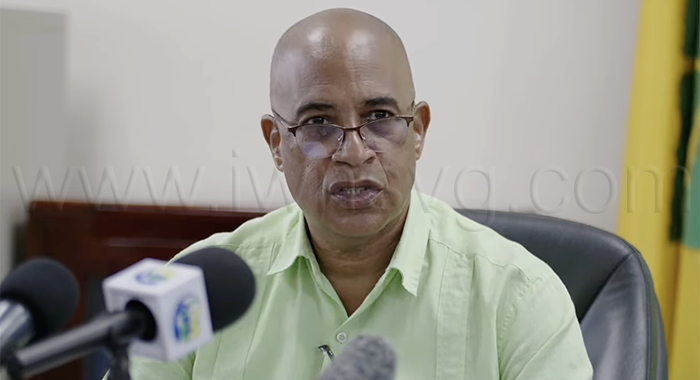
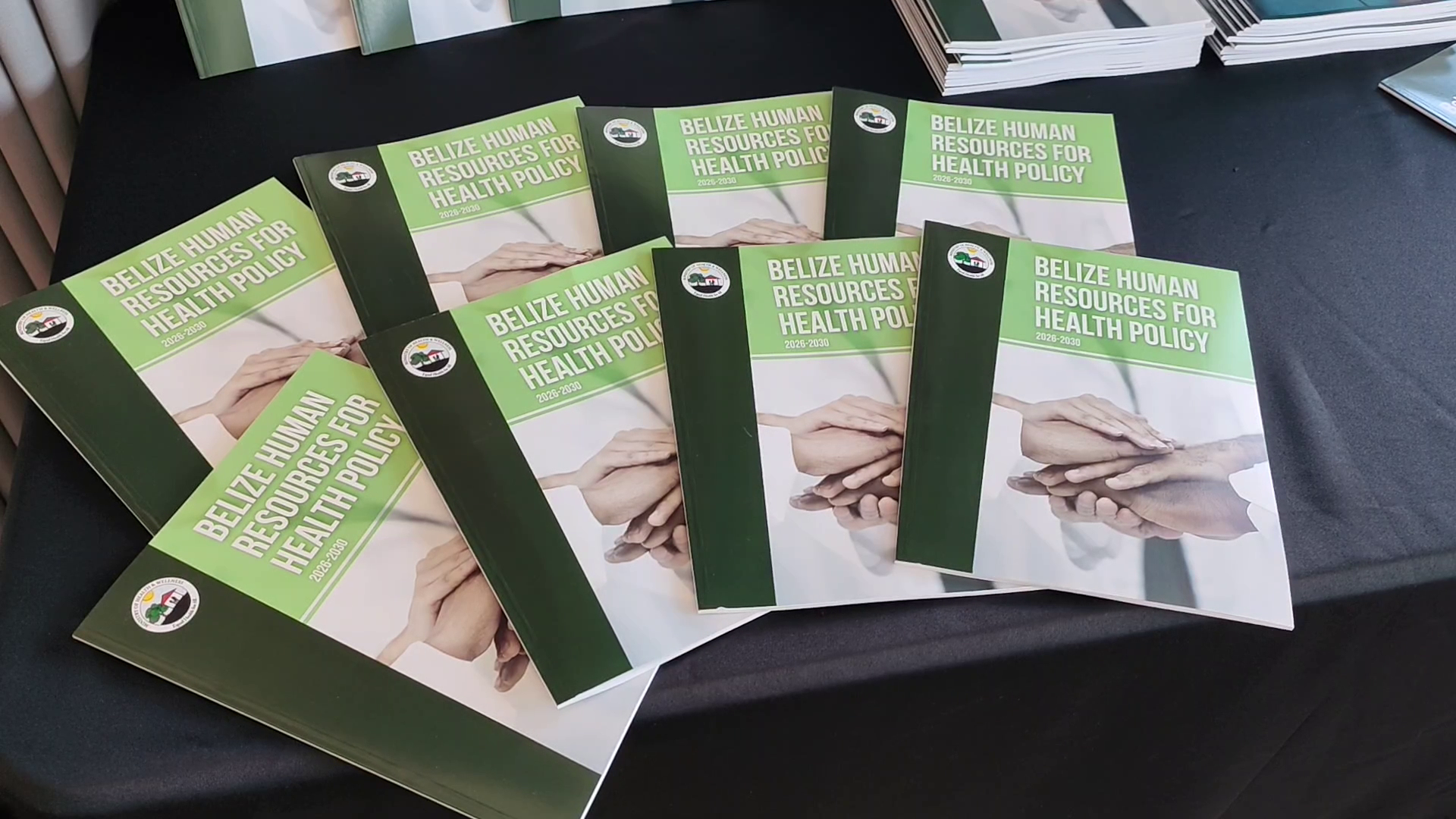
    Named the Belize Human Resources for Health Policy and Strategic Plan 2026–2030, the roadmap targets persistent gaps in staffing distribution, professional training, and equitable access to skilled care across all regions of the small Central American nation. Health Minister Kevin Bernard framed the plan as a critical turning point for the country’s health system, noting that its development was directly shaped by stark vulnerabilities laid bare during the COVID-19 pandemic.

    During the height of the global public health crisis, Bernard recalled, every tier of Belize’s healthcare workforce—from frontline physicians and nurses to laboratory technicians, community health workers, and administrative support staff—shouldered unprecedented burdens. Working extended hours under constant pressure and adapting to rapidly changing public health guidelines, these workers were the backbone of the country’s response, enabling Belize to navigate one of the most turbulent periods in modern public health history.

    Belize’s push to revamp its healthcare workforce strategy comes amid a global crisis of medical professional shortages, worsened by the steady migration of skilled clinicians and widespread challenges retaining trained staff in low- and middle-income nations. Currently, Belize counts 38.2 physicians, nurses, and midwives per 10,000 residents, according to Dr. Andre Chell, director of policy, research and planning at the Ministry of Health and Wellness and head of the new strategic plan project. That falls well short of the 44.5 per 10,000 threshold the World Health Organization has identified as the minimum requirement to advance toward universal health coverage.

    Unlike top-down policy frameworks developed without on-the-ground input, Chell emphasized, the five-year plan was crafted following extensive consultations with a broad range of stakeholders, including practicing clinicians, healthcare administrators, and global and local health partners. The resulting strategy is designed not only to ease immediate staffing pressures but also to proactively address future healthcare demands as Belize’s population and care needs evolve.

    One of the plan’s earliest and highest priorities is the development of a comprehensive national retention strategy that covers all categories of healthcare workers, expanding on the government’s current targeted retention policy for nurses. Chell noted that this initiative is marked as a quick win, with progress expected within the first few months of the plan’s rollout.

    The urgency of the reform has been amplified by an upcoming transition: the planned departure of the Cuban Medical Brigade, a longstanding contributor to Belize’s healthcare workforce that has filled critical staffing gaps for years. When the brigade exits, the total number of healthcare workers per 10,000 residents will decline further, stretching the country’s already overstretched existing staff even thinner. This policy and strategic plan, officials say, will put in place systems to offset that loss and build a self-sustaining, robust national healthcare workforce for years to come.

  • Belize Falls Below WHO Healthcare Staffing Target

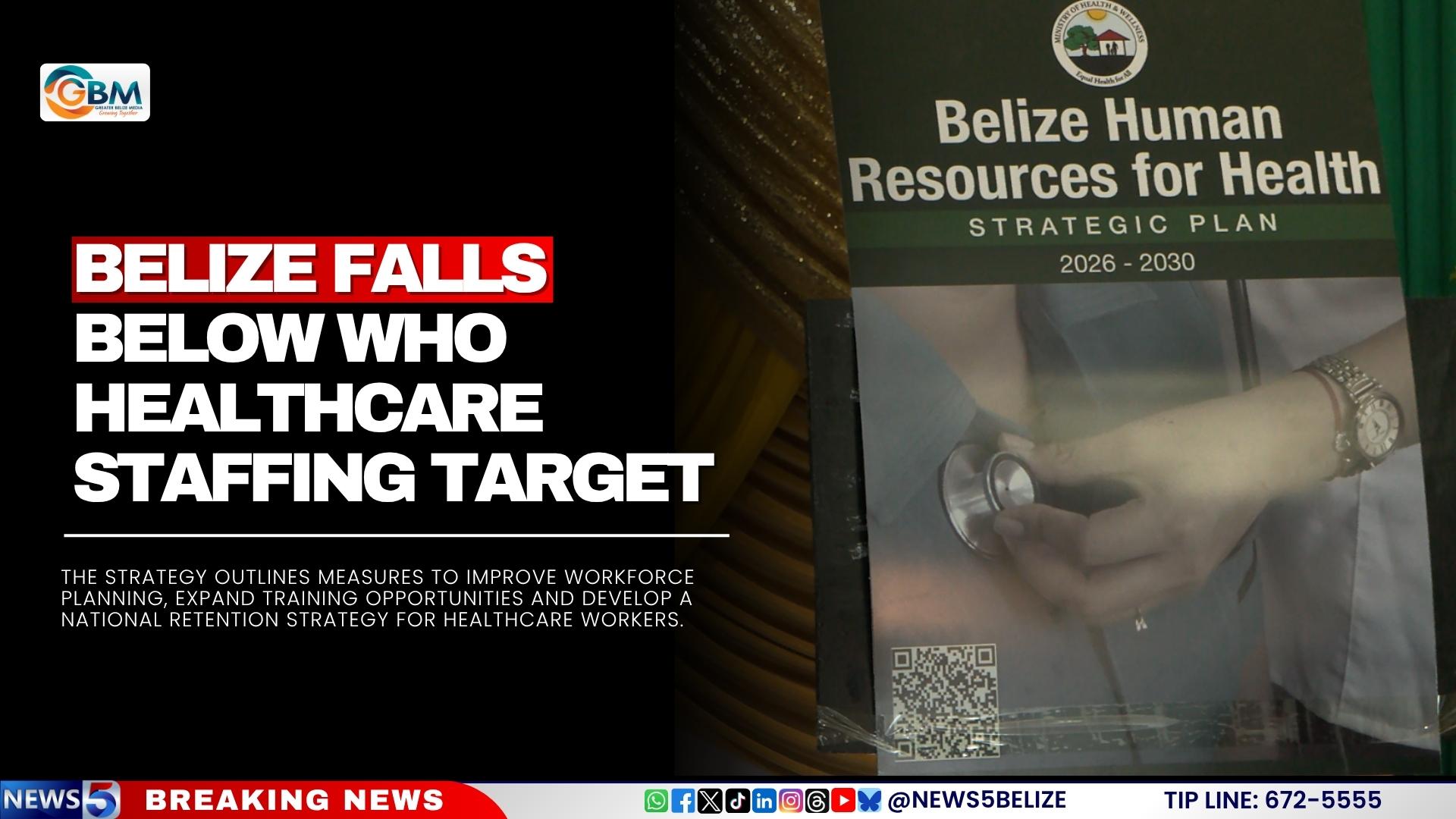
    Belize Falls Below WHO Healthcare Staffing Target

    On June 25, 2026, Belize formally introduced a bold new five-year policy and strategic framework aimed at resolving a persistent shortage of healthcare workers that has left the country below the World Health Organization’s (WHO) minimum staffing threshold for universal health coverage.

    Current official data from Belize’s Ministry of Health and Wellness shows the nation counts just 38.2 practicing physicians, nurses, and midwives per 10,000 residents — a figure that falls 6.3 workers short of the 44.5 per 10,000 minimum recommended by the WHO to deliver accessible, quality universal health care. This deficit comes as Belize already confronts two overlapping pressures: long-standing struggles to both recruit new healthcare professionals and retain existing skilled staff, and the upcoming departure of the Cuban Medical Brigade, which is projected to further stretch the country’s already strained health system.

    Dr. Andre Chell, Director of Policy, Research and Planning at the Ministry of Health and Wellness, confirmed that the gap in healthcare staffing is a well-documented challenge for the nation, and the newly unveiled Belize Human Resources for Health Policy and Strategic Plan 2026-2030 was designed to directly tackle these barriers. “We know that we have shortage of healthcare workers,” Chell noted. “These two documents try to address those challenges.”

    The strategic framework lays out a multi-pronged approach to closing the staffing gap: strengthening national workforce planning systems, expanding accessible training opportunities for aspiring healthcare workers, and developing the first comprehensive national retention strategy that covers all categories of health sector employees. While the Belizean government has already rolled out targeted retention initiatives for nursing staff, Chell explained that the new strategy extends these protections and incentives to every role across the health system. “We now want to look at the other cadres of healthcare workers,” he said. “Both the policy and the strategic plan speak to actually developing a national retention strategy for all cadres of healthcare workers.”

    Belize Health Minister Kevin Bernard emphasized that the COVID-19 pandemic served as a critical wake-up call, laying bare existing vulnerabilities in the country’s healthcare workforce and underscoring the urgent need for targeted investment in frontline staff. “The COVID-19 pandemic reinforced something many of us already knew, but perhaps did not fully appreciate until our health system was tested,” Bernard said. He paid tribute to the country’s healthcare workers for their efforts during the public health crisis, noting that they “worked long hours, adapted quickly to changing circumstances, and continued providing care under significant pressure.”

    Unlike top-down policy proposals, the new framework was developed through months of collaborative consultations with practicing healthcare workers and a broad range of sector stakeholders, ensuring the plan directly addresses the most pressing, on-the-ground challenges facing Belize’s health system today.

  • Regering investeert SRD 635 miljoen in modernisering AZP

    Regering investeert SRD 635 miljoen in modernisering AZP

    On June 25, the government of Suriname officially launched a SRD 635 million large-scale modernization project for the Academisch Ziekenhuis Paramaribo (AZP), the country’s leading tertiary medical facility, as a core pillar of a sweeping national healthcare reform agenda.

    The multi-component project, branded the Healthcare Facilities Readiness Initiative, is broken into four interconnected sub-projects designed to address longstanding infrastructure gaps at the hospital. These include a full renovation and expansion of the Thoracic and Cardio Coronary Care Unit, the second phase of reconstruction for the hospital’s west wing which houses the radiology department, main laboratory and basement facilities, upgrades to the clinical chemistry and microbiology laboratories and the hospital mortuary, and the second phase of renovations to the busy emergency department.

    According to the Communication Service of Suriname, construction work has already commenced on portions of the project, with remaining components in advanced stages of pre-construction preparation. During the official launch ceremony, President Jennifer Simons emphasized that this capital investment aligns with the government’s broader goal of systemic healthcare improvement amid Suriname’s ongoing period of national economic and social recovery.

    Simons framed the hospital modernization as a critical milestone to strengthen primary, secondary, and tertiary care across the country. She outlined the administration’s ambition to position 2027 as the year of transformative change for Suriname’s healthcare system, noting, “We must guarantee that every Surinamese retains access to high-quality care. Beyond upgrading medical infrastructure, we must also place far greater focus on preventive health, starting from primary school education.”

    André Misiekaba, Minister of Public Health, Welfare and Labor, reiterated that a fully functional AZP is foundational to addressing Suriname’s most pressing public health challenges. He confirmed that a revised pay scale for healthcare workers remains a top policy priority, though additional time is needed to finalize the framework for implementation.

    Misiekaba highlighted that non-communicable diseases (NCDs) including cancer, diabetes, hypertension and chronic lung conditions account for more than 70% of the country’s total disease burden, a statistic that underscores the urgent need for expanded preventive action. “Most risk factors for these conditions are modifiable,” he explained, urging the public to adopt healthier lifestyles through balanced diets, adequate hydration, increased physical activity, tobacco cessation, and reduced excessive alcohol consumption. He added that the Ministry of Public Health will roll out nationwide public awareness campaigns to drive greater adoption of preventive health practices.

    Claudia Marica-Redan, Director of AZP, described the government’s investment as a landmark turning point for Suriname’s entire healthcare system. She outlined the hospital’s outsize role in national care delivery: AZP provides 65% of all secondary care and 100% of acute and tertiary care across Suriname, serving more than 100 daily emergency patients, over 2,000 outpatient visits, and supporting more than 500 inpatient admissions every 24 hours.

    For years, Marica-Redan noted, the hospital has struggled with persistent shortages of staff, treatment capacity, medical supplies and core infrastructure, which has placed severe strain on the quality of care it can deliver. She expressed deep gratitude for the government’s investment, noting that the funding will not only support infrastructure renovations but also cover expanded stock of pharmaceuticals, upgraded medical equipment and essential consumables. She expects the initiative will lay the groundwork for a more accessible, safe, and affordable healthcare system for all Surinamese.

  • SVG gets resident psychiatrist after 10-year absence

    SVG gets resident psychiatrist after 10-year absence

    After nearly a decade of unmet demand for specialized psychiatric care, St. Vincent and the Grenadines (SVG) has marked a turning point for its public mental health system with the appointment of seasoned Cuban psychiatrist Dr. Eloy Asanza Castillo to the country’s Mental Health Rehabilitation Centre (MHRC). The long-awaited hire closes a critical staffing gap that health officials have struggled to resolve for 10 years, and anchors a sweeping government plan to transform mental healthcare across the island nation.

    Health Minister Daniel Cummings, who took office in December following the New Democratic Party’s victory in November’s general election, made the official appointment announcement during a press briefing held in Kingstown on Thursday, June 25, 2026. Cummings framed Castillo’s arrival as a core milestone in the new administration’s three-pronged mental health strategy: destigmatizing mental illness, decentralizing care services away from centralized institutional settings, and moving away from long-term dehumanizing institutionalization for patients.

    “Today we are privileged to welcome a very competent, deeply experienced physician to the MHRC who will guide our work in this critical public health space,” Cummings told reporters. He emphasized that what makes this hire particularly meaningful is that Castillo has relocated to SVG permanently with his entire family, not just taken a temporary posting. With decades of practice across the Caribbean and sub-Saharan Africa, Castillo brings a wealth of global and regional expertise that fits perfectly with SVG’s reform goals, the minister added. “He has chosen to settle here, work here, and become part of our community – that makes him one of us, and I could not be happier to have Dr. Castillo on our team,” Cummings said.

    For his part, Castillo described himself as a “simple guy” with 33 years of hands-on psychiatric experience spanning multiple countries. His first overseas posting brought him to neighboring St. Lucia as part of a bilateral government cooperation agreement, followed by roles in Venezuela and, most recently, a 10-year practice in South Africa. The psychiatrist noted that he had been in discussions with SVG’s Ministry of Health for roughly three years before personal circumstances aligned to allow him to accept the permanent post. “I’m very happy it finally worked out, and I’m thrilled to be part of this important effort to improve mental health care here,” he said.

    Castillo also praised the existing local MHRC team for their ongoing community-focused outreach work, noting that he was particularly impressed to see young care providers traveling directly into communities, learning patients by name, tracking their needs, and delivering consistent ongoing care including critical medication services. “I’m really happy to be here, and I will put all my effort into supporting this wonderful team of mental health professionals and serving the people of SVG,” he added.

    Alongside the celebratory announcement of Castillo’s appointment, Cummings used the press conference to push back against recent critical media coverage that he said falsely painted MHRC staff as uncaring and unqualified, without any substantive investigative work. The minister argued that these unsubstantiated reports are not just dishonest – they also erode public trust in the government’s ability to deliver essential mental health services and harm the morale of care providers.

    “These kinds of uninvestigated claims have a serious impact on public confidence. If people believe the government runs an institution staffed by incompetent providers, that undermines everything we’re working to build, and this is far too serious an issue for political games,” Cummings said. He specifically highlighted Dr. Alisa Alvis, the MHRC’s administrative head and lead psychologist, as an example of the highly trained, dedicated local staff already serving the institution. Alvis, who holds a doctorate in psychology, has been carrying dual administrative and clinical responsibilities for years amid the staffing gap, and Cummings praised her extraordinary commitment and expertise.

    The defense of local staff comes after a high-profile court proceeding in April, when Chief Magistrate Colin John rejected mental fitness reports prepared by Alvis and two local non-psychiatric physicians, ruling they did not hold the required medical qualifications to assess a defendant’s fitness to plead. Alvis, in her role as head of mental health services, and the Ministry of Health’s Permanent Secretary have also been summoned to court over the MHRC’s failure to complete a required mental health report for an accused defendant with a documented history of mental illness.

    Cummings made clear that Castillo’s appointment is just the first step in a broader overhaul of SVG’s mental health system. The government’s reform agenda includes expanding early intervention programs in schools, rolling out community-based decentralized care services across the country, and adding a dedicated acute mental health wing to SVG’s new public hospital.

    The minister also shared that a recent visit to the existing MHRC facility in Glen was one of the most difficult experiences of his early tenure, confirming longstanding reports of severely dilapidated conditions for both patients and staff. For decades, Cummings said, the facility has functioned more as a holding cell than a rehabilitation center, keeping patients in a segregated, resource-poor captive environment with little support to transition back to community life as healthy, independent people. But that status quo is changing rapidly, he emphasized.

    Alvis told reporters that the MHRC currently cares for roughly 150 inpatients at any time, including around 120 long-term patients, many of whom have no other housing or support outside the facility. She noted that through early outreach and improved care planning, the facility has already reduced inpatient numbers from a peak of around 190, and further cuts to unnecessary long-term hospitalization are planned. The reform strategy focuses on stronger discharge planning, deeper engagement with patients’ families, and expanded community-based care that allows patients to receive treatment in their own homes instead of requiring institutional admission. “When people can access care close to home, they stay connected to their communities and have far better outcomes,” Alvis explained. “That’s the core of our decentralization effort, and it’s already delivering results.”

  • Public urged to use licensed pharmacies for weight‑loss drugs

    Public urged to use licensed pharmacies for weight‑loss drugs

    Public health officials in Saint Lucia have issued an urgent safety advisory urging residents to exercise extreme caution when accessing prescription medications, particularly in-demand GLP-1 products such as Ozempic, a drug approved both for type 2 diabetes management and clinical weight regulation.

    Speaking on behalf of the Ministry of Health, Wellness and Nutrition, Chief Pharmacist Astrid Mondesir outlined growing official anxiety over rising reports of unlicensed vendors, including unregistered pharmacies, marketing and selling GLP-1 treatments and their compounded alternatives directly to consumers.

    “We understand that countless people are actively searching for evidence-based treatments to boost their physical health and overall quality of life,” Mondesir noted. “But sourcing any prescription medication from unapproved channels exposes buyers to severe, avoidable health hazards. These risks include receiving counterfeit formulations, contaminated doses, improperly stored products, expired medications, or incorrectly prepared compounded versions that do not meet clinical safety standards.”

    Health authorities are reinforcing a core public health message: all prescription medications must only be used under the direct supervision of a qualified physician or other legally authorized prescriber. Prior to starting any new prescription treatment, patients must complete a full medical evaluation to confirm that the therapy is safe, effective, and tailored to their specific health condition and needs.

    Under Saint Lucia’s existing Pharmacy Act CAP 11.21, patients are required to consult a licensed medical provider before initiating any GLP-1-based treatment, and may only obtain their prescription from state-registered pharmacies. The ministry specifically warned against purchasing GLP-1 or other prescription drugs from unlicensed street sellers, retail beauty shops, social media platforms, and any other outlet not formally authorized to distribute prescription medications.

    The Ministry’s core goal in issuing this advisory is to protect patient safety and guarantee that all local residents can access consistent, high-quality, clinically tested medications that meet national safety standards.

    Mondesir summed up the ministry’s key guidance for residents considering GLP-1 treatment: “The single most critical step to protect your health is to speak with your personal physician first, and only obtain your medication through a registered, licensed pharmacy.”

    Going forward, the Ministry of Health reaffirmed its commitment to ongoing regulatory work that guarantees all people in Saint Lucia have access to safe, effective, tightly regulated healthcare services and pharmaceutical products.

  • Misiekaba vraagt SRD 3,2 miljard extra voor hervorming gezondheidszorg

    Misiekaba vraagt SRD 3,2 miljard extra voor hervorming gezondheidszorg

    Suriname’s Minister of Health, André Misiekaba, has formally approached the country’s National Assembly to approve a SRD 3.2 billion increase to his ministry’s annual budget, a request driven by urgent unaddressed financial and operational crises plaguing the nation’s public healthcare system. The minister outlined three core priorities for the additional funding during parliamentary budget discussions, starting with resolving the persistent structural deficit plaguing the country’s Staatsziekenfonds (SZF), the national public health insurance fund. According to Misiekaba, the SZF currently faces a monthly structural funding shortfall of roughly SRD 200 million, and approximately SRD 1.8 billion in extra allocations is required by the end of 2026 to guarantee uninterrupted access to healthcare services for all insured citizens. Without this urgent injection of capital, he warned, the continuity of essential care across the country would face severe, immediate threat.

    A second major portion of the requested budget is earmarked for the Academisch Ziekenhuis Paramaribo (AZP), Suriname’s main academic hospital, which is grappling with overlapping financial and staffing crises that have directly compromised care quality. Misiekaba highlighted critical nursing shortages that have forced hospitals into unacceptable workarounds, sharing the example of the cardiology department, where male and female patients are currently housed in the same ward due to understaffing — a situation the minister described as far below acceptable care standards. Investments into AZP’s operations and staffing, he emphasized, are non-negotiable to reverse declining care quality at the country’s flagship medical facility.

    The remaining funds will support the broader government healthcare reform agenda, which spans multiple long-term and immediate improvements to the national system. Key initiatives include strengthening primary care access, upgrading regional healthcare facilities, rolling out digital health infrastructure, modernizing hospital facilities across the country, purchasing new critical medical equipment, and improving working conditions for all healthcare staff.

    A centerpiece of the reform plan is a comprehensive revaluation of the nursing profession, designed to stem the widespread brain drain of qualified nurses who leave Suriname for higher-paying roles abroad. Misiekaba has publicly backed a revised pay scale for nurses that would make the profession more financially attractive and reduce the ongoing outflow of skilled medical workers.

    “To implement all of these critical measures responsibly, an additional SRD 3.2 billion is required for the Ministry of Public Works and Health [VWA],” Misiekaba told parliament, urging representatives to approve the funding allocation. The request has already received broad support from multiple members of the National Assembly, who acknowledged that meaningful healthcare reform cannot be achieved without matching financial investment. For Misiekaba, the additional funding is not just a short-term bailout: it is a foundational investment that will boost the quality, accessibility, and long-term resilience of Suriname’s entire public healthcare system.

  • Moderate Saharan Dust Conditions Expected to Affect Antigua and Barbuda Until Friday

    Moderate Saharan Dust Conditions Expected to Affect Antigua and Barbuda Until Friday

    A fresh wave of Saharan dust has drifted across Antigua and Barbuda, dragging regional air quality down into the moderate range, with conditions forecast to stay unchanged through the end of the week, the nation’s official Meteorological Service confirmed this week. In a public air quality advisory published Wednesday afternoon, the service confirmed current Air Quality Index (AQI) readings across the country fall between 51 and 80, the official threshold for classification as moderate air quality. Meteorologists have traced the degraded air conditions directly to a spike in fine particulate matter linked to this surge, which marks the 14th significant outbreak of Saharan dust to impact the Caribbean nation in 2024. While the overall population faces minimal widespread health risk from the current dust levels, vulnerable groups with heightened sensitivity to air pollution are being urged to stay vigilant and closely track developing forecasts. The populations at highest risk of adverse effects include people living with chronic respiratory or cardiovascular conditions, older adults, and young children. Health authorities emphasize that even though overall air quality remains broadly acceptable for most people, a small subset of people with extreme sensitivity to pollution may experience mild to moderate health complications as a result of the elevated particulate concentrations. In addition to health guidance for sensitive groups, the Meteorological Service is also advising active children, healthy adults engaging in outdoor work or exercise, and anyone with pre-existing respiratory conditions such as asthma to cut back on extended, strenuous outdoor activity for as long as dust concentrations remain elevated. National officials have set the current air pollution alert at Level II, the second tier of public warning, and are urging all local residents to get regular updates on conditions through the Meteorological Service’s official communication channels and local media networks.

  • Belize Launches First Homegrown Dental Academy

    Belize Launches First Homegrown Dental Academy

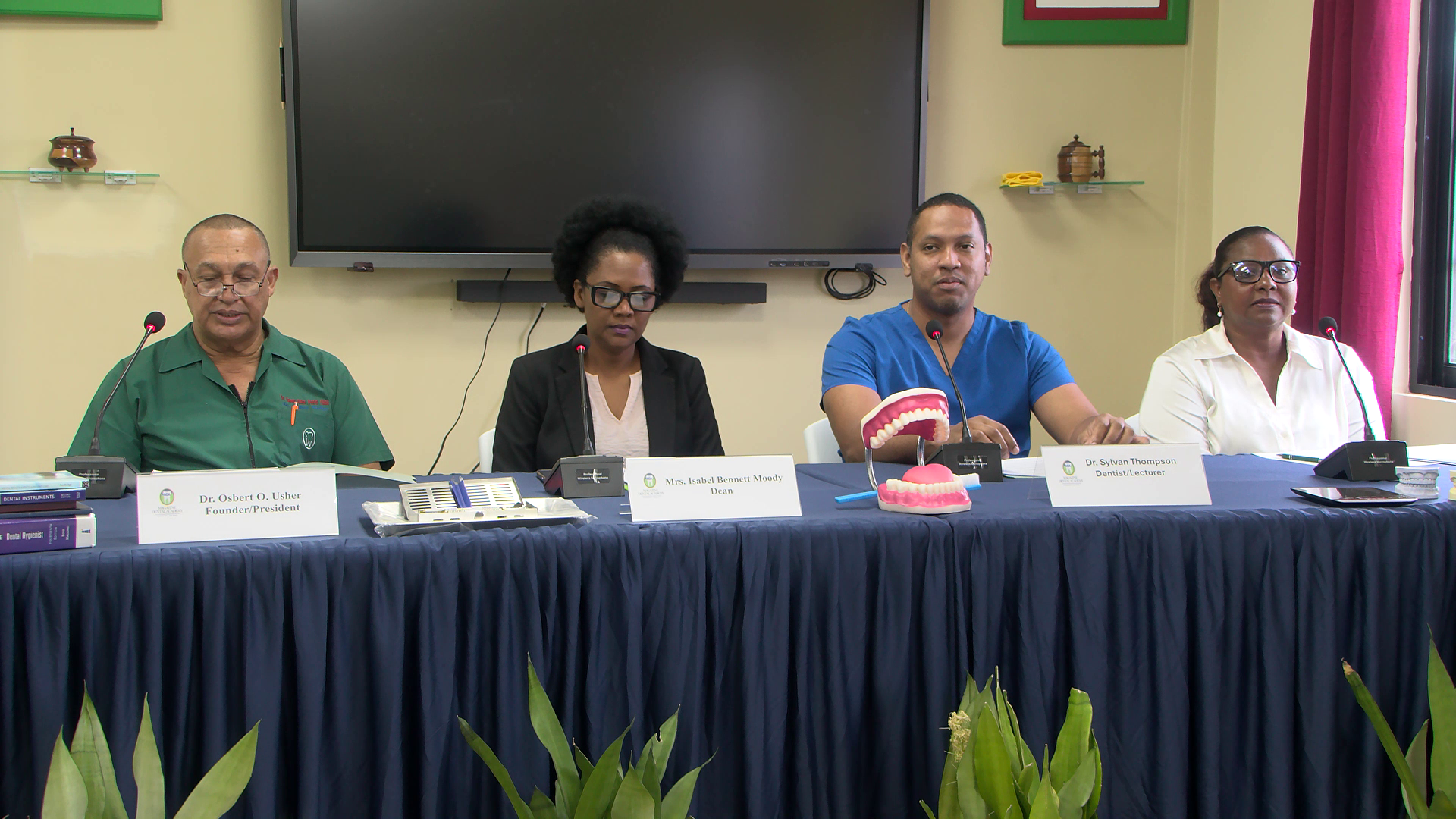
    In a landmark step to strengthen Belize’s public health infrastructure and expand access to oral care training, the Central American nation has launched its first homegrown dental training institute, the Magazine Dental Academy, set to welcome its first cohort of students this summer.

    For years, Belizean residents hoping to enter the dental profession have been forced to travel abroad to complete accredited training, a pathway that comes with prohibitive costs that block many talented aspiring clinicians from pursuing their career goals. This new academy eliminates that barrier, keeping training local and making dental education accessible to a far broader pool of applicants.

    Founded by Dr. Osbert Usher, who also serves as the academy’s president, the institution has a dual mission: growing the domestic dental workforce and tackling the root causes of widespread chronic disease across Belize. Medical research has long established a clear connection between poor oral health and the development of serious systemic conditions including heart disease, diabetes, and respiratory illness – a link Usher aims to address through expanded prevention and community education.

    “In Belize, we do have a lot of systemic disease that plague our population. And most of these things initiate from the oral cavity. And as such, we want to educate more cadre of students so that they can go out eventually and treat and educate patient so that in their latter years they don’t end up with these systemic diseases,” Usher explained in an interview ahead of the academy’s official launch this Friday.

    The academy is designed to train mid-tier dental providers who can fill critical gaps in Belize’s current care system. Each 12-month training program will have capacity for 25 new students, allowing the institution to graduate a new cohort of qualified professionals every year. Usher estimates that Belize currently needs roughly 100 additional trained dental care workers to meet existing demand for oral health services that link directly to preventing long-term chronic illness.

    Graduates of the program will earn qualifications that allow them to carry out a wide range of core dental services: they will deliver oral health education to communities and local schools, treat early-stage gum disease, conduct screenings for cavities and other oral conditions, administer fluoride treatments, and refer patients with more complex health needs to fully licensed specialist dentists.

    Applications for the academy’s inaugural cohort, which is scheduled to begin classes on July 16, are still open to interested candidates. The initiative marks a foundational shift in Belize’s approach to public health, turning local training into a tool for long-term improvement in population health outcomes that extends far beyond oral care.

  • Dentist Opens First Academy in Belize, Hopes to Train 25 Students

    Dentist Opens First Academy in Belize, Hopes to Train 25 Students

    Small Caribbean nations like Belize have long grappled with gaps in accessible public health care, and oral health has remained one of the most underaddressed segments of the country’s medical system. Now, a local dentist is stepping forward to change that, launching the nation’s first dedicated dental training institution to build a workforce of skilled oral health providers and tackle widespread preventable disease.

    Dr. Husberto Shaw, the founder of the new Magazine Dental Academy, explains that poor oral health is far more than a cosmetic issue for Belize’s population. Many of the chronic systemic diseases that disproportionately impact communities across the country trace their origins back to untreated oral conditions, a connection that has been overlooked due to a severe shortage of trained providers. Shaw’s idea for the academy grew from years of witnessing how unaddressed poor dental hygiene snowballs into larger, life-altering health complications for Belizeans that could have been easily prevented with early intervention and education.

    Unlike any existing training program in the country, Magazine Dental Academy is designed specifically to train new oral health workers who can bring care and education directly to underserved communities. The 12-month intensive program will welcome an incoming cohort of 25 students each year, with the first class set to begin classes on July 13. As of the latest update, 10 aspiring students have already secured their spots, and academy organizers are working to fill the remaining 15 openings before the program kicks off.

    Shaw’s data estimates that Belize currently needs roughly 100 additional trained oral health workers to meet the current public demand for care. While closing this gap will not happen overnight, the launch of the academy marks a foundational milestone in a field that has had no formal localized training infrastructure until now.

    Graduates of the program will earn a nationally recognized certification in oral hygiene and oral health education, qualifying them to take on a range of critical roles across the country’s health system. Credentialed graduates will be able to lead oral health education workshops in schools and community centers, conduct routine screenings for cavities and gum disease, administer preventive fluoride treatments, and manage mild, early-stage gum disease. More complex procedures and advanced cases will be referred to fully licensed dentists, creating a tiered care system that expands overall access rather than overextending new providers.

    To ensure students receive well-rounded, high-quality training, the academy’s faculty includes nine experienced practicing dentists, with additional support from specialized medical professionals including social workers, registered nurses, and a registered dietician. This interdisciplinary approach reflects the academy’s core mission: that oral health is inherently connected to overall physical and social well-being, requiring a holistic approach to education and care.

    For Belize’s public health landscape, the launch of Magazine Dental Academy represents more than just a new training school—it is a long-overdue step toward reducing health disparities and building a more resilient, accessible health system for all Belizeans.

  • Lupus awareness month activities strengthen national support

    Lupus awareness month activities strengthen national support

    At the close of May’s annual Lupus Awareness Month, the St. Lucia Arthritis and Lupus Association has issued a public note of gratitude to community members, institutional partners, and volunteers who turned out for a packed slate of outreach, fundraising, and educational events centered on the 2024 theme “Stronger than Lupus: Thriving Through Awareness.”

    The month of coordinated activities kickstarted more than a week before the official observance, with a community-focused “Tea for Hope” tea party organized by Sister Rufina Donat and student clubs from Saint Joseph’s Convent School on April 25. The gathering did more than bring community members together: it generated critical funding that will underwrite the association’s ongoing work, including patient advocacy, public education campaigns, and direct support services for people navigating lupus and other autoimmune conditions.

    As May got underway, the association hosted its signature educational event: a public town hall titled “Turning Awareness into Action,” held on May 9. The forum brought a diverse range of voices to the stage, including practicing healthcare providers, family caregivers, and individuals living with lupus, each sharing personal experiences and professional insights that demystified the chronic condition. Attendees left the discussion with actionable guidance for managing lupus, while open dialogue around the daily social, physical, and economic challenges faced by patients helped bridge knowledge gaps for members of the general public who attended.

    Later in the month, on May 24, the association held its third annual Strides for Lupus community walk. Despite uncooperative, unfavorable weather that might have dampened turnout, hundreds of committed participants showed up to walk in solidarity, turning out in force to demonstrate their backing for the lupus community and advance the association’s awareness goals.

    One of the most visible cross-community successes of the month was the association’s “Put on Purple Fridays” initiative, which invited local schools, businesses, and organizations across all sectors to wear purple, the official color of lupus awareness, every Friday during May. The participation rate far exceeded expectations, with groups from every corner of St. Lucian society joining the campaign to raise visibility and signal public support for people affected by lupus.

    Reflecting on the collective success of the month’s programming, Shawnette Gabriel, vice president of the St. Lucia Arthritis and Lupus Association, noted that the organization was deeply encouraged by the unprecedented level of community engagement seen throughout the observance. “Together, we continue to build a more informed, compassionate, and supportive community for those living with lupus,” Gabriel shared in a statement following the conclusion of events.

    The association extended special thanks to its corporate sponsors, registered members, volunteer teams, and community partners, whose contributions of time, funding, and resources made all the month’s activities possible. It also reaffirmed its core organizational mission: to expand public understanding of lupus, arthritis, and other related autoimmune conditions, deliver ongoing support to patients and their families, and advocate for expanded, improved access to care across St. Lucia.

    Looking ahead, Gabriel emphasized that the momentum built during Lupus Awareness Month will serve as a foundation for the association’s work throughout the entire year, rather than ending with the close of May. She encouraged members of the public to carry the momentum forward by staying informed about autoimmune conditions, continuing to center patient voices, and maintaining their support for the lupus community long after the annual awareness observance concludes.