分类: health

  • NHFCard expands coverage to 28 conditions, increases PSA testing and adds echocardiogram

    NHFCard expands coverage to 28 conditions, increases PSA testing and adds echocardiogram

    KINGSTON, JAMAICA — In a significant healthcare advancement, Jamaica’s National Health Fund (NHF) has substantially broadened its NHFCard program to encompass four additional chronic conditions while enhancing diagnostic test accessibility. The expansion, announced at a March 18, 2026 launch event at Kingston’s S Hotel, represents a strategic response to the nation’s growing non-communicable disease burden.

    The revised program now incorporates subsidies for heart failure, chronic obstructive pulmonary disease (COPD), bladder cancer, and inflammatory bowel disease (IBD), elevating total covered conditions from 24 to 28. This medical coverage extension coincides with the introduction of a J$7,500 annual subsidy for echocardiograms and expanded prostate-specific antigen (PSA) testing protocols.

    Health and Wellness Minister Dr. Christopher Tufton characterized the initiative as a targeted J$234 million investment in chronic disease management. Detailed allocations reveal J$55 million dedicated to heart failure, J$60 million to COPD, J$29 million to IBD, and J$19 million to bladder cancer. An additional J$34 million supports echocardiogram benefits while J$37 million funds enhanced PSA testing.

    The policy revision addresses stark healthcare realities: approximately 117,500 Jamaicans suffer from heart failure with hospitalizations rising annually, while an estimated 35,625 live with COPD. Cardiovascular diseases account for over one-third of national mortality, with prostate cancer remaining a leading cancer-related killer among Jamaican men.

    NHF CEO Everton Anderson emphasized that the 28 conditions now represent 80% coverage of WHO-defined chronic illnesses. Notably, prostate cancer medication subsidies exceeded J$1 billion this fiscal year—a first in NHF history—benefiting 4,860 men with average savings of J$260,000 annually.

    Medical Association of Jamaica President-elect Dr. Mindi Fitz-Henley attested to the program’s impact, noting observable improvements in medication affordability and disease management among patients. NHF Deputy Chairman Michael Stern projected that these measures will improve patient outcomes while alleviating strain on public healthcare infrastructure.

    Jamaicans can access benefits through 549 pharmacies and 220 diagnostic providers nationwide, with enrollment available at 20 dedicated NHFCard centers.

  • QEH under strain as bed shortages grow amid rising emergency demand

    QEH under strain as bed shortages grow amid rising emergency demand

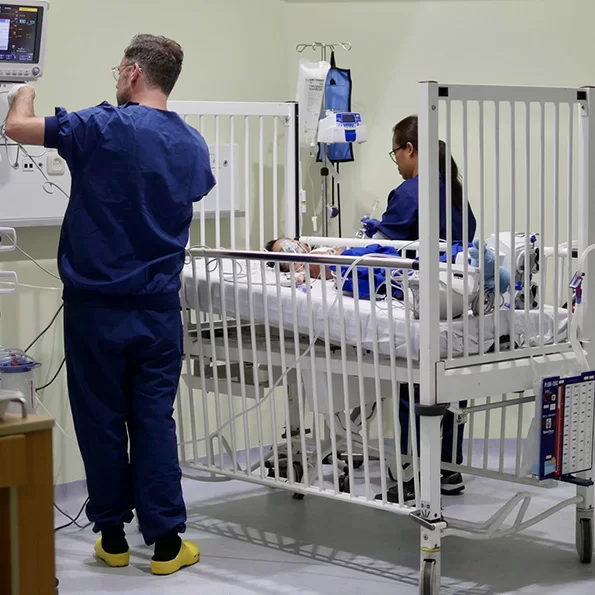
    The Queen Elizabeth Hospital (QEH) has issued an urgent appeal to families regarding patient discharges as the institution grapples with severe capacity constraints. Hospital administrators confirmed Tuesday that delayed patient pickups are creating critical bottlenecks, preventing the admission of emergency cases from overwhelmed treatment areas.

    Medical officials report that numerous patients who have been cleared for discharge remain hospitalized due to unresolved transportation or family coordination issues. This congestion directly impacts patient flow throughout the facility, coinciding with a substantial surge in emergency department visits. The A&E unit is experiencing unprecedented demand, with numerous critically ill patients requiring immediate intervention and hospitalization.

    The capacity crisis has resulted in extended wait times and operational delays across multiple departments. While QEH leadership did not specify precise causes for the increased patient volume, recent weeks have witnessed multiple trauma cases including gunshot wounds and stabbing injuries—conditions that typically require extensive medical resources and immediate care.

    Hospital teams are currently implementing coordinated efforts with families and caregivers to accelerate discharge procedures and create capacity for urgent cases. QEH administration emphasized that life-threatening conditions will continue to receive priority treatment, though patients with less critical ailments should anticipate service delays due to current resource constraints.

    For medical guidance, the public can contact the Patient Advice and Liaison Service (PALS) at 536-4800, available daily from 8:00 AM to midnight via standard calls or WhatsApp. The hospital additionally recommends utilizing the Winston Scott Polyclinic’s 24-hour facility or private healthcare providers for non-emergency medical needs.

    Health officials reiterate that timely patient collection remains essential for maintaining operational capacity and ensuring adequate bed availability for critically ill individuals requiring immediate medical attention.

  • CARPHA collaborates with GOARN to launch intensive outbreak response scenario programme aimed at strengthening Caribbean emergency preparedness

    CARPHA collaborates with GOARN to launch intensive outbreak response scenario programme aimed at strengthening Caribbean emergency preparedness

    The Caribbean Public Health Agency (CARPHA) has launched a groundbreaking emergency preparedness program in collaboration with the World Health Organization’s Global Outbreak Alert and Response Network (GOARN). The initiative, formally inaugurated at The Brix, Autograph Collection, represents a strategic advancement in regional health security planning.

    Funded through CARPHA’s Pandemic Fund Project with the Inter-American Development Bank as implementing agency, this comprehensive five-day simulation exercise (March 16-20, 2026) brings together 24 public health specialists from seven Caribbean nations and CARPHA itself. Participants span critical disciplines including disease surveillance, laboratory services, risk communication, and infection control, reflecting the multifaceted nature of outbreak management.

    The program addresses the Caribbean’s unique vulnerabilities: its archipelago geography of interconnected islands, open borders, tourism-dependent economies, and climate change impacts. These factors, compounded by infrastructure disparities, create ideal conditions for rapid disease transmission. Recent years have witnessed increasing health emergencies including dengue, chikungunya, measles, and cholera outbreaks alongside intensifying hurricane seasons.

    International expertise supplements the effort with specialists from US and European CDC branches, the University of Western Australia, Brazil’s Fiocruz foundation, the UK Public Health Rapid Support Team, and the Pan American Health Organization. Unlike conventional training, this initiative employs operational simulation—immersing participants in realistic outbreak scenarios to test response capabilities under sustained pressure.

    During the opening ceremony, CARPHA Executive Director Dr. Lisa Indar emphasized the program’s critical timing: “The Caribbean’s dynamics demand a well-trained, coordinated, rapid, and multidisciplinary response. An outbreak can arise with little warning, and our response effectiveness determines whether it remains contained or escalates into a full-blown crisis.”

    GOARN Manager Armand Bejtullahu highlighted the program’s role in workforce development: “Effective outbreak response depends on a ready, well-coordinated workforce. Through our partnership with CARPHA, we’re ensuring responders have the tools and capabilities needed for rapid emergency action.”

    Trinidad and Tobago’s Health Minister, Honourable Dr. Lackram Bodoe, endorsed the initiative as “a shared journey toward resilience, unity, and preparedness in the face of global health threats.”

    This simulation marks the second phase of the GOARN initiative, building upon an August 2025 orientation workshop that trained 34 responders from ten member states. By enhancing regional expertise, the program aims to strengthen coordinated interventions against emerging infectious diseases, ultimately bolstering national and regional health resilience amid ongoing public health threats.

  • QEH steps up fight against superbugs

    QEH steps up fight against superbugs

    Barbados is intensifying its frontline campaign against the escalating threat of antimicrobial resistance (AMR) through a strategic international partnership. The Queen Elizabeth Hospital (QEH) has launched an intensive training initiative, welcoming Canadian infectious diseases pharmacist Mark McIntyre to bolster the nation’s defenses against drug-resistant pathogens. This collaborative effort underscores a growing global health crisis that renders standard medications ineffective against evolving bacteria, viruses, and fungi.

    During a welcoming ceremony, QEH’s infectious disease specialist, Dr. Corey Forde, presented alarming data from the Global Health Research Group on Antimicrobial Resistance. The research forecasts a potential 39 million global fatalities between 2025 and 2050 if immediate action is not taken. The World Health Organisation’s 2019 figures, which attributed 1.27 million deaths directly to AMR and linked 4.95 million more to its effects, highlight the urgency of this health emergency. Dr. Forde emphasized that low- and middle-income nations with strained healthcare systems face the greatest risk.

    Barbados has emerged as an unexpected leader in the international arena against AMR. The nation partnered with Malta to table a political declaration on the issue at the 79th United Nations General Assembly, with Prime Minister Mia Mottley championing the cause through concrete actions rather than mere rhetoric. This diplomatic effort is supported by substantial domestic investment, including a $3 million government allocation for advanced microbiology equipment that enables faster pathogen identification and accelerated treatment initiation at QEH.

    Through Pan American Health Organization (PAHO) support, Barbados has enhanced its capacity as a regional center of excellence, extending technical assistance to Eastern Caribbean states. The hospital’s staff has received specialized training in molecular technology and whole genome sequencing, significantly strengthening surveillance capabilities for emerging infections. A landmark development in this comprehensive strategy is the creation of Barbados’ first antimicrobial stewardship pharmacist position, held by Deonne Jacobs, to oversee more prudent antibiotic usage.

    QEH Chief Executive Officer Neil Clark characterized AMR as “one of the most serious health challenges facing the world today,” noting its potential to undermine modern medical treatments and jeopardize health systems and economies globally. The current two-week engagement provides a crucial opportunity for medical practitioners to evaluate practices, identify deficiencies, and reinforce stewardship protocols to preserve effective medications for future generations.

    Newly appointed Minister of Health Senator Lisa Cummins, who is conducting a listening tour across the health system, committed to continuing the previous administration’s efforts. Her priorities include establishing a dedicated AMR center in partnership with the Best-dos Santos Lab and deepening regional and international collaborations.

    The campaign extends beyond clinical settings with planned public lectures and community engagement events. Dr. Forde encouraged public attendance at an expert-led session at the Daphne Joseph-Hackett Theatre on Saturday, emphasizing that simple preventive measures—including regular handwashing, avoiding antibiotic misuse for viral illnesses like flu, and completing prescribed antibiotic courses—can significantly curb resistance development.

  • PM urges a healthier diet to reduce chronic non-communicable diseases in Dominica

    PM urges a healthier diet to reduce chronic non-communicable diseases in Dominica

    Prime Minister Roosevelt Skerrit has issued a compelling public health warning, identifying chronic non-communicable diseases (NCDs) as one of the most severe threats currently facing the nation of Dominica. Addressing citizens at a Town Hall Meeting hosted at the Newtown Primary School over the weekend, the Prime Minister emphasized the critical need for a collective shift in national lifestyle and consumption habits.

    Citing specifically the alarming prevalence of diabetes and hypertension across the population, Skerrit underscored the direct correlation between these conditions and dietary choices. He called for a conscious and deliberate effort by every citizen to monitor their food and beverage intake rigorously, coupled with a commitment to incorporate regular physical activity into their daily routines.

    The Prime Minister’s prescription for a healthier Dominica includes a dramatic reduction in the consumption of two key ingredients: sugar and salt. He advocated for a dietary pivot towards increased vegetable consumption and the intake of local, natural juices—provided they are free from added sugars. Framing this not merely as a personal health choice but as a matter of national importance, Skerrit described the NCD crisis as a ‘huge threat’ to the country’s future wellbeing and stability.

    While acknowledging that the surge in NCDs is a pervasive global challenge, the Prime Minister stressed that Dominica is experiencing its own acute manifestation of this worldwide problem, necessitating urgent and targeted local action. His appeal serves as a official rallying cry for a public health revolution, aiming to empower individuals with the knowledge to make healthier choices for the long-term benefit of the entire nation.

  • May Pen Hospital saves life of patient stabbed in the heart, Tufton lauds medical team

    May Pen Hospital saves life of patient stabbed in the heart, Tufton lauds medical team

    A multidisciplinary medical team at May Pen Hospital in Clarendon has achieved a remarkable medical breakthrough by successfully saving a patient who suffered a life-threatening stab wound to the heart. This extraordinary case represents a significant advancement in the hospital’s trauma care capabilities and has drawn high-level recognition from Jamaica’s health leadership.

    Led by Dr. Natoya Hall-Okori, acting consultant in the hospital’s Accident and Emergency Department, the medical team performed a series of complex procedures including open heart surgery under extremely challenging circumstances. The patient was transported to the facility and received immediate attention within minutes of arrival, though specific details regarding the incident that caused the injury were not disclosed by hospital authorities.

    Following the successful surgical intervention, the patient underwent continued monitoring and treatment before being discharged with confirmation of full recovery. The case demonstrates exceptional medical expertise and coordination among trauma care specialists.

    Health and Wellness Minister Dr. Christopher Tufton issued an official statement praising the medical team’s achievement, highlighting the procedure as a milestone in Jamaica’s public healthcare system. Minister Tufton specifically commended Dr. Hall-Okori and her team for their expertise, courage, and collaborative approach in saving the patient’s life under extremely difficult circumstances.

    The minister emphasized that such historic medical accomplishments often go unrecognized and urged the medical professionals to celebrate this significant achievement. He concluded his statement with encouragement for the team to continue their vital work in serving public health interests and the Jamaican people.

  • Canapé-Vert : Exceptional popular and medical success of mobile clinics

    Canapé-Vert : Exceptional popular and medical success of mobile clinics

    In a significant public health achievement, Haiti’s mobile medical initiative has delivered exceptional results during a two-day healthcare event in Canapé-Vert. Organized by the Ministry of Health with support from Port-au-Prince City Hall, the mobile clinics marked International Women’s Day by providing comprehensive free medical services to thousands of residents.

    The healthcare drive witnessed an overwhelming response with 2,200 individuals, predominantly women and girls from the municipality, receiving vital medical attention. This substantial participation underscores both the critical need for accessible healthcare services and growing public confidence in Haiti’s health system infrastructure.

    The medical services encompassed a wide spectrum of care including general consultations, pediatric services, gynecological examinations, breast cancer screenings, psychological support, laboratory diagnostics, and pharmaceutical distribution through a community pharmacy. Specialized care was extended to vulnerable groups, with 15 pregnant women receiving prenatal consultations and children suffering from malnutrition obtaining necessary treatment.

    A dedicated team of 70 healthcare professionals and support staff demonstrated remarkable resilience in addressing logistical challenges while maintaining high standards of medical care. The initiative successfully referred two patients with complications to specialized medical facilities for advanced treatment.

    Prime Minister Alix Didier Fils-Aimé emphasized the government’s commitment to healthcare accessibility, stating: ‘Providing quality care to Haitian women represents an investment in our nation’s future. These mobile clinics demonstrate our administration’s determination to reach vulnerable populations with dignified and effective healthcare solutions.’

    Dr. Sinal Bertrand, who played a pivotal role in the initiative, praised both the medical teams and the community’s response: ‘The overwhelming turnout of thousands of women seeking care brings both immense satisfaction and profound responsibility. Each consultation and medical interaction reinforces our commitment to strengthening Haiti’s healthcare infrastructure.’

    Building upon this success, the Ministry of Health plans to expand collaboration with local authorities to establish regular mobile clinic services in highly vulnerable regions, ensuring sustainable implementation of this community-focused healthcare model across Haiti.

  • Investeringen moeten regionale ziekenhuizen betere rol geven in zorg

    Investeringen moeten regionale ziekenhuizen betere rol geven in zorg

    The Surinamese government has initiated a comprehensive strategy to strengthen regional healthcare infrastructure, targeting three key hospitals outside the capital to improve medical accessibility and reduce dependence on Paramaribo’s Academic Hospital. Health Minister André Misiekaba announced active investments in Wanica Regional Hospital (RZW), Marwina District Hospital, and Atjoni District Hospital as part of this decentralization effort.

    Minister Misiekaba acknowledged that these facilities currently operate with financial government support as they haven’t achieved full operational independence. The administration remains committed to ongoing development assistance to enhance their capabilities.

    A particular controversy involves RZW’s outsourcing arrangement with private company TMS Global, which currently manages laboratory, pharmacy, and radiology services—departments the minister considers essential revenue-generating components that should be under hospital control. The government plans to terminate this contract and will engage legal counsel if TMS Global proves uncooperative.

    Meanwhile, Marwina District Hospital is undergoing significant modernization through a €5 million loan from the French Development Agency (AFD). This funding will expand basic services and medical specializations, including the placement of two pediatric specialists. Additional enhancements include an operational optician service, plans for a diabetes clinic, and temporary medical support from French specialists. These improvements aim to reduce patient referrals to the Centre Hospitalier de l’Ouest Guyanais in French Guyana.

    Atjoni District Hospital, functioning with basic equipment and laboratory facilities, requires improved coordination with Medical Mission services. Minister Misiekaba observed that critically ill patients from the Upper Suriname region (population approximately 20,000) often bypass Atjoni for direct transport to Paramaribo. The minister advocates for Atjoni to serve as a primary reception center, with its current staff of four Cuban doctors handling all but the most complex cases requiring transfer to the Academic Hospital.

    This regional strengthening initiative ultimately seeks to provide residents of Sipaliwini, Brokopondo, Para, and Wanica districts with quality healthcare closer to home while alleviating pressure on Paramaribo’s central medical facility.

  • COVID-19 caution

    COVID-19 caution

    SAVANNA-LA-MAR, Westmoreland — Westmoreland Parish is currently experiencing the circulation of four distinct respiratory viruses, including a confirmed case of COVID-19 identified earlier this year, according to the parish’s medical officer of health, Dr. Marcia Graham.

    Addressing the Westmoreland Municipal Corporation during its monthly meeting last Thursday, Dr. Graham provided a detailed epidemiological update. The health department has now identified two additional viruses beyond the two previously reported in February, bringing the total to four active respiratory pathogens in the community.

    “While we previously confirmed the presence of influenza type A and respiratory syncytial virus (RSV), our surveillance has now detected a second strain of influenza A—specifically the H1N1 variant responsible for the 2009 pandemic—along with a confirmed COVID-19 case from earlier this year,” Dr. Graham explained. “This patient required hospitalization within the parish, underscoring the continued relevance of respiratory etiquette and preventive measures.”

    Jamaica, which recorded its initial COVID-19 case in March 2020 and documented over 156,000 infections before the pandemic was declared over in 2023, has discontinued systematic tracking of coronavirus cases. However, sporadic confirmations continue to occur.

    Dr. Graham emphasized the critical importance of vaccination, particularly for vulnerable populations. “The flu vaccine remains available and significantly reduces the severity of illness. Even if infected, vaccinated individuals typically experience milder symptoms,” she noted, especially urging those with chronic conditions to seek immunization.

    The address also covered multiple public health observances throughout March, including World Tuberculosis Day on March 24. Dr. Graham detailed tuberculosis symptoms—prolonged cough, night sweats, and weight loss—and stressed the necessity of completing the full six-month treatment regimen to prevent drug resistance and further transmission.

    Additionally, March marked National Colorectal Cancer Awareness Month, with Dr. Graham highlighting an increase in advanced-stage diagnoses in Jamaica. She recommended annual stool testing for adults over 45 and urged prompt medical consultation for symptoms like blood in stool or changes in bowel habits.

    The observance of National Nutrition Day on March 1 tied into broader health messaging, with Dr. Graham advocating for container gardening and reduced salt intake, especially during Salt Awareness Week. She also linked nutrition to kidney and water health, noting World Water Day (March 22) and World Kidney Day (March 14).

    Dr. Graham further addressed violence as a public health issue, referencing Peace Day on March 3, and confirmed that Jamaica remains measles-free—though she emphasized maintaining a 95% vaccination coverage to sustain this status.

  • Global study flags sleep apnea risk in nearly a quarter of users ahead of World Sleep Day

    Global study flags sleep apnea risk in nearly a quarter of users ahead of World Sleep Day

    A groundbreaking global analysis of Samsung Health user data has revealed that nearly one-quarter of participants exhibited indicators associated with sleep apnea risk, shedding new light on the potential prevalence of this widely underdiagnosed disorder. The findings, released in conjunction with World Sleep Day observed on March 14, demonstrate how technology is transforming our understanding of sleep health worldwide.

    Sleep apnea, characterized by repeated breathing interruptions during sleep, affects millions globally and can severely compromise oxygen supply, diminish sleep quality, and elevate risks for serious health complications including hypertension and stroke. According to the American Academy of Sleep Medicine, approximately 80% of affected individuals remain undiagnosed.

    The comprehensive study examined sleep data collected from Samsung Health users across multiple countries between January and June 2025. The analysis identified that 23% of participants displayed patterns suggesting higher likelihood of sleep apnea, with significant implications for overall health outcomes.

    Dr. Vanessa Hill, a behavioral sleep scientist, explained that these breathing interruptions trigger micro-arousals that fragment sleep architecture. “The brief awakenings following breathing pauses prevent the brain from maintaining REM and deep sleep stages essential for cognitive function and physical restoration,” Hill noted.

    The research revealed that participants with indicators of moderate to severe sleep apnea experienced substantial sleep deficits—averaging four minutes less REM sleep and eight minutes less deep sleep nightly. These critical sleep stages are fundamental for memory consolidation, emotional regulation, and physical recovery. Affected individuals also endured more frequent nighttime awakenings and prolonged wake periods after awakening, resulting in an average 12-minute reduction in total sleep duration compared to unaffected users.

    Dr. Hill emphasized the compounded impact of sleep quality deterioration: “Even modest reductions in sleep duration become significantly more problematic when combined with diminished sleep quality. This distinction separates merely being in bed from obtaining truly restorative rest.”

    Sleep specialists stress that early detection is crucial, as untreated sleep apnea adversely affects multiple dimensions of sleep health—including duration, efficiency, and daytime alertness—while increasing cardiovascular risks.

    The healthcare technology sector has increasingly developed wearable devices capable of monitoring sleep patterns and identifying potential disorder indicators. Advanced smartwatches, including Samsung’s Galaxy Watch, now incorporate features that track nocturnal blood oxygen levels and estimate apnea-hypopnea index scores, providing users with preliminary assessments of obstructive sleep apnea severity.

    Dr. Hill highlighted how this technology addresses traditional diagnostic barriers: “For years, the inconvenience of clinical sleep studies has impeded timely diagnosis. Wearable technology enables individuals to collect meaningful data in their natural sleep environment, creating an accessible starting point for professional medical consultation.”