
GENEVA, Switzerland – A coalition of nations, spearheaded by the United States, has intensified calls for a global prohibition on mercury-based dental amalgams by 2030. This appeal was made during a pivotal gathering of signatories to the Minamata Convention on Mercury, a treaty aimed at mitigating the adverse effects of this toxic metal on human health and the environment. U.S. Health Secretary Robert F. Kennedy Jr., in a compelling video address to the Geneva conference, underscored the paradox of mercury’s continued use in dental fillings despite its recognized hazards in other applications. ‘It’s inexcusable that governments around the world still allow mercury-based compounds in health care — and safe alternatives exist,’ Kennedy asserted. The World Health Organisation (WHO) has classified mercury as one of the top ten chemicals posing significant public health risks, labeling it as ‘toxic to human health.’ While some nations have already outlawed mercury in dental amalgam, a material used for over 175 years to treat dental caries, a group of African countries is advocating for a more comprehensive ban, including the production, import, and export of mercury-based dental products by 2030. They have proposed a draft amendment to the Minamata Convention, which will be scrutinized during this week’s conference. Burkina Faso’s representative highlighted the infrastructural deficiencies in less affluent countries for managing mercury waste. However, the proposal faces opposition from countries like Britain, Iran, and India. Britain’s delegate argued that 2030 is ‘too soon’ for such a ban, emphasizing the need to consider the cost and durability of alternative materials before phasing out mercury use.
分类: health
-
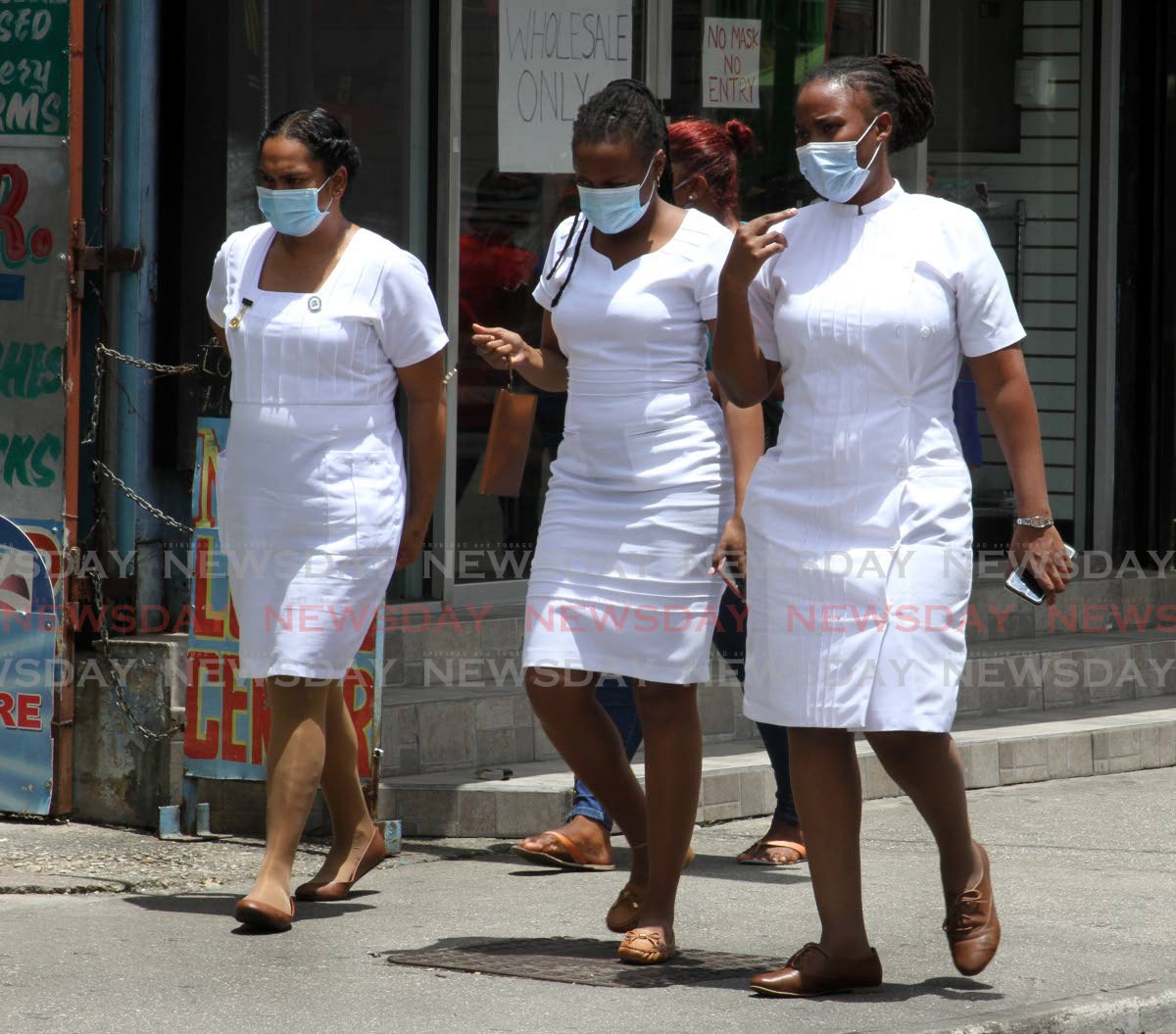
NCRHA denies ‘chronic nurse shortage’ at Mt Hope hospital
The North Central Regional Health Authority (NCRHA) has attributed the recent staffing crisis at the Eric Williams Medical Science Complex (EWMSC) in Mt Hope to ‘unexpected absenteeism.’ This admission comes in response to allegations made by the TT Registered Nurses Association (TTRNA) on November 2, which highlighted a ‘severe staff shortage’ at the facility. The TTRNA described the issue as ‘chronic,’ exacerbated by management’s reduction of the extra duty pool and a hiring freeze that redirects all new hires through the central government campaign. The association warned nurses against working alone and emphasized the need for at least three registered nurses (RNs) per ward, with two being the absolute minimum for safe care. In a media release, the NCRHA dismissed the TTRNA’s claims as ‘reckless, inaccurate, and misleading,’ but conceded that four wards operated with only one RN on November 1 due to absenteeism. The authority maintained that all other wards had a ‘satisfactory’ nurse-to-patient ratio, though it did not specify the exact figures. The TTRNA countered, stating that the NCRHA’s admission of nurses working alone undermines patient safety, particularly with ratios as high as one nurse to 24 patients. International standards, however, suggest a ratio of one nurse to four or five patients as acceptable, with 1:8 being the safe minimum. Studies from the US National Library of Medicine indicate that low/middle-income countries (LMICs) often face even worse ratios, with one nurse caring for over 25 patients. The NCRHA defended its practices, asserting that patient care and safety remain uncompromised and that recruitment efforts are ongoing, with 345 vacancies advertised for enrolled nursing assistants. Despite these efforts, only 34 qualified candidates have been appointed. The authority expressed its commitment to engaging with stakeholders to strengthen the national health system. Calls to NCRHA chairman Dr. Tim Gopeesingh and TTRNA president Idi Stuart went unanswered, with Stuart visiting EWMSC to assess staffing levels firsthand.
-
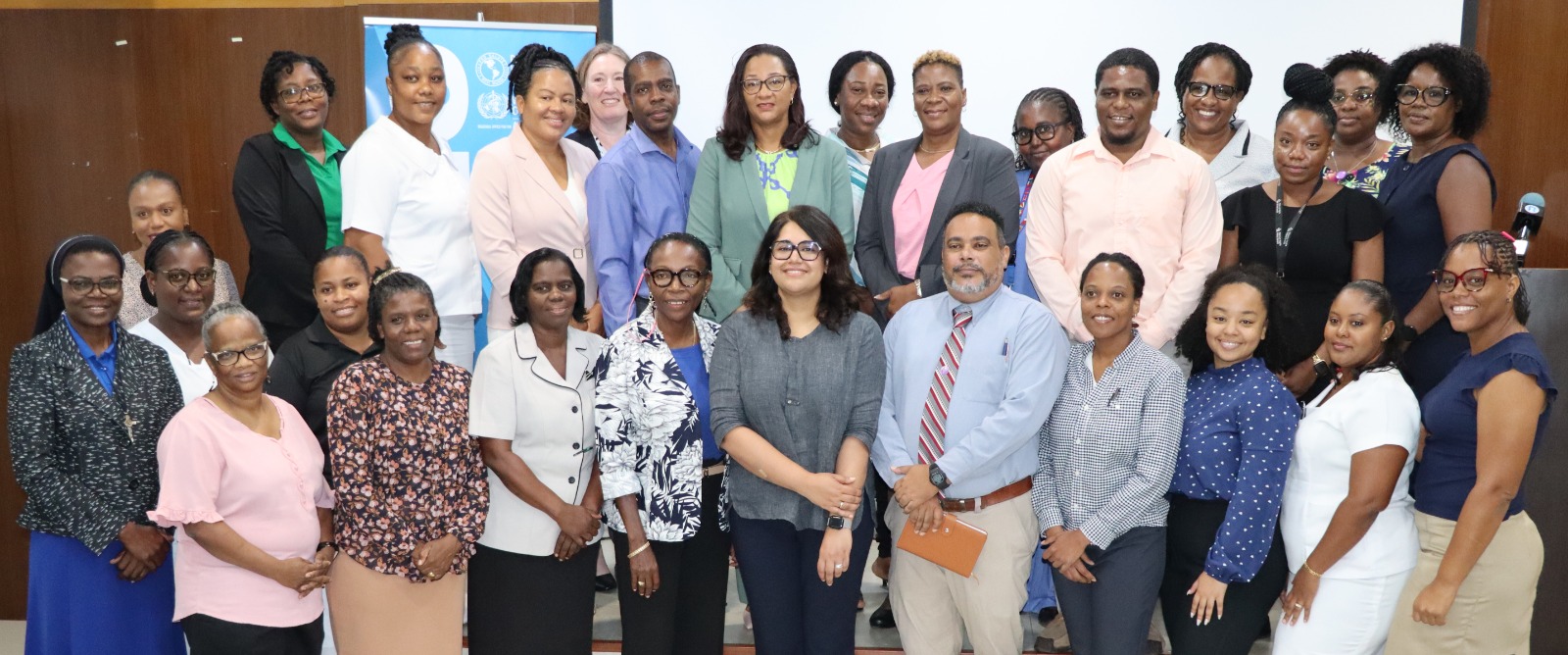
Not just ‘madness’: What’s been missed around mental health
For decades, the phrase ‘Mate just mad’ was a common dismissal of mental health issues in Saint Lucian society, reflecting a lack of understanding and pervasive stigma. However, recent years have seen a gradual shift, with mental health emerging as a critical topic in national discourse. The question arises: Are mental health conditions increasing, or is society finally acknowledging what has long been overlooked?
-
Post-Melissa : 2 tons of medical supplies delivered to the Western Health Directorate
In the aftermath of Hurricane Melissa, which brought devastating floods to Haiti, the Pan American Health Organization/World Health Organization (PAHO/WHO) has stepped up its efforts to assist the Ministry of Public Health and Population (MSPP). The torrential rains have led to tragic consequences, including 31 fatalities, 20 injuries, and 21 individuals still missing as of October 31. Over 1,000 homes have been inundated, 10 health facilities compromised, and more than 15,000 people displaced, now residing in temporary shelters. PAHO/WHO field teams are actively working alongside the MSPP to ensure uninterrupted access to essential health services and to mitigate the risk of disease outbreaks. These teams are conducting assessments in shelters and health facilities across the affected regions to bolster local response capabilities. At the behest of Dr. Bertrand Sinal, MSPP Minister, nearly 2 tons of medical supplies have been dispatched to the West Health Directorate. This crucial delivery was facilitated by the European Union’s Directorate-General for Civil Protection and Humanitarian Aid Operations (ECHO) and the Islamic Medical Association of North America (IMANA), aiming to enhance healthcare provision in the impacted areas. Additionally, medical supplies and WASH (Water, Sanitation, and Hygiene) equipment are being strategically positioned to swiftly address any potential cholera resurgence. Despite these efforts, significant health needs persist, and ongoing support is imperative to aid the affected populations amidst challenging operational conditions. Communication barriers are impeding the flow of information from health facilities and displacement sites, thereby complicating coordination and rapid response efforts. Moreover, obstructed roadways are hampering the land-based delivery of aid, while financial constraints could delay the execution of critical health interventions.
-

From home to surgery
The period leading up to a surgical procedure, whether major or minor, is often fraught with anxiety, fear, and uncertainty. To help patients navigate this challenging phase with confidence, Dr. Daryl Daley, a renowned cosmetic gynecologist and obstetrician, shares invaluable insights and practical tips for a smoother pre-surgical experience.
-
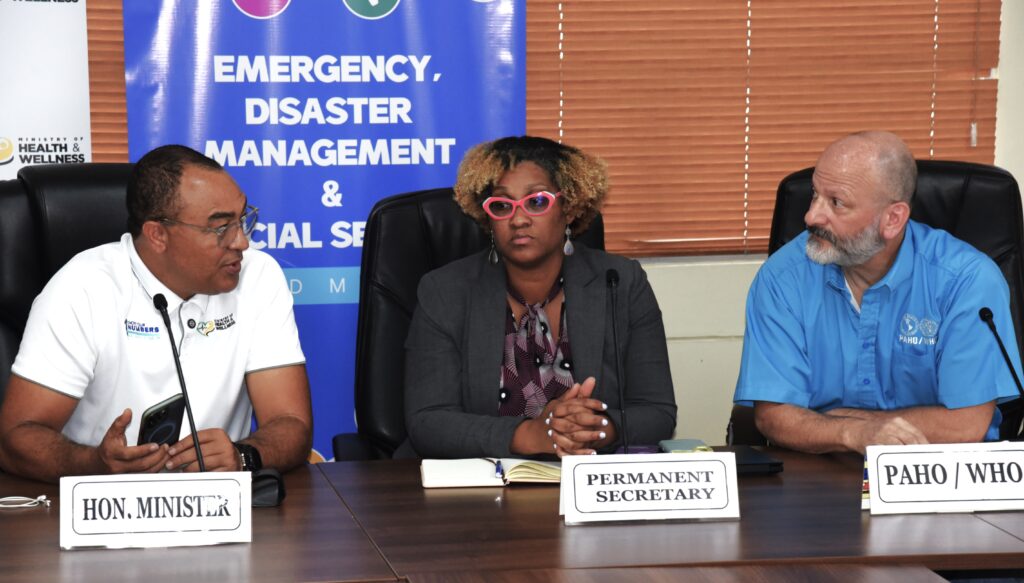
Primary care centre mobilised to support post-hurricane health recovery
In the wake of a devastating hurricane, Jamaica’s Minister of Health and Wellness, Dr. Christopher Tufton, has outlined a strategic plan to leverage primary care facilities in supporting the recovery of the public health system. Speaking at a press conference held at the Health Emergency Operations Centre in New Kingston on Saturday, Dr. Tufton emphasized the critical role these facilities will play in alleviating pressure on hospitals across the five hardest-hit parishes: St. Elizabeth, Westmoreland, Hanover, St. James, and Trelawny.
-

New Renal Centre Nearing Completion to Expand Dialysis and Kidney Transplants, PM Browne Announces
Prime Minister Gaston Browne has revealed that Antigua and Barbuda’s cutting-edge Renal Centre is on the brink of completion, marking a significant milestone in the nation’s healthcare landscape. The facility, designed to meet global standards, will offer advanced dialysis services and routine kidney transplants, ensuring accessibility for all citizens. The announcement was made during the country’s 44th Independence Day celebrations, where Browne emphasized the government’s dedication to elevating healthcare standards. Alongside the Renal Centre, the Prime Minister outlined plans to modernize community clinics in Liberta, Falmouth, and Bolans, as well as expand the All Saints Clinic. In a groundbreaking move, the former Jehovah’s Witness headquarters will be transformed into a state-of-the-art mental health facility, providing patients with a compassionate and dignified environment. Browne underscored the government’s commitment to equitable healthcare, stating, ‘These investments affirm that every life has worth, and every illness deserves care.’ The projects reflect a dual focus on empathy and excellence in medical services, positioning Antigua and Barbuda as a leader in regional healthcare innovation.
-
Antigua and Barbuda strengthens biosecurity under ASF Sampling Pilot
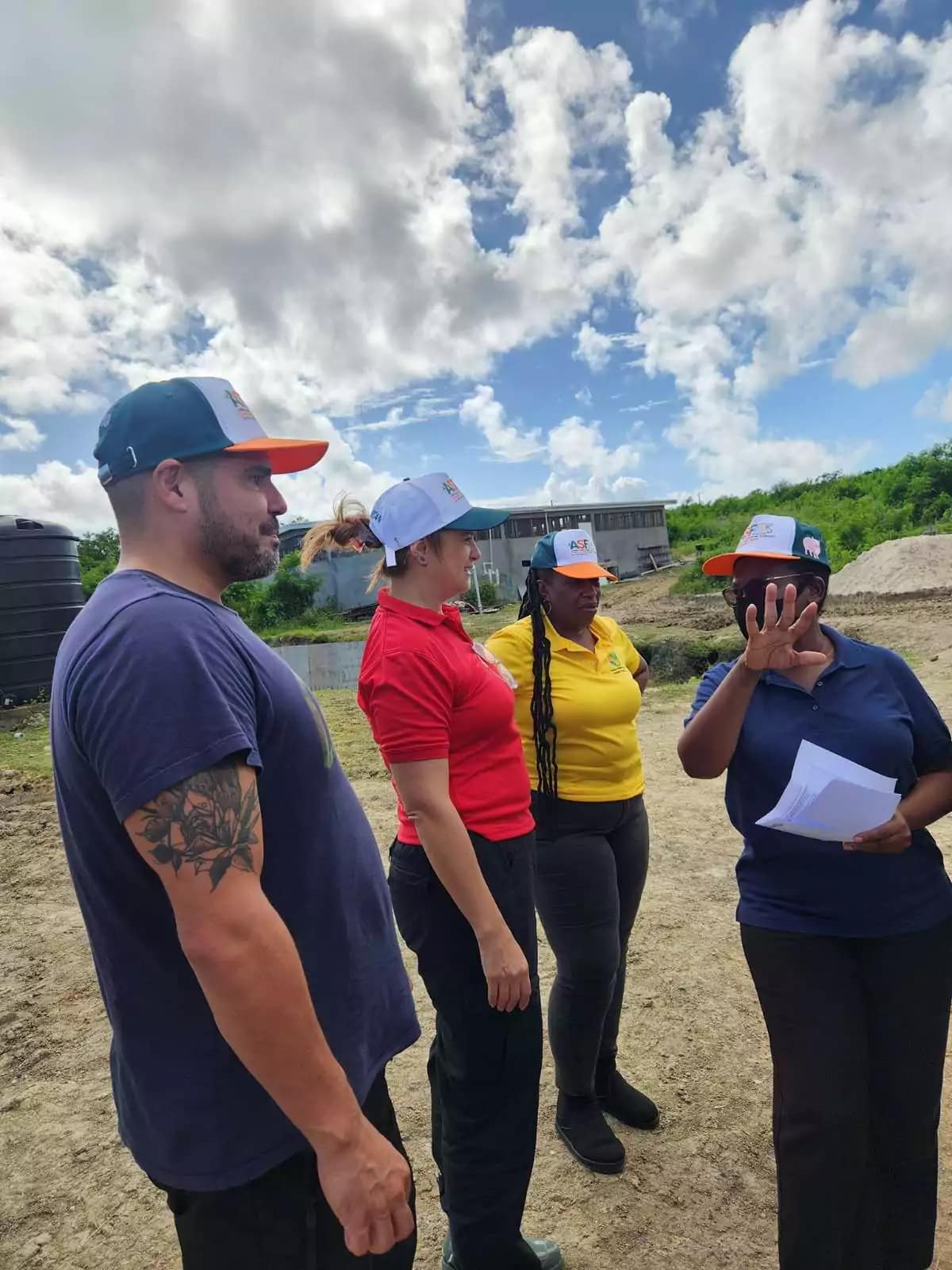
Antigua and Barbuda has made significant strides in enhancing its animal health and bio-security systems through the African Swine Fever (ASF) Sampling Pilot. This initiative, a collaboration between the Inter-American Institute for Cooperation on Agriculture (IICA), the United States Department of Agriculture (USDA), and the Ministry of Agriculture, Lands, Fisheries, and the Blue Economy, aims to fortify national surveillance and response capabilities against animal diseases, particularly ASF. ASF is a highly contagious viral disease that poses severe economic risks to the swine industry. The program brought together veterinary officers, livestock specialists, and regional experts to reinforce national surveillance capacity and field response readiness. The opening day, held at the People’s Place Conference Room on Nugent Avenue, featured remarks from Craig M. Thomas of IICA, Fernando Hugo from the USDA, and Dr. Ericka Calderon, ASF Project Manager at IICA Headquarters. Gregory Bailey, Director of Agriculture, emphasized the Ministry’s commitment to proactive surveillance and early detection systems, highlighting the importance of preparedness and rapid response in safeguarding national food security and livelihoods. Technical presentations introduced participants to the regional ASF surveillance framework and Antigua and Barbuda’s diagnostic capabilities. Dr. Tubal Edwards, Chief Veterinary Officer, provided an overview of the local swine industry and the Veterinary Services Division’s efforts to improve animal health monitoring. Dr. Christopher Hamilton-West, Epidemiologist, discussed epidemiological surveillance principles, supported by a visual presentation on best practices in field data collection and disease containment. The second day focused on practical application, with participants divided into two teams for farm visits across the island, including the His Majesty’s Prison Farm. A total of 35 pigs were sampled, with each tube carefully labeled for traceability. The samples are being prepared for overseas laboratory analysis to determine disease presence and guide future animal health strategies. The field visits tested surveillance procedures and reinforced the discipline and precision required in real-world disease investigation. Participants demonstrated the correct use of personal protective equipment (PPE), safe animal restraint, sample collection, and detailed data recording. Emphasis was also placed on the removal and sanitation process for PPE and equipment to prevent the transfer of infectious material. Dr. Dane Hartley, Veterinarian and Agricultural Health, Safety Agri-Food Quality Specialist with the EECOM, noted that the practical experience reinforced critical lessons from the previous day. After returning from the field, both teams participated in a joint debriefing session to evaluate their performance, share insights, and highlight key takeaways for continuous improvement in surveillance readiness. The ASF Sampling Pilot is part of the wider Surveillance and Response to Prevent African Swine Fever in the Americas Project, which aims to bolster regional coordination and capacity building across the Caribbean. Through this initiative, Antigua and Barbuda continues to position itself as a proactive leader in animal health management, ensuring that its livestock sector remains safe, sustainable, and resilient. The Ministry reaffirms its commitment to ongoing disease monitoring, collaboration with regional partners, and protecting the future of the nation’s pork and livestock industry, with farmers welcoming the initiative.
-
Alarming rise in children’s alcohol experimentation – NCSA
A recent study conducted by the National Council on Substance Abuse (NCSA) in Barbados has revealed a dramatic increase in alcohol experimentation among schoolchildren, with rates soaring nearly fivefold as students transition from primary to secondary school. Dr. Jonathan Yearwood, Research and Information Officer at the NCSA, shared these alarming findings in an interview with Barbados TODAY, highlighting adolescents as a high-risk group for substance abuse. According to Dr. Yearwood, the data shows a significant rise in alcohol and marijuana use among youth aged 9 to 17, raising serious concerns about their health, future productivity, and social well-being. The research also uncovered that one in four individuals admitted to the Psychiatric Hospital for drug treatment had a co-morbid mental health diagnosis, exacerbating the societal challenges posed by addiction. Dr. Yearwood emphasized the broader implications of substance abuse, including increased risks of violence, crime, and workplace productivity losses. Surveys indicated that half of employees feared job loss if they disclosed substance abuse issues, while only 40% believed their workplace would offer support. To address these challenges, Dr. Yearwood stressed the importance of early intervention, workplace education programs, and comprehensive support systems. The NCSA plans to expand research and training for first responders and school personnel to better identify and assist adolescents struggling with substance use. Dr. Yearwood underscored the need for a holistic approach, stating, ‘Tackling substance abuse is not just about helping the individual; it’s about reducing crime, protecting public safety, and ensuring productivity across Barbados.’
-

Health : Haiti and the Dominican Republic united for prevention
In a significant move to address public health challenges, officials from Haiti and the Dominican Republic convened in the border region of Dajabón to enhance epidemiological surveillance and foster bilateral cooperation. The meeting focused on mitigating health risks, particularly in light of the cholera alert in Haiti and the prevalence of respiratory and gastrointestinal illnesses in the region. Haitian representatives expressed their commitment to collaboration, highlighting the potential for future joint initiatives. Dominican authorities reassured that no cholera cases have been reported in their northern border area, attributing this to effective public health campaigns promoting education, sanitation, and hygiene. Both nations pledged to bolster early warning systems, technical cooperation, and training programs for healthcare workers. These initiatives will emphasize early disease detection, rapid response, and the exchange of real-time epidemiological data. Additionally, vaccination and disinfection campaigns will be coordinated in high-risk zones. The collaboration also aims to engage local communities through awareness programs on hygiene and disease prevention, ultimately strengthening the resilience of border populations and reducing the risk of cross-border contagion.