
In the wake of the catastrophic Category Five Hurricane Melissa, the Caribbean Public Health Agency (CARPHA) has initiated a swift health needs assessment across multiple parishes in Jamaica. The hurricane, which wreaked havoc on the island’s western and southern regions, has left a trail of destruction, particularly impacting public health infrastructure. CARPHA, in collaboration with the Caribbean Disaster and Emergency Management Agency (CDEMA), is spearheading this critical evaluation to pinpoint urgent recovery needs and strategize effective responses. Dr. Horace Cox, CARPHA’s Director of Surveillance, Prevention, and Disease Control, emphasized the agency’s role as the health lead within the Caribbean Community’s disaster response framework. ‘Our mission is to assess the damage inflicted by Hurricane Melissa and map out the immediate health requirements of the affected communities,’ Dr. Cox stated. Preliminary findings reveal significant damage to peripheral health facilities, leading to service disruptions and relocations. Dr. Cox highlighted the heightened risks of waterborne and vector-borne diseases due to compromised water, sanitation, and hygiene systems. ‘The scarcity of clean water and the proliferation of stagnant water pools pose serious health threats, including the spread of diarrheal diseases and mosquito-borne illnesses like dengue,’ he explained. Despite these challenges, Dr. Cox lauded the resilience of healthcare workers and the coordinated efforts of local and regional systems. ‘The dedication of healthcare professionals, even in the face of personal losses, is truly inspiring,’ he remarked. CARPHA has mobilized nearly US$1 million to procure essential supplies, with initial shipments already delivered. The agency plans to deploy additional personnel next week to transition from assessment to implementation of support measures. The findings from this assessment will be presented to the Jamaican government, particularly the Office of Disaster Preparedness and Emergency Management (ODPEM), to inform national recovery plans. A briefing with national stakeholders was scheduled for Thursday evening to discuss the next steps in the recovery process.
分类: health
-
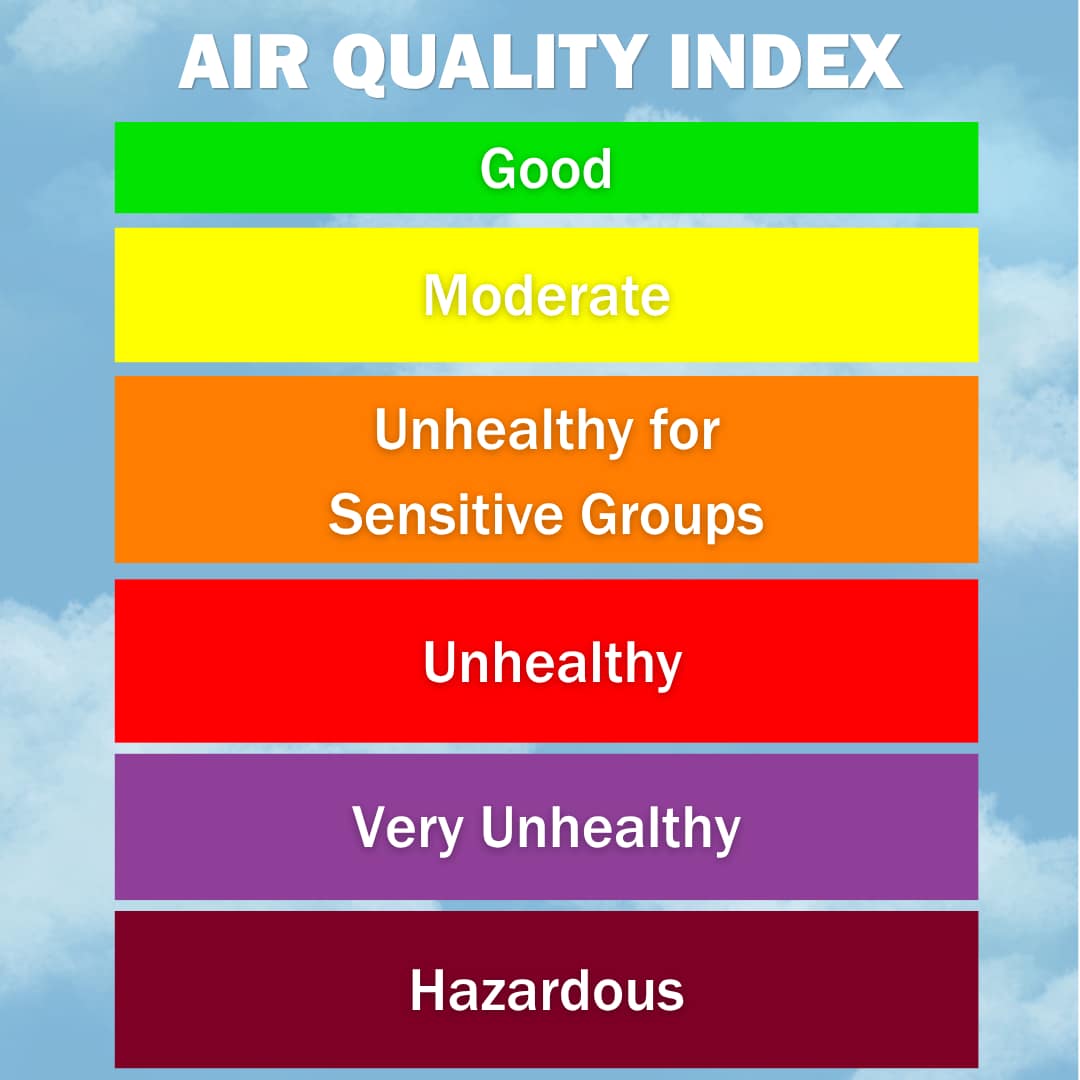
Minimal Saharan Dust Keeps Antigua and Barbuda’s Air Quality at Safe Levels
Residents of Antigua and Barbuda continue to breathe easy as the air quality across the islands remains in the ‘good’ category this week. According to the latest bulletin from the Antigua and Barbuda Meteorological Services, issued at 9:10 a.m. on Wednesday, only minimal traces of Saharan dust have been detected in the atmosphere. The Air Quality Index (AQI), which measures concentrations of particulate matter PM2.5 and PM10, currently ranges between 20 and 50, well within safe limits for the general population. Officials have confirmed that no health impacts are expected, and no immediate action is required. The alert level remains at Level I, the lowest on the scale. While the Meteorological Service acknowledged that sensitive groups, including individuals with respiratory or heart conditions, the elderly, and children, are typically more vulnerable during periods of elevated dust, current conditions pose no health risks. The islands’ favorable air quality underscores the absence of significant environmental concerns at this time.
-

Pharmacist warns of chronic illness drug access challenges
A prominent figure in the pharmaceutical sector has raised concerns about the ongoing difficulties in delivering essential medications to patients suffering from chronic non-communicable diseases (NCDs). Marlon Ward Rogers, President of the Barbados Pharmaceutical Society, highlighted the dual challenges of supply chain disruptions and escalating drug prices during a recent interview with Barbados TODAY. NCDs, which include conditions such as diabetes and hypertension, are responsible for 80% of deaths in the region, underscoring the urgency of addressing these issues. Ward Rogers emphasized the critical need for public awareness and patient education to ensure adherence to medication regimens and regular health check-ups. Despite these challenges, he assured that there is currently no shortage of drug supplies, though patients may face higher costs for certain medications. He attributed the intermittent shortages to global supply chain issues exacerbated by the COVID-19 pandemic and geopolitical tensions, such as the war in Ukraine. Ward Rogers also noted that while brand-name medications might occasionally be unavailable, generic alternatives often remain accessible. As he begins his new term leading the society, his focus will remain on advancing the pharmacy profession and ensuring patients receive optimal care, including through enhanced continuing education initiatives.
-
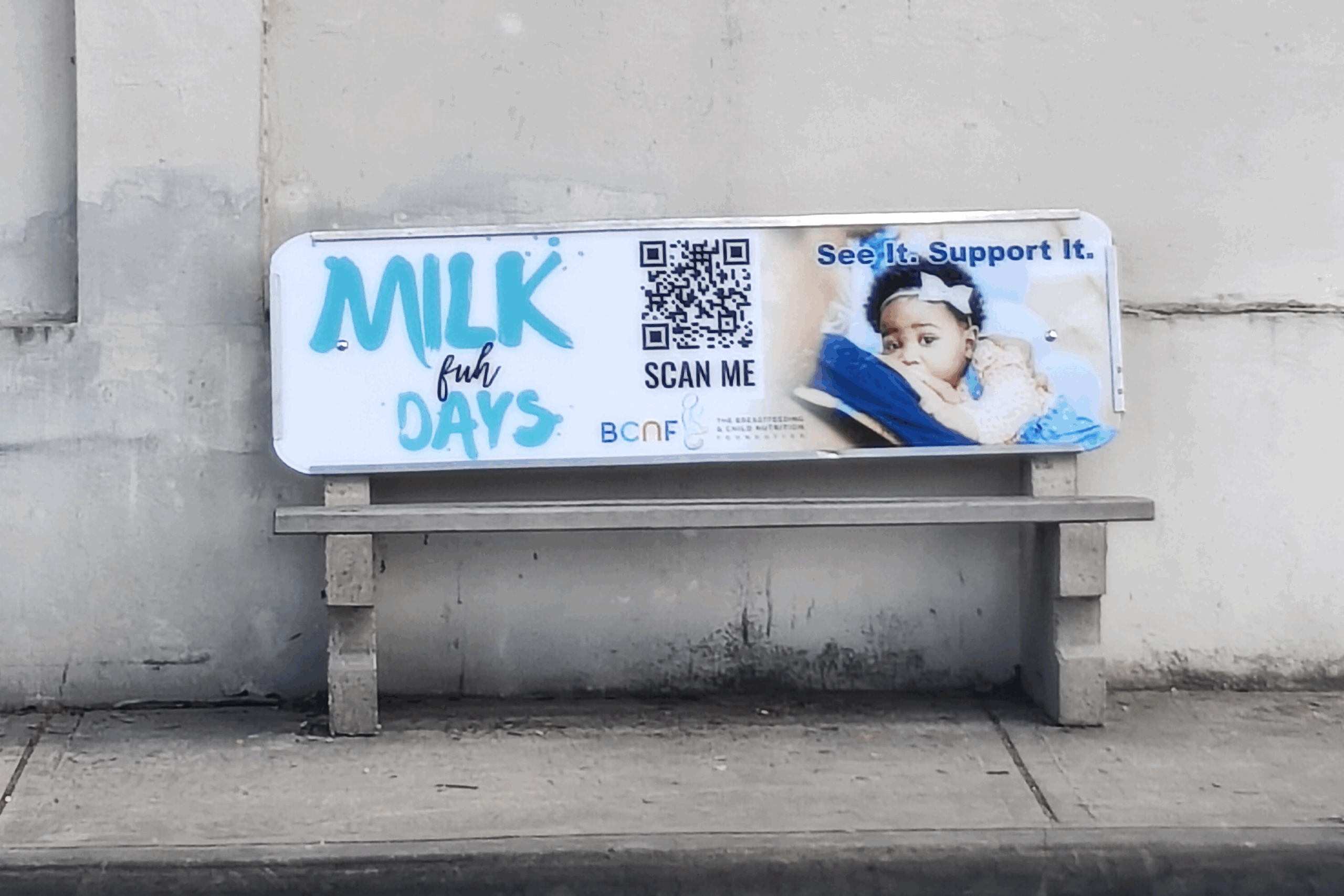
Benches champion breastfeeding in public spaces
Barbados has taken a significant step toward fostering a more inclusive and supportive environment for breastfeeding mothers with the launch of a pioneering initiative last weekend. The Breastfeeding and Child Nutrition Foundation (BCNF), in collaboration with Antilles Outdoor, introduced the country’s first series of public markers designed to promote breastfeeding awareness. Four vividly branded benches, each bearing the empowering message “See It. Support It,” have been installed at key locations including Belleville, Sunset Crest, Queen Elizabeth Hospital, and Randall Phillips Polyclinic. These benches aim to normalize and celebrate public breastfeeding while emphasizing the importance of providing mothers with comfort, respect, and encouragement. Dr. Alison Bernard, executive director of BCNF, emphasized the initiative’s core message: “Every mother should feel confident and supported to feed her child wherever she needs to. These benches send a simple message: No judgment, no side eye; just see it and support it. When we support breastfeeding, we support families and strengthen our nation.” The project, part of the foundation’s #TakeASeatForBreastfeeding campaign, integrates community education with social media outreach and broader partnerships to create healthier environments for women and children. The public is encouraged to visit the benches, take photos, and share messages of support using hashtags like #NoSideEyeSupport and #FirstSeatForLife. Adam Gibbs, innovation director at Antilles Outdoor, highlighted the initiative’s broader significance: “Public spaces tell stories about who we are. By dedicating these benches to breastfeeding awareness, we’re helping make acceptance and inclusion a visible part of everyday life in Barbados.” The campaign aligns with the United Nations Sustainable Development Goals, particularly SDG 2: Zero Hunger and SDG 3: Good Health and Well-Being, underscoring Barbados’ commitment to improving maternal and child health outcomes through community action and education.
-
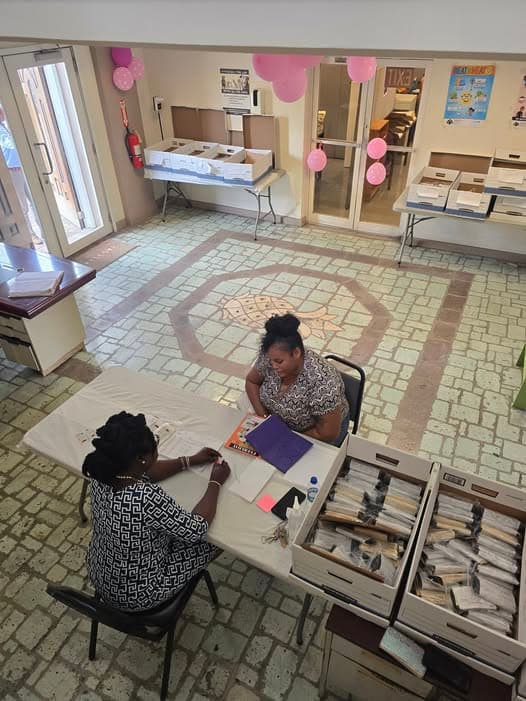
Ministry of Health Continues Distribution of Prescription Glasses from Recent Health Fair
The Ministry of Health, Wellness, Environment, and Civil Service Affairs has announced the ongoing distribution of prescription glasses for individuals who participated in the recent Health Fair. This initiative is part of the Ministry’s broader efforts to enhance access to quality healthcare and vision services for all citizens. Participants who underwent eye examinations during the Health Fair are urged to collect their glasses at the Ministry of Health Headquarters during specified hours. The collection schedule is as follows: Tuesday, November 5th, from 9:00 a.m. to 12:00 p.m. and 1:00 p.m. to 6:00 p.m.; Wednesday, November 6th and Thursday, November 7th, from 9:00 a.m. to 12:00 p.m. and 1:00 p.m. to 4:00 p.m.; and Friday, November 8th, from 9:00 a.m. to 12:00 p.m. and 1:00 p.m. to 3:00 p.m. Participants must present a valid form of identification when collecting their glasses. The Ministry expressed its gratitude to all Health Fair participants and reiterated its dedication to improving healthcare accessibility and vision services for the community.
-
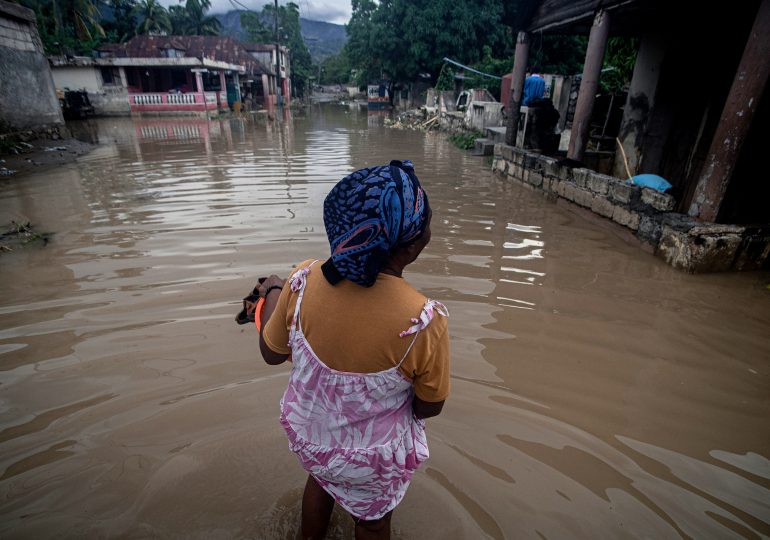
Haiti announces measures to tackle cholera outbreak after Hurricane Melissa
Port-au-Prince, Haiti – In response to the devastating aftermath of Hurricane Melissa, Haiti’s Ministry of Health has unveiled a series of urgent measures to address escalating public health risks. The hurricane, which claimed 31 lives, left 20 injured, and 21 missing, has exacerbated existing health crises, including a surge in cholera cases and heightened threats of diarrheal diseases, typhoid, and malaria. Health Minister Sinal Bertrand highlighted the government’s focus on the most severely impacted regions, particularly the Great South, where emergency aid is being dispatched and damaged health facilities are undergoing repairs. To curb the spread of diseases, authorities are ramping up prevention campaigns emphasizing hygiene, food safety, and sanitation. Large-scale fumigation and waste cleanup operations are also underway in Port-au-Prince and surrounding areas. Since January, Haiti has reported 2,900 cholera cases, underscoring the critical need for clean water access, improved sanitation, and active citizen involvement. Additionally, the government is preparing to launch an HPV vaccination campaign aimed at safeguarding vulnerable adolescents from cervical cancer.
-
CARPHA and UWI Step In to Support Jamaica
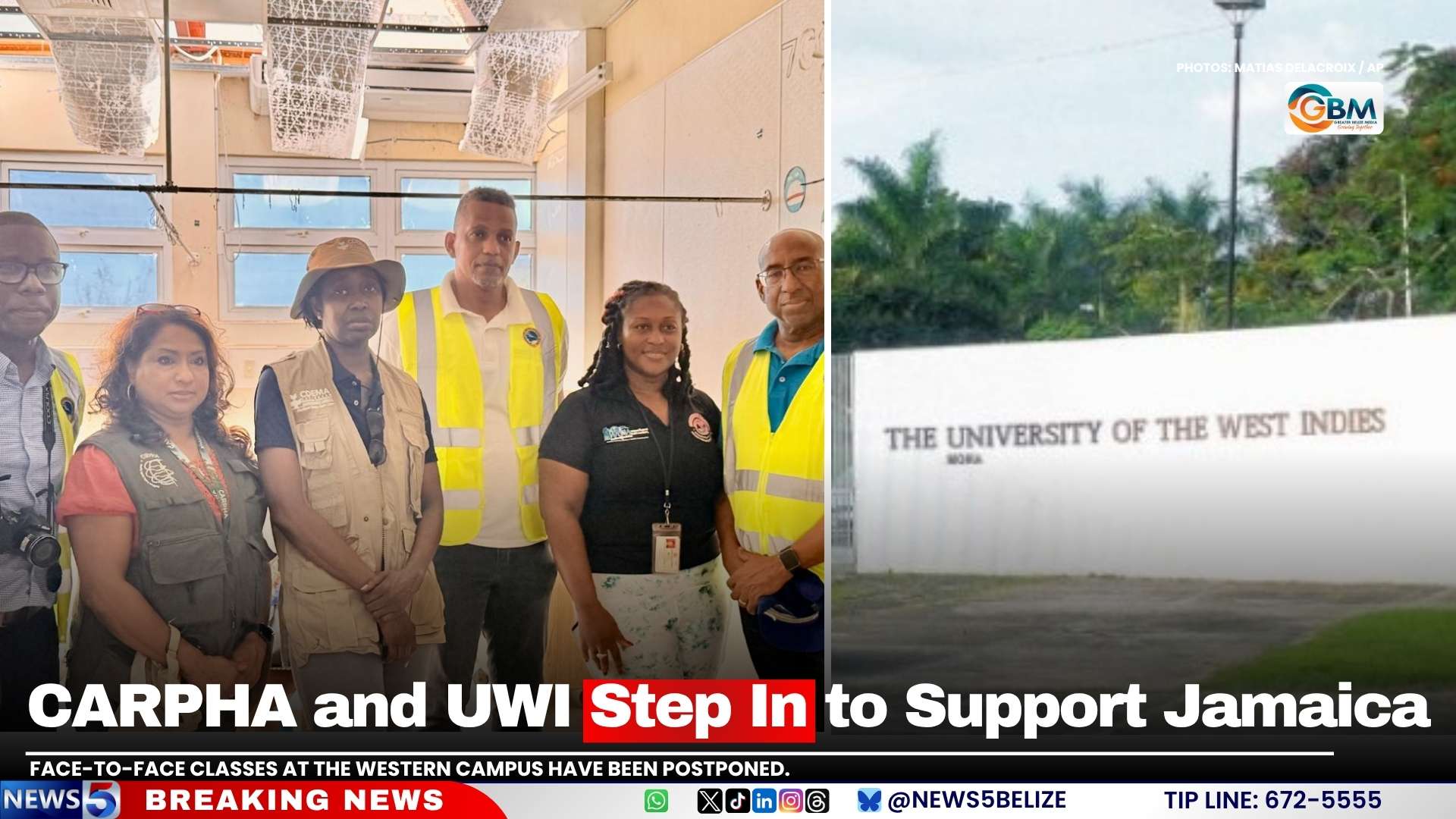
In the wake of Hurricane Melissa’s devastation, the Caribbean Public Health Agency (CARPHA) has swiftly mobilized a high-level team to assist Jamaica. Led by Executive Director Dr. Lisa Indar, the team includes representatives from CARICOM, CDEMA, the Caribbean Development Bank, and the Caribbean Institute for Meteorology and Hydrology. Their primary objective is to assess and address the urgent public health needs across the island. Dr. Indar has already met with Prime Minister Andrew Holness and Health Minister Dr. Christopher Tufton to strategize CARPHA’s response. The team has also conducted visits to hospitals and shelters in the most severely affected parishes, including St. Elizabeth, St. James, Trelawny, Manchester, Hanover, and Westmoreland. Concurrently, the University of the West Indies (UWI), Mona campus, has rolled out a series of support measures for students impacted by the hurricane. These include the provision of safe spaces, psychosocial services, flexible academic arrangements, and a significant 50% tuition discount for the first semester. Additionally, face-to-face classes at the western campus have been postponed to ensure the safety and well-being of students and staff.
-
Fewer Babies and Rising Deaths from Chronic Illnesses in Belize
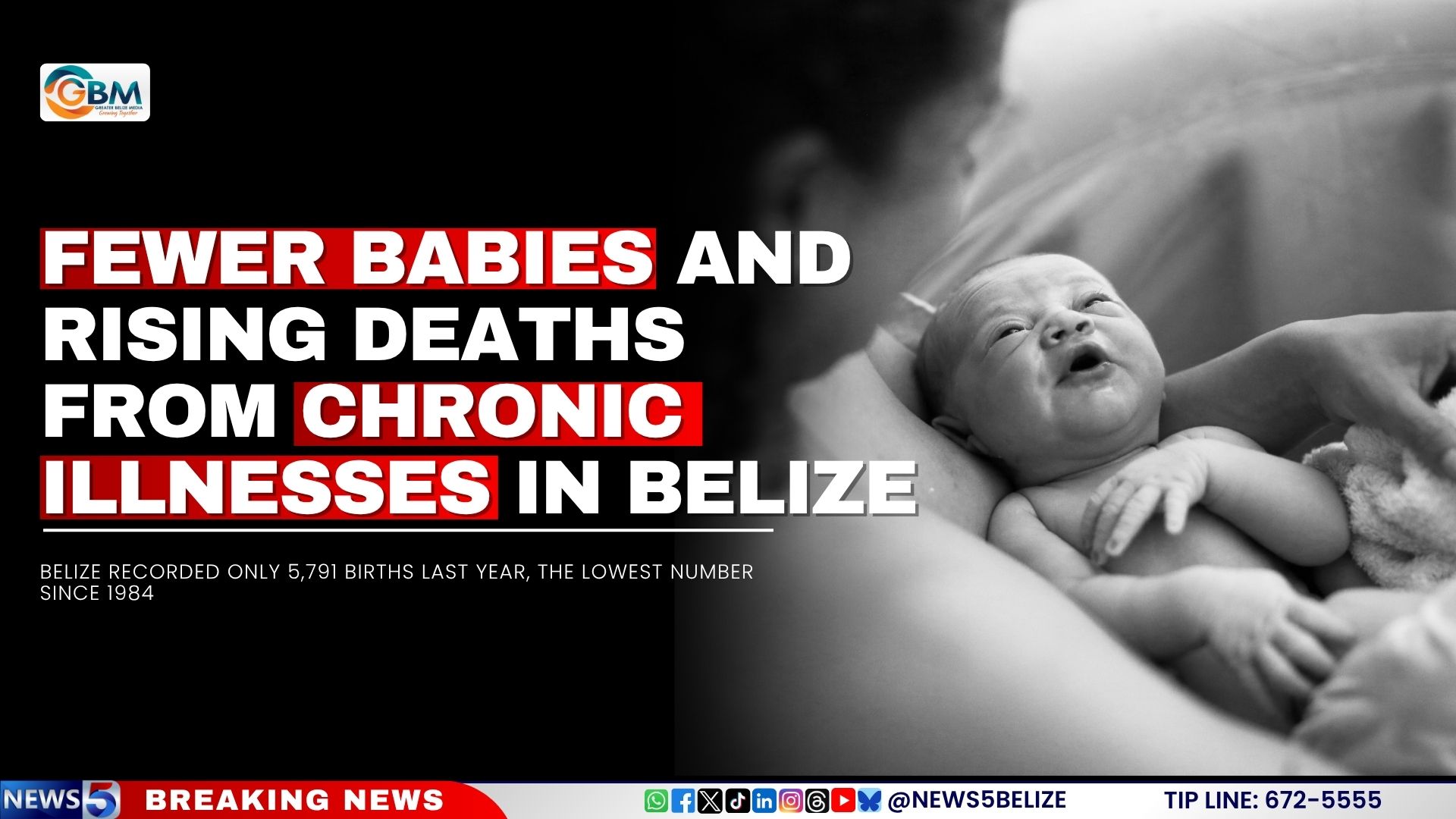
In 2024, Belize experienced significant shifts in its health landscape, characterized by declining birth rates, escalating chronic illnesses, and a concerning number of preventable deaths. According to the latest data from the Belize Health Information System, the country recorded only 5,791 births, marking the lowest figure since 1984. Notably, 14% of these births were to adolescent mothers aged 10 to 19, with a nearly even gender distribution among newborns. Concurrently, Belize reported 2,384 deaths, with men accounting for 60% of fatalities. Chronic diseases such as heart disease, cancer, diabetes, and cerebrovascular disease were the leading causes of death across all age groups, with cancer alone responsible for 404 new diagnoses and 285 deaths. Breast, cervical, and prostate cancers were the most prevalent, disproportionately affecting individuals over 60, particularly women. Diabetes and hypertension also saw a rise, with 1,372 new diabetes cases and 2,264 new hypertension cases diagnosed in 2024. Infectious diseases remained a challenge, with 244 new HIV infections and 1,186 dengue fever cases reported. Mental health issues were highlighted by 27 suicide deaths, predominantly among males, while road traffic incidents claimed 132 lives, with young men aged 20 to 39 being the most affected. These trends underscore the urgent need for targeted health interventions and public safety measures in Belize.
-

Against all odds: Baby Niah’s miraculous journey from 25 weeks to thriving infant
Baby Niah Felix, born at just 25 weeks gestation and weighing a mere 1.2 pounds, has defied all odds and continues to astonish her parents, Anne Charles and Thomas Felix, with her miraculous progress. Now an eight-month-old, Niah is thriving at home, achieving all the milestones of a healthy baby. Her journey began when Anne unexpectedly went into preterm labor while visiting her mother in Trafalgar. Despite the initial skepticism from hospital staff due to limited resources, Niah fought through the challenges. She spent three months in the neonatal intensive care unit (NICU), where she was placed on a ventilator and later a CPAP machine before breathing on her own. Her parents credit her survival to her resilience, the unwavering support of their family, and the dedicated care of the hospital staff. Anne and Thomas expressed their deep gratitude to the doctors and nurses at the Dominica China Friendship Hospital (DCFH), who they now consider family. Niah’s story is a testament to the strength of premature infants and the critical role of specialized neonatal care. On World Patient Safety Day 2025, Health Minister Kassani Laville highlighted the remarkable outcomes of the DCFH’s NICU, which has successfully cared for over 1,100 neonates, including three born at 25 weeks gestation.
-

NCRHA completes phase one of Mt Hope hospital upgrades
The North Central Regional Health Authority (NCRHA) has successfully completed the first phase of a comprehensive electrical and lighting upgrade project at the Eric Williams Medical Sciences Complex (EWMSC) in Mt Hope. Initiated last month, this phase involved the installation and repair of 120 lighting fixtures across high-traffic areas such as parking lots and roadways, significantly improving visibility for patients, visitors, and staff. The project received support from the TT Electricity Commission, ensuring its smooth execution. The second phase, already in progress, focuses on replacing faulty light poles and adding more fixtures to achieve complete illumination across the campus. This initiative is part of a broader electrical upgrade that included the installation of a new transformer in September, aimed at bolstering the facility’s power supply stability and safety. Additionally, the NCRHA has upgraded the cooling system at the Adult Intensive Care Unit (AICU) by installing a new carrier air-conditioning system over three days in late October. The new system, comprising two air handlers and four condensers, replaces outdated units that had been in operation for over 15 years. Staff have already reported a cooler and more comfortable environment, which is expected to enable the resumption of critical surgical procedures previously delayed due to cooling system issues. Dr. Tim Gopeesingh, NCRHA chairman, praised the teams and stakeholders involved for their dedication, highlighting the upgrades’ role in enhancing patient safety, comfort, and overall care quality. He reaffirmed the NCRHA’s commitment to providing efficient, reliable, and high-quality healthcare services to the people of Trinidad and Tobago.