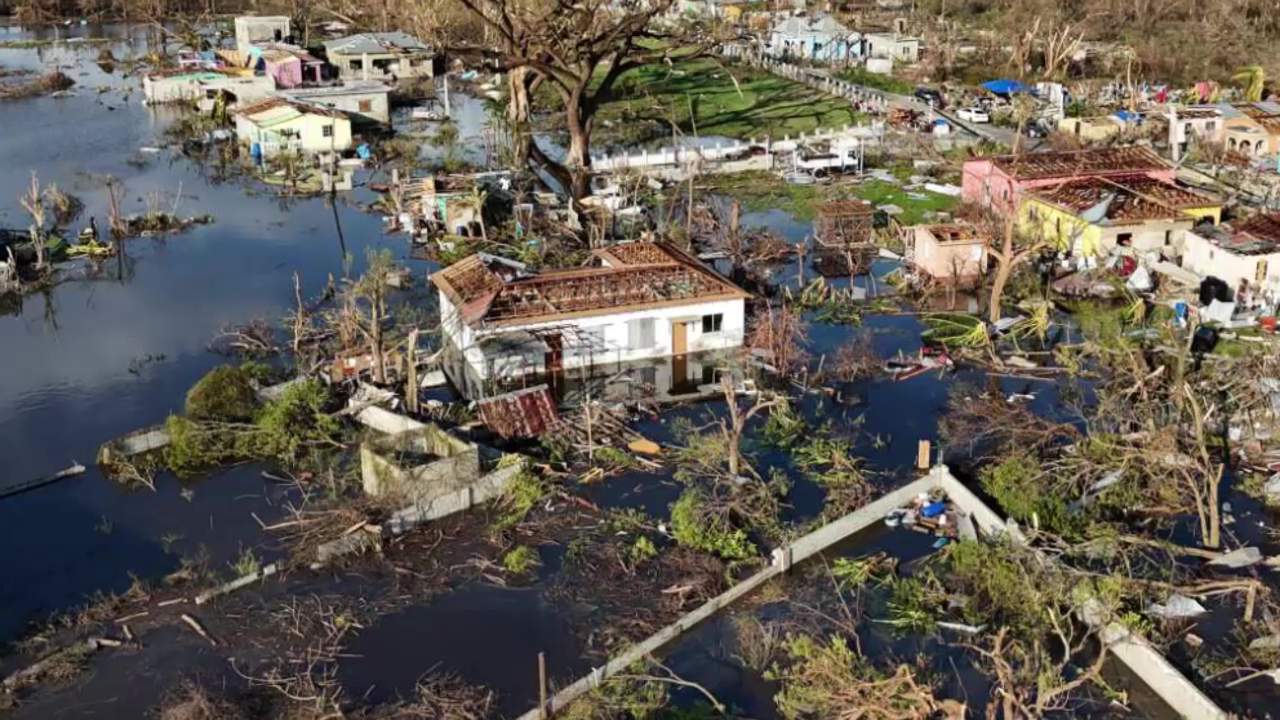
In the wake of Hurricane Melissa’s catastrophic impact on Jamaica, the Caribbean Public Health Agency (CARPHA) has taken a leading role in addressing the ensuing health crisis. The hurricane has left a trail of devastation, claiming lives, destroying homes, and disrupting livelihoods. CARPHA emphasizes that Jamaica’s suffering resonates across the Caribbean, underscoring the need for a unified regional response. Beyond the immediate physical damage, the storm has escalated significant health risks, including unsafe drinking water, food contamination, potential disease outbreaks, and mental health challenges. CARPHA is collaborating with key partners such as the Caribbean Disaster Emergency Management Agency, Jamaica’s Ministry of Health, the Pan American Health Organization (PAHO), and other regional stakeholders to prioritize public health in the recovery process. The agency is deploying critical resources, including medical supplies, rapid test kits, personal protective equipment (PPE), and field hospital infrastructure. Additionally, CARPHA is spearheading efforts to prevent the spread of diseases like dengue and leptospirosis. A key focus of the agency’s mission is to assist Jamaica in rebuilding more resilient health systems to better withstand future crises.
分类: health
-
New cases of malaria, dengue fever, and other diseases reported
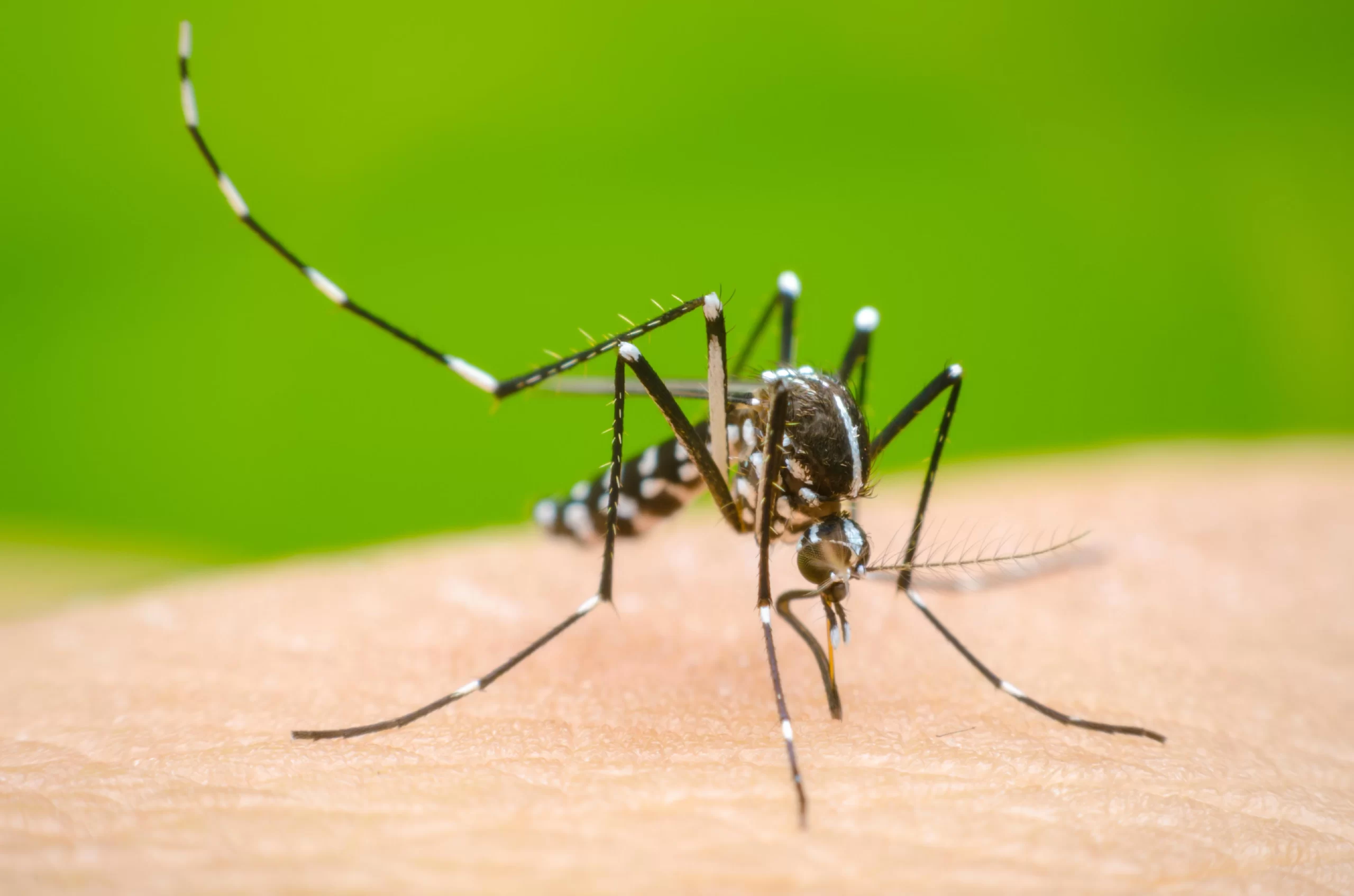
The Dominican Republic’s Ministry of Public Health reaffirmed on Thursday that no cholera cases have been reported in the country. The ministry emphasized that enhanced measures remain in place at border crossings and other entry points to prevent the spread of infectious diseases. Through the National Epidemiological Surveillance System (SINAVE), authorities continue to monitor and ensure timely reporting of notifiable diseases, including cholera. The ministry also urged the public to adhere to preventive measures such as frequent handwashing, consuming purified water, and eating safe food. As the governing body, the Ministry of Health is actively strengthening the nation’s response capabilities to better prepare for potential health crises. In 2024, the country has recorded 15 cholera cases, marking a 100% reduction compared to the previous week. The latest epidemiological bulletin (SE-42) also highlighted other health concerns. Four cases of malaria were reported, bringing the cumulative total to 779 confirmed cases, with no fatalities and an incidence rate of 8.97 cases per 100,000 inhabitants. Leptospirosis cases remained unchanged this week, with a cumulative total of 94. Dengue cases saw a significant decline, with one new case reported this week, bringing the total to 240 confirmed cases—an 81% reduction compared to the same period last year. Respiratory diseases, including respiratory syncytial virus, adenovirus, influenza B Victoria, and SARS-CoV-2, continue to circulate. The bulletin also reported four maternal deaths, raising the cumulative total to 133, and 26 infant deaths, bringing the total to 1,451, a decrease from the 1,827 deaths recorded by the same date in 2024.
-
Ministry of Health targets 10% cut in drinking harm
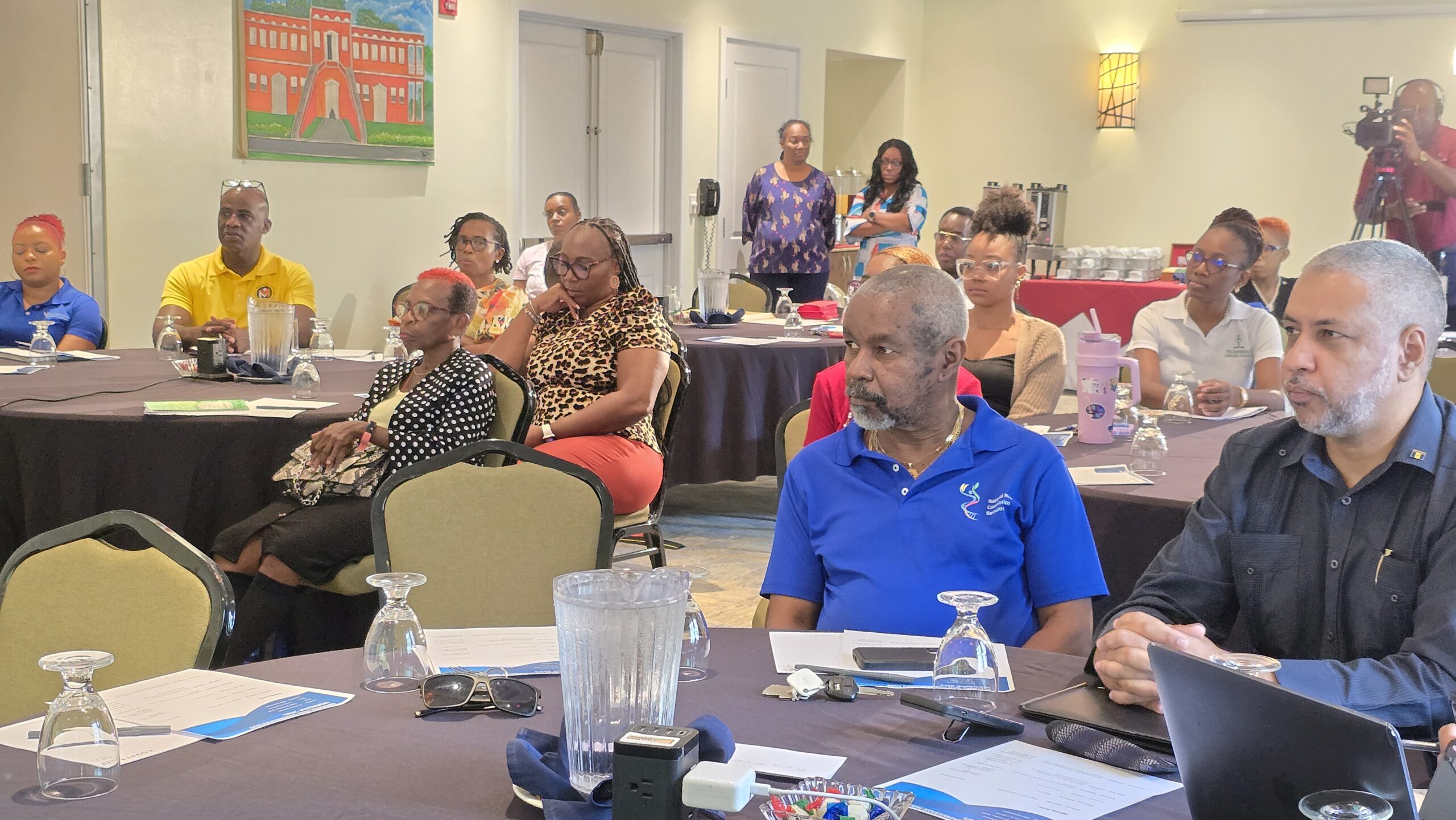
The Ministry of Health in Barbados has unveiled a comprehensive national strategy aimed at reducing alcohol-related harm by 10% by 2030. Announced by Minister of State for Health and Wellness, Davidson Ishmael, during a workshop hosted by the National NCD Commission, the plan addresses the pervasive cultural normalization of alcohol consumption while emphasizing the urgent need to mitigate its health and societal impacts. Minister Ishmael highlighted that while alcohol is deeply ingrained in Barbadian social life, its excessive use leads to severe consequences, including chronic diseases, mental health issues, and societal problems like violence and domestic abuse. The strategy focuses on public education, early prevention, and stricter policies to regulate alcohol availability and marketing. It aligns with the WHO’s Global Action Plan for NCD Prevention and Control and the SAFER technical package, which includes measures such as strengthening alcohol access restrictions, enforcing drink-driving laws, and limiting alcohol advertising. Suleiman Bulbulia, Chairman of the National NCD Commission, emphasized the challenges of addressing commercial determinants of health, particularly in small island states like Barbados, where industries often prioritize profit over public well-being. He urged NGOs and stakeholders to reject funding from entities that harm public health and advocate for policies that promote healthier lifestyles.
-
#MelissaAftermath: Health minister urges vigilance over food safety
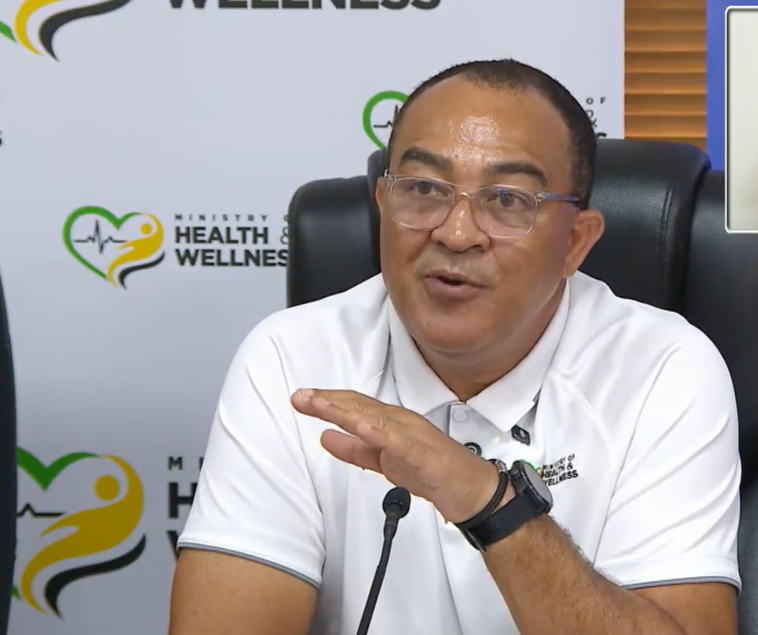
KINGSTON, Jamaica — In the wake of Hurricane Melissa, Jamaica’s Minister of Health and Wellness, Dr. Christopher Tufton, has issued a stern warning to the public regarding food safety. Speaking at a press conference on Saturday, Dr. Tufton emphasized the heightened risks of food contamination and foodborne illnesses due to widespread power outages across the island. He stressed that the lack of refrigeration in affected areas could lead to the spoilage of meat and other perishable items, while rodents and insects could further exacerbate the problem by spreading diseases. To mitigate these risks, approximately 400 environmental health officers will be deployed starting Monday to inspect food establishments and ensure consumer safety. Dr. Tufton urged residents to discard spoiled or flood-exposed food items and report such cases to local public health departments or police stations. He also highlighted the importance of monitoring water quality and sanitation, as contaminated water and improper waste disposal could lead to additional health hazards. The minister warned of increased risks of diseases like leptospirosis and gastroenteritis, which tend to rise after heavy rainfall and flooding. Public health inspectors will conduct sanitation assessments in shelters and affected communities, while vector control efforts will be intensified to combat the expected surge in mosquito, fly, and rodent populations. Dr. Tufton called on the public to use mosquito repellent, cover water containers, and dispose of waste properly to prevent stagnant water from becoming breeding grounds for disease-carrying insects.
-
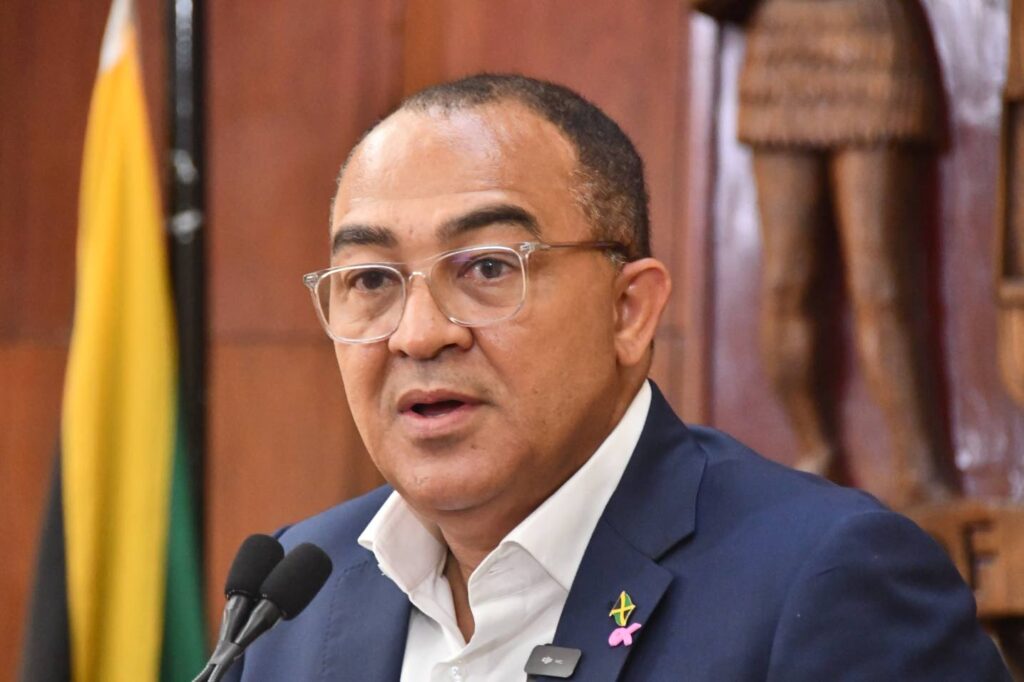
#MelissaAftermath: Tufton says teams accessing reports of dead bodies in remote areas
KINGSTON, Jamaica — In the aftermath of Hurricane Melissa, Jamaica’s Minister of Health and Wellness, Dr. Christopher Tufton, has announced a coordinated effort involving environmental health teams, the Jamaica Defence Force (JDF), and other agencies to address critical issues in remote communities. Reports of deceased individuals and animals stranded in isolated areas have prompted urgent action. Dr. Tufton emphasized that while access to some regions remains challenging due to damaged roadways, progress is being made. ‘With improved communication, cleared roads, and enhanced mobility, we are now able to target specific areas and collaborate with authorities to secure others,’ he stated during a press briefing on Saturday. The minister highlighted the challenges of reaching marooned bodies and ensuring proper disposal of animal carcasses, noting that the JDF is providing air support to access affected zones. Additionally, Dr. Tufton mentioned that injured individuals, such as a man who suffered a broken leg and waited three days for medical attention, are being assisted. While official death toll figures are pending, the current count stands at 19, with updates expected from the Minister of Information, Dr. Dana Morris Dixon, once police reports are finalized.
-
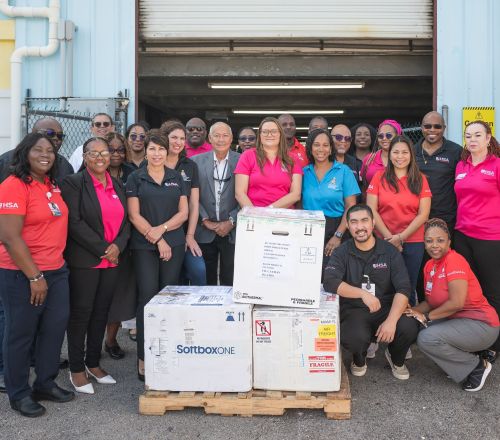
Cayman Islands blood bank sends donation to Jamaica
In a remarkable display of regional solidarity, the Cayman Islands Blood Bank has dispatched a vital shipment of 51 units of red cells and 72 units of plasma to Jamaica’s National Blood Transfusion Service. This donation, facilitated by the Health Services Authority (HSA), marks the first of several planned contributions to aid Jamaica in the aftermath of Hurricane Melissa. The initiative was spurred by an overwhelming public response, with 65 donors—including 13 first-time contributors—stepping forward to meet an urgent call for blood. This surge in donations far exceeds the usual daily average of fewer than 10 units, highlighting the community’s generosity. Dr. Lundie Richards, a consultant haematologist-oncologist at the HSA, praised the effort, describing it as a testament to humanity’s capacity for compassion. The HSA emphasized that this donation is part of a broader strategy to enhance regional health collaboration and emergency preparedness. Lizzette Yearwood, CEO of the HSA, lauded the initiative as lifesaving and urged continued donor participation, noting that blood has a limited shelf life of 35 days. Cayman Islands Health Minister Katherine Ebanks-Wilks also commended the donors, encouraging eligible individuals to contribute to both regional and local blood supplies. The Cayman Islands Blood Bank, which offers comprehensive blood-banking services, has also expanded its platelet availability and transfusion-medicine capabilities. Meanwhile, Jamaica’s Ministry of Health and Wellness has called for public blood donations as soon as conditions permit, following disruptions caused by Hurricane Melissa.
-
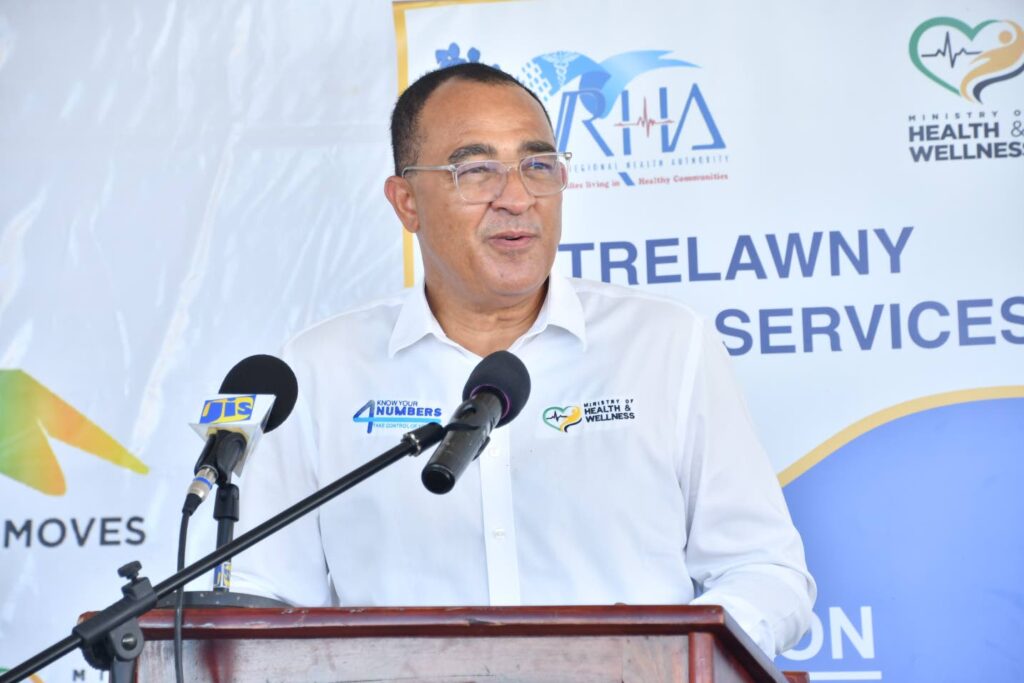
#MelissaAftermath: Field hospital to be deployed to Black River, says Tufton
In response to the devastating impact of Hurricane Melissa on St Elizabeth, Jamaica, Minister of Health and Wellness Dr. Christopher Tufton has announced the deployment of a field hospital to Black River within 24 hours. The initiative aims to restore critical health services disrupted by the hurricane. The field hospital, equipped with an operating theatre, diagnostic tools, and medical staff, will be set up by the non-governmental organization Samaritan’s Purse in collaboration with the Jamaica Defence Force (JDF) and other government agencies. Dr. Tufton emphasized that the facility will provide immediate support while assessments of the damaged Black River Hospital are conducted. Additionally, another field hospital is expected from Spain, with ongoing discussions to establish more facilities in Trelawny and Westmoreland through partnerships with Canada and India. The minister highlighted the need for psychological support for traumatized health workers and called for increased blood donations to address the surge in trauma and emergency cases. Over 200 health workers will also participate in a nationwide clean-up effort to assist hospitals in the most affected areas. Restoration of primary health facilities across the island is anticipated within the next week.
-
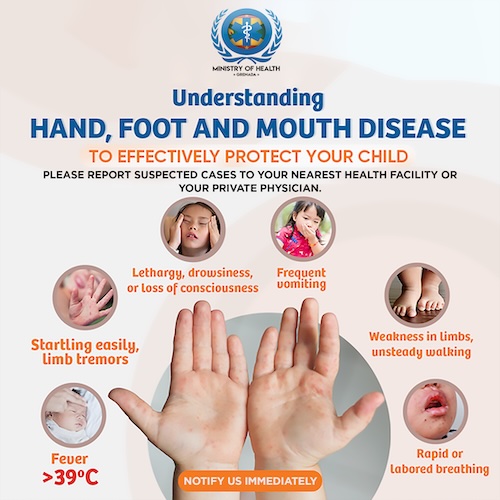
Hand, Foot, and Mouth Disease outbreak
The Ministry of Health in Grenada has swiftly mobilized to address a confirmed cluster of Hand, Foot, and Mouth Disease (HFMD) cases, primarily affecting early childhood institutions across the island. While most cases are mild, the ministry has implemented immediate containment and prevention measures to safeguard children, families, and communities. HFMD, a common viral illness, predominantly impacts young children, particularly those in daycare and preschool settings. Symptoms include fever, sore throat, reduced appetite, painful mouth sores, and a rash or blisters on the hands and feet. Most children recover fully within 7 to 10 days. Children under 10 years old are most vulnerable, especially in environments with close contact and shared play. The disease spreads through contact with nasal secretions, saliva, or fluid from blisters, touching contaminated surfaces, or close interactions like hugging or sharing utensils. To combat the outbreak, the Ministry of Health has launched sanitation and deep cleaning of affected facilities, conducted health education sessions for staff and parents, and enhanced surveillance and monitoring initiatives. Public health officials are collaborating with schools, healthcare providers, and community leaders to contain the spread. Parents and caregivers are urged to practice frequent handwashing, disinfect toys and surfaces, keep symptomatic children at home, avoid sharing personal items, and teach children proper cough and sneeze etiquette. Early detection, responsible care, and community cooperation are crucial to limiting the spread of HFMD. For further information, individuals are encouraged to contact the Ministry of Health or their nearest medical station.
-
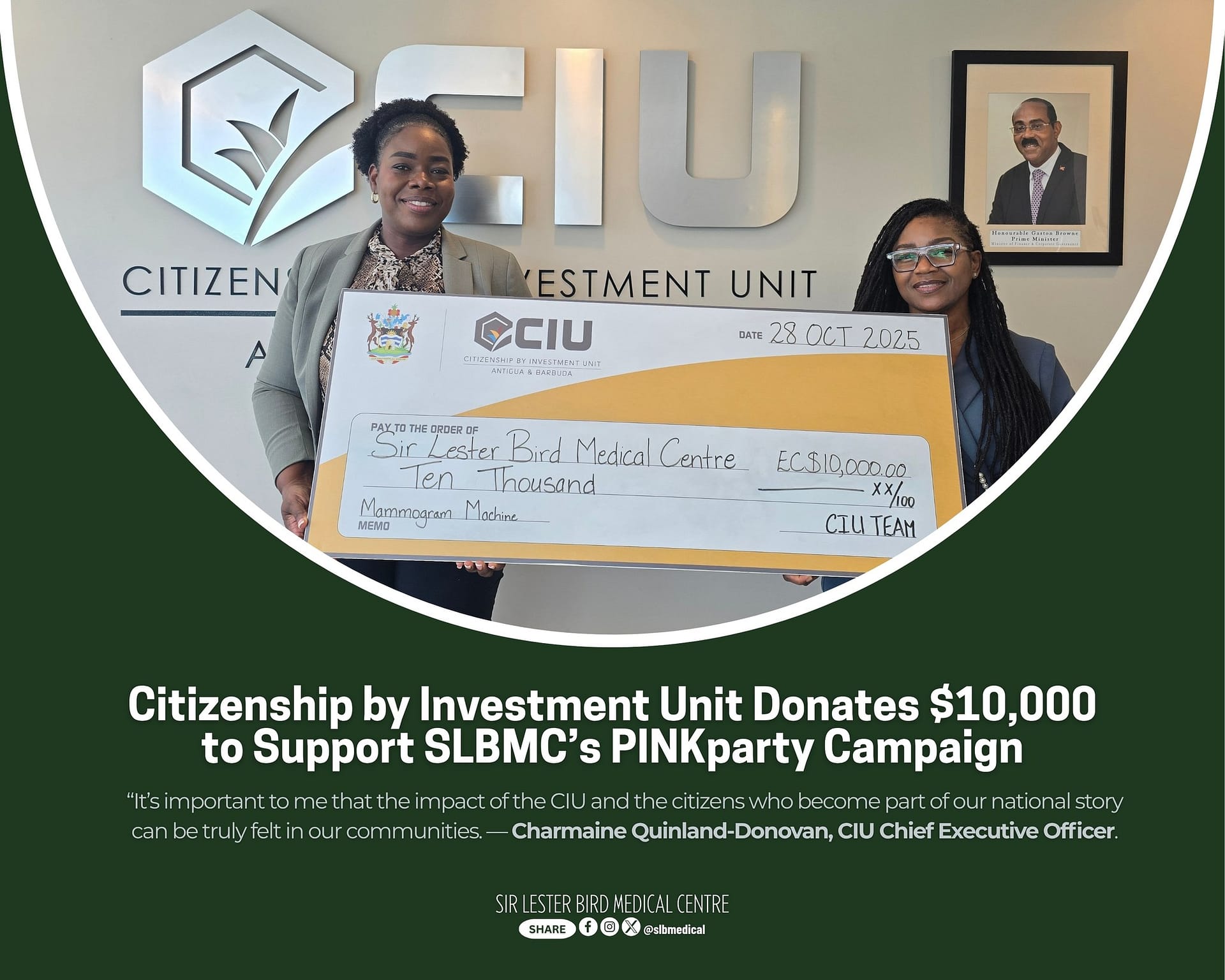
CIU Donates $10,000 to SLBMC’s PINKparty Campaign Supporting Breast Cancer Care
The Sir Lester Bird Medical Centre (SLBMC) has secured a significant boost to its breast cancer awareness efforts with a $10,000 XCD donation from the Citizenship by Investment Unit (CIU). This contribution supports the 13th annual PINKparty campaign, which has achieved a record-breaking fundraising milestone this year. The funds raised will be directed toward the hospital’s ambitious goal of acquiring a new mammogram system, estimated at $250,000 XCD, to enhance breast cancer care in Antigua and Barbuda. The CIU’s donation underscores its ongoing partnership with SLBMC, which also included sponsorship of the recent Multidisciplinary Cancer Symposium. This event united regional healthcare professionals to explore innovative strategies in cancer prevention, diagnosis, and treatment. Charmaine Quinland-Donovan, CEO of the CIU, emphasized the Unit’s dedication to fostering tangible community impact through healthcare initiatives. She stated, ‘Supporting SLBMC’s PINKparty campaign allows us to play a meaningful role in advancing cancer awareness and care.’ SLBMC expressed profound gratitude for the CIU’s unwavering support, noting that contributions like these bring the hospital closer to its $100,000 fundraising target. While October concludes Breast Cancer Awareness Month, SLBMC encourages continued engagement through donations and the purchase of commemorative PINKparty T-shirts.
-
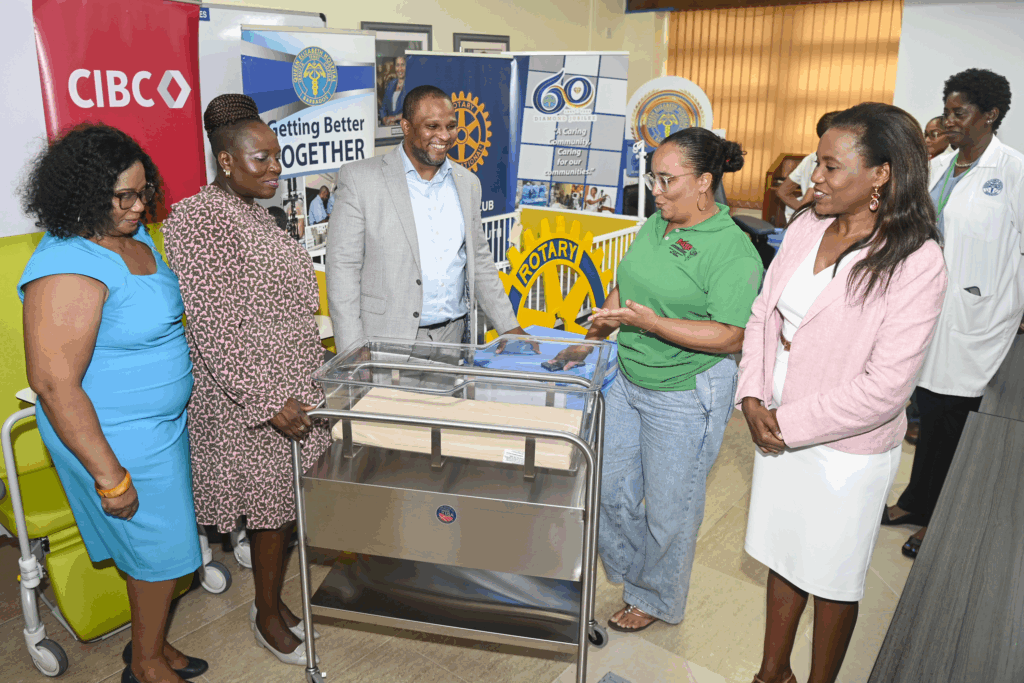
QEH’s Paediatric Department gets needed equipment
The Paediatrics Department at Queen Elizabeth Hospital (QEH) in Barbados has received a significant boost in its capacity to provide enhanced care and comfort to its young patients, thanks to the collaborative efforts of the Rotary Club of Barbados South Charitable Trust, CIBC Caribbean, and the Bridge Supermarket. A generous donation of $75,000 worth of specialized medical equipment has been made to the department, marking a pivotal moment in the hospital’s commitment to improving pediatric healthcare.