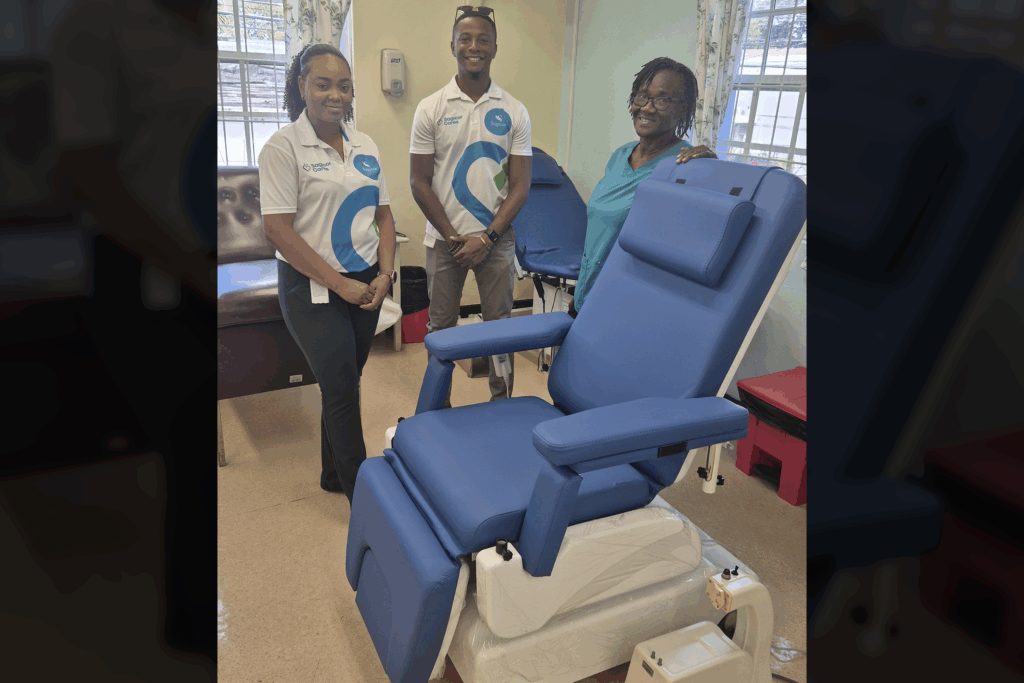
The National Blood Collection Centre has significantly enhanced its operational capacity with the generous donation of a state-of-the-art multifunctional blood donor electric bed from Sagicor. This contribution increases the total number of beds at the facility to eight, improving both efficiency and comfort for donors and staff alike. Nurse Wendy Lorde, Senior Blood Collecting Technician, expressed heartfelt gratitude for the timely donation, emphasizing its transformative impact on the Centre’s ability to serve the public. ‘This new bed from Sagicor has revolutionized our daily operations,’ she remarked. ‘Previously, we had four beds, one of which required replacement. With the addition of three beds from the QEH and now this latest donation, we have eight fully functional units. This allows us to accommodate more donors simultaneously, with each bed facilitating at least seven donations daily. This not only reduces waiting times but also ensures a more comfortable experience for everyone.’ Nurse Lorde also highlighted a positive trend of increased blood donations in recent months, particularly from individuals donating on behalf of family and friends. However, she encouraged more people to become regular donors, stressing the importance of a consistent blood supply in saving lives. Paul Inniss, Executive Vice President and General Manager of Sagicor Life Inc. (Barbados), shared the company’s pride in supporting the National Blood Collection Centre’s vital work. ‘At Sagicor, we are committed to caring for our communities in meaningful ways. The Centre plays a pivotal role in sustaining our healthcare system, and we are honored to contribute to making the donation process more accessible and comfortable. We hope this donation inspires more Barbadians to give the gift of life.’ This initiative is part of Sagicor’s broader commitment to health and wellness across Barbados and the region.
分类: health
-

ABWU Announces Dr Dwayne ‘Baba’ Thwaites as Featured Speaker for 2025 Men’s Conference
The Antigua and Barbuda Workers’ Union (ABWU) has revealed that Dr. Dwayne “Baba” Thwaites, a distinguished urologist, will be the keynote speaker at its 2025 International Men’s Day Conference. Scheduled for November 19, the event, themed “Healthy Men, Healthy Workplaces, Healthy Society,” will emphasize men’s physical and mental health, early disease detection, and fostering healthier work environments. Dr. Thwaites’ participation underscores the Union’s dedication to advancing discussions on men’s health both nationally and regionally. Recognized as one of the Caribbean’s foremost urology experts, Dr. Thwaites boasts a career marked by clinical excellence, groundbreaking research, and public health advocacy. His extensive training includes stints at prestigious U.S. institutions such as the University of Miami, Emory University, and the State University of New York. A graduate of Ottos Comprehensive School and St Joseph’s Academy, Dr. Thwaites completed his undergraduate studies at St Leo University in Florida and post-baccalaureate work at the University of South Florida. He earned his medical degree from the University of Miami, followed by a general surgery residency in New York and a trauma fellowship at St Vincent Hospital in Staten Island. Dr. Thwaites made history as Chief of Surgery at Alexandra Hospital in Nevis, performing the first laparoscopic surgery in the Eastern Caribbean. After specializing in urology at Emory University and the University of Miami, he returned to the region to conduct its first laser prostatectomy. Today, he maintains a successful urology practice and spearheads annual prostate screening initiatives across the Eastern Caribbean. The ABWU highlighted Dr. Thwaites’ trailblazing contributions and focus on early detection as vital to the conference’s mission. The event will convene on Wednesday, November 19, 2025.
-
Know your number on diabetes, before it comes up
On World Diabetes Day, the Diabetes and Hypertension Association of Barbados issued a stark reminder: diabetes is not merely a medical issue but a significant workforce and economic challenge. With seven in ten people living with diabetes globally being of working age, the condition is increasingly affecting younger populations, not just the elderly. This revelation, as highlighted by association president Tyrone Lowe, underscores a growing national concern, particularly amid Barbados’ labor shortages and efforts to boost inward migration to rejuvenate its workforce.
Lowe emphasized the ‘silent suffering’ experienced by many individuals in workplaces, schools, and job sites. Despite outward appearances of normalcy, those with diabetes often endure emotional distress, stigma, and the fear of severe complications like heart attacks or strokes. The psychological burden, compounded by constant medication and dietary restrictions, creates a culture of silence, especially among younger people who may avoid seeking support to avoid appearing ‘abnormal.’
This silence, Lowe warns, can have devastating consequences, leading to delayed treatment and severe health crises. To address this, he calls for greater compassion and practical support, urging corporations to implement wellness policies, offer flexible medical appointment schedules, and provide healthy food options in workplace canteens. The association’s ‘Know Your Numbers’ campaign encourages individuals and employers to monitor key health metrics like blood pressure and blood sugar levels, aiming to prevent complications before they arise.
Ultimately, breaking the stigma surrounding diabetes requires open dialogue and a shift away from gossip or pity. As Lowe aptly puts it, ‘The more we talk about it, the more we acknowledge that this can happen to anyone.’ By fostering a supportive environment, Barbados can better tackle this silent crisis and safeguard its workforce and economy.
-
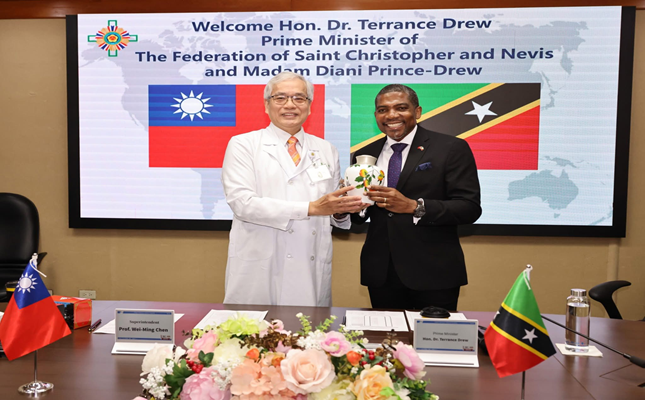
Prime Minister of Saint Kitts and Nevis Visits Taipei Veterans General Hospital for AI and Smart Healthcare Exchange
On November 13, 2025, Prime Minister Hon. Dr. Terrance Drew of Saint Kitts and Nevis, accompanied by a high-level delegation, visited Taipei Veterans General Hospital (TVGH) to engage in discussions on Taiwan’s advancements in artificial intelligence (AI) and smart healthcare. The visit, which included Ambassador Edward Tao and H.E. Donya Francis, the Ambassador of Saint Kitts and Nevis to Taiwan, focused on fostering collaboration in public health, medical technology, and professional training. Dr. Wei-Ming Chen, Director of TVGH, highlighted Taiwan’s dedication to delivering professional and compassionate healthcare, underscoring its role as a key player in health diplomacy. Prime Minister Drew commended Taiwan as a reliable ally and expressed optimism about deepening bilateral cooperation in healthcare and technology to improve the well-being of citizens in both nations.
-

Health officials report three suspected cases of cholera
The Dominican Republic remains on high alert as it reports three suspected cases of cholera in the final week of the year, according to the Ministry of Public Health (MSP). While no confirmed cases or deaths have been recorded, the country faces significant risk due to the ongoing cholera outbreak in neighboring Haiti. Health authorities emphasized that Haiti continues to report community outbreaks of cholera, with confirmed circulation of the Vibrio cholerae O1 bacterium, raising concerns about potential imported cases through land and river routes. To date, 30 suspected cases have been identified, primarily concentrated in Santo Domingo, Santiago, the National District, Barahona, and Monte Cristi. In response, the Dominican Republic has activated its National Contingency Plan to strengthen prevention and control measures. This includes active surveillance of acute diarrhea, screening at border points and binational markets, water and food sampling, and distribution of essential supplies like oral rehydration salts, chlorine, and emergency kits. Public health officials are also conducting health education campaigns on hygiene, handwashing, and safe water use. Cholera, a bacterial intestinal infection transmitted through contaminated water or food, can cause severe watery diarrhea and vomiting, leading to dehydration and, in extreme cases, death. Authorities urge individuals experiencing these symptoms to seek immediate medical attention. Preventive measures include proper handwashing, consuming safe food and water, and maintaining optimal sanitary conditions. The Dominican Republic has intensified surveillance in border provinces such as Dajabón, Elías Piña, Independencia, and Pedernales to mitigate the risk of cholera spreading from Haiti. The crisis in Haiti, exacerbated by poor sanitation and heavy rains, has resulted in 17 confirmed deaths since September, with fears of further escalation due to the country’s extreme vulnerability and internal displacement caused by armed gang violence. Despite these challenges, Dominican health authorities remain confident in their ability to prevent the spread of cholera within their borders.
-
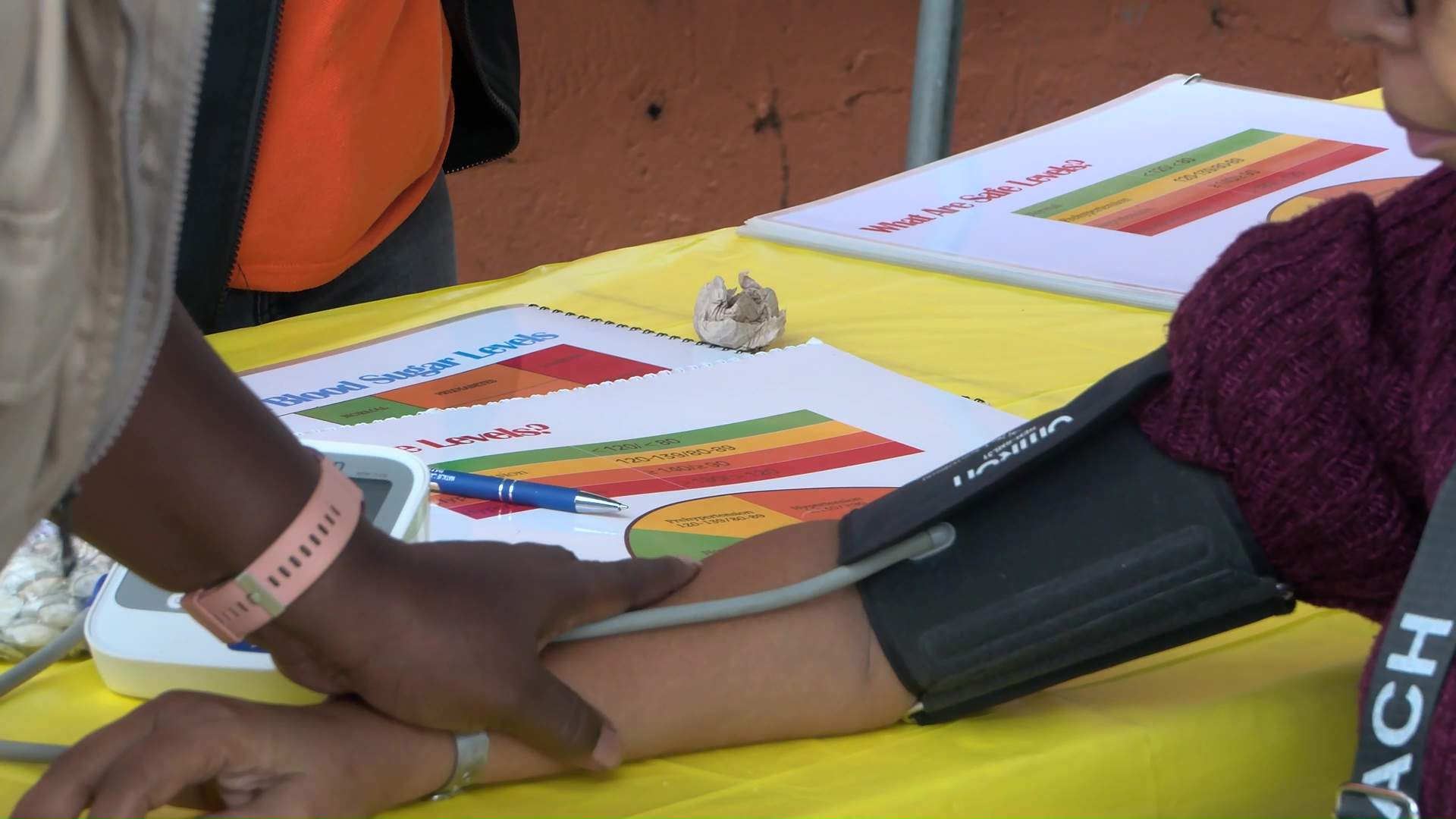
Belize Urged to Act as Diabetes Claims Hundreds
On November 14, 2025, Belize joined the global community in observing World Diabetes Day, with a pressing call to action against the escalating diabetes crisis. Diabetes has emerged as the third leading cause of death in Belize, claiming over 200 lives this year alone. Health leaders, including Lynette Valerio, President of the Belize Diabetes Association, emphasized that the time for awareness has passed, and immediate action is now imperative. This year’s theme, ‘Diabetes and Well-being,’ particularly highlights the role of workplaces in managing the disease. Valerio stressed that combating diabetes is not just an individual responsibility but a collective national effort. She urged businesses to implement workplace wellness programs, noting that many employees with diabetes face challenges in managing their condition due to a lack of understanding or support from employers. The association called for greater investment in workplace health initiatives to ensure employees can access medical checkups and medication without hindrance. The message is clear: Belize must act decisively to address this public health emergency.
-
CARPHA calls for greater action
In observance of World Diabetes Day, the Caribbean Public Health Agency (CARPHA) has issued a compelling appeal to governments, healthcare providers, civil society organizations, workplaces, and individuals across the region to rally behind the global theme, ‘Diabetes and Wellbeing.’ This initiative underscores the campaign’s focus on addressing diabetes in the workplace, curbing its rising prevalence, and mitigating its life-altering complications that affect thousands in the Caribbean. Diabetes, a chronic condition resulting from insufficient insulin production or ineffective insulin use, can lead to severe health issues such as nerve damage, cardiovascular diseases, kidney failure, blindness, and lower-limb amputations if not properly managed. Globally, diabetes remains a critical health threat, with 1.6 million deaths attributed to it in 2021, nearly half of which occurred before the age of 70. High blood glucose levels also accounted for 11% of cardiovascular deaths. The prevalence of diabetes has doubled since 1990, with 14% of adults living with the condition in 2022. In the Caribbean, diabetes is a significant public health challenge, with the highest prevalence in the Americas at 11.9%. Risk factors such as obesity (23.2%), physical inactivity (31%), and unhealthy diets are also alarmingly high. Dr. Lisa Indar, Executive Director of CARPHA, highlighted the agency’s efforts to combat diabetes through capacity-building initiatives. Over 100 healthcare providers and civil society representatives across five member states have been trained using CARPHA’s Guidelines for the Management of Diabetes in Primary Care in the Caribbean, adding to the 17 member states trained from 2021 to 2022. CARPHA is also set to relaunch an online, on-demand version of this training via a Moodle Learning Management System to enhance accessibility. CARPHA emphasizes that many risk factors for type 2 diabetes are preventable through healthy diets, regular physical activity, maintaining a healthy weight, avoiding tobacco, and limiting alcohol. For those living with diabetes, proper treatment, lifestyle changes, and regular screenings can prevent or delay complications. CARPHA urges member states and partners to expand access to free or affordable diabetes risk screenings, implement or update national diabetes guidelines, promote healthy environments, and engage communities and individuals in prevention and care. Self-management, including monitoring blood glucose levels, adhering to medication, and maintaining a healthy lifestyle, is crucial for individuals with diabetes. World Diabetes Day, the largest diabetes awareness campaign globally, unites individuals, healthcare professionals, advocates, policymakers, and the public to raise awareness and take action against diabetes, reaching over 160 countries.
-

New mosquito challenge in St Ann
Leroy Scott, the Chief Public Health Inspector for St Ann, has called on residents to take immediate action to eliminate potential mosquito breeding sites in the wake of Hurricane Melissa and ongoing rainfall. Speaking at the St Ann Municipal Corporation’s monthly meeting on Thursday, Scott highlighted a concerning surge in mosquito breeding, particularly of the Culex species, which thrive in flooded areas, clogged drains, and stagnant water collections. Unlike the Aedes aegypti mosquito, Culex mosquitoes do not breed in containers but instead in debris, ponds, and natural water accumulations left by the storm. Scott emphasized that these mosquitoes attack in swarms and are persistent, making the situation particularly challenging. He urged residents to clear debris, unblock drains, and remove fallen trees and vegetation to mitigate the issue. The health department has intensified its efforts with larvicidal treatments, oiling of temporary water accumulations, and a rigorous fogging schedule over the next five weeks. Scott advised residents to protect themselves by staying indoors when possible, as the Culex mosquitoes are larger, darker, and more aggressive than other species.
-

Ethiopia confirms outbreak of deadly Marbug virus: Africa CDC
Ethiopia has officially declared an outbreak of the highly lethal Marburg virus in its southern region, as confirmed by the Africa Centres for Disease Control and Prevention (Africa CDC) on Saturday. The virus, known for its severe hemorrhagic symptoms akin to Ebola, has already been detected in at least nine cases. The National Reference Laboratory in Ethiopia has verified the presence of the virus, with ongoing epidemiological investigations revealing similarities to strains previously identified in East Africa. The Marburg virus, transmitted through contact with bodily fluids, boasts a fatality rate ranging from 25% to 80%. It causes symptoms such as fever, vomiting, diarrhea, and severe bleeding, with an incubation period of up to 21 days. Ethiopian health authorities have swiftly mobilized to contain the outbreak in the Jinka area, collaborating with Africa CDC to mitigate the risk of further spread across East Africa. This development follows recent outbreaks in Tanzania and Rwanda, where the virus claimed 10 and 15 lives, respectively. While no approved vaccine or antiviral treatment exists, supportive care, including rehydration and symptom management, can improve survival rates. Notably, Rwanda recently trialed an experimental vaccine developed by the US-based Sabin Vaccine Institute.
-
World Diabetes Day: a growing epidemic
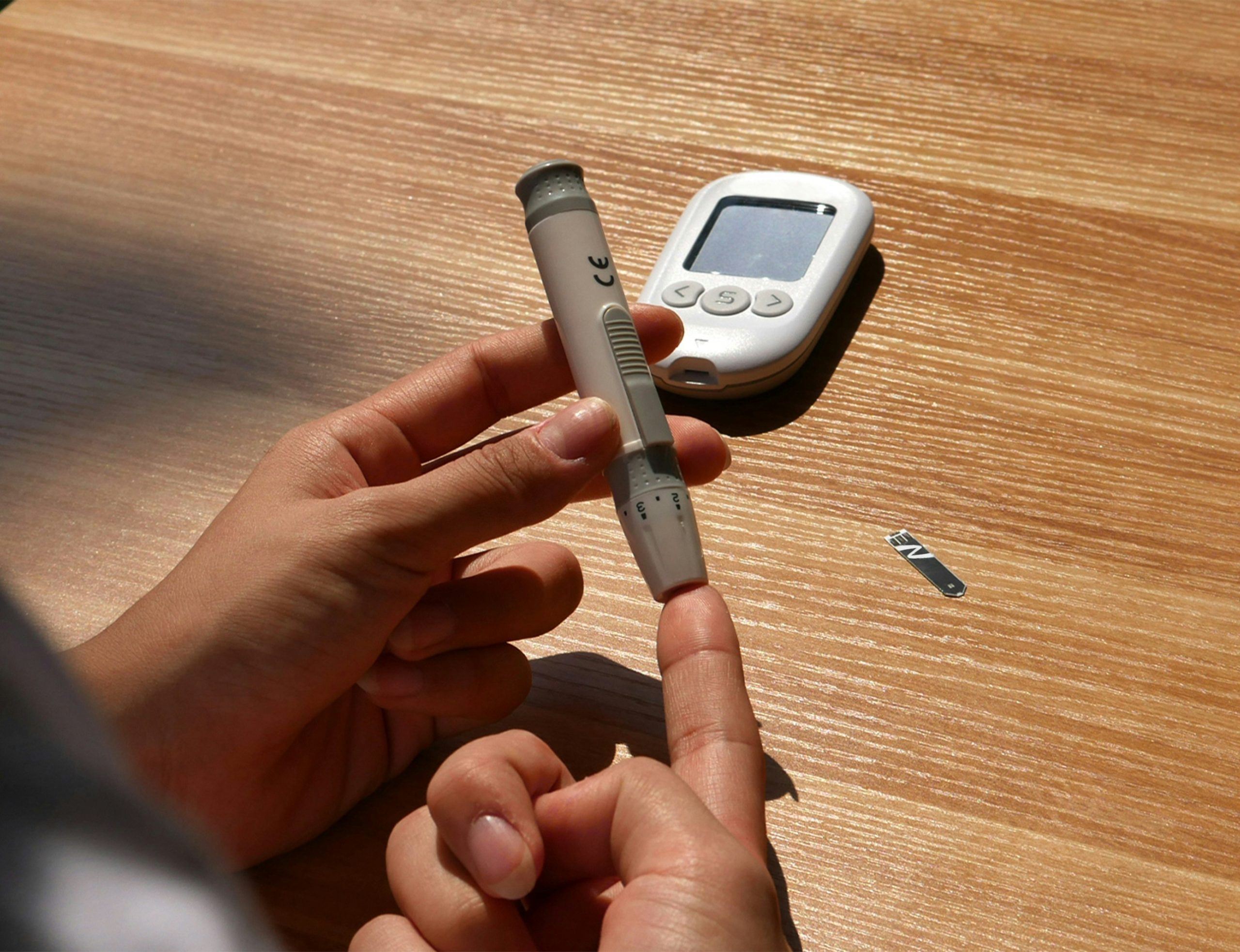
Santo Domingo – On World Diabetes Day, health experts across Latin America issued a compelling call for early diagnosis, enhanced patient education, and the eradication of widespread myths that obstruct effective diabetes management. With regional data revealing that 112 million adults are living with diabetes—a figure that has tripled since 1990—the condition has emerged as one of the region’s most pressing public health crises.