
A concerning spike in syphilis infections among pregnant women has been revealed by Dr. Adesh Sirjusingh, a prominent obstetrician and gynaecologist, during a Pan American Health Organization (PAHO) event. The ceremony, held at the Health Ministry’s headquarters in Port of Spain on November 18, marked the handover of telehealth kits and computers to support efforts to eliminate mother-to-child transmission of diseases. Dr. Sirjusingh highlighted that the number of cases has surged dramatically, with nearly 200 cases reported this year compared to the usual 30 to 40 cases annually. The ministry is now investigating the underlying causes of this resurgence and implementing strategies to enhance treatment and reduce transmission. Dr. Sirjusingh emphasized the importance of early diagnosis and treatment with penicillin, which can effectively prevent complications if administered at least six weeks before delivery. He urged pregnant women to seek early antenatal care to ensure timely testing and treatment. Syphilis, often asymptomatic in women, can lead to severe outcomes such as miscarriage, foetal death, and long-term developmental issues in infants. While maternal HIV cases have declined due to robust healthcare programmes, the rise in syphilis cases, including among children, remains a pressing concern. PAHO initiatives are ongoing to validate progress in eliminating mother-to-child transmission, but the increasing number of detected cases underscores the need for heightened public health efforts.
分类: health
-
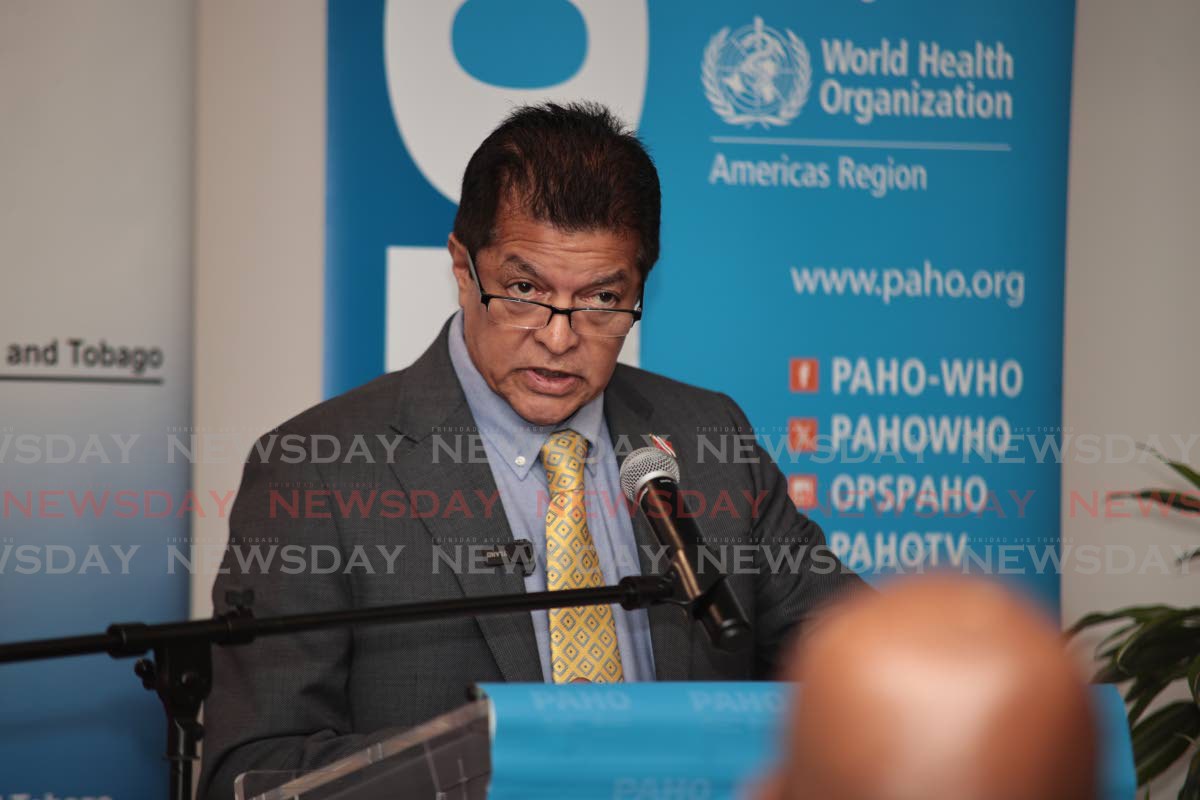
Bodoe: Couva hospital may open by end of 2025
Health Minister Dr. Lackram Bodoe has acknowledged the ongoing shortage of nurses in Trinidad and Tobago but reaffirmed the government’s commitment to opening the Couva Children’s Hospital. Speaking in response to queries about the facility’s readiness, Bodoe stated, “A plan is in place, which will be unveiled in the coming weeks.” This follows Public Utilities Minister Barry Padarath’s announcement on November 15 that the hospital is expected to admit its first group of young patients soon. Padarath made the remarks during his feature address at Bachhe Kaand 2025: The Children’s Chapter. However, Idi Stuart, president of the National Nursing Association, has raised concerns about staffing shortages, warning that opening a new hospital could strain resources and compromise patient care. When asked about Stuart’s concerns, Bodoe acknowledged the nurse shortage but emphasized ongoing efforts to address it through training and recruitment. He assured that all necessary resources, both human and material, would be allocated appropriately. Bodoe clarified that the hospital is not yet operational and confirmed that no patients are currently being treated there. He expressed hope for the facility’s opening by the end of the year, pending favorable conditions. The Couva Hospital, initially opened ceremoniously in August 2015 by then-Prime Minister Kamla Persad-Bissessar, has been a subject of political contention since its inception. During the COVID-19 pandemic, it was repurposed as a treatment facility. Developed in partnership with Shanghai Construction Group International (Caribbean) Ltd., the hospital was designed to provide advanced medical services and support training in medicine, nursing, pharmacology, and optometry. The facility features two three-storey towers with a combined 230 beds, diagnostic and imaging units, surgical theaters, and a helipad for emergency airlifts. The initial reported cost of the project was $1.6 billion.
-
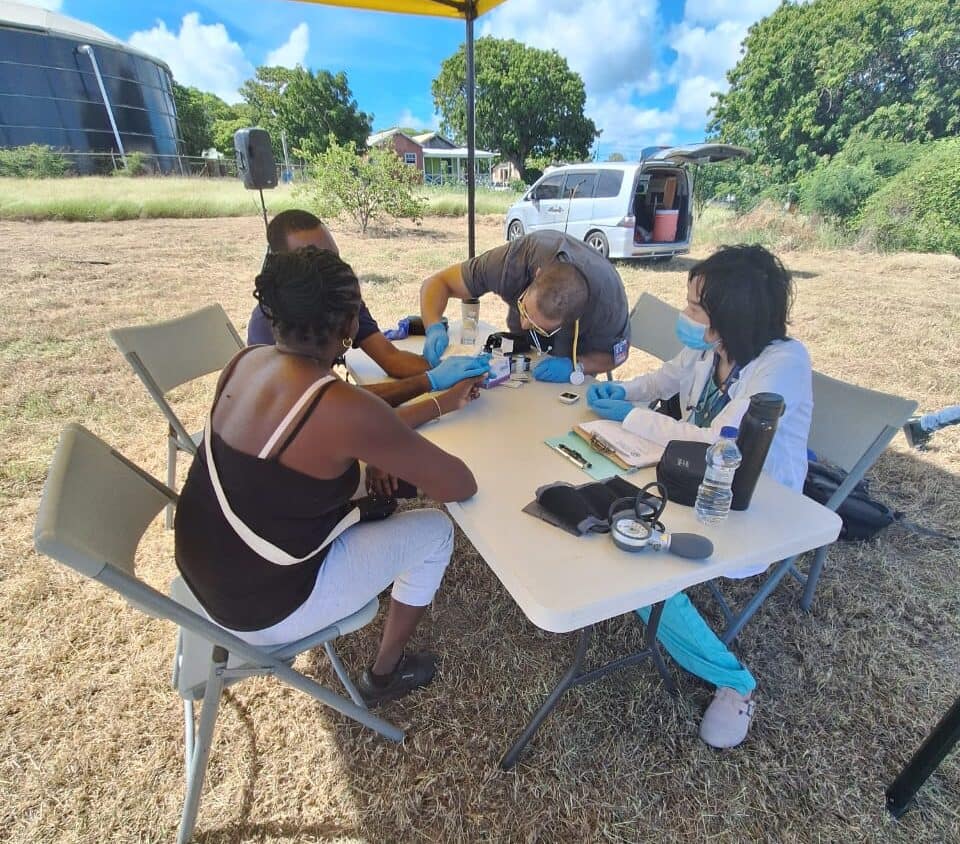
Adrian Richardson Hosts Second Annual Health Fair in St. Phillip South
On Sunday, November 16, 2025, Adrian Richardson, the ABLP’s political aspirant for St. Phillip South, spearheaded his second annual Health Fair at the St. Phillips Village Playing Field. Addressing prevalent health issues within the constituency, Richardson highlighted the alarming rates of diabetes and mental health conditions. Known as the ‘Action Man,’ Richardson emphasized that adopting healthier eating habits and regular exercise could significantly mitigate the impact of diabetes, asserting that it need not be a lifelong burden. He also pointed out that stress is a critical factor exacerbating mental health issues, urging the community to reduce exposure to negativity and foster environments that promote positive growth. The event featured a team of healthcare professionals from the American University of Antigua, including Ms. Chaniel Imhoff, who specialize in mental health, nutrition, and general health. Richardson, who has a strong religious background, has consistently advocated for a healthier, more positive lifestyle. He concluded by encouraging everyone to prioritize their health, stating that without it, all other aspects of life lose their value.
-

Nutritional Cannabis in the Management of Diabetes
In Dominica, diabetes affects approximately 18% of females and 14% of males, highlighting a significant public health challenge. Recent insights suggest that nutritional cannabis—consumed in its raw form, including sprouts or microgreens—offers profound biochemical support to the Endogenous Cannabinoid System (ECS). Present in every living cell, the ECS plays a pivotal role in regulating the Endocrine, Paracrine, Autocrine, and Intracrine systems, which govern bodily functions at cellular, tissue, and systemic levels. This discovery has sparked interest in cannabis as a potential adjunct in diabetes management. Diabetes manifests in various forms: Type 1, where the immune system attacks pancreatic Islets of Langerhans; Type 2, characterized by insulin resistance and organ damage; Type 3, linked to Alzheimer’s disease due to brain insulin resistance; and Type 3c, resulting from pancreatic damage. Historically, the immune system was believed to protect the body from self-attack, but research has since identified autoimmune disorders, coining the term ‘Auto toxicus Horribliis.’ Raw cannabis, rich in medicinal acidic cannabinoids, terpenes, and flavonoids, supports physiological regulation. However, drying or heating cannabis diminishes its biochemical efficacy. To enhance palatability, raw cannabis is often soaked and blended with fruits or vegetables, making it a viable dietary addition for diabetes management. This innovative approach, championed by Dr. William Courtney and Marcia Moulon, Esq., underscores the potential of nutritional cannabis in addressing diabetes and related conditions.
-

Health : Towards the reconstruction of the L’Asile Community Referral Hospital
The L’Asile Community Referral Hospital (HCR) in Haiti’s Nippes Department, severely damaged by the devastating earthquake of August 14, 2021, has been operating in temporary spaces that are inadequate to meet the healthcare needs of the local population. Despite these challenges, the hospital continues to provide essential services. On September 14, 2025, a significant step was taken toward its reconstruction. Dr. Esther Ceus Dumont, Departmental Director of the Nippes Health Directorate (DSNI), alongside Carl Yvans Petit Frère, Project Management Unit Supervisor for the World Bank, and other officials, conducted a site visit to prepare for the tender process. This visit aimed to gather critical data for the demolition of damaged structures and the construction of a new, modern hospital center, a priority project of the Ministry of Public Health. In addition to the L’Asile Hospital, several other health infrastructure projects in Nippes are making progress. The Lomond Health Center is nearing completion, the Paillant Health Center is being reconstructed satisfactorily, and work on the Changeux Health Center is set to begin soon, with initial funding already disbursed. These initiatives underscore the DSNI’s commitment to enhancing the departmental health system, improving access to care, and building resilient infrastructure tailored to the needs of local communities.
-

WHO chief urges clampdown on nicotine products aimed at kids
GENEVA, Switzerland—The World Health Organization (WHO) has issued a stark warning about the growing threat of new tobacco and nicotine products targeting young people. Speaking at the opening of a global conference on tobacco control, WHO Director-General Tedros Adhanom Ghebreyesus highlighted the alarming rise in the use of disposable e-cigarettes and flavored nicotine pouches among adolescents. He emphasized that these products are fueling a new wave of addiction, with schools becoming the new battleground in the fight against tobacco.
-

Tufton sounds alarm
In the wake of Hurricane Melissa, which devastated five parishes in western Jamaica, Health and Wellness Minister Dr. Christopher Tufton has issued a stark warning about the escalating health risks posed by environmental diseases. Speaking at a meeting with public health workers in Savanna-la-Mar, Westmoreland, Tufton emphasized that water-borne and food-related illnesses now represent the most significant threat to residents in the affected areas. The Category 5 hurricane, which struck on October 28, left widespread destruction, including power outages, limited access to clean water, and disrupted communication networks. Tufton highlighted that while immediate post-storm threats like mosquitoes and dead animals were minimal, the current risks include diseases such as leptospirosis and gastroenteritis, which can lead to severe health complications or even death. He urged health workers to remain vigilant and proactive in managing these risks over the next six weeks to two months. The minister also acknowledged logistical challenges, such as blocked roads and limited telecommunication services, and encouraged the use of innovative methods like town criers to disseminate health information. Additionally, he praised the efforts of local health departments, which are equipped with hand-held foggers and receiving support from other regions and institutions like the University of Technology, Jamaica. With approximately 3,000 health workers deployed across the country, the ministry is intensifying its vector control programs to mitigate the health crisis.
-
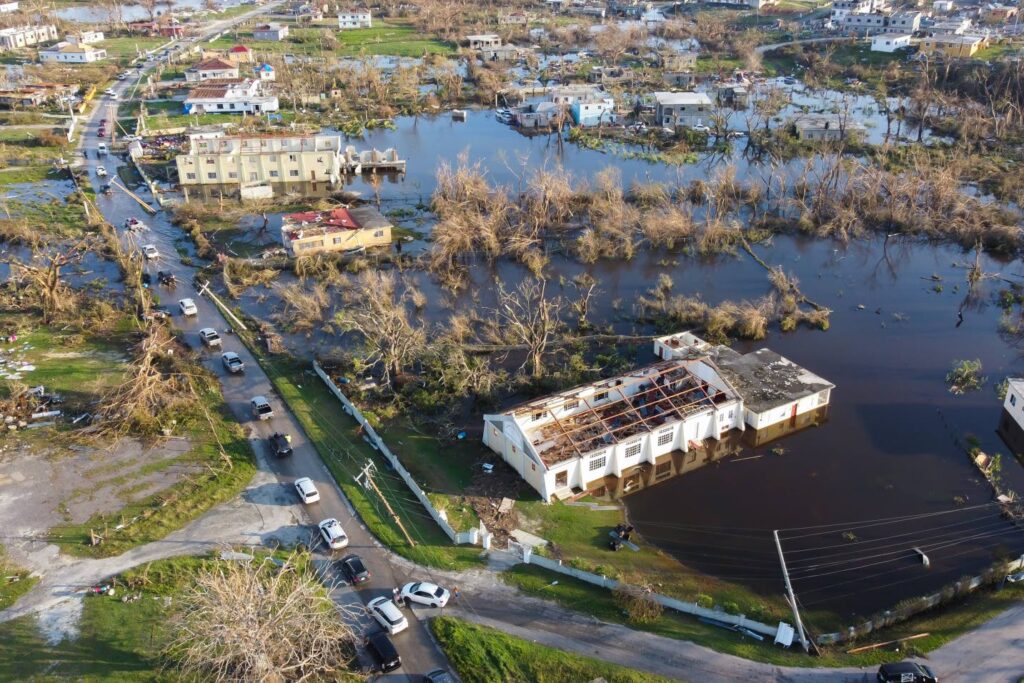
Health alert!
In the wake of Hurricane Melissa, Jamaica’s health authorities have ramped up measures to prevent the spread of water-borne illnesses and other health hazards. Health and Wellness Minister Dr. Christopher Tufton emphasized the critical need to manage dead livestock and contaminated food products, which can rapidly lead to disease outbreaks, foul odors, and water source contamination if not handled properly. Speaking at a webinar titled ‘Let’s talk recovery: Protecting against food and water-borne illnesses after a disaster,’ Tufton detailed the ministry’s collaboration with the veterinary public health unit, the Ministry of Agriculture, and local public health inspectors to remove, bury, or destroy animal carcasses and related waste in accordance with strict national and international standards. Hurricane Melissa, a Category 5 storm, struck western Jamaica on October 28, causing widespread displacement and the deaths of numerous animals, whose remains now pose a significant public health risk. Chief Medical Officer Dr. Jacquiline Bisasor-McKenzie highlighted several post-hurricane factors exacerbating health issues, including power loss, compromised water and food supplies, solid waste accumulation, and overcrowding in shelters. These conditions increase the likelihood of infections and diseases, including food, water-borne, vector-borne, and air-borne illnesses. The hurricane has also severely impacted health facilities across the island, with many hospitals and clinics either partially operational or completely out of service. Efforts are underway to restore healthcare services, including the establishment of field hospitals to address the immediate needs of affected communities.
-

Infant formula recall after botulism outbreak
The Ministry of Health (MoH) has issued a critical advisory to parents regarding an international recall of ByHeart Whole Nutrition baby formula, which has been linked to multiple cases of infant botulism. While the product is not officially listed for sale in Trinidad and Tobago, the ministry is urging caution as consumers may have purchased it online. According to the Centers for Disease Control and Prevention (CDC) and the Food and Drug Administration (FDA), the contaminated formula has caused severe health issues in infants. Symptoms of infant botulism include poor feeding, loss of head control, difficulty swallowing, and decreased facial expression. Parents are advised to seek immediate medical attention if their child exhibits any of these symptoms after consuming the formula. The ministry emphasized that symptoms may take several weeks to manifest, urging continued vigilance. Additionally, the public is advised to discontinue use of the product, consult a physician if adverse effects are observed, and return the product to the point of purchase where possible. For further information, individuals can contact the Chemistry Food and Drug Division at (868) 217-4664 Ext. 13121.
-
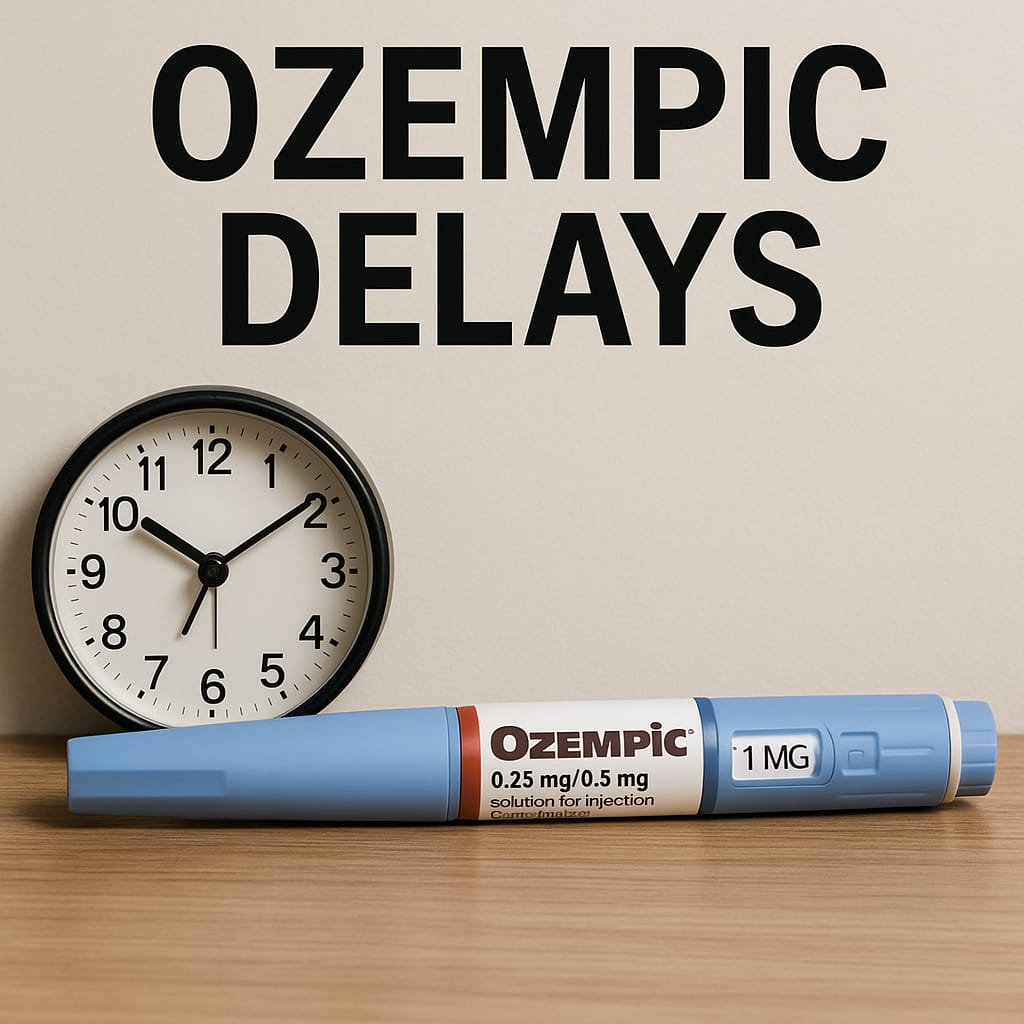
LETTER: Patient Appeals for Urgent Fix to Ozempic Delays at Medical Benefits
As a diabetic patient reliant on the Medical Benefits Scheme (MBS) for essential medication, I have been prescribed Ozempic for the past eight months after other treatments failed to manage my blood sugar effectively. While the medication has been beneficial, the bureaucratic hurdles in accessing it have become a significant burden.