
Belize is gaining international recognition in the healthcare sector, thanks to the remarkable achievements of Dr. Randall Edgell. Born and raised in Belize, Dr. Edgell’s journey from Saint John’s College to becoming a leading neurologist is nothing short of inspiring. Currently serving as the director of the Souers Stroke Institute at Saint Louis University School of Medicine, he is revolutionizing stroke care and saving countless lives. In a recent interview with Belize on Reel, Dr. Edgell shared his story of perseverance, passion, and the drive to make a difference. His work has taken him across the globe, including Egypt and Iran, where he mentors aspiring researchers and shares his expertise. Dr. Edgell’s message to Belizeans is clear: seize opportunities and seek mentorship to advance in your chosen field. Earlier this year, he was honored with the prestigious Sydney Souers Grant Award, a testament to his contributions to medicine. Despite living abroad, Dr. Edgell remains deeply connected to Belize, often returning to inspire others and demonstrate that greatness knows no boundaries. His story is a beacon of hope and a reminder that with determination, anyone can achieve their dreams.
分类: health
-

Free Vaccine Available to Prevent Deadly Pneumonia Bacteria
In a significant public health initiative, the Ministry of Health and Wellness in Belize has announced the nationwide availability of the PCV-Thirteen vaccine at no cost. This vaccine, which protects against pneumonia, meningitis, and other streptococcus pneumoniae infections, is now accessible to all citizens, particularly targeting the vulnerable populations of children and the elderly. Previously, the vaccine cost over $350 at private health facilities, making it inaccessible to many. The PCV-Thirteen vaccine is designed to prevent severe illnesses caused by streptococcus pneumoniae, which can lead to life-threatening conditions such as pneumonia, meningitis, sinusitis, ear infections, and blood infections. According to the World Health Organization, these infections claim the lives of approximately 300,000 children under five and over 200,000 adults aged seventy and above globally each year. Nurse Lylia Middleton, the Expanding Program Immunization Manager at the Ministry of Health and Wellness, emphasized the prevalence of pneumonia in Belize, particularly among the elderly and young children. She noted that many individuals have been hospitalized or have died from these preventable infections. The PCV-Thirteen vaccine offers lifelong protection with a single dose, and while it may cause minor side effects, it significantly reduces the risk of severe illness and death. This initiative builds on a previous program introduced in 2010, which provided the PCV-Ten vaccine free of charge but only to children aged two months to five years. The expanded program now includes all age groups, reflecting the government’s commitment to improving public health outcomes and reducing the burden of preventable diseases in Belize.
-
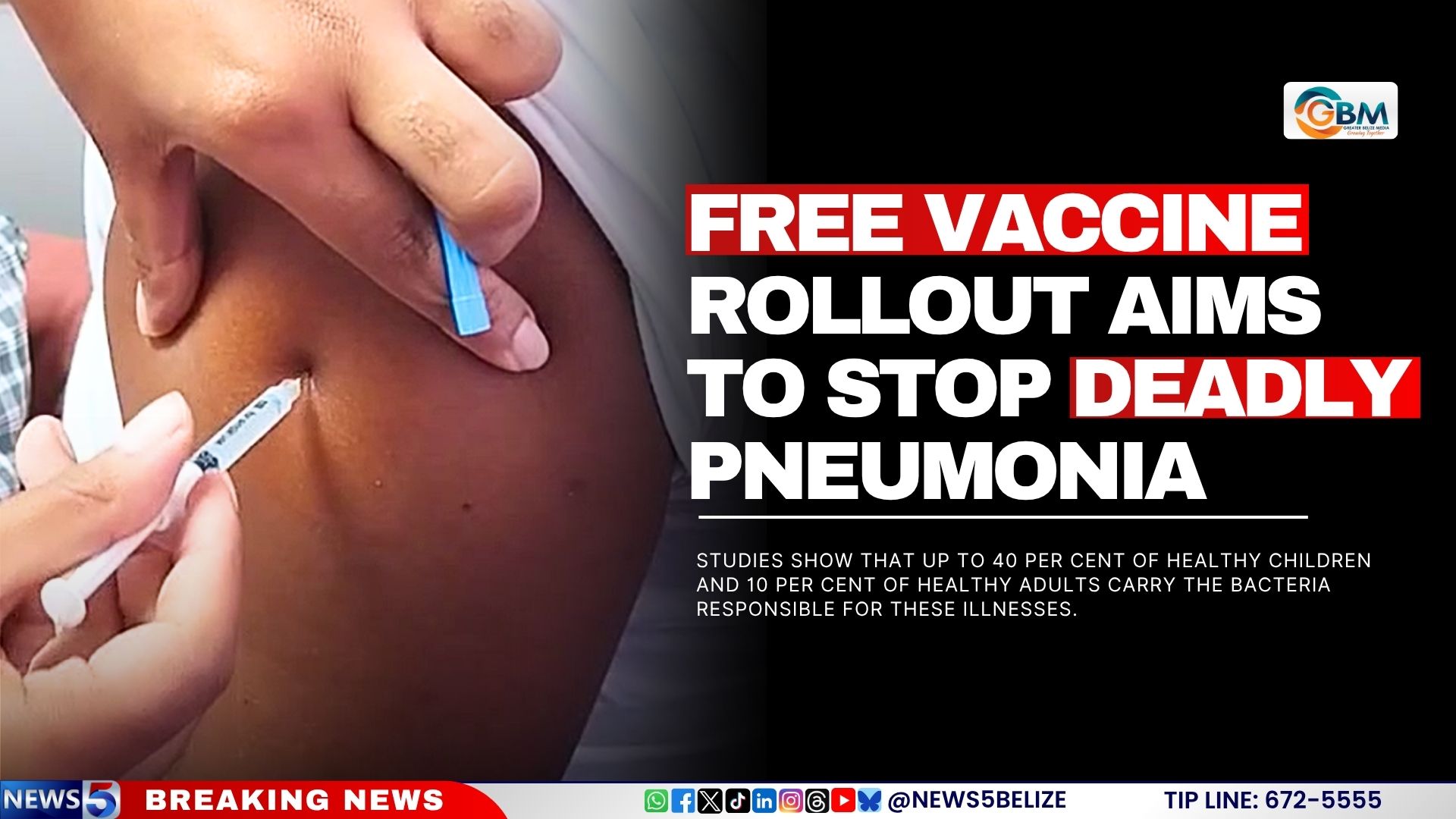
Free Vaccine Rollout Aims to Stop Deadly Pneumonia
In a significant public health initiative, the Ministry of Health and Wellness in Belize has introduced the PCV-13 vaccine, offering it free of charge at public health facilities nationwide. This campaign aims to safeguard the country’s most vulnerable populations—children and the elderly—from severe infections such as pneumonia, meningitis, and sinus diseases. Health authorities have underscored the urgency of this measure, citing studies that reveal 40% of healthy children and 10% of healthy adults carry the bacteria responsible for these illnesses. Dr. Liliane Middleton, a representative from the Ministry, highlighted the vaccine’s long-term efficacy, stating, ‘A single dose of PCV-13 provides lifelong protection. Vaccination is the most effective way to protect our families, communities, and ourselves.’ The World Health Organisation reports that pneumococcal diseases claim the lives of approximately 300,000 children under five annually, with the majority of fatalities occurring in developing nations. To mitigate this risk in Belize, the Ministry has ensured widespread accessibility to the vaccine, encouraging families to visit their nearest health center or mobile clinic to receive the immunization at no cost. Dr. Middleton reiterated, ‘The vaccine is available at all public health centers and mobile clinics. Anyone interested can simply request it, and it will be administered free of charge.’
-
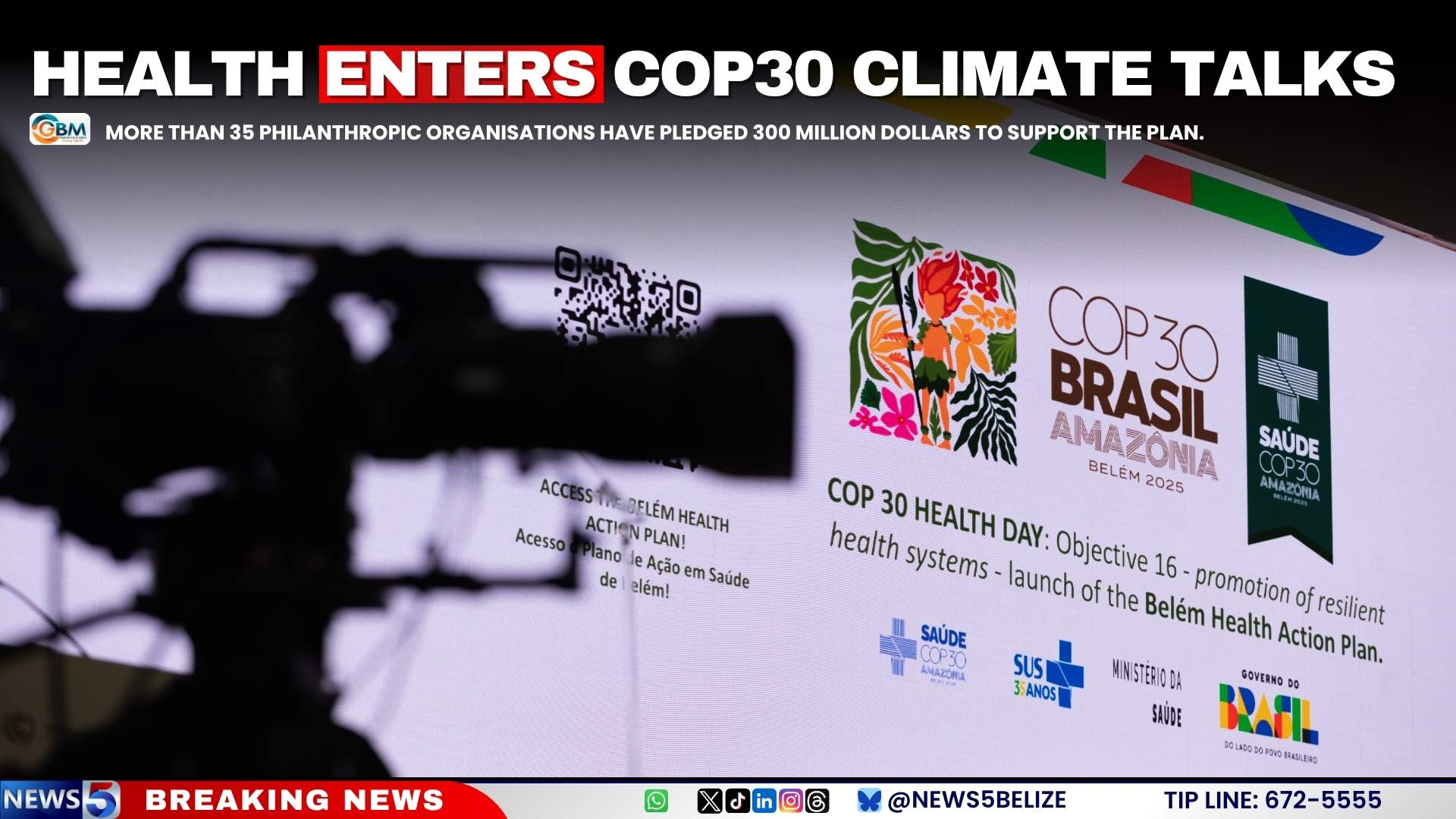
Health Enters COP30 Climate Talks
As the world grapples with the escalating effects of climate change, the focus has often been on deforestation and carbon emissions. However, the 30th Conference of the Parties (COP30) in Belém, Brazil, has shifted the spotlight to a critical yet often overlooked aspect: human health. The conference kicked off with the launch of the Belém Health Action Plan, the first-ever global framework dedicated to safeguarding health in the face of climate change.
The Belém Health Action Plan outlines actionable steps for nations to fortify their health systems against the mounting pressures of climate-related challenges. These include extreme heatwaves, deteriorating air quality, food insecurity, and the rise of climate-sensitive diseases, all of which are increasingly affecting populations worldwide. Health systems are struggling to keep pace with these demands, underscoring the urgent need for robust adaptation strategies.
Dr. Tedros Adhanom Ghebreyesus, Director-General of the World Health Organization (WHO), emphasized that health has historically been sidelined in climate discussions. ‘For too long, health has been a footnote in climate negotiations,’ he stated. Echoing this sentiment, UN Climate Change Executive Secretary Simon Stiell highlighted the intrinsic link between climate action and daily life priorities. ‘Humanity can only win this global climate fight if we connect stronger climate actions to people’s top priorities. And there are few higher priorities than our health,’ he remarked.
To bolster this initiative, over 35 philanthropic organizations have committed $300 million in funding. These resources will be directed toward addressing extreme heat, air pollution, and climate-sensitive infectious diseases. Additionally, the funds will enhance health data systems, enabling more effective emergency responses and the development of long-term resilience strategies.
The Belém Health Action Plan marks a pivotal moment in global climate policy, recognizing health as a cornerstone of climate adaptation. As nations work to implement its recommendations, the plan promises to reshape how the world addresses the intersection of climate change and public health.
-

HerRelief to provide sustainable healthcare, supplies to Hurricane Melissa victims
In the wake of the catastrophic impact of Hurricane Melissa, HerRelief Jamaica has announced a robust initiative to deliver urgent medical care to the most affected parishes. Founded by pharmaceutical executive and philanthropist Theresa White, in collaboration with Dr. Kerone Thomas, the organization is mobilizing a team of Jamaican-born female medical professionals to address the pressing healthcare needs of devastated communities. The initiative aims to provide coordinated, compassionate, and sustained medical support, reflecting the founders’ commitment to leveraging their expertise and resources for national recovery. The team, based across the United States, will commence operations on November 21, with Westmoreland being the first stop to assess and plan for residents’ needs. Beyond healthcare, HerRelief Jamaica will also distribute essential supplies such as water tanks, Starlink internet, and generators to parishes including Trelawny and St James. The organization will collaborate with established partners to ensure the efficient collection and shipment of critical relief supplies. Theresa White emphasized the dual focus of the initiative: providing immediate crisis-level medical care and establishing a long-term support framework for underserved and displaced individuals. HerRelief Jamaica will offer a wide array of services, including primary and acute medical care, mental health support, dental services, medication distribution, emergency interventions, and care for chronic illnesses and displaced patients. Through ongoing missions, the organization aims to restore access to essential healthcare services, strengthen community health, and rebuild medical capacity in the affected areas.
-
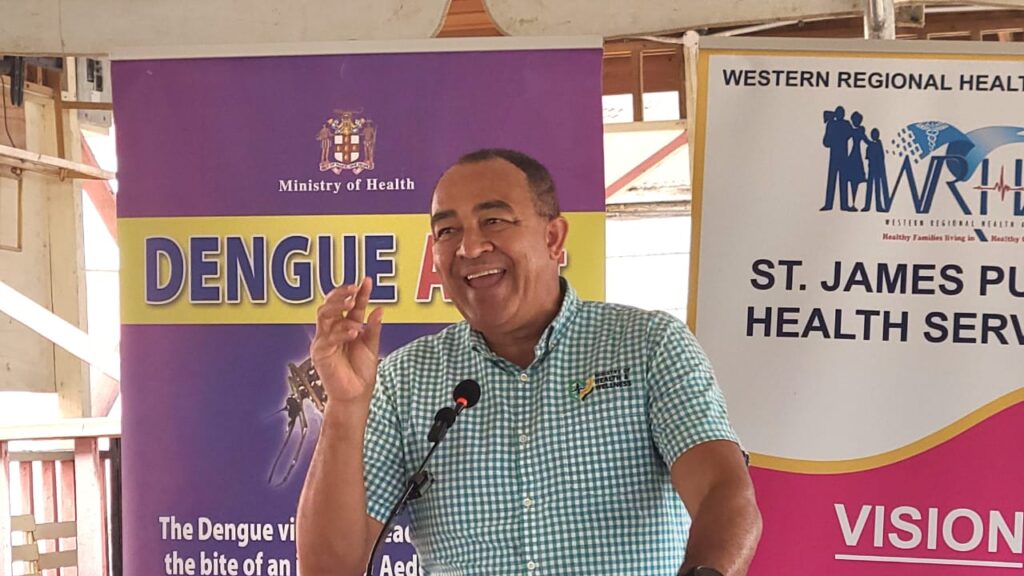
Health ministry to look at alternate strategies for primary healthcare in St James
In the wake of Hurricane Melissa, Jamaica’s Minister of Health and Wellness, Dr. Christopher Tufton, has announced a series of emergency measures to address the disruption of primary healthcare services in St. James. During a press briefing in Montego Bay, Dr. Tufton revealed that only eight or nine of the parish’s 24 health centers are fully operational, with the remainder sustaining varying degrees of damage. To bridge the gap, the Ministry has deployed mobile pharmacies and clinics to affected communities while constructing temporary facilities. Additionally, efforts are underway to restore Cornwall Regional Hospital’s Accident and Emergency Unit, which is now operational despite lingering challenges. Dr. Tufton emphasized the urgent need to focus on primary healthcare, particularly in mitigating post-storm environmental risks such as mosquito-borne diseases, rodent infestations, and water and food contamination. The Minister has been actively engaging with vector control workers and public health officers across the region to assess resources, including fogging machines and vehicles, and to ensure readiness for deployment. Dr. Tufton also urged residents to take personal precautions, such as consuming safe water, using repellents, and eliminating mosquito breeding sites, to safeguard their health during this critical period.
-

Health ministry warns against contaminated water as suspected cases of leptospirosis on the rise
Health authorities in Jamaica are sounding the alarm over a potential surge in leptospirosis cases, a deadly bacterial infection, as communities battle stagnant floodwaters left in the wake of Hurricane Melissa. Dr. Jacquiline Bisasor-McKenzie, the Chief Medical Officer (CMO), emphasized the heightened risk during a recent interview on Radio Jamaica’s Hotline program. She warned that the current conditions—standing water contaminated with animal waste—create an ideal breeding ground for the disease. The Ministry of Health has already identified suspected cases, which are being treated as confirmed under protocol. Leptospirosis, which can escalate rapidly into a life-threatening illness, is transmitted through contact with contaminated water, particularly through cuts or abrasions on the skin. Dr. Bisasor-McKenzie urged the public to take preventive measures, including wearing protective footwear, avoiding exposure to dirty water, and ensuring proper garbage disposal. She stressed the importance of personal responsibility, noting that while health teams are working to address the crisis, individual vigilance is critical to curbing the spread of the disease. The CMO’s call to action underscores the urgent need for community-wide efforts to mitigate the risk of infection and prevent further health complications.
-

Tatil goes blue for diabetes awareness
In a striking visual initiative to mark Diabetes Awareness Month, the Tatil building at 11a Maraval Road, Port of Spain, has been illuminated in blue throughout November evenings. The forecourt of the building is adorned with blue fabric, flags, and health messages, emphasizing key preventive measures such as maintaining a healthy weight, managing stress, eating nutritious food, monitoring blood sugar levels, staying hydrated, and remaining active. This initiative is part of Tatil and Tatil Life’s corporate social responsibility program, which has focused on diabetes awareness since 2019. The campaign aims to educate the public, advocate for healthier lifestyles, and foster community partnerships to combat the growing prevalence of diabetes. By transforming its headquarters into a beacon of awareness, Tatil underscores its long-term commitment to promoting public health and encouraging individuals to take proactive steps in managing and preventing diabetes.
-
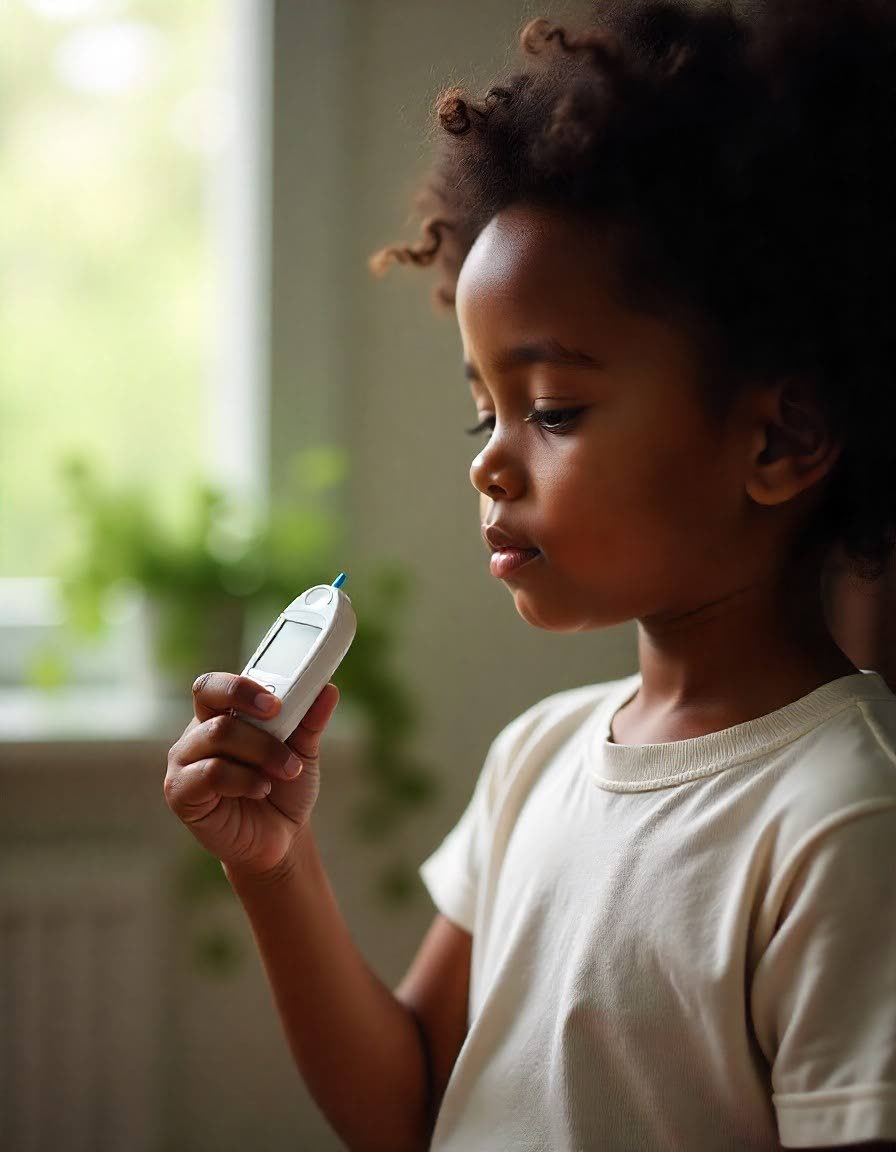
Understanding diabetes in children
Diabetes, traditionally viewed as an adult health concern, is increasingly affecting children, prompting medical experts to address its causes, symptoms, and management strategies. Dr. Leonardo Akan, a pediatric endocrinologist, highlights the critical role of insulin in regulating blood sugar levels. Insulin, a hormone, facilitates the uptake of sugar by cells, ensuring balanced glucose levels and storing excess sugar for future use. Disruptions in this system can lead to diabetes mellitus (DM), with Type 1 and Type 2 being the most common forms in children.
Type 1 diabetes is an autoimmune disorder where the immune system mistakenly destroys insulin-producing beta cells in the pancreas, necessitating insulin replacement. Genetic predisposition, viral infections, dietary factors, and geographic location (linked to vitamin D levels) can trigger this condition. Type 2 diabetes, on the other hand, is often associated with obesity, poor diet, sedentary lifestyles, and genetic or ethnic factors. Certain ethnic groups, including African, Hispanic, Indian, and Asian populations, are at higher risk, as are children born to mothers with gestational diabetes or obesity.
Symptoms of diabetes in children include frequent urination, increased thirst, weight loss, fatigue, headaches, and blurry vision. Severe symptoms like fruity-smelling breath, rapid breathing, or confusion may indicate diabetic ketoacidosis, a life-threatening emergency requiring immediate medical attention. Diagnosis involves blood sugar tests, urine tests, and glycosylated hemoglobin A1C tests.
Once diagnosed, children should be referred to specialized healthcare teams for comprehensive management. Dr. Akan emphasizes the importance of parental support, encouraging self-care, open communication, and maintaining routines. Dietitian Dana Chong stresses the need for balanced meals with consistent carbohydrate intake to stabilize blood sugar levels, especially for children on insulin.
Dr. Akan advises parents to educate themselves about diabetes care, empowering them to make informed health decisions for their children. Healthy living, including proper nutrition and physical activity, is essential for effective diabetes management.
-
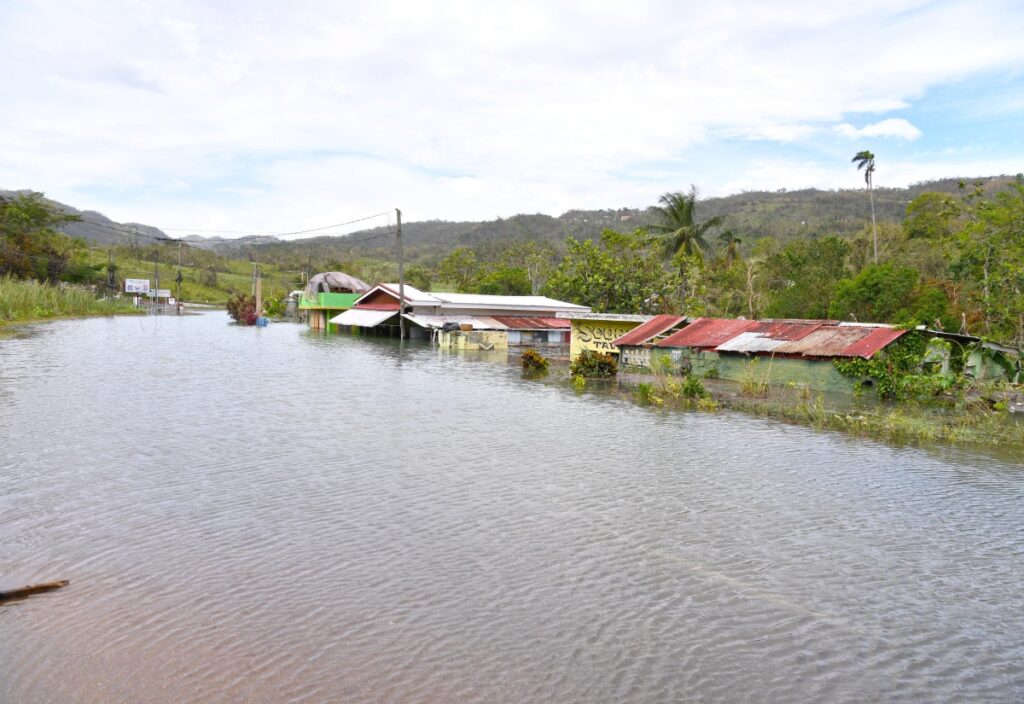
Residents urged to avoid direct contact with rising floodwaters in Content
MANCHESTER, Jamaica — The Manchester Health Department (MHD) has issued a stern warning to the public, urging them to avoid direct contact with floodwaters in the Content and Williamsfield areas of Manchester. In a media release on Friday, the department highlighted the severe health risks associated with the rising floodwaters, which may be contaminated with harmful bacteria, sewage, and other pollutants. The MHD emphasized that these waters could lead to vector-borne and water-borne diseases, including leptospirosis, particularly as underground sewage systems may have been compromised. Residents in affected areas are advised to prepare for potential emergency evacuations and take immediate precautions to safeguard their health. The MHD is actively monitoring the situation, conducting field assessments, and performing laboratory analyses to mitigate health risks. Additionally, the department is providing health education to the public and encouraging residents to stay informed through official channels. Anyone experiencing symptoms such as fever, chills, muscle aches, or jaundice is urged to report to the nearest health facility promptly.