The Pan American Health Organization (PAHO) has escalated its emergency response efforts as Storm Melissa poses a significant threat to health systems across the Caribbean and Central America. Operating from its Washington-based command center, PAHO is coordinating with national health ministries, United Nations agencies, and regional disaster response units to ensure the continuity of essential health services. Emergency medical supplies have been pre-positioned in Haiti, while Panama has stockpiled additional resources. Jamaica has activated its national emergency operations center, and Cuba and the Dominican Republic are preparing for the storm’s impact. Key concerns include potential power and water outages in hospitals, the risk of disease outbreaks in overcrowded shelters, and the escalating mental health needs of displaced populations. PAHO emphasizes that restoring access to safe water and sanitation will be critical in preventing health crises and maintaining care delivery. The organization remains vigilant, providing ongoing support and monitoring as Melissa continues its path through the region.
分类: health
-

Vicks: How a Father’s Love Became a Cultural Staple
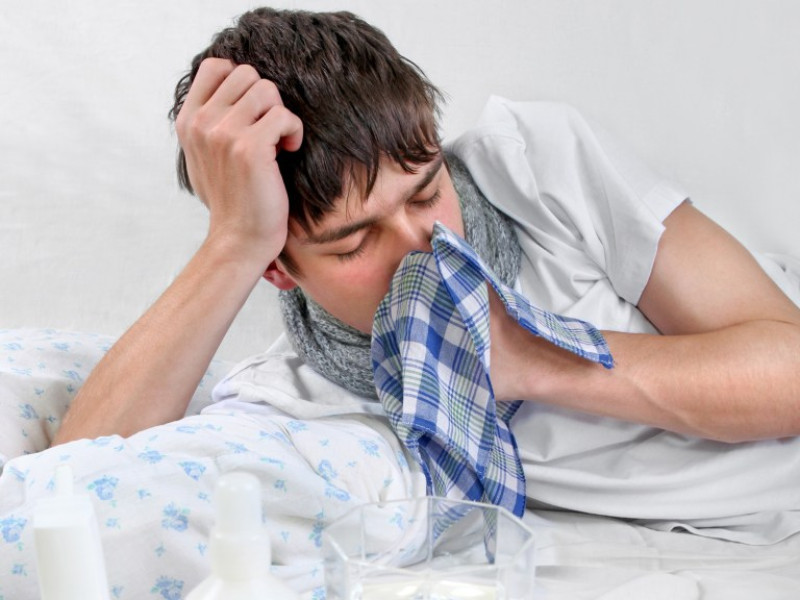
For generations, Vicks VapoRub has been a household staple, a trusted remedy for colds and respiratory ailments. Its origins trace back to 1894, when pharmacist Lunsford Richardson created a blend of aromatic oils and chemicals to ease his son’s breathing during a severe respiratory infection. This humble homemade remedy evolved into the iconic blue jar we know today. During the 1918 influenza pandemic, Vicks gained widespread popularity, cementing its place in homes worldwide. In Belize, Vicks transcends its medicinal purpose, becoming a cultural phenomenon. Whether rubbed on the chest, under the nose, or even on the soles of the feet, Belizeans have embraced Vicks as a versatile and essential remedy. Its influence extends to local culture, referenced in music and comedy as a cure-all. Pharmacist Raul Acevedo explains that Vicks contains camphor, eucalyptus, and menthol, ingredients derived from natural sources like the eucalyptus plant and peppermint tree. Naturopathic Doctor Cornelio Marfield praises the blend for its analgesic and antiviral properties, calling its creator brilliant. Belizeans have developed unique applications for Vicks, from soothing earaches to relieving headaches. Despite recent price increases, its popularity remains unwavering. Vicks is more than a product; it’s a testament to a father’s love and a cultural cornerstone in Belize.
-

When “Zero Tolerance” Meets Silence in Belize’s Healthcare System
The healthcare system in Belize is under intense scrutiny following two tragic deaths that have exposed systemic failures in medical care. The first incident involved two-year-old Kaleel Nah, who died while his parents attempted to transport him from Ambergris Caye to Belize City for treatment unavailable on the island. This heartbreaking event highlighted the severe shortages of trained staff, medications, and emergency equipment in rural and island communities. Over a month later, on October 25, 92-year-old Eusebio Espinosa Sr. passed away while waiting for medical attention in the triage area of the Northern Regional Hospital. His son, Eusebio Espinosa Jr., recounted how he pleaded with nurses to attend to his father, only to be told they were ‘too busy.’ By the time help arrived, it was too late. The Ministry of Health and Wellness has promised thorough investigations into both cases, but updates have been scarce. Dr. Jorge Polanco, Director of Hospital Services and Allied Health, stated on September 12 that the ministry is examining potential flaws in the system. However, no further details have been disclosed. On October 26, Minister Kevin Bernard emphasized a ‘zero tolerance’ policy for staff failing to provide timely and dignified care. Despite these assurances, the lack of transparency and accountability has left many questioning the effectiveness of Belize’s healthcare system.
-

The silent storm: TT grapples with rising tide of stroke, especially in the young
Stroke, once considered a condition primarily affecting the elderly, is now increasingly striking younger adults in Trinidad and Tobago, with devastating consequences for individuals, families, and society. On World Stroke Day (October 29), medical professionals are raising the alarm about this growing crisis, emphasizing that stroke is no longer confined to older populations. The two main types of stroke—ischaemic and haemorrhagic—are both on the rise, driven by factors such as hypertension, diabetes, obesity, and unhealthy lifestyles. Ischaemic strokes, caused by blood clots blocking brain vessels, account for 85% of cases, while haemorrhagic strokes, resulting from ruptured blood vessels, make up the remaining 15%. Both types share common risk factors, with uncontrolled hypertension being the most significant. The trend is particularly alarming among adults in their 30s, 40s, and 50s, who are increasingly falling victim to stroke due to poor diets, sedentary habits, and unmanaged stress. This shift not only imposes heavy medical costs but also leads to lost income, emotional trauma, and a decline in the nation’s productive workforce. To combat this, the BEFAST campaign—which stands for Balance, Eyes, Face, Arms, Speech, and Time—is being promoted as a critical tool for recognizing stroke symptoms and seeking immediate medical attention. Advances in treatment, such as thrombolysis and thrombectomy for ischaemic strokes, and neurosurgical interventions for haemorrhagic strokes, offer hope, but timely action is essential. The medical community is calling for a national effort to raise awareness, manage risk factors, and promote healthier lifestyles to prevent and treat stroke effectively.
-

Tufton says efforts underway to relocate patients from Black River Hospital
In the wake of Hurricane Melissa’s devastating impact on St Elizabeth, Jamaica, the Minister of Health and Wellness, Dr Christopher Tufton, has announced urgent measures to relocate patients from the severely damaged Black River Hospital. The facility has been rendered inaccessible due to the storm’s destruction, prompting immediate action to ensure the safety and care of approximately 71 patients currently housed there.
-

Health Ministry urges blood donations as supplies run low after Hurricane Melissa
KINGSTON, Jamaica — In the wake of Hurricane Melissa, the Ministry of Health and Wellness has issued an urgent appeal to the public to donate blood as soon as it is safe to do so. The hurricane has severely disrupted blood collection and storage operations across multiple parishes, leaving national blood supplies critically low. The National Blood Transfusion Service (NBTS) reported that routine blood drives have been halted, and the transportation of blood and blood products to hospitals has been significantly delayed. This shortage poses a serious risk to patients requiring transfusions for surgeries, trauma care, and childbirth complications. Dr. Jacquiline Bisasor-McKenzie, the chief medical officer, emphasized the importance of donations, stating, ‘We are urging all Jamaicans who are able to give blood. Your donation can save lives, especially at a time when hospitals are still in emergency mode and every unit counts.’ Potential donors are advised to ensure safe travel conditions, prepare by eating well and staying hydrated, and bring a valid ID to the Blood Bank. Donations are currently being accepted at the NBTS office located at 21 Slipe Road in Kingston. Updates on additional collection sites and schedules will be communicated through the ministry’s official channels and NBTS social media platforms in the coming days.
-

The silent storm: Trinidad and Tobago grapples with rising tide of stroke, especially in the young
Stroke, once considered a condition primarily affecting the elderly, is now increasingly striking younger adults in Trinidad and Tobago. On World Stroke Day (October 29), medical professionals highlighted this alarming trend, emphasizing the urgent need for awareness and preventive measures. The story of Anita B, a 52-year-old market vendor from Chaguanas, illustrates the severity of the issue. Anita suffered a haemorrhagic stroke caused by a ruptured aneurysm, leading to a sudden, violent headache, nausea, blurred vision, and collapse. Her case is emblematic of a broader crisis unfolding across the nation. Strokes are broadly categorized into two types: ischaemic strokes, caused by blood clots blocking brain vessels, and haemorrhagic strokes, resulting from ruptured blood vessels. Both types share common risk factors, including hypertension, diabetes, high cholesterol, and obesity, which are prevalent in Trinidad and Tobago. The rise in stroke cases among individuals in their 30s, 40s, and 50s is attributed to unhealthy diets, sedentary lifestyles, and unmanaged stress. This trend carries significant economic and social consequences, as it affects breadwinners and families, leading to lost income and emotional strain. The BEFAST campaign—Balance, Eyes, Face, Arms, Speech, Time—is a critical tool for early detection and response. Immediate medical intervention is essential, as treatments like thrombolysis and thrombectomy can significantly improve outcomes if administered promptly. Dr. Nicholas N Maraj, a consultant neurologist, underscores the importance of public education, hypertension management, and national health policies to combat this growing crisis. Anita’s journey of recovery serves as a poignant reminder of the need for vigilance and proactive health measures to prevent strokes and protect the nation’s most valuable resource—its people.