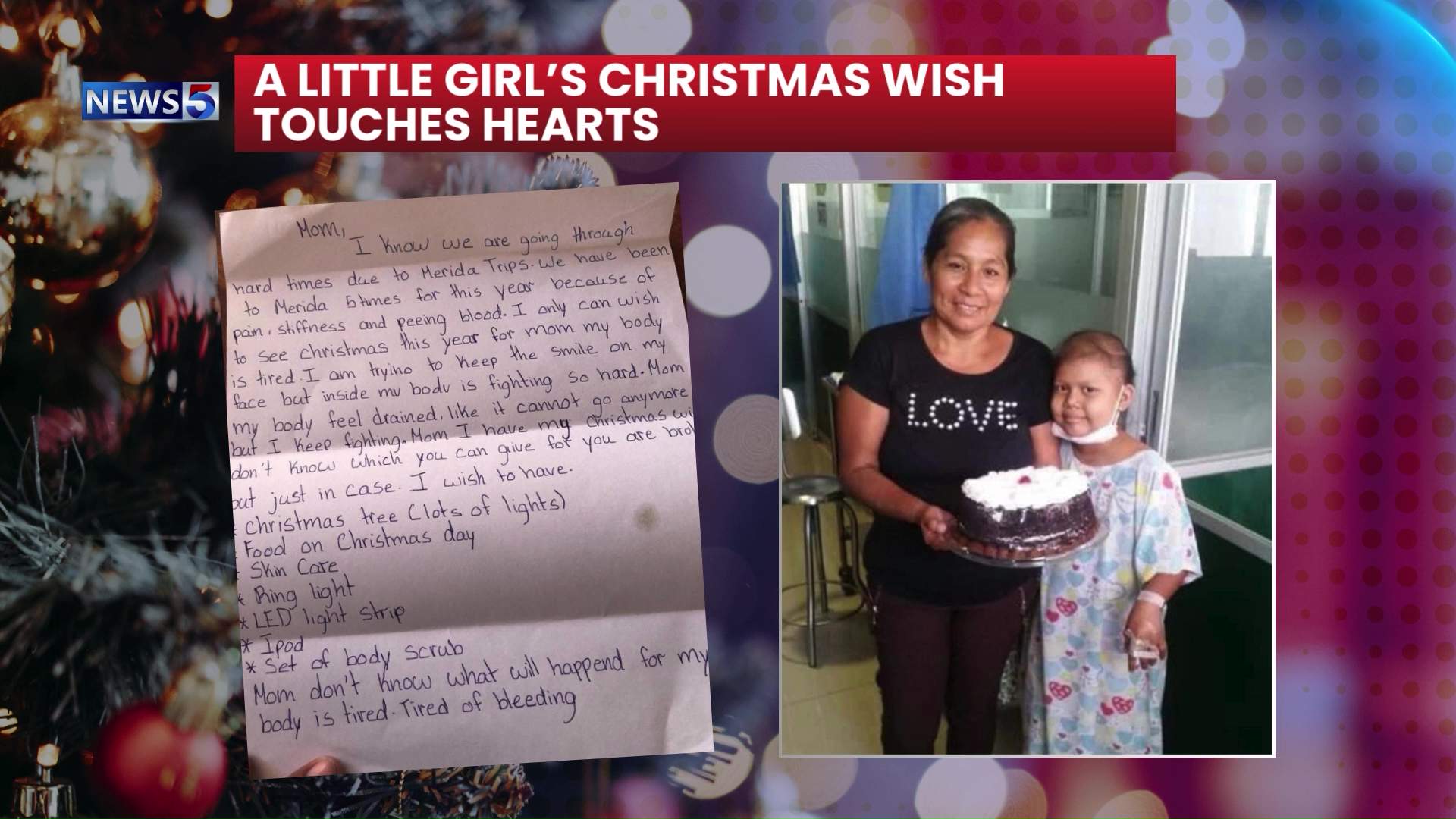
The aftermath of Hurricane Melissa, which struck southwestern Jamaica on October 28 with devastating 185 mph winds and torrential rainfall, has left a lasting impact on the mental health of children in the region. Among the most affected is Mae Allen’s two-year-old grandson, who now cries at the mere sound of raindrops, a stark reminder of the traumatic evacuation his family endured during the storm. This fear is just one example of the psychological scars left by the Category 5 hurricane, which claimed over 40 lives and left hundreds homeless.
分类: health
-

US records second human bird flu death of year
A Washington state resident has become the first recorded human case of the rare H5N5 avian influenza strain, marking a significant development in global health monitoring. The individual, described as an older adult with pre-existing health conditions, succumbed to the virus after being hospitalized earlier this month. The Washington State Department of Health confirmed the diagnosis, which was subsequently verified by the US Centers for Disease Control and Prevention (CDC).
Health officials emphasized that the risk to the general public remains low, as no other cases have been reported, and there is no evidence of human-to-human transmission. The patient reportedly kept a backyard flock of mixed domestic birds, which is believed to be the source of the infection.
This incident marks the second human fatality linked to avian influenza in the United States this year, following a death from the H5N1 strain in Louisiana in January. Globally, the World Health Organization (WHO) has documented over 1,000 human cases of bird flu across 25 countries since 2003, encompassing all known strains of the virus. The CDC has recorded more than 70 human cases of bird flu in the US this year alone, highlighting the ongoing need for vigilance in monitoring zoonotic diseases.
-

Precaution, not panic
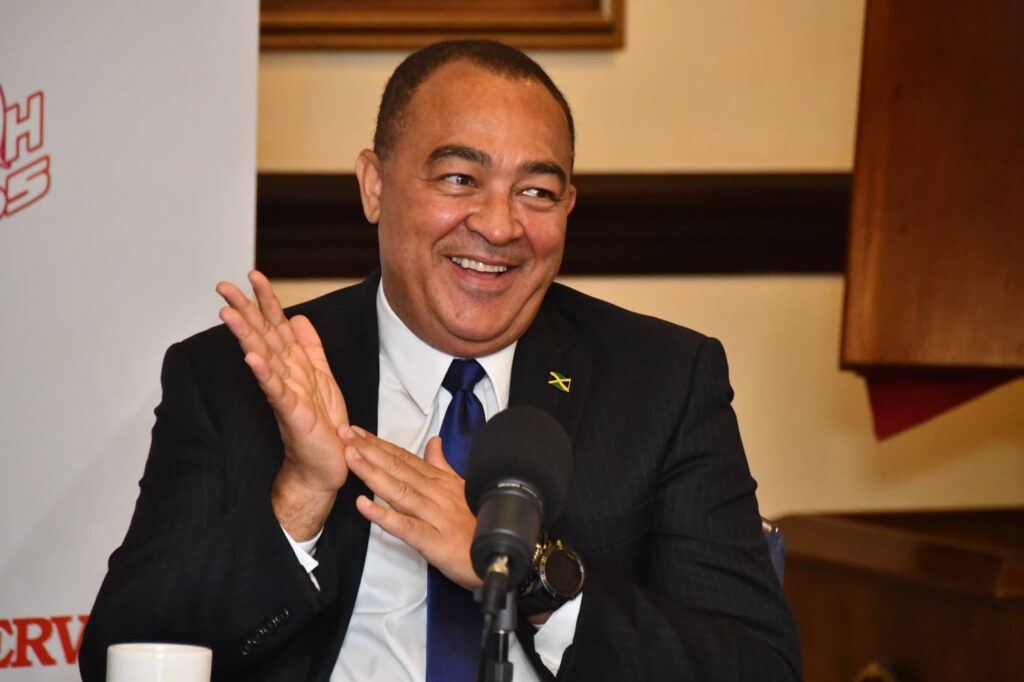
Jamaica is grappling with a leptospirosis outbreak following the devastation caused by Hurricane Melissa last month. Health Minister Dr. Christopher Tufton confirmed the outbreak on Friday, attributing it to the flooding and unsanitary conditions left by the Category 5 hurricane, which struck the island on October 28. The bacterial disease, transmitted through contaminated water, soil, or food, has already claimed six lives, with 87 suspected, probable, and confirmed cases reported since 2024. Of these, 37 cases emerged post-Melissa, with 10 confirmed and six deaths linked to the hurricane. St. James Parish, particularly Montego Bay, has been the hardest hit, recording 17 cases and four deaths. Other affected areas include St. Ann, St. Elizabeth, Hanover, and Westmoreland. National epidemiologist Dr. Karen Webster Kerr emphasized that leptospirosis, caused by the Leptospira bacteria, thrives in floodwaters contaminated by animal urine, particularly from rats, livestock, and pets. The disease, which mimics symptoms of influenza, meningitis, and dengue, is treatable but can lead to severe complications affecting the liver, kidneys, lungs, and brain. Chief Medical Officer Dr. Jacquiline Bisasor-McKenzie urged the public to take preventive measures, including wearing protective gear during cleanup activities and seeking medical attention for severe symptoms like jaundice, dark urine, or respiratory distress. Health officials are also encouraging blood donations to support critically ill patients. While the outbreak poses a significant public health risk, authorities are calling for calm and proactive measures to curb its spread.
-

SRC urges vigilance over food safety
KINGSTON, Jamaica — In the wake of Hurricane Melissa, the Scientific Research Council (SRC) has issued a stern warning to Jamaicans about the increased risks of gastroenteritis and other food and water-borne illnesses. Ray-Anne Shaw Phillips, team leader of the SRC’s analytical services department, emphasized the need for heightened vigilance, particularly regarding symptoms such as vomiting, diarrhea, stomach cramps, and severe dehydration. She advised those experiencing prolonged symptoms to seek immediate medical attention.
The aftermath of the hurricane has also raised concerns about leptospirosis, a bacterial infection that can spread through contaminated water. Shaw Phillips highlighted the dangers of floodwater, which often contains a hazardous mix of pesticides, chemicals, oil, human and animal waste, and decaying matter. This toxic combination creates an ideal environment for microbial growth, posing significant health risks.
To mitigate these risks, the SRC recommends discarding any food that may have come into contact with floodwater, even if it was stored in plastic or cardboard containers. The council also urges the public to treat water before consumption by boiling it or using disinfectants. Additionally, the SRC offers accredited testing services for food and water supplies, including checks for E. coli, coliforms, turbidity, and pH levels.
As Jamaica continues its recovery efforts, the SRC remains committed to supporting residents, businesses, and community groups in ensuring the safety of their food and water supplies. Those in need of testing services can contact the council via telephone at (876) 927-1771, email at edoffice@src.gov.jm, or through their website and social media channels.
Shaw Phillips expressed empathy for those affected by the hurricane and stressed the importance of vigilance during the recovery process. ‘After a hurricane, there is always increased public health risk,’ she said. ‘We must ensure that we do not exacerbate the situation by consuming contaminated items.’
-

Guyana learning from Suriname how to eliminate malaria
In a significant step towards malaria eradication, a high-level delegation from Guyana, led by PAHO Director Dr. Kim Dickson and representatives from the Guyana Malaria Program, embarked on a knowledge-sharing mission to Suriname from November 19 to 21, 2025. The visit aimed to exchange strategies and lessons from Suriname’s successful elimination of malaria, which earned the country a malaria-free certification from the World Health Organization (WHO) on June 30, 2025—a first for the Amazon region. Suriname’s Communications Service highlighted the mission’s dual focus: supporting Guyana’s progress towards malaria elimination and preventing the reintroduction of the disease in Suriname. During the meeting, Suriname’s Health Minister, Misiekaba, emphasized the importance of regional collaboration, noting that Suriname’s achievement would be unsustainable without joint efforts across the Guiana Shield and Amazon region. He also pointed out the challenge of preventing malaria reintroduction due to cross-border population movements, while praising Guyana’s significant reduction in malaria cases since the previous year. The delegation engaged in a series of activities, including technical meetings with Suriname’s National Malaria Program and the Malaria Elimination Task Force, visits to malaria clinics in Paramaribo and near the Afobaka Dam, and a scheduled stop at a Medical Mission clinic to observe community-based prevention and treatment practices. Dr. Yafflo Ouattara, PAHO Director in Suriname, underscored the necessity of regional cooperation, stating that the exchange of knowledge and strategies would be crucial for maintaining Suriname’s malaria-free status and accelerating Guyana’s progress. This collaboration marks a pivotal moment in the fight against malaria in the Amazon region, with both nations committed to achieving a malaria-free future.
-

Dominican Republic faces rising diabetes rates
The Dominican Republic is grappling with a mounting diabetes crisis, as highlighted by the National Institute of Diabetes, Endocrinology and Nutrition (INDEN). Recent data reveals that 13.45% of the population is living with diabetes, while an alarming 2.35% remain undiagnosed, leaving them vulnerable to severe health complications. Broader health estimates indicate that 14% of Dominicans have diabetes, and an additional 9.3% are in a prediabetic state, signaling a pressing public health challenge that is overwhelming the nation’s healthcare infrastructure. INDEN has underscored the critical risks associated with undiagnosed diabetes, including heightened chances of cardiovascular disease, kidney failure, and vision impairment due to delayed treatment. The institution has issued a public appeal for regular health screenings, the adoption of healthier lifestyles, and enhanced early-detection initiatives to curb the escalating impact of this chronic condition on the population.
-

Boledo Millions to Fund National Health Insurance
The Briceño administration has unveiled an ambitious plan to leverage Boledo lottery profits to bolster Belize’s healthcare system. Prime Minister John Briceño announced that earnings from Boledo sales are projected to exceed $20 million this year, with the funds earmarked for the rollout of National Health Insurance (NHI) nationwide. This initiative aims to provide comprehensive health coverage to citizens, addressing long-standing gaps in the healthcare infrastructure. Narda Garcia, CEO of the Ministry of Investment, emphasized the need for NHI to operate as an autonomous body, enabling direct funding from the Belize Government Lotteries Limited (BGLL). Currently, Boledo profits are channeled through the government before reaching NHI, which operates under the Social Security Board. Garcia anticipates that legislative changes in December or January will formalize NHI’s autonomy, streamlining the financial process. The Prime Minister highlighted the success of the Boledo initiative, noting that the first year of operations (April 2024 to March 2025) generated $16.7 million, surpassing expectations. This innovative funding strategy underscores the government’s commitment to improving healthcare accessibility and quality for all Belizeans.
-

St Jude Hospital begins Phase 1 commissioning after handover
The St. Jude Hospital (SJH) project has reached a significant milestone with the official handover of the completed hospital buildings from contractor Rayneau Gajadhar to the Ministry of Health and the Government of Saint Lucia. The ceremony, held on November 16, marked the beginning of the hospital’s commissioning process rather than its opening. This phase involves preparing the facility for safe and effective operation, including the installation and testing of medical equipment, staff training, and the transition of administrative services. According to Communications Specialist Jade Brown, the hospital is currently in phase one of commissioning, which includes relocating administrative and support services to the new Augier site. The finance department has already begun operations at the permanent location, with other departments such as the kitchen, laundry, and physiotherapy scheduled to follow. Physiotherapy services, temporarily suspended during the move, will resume on November 24 at the new site. Brown highlighted that the delayed arrival of medical equipment, partly due to Hurricane Melissa, has slowed the transition of clinical departments. Three containers of equipment have arrived, with more expected. Brown clarified that the contractor’s continued presence is essential for equipment installation, staff training, and ensuring a smooth transition. She emphasized that patient relocation will only occur once all systems are fully operational and staff are adequately trained. The commissioning team, comprising medical professionals, technocrats, and contractor representatives, continues to assess the hospital’s readiness and plan the next steps in the transition process.
-

Six dead as Jamaica experiences outbreak of leptospirosis – Tufton
Jamaica is currently grappling with a leptospirosis outbreak, with nine confirmed cases and 28 suspected or probable cases reported as of October 30. Tragically, six deaths have been linked to the suspected cases. The outbreak was disclosed by Dr. Christopher Tufton, Minister of Health and Wellness, during a press briefing on Friday. He emphasized that the cases span across eight parishes, marking a significant surge compared to the two to 21 cases recorded over the previous 34 months. The outbreak is attributed to the aftermath of Hurricane Melissa, which has heightened the risk of exposure to contaminated water and soil. Leptospirosis, caused by bacteria thriving in water tainted by the urine of infected animals—particularly rats, but also cats, dogs, and livestock—poses a severe public health risk following heavy rainfall or flooding. Dr. Tufton urged individuals, especially those involved in post-hurricane cleanup efforts, to exercise extreme caution by wearing appropriate protective gear to mitigate the risk of infection.