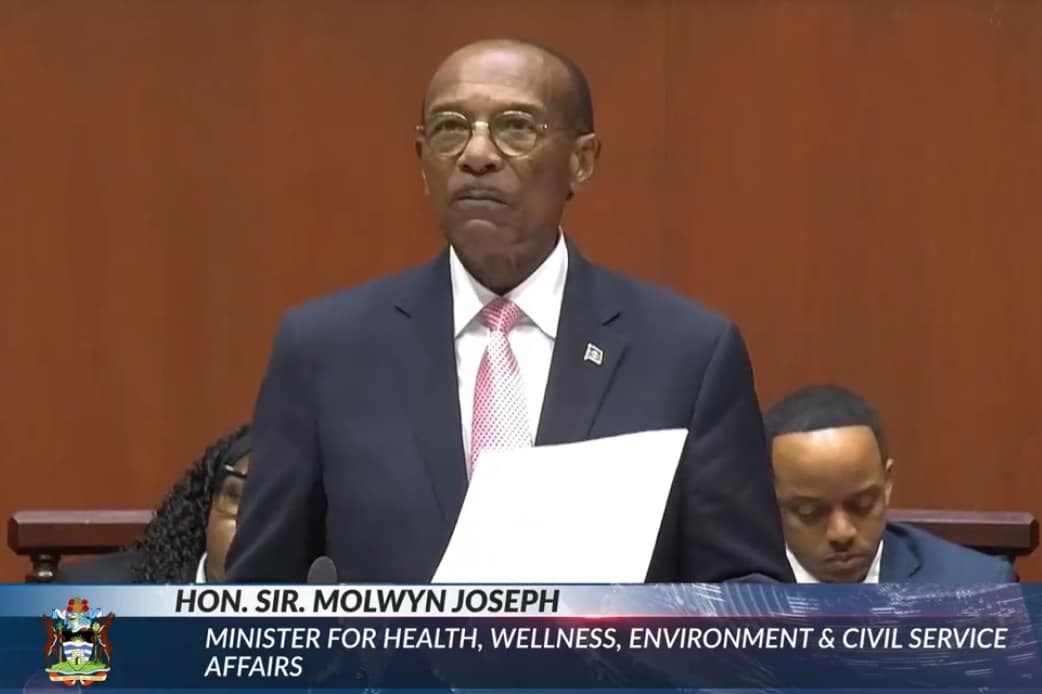
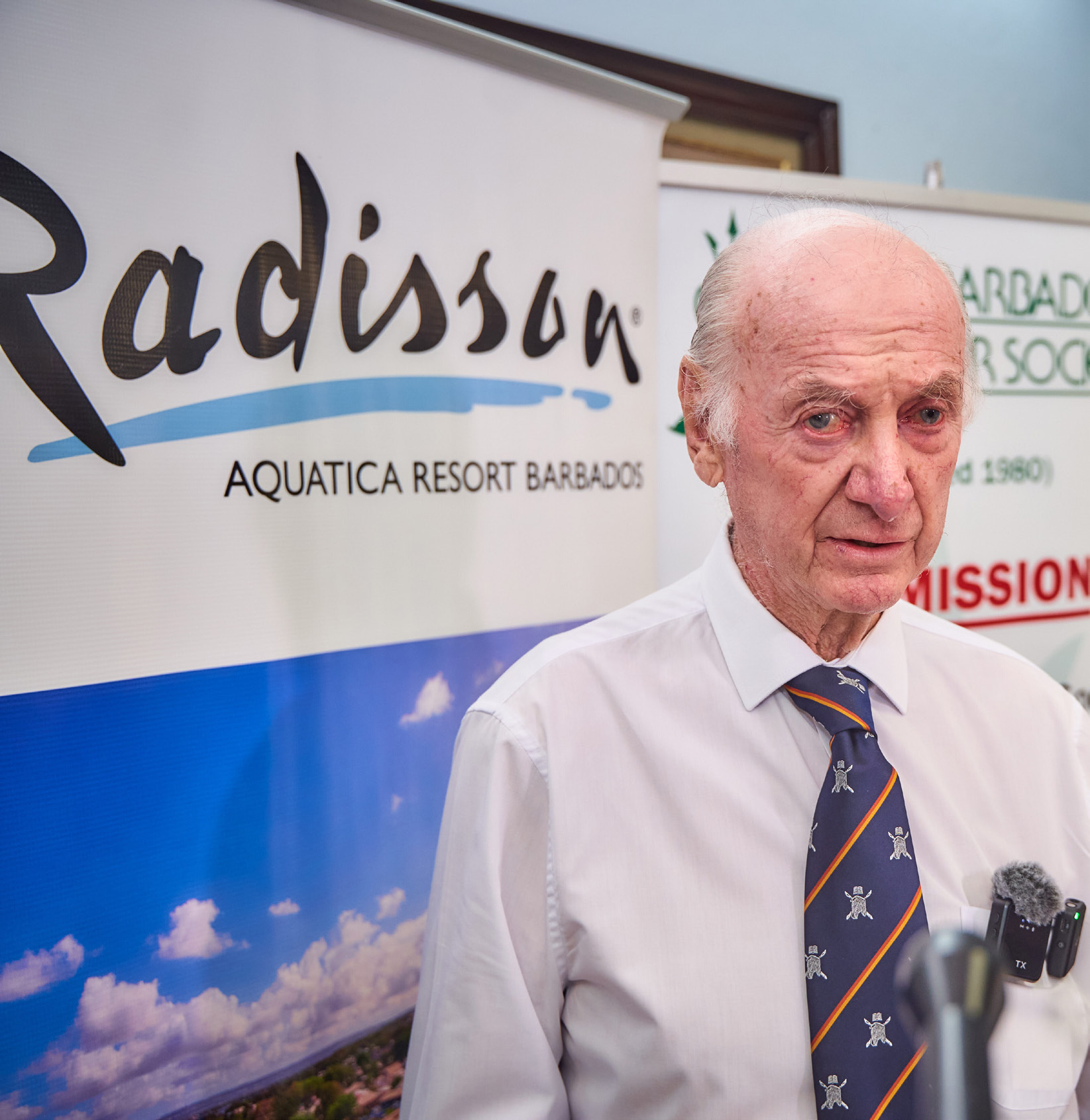
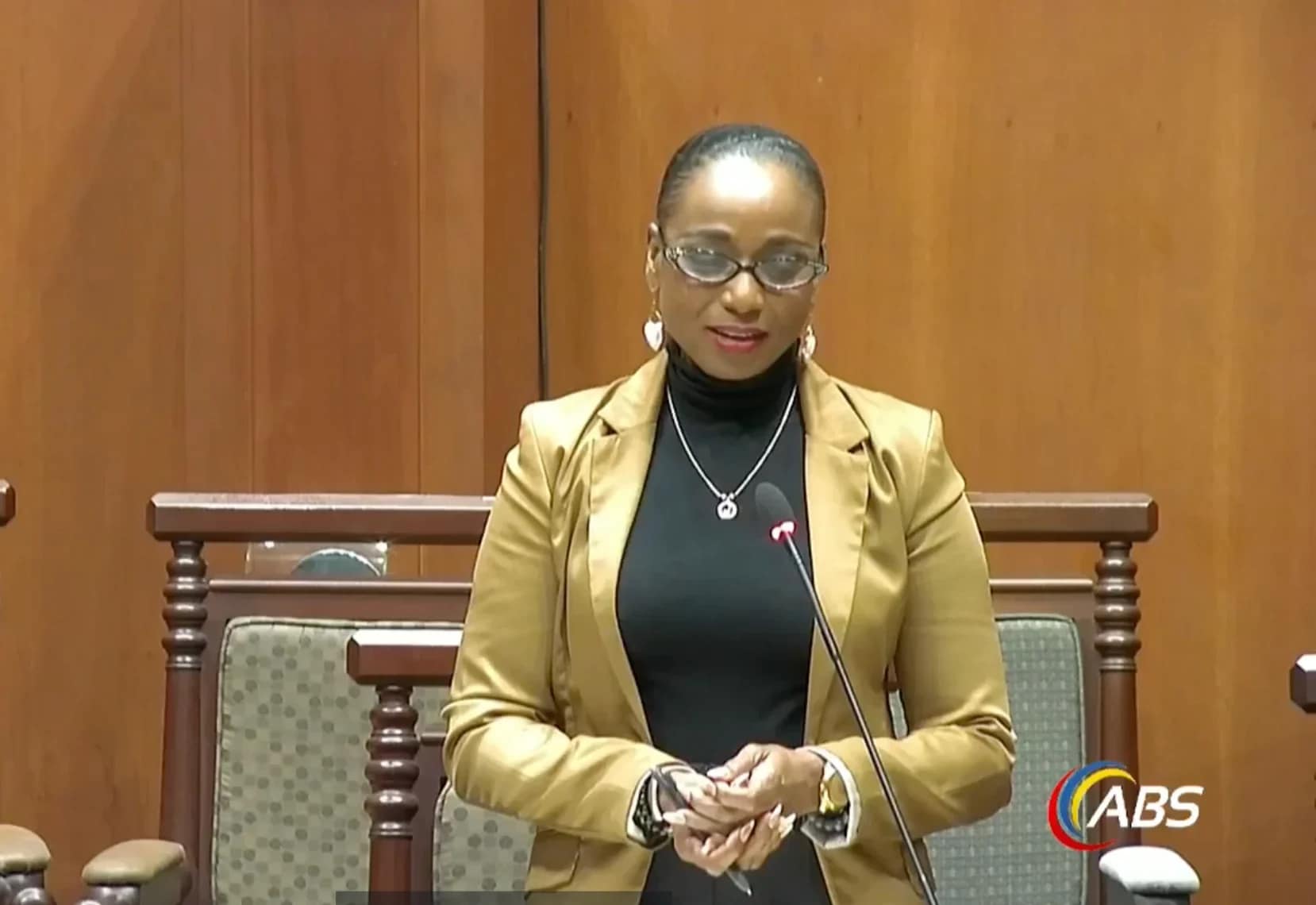
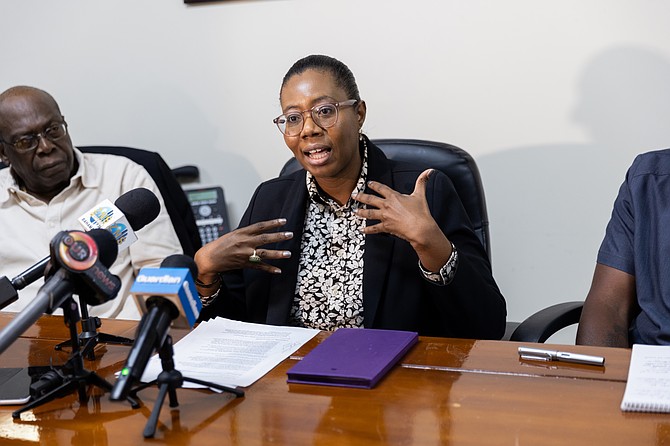
The Healthcare Sector Seminar, held on October 22 and jointly organized by the Ministry of Industry, Innovation, Science and Technology and the Office of the Data Protection Commission, marked a pivotal moment for Barbados’ healthcare industry. The event, attended by a diverse group of stakeholders including the Barbados Drug Service, public and private pharmacies, medical practitioners, and ancillary healthcare providers, focused on reinforcing data protection and cybersecurity obligations within the sector. Minister of Innovation, Industry, Science and Technology Senator Jonathan Reid opened the seminar with a personal reflection on the importance of safeguarding patient information. He highlighted a common issue in healthcare settings: the repeated collection of personally identifiable information (PII), which increases risks of human error, unauthorized disclosure, and data misuse. This practice, as outlined in the Barbados Data Protection Act (2019-29), violates the principles of data minimization and purpose limitation. The seminar emphasized the need for healthcare organizations to transition from awareness to actionable compliance. Data Commissioner Lisa Greaves detailed the statutory obligations under the Act, stressing the importance of written policies, risk assessments, and the appointment of a Data Privacy Officer. She clarified that while healthcare data is not explicitly categorized as ‘sensitive’ under the Act, it must be treated as high-risk due to its deeply personal nature. Legal and Data Privacy specialist Jabarry Garnes introduced the concept of Privacy by Design, advocating for the integration of privacy protections into healthcare systems from the outset. Patricia Rowe-Seale, the government’s chief information security officer, addressed cybersecurity risks, emphasizing the need for continuous monitoring and layered defense strategies. The seminar concluded with a call for healthcare organizations to adopt compliance, privacy-focused design, and cybersecurity resilience as interconnected priorities. The road ahead presents challenges, including resistance to change and the adoption of formal privacy programs. However, the event signaled the beginning of a transformative journey toward modern, compliant healthcare practices in Barbados.
分类: health
-

GFNC’s Fruity Wednesday milestone update
The Grenada Food and Nutrition Council (GFNC) has successfully revived its Fruity Wednesday initiative, garnering an overwhelmingly positive response across the nation. The campaign, which encourages Grenadians to replace processed snacks with locally sourced fruits every Wednesday, aims to promote healthier eating habits while fostering national pride in homegrown produce. Just one week after its relaunch on September 10, Dr. Dianne Abel-Jeffrey, Chief Education Officer, issued a circular urging all schools to participate, emphasizing the nutritional benefits of fruits over artificial snacks. Since then, the initiative has seen remarkable engagement from individuals, schools, organizations, and social media influencers across Grenada, Carriacou, and Petite Martinique. Over 40 creative submissions have highlighted innovative ways to incorporate fruits into daily routines, from classrooms to workplaces. The GFNC has expressed heartfelt gratitude to all participants, whose enthusiasm is transforming healthy eating into a joyful, nationwide habit. The campaign continues to inspire with weekly submissions tagged #FruityWednesday, showcasing the collective effort to strengthen food and nutrition security in Grenada.
-

Rotary engages “Parents of Tomorrow” in Purple Pinkie Day at TAMCC
The Rotary Club of Grenada marked the culmination of its World Polio Day activities with a vibrant Purple Pinkie Day event held at the T A Marryshow Community College (TAMCC) on October 24, 2025. This event, organized in collaboration with the Ministry of Health, served as the highlight of a week-long series of initiatives aimed at raising public awareness about the global fight to eradicate polio. Throughout the week, the club engaged in various activities, including media appearances, educational outreach, and reflections from a polio survivor. Additionally, members made online donations to Rotary International’s Polio Fund during their regular meeting on October 23, reinforcing their commitment to the cause. The Purple Pinkie Day event specifically targeted students, referred to as the ‘parents of tomorrow,’ emphasizing the critical role of vaccination in protecting future generations from poliomyelitis. The symbolic ‘purple pinkie’—a mark given to children who receive the oral polio vaccine—served as a powerful reminder of the life-saving impact of vaccination. Rotarian Dr. Sonia Nixon highlighted the importance of educating young people early, stating, ‘These students will soon be the decision-makers, the parents, the caregivers. Educating them now ensures the message of disease prevention continues into the next generation.’ Representatives from the Rotary Club of Grenada and the Ministry of Health shared insights on Rotary International’s ‘End Polio Now’ campaign, which has reduced polio cases by over 99% since 1988. The event concluded with a ‘purple pinkie pledge,’ where students demonstrated their solidarity with the global effort to eradicate polio. Rotary Club President Julia Lawrence emphasized the ongoing need for awareness and vaccination, stating, ‘Polio anywhere is a threat to children everywhere.’ The Rotary Club of Grenada expressed gratitude to the Ministry of Health, TAMCC administration, and students for their enthusiastic participation, underscoring the power of partnership in fostering a healthier, polio-free future.
-

“Final Stretch”: PM Drew Updates Nation on Historic MRI Project
Basseterre, St. Kitts – In a significant milestone for healthcare modernization, Prime Minister and Minister of Health, Dr. Terrance Drew, announced that the construction of the new Magnetic Resonance Imaging (MRI) facility at the Joseph N. France General Hospital (JNF) is nearing completion. The project, which began in 2024, is part of a broader initiative to enhance diagnostic services across the Federation of St. Kitts and Nevis. During an ambulance commissioning ceremony on October 28, 2025, Dr. Drew revealed that the MRI machine is expected to be operational by the first quarter of 2026. The Prime Minister emphasized that the facility will eliminate the need for many citizens to seek advanced diagnostic services abroad, marking a transformative step in local healthcare accessibility. The MRI building was specifically designed to meet the technical requirements of the equipment, as no existing space in the hospital was suitable. This project is part of a comprehensive healthcare strategy that includes the acquisition of a CT-scan unit and ongoing infrastructure upgrades at JNF. Dr. Drew reaffirmed his government’s commitment to equitable healthcare access, stating, ‘This investment in emergency medical response is a direct expression of our commitment to social justice. Healthcare is not a privilege but a human right.’
-

Over 1,600 Emergency Calls Handled in Nine Months: New Ambulances Arrive at a Critical Time, Says CMO
In a significant development for emergency medical services in St. Kitts, Chief Medical Officer Dr. Hazel Laws announced the arrival of five new ambulances at the Joseph N. France General Hospital. This addition comes at a crucial time, as the ambulance service has already responded to 1,628 emergency calls between January and September 2025, averaging 180 requests per month. Dr. Laws highlighted the growing reliance on emergency services, particularly during peak periods such as Christmas and Carnival, which place immense strain on the healthcare system. The new fleet, procured in collaboration with TDC Automotive, is expected to enhance the hospital’s capacity to handle emergencies, including road traffic accidents, natural disasters, and mass casualty events. Dr. Laws emphasized the importance of these vehicles in ensuring swift and reliable care for those in need, underscoring the critical role of emergency responders in safeguarding public health.
-

Cap
Nestled in the historic city of Cap-Haïtien, the Justinien University Hospital (HUJ) has been a beacon of medical excellence and humanitarian service since its establishment in March 1890. This iconic institution, with its distinctive white and turquoise facade, stands as a testament to resilience, innovation, and unwavering dedication to public health. Surrounded by lush greenery and historic architecture, HUJ offers a comprehensive range of services, including maternity care, pediatrics, laboratories, and surgical facilities, all united by a singular mission: to save lives, alleviate suffering, and advance healthcare in northern Haiti. In a bold step toward sustainability, the hospital has embraced modernity by installing solar panels on its roofs, reflecting its commitment to energy autonomy and resource efficiency. The hospital’s diverse team of students, doctors, nurses, and technicians work collaboratively, embodying a shared vocation to serve humanity. From its vantage point, HUJ overlooks the city and the sea, symbolizing a bridge between science and community, care and hope. More than just a healthcare facility, it is a school of life, a sanctuary for the sick, and a guiding light for the people of Haiti.
-

Family Seeks Answers Following Elderly Man’s Death at NRH
A tragic incident at the Northern Regional Hospital (NRH) in Orange Walk has left a family devastated and demanding answers. Eusebio Espinoza Senior, a 92-year-old man, passed away while waiting for medical attention on Saturday afternoon. His son, Eusebio Espinoza Junior, rushed him to the hospital after he began experiencing severe pain. Despite repeated pleas for urgent care, the elderly man reportedly waited for over an hour in the triage area. According to Espinoza Junior, his father’s condition deteriorated rapidly, and by the time medical staff responded, it was too late. Health Minister Kevin Bernard has called for a full investigation into the incident, warning that any medical professional found negligent will face consequences. The grieving son’s account has sparked public outrage and calls for accountability, highlighting systemic issues in emergency healthcare. Espinoza Junior recounted the harrowing experience, stating that despite multiple attempts to seek help, his father was left unattended until he stopped breathing. The incident has raised serious concerns about hospital protocols and patient care standards.