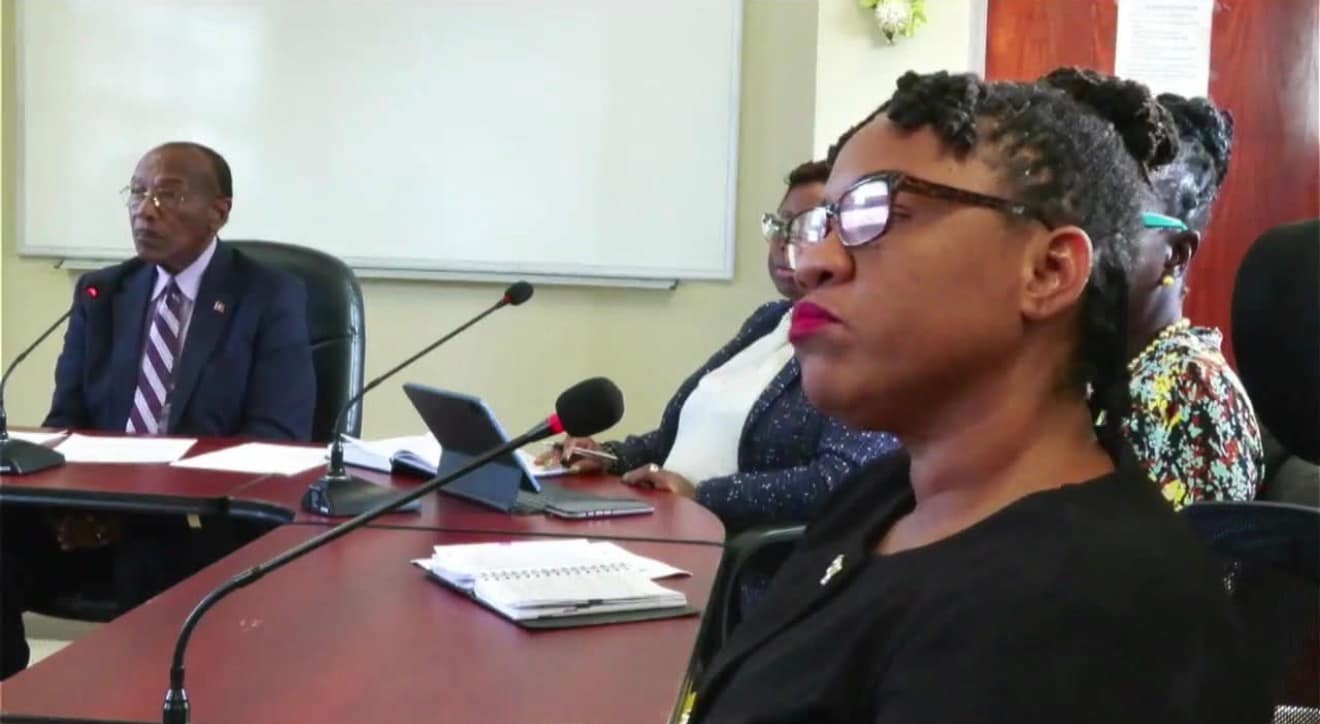
As global statistics reveal that a significant portion of the population will face mental health challenges at some point in their lives, Jamaican health officials are advocating for a comprehensive, society-wide strategy to tackle this pressing issue. In preparation for World Mental Health Day on October 10, 2025, Health and Wellness Minister Dr. Christopher Tufton emphasized the widespread nature of mental health concerns in Jamaica, citing a local study that found 40% of Jamaicans experience mental health issues during their lifetime. These include conditions such as depression, anxiety disorders, and schizophrenia. Dr. Tufton highlighted that mental health has emerged as a leading non-communicable disease in the country, necessitating collective action across all sectors of society. He stressed that addressing mental health is not the sole responsibility of the Ministry of Health but requires involvement from communities, schools, faith-based organizations, and the private sector. Supporting this call, Nurse Carol Baker-Burke, the Ministry’s Community Mental Health Coordinator, underscored the need for a unified approach to improve mental health outcomes nationwide. Dr. Kevin Goulbourne, Director of Mental Health and Substance Abuse, emphasized that individuals with mental health conditions can achieve recovery and lead productive lives with proper treatment. Consultant psychiatrist Dr. Kristen Robinson-Barrett urged Jamaicans to seek support early, starting at the community level, to prevent crises. Meanwhile, the Urban Development Corporation (UDC) encouraged Jamaicans to prioritize mental and physical well-being by engaging in activities such as healthy eating, exercise, and spending time in nature. UDC General Manager Bobby Honeyghan highlighted the importance of public spaces like Harmony Beach Park and Dunn’s River Falls in promoting relaxation and resilience. The government’s commitment to creating recreational spaces, such as the upcoming Portmore Resilience Park, reflects its dedication to fostering health and healing across the island.
分类: health
-

OP-ED: Big Tobacco calls it harm reduction, Caribbean youth calls it profiting from addiction
The Caribbean has become a focal point for lobbying efforts by groups such as the World Vapers’ Alliance, Smoke Free Sweden, and We Are Innovation, as the region is strategically targeted to weaken tobacco control measures ahead of the 11th Conference of the Parties (COP11) to the World Health Organization Framework Convention on Tobacco Control (WHO FCTC). These campaigns, supported by tobacco and related industries, promote electronic cigarettes, nicotine pouches, and heated tobacco products as ‘harm reduction’ tools, despite evidence highlighting their risks, particularly for youth. Recent articles and social media campaigns in Barbados and Trinidad have attempted to frame these products as safe, ignoring their addictive nature and uncertain long-term health impacts. Nicotine, a key component of these products, is highly addictive and linked to cardiovascular disease, cancers, and impaired brain development in adolescents. The World Health Organization (WHO) has warned that the tobacco industry is using these products to undermine public health policies while aggressively marketing them to children and non-smokers. Dr. Arthur Phillips, Deputy Chief Medical Officer in Barbados, emphasized the vulnerability of Small Island Developing States to the long-term costs of tobacco and nicotine addiction. The Barbados National NCD Commission has also highlighted the rise of vaping as a serious threat, particularly to youth, who are targeted with sweet flavors and bright packaging. Caribbean governments, as parties to the WHO FCTC, must resist industry interference and defend evidence-based tobacco control policies. Mrs. Barbara McGaw of the Heart Foundation of Jamaica urged governments to act urgently, applying WHO’s MPOWER package to counter the spread of electronic nicotine delivery systems. Youth e-cigarette use in the region is alarming, with rates as high as 17.2% in Trinidad and Tobago. Dr. Asante LeBlanc of the Trinidad and Tobago Cancer Society emphasized the importance of campaigns like ‘Clear the Air’ to protect youth from nicotine addiction. As a youth tobacco control advocate, Dorial Quintyne, MPH, called for Caribbean governments to unite at COP11, reject industry interference, and champion effective tobacco control measures.
-

China creates ‘bone glue’ that will mend breaks in minutes
Chinese researchers have unveiled a groundbreaking innovation in medical science—a ‘bone glue’ capable of mending fractures in as little as three minutes. This revolutionary product, named Bone-02, promises to transform the treatment of bone injuries, which affect millions globally each year. According to a Lancet study, approximately 178 million fractures occur annually worldwide, with 18.3 million cases reported in the United States alone. Traditional fracture treatments often involve invasive procedures, such as the use of plates, rods, and screws, which can require additional surgeries for removal, prolonging patient discomfort and recovery time. Bone-02, inspired by the adhesive properties of oysters, offers a non-invasive alternative. It is injected directly into the fracture site, bonding bone fragments swiftly and effectively. The glue is particularly beneficial for treating smaller or awkwardly located fractures, where traditional methods may be unsuitable. Additionally, it minimizes the risk of infection and rejection, addressing significant challenges in fracture management. This innovation marks a significant leap forward in medical technology, potentially rendering complex treatments obsolete and improving patient outcomes globally.
-

Warning: Certain ingredients can cause death
For many, consuming even a small amount of certain foods can lead to a life-threatening condition known as anaphylactic shock. Common allergens like peanuts, shellfish, milk, and eggs are widely recognized, but the Grenada Food and Nutrition Council (GFNC) is raising awareness about lesser-known triggers that can be equally dangerous. These include lentils, sesame seeds, avocados, and even specific types of oils. Anaphylactic shock, a severe immune system overreaction, can rapidly constrict airways, cause swelling, and lead to a drop in blood pressure, dizziness, or loss of consciousness, potentially resulting in death. The GFNC emphasizes the importance of understanding and declaring all ingredients, especially when preparing food for others. They urge hosts and food vendors to ask about allergies, avoid including allergens in meals, and provide complete ingredient lists to ensure consumer safety. Ignoring these precautions can have fatal consequences. The GFNC also encourages the public to learn more about food allergies and nutrition through their resources and counseling services. Visit their website or social media for further information and support.
-

Haiti battles rabies with vaccines and vigilance
In a grim yet transformative public health initiative, Haiti is leveraging tragic deaths caused by rabies-infected dogs to galvanize action against the deadly disease. Supported by the Pan American Health Organization (PAHO) and the World Health Organization (WHO), Haitian health authorities are addressing a crisis that has claimed multiple lives this year, including that of a nine-year-old boy in the remote village of Butête. The boy, bitten by a stray dog, succumbed to rabies after exhibiting severe symptoms such as muscle spasms and hydrophobia. His death underscores the urgent need for improved healthcare access and preventive measures in a country grappling with political instability, economic hardship, and widespread poverty. Between 2022 and 2024, Haiti investigated over 8,000 suspected rabies cases in dogs, with 46 confirmed cases and eight human deaths. In response, PAHO and WHO have mobilized a nationwide network of health workers, including epidemiology assistants and mobile lab technicians, to combat the disease. A canine vaccination campaign launched in August aims to immunize 140,000 dogs, supported by innovative tools like a mobile app for real-time data collection. The initiative also focuses on public education and improving access to post-exposure rabies vaccines. Despite Haiti’s ongoing challenges, the campaign has been hailed as a significant success, with an estimated 80% vaccination coverage expected to curb the virus’s spread. Rabies remains a global threat, causing 59,000 deaths annually, 40% of which are children. However, the Americas have achieved a 98% reduction in human rabies cases since 1983, demonstrating the effectiveness of coordinated public health efforts.
-

Future Fambo suffers ‘mild heart attack’
Renowned dancehall artist Future Fambo, born Warren Gladstone Williams, experienced a mild heart attack in New York on Sunday, prompting an urgent response from FDNY medical personnel. The incident occurred after the artist, who has been diagnosed with diabetes, consumed cornmeal porridge following a period of fasting due to extensive travel. Fambo shared a 28-second video on Instagram, showing himself on a sofa, clad in underpants, connected to medical equipment as paramedics worked to stabilize his condition. He described feeling cold sweats and blurred vision, which led his friend to call for emergency assistance. Fambo attributed the episode to a sudden drop in blood sugar exacerbated by the porridge. Despite the scare, he opted to recover at home rather than go to the hospital, reassuring fans that he is now “alright.” The artist revealed that he received concerned calls from fellow dancehall stars, including Sean Paul, Flexx, and Mavado. Reflecting on the incident, Fambo expressed his intention to embrace Christianity in January 2024, citing disillusionment with the music industry’s hypocrisy. He recently released a gospel-inspired single, “Amazing Song,” on World Blast Records, emphasizing his spiritual journey. Fambo also shared that he had prayed for half an hour before the heart attack, viewing it as a pivotal moment in his life.
-

Dr Dawes urges Jamaica to improve efforts in addressing mental health crisis
KINGSTON, Jamaica — Amid a concerning surge in suicide cases across the nation, Dr. Alfred Dawes, the Opposition Spokesperson on Health and Wellness, has urged a collective effort to tackle Jamaica’s deepening mental health crisis. The call comes as the country recorded its highest suicide rate in 23 years in 2024, with alarming statistics highlighting the urgent need for intervention.