分类: health

  • February date for deployment of medical dome-ward at CRH

    February date for deployment of medical dome-ward at CRH

    The Jamaican Ministry of Health and Wellness has announced an innovative solution to address critical overcrowding at Cornwall Regional Hospital (CRH) in St. James. Through a collaborative effort between the ministry, the National Health Fund, and an international non-governmental organization, a temporary 100-bed dome facility will be installed adjacent to the hospital’s accident and emergency unit.

    Health Minister Dr. Christopher Tufton confirmed the dome is expected to arrive on the island by February 1st, with construction of its foundation beginning immediately. The installation process is projected for completion by the third week of February, significantly expanding the hospital’s ward capacity.

    The urgency for additional space follows recent staff protests highlighting severe overcrowding conditions exacerbated by structural damage from Hurricane Melissa. The hospital’s operations have been temporarily relocated to the Mount Salem Health Centre during ongoing renovations at the main CRH facility.

    Minister Tufton, during a site inspection tour, emphasized that contractors are actively working to rehabilitate affected ward spaces in the temporary A&E unit, with several wards expected to become operational within the coming week. While acknowledging the challenging circumstances, the minister appealed for public understanding as the ministry implements both immediate and long-term solutions to restore adequate bed capacity for patient care.

  • Portmore Islamic Centre donates over $40m in medical supplies to Hurricane Melissa relief

    Portmore Islamic Centre donates over $40m in medical supplies to Hurricane Melissa relief

    A substantial medical relief initiative valued at $40 million Jamaican dollars is set to enhance healthcare services across Jamaica through a collaborative effort between the Portmore Islamic Centre and US-based humanitarian organization Helping Hands. This significant donation arrives as part of the centre’s ongoing hurricane relief project, providing critical medical equipment to healthcare facilities nationwide.

    The comprehensive medical assistance package includes advanced ultrasound machines, infant warming systems, professional medical scrubs, specialized electric hospital beds, emergency crash carts, and CPAP respiratory devices. This equipment will directly benefit multiple healthcare institutions, including Black River Hospital in St. Elizabeth and St. Ann’s Bay Hospital in St. Ann, alongside various community health centers throughout the island.

    Project Coordinator Kareema Muncey revealed that this initiative represents the latest development in an established philanthropic relationship. “Our collaboration with Helping Hands began with substantial grocery distribution efforts, through which we’ve already distributed over 700 relief boxes to communities,” Muncey explained. This previous outreach enabled volunteers to identify specific needs within western Jamaican communities and establish connections with local medical facilities.

    Shaheed Muhammad, detailing the procurement process, emphasized the global reach of their charitable partner: “Helping Hands operates international relief programs worldwide. We initiated contact following Hurricane Melissa’s impact on Jamaica, recognizing the urgent need for support. Their immediate positive response facilitated this significant donation.”

    The medical supplies, which arrived via container transport on Friday evening, prompted immediate mobilization efforts. Muhammad noted that distribution commenced rapidly, with many clinic representatives already collecting their allocations. Additional personalized deliveries were scheduled for the following day to ensure comprehensive coverage.

    This current medical donation follows a previous $25 million grocery relief program administered by the same organizations. Muhammad specifically highlighted the inclusive nature of their humanitarian mission: “This assistance transcends religious boundaries – it primarily serves non-Muslim communities. Our religious principles mandate that by alleviating others’ burdens, we ultimately ease our own. We consider this philanthropic work an essential duty rather than optional charity.”

  • Learning and Development Unit Opens 2026 with CME Sessions on Stroke Care and Cancer Detection

    Learning and Development Unit Opens 2026 with CME Sessions on Stroke Care and Cancer Detection

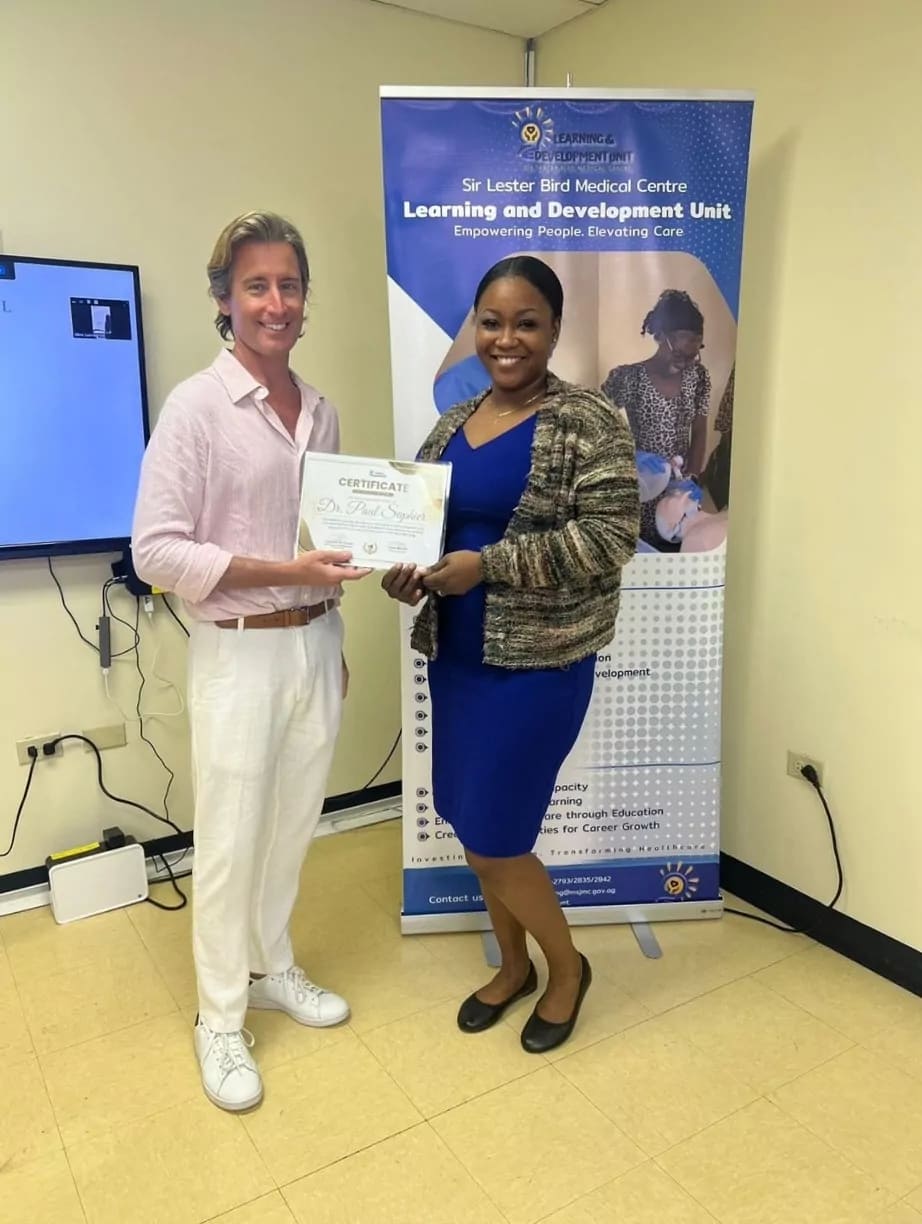
    Antigua and Barbuda’s healthcare sector has embarked on an ambitious professional development initiative with the commencement of the Learning and Development Unit’s 2026 educational program. The inaugural sessions, conducted by renowned medical experts Dr. Paul Saphier and Dr. Nicole Saphier, addressed critical healthcare challenges through two comprehensive Continuing Medical Education (CME) modules.

    The first session delivered an in-depth analysis of acute stroke management, emphasizing time-sensitive intervention protocols. Participants examined the implementation of mechanical thrombectomy procedures and explored adaptive strategies for both well-resourced and resource-constrained medical environments. The discussion highlighted systemic preparedness and clinical decision-making processes that significantly influence patient outcomes.

    A subsequent presentation focused on breast cancer detection methodologies, reviewing current screening strategies, diagnostic pathways, and treatment outcomes. The facilitators presented population-specific data and trends relevant to Antigua and Barbuda’s healthcare landscape, enabling participants to contextualize international best practices within local healthcare delivery frameworks.

    Program organizers emphasized the deliberate integration of evidence-based practice with equitable healthcare delivery principles. The sessions were specifically designed to bridge theoretical knowledge with practical application, ensuring that medical professionals can immediately implement learned techniques in clinical settings.

    Dr. Shivon Belle-Jarvis, Medical Director of Sir Lester Bird Medical Centre, endorsed the program’s approach, stating that continuous professional development remains fundamental to health system strengthening. The Learning and Development Unit characterized its methodology as ‘intentional learning’ – a focused educational strategy that prioritizes clinically relevant content while maintaining patient outcomes as the central objective.

    The Unit has committed to sustaining this practical, high-impact educational approach throughout 2026, with ongoing programs designed to enhance healthcare outcomes across the nation’s medical ecosystem.

  • Misiekaba wil mentale zorg dichterbij burgers brengen via scholen en eerstelijnszorg

    Misiekaba wil mentale zorg dichterbij burgers brengen via scholen en eerstelijnszorg

    Suriname’s Health Minister André Misiekaba has unveiled a transformative strategy to revolutionize mental healthcare by shifting focus to early detection and prevention. The groundbreaking initiative aims to integrate mental health services into primary care systems, targeting schools, polyclinics, and community settings as frontline defense mechanisms against severe psychiatric conditions.

    Minister Misiekaba identified the critical gap in current mental healthcare delivery, noting that individuals typically reach psychiatric specialists only at advanced stages of illness. To disrupt this pattern, specialized social workers will now serve as early warning systems within educational institutions and medical facilities. These professionals will receive training to identify initial signs of stress, depression, or behavioral abnormalities, particularly among children and adolescents.

    The educational sector represents a cornerstone of this new approach. While teachers maintain their vital observational role, structured support from qualified social workers—either dedicated to individual schools or serving multiple institutions—will provide essential specialized assessment capabilities.

    Healthcare facilities will similarly establish low-threshold access points where social workers can address emerging mental health concerns before they escalate. For complex cases requiring advanced treatment, the Psychiatric Center Suriname (PCS) remains the central hub, though Minister Misiekaba acknowledged the institution’s current operational challenges.

    The PCS currently operates with approximately sixteen patient beds, though modest modifications could expand capacity to thirty. Compounding infrastructure limitations, the facility faces staffing shortages due to emigration of specialized nursing personnel. The ministry is actively developing retention and recruitment strategies to strengthen the workforce.

    This comprehensive mental health reform explicitly addresses Suriname’s growing homeless population through the recently established Bureau for Homelessness Task Force. The group has finalized an advisory report that will soon guide policy development for this vulnerable demographic.

    Minister Misiekaba emphasized that mental health responsibility extends beyond institutions: “The first signals typically emerge within household environments. Family members play a crucial role in early detection and seeking appropriate support—that’s where the initial alarm should sound.” This holistic approach combines institutional reinforcement with community engagement to create a robust mental health ecosystem.

  • “Your Wings Were Ready”: A Mother’s Account of Love, Loss, and a Call for Change at the KHMH

    “Your Wings Were Ready”: A Mother’s Account of Love, Loss, and a Call for Change at the KHMH

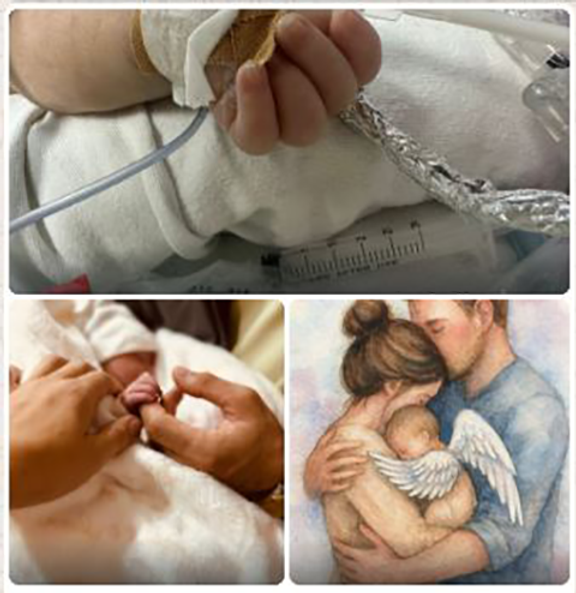
    A Belizean mother’s devastating account of her newborn daughter’s tragic death has exposed critical systemic failures in neonatal healthcare, sparking urgent calls for medical reform. Joy’s brief life—born January 4, 2026—became a testament to extraordinary resilience and catastrophic resource shortages that ultimately proved fatal.

    Following Joy’s diagnosis with duodenal atresia—a intestinal blockage preventing milk digestion—she underwent successful surgery on January 6. However, the celebration was short-lived as cascading medical crises revealed the NICU’s alarming limitations. With no pediatric cardiologist available, an adult specialist performed an echocardiogram on January 12 that revealed both sepsis and two heart defects.

    The situation deteriorated critically when Joy’s platelet count plummeted to 27,000 on January 16 (normal range: 150,000-400,000), requiring immediate transfusion. Despite family purchasing emergency blood-giving sets, transfusions occurred without parental consent or notification. The crisis peaked when the blood bank closed during weekend critical hours, leaving no platelet access as Joy’s count dropped to 19,000 amid uncontrolled seizures.

    Though community donors responded overwhelmingly to public appeals for blood donations, the assistance arrived too late. Joy passed away on January 19 after suffering irreversible damage from unmet medical needs.

    Her mother’s testimony highlights multiple systemic failures: chronic specialist shortages, communication breakdowns, restricted visitation policies, and most critically—inadequate blood bank accessibility for emergency neonatal care. The account challenges healthcare authorities to implement 24/7 blood bank operations, guaranteed platelet supplies, and transparent communication protocols.

    The family expresses profound gratitude to medical staff who fought alongside them, community donors, and global supporters who surrounded Joy with love during her 15-day life. This tragedy now fuels a movement demanding that no other family endure preventable loss due to resource shortages.

  • Dr Cecilio Eck Faces Cancer Relapse

    Dr Cecilio Eck Faces Cancer Relapse

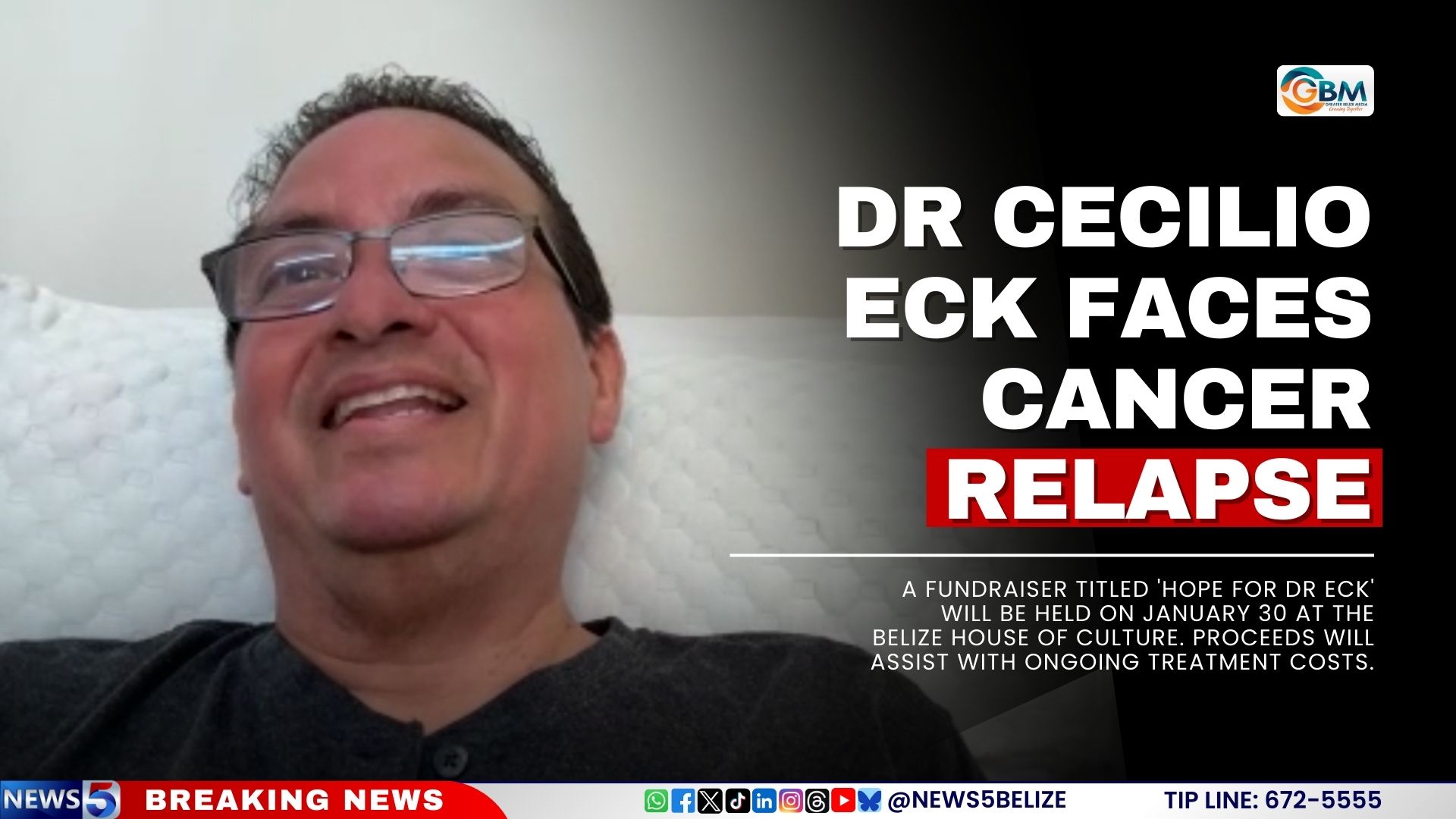
    Belize’s esteemed pediatrician, Dr. Cecilio Eck, has publicly disclosed the recurrence of his biliary tract cancer, marking a significant setback in his health journey. The medical professional, who initially received a stage 4 cancer diagnosis in 2024, confirmed the development during a recent interview after experiencing renewed pain symptoms.

    Following extensive treatment protocols including chemotherapy, radiotherapy, and surgical interventions abroad, Dr. Eck had resumed his medical practice in October 2025 to continue serving his young patients. However, just two months after returning to clinical duties, persistent left hip pain prompted further diagnostic investigations. Subsequent scans conducted in Mexico City revealed the unfortunate metastasis of his cancer.

    Despite this challenging prognosis, Dr. Eck maintains a remarkably positive outlook. “I’ve chosen to make my illness public to raise cancer awareness and demonstrate that fear should not dominate our response to diagnosis,” he stated. “No hope is lost. We remain optimistic about overcoming this challenge.”

    The medical community and general public have rallied behind the beloved physician, who has dedicated over two decades to pediatric care in Belize. A fundraising event titled ‘Hope for Dr. Eck’ has been scheduled for January 30 at the Belize House of Culture in Belize City. The event, offering tickets at $100 through MADISCO outlets, online platforms, and at-the-door purchases, aims to generate financial support for his ongoing treatment expenses.

    Dr. Eck’s transparency about his health struggle has transformed his personal battle into a public awareness campaign, inspiring many facing similar health challenges throughout Belize and beyond.

  • Trinidad and Tobago Newsday – Friday January 23rd 2026

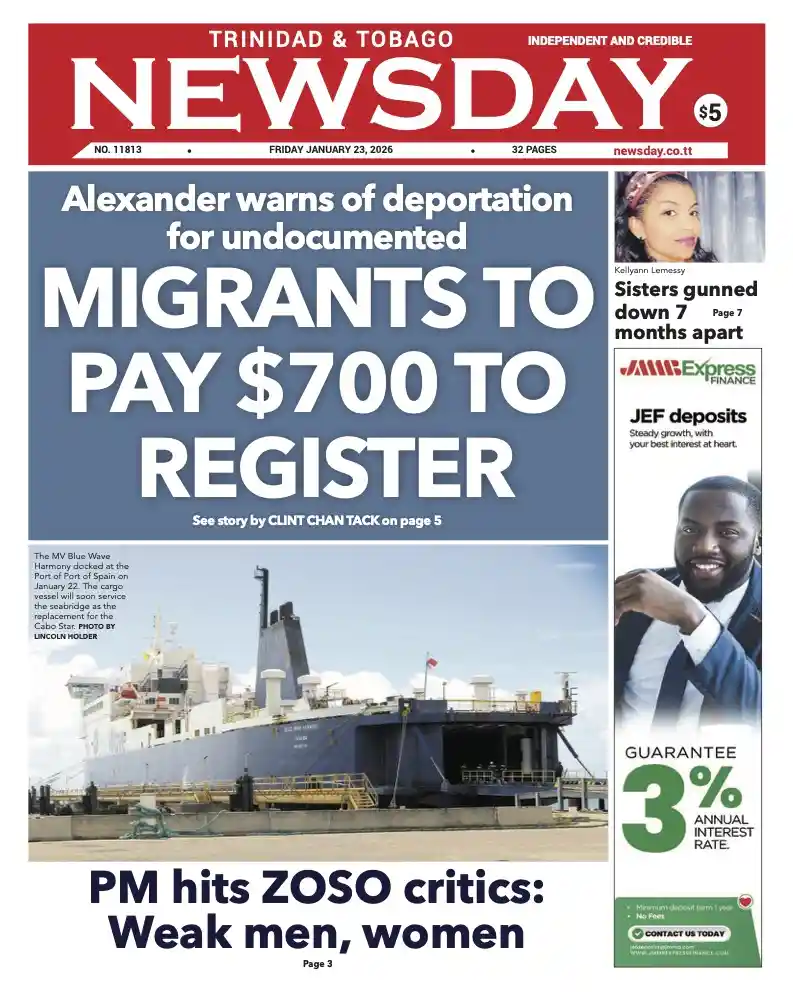
    Trinidad and Tobago Newsday – Friday January 23rd 2026

    The global dietary supplement industry, valued at over $50 billion, presents consumers with a complex landscape of health promises and scientific uncertainties. A comprehensive analysis reveals a sector experiencing unprecedented growth yet facing critical scrutiny regarding efficacy, safety, and regulatory oversight.

    Unlike pharmaceutical products requiring rigorous FDA approval for both safety and effectiveness before market entry, dietary supplements operate under a different regulatory paradigm. The 1994 Dietary Supplement Health and Education Act (DSHEA) permits supplements to reach consumers without pre-market authorization, placing the burden of proof for safety concerns on the Food and Drug Administration after products are already available to the public.

    This regulatory framework has enabled an explosion of products ranging from traditional vitamins and minerals to botanicals, probiotics, and innovative compounds targeting various health aspects from cognitive function to metabolic performance. However, this accessibility comes with significant challenges: inconsistent product quality, potentially misleading marketing claims, and limited scientific validation for many popular formulations.

    Medical professionals emphasize that while certain supplements demonstrate clear benefits for specific populations (such as folic acid for pregnant women or vitamin D for those with deficiencies), many products lack robust clinical evidence. The absence of mandatory third-party testing creates quality control issues, with some products containing ingredients not listed on labels or contaminants that pose health risks.

    Consumers navigating this market must exercise critical evaluation, consulting healthcare providers about potential supplement-drug interactions and recognizing that these products are intended to complement—not replace—a balanced diet and healthy lifestyle. The industry continues to evolve with increasing calls for stricter regulation and more transparent labeling practices to better protect public health.

  • WRHA expanding psychosocial support services across Westmoreland

    WRHA expanding psychosocial support services across Westmoreland

    Jamaican health authorities have launched an extensive psychosocial support network across Westmoreland parish to address the mental health needs of communities devastated by Hurricane Melissa. The Western Regional Health Authority (WRHA) is deploying trained mental health professionals to multiple locations to provide critical emotional support services during the recovery period.

    Gerald Miller, Health Promotion and Education Officer for Westmoreland, explained that this initiative represents a comprehensive response to the psychological trauma caused by the hurricane’s impact. The program establishes safe spaces where residents can openly discuss emotional challenges and receive professional counseling without stigma or barriers.

    The support network operates during weekend hours from 9:00 am to 2:00 pm across six strategically chosen locations to maximize accessibility. Petersfield Primary School serves the Petersfield community, while Whitehouse Field Clinic accommodates residents from the Whitehouse area. Additional services are available at Salem Primary for Beeston Spring, Darliston Field Clinic for Darliston residents, and Dundee Primary School serving the Berkshire and Dundee communities.

    Miller emphasized that the program extends beyond basic counseling to include specialized mental health assistance for those requiring more comprehensive support. “Trained experts are prepared to address various mental health concerns that may have been exacerbated or triggered by the hurricane’s devastation,” he stated.

    Health officials are actively encouraging community members to utilize these services, stressing that professional guidance can significantly improve coping mechanisms during what they describe as an exceptionally challenging recovery period. The program’s design ensures that psychological support reaches the most affected populations regardless of their location within the parish.

    The expansion of mental health services forms part of Jamaica’s broader disaster response strategy, recognizing that emotional recovery is equally important as physical reconstruction following natural disasters. This approach acknowledges the long-term psychological impact hurricanes can have on vulnerable communities and represents a proactive step toward comprehensive disaster recovery.

  • France probes deaths of two babies after powdered milk recall

    France probes deaths of two babies after powdered milk recall

    BORDEAUX, France — A major health scare is unfolding across Europe’s infant nutrition sector, prompting widespread product recalls and triggering multiple investigations following the tragic deaths of two newborns. French health authorities have launched a probe to determine if contaminated powdered milk is responsible for the fatalities, which occurred in late December and early January.

    Health Minister Stephanie Rist moved to reassure the public on Friday, confirming that all suspicious infant formula batches had been removed from circulation. The crisis centers on potential contamination with cereulide, a dangerous toxin known to cause severe gastrointestinal symptoms including vomiting and diarrhea.

    The investigation involves two separate cases: a two-week-old infant who died January 8 in Bordeaux after consuming formula from subsequently recalled batches, and a 27-day-old who died December 23 in Angers. According to local prosecutors, the second infant’s mother recently came forward to report her child had consumed Nestle products from the affected lots.

    While French authorities emphasize that no causal link has been established between the formula and the deaths, the situation has triggered a domino effect of recalls across the industry. Nestle initiated withdrawals across several European markets on January 6, with the company stating it would fully cooperate with investigations while maintaining there is currently “no evidence” connecting their products to the infant fatalities.

    The recall wave has expanded to include other major manufacturers. Danone announced precautionary withdrawals of limited batches in specific markets on Friday, citing updated guidance from food safety authorities. Similarly, French conglomerate Lactalis recalled numerous batches on Wednesday over cereulide contamination concerns across multiple international markets including Australia, China, Spain, Mexico, and several other countries.

    The international scope of the recalls highlights the globalized nature of the infant formula supply chain, with affected products reaching consumers across Europe, Asia, Africa, and the Americas as manufacturers scramble to contain the potential health risk.

  • Guyana to issue chikungunya alert after outbreak in Suriname

    Guyana to issue chikungunya alert after outbreak in Suriname

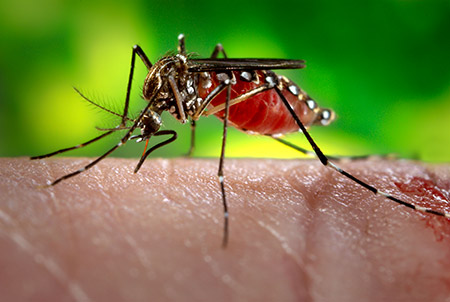
    Guyana’s health authorities have initiated nationwide preventive measures following confirmation of chikungunya virus cases in neighboring Suriname. Health Minister Dr. Frank Anthony announced Wednesday that all medical facilities across Guyana have been placed on high alert to detect potential cases of the mosquito-borne disease.

    The surveillance enhancement comes after Suriname’s Ministry of Health confirmed eight locally transmitted chikungunya cases, with none of the infected individuals having recent international travel history. The cases were verified through comprehensive testing conducted by Suriname’s Central Laboratory of the Bureau for Public Health and the Academic Hospital Paramaribo’s laboratory facilities.

    Dr. Anthony emphasized the robustness of Guyana’s existing disease monitoring framework, noting that healthcare facilities routinely test for dengue fever and subsequently screen for other flu-like illnesses when dengue results return negative. Serum samples are then forwarded to the National Reference Laboratory for advanced Polymerase Chain Reaction (PCR) testing, which can identify diseases including chikungunya.

    The Health Minister clarified that current weekly surveillance reports show no detected chikungunya cases within Guyana, with the last imported case occurring in October from a Caribbean island.

    Regarding mosquito control efforts, Dr. Anthony detailed that the ministry has trained personnel within neighborhood councils, providing them with equipment and chemicals for fogging operations. While local government bodies, including the Georgetown City Council, maintain primary responsibility for fogging activities, the Health Ministry conducts independent monitoring and supplemental fogging operations.

    This outbreak marks the first significant chikungunya presence in Suriname since the initial 2014 epidemic when the virus first emerged in the Caribbean region. Surinamese health authorities have issued public guidance recommending paracetamol instead of aspirin or ibuprofen for fever and joint pain management, alongside advice for adequate fluid intake, rest, and prompt medical attention if symptoms worsen.

    Health officials in both nations emphasize that chikungunya cannot transmit directly between people and that infection confers lifelong immunity. Public health recommendations include eliminating mosquito breeding sites by removing stagnant water sources around homes and workplaces, wearing protective clothing, and using insect repellent.