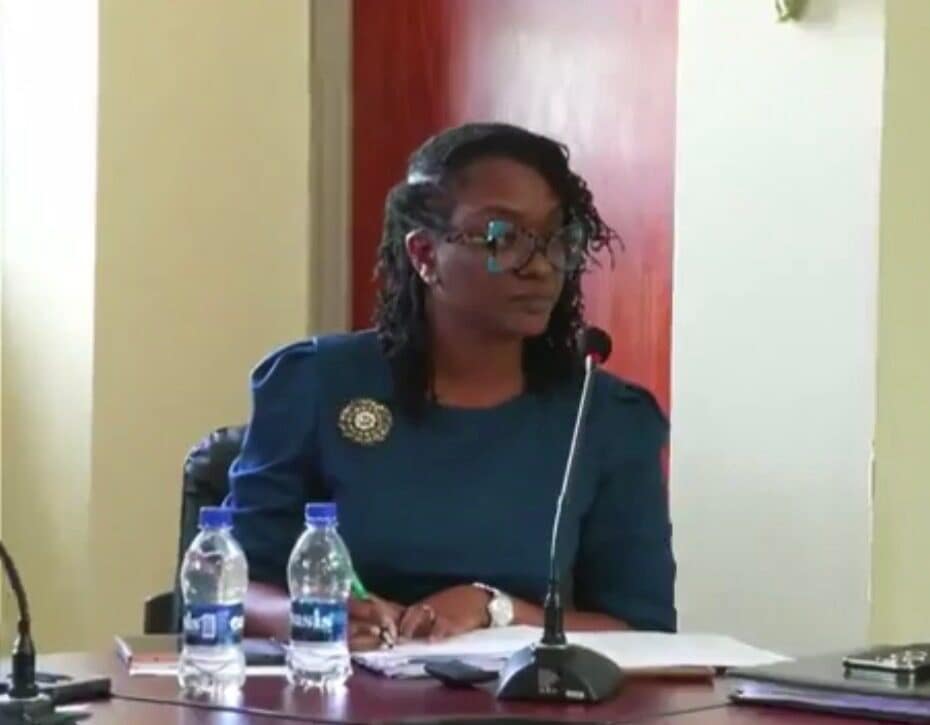
Barbados is on track to become the 12th Caribbean nation to achieve official recognition for eliminating mother-to-child transmission of HIV, syphilis, and hepatitis B by the end of 2025. This milestone follows a pre-assessment conducted by the Pan American Health Organisation (PAHO), which highlighted significant progress and dedication across the island’s healthcare system. The certification process, expected to conclude by year-end, mirrors successful efforts in Belize, Jamaica, and St Vincent and the Grenadines in 2024. Cuba set the precedent a decade ago as the first country globally to eliminate both HIV and syphilis transmission from mother to child. Last week, a PAHO team, accompanied by a regional laboratory expert, collaborated with Barbados’ national health team to conduct a comprehensive pre-assessment. The review, designed to identify gaps and challenges, included visits to key health facilities such as the Queen Elizabeth Hospital, polyclinics, and private medical centers. The delegation evaluated services for pregnant and lactating women, inspected laboratories, and reviewed HIV services, maternal and child clinics, vaccination programs, and disease surveillance systems. Dr. Amalia Del Riego, PAHO/WHO Representative for Barbados and the Eastern Caribbean Countries, emphasized the significance of this achievement, stating that it reflects the strength of Barbados’ HIV and maternal health services and its commitment to ensuring every child has a healthy start in life. PAHO’s support aims to strengthen health systems, promote health equity, and prevent missed opportunities for disease prevention. WHO certification confirms a country’s ability to deliver high-quality, accessible care to pregnant women and newborns, safeguarding them from HIV, syphilis, and hepatitis B transmission.
分类: health
-

BACSWN set to roll out new aviation emergency-response network across Bahamas
Executives from the Bahamas Aviation, Climate & Severe Weather Network (BACSWN) recently conducted a site visit to Long Island, engaging with health officials and residents while inspecting facilities at Stella Maris and Deadman’s Cay airports. This visit followed a series of town-hall meetings on Cat Island and virtual consultations with residents of Mayaguana, Inagua, Crooked Island, Acklins, and Long Cay. The initiative is part of a broader plan to establish a nationwide aviation emergency-response network, including aviation trauma centers, air-ambulance bases, and helicopter emergency medical services (HEMS).
Lyrone Burrows, a BACSWN executive, explained that the project stems from the group’s Heads of Agreement with the Bahamian government, which authorizes BACSWN to provide aviation meteorology services and live flight tracking. These services will form the foundation for a parallel emergency-response system designed to benefit both international aviators and local communities. Burrows emphasized the group’s commitment to creating trauma centers near every international airport, supported by ambulances, trained medical staff, and dedicated air-evacuation hubs. Four strategic locations across the southern, central, and northern Bahamas have already been identified for these bases.
The goal is to reduce emergency-response times to 30–40 minutes by positioning aircraft and personnel closer to high-risk areas. Burrows highlighted that this initiative will significantly improve access to life-saving interventions, with all activities being coordinated with relevant government ministries and agencies. BACSWN has partnered with Response Plus Medical (RPM), a global aviation emergency-services provider based in Abu Dhabi, to implement the project. RPM plans to deploy up to 50 aviation-based ambulances, over 200 medical professionals, and a HEMS network. Additionally, RPM will establish training centers in the Bahamas to prepare locals for new roles created by the project.
During their visit to Long Island, the BACSWN team met with Health Administrator Anya Forbes and toured the Simms Community Clinic with Head Nurse Stubbs. They also inspected both airports, where Bahamas Airports Authority executive Euley Glinton expressed strong support for the plan, noting its potential to enhance medical and firefighting capabilities for both aviation users and the broader community. Public meetings were held in Clarence Town and North Long Island High School, with Island Administrator Jandilee Archer delivering opening remarks.
Burrows encouraged residents to prepare for economic opportunities tied to the project’s rollout, including new jobs, real estate rentals, and support services. While BACSWN officials did not provide a specific start date for construction or deployment, they confirmed that the emergency-response network will be introduced in phases over the coming months, with government oversight and regulatory collaboration at each stage.
-

Study finds women have higher genetic risk of depression
A landmark study conducted by Australian researchers has uncovered significant genetic differences in the risk of clinical depression between men and women. Published in the prestigious journal Nature Communications, the research analyzed the DNA of nearly 200,000 individuals with depression, marking it as one of the largest studies of its kind. The findings revealed that women possess nearly twice as many genetic markers associated with depression compared to men. Led by the Berghofer Medical Research Institute, the study identified approximately 13,000 genetic markers linked to depression in women, versus 7,000 in men. These genetic variations could influence biological pathways related to metabolism and hormone production, potentially explaining why women with depression often experience symptoms like weight fluctuations and altered energy levels. Researcher Jodi Thomas emphasized that understanding these genetic differences could pave the way for more personalized and effective treatments. The study also highlighted a historical bias in medical research, with most depression medications and studies predominantly focused on male participants. Clinical depression, affecting over 300 million people globally according to the World Health Organization, remains one of the most prevalent mental health disorders. This groundbreaking research offers new insights into the biological underpinnings of depression and underscores the need for gender-specific approaches in mental health treatment.
-

Mental health crisis
As global statistics reveal that a significant portion of the population will face mental health challenges at some point in their lives, Jamaican health officials are advocating for a comprehensive, society-wide strategy to tackle this pressing issue. In preparation for World Mental Health Day on October 10, 2025, Health and Wellness Minister Dr. Christopher Tufton emphasized the widespread nature of mental health concerns in Jamaica, citing a local study that found 40% of Jamaicans experience mental health issues during their lifetime. These include conditions such as depression, anxiety disorders, and schizophrenia. Dr. Tufton highlighted that mental health has emerged as a leading non-communicable disease in the country, necessitating collective action across all sectors of society. He stressed that addressing mental health is not the sole responsibility of the Ministry of Health but requires involvement from communities, schools, faith-based organizations, and the private sector. Supporting this call, Nurse Carol Baker-Burke, the Ministry’s Community Mental Health Coordinator, underscored the need for a unified approach to improve mental health outcomes nationwide. Dr. Kevin Goulbourne, Director of Mental Health and Substance Abuse, emphasized that individuals with mental health conditions can achieve recovery and lead productive lives with proper treatment. Consultant psychiatrist Dr. Kristen Robinson-Barrett urged Jamaicans to seek support early, starting at the community level, to prevent crises. Meanwhile, the Urban Development Corporation (UDC) encouraged Jamaicans to prioritize mental and physical well-being by engaging in activities such as healthy eating, exercise, and spending time in nature. UDC General Manager Bobby Honeyghan highlighted the importance of public spaces like Harmony Beach Park and Dunn’s River Falls in promoting relaxation and resilience. The government’s commitment to creating recreational spaces, such as the upcoming Portmore Resilience Park, reflects its dedication to fostering health and healing across the island.