分类: health

  • 100 beds, medical dome for ailing Cornwall Regional

    100 beds, medical dome for ailing Cornwall Regional

    FREEPORT, St James — A significant healthcare reinforcement is underway for Jamaica’s storm-battered Cornwall Regional Hospital (CRH) through a major philanthropic initiative. Health and Wellness Minister Dr. Christopher Tufton has officially accepted the donation of a 10,000-square-foot ballistic-rated medical dome and 100 critical care hospital beds, describing the contribution as “profoundly timely and essential.”

    The infusion of resources arrives as the hospital battles the aftermath of Hurricane Melissa, a Category 5 storm that struck last October and obliterated approximately 157 beds—nearly half of the facility’s total capacity. This catastrophic loss triggered severe overcrowding and extended wait times within the Accident and Emergency (A&E) Department, stretching the hospital’s operational limits.

    Minister Tufton, addressing the media at the Western Regional Health Authority Technical Office, reported substantial recent progress. Over the past fortnight, 75 beds have been restored, elevating the hospital’s operational capacity to 259 beds, or 75% of its pre-hurricane level. Consequently, the burden on the A&E Department has already been reduced by an estimated 50%.

    The new medical dome, to be situated adjacent to the A&E Department, is designed to facilitate a more efficient patient flow into ward areas. Foundation work is already in progress on the hospital grounds. “Once operational, this structure will provide doctors and nurses with enhanced surface area and significantly improved workflow, mitigating current operational inconveniences,” Tufton stated. He emphasized that the ultimate beneficiaries will be the patients, who will experience a major alleviation of existing challenges.

    Spearheading the relief effort is the United Mission Coalition. Christie Hutterson, CEO of Kennedy International Logistics and Services, explained that the initiative evolved from short-term hurricane relief into a sustained commitment after assessing the extensive damage. The donation package extends beyond the dome and beds to include X-ray systems, autoclaves, vital medications, clinical supplies, and interior design expertise provided by the University of Miami. All equipment will remain as permanent assets for the Jamaican people.

    To ensure rapid deployment, the dome will be airlifted to the island by the end of February via Judah 1, the world’s first Christian non-profit airline, as confirmed by its CEO, Everett Aaron. Further bolstering the effort, the National Health Fund (NHF) has committed $30 million to site preparation and dome equipping. NHF CEO Everton Anderson noted that while recovery aid is being provided to several hurricane-affected institutions, CRH requires particular focus due to its concurrent construction projects and critical space deficit.


  • Dr. Alafea Stevens elected president of Medical Association of Antigua and Barbuda

    Dr. Alafea Stevens elected president of Medical Association of Antigua and Barbuda

    The Medical Association of Antigua and Barbuda Inc. (MAAB) has reinstated Dr. Alafea Stevens as its president, marking her return to leadership after previously completing two consecutive terms. This election brings one of the nation’s most experienced emergency medicine specialists back to the helm of the professional medical body.

    Dr. Stevens brings over a decade of comprehensive expertise spanning clinical practice, healthcare administration, and professional leadership. She received her medical degree from the Latin American School of Medicine in Cuba (2010), followed by an internship through St. George’s University at St. George’s General Hospital in Grenada. She further specialized by earning a postgraduate diploma in emergency medicine from the University of the West Indies in Trinidad.

    Her clinical leadership was forged during her service as head of the Emergency Room Department at the Sir Lester Bird Medical Centre. Subsequently, she moved into national health policy, currently holding the position of senior medical officer within the Ministry of Health’s Medical Division. In this capacity, she has fulfilled the roles of both medical officer of health and deputy chief medical officer.

    Beyond her governmental duties, Dr. Stevens holds influential positions on multiple statutory boards, including the Antigua and Barbuda Pharmacy Council, the Medical Benefits Scheme Board, and the national Formulary Committee. Her longstanding involvement with MAAB includes serving as secretary-treasurer (2018-2020) prior to her initial presidency (2020-2024).

    Dr. Stevens maintains significant engagement in public health advocacy and community service. She is an honorary member of Antigua and Barbuda Breast Friends, supporting free breast cancer screening initiatives for over ten years. Regionally, she serves as Antigua and Barbuda’s country lead for the Howard University Caribbean Clinicians Community of Practice Project and contributes to the World Organization of Family Doctors’ working group for women and family medicine.

    Additionally, she represents the nation on Caribbean Medical TV, where she addresses common regional health issues and innovative solutions. Her exemplary service has been recognized through numerous MAAB awards honoring her contributions to medicine, volunteerism, community service, and professional leadership.

  • Health minister announces latest finalization of senior healthcare positions as part of bolstering sector

    Health minister announces latest finalization of senior healthcare positions as part of bolstering sector

    The Dominican government is undertaking a significant restructuring of its healthcare leadership, with Health Minister Cassanni Laville announcing the finalization of critical senior management positions within the nursing department. This strategic move represents a continuation of the administration’s multi-year effort to enhance the nation’s medical governance and ultimately improve patient care outcomes.

    Minister Laville revealed that these appointments are part of a broader initiative to strengthen the healthcare system’s administrative framework. “We are in the process of finalizing some critical senior management positions, particularly in nursing as well as various other management positions,” he stated during a recent announcement.

    The minister emphasized that this organizational overhaul reflects the government’s sustained commitment to healthcare improvement, noting that over the past two years, the administration has consistently prioritized both healthcare outcomes and staff welfare. This focus has included substantial investments in human resources and strategic resource allocation across hospital networks.

    Detailing the comprehensive nature of these reforms, Laville highlighted several key achievements: “We have seen increases in salaries, appointed over 100 nurses in our system, created 26 permanent positions for medical doctors and various specialists, and established 34 full-time community health aid positions.” Additionally, the government is currently creating temporary positions for nine environmental health officers while continuing to review positions throughout both primary and secondary healthcare systems.

    This systematic approach to healthcare workforce development demonstrates the government’s recognition that robust administrative leadership—particularly in nursing—is essential for delivering quality medical services to the Dominican public.

  • Bezorgdheid over Nutrilon-babyvoeding in Suriname na internationale terugroepactie

    Bezorgdheid over Nutrilon-babyvoeding in Suriname na internationale terugroepactie

    Health authorities across multiple nations have escalated a major recall of Nutrilon infant formula products after discovering potential contamination with cereulide toxin, sparking significant concern among parents in Suriname where the affected batches remain commercially available.

    The international recall initiative, originally initiated in European countries including the Netherlands, now encompasses various Nutrilon formulations specifically designed for infants. The products under scrutiny include Nutrilon Stage 1 and specialized AR variants intended for babies with reflux conditions. This regulatory action follows comprehensive evaluations identifying specific batches containing ARA fatty acid sourced from a particular supplier believed to be the contamination origin.

    Medical experts warn that cereulide exposure can trigger severe gastrointestinal complications in infants, particularly those under six months of age. Symptoms may include persistent vomiting, diarrhea, and abdominal discomfort, necessitating immediate medical attention if observed.

    In Suriname’s Wanica district, one concerned mother shared her apprehension with local media after discovering she possessed contaminated products. She has immediately discontinued usage and initiated contact with both the retail outlet where she purchased the formula and regional suppliers, though official guidance from distributors remains pending at this time.

    The Surinamese Ministry of Health has acknowledged the developing situation and is currently conducting its own assessment. Officials have indicated that formal public guidance regarding the recalled products will be issued shortly. Meanwhile, parents are advised to scrutinize batch numbers and expiration dates on all Nutrilon products and refrain from using any items matching the officially recalled batches circulating internationally.

  • WISH Releases National Mental Health Survey Findings, Calls for Legislative Action and System Strengthening

    WISH Releases National Mental Health Survey Findings, Calls for Legislative Action and System Strengthening

    A groundbreaking national survey conducted by the Wadadli Initiative for Self-care and Healing (WISH) has unveiled critical insights into the mental health landscape of Antigua and Barbuda. The comprehensive study, executed in October 2024 with 154 participants across multiple parishes, demonstrates a nation at a pivotal juncture in its mental health journey.

    The research reveals a paradoxical reality: while public awareness and openness to discuss mental health concerns have markedly improved, substantial obstacles to care persist. Affordability issues, limited service availability, information deficiencies, and enduring social stigma continue to hinder access to essential mental health services.

    Chaneil Imhoff, Founder of WISH, characterized the findings as reflective of a critical transition period. ‘We’re witnessing tangible progress in mental health discourse and health sector modernization,’ Imhoff noted, ‘yet the accelerating public demand for services now exceeds the system’s current capacity. Bridging this divide necessitates strategic policy interventions, substantial investment, and comprehensive legislative action.’

    Notably, the survey identified overwhelming perceptions of stigma surrounding mental health conditions, even as respondents demonstrated strong interest in digital and community-based service delivery models. Adults aged 25-44 constituted the largest demographic among participants, highlighting the profound implications of mental health policy on workforce productivity, economic stability, and family wellbeing.

    WISH has formally acknowledged the Antiguan and Barbudan government’s ongoing efforts in health sector reform while emphasizing the urgent need for robust mental health legislation to safeguard patient rights, enhance system coordination, and facilitate long-term strategic planning. The organization has committed to supporting government initiatives through technical expertise, community mobilization, data analysis, and public awareness campaigns.

    This pioneering research received partial funding through the UNESCO X SEVENTEEN – Going Together Grant, enabling WISH’s evidence-based advocacy work. The complete policy brief, including detailed data visualizations and actionable recommendations, is publicly accessible through the organization’s official digital platform.

  • Health : Treated drinking water, alarming findings (report)

    Health : Treated drinking water, alarming findings (report)

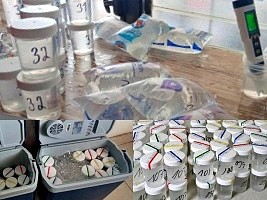
    A comprehensive government investigation into Haiti’s treated drinking water supply has revealed widespread contamination and critical mineral deficiencies, posing significant public health concerns. The Ministry of Commerce and Industry conducted an extensive six-month study from August 2025 to January 2026, examining 109 samples of packaged water from various sources throughout the Port-au-Prince Metropolitan Area.

    The findings present a disturbing picture of water safety in the Caribbean nation. Bacteriological analysis detected indicators of fecal contamination in 83.5% of all samples tested, including presence of total coliforms, fecal coliforms, and fecal streptococci. Particularly alarming was the discovery of E. coli contamination in 15.6% of overall samples, with sachet water (20%) and kiosk water (19%) showing the highest contamination rates.

    Beyond biological contaminants, the study identified severe mineral deficiencies in the water supply. An astonishing 97.5% of samples demonstrated conductivity levels below 50 μS/cm—dramatically lower than the World Health Organization’s recommended threshold of 1200 μS/cm for essential mineral content.

    The research pinpointed critical failures throughout the water supply chain. Battery bags used for water packaging were deemed impossible to properly sterilize before filling, while kiosks showed deficiencies in disinfection protocols and frequently utilized non-disinfected tanker trucks. Technical shortcomings included failure to implement adequate bacteriostatic and bactericidal treatments essential for maintaining water safety.

    While health authorities indicate that detected bacteria don’t represent an imminent risk to generally healthy consumers, they specifically warn that immunocompromised individuals and children should refrain from consuming any water, particularly bagged water sold at kiosks. Consumers experiencing gastroenteritis symptoms after water consumption are encouraged to file official complaints through the Ministry’s established system.

    The Ministry has urgently called for suppliers to implement comprehensive safety measures including regular disinfection of transportation and storage equipment, improved water traceability systems, installation of advanced filtration and UV sterilization technology at kiosks, and employment of properly trained technical staff specializing in water treatment and quality control.

  • St Thomas Outpatient Clinic reopens after COVID-19 closure

    St Thomas Outpatient Clinic reopens after COVID-19 closure

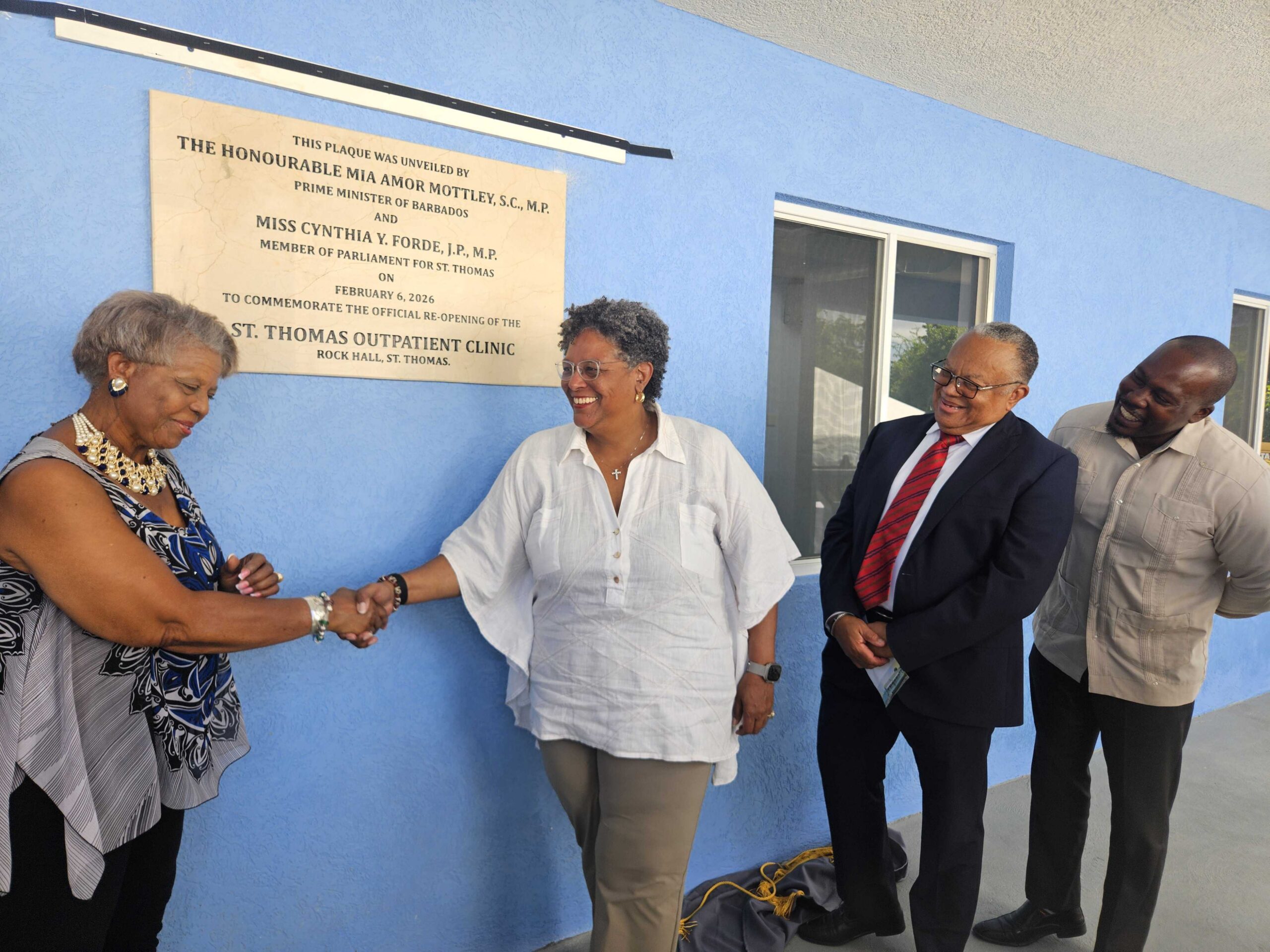
    Barbados has taken a significant step toward decentralizing its healthcare system with the official reopening of the St Thomas Outpatient Clinic following extensive pandemic-related closures. The $3 million refurbishment project represents a strategic government initiative to alleviate strain on the national Queen Elizabeth Hospital while enhancing local access to medical services.

    Former Health Minister Jerome Walcott emphasized the clinic’s role in combating Barbados’s growing non-communicable disease epidemic, revealing that operations will commence on a two-day weekly schedule with planned expansion to five days as resources and patient demand increase. The facility’s revival forms part of a comprehensive healthcare restructuring plan that prioritizes community-based treatment options.

    Local MP Cynthia Forde confirmed the clinic’s reopening aligns with broader constituency health objectives, disclosing parallel plans to repurpose the shuttered Gordon Cummins Hospital into a specialized hospice providing long-term and palliative care services. Prime Minister Mia Mottley characterized these developments as fundamental to the administration’s vision of enabling Barbadians to receive critical medical attention within their communities rather than depending exclusively on centralized hospital care.

    The revitalized clinic is projected to substantially reduce patient burdens at tertiary healthcare facilities while improving preventive care outcomes through enhanced geographical accessibility and tailored community health interventions.

  • Percy Junor Hospital becomes 12th baby-friendly certified institution

    Percy Junor Hospital becomes 12th baby-friendly certified institution

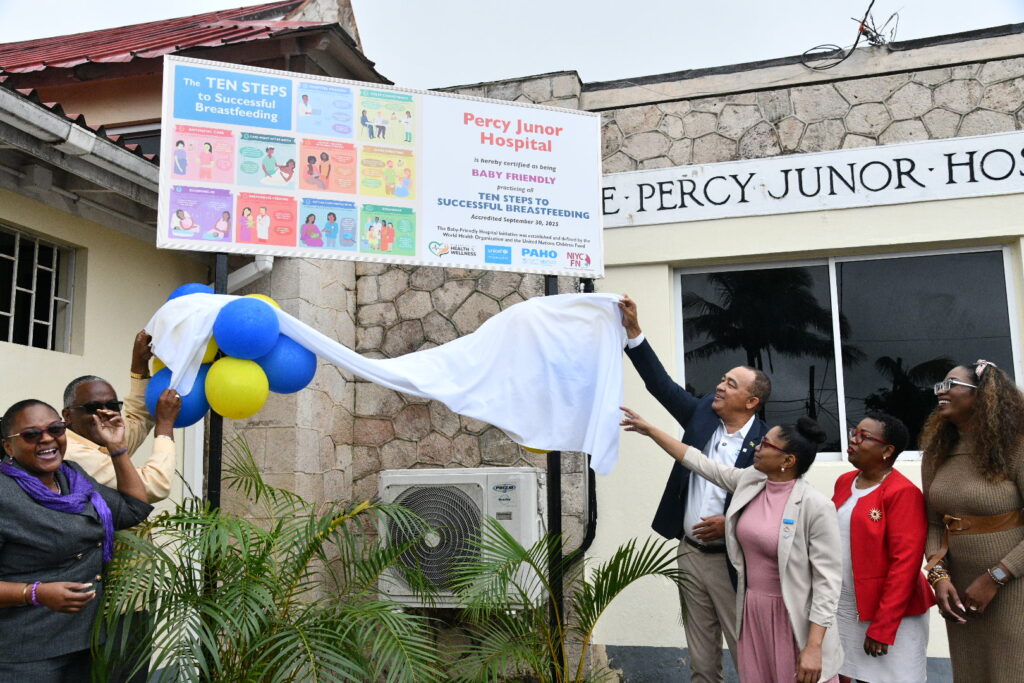
    KINGSTON, Jamaica — Percy Junor Hospital in Manchester has attained international recognition as a baby-friendly institution, marking a significant milestone as Jamaica’s twelfth public hospital to receive this prestigious certification. The accreditation comes through the globally recognized Baby-Friendly Hospital Initiative (BFHI), a joint program established by the World Health Organization (WHO) and the United Nations Children’s Fund (UNICEF).

    The BFHI framework acknowledges healthcare facilities that demonstrate excellence in maternal and newborn care while actively championing evidence-based breastfeeding practices. The initiative emphasizes critical interventions proven to enhance infant survival rates and long-term health outcomes, including immediate breastfeeding initiation post-delivery, exclusive breastfeeding during the first six months, and continued breastfeeding with nutritionally appropriate complementary foods for up to two years or beyond.

    During Thursday’s accreditation ceremony at the Spalding-based facility, Health and Wellness Minister Dr. Christopher Tufton commended the hospital’s leadership and staff for their commitment to elevating care standards. “This achievement reflects our broader strategic vision to reduce infant mortality, improve maternal health outcomes, and strengthen quality standards across Jamaica’s public health network,” Dr. Tufton stated.

    The minister highlighted the remarkable progress made since 2016 when only one of Jamaica’s 23 public hospitals held baby-friendly designation. “Today, twelve institutions have achieved this status—representing substantial advancement in our healthcare quality journey. This transformation demonstrates that our medical teams, supported by regional agencies and the Ministry, can deliver world-class infant and maternal care,” he emphasized.

    Dr. Tufton issued a compelling challenge to the remaining eleven hospitals, urging them to obtain certification within three to five years. “If twelve facilities can accomplish this, all twenty-three can achieve baby-friendly status. The framework exists, the expertise is available, and the support systems are in place,” he asserted.

    Addressing Percy Junor Hospital’s notable 64% decline in births from 2014 to 2025, the minister called for enhanced community outreach. “Our responsibility extends beyond clinical settings into communities where we must promote responsible parenting practices. As trusted healthcare providers, we must leverage our credibility to guide families toward evidence-based child-rearing approaches that optimize children’s development,” Dr. Tufton advised.

    Acting Chief Executive Officer Faith Sterling expressed profound satisfaction with the accreditation, describing it as “an absolute elation that signifies both elevated standards and a paradigm shift toward first-class healthcare excellence not just in Jamaica but throughout the Caribbean region.”

  • Public Health reports 89 infant deaths so far this year

    Public Health reports 89 infant deaths so far this year

    Santo Domingo – The Dominican Republic’s Ministry of Public Health (MSP) released its latest epidemiological data on Thursday, revealing both concerning fatalities and promising trends in the nation’s public health landscape.

    According to the official report, 89 infant deaths have been documented nationwide since the beginning of the year, including 20 cases within the past week. The ministry simultaneously reported four maternal deaths occurring this year, with one additional case confirmed in the most recent reporting period involving a Dominican national.

    Despite these sobering numbers, health authorities emphasized significant improvements compared to previous years. The current infant mortality count shows a notable reduction from the 108 fatalities recorded during the equivalent period in the previous year. Similarly, maternal deaths have decreased from five documented cases by this time in 2025 to the current total of four.

    The epidemiological bulletin further highlighted substantial progress in controlling infectious diseases. Dengue infections continue their downward trajectory with only one confirmed case reported this week, bringing the annual total to 13 cases. This represents an incidence rate of 2.04 per 100,000 residents.

    Malaria cases also demonstrate considerable decline, with three new infections reported this week accumulating to 10 total cases for the year. The current incidence rate of 1.57% marks a dramatic improvement from the 14.03% rate recorded during the same period in 2025.

    The report noted no new leptospirosis cases this week, maintaining the year’s total at two infections with an incidence rate of 0.31—reflecting a 92% reduction compared to previous data. Additionally, health authorities confirmed no reported cases of vaccine-preventable diseases during the latest monitoring period, indicating successful immunization coverage and disease prevention efforts.

  • Rotary Club of Dominica fosters project at Psychiatric Unit, completes handover

    Rotary Club of Dominica fosters project at Psychiatric Unit, completes handover

    In a landmark achievement for Caribbean mental healthcare infrastructure, the Rotary Club of Dominica has unveiled a comprehensively renovated Acute Psychiatric Unit following a significant modernization initiative. The completed project was officially inaugurated during a ceremonial event on January 30, 2026, attended by government officials, healthcare specialists, and Rotary representatives.

    The renovation project focused on four primary objectives: comprehensive physical infrastructure modernization, creation of a safer and more dignified patient-centered environment, enhancement of working conditions for medical staff, and substantial strengthening of Dominica’s mental health treatment capabilities.

    Substantial facility improvements included complete electrical system upgrades, modernized plumbing infrastructure, comprehensive refurbishment of both patient wards and staff offices, acquisition of new beds and mattresses, and a complete repainting of the facility. These enhancements collectively create a more therapeutic and welcoming environment conducive to patient recovery and healing.

    Notably, the project funding totaling XCD$44,218.92 was primarily generated through the Rotary Club’s annual Carnival Souse and Punch fundraising event, demonstrating how community-supported initiatives directly contribute to critical infrastructure development.

    During the inauguration ceremony, Health Minister Cassanni Laville expressed profound gratitude for the Rotary Club’s partnership, emphasizing that “well-maintained and dignified facilities are fundamental to effective mental healthcare and successful patient recovery.” He highlighted the critical importance of collaborative efforts between service organizations and government entities in advancing national healthcare infrastructure.

    Rotary District 7030 Governor Soraya A.J. Warner-Gustave commended the project as embodying Rotary’s core principles of compassion, community service, and sustainable impact. She noted that such partnerships between service organizations and government agencies yield profound and lasting benefits for society.

    Dr. Jermaine Jewel Jean-Pierre, President of the Rotary Club of Dominica, reaffirmed the organization’s ongoing commitment to supporting national healthcare systems. He emphasized the project’s alignment with Rotary International’s strategic focus on “Disease Prevention and Treatment,” particularly through infrastructure improvements that directly enhance patient wellbeing.

    The renovated APU facility holds particular historical significance, having been originally established in 1982 through Rotary Club vision and resources. The recent modernization project reinforces the organization’s enduring legacy of sustainable community development and service excellence.

    The Rotary Club extended special recognition to Harris Paint Dominica for material donations, along with numerous volunteers, supporters, and the dedicated staff of the Ministry of Health and APU for their cooperation and commitment to serving some of the nation’s most vulnerable citizens.