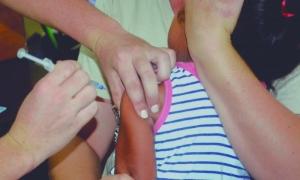
As the 30th United Nations Climate Change Conference (COP30) approaches, set to take place from November 10 to 21, 2025, in Belém, Brazil, the Pan American Health Organization/World Health Organization (PAHO/WHO) is issuing a critical health advisory. With an estimated 60,000 participants from 198 countries expected to attend, including heads of state, scientists, activists, and civil society representatives, PAHO/WHO emphasizes the importance of reviewing vaccination statuses for yellow fever and measles before traveling. Yellow fever, a severe mosquito-borne viral infection, can lead to high fever, liver damage, and, in severe cases, death. In 2025 alone, the Americas have reported 294 cases and 121 fatalities across six countries, including Brazil, Bolivia, and Peru. Although Belém has not reported any cases this year, its location in the Amazon region, a high-risk area, necessitates vigilance. Measles, another highly contagious viral disease, has seen a global resurgence, with 177,469 cases worldwide and 12,163 in the Americas as of mid-October. Canada leads in regional cases, while Brazil has recorded 35 cases, none in Belém. PAHO/WHO recommends that unvaccinated individuals receive the yellow fever vaccine at least 10 days before travel and the MMR vaccine (measles, mumps, rubella) at least 15 days prior. For those aged 60 and older, yellow fever vaccination should be approached cautiously after a medical evaluation. Both vaccines can be administered simultaneously or with a four-week interval. PAHO/WHO also calls for enhanced epidemiological surveillance, vaccine availability, and risk communication across the region. Health systems are urged to monitor COP30 attendees for symptoms such as fever, rash, or jaundice during and after the event.
分类: health
-

#EyeOnMelissa: Hospitals in emergency mode, clinics to close early as storm approaches
In response to the impending Tropical Storm Melissa, Jamaica’s public healthcare system has activated emergency protocols, effective from 4:00 pm on Thursday. Health and Wellness Minister Dr. Christopher Tufton announced the measures during a press briefing at Jamaica House earlier in the day. Under the emergency mode, all public hospitals will remain operational, but outpatient services and elective surgeries will be temporarily suspended to prioritize emergency care. Additionally, visitation rights will be restricted, and families are urged to collect relatives admitted for non-critical conditions to free up bed space for potential emergencies. Dr. Tufton emphasized the need to conserve resources, stating, ‘We have to reserve bed space just in case we need them for emergencies.’ The government plans to provide further updates on the status of health centers on Friday.
-

Canada-funded UNFPA workshop enhances frontline healthcare providers in Dominica’s efforts to prevent and control STIs
Over twenty frontline healthcare professionals from Dominica’s Ministry of Health, Wellness, and Social Services have significantly enhanced their expertise in preventing and treating Sexually Transmitted Infections (STIs) following an intensive two-day training session. The workshop, funded by Canada’s Global Affairs Department under the Build Back Equal Initiative, was facilitated by UNFPA, the United Nations agency dedicated to sexual and reproductive health. The training, which commenced on October 20, 2025, aimed to bolster Dominica’s healthcare infrastructure and promote gender equality. Honourable Kent Edwards, Parliamentary Secretary of the Ministry of Health, Wellness, and Social Services, delivered the keynote address, emphasizing the critical role of international partnerships in strengthening disease prevention, early detection, and effective STI management. He highlighted that addressing STIs extends beyond clinical concerns, intersecting with broader issues such as healthcare access, social stigma, and adolescent health. Thu Trang Nguyen, Second Secretary for Development at Global Affairs Canada, praised Dominica’s leadership in health priorities and underscored the importance of knowledge transfer in building a resilient health system. Jenny Karlsen, Deputy Director of UNFPA’s Caribbean Sub-Regional Office, stressed the need for increased investments in women’s health issues, particularly in addressing menopause-related stigma and misinformation. The event concluded with the presentation of sexual and reproductive health commodities to the Parliamentary Secretary, symbolizing the tangible outcomes of the Build Back Equal Project.
-

Half of Dominicans could suffer from varicose veins, warns specialist
Varicose veins, a prevalent vascular condition affecting nearly half of the Dominican population, particularly women, have seen transformative advancements in treatment. Historically addressed through invasive surgeries, modern medical techniques now offer minimally invasive outpatient procedures that ensure quicker recovery and superior cosmetic outcomes. Dr. Víctor Canata, former president of the International Union of Phlebology, emphasized the groundbreaking impact of treatments such as foam therapy, laser microsurgery, and the Flebogrif system, which eliminate the need for incisions or general anesthesia. These innovations were a focal point at the 5th Dominican Congress of the Dominican Society of Angiology and Vascular Surgery (SDACV) and the 1st International Symposium on Endovascular Interventions. Dr. Canata urged early medical intervention for initial symptoms like spider veins to curb disease progression. Dr. Amarilis Batista, SDACV president, stressed the importance of compiling national statistics to shape prevention and treatment strategies, highlighting lifestyle modifications such as regular exercise, balanced nutrition, and weight management as key to reducing venous insufficiency. The event also celebrated the contributions of Dr. Luis Ardavín Meléndez, a veteran vascular surgeon, for his pioneering work and dedication to advancing the specialty in the Dominican Republic. Dr. Ardavín reflected on the remarkable evolution of vascular surgery in the country, from limited early resources to today’s advanced diagnostic and patient care capabilities.
-

Health experts call for border surveillance amid Cholera outbreak in Haiti
The Dominican Society of Infectious Diseases has issued an urgent call to the Ministry of Public Health, emphasizing the need for immediate action following the detection of a cholera outbreak in neighboring Haiti. The organization has highlighted the critical importance of bolstering epidemiological and environmental surveillance, particularly at border crossings and other high-risk zones, to curb the potential spread of the disease into Dominican territory.