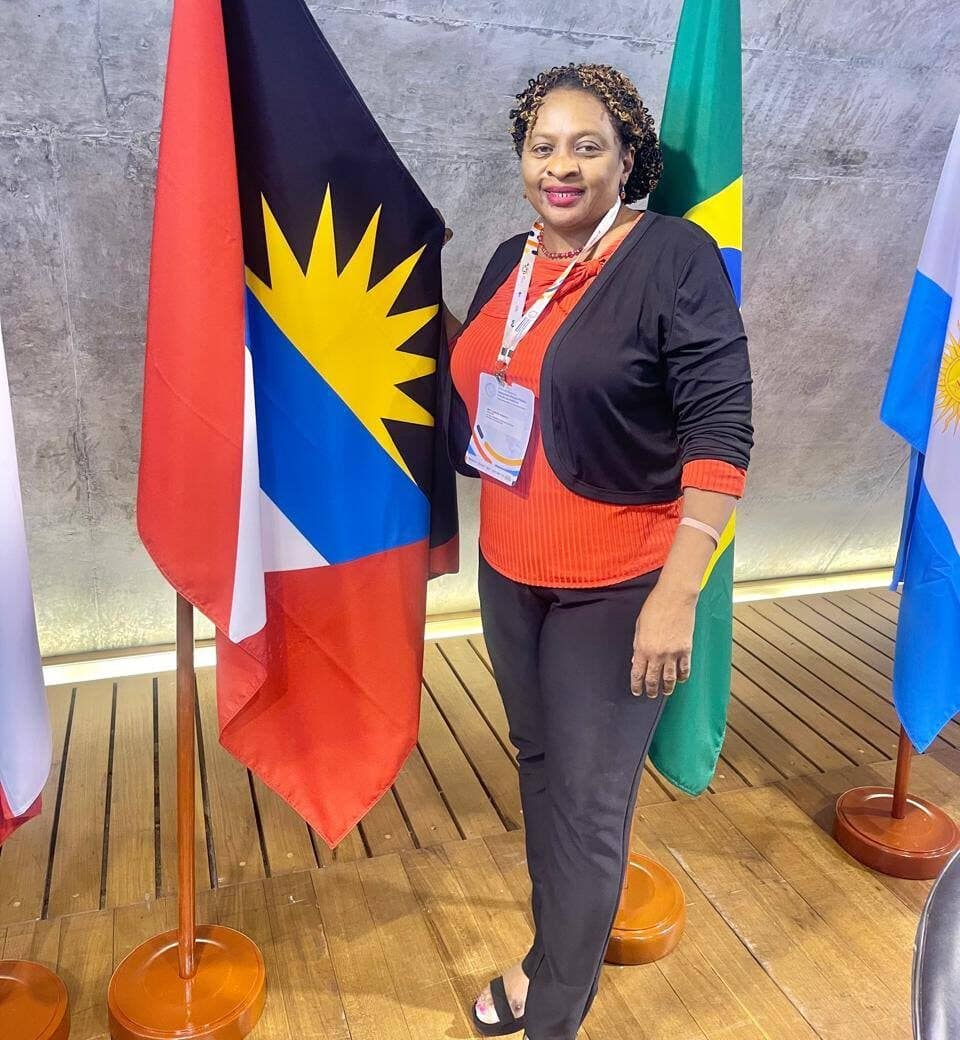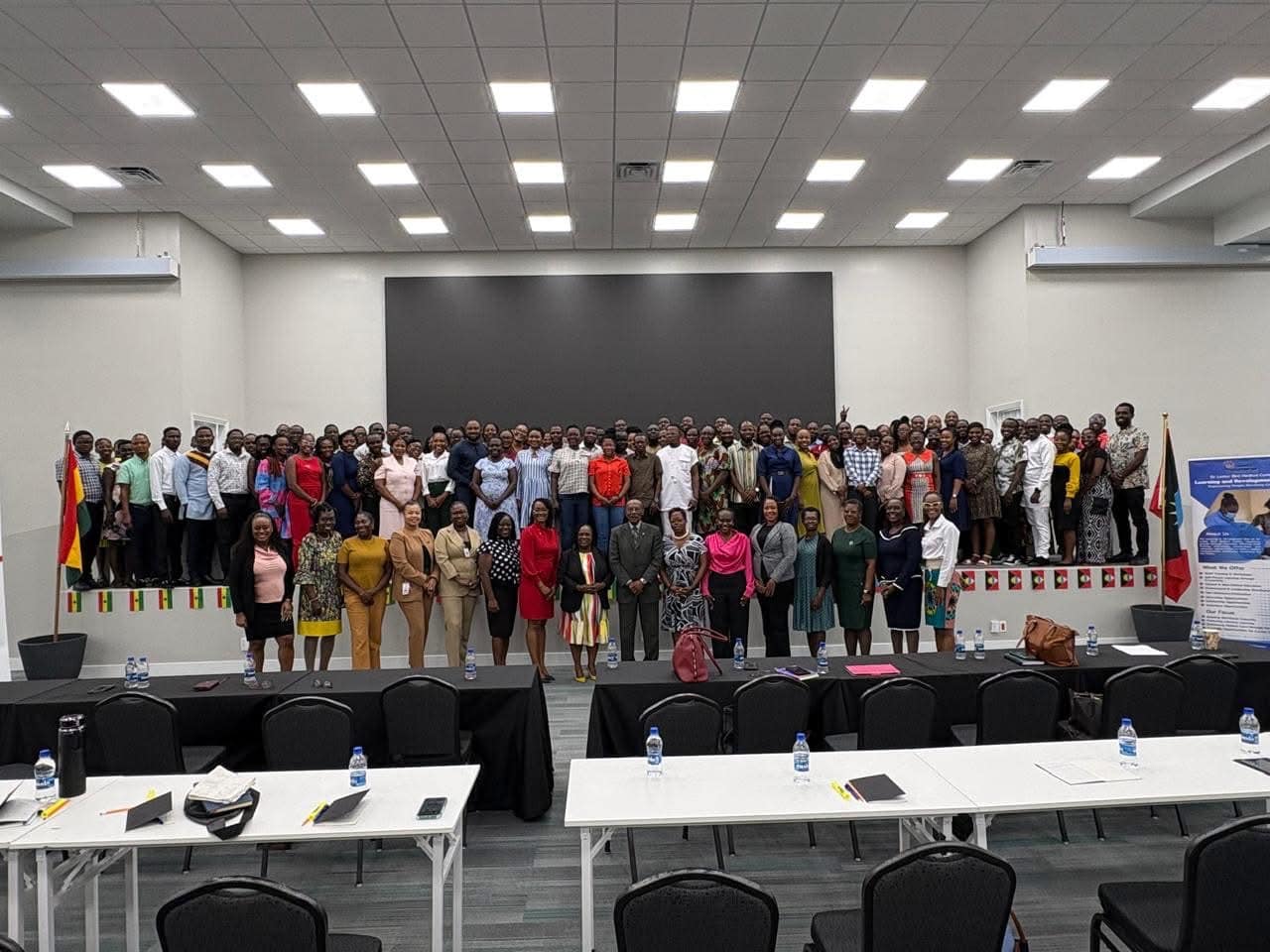
Aethiopia Joseph-Salmon, an Antiguan-born PhD candidate at Purdue University, has been awarded a prestigious accolade by the American Speech-Language-Hearing Association (ASHA) for her pioneering research on fibromyalgia. Her work, which investigates the cognitive and communication challenges faced by fibromyalgia patients, was selected as one of the 88 ‘Meritorious Posters’ out of 1,586 submissions at ASHA’s annual convention held from November 20–22, 2025. Joseph-Salmon’s study highlights the often-overlooked struggles of fibromyalgia patients, emphasizing the potential role of speech-language pathologists in addressing these symptoms, which many patients find as debilitating as chronic pain. This recognition adds to her growing list of achievements, including ASHA’s Students Preparing for Academic and Research Careers Award in 2024. Diagnosed with fibromyalgia five years ago, Joseph-Salmon’s personal experience with the condition inspired her to pursue research aimed at improving care for others. She credits her upbringing in Antigua and the support of her mother and early mentors for her academic success. As one of the first Antiguans to complete Howard University’s speech-language pathology program, Joseph-Salmon aspires to develop speech-language services in Antigua and Barbuda, ensuring better support for individuals with communication challenges.
分类: health
-

Taiwan : Haiti signed the World Health Forum declaration
Dr. Bertrand Sinal, Haiti’s Minister of Public Health, represented the nation at the 2025 World Health and Wellbeing Forum in Taipei, Taiwan, where he signed the Ministerial Declaration. The forum, centered on the theme ‘Taiwan’s National Health Insurance at 30: Towards Sustainable Success in the 21st Century,’ brought together health ministers from across the globe to address pressing health challenges. The declaration emphasizes the collective commitment to advancing Universal Health Coverage (UHC) and fostering sustainable, innovative, and resilient health systems. Dr. Sinal’s participation highlights Haiti’s dedication to global health collaboration and its efforts to enhance its domestic healthcare infrastructure. The declaration outlines five key commitments: promoting international solidarity, ensuring sustainable health financing, fostering inclusive innovation in health, building climate-resilient health systems, and enhancing monitoring and accountability mechanisms. These commitments aim to address disparities, leverage technology, and prepare health systems for the impacts of climate change while ensuring transparency and progress toward UHC.
-

Uruguayan-Cuban Partnership at Ophthalmology Hospital in Montevideo
Cuba’s contributions to global ophthalmological care have reached remarkable milestones, with over 119,000 surgeries performed, more than 900,000 consultations conducted, and over 200,000 patients screened. Among these achievements, the oculoplastic service stands out, addressing both vision-related issues and cosmetic surgeries. Despite being a national reference center, the hospital has only one Cuban surgeon specializing in this field. Cuban and Uruguayan specialists have collaborated extensively, sharing expertise on topics such as visual health, technology, healthcare-associated infection prevention, age-related macular degeneration, and intraocular lens calculation. Dr. Adan Gonzalez, one of the more than 600 Uruguayan doctors who graduated from Cuba’s Latin American School of Medicine, emphasized the humanitarian nature of Cuba’s health cooperation. However, Antonio Pardo, the Charge d’Affaires of the Cuban embassy, denounced the US government’s attempts to undermine and discredit this cooperation. Pardo highlighted that Cuba’s ophthalmological brigade faces ongoing pressure from Washington in countries where it provides medical services.
-

People with leptospirosis symptoms urged to seek immediate medical attention
Jamaica is grappling with a surge in leptospirosis cases following the devastation caused by Hurricane Melissa, prompting health officials to issue urgent warnings to the public. Dr. Karen Webster Kerr, the National Epidemiologist, has emphasized the need for immediate medical attention for anyone exhibiting symptoms of the disease. Health and Wellness Minister Dr. Christopher Tufton confirmed the outbreak during a press conference on Friday, revealing that confirmed and suspected cases have been reported across eight parishes, including St. Elizabeth, St. Catherine, Hanover, Westmoreland, Trelawny, St. Ann, St. James, and St. Mary. Between October 30 and November 20, there have been nine confirmed cases, 28 suspected cases, and six suspected deaths linked to the illness. Leptospirosis, a bacterial infection transmitted through contact with water or soil contaminated by the urine of infected animals, particularly rodents, presents initially with mild, flu-like symptoms such as high fever, headache, chills, and muscle aches. However, severe cases can lead to kidney or liver failure, internal bleeding, and even death if untreated. Dr. Webster Kerr highlighted that advanced symptoms include coughing up blood, blood in stool, inflammation around the heart, irregular heartbeat, fatigue, shortness of breath, and swollen feet. Treatment often involves intravenous fluids and, in severe cases, intensive care. The outbreak has been exacerbated by stagnant water left in communities after the hurricane, creating ideal conditions for the Leptospira bacteria to thrive. Residents are advised to avoid contact with standing water, especially farmers and those with open wounds. Meanwhile, Dr. Webster Kerr reassured the public that there is no outbreak of gastroenteritis, and influenza cases, while increasing seasonally, remain below epidemic levels. COVID-19 activity is also low, with minimal respiratory virus circulation. Chief Medical Officer Dr. Jacquiline Bisasor-McKenzie reported that 60% to 75% of health centers in the most affected parishes—Trelawny, St. James, Hanover, Westmoreland, and St. Elizabeth—have resumed normal operations.
-

Carpha: One Health system will mitigate post-disaster diseases
The Caribbean region is grappling with increased risks of foodborne, waterborne, and zoonotic diseases in the aftermath of Hurricane Melissa, which struck Jamaica on October 30. Dr. Lisa Indar, Executive Director of the Caribbean Public Health Agency (Carpha), emphasized the urgent need for robust One Health systems that integrate human, animal, and environmental health. Speaking at Carpha’s Regional Pandemic Fund workshop in Port of Spain on November 24, she highlighted the strain on health systems caused by disasters and outbreaks. ‘The disruption of water, food, and sanitation infrastructure significantly raises the risk of disease,’ she noted. Jamaica is also managing a vector-borne outbreak, underscoring the link between extreme weather events and communicable diseases. Dr. Indar stressed the importance of preemptive One Health coordination, which Carpha has been advancing through regional collaboration. In early 2024, Carpha convened experts from public health, veterinary medicine, agriculture, and other fields to develop a unified action plan. This initiative has led to the creation of the Regional One Health Foodborne Diseases and Zoonotic Action Plan, updated national plans, and a SharePoint platform for real-time information sharing. Carpha’s next steps include operationalizing its Integrated One Health Surveillance Platform and enhancing agency coordination through simulation exercises. Ian Ho-a-shu, Senior Health Specialist at the Inter-American Development Bank (IDB), praised Carpha’s efforts, emphasizing the importance of surveillance technology and workforce development in building resilience. He highlighted IDB’s support for emergency responses, including post-Hurricane Melissa aid in Jamaica. Carpha’s achievements over the past two years demonstrate the region’s capacity to combat emerging health threats, with a clear goal of reducing the impact of pandemics in the Caribbean.
-

Still grieving — and still asking questions
For nine months, I have been grappling with the loss of my father and the circumstances surrounding his death. While death is inevitable, the manner in which it occurs is not. My father was admitted to the hospital on a Saturday night, battling diabetes, hypertension, and other complications. I was later informed that the medication he received exacerbated his kidney issues, yet I was repeatedly assured his kidney function was ‘OK.’ The ambiguity of that term remains unresolved to this day. Upon returning home on Wednesday, I immediately sought answers, consulting doctor friends and advocating for clarity. What I discovered was deeply troubling: the hospital lacked basic supplies, such as plasters and the correct glucose percentage to stabilize his blood sugar. Despite my efforts, critical procedures were delayed. My father needed an ultrasound of his heart, but the paperwork was mishandled, and the responsible doctor had left for private practice. By Thursday night, his kidneys were failing, and his creatinine levels were rising. The next morning, we were called to sign papers for dialysis, but it was too late. My father was rushed to the ICU, where I was told his kidneys were beyond recovery, and multiple organ failure had set in. I was finally given answers, but they came far too late. The pain of reliving this ordeal is immense. My father deserved better care, and so do countless others who rely on a healthcare system plagued by resource limitations and inconsistent standards. My grief continues, not only for my father but for those who lack advocates in their most vulnerable moments.