分类: health

  • Barbados records increase in cases of syphilis

    Barbados records increase in cases of syphilis

    BRIDGETOWN, Barbados — Barbadian health officials have issued a public health advisory following a concerning uptick in syphilis infections across the nation. The Ministry of Health and Wellness has called for immediate preventive measures among sexually active individuals, though specific case numbers remain undisclosed.

    Syphilis, a preventable and curable sexually transmitted infection (STI), often presents diagnostic challenges due to its frequently subtle or absent initial symptoms. Early manifestations may include painless sores in genital, oral, or anal areas, followed by skin rashes typically affecting palms and soles. Additional indicators encompass swollen lymph nodes, fever, persistent fatigue, throat discomfort, and generalized body aches.

    Health authorities emphasize that symptom disappearance doesn’t indicate resolution, as the infection progresses silently without treatment. Left unaddressed, syphilis can trigger severe neurological, cardiovascular, and multi-organ damage. Pregnant women face particular risks including potential miscarriage, stillbirth, or congenital infections in newborns.

    The ministry recommends regular STI screening for sexually active individuals, especially those with new or multiple partners. Consistent and correct condom usage remains the primary protection method against transmission. Both public and private healthcare facilities provide confidential testing services.

    Positive cases require immediate antibiotic treatment and partner notification to interrupt transmission chains. Expectant mothers are strongly advised to seek early prenatal care and complete all recommended screenings to prevent vertical transmission. The ministry is concurrently working to enhance testing accessibility, reduce treatment delays, and eliminate associated social stigma to encourage care-seeking behavior.

  • Trinidad and Tobago Newsday – Monday January 26th 2026

    Trinidad and Tobago Newsday – Monday January 26th 2026

    The global dietary supplement market is undergoing intensified examination as consumers and regulatory bodies grapple with questions about efficacy, safety, and marketing claims. This multi-billion dollar industry, which has experienced exponential growth over the past decade, now faces mounting pressure to demonstrate transparency and scientific validation for its products.

    Recent developments have highlighted the complex regulatory landscape governing supplements, which typically fall into a different category than pharmaceutical drugs despite often making health-related claims. The absence of mandatory pre-market approval for many supplements has created challenges for consumers attempting to navigate the marketplace.

    Health experts emphasize the importance of third-party testing and verification, as supplement quality can vary significantly between manufacturers. Emerging research continues to investigate potential benefits and risks associated with various popular supplements, from vitamins and minerals to herbal extracts and proprietary blends.

    The digital age has further complicated the supplement landscape, with online marketplaces offering direct consumer access to thousands of products alongside sometimes questionable health advice. Medical professionals increasingly recommend consulting healthcare providers before incorporating new supplements, particularly for individuals with existing health conditions or those taking prescription medications.

    As scientific understanding evolves, the supplement industry stands at a crossroads between traditional wellness practices and evidence-based medicine, with future regulations likely to shape how these products are developed, marketed, and consumed worldwide.

  • NHF urges asthmatics to take extra care during flu season

    NHF urges asthmatics to take extra care during flu season

    KINGSTON, Jamaica — With the annual influenza season intensifying, Jamaica’s National Health Fund (NHF) has issued a critical health advisory directed at citizens managing asthma. Medical authorities emphasize that influenza infections pose a substantially greater threat to asthmatics, potentially triggering severe symptom escalation and dangerous respiratory complications.

    Grace-Ann Johnson, Senior Director of Pharmacy Services at the NHF, articulated the heightened vulnerability in an official statement. “Influenza manifests with far greater severity in asthmatic patients compared to the general populace,” Johnson noted. “Early intervention is paramount to prevent a rapid health deterioration stemming from exacerbated inflammation within their respiratory pathways.”

    The NHF is actively promoting its subsidized healthcare card program as a cornerstone of proactive asthma management. This initiative delivers vital financial support for medications essential to controlling chronic respiratory conditions. Official data reveals that during the previous year, more than 5,200 beneficiaries utilized the NHF card to obtain asthma treatments.

    Coverage under the program encompasses an extensive portfolio of pharmaceuticals, including both daily controller medications and emergency rescue drugs. This includes inhalers (colloquially known as ‘pumps’), alongside approved spacers and masks that are crucial for ensuring efficient pulmonary drug delivery.

    Johnson further detailed the subsidy structure: “Beneficiaries receive an average subsidy covering roughly half of all medication costs. We implement an enhanced support model, providing a double subsidy for patients aged 18 years and younger. Furthermore, specific asthma medications are dispensed at zero cost through Drug Serv outlets for individuals receiving treatment within public healthcare facilities.”

    Beyond financial support, the NHF advocates for comprehensive health practices. Medical guidance urges asthmatics and caregivers to strictly adhere to prescription regimens, verify the expiration status of rescue inhalers, and obtain influenza vaccinations after consulting healthcare providers. Additional recommendations emphasize rigorous hand hygiene, avoiding contact with ill individuals, and minimizing exposure to known asthma triggers.

    The Fund encourages all unregistered asthmatics to enroll in the program, highlighting that registration carries no fee and can be finalized at any NHF card center or through accredited medical practitioners. The influenza season, which traditionally reaches its peak between December and March, significantly elevates health risks for asthma patients, whose condition affects the airways responsible for oxygen transport in and out of the lungs.

  • OECS signs agreement with World Pediatrics to strengthen child healthcare

    OECS signs agreement with World Pediatrics to strengthen child healthcare

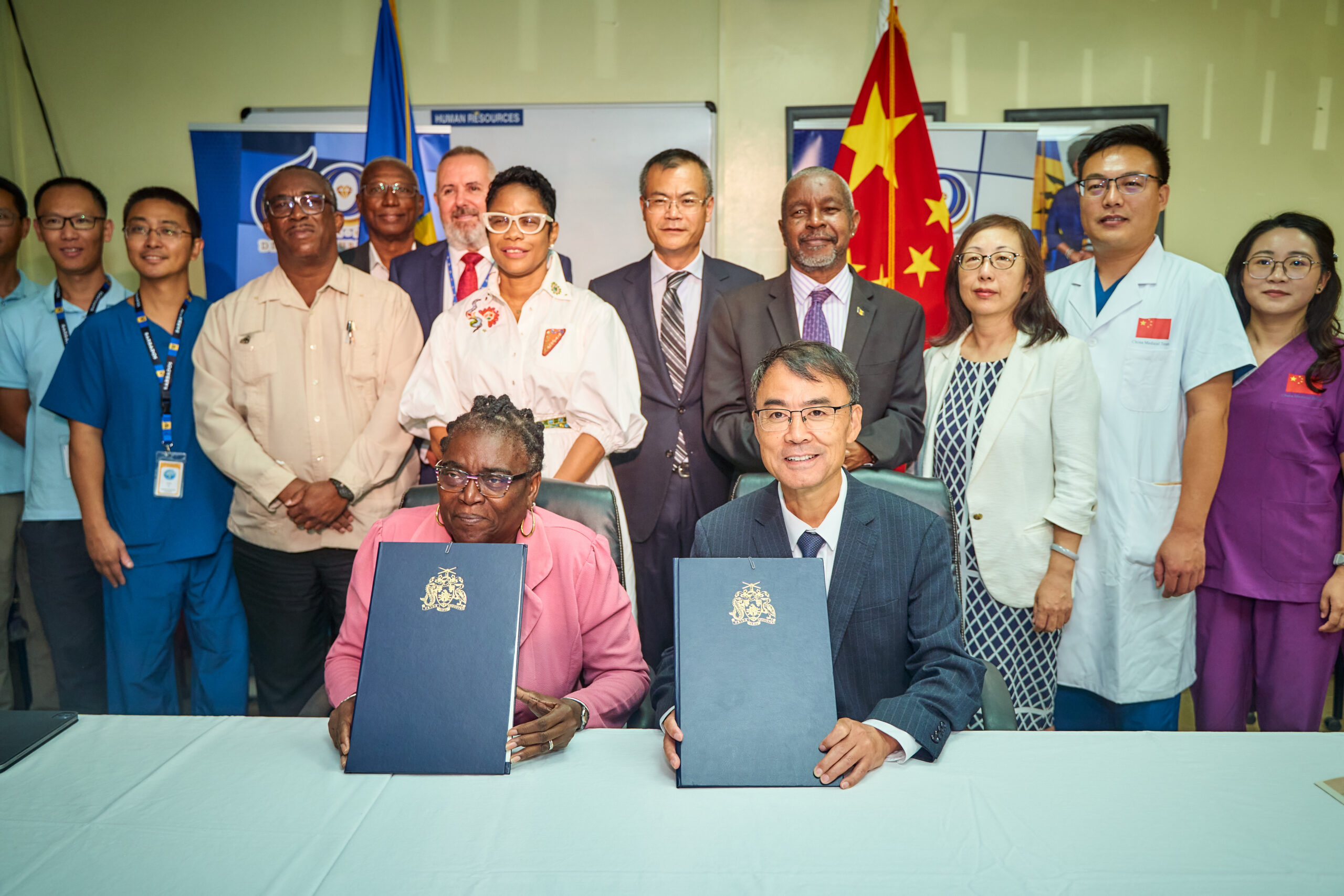
    CASTRIES, St Lucia – A groundbreaking partnership has been formally established between the Organisation of Eastern Caribbean States (OECS) and the US-based nonprofit World Pediatrics, marking a significant advancement in pediatric healthcare for the region. The collaboration was solidified through the signing of a Memorandum of Understanding (MoU) that creates a comprehensive framework for regional coordination to enhance clinical delivery systems.

    Dr. Didacus Jules, Director General of the OECS, emphasized the transformative impact of World Pediatrics’ existing investments and collaborations with regional health ministries. “The OECS remains firmly committed to regional cooperation as a pathway to improved quality of life for our people,” Jules stated during the signing ceremony. He explained that this cooperation enables member states to pool expertise, harmonize approaches, and collectively address shared healthcare challenges that individual small states cannot effectively tackle alone.

    The agreement specifically focuses on strengthening pediatric surgical missions, specialized clinics, and improved referral pathways across the sub-region. It aligns with broader OECS initiatives to advance equity and inclusion by reducing disparities in health outcomes. The MoU places particular emphasis on capacity building through education and training programs designed to create sustainable improvements within local health systems.

    A critical component of the partnership involves leveraging research, data analytics, and monitoring systems to guide evidence-based policies and strategic investment decisions. The agreement also facilitates resource mobilization and underscores the importance of advocacy and public awareness campaigns, recognizing that child health improvement constitutes both a clinical and societal responsibility.

    World Pediatrics CEO Vafa Akhavan expressed enthusiasm about the alignment between both organizations, noting: “The guidance of the OECS in translating this MoU into specific lines of action will ensure we are impacting the lives of children, which ultimately affects families, communities, and future generations.” Nadege Jn Baptiste, Head of the Development Cooperation and Resource Mobilisation Unit at the OECS Commission, highlighted how strategic partnerships enable more effective resource mobilization and sustainable impact across the Eastern Caribbean.

  • Trinidad and Tobago Newsday – Tuesday January 27th 2026

    Trinidad and Tobago Newsday – Tuesday January 27th 2026

    The global dietary supplement market is facing renewed critical examination as health experts and regulatory bodies call for greater transparency and scientific validation of product claims. This multi-billion dollar industry, which encompasses everything from vitamins and minerals to herbal extracts and performance enhancers, operates within a complex regulatory framework that often prioritizes commerce over conclusive clinical evidence.

    Unlike pharmaceutical drugs, supplements are not required to undergo rigorous pre-market approval for efficacy by agencies like the FDA. This regulatory gap has created a marketplace where bold health assertions frequently outpace substantiated scientific research. Current analyses reveal significant discrepancies between marketing materials and actual biochemical impacts, with many products demonstrating negligible effects in controlled studies.

    Medical professionals are increasingly warning consumers about potential risks including improper dosing, contamination with undeclared substances, and dangerous interactions with prescription medications. The absence of mandatory third-party testing has resulted in quality control issues across numerous product lines.

    Health organizations now recommend consulting healthcare providers before initiating any supplement regimen, particularly for vulnerable populations such as pregnant women, chronically ill patients, and children. This cautionary approach highlights the growing consensus that while some supplements offer genuine benefits, many others provide expensive placebo effects at best, and potential health hazards at worst.

    The industry’s future likely hinges on implementing stricter manufacturing standards, enforcing accuracy in labeling claims, and conducting large-scale clinical trials to separate scientifically validated supplements from those merely capitalizing on wellness trends.

  • Essentiële medicijnen niet alleen op papier, maar ook in de apotheek

    Essentiële medicijnen niet alleen op papier, maar ook in de apotheek

    Suriname’s healthcare sector witnesses a significant advancement as Minister André Misiekaba of Health, Welfare, and Labor officially installed the reconstituted National Medicines Compendium Commission on Friday. This strategic move aims to safeguard population-wide access to essential and reimbursable medications through systematic oversight.

    Chaired by healthcare expert Els Dams, the commission embarks on a three-year mandate to identify and classify medically vital pharmaceuticals eligible for insurance coverage. Dams emphasized the compendium’s critical role beyond administrative functionality, stating: “This document serves as a crucial benchmark for healthcare quality and accessibility. Medication inclusion mandates actual patient availability—not merely theoretical coverage.”

    The commission confronts the complex challenge of balancing therapeutic necessity against fiscal constraints. With many innovative drugs carrying substantial cost burdens, Dams cautioned: “Unrestricted inclusion of all new medications would exhaust our annual budget within months.” To navigate this dilemma, the committee will align its decisions with World Health Organization (WHO) guidelines while respecting domestic financial limitations.

    A persistent issue involves the discrepancy between formal listings and pharmacy shelf availability. The commission plans to engage insurers and pharmacies through ministerial coordination to bridge this implementation gap, ensuring reimbursement policies translate into tangible access.

    Minister Misiekaba has requested an initial evaluation within three to six months, expressing confidence in the team’s expertise: “This composition strengthens our healthcare foundation.” Notably, the physical compendium becomes obsolete, with digital platforms now providing real-time updates on approved medications.

  • Wereldlepradag: lepra bestaat nog in Suriname, maar is volledig te genezen

    Wereldlepradag: lepra bestaat nog in Suriname, maar is volledig te genezen

    Despite being fully curable, leprosy continues to affect communities in Suriname, with new cases emerging annually—often diagnosed at advanced stages due to persistent stigma and public unawareness. World Leprosy Day, observed on the last Sunday of January, serves as a critical platform to raise awareness, dismantle misconceptions, and promote solidarity with those affected.

    Leprosy, caused by the bacterium Mycobacterium leprae, is a chronic infectious disease transmitted through prolonged close contact. It manifests as numb skin patches, nodules, and nerve damage, particularly in the extremities. Without early intervention, it can lead to permanent physical impairments.

    In Suriname, an average of 10 to 20 new cases are reported each year, with 12 confirmed in 2025. The Dermatology Service emphasizes that early detection and treatment can prevent disabilities in nearly all instances and confirms that the disease is entirely curable.

    In a significant step toward eradication, the Dermatology Service, in collaboration with Belgium’s Institute of Tropical Medicine, is launching a nationwide research initiative in 2026. This project will evaluate the effectiveness of single or double-dose preventive medication for close contacts of leprosy patients. The study will extend across all districts and continue through the end of 2027.

    The World Health Organization’s (WHO) theme for 2026, “Leprosy is curable, the real challenge is stigma,” highlights the profound social and psychological repercussions faced by patients, often stemming from misinformation. The WHO urges global efforts to increase education, encourage open dialogue, and actively combat discrimination.

    Critical facts dispel common fears: the leprosy bacterium is one of the least contagious pathogens, requiring prolonged, intensive exposure for transmission. Patients become non-infectious after their first treatment, making fear and exclusion unwarranted.

    The Dermatology Service urges the public to seek information and timely medical evaluation for any suspicious skin patches or numb nodules, especially on the ears and nose. Through collective action, Suriname aims to build a future free from leprosy, fear, and stigma.

    For expert care and guidance, the Dermatology Service is located at Tourtonnelaan #5, with registration hours from Monday to Friday, 8:00–11:00 AM.

  • Health : More than twenty ambulances repaired and put back into service

    Health : More than twenty ambulances repaired and put back into service

    Haiti’s healthcare infrastructure has received a significant boost with the successful restoration of more than twenty ambulances previously sidelined by mechanical failures. This comprehensive rehabilitation initiative, spearheaded by the National Ambulance Center (CAN) since early 2025, represents a strategic nationwide effort to strengthen emergency medical response capabilities across all departments.

    Under the coordinated leadership of CAN Director General Renand Aristide and Administrative and Financial Director Leconte Dor, the program has achieved remarkable regional successes. The Great South region has witnessed the reactivation of over ten emergency vehicles through extensive repairs and systematic maintenance performed by CAN’s specialized technical teams.

    The Northern Region has demonstrated particularly impressive outcomes. In the Northwest territory, a dedicated team of four mechanics under Garage Head Carlo Mompoint executed central administration directives to restore eight long-dormant ambulances to operational status. Complementing these efforts, the department received an additional new vehicle to further enhance its emergency fleet capacity.

    Concurrent operations in the North and Fort-Liberté areas addressed three ambulances suffering from critical mechanical failures. These targeted interventions have substantially improved regional emergency response readiness, ensuring communities regain access to rapid and functional medical transportation services.

    The sight of mechanics working tirelessly on vehicle maintenance has transformed into operational ambulances now actively serving populations again. This systematic approach to rebuilding emergency medical infrastructure marks a crucial step in addressing healthcare accessibility challenges throughout Haiti’s diverse regions.

  • Urgent Appeal Issued for O-Negative Blood Donations

    Urgent Appeal Issued for O-Negative Blood Donations

    The Sir Lester Bird Medical Centre has declared a critical shortage of O-negative blood supplies, triggering an emergency response from health authorities. Medical administrators have mobilized a public donation campaign targeting compatible donors to prevent potential healthcare disruptions.

    In an official communiqué, hospital management outlined the severity of the situation, emphasizing that current reserves have fallen to dangerously inadequate levels. The facility’s Blood Bank division, situated on the first floor of the laboratory building, has extended operational hours from 9:00 a.m. to 6:00 p.m. daily to accommodate urgent donations.

    O-negative blood maintains unique clinical significance as the universal donor type, making it indispensable for emergency medicine when patient blood typing isn’t immediately possible. Hematology specialists emphasize that deficits in this particular blood component directly compromise trauma response capabilities, surgical procedures, and critical care interventions.

    The medical center has established direct communication channels for prospective donors, requesting inquiries through telephone number 484-2720. Healthcare professionals underscore that individual contributions possess exponential lifesaving potential, with single donations potentially benefiting multiple recipients across various medical disciplines.

    Hospital authorities have extended gratitude to potential donors while stressing the time-sensitive nature of the shortage. The appeal highlights the community-dependent nature of blood supply chains and the vital role civilian donors play in maintaining healthcare system resilience.

  • MOH clarifies leprosy myths, misconceptions

    MOH clarifies leprosy myths, misconceptions

    In a decisive move to combat persistent misinformation, Saint Lucia’s Ministry of Health, Wellness and Nutrition has launched a public education campaign emphasizing that leprosy is entirely curable and that social stigma represents the primary barrier to its eradication.

    The Ministry’s statement, timed with World Leprosy Day (January 25), highlights how medical advancements have transformed leprosy from a historically feared disease into a manageable condition. Free and effective treatment is readily accessible through dermatology clinics at wellness centers nationwide.

    Observed under the theme “Leprosy is Curable; the Real Challenge is Stigma,” World Leprosy Day 2026 spotlights the disconnect between medical reality and public perception. Health officials acknowledge significant therapeutic progress while noting that misinformation continues to perpetuate fear, silence, and social isolation among affected individuals.

    Leprosy, a chronic infectious disease affecting the skin, nerves, eyes, and respiratory tract, becomes non-transmissible within days of starting treatment. The Ministry stresses that early detection and proper medical intervention prevent permanent disability, enabling patients to maintain normal lives and livelihoods.

    Despite medical certainty, deep-rooted stigma persists through misconceptions about transmission methods, curability, and supernatural associations. These false beliefs frequently delay treatment-seeking behavior and inflict psychological trauma that lingers beyond medical recovery.

    The health authority urges public cooperation in disseminating factual information, demonstrating compassion, and supporting affected community members. Citizens are advised to seek immediate medical consultation upon observing symptoms including pale skin patches with diminished sensation, body nodules, or recurrent burns and ulcers on extremities.

    Notably, the Ministry confirms that preventive treatment is available without charge for close contacts of diagnosed individuals, representing a crucial component of transmission interruption.

    Health officials maintain that leprosy elimination in Saint Lucia is medically achievable, but eliminating stigma demands collective societal effort. The Ministry reaffirms that no individual should face discrimination or exclusion due to a preventable and curable health condition.