
Sandra Scotland-Williams, the wife of Antigua and Barbuda’s Governor General Sir Rodney Williams, has opened up about her ongoing health struggles following a series of major surgeries. In a candid Facebook post on Friday, Scotland-Williams revealed that she underwent spinal surgery in the United Kingdom and additional procedures in Trinidad. She disclosed that the surgeries have left her with paralysis in her left hand and arm, and she remains uncertain about the possibility of regaining full functionality. ‘Time will tell if things will ever be ‘normal’ again,’ she wrote. Scotland-Williams also shared graphic details of her medical journey, explaining that her neck was incised from ear to ear to allow neurosurgeons to perform their work. Her vertebrae were replaced with a metal cage, and she continues to battle pulmonary embolism, which has caused significant swelling. Despite these challenges, she remains resilient, stating, ‘We never know what life holds. Always be prepared to deal with whatever curve ball you are thrown. I’m still standing.’ Her heartfelt disclosure has garnered an outpouring of support and well wishes from the public, highlighting her strength and determination in the face of adversity.
分类: health
-

VIDEO: Cobbs Cross Clinic Nears Completion, Set to Boost St. Paul’s Healthcare Services
The Ministry of Works (MOW) has officially completed the construction of the new Cobbs Cross Clinic, marking a significant milestone in healthcare development for the St. Paul’s community in Antigua and Barbuda. The state-of-the-art facility, now under the commissioning process by the Ministry of Health, is poised to deliver enhanced medical services to residents upon its imminent opening. This project underscores the collaborative efforts between the Ministry of Works and the Ministry of Health, highlighting their shared commitment to improving the nation’s healthcare infrastructure. The completion of the clinic is part of a broader initiative by the Ministry of Health to upgrade healthcare facilities across Antigua and Barbuda. Officials expressed gratitude to the dedicated teams from both ministries whose hard work made this achievement possible. The Ministry of Works has reaffirmed its ongoing support for the Ministry of Health’s extensive healthcare modernization efforts, ensuring that communities nationwide benefit from improved access to quality medical care.
-
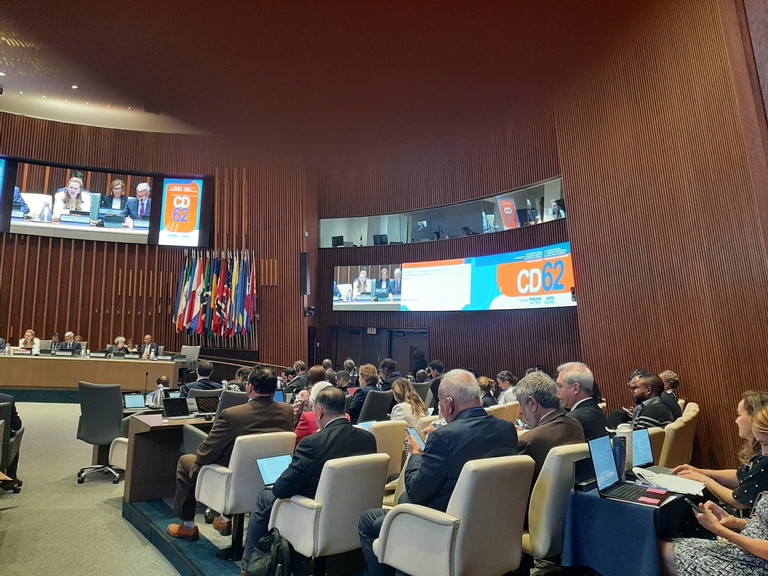
Latin America, Caribbean face risk of 165,000 preventable deaths without stronger primary health care
A groundbreaking report released by the World Bank and the Pan American Health Organization (PAHO) Lancet Regional Health Americas Commission has issued a stark warning: Latin America and the Caribbean (LAC) could face up to 165,000 preventable deaths if primary health care (PHC) systems are not significantly strengthened. The report, unveiled during the 62nd Directing Council Meeting of Health Ministers at PAHO headquarters in Washington, DC, underscores the dire consequences of failing to build resilience into the region’s health infrastructure. Health shocks, such as pandemics or natural disasters, could lead to catastrophic human and economic losses, including up to 11,300 maternal deaths, 10,000 child deaths, and over 149,000 deaths from noncommunicable diseases (NCDs). The societal costs of such disruptions are estimated to range between $7 billion and $37 billion. Dr. Jarbas Barbosa, Director of PAHO, emphasized that resilience in PHC is not optional but essential for health security, social stability, and economic growth. The report also highlighted the disproportionate impact of the COVID-19 pandemic on the LAC region, which accounted for nearly 30% of global deaths. Jaime Saavedra, World Bank Director of Human Development for the region, stressed that strengthening PHC is one of the most pressing health challenges facing Latin America and the Caribbean. The Commission has issued a series of recommendations aimed at mitigating the impact of future health crises and bolstering economic resilience through improved PHC systems.
-
Antigua and Barbuda Government Greenlights Public Health Diploma and Graduate Programmes at ABCAS to Build Local Expertise
In a significant move to bolster its public health infrastructure, the Cabinet of Antigua and Barbuda has approved the establishment of diploma and graduate-level public health programs at the Antigua and Barbuda College of Advanced Studies (ABCAS). This initiative, spearheaded by the Honourable Minister of Health, Wellness, the Environment, and Civil Service Affairs, aims to address the critical shortage of trained public health professionals in the country.
-
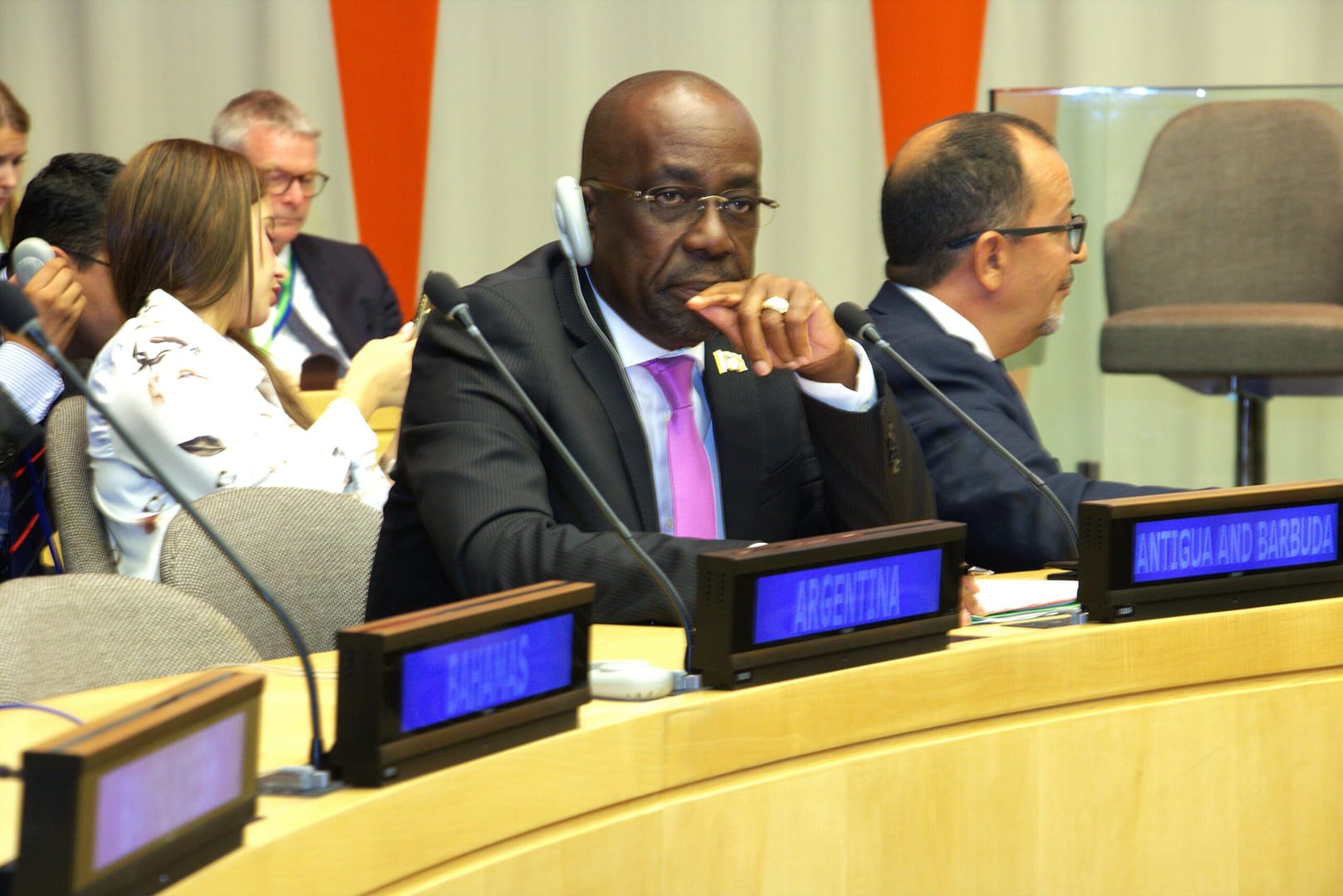
Greene Urges Healthy Living as St. Paul’s Marks Health Month
St. Paul’s annual Health Month has officially commenced, with Parliamentary Representative E.P. Chet Greene urging residents to take proactive steps toward improving their well-being. Running from October 1 to 31 under the theme “Healthy Lifestyle …things we can change,” the initiative aims to foster healthier habits through a series of activities, including health screenings, public lectures, radio programs, and outreach efforts to homes and schools. Greene emphasized that the campaign is not just about individual health but also about strengthening community engagement and collective responsibility. In his Health Month message, Greene highlighted the importance of mindful consumption, advising residents to “eat and drink wisely” and track their daily water intake. He encouraged active participation in the month’s events, framing the observance as both a personal challenge and a commitment to families, the community, and the nation. “Stay healthy for yourselves, your families, our community, and our country,” Greene stated, underscoring the broader societal impact of individual health choices. The initiative seeks to empower residents to make sustainable lifestyle changes while fostering a culture of health awareness across St. Paul.
-

Migraine-triggering foods
Migraines, characterized by intense, debilitating headaches, can manifest subtly or strike abruptly, overwhelming sufferers with sensitivity to light, sound, and even minor stimuli. While avoiding triggers is a common strategy, certain foods have been identified as significant contributors to migraine severity. A recent cross-sectional study conducted across university hospitals in Egypt, including Cairo and Alexandria, revealed that unhealthy dietary habits exacerbate migraine symptoms. Foods such as fried meats, aged cheeses (e.g., Cheddar and Swiss), citrus fruits, coffee, pickles, and smoked herring were frequently linked to chronic migraines. Additionally, the American Migraine Foundation highlighted other dietary triggers, including aspartame (found in diet sodas and sugar-free products), monosodium glutamate (MSG) in processed or restaurant foods, yogurt, energy drinks, alcohol (red wine, beer, spirits), bananas, and certain vitamins or herbal supplements. The Grenada Food and Nutrition Council (GFNC) emphasizes that triggers vary among individuals, recommending the use of food journals to self-track potential culprits. Beyond diet, factors like weather, stress, menstrual cycles, and sleep patterns should also be considered. For further information, visit the GFNC website or contact them for nutrition counseling.
-
GHTA partners with Spice Isle Imaging Centre for Breast Cancer Awareness Month
In honor of Breast Cancer Awareness Month, the Grenada Hotel and Tourism Association (GHTA), through its Tourism Enhancement Fund (TEF), has joined forces with Spice Isle Imaging Centre to offer free mammograms to women aged 40 and above. This initiative underscores the TEF’s dedication to community reinvestment and the promotion of health and well-being among Grenadians. Breast cancer remains a prevalent global and local health concern for women. However, early detection through regular screenings, particularly mammograms, significantly enhances treatment success rates. Mammograms are the most effective method for identifying breast cancer in its initial stages, often before symptoms manifest. GHTA CEO Arlene Friday emphasized, ‘Early detection saves lives, and access to screening is crucial. By leveraging the Tourism Enhancement Fund, we can eliminate financial obstacles and provide women with access to this vital health service.’ Women interested in participating must register in advance by calling 444-1353 or emailing [email protected]. Appointments will be allocated on a first-come, first-served basis due to limited availability. This program is part of a broader series of community-focused initiatives supported by the GHTA Tourism Enhancement Fund, which reinvests contributions from the hospitality sector into projects that benefit Grenada socially, culturally, and economically.
-
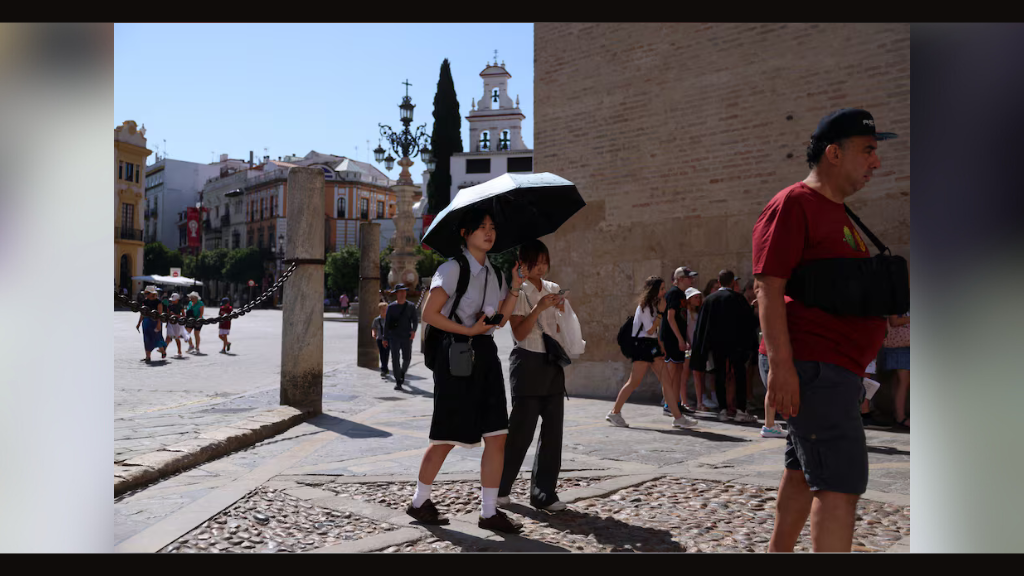
Heat-related deaths in Spain up 88 per cent from last year
Spain has witnessed a staggering 87.6% increase in heat-related fatalities between May 16 and September 30, with the health ministry reporting 3,832 deaths. This sharp rise, compared to the same period in 2024, underscores the devastating impact of extreme temperatures on vulnerable populations. Nearly two-thirds of the victims were aged over 85, while almost 96% were above 65, highlighting the heightened risk for older adults. The figures, derived from Spain’s Mortality Monitoring System (MoMo), utilize statistical models to estimate deaths linked to heatwaves. MoMo tracks daily mortality trends and incorporates external factors, such as weather data from the national meteorological agency AEMET, to identify potential causes of mortality spikes. Although MoMo cannot definitively attribute deaths to heat, it provides the most reliable approximation of fatalities where high temperatures likely played a decisive role. This year, Spain endured its hottest summer since records began in 1961, with an average temperature of 24.2°C. Heatwaves persisted for 33 of the 90 summer days, including a 16-day event in August that triggered wildfires, claiming four lives and devastating vast areas of land. Scientists have repeatedly warned that human-induced climate change is intensifying global weather extremes. Notably, nine of Spain’s 10 hottest summers since 1961 have occurred in the 21st century. Similar trends were observed in Britain, Japan, and South Korea, which also experienced their hottest summers on record this year.
-
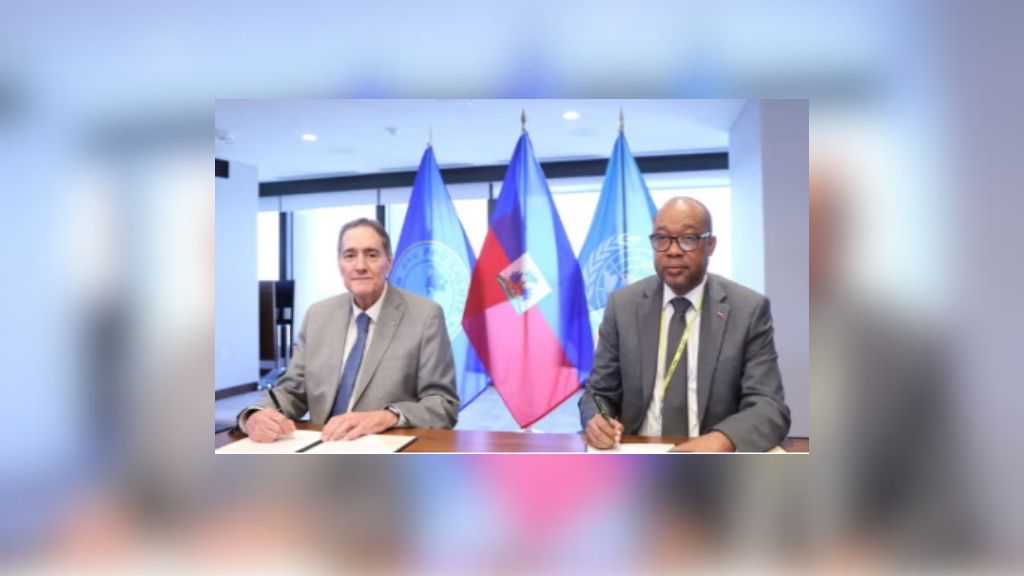
PAHO/WHO signs country cooperation strategy with Haiti
In a significant move to address Haiti’s ongoing public health challenges, the Pan American Health Organization and the World Health Organization (PAHO/WHO) have inked a three-year Country Cooperation Strategy (CCS) with the Caribbean nation. This groundbreaking agreement, spanning 2026 to 2028, marks the first of its kind between PAHO/WHO and a French-speaking member of the Caribbean Community (Caricom). The signing ceremony, held during the 62nd Directing Council of PAHO, was attended by PAHO Director Dr. Jarbas Barbosa and Haiti’s Minister of Public Health and Population, Dr. Bertrand Sinal. Dr. Barbosa emphasized the importance of this collaboration, stating, ‘This strategy represents a pivotal step in our joint efforts to tackle Haiti’s public health crisis and enhance access to care amidst complex humanitarian and security challenges.’ The CCS outlines a focused framework for PAHO’s technical cooperation in Haiti, tailored to the country’s evolving needs and aligned with its national health priorities. The strategy aims to bolster Haiti’s health system, ensure universal access to quality healthcare, and improve the prevention and management of major health issues. It also emphasizes strengthening emergency preparedness and response through a NEXUS Approach, which integrates humanitarian aid, development efforts, and peacebuilding to sustainably meet population needs. The CCS was developed through extensive consultations with Haiti’s Ministry of Health, civil society, and development partners, reflecting the country’s unique health priorities and the necessity for coordinated action. PAHO/WHO reaffirmed its commitment to working closely with Haiti to address communicable and noncommunicable diseases, enhance emergency response capabilities, and promote health equity and universal health coverage. ‘At its core, this strategy seeks to advance health equity, achieve universal health coverage, and improve the well-being of all Haitians,’ PAHO stated.
-

Westmoreland residents urged to exercise caution following heavy rains
Following a period of intense rainfall and subsequent flooding in Westmoreland, Jamaica, local health authorities are urging residents to exercise extreme caution to avoid contracting leptospirosis. The Westmoreland Public Health Department’s Health Promotion Unit has issued a stern advisory, emphasizing the dangers of wading or traveling through floodwaters, which are considered high-risk environments for the transmission of this bacterial infection. Gerald Miller, the health promotion and education officer for Westmoreland, explained that the leptospira bacteria, which causes leptospirosis, can infiltrate the human body through cuts, abrasions, or broken skin. ‘Floodwaters may contain urine from animals like rats, which can carry the bacteria. Exposure to these waters significantly increases the risk of infection,’ Miller stated. He also highlighted the importance of adults modeling safe behaviors for children, particularly during times of heightened public health risk. Miller urged all family members, including parents and guardians, to educate children about the dangers of walking through puddles or floodwaters. Additionally, he stressed the microscopic and invisible nature of the leptospira bacteria, making it impossible to detect with the naked eye. Miller warned that careless exposure to floodwaters could lead to preventable health complications, further burdening local healthcare facilities. Residents who have been in contact with floodwaters and are experiencing symptoms such as headaches, muscle aches, or joint pain are strongly advised to seek immediate medical attention. Miller also emphasized the importance of informing healthcare providers about any exposure to floodwaters to ensure accurate diagnosis and timely treatment. ‘The message is clear: avoid wading through floodwaters, remain vigilant, especially with children, and seek medical care if symptoms arise after exposure,’ he concluded.