分类: health

  • Trinidad and Tobago Newsday – Wednesday January 21st 2026

    Trinidad and Tobago Newsday – Wednesday January 21st 2026

    The global dietary supplement sector is confronting intensified examination as regulatory bodies and consumer advocacy groups raise pressing questions about product effectiveness and safety oversight. This multi-billion dollar industry, which has experienced exponential growth over the past decade, now stands at a critical juncture regarding standardization and transparency practices.

    Recent developments indicate regulatory agencies are considering strengthened monitoring protocols for supplement manufacturers following numerous consumer reports of inconsistent ingredient quality and misleading marketing claims. The industry’s current regulatory framework, which differs significantly from pharmaceutical oversight, permits products to reach market without mandatory pre-approval regarding efficacy or purity verification.

    Medical professionals have expressed particular concern about potential interactions between supplements and prescription medications, noting that many consumers operate under the mistaken assumption that “natural” automatically equates to safety. Research institutions have initiated several longitudinal studies to better understand both the benefits and risks associated with common supplement ingredients.

    Industry representatives emphasize their commitment to quality control while maintaining that dietary supplements play a valuable role in supporting overall wellness when used appropriately. Many companies have voluntarily implemented third-party testing and quality certification programs to address consumer safety concerns.

    The ongoing debate highlights the complex balance between preserving consumer access to wellness products while ensuring adequate protection against potentially harmful or ineffective substances. This conversation has gained renewed urgency as supplement usage continues to expand across diverse demographic groups.

  • Suriname monitoring increase in cases of chikungunya

    Suriname monitoring increase in cases of chikungunya

    Health authorities in Suriname have officially declared an outbreak of the chikungunya virus following confirmation of multiple locally transmitted cases. The Ministry of Health verified through comprehensive testing at both the Central Laboratory of the Bureau for Public Health (BOG) and the Academic Hospital Paramaribo laboratory that eight individuals have tested positive without any recent international travel history.

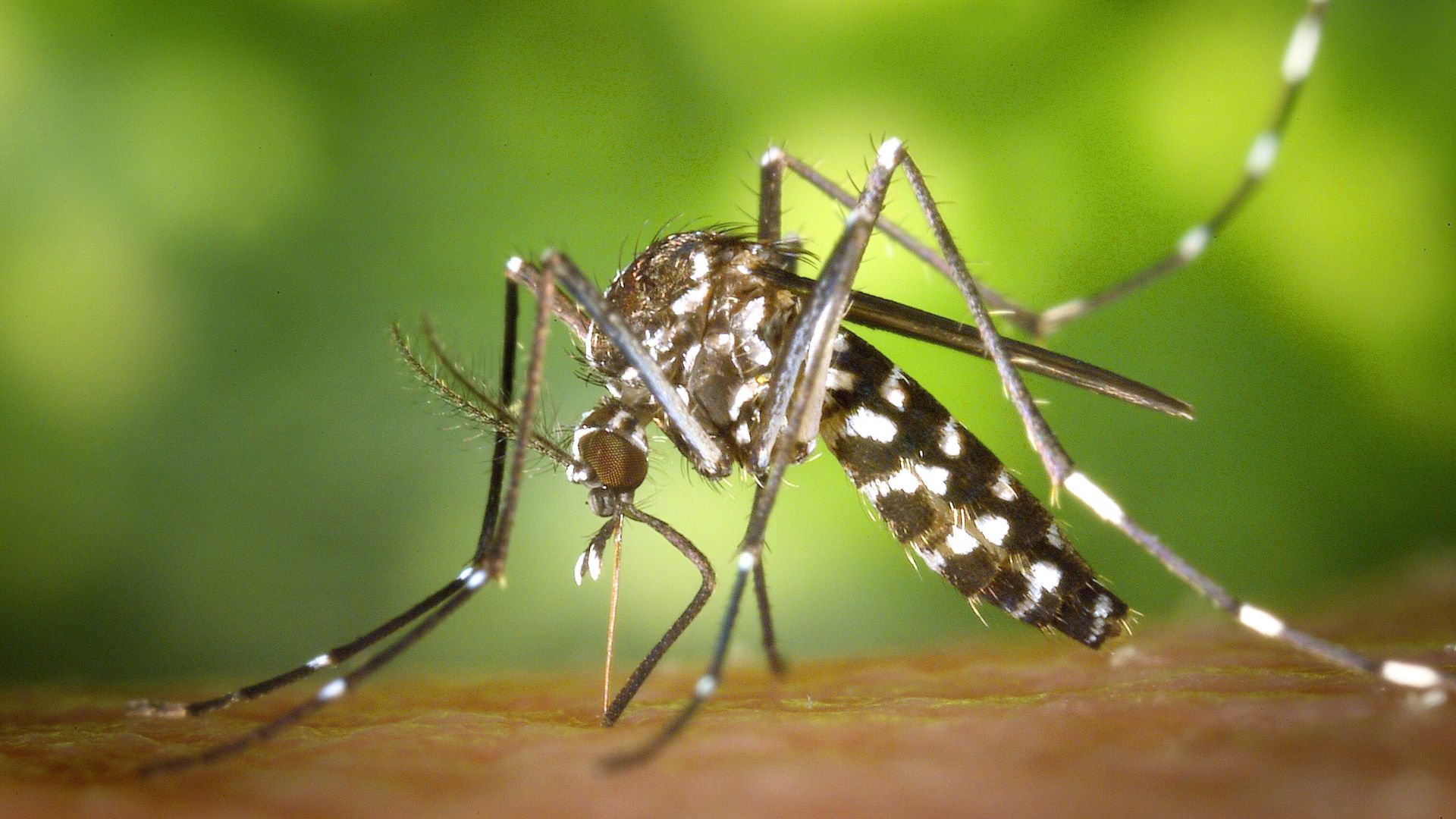
    The public health response has been immediately activated with epidemiological investigations underway, including contact tracing protocols and enhanced surveillance measures to contain potential spread. Chikungunya, a viral disease transmitted through the bite of infected Aedes mosquitoes—the same species responsible for dengue and Zika viruses—presents with symptoms including abrupt high fever, debilitating joint pain and swelling, headaches, extreme fatigue, and occasional skin rashes.

    Unlike communicable diseases, chikungunya cannot spread directly between humans. Previous infection provides lifelong immunity to the virus. Health officials specifically advise affected individuals to avoid aspirin and ibuprofen, recommending instead paracetamol for pain and fever management alongside increased fluid intake and rest. Medical attention is urged if symptoms intensify.

    This outbreak marks the nation’s first significant recurrence since the initial 2014 epidemic when chikungunya emerged regionally throughout the Caribbean. The ministry has committed to maintaining transparent public communication as developments occur. Citizens are urged to eliminate mosquito breeding sites by removing stagnant water from containers, tires, and flowerpots around residential and recreational areas, supplemented by protective clothing and EPA-approved repellents.

  • First robotic cardiac surgery performed in Cayman Islands expands regional medical options

    First robotic cardiac surgery performed in Cayman Islands expands regional medical options

    Health City Cayman Islands has achieved a groundbreaking milestone in Caribbean healthcare by successfully performing its inaugural robotic-assisted cardiac surgeries. This medical breakthrough positions the Cayman Islands among an elite group of global centers offering fully robotic cardiac interventions, fundamentally transforming advanced heart care accessibility throughout the region.

    The pioneering procedures were conducted under the leadership of Dr. Binoy Chattuparambil, Head of Cardiac Surgery and Clinical Director at Health City. The development follows an intensive training period and strategic clinical partnership with Atlanta’s Emory Saint Joseph’s Hospital, recognized globally as a premier high-volume robotic cardiac surgery center.

    World-renowned cardiothoracic surgeon Dr. Douglas Murphy, Chief of Cardiothoracic Surgery at Emory Saint Joseph’s Hospital, provided expert mentorship throughout the program’s development. With over 4,000 robotic mitral valve surgeries to his credit, Dr. Murphy continues to provide supervisory oversight while Dr. Binoy and the Health City cardiac team perform the actual procedures.

    Robotic cardiac surgery represents a paradigm shift in treatment methodology. Utilizing the advanced da Vinci robotic system, surgeons operate through miniature incisions with enhanced precision instruments, significantly reducing bodily trauma compared to traditional open-heart procedures. This technological approach dramatically improves patient outcomes across multiple metrics.

    “The recovery acceleration represents one of robotic cardiac surgery’s most significant advantages,” Dr. Murphy explained. “Within our Emory program, most patients discharge within 48 hours and resume normal activities within three weeks, compared to the two-to-three month recovery typical of conventional cardiac surgery.”

    The safety profile shows equally remarkable improvements, with robotic mitral valve repair carrying stroke risks often below 0.5% compared to 2-3% for traditional open surgery. Mortality rates remain consistently below 0.5% in high-volume robotic centers, reflecting the reduced trauma and enhanced surgical precision enabled by robotic technology.

    Dr. Binoy characterized this achievement as transformational for Caribbean healthcare: “Performing these advanced procedures locally eliminates the necessity for patients to travel overseas for world-class cardiac care. The combination of reduced recovery time, lower complication rates, and enhanced patient experience represents extraordinary progress for our region.”

    Health City’s robotic cardiac program will expand to include cardiac valve repair/replacement, intracardiac tumor removal, and additional robotic interventions as capabilities develop. This expansion will further reduce hospital stays, accelerate recovery timelines, and improve clinical outcomes within the local healthcare ecosystem.

    This development solidifies Health City Cayman Islands’ status as a center of excellence for advanced heart care while significantly strengthening the national health system’s capabilities. The achievement notably positions the Cayman Islands as the Caribbean’s leader in robotic surgical innovation, marking a new chapter in regional healthcare dating back to 1951 when Cuba established the Caribbean’s first known cardiac surgery centers.

  • Encouraging results with Jusvinza

    Encouraging results with Jusvinza

    Cuban President Miguel Díaz-Canel Bermúdez has announced encouraging preliminary results from clinical trials investigating the use of the Cuban biotechnology product Jusvinza for patients suffering from chronic post-Chikungunya arthritis. The findings were presented during a high-level meeting at the Palace of the Revolution attended by scientific experts and government officials, including Prime Minister Manuel Marrero Cruz.

    The clinical studies, initiated on December 2, 2025, have demonstrated notable improvement in patients from Havana and Matanzas provinces who received Jusvinza treatment. Researchers reported that the drug exhibits a strong safety profile and early evidence of clinical effectiveness in addressing the debilitating inflammatory condition that follows Chikungunya virus infection.

    Dr. Julio Esmir Baldomero Hernández, Director of Clinical Research at the Center for Genetic Engineering and Biotechnology (CIGB), indicated that comprehensive data from the study is expected by early March 2026. The research incorporates long-term evaluations focusing particularly on treatment safety and the persistence of therapeutic benefits. The study has been conducted in strict compliance with good clinical practices, receiving endorsement from Cuba’s Center for State Control of Medicines, Equipment, and Medical Devices (Cedmed) after a rigorous inspection.

    According to Dr. Miguel Hernán Estévez del Toro, Director of the Hermanos Ameijeiras Surgical Clinical Hospital and a renowned Cuban rheumatologist, a significant percentage of Chikungunya patients develop chronic inflammatory arthropathy after three months of infection. The condition shares inflammatory mediators with rheumatoid arthritis, leading to similar limitations in quality of life and functional capacity when left uncontrolled.

    ‘Having a product capable of slowing the inflammatory progression of this disease would be tremendously beneficial,’ stated Dr. Estévez del Toro. In response to these findings, Cuba’s Ministry of Public Health has launched a national survey through its Innovation Committee, the National Group, and the Cuban Society of Rheumatology to develop consensus treatment guidelines that incorporate Jusvinza alongside rehabilitation therapies.

    Dr. María del Carmen Domínguez, principal investigator of the study, emphasized that repurposing Jusvinza—originally developed for rheumatoid arthritis and COVID-19—represents a significant scientific achievement. The drug demonstrates immunomodulatory capabilities even with repeated administrations over time, presenting a substantial molecular challenge that researchers have successfully addressed.

    Experts at the meeting also noted a declining incidence of Chikungunya virus infections across Cuba, suggesting that the breakthrough treatment could arrive as the epidemic wave recedes.

  • Health Ministry Urges Vaccination as Measles Nears Border

    Health Ministry Urges Vaccination as Measles Nears Border

    The Belize Ministry of Health and Wellness has issued an urgent public health advisory following confirmation of twelve measles cases in neighboring Guatemala. Health authorities are calling upon citizens to immediately verify their vaccination status, particularly as two affected Guatemalan departments—Izabal and Petén—share direct borders with Belize.

    Dr. Natalia Beer, Technical Advisor for Maternal and Child Health at the Ministry, disclosed that Belize received official notification through the International Health Regulations system on January 9. She emphasized the extreme contagious nature of measles, describing it as one of the most rapidly spreading viral diseases known. Vaccination remains the singular effective defense against transmission.

    Current immunization coverage in Belize falls below the critical 95% threshold required for robust herd immunity. The Ministry provides routine measles protection through the MMR vaccine administered at 12 and 18 months of age, with the MR vaccine available for older children and adults. Health officials specifically advise that travelers and those uncertain about their vaccination history should seek immunization promptly.

    Measles transmission occurs through airborne particles that can remain infectious in enclosed spaces for up to two hours after an infected individual has departed. Early symptoms typically manifest as fever followed by a distinctive rash, though individuals may spread the virus for four days prior to visible symptoms appearing. Potential long-term complications include rare but fatal neurological conditions that can emerge years after initial infection.

    Dr. Beer referenced a tragic case in the United Kingdom where an 18-year-old woman died from complications stemming from childhood measles infection—a preventable outcome with vaccination costing less than one dollar. While Belize experienced measles outbreaks between March and May of last year, no current outbreaks have been confirmed. However, immunization gaps continue to pose significant vulnerability to renewed transmission.

  • New diagnostic centre offers early MRI access in Antigua and Barbuda

    New diagnostic centre offers early MRI access in Antigua and Barbuda

    In a proactive move to address healthcare delays, a private diagnostic imaging facility in Antigua has initiated MRI scanning operations ahead of its official opening. The Doctors Medical Centre took this decisive action responding to severe bottlenecks in existing medical imaging services that have forced patients to endure weeks-long waits for essential scans required to determine treatment pathways.

    Equipped with pioneering technology for the Eastern Caribbean region, the center features an open MRI system specifically engineered to comfort patients experiencing claustrophobia during procedures. This advanced apparatus incorporates artificial intelligence algorithms to significantly improve diagnostic image precision and clarity.

    Medical Director Dr. Joey John emphasized that their services extend beyond referrals from Mount St. John’s Medical Centre, making scanning accessible to the general public with priority given to reducing the substantial backlog of cases. The facility operates with newly installed cutting-edge equipment and a team of highly trained specialist staff.

    Upon full operational status, the center intends to provide a comprehensive range of diagnostic imaging services. This development comes amid persistent concerns from health authorities regarding how constrained imaging capabilities have consistently hampered timely diagnoses and treatment across Antigua and Barbuda, affecting patient care outcomes.

  • New US Food Pyramid Triggers Nutrition Debate

    New US Food Pyramid Triggers Nutrition Debate

    A significant revision to the United States’ official dietary guidelines, represented by a newly designed food pyramid, has ignited intense controversy within the nutritional science community. Unveiled on January 19, 2026, the updated framework maintains core advice about fruit and vegetable consumption, saturated fat limitations, processed food reduction, and portion control, but introduces substantial modifications that have drawn sharp criticism.

    The most contentious aspect involves a pronounced shift toward advocating animal-based products, including red meat, full-fat dairy, butter, and beef tallow—all notable for their high saturated fat content. Medical professionals and nutrition researchers have raised alarms, citing well-established correlations between saturated fat intake and increased risks of cardiovascular disease and stroke. Experts contend the guidelines fail to provide clear, practical guidance on how consumers might incorporate these foods while adhering to established health limits.

    Additional points of conflict include elevated protein recommendations, despite evidence that most Americans already exceed necessary protein intake levels. The guidelines also present contradictory messaging regarding sodium, simultaneously encouraging salt use for flavoring while advising reduced sodium consumption. Furthermore, nutrient-dense, fiber-rich foods such as legumes and lentils receive minimal emphasis, and recommendations concerning alcohol consumption remain notably vague.

    Visual representation has emerged as another critical concern. The pyramid’s graphical structure appears to visually endorse high consumption of meats and saturated fats while diminishing the importance of whole grains—a direct contradiction to the accompanying textual advice. This redesign, which incorporates stronger language promoting ‘real food’ and personal dietary responsibility, has thus sparked a fundamental debate about the alignment of federal nutritional guidance with current scientific consensus.

  • Jaarlijks overlijden 45 tot 50 vrouwen aan baarmoederhalskanker in Suriname

    Jaarlijks overlijden 45 tot 50 vrouwen aan baarmoederhalskanker in Suriname

    Suriname faces a persistent healthcare crisis as cervical cancer continues to claim between 45 to 50 women’s lives each year, despite being largely preventable through timely screening and vaccination. January, recognized internationally as Cervical Cancer Awareness Month, highlights the urgent need for enhanced preventive measures in the South American nation.

    Medical statistics from 2020-2023 reveal cervical cancer remains among the leading causes of female mortality in Suriname. According to Marvin Dipokromo, gynecologist-obstetrician at Diakonessen Hospital, early detection proves crucial in combating this disease. “A significant portion of these fatalities could be prevented through timely screening and improved public education,” he emphasizes.

    The malignancy develops in the cervix and is predominantly caused (over 99% of cases) by high-risk strains of human papillomavirus (HPV), particularly types 16 and 18. The disease progression typically occurs slowly, often taking years of precancerous cellular changes before developing into invasive cancer. These preliminary abnormalities can be readily detected through Pap smears and HPV testing during early stages.

    “Cervical cancer generally presents no symptoms during initial development,” explains Dipokromo, drawing on his fourteen years of medical experience. “When warning signs eventually emerge—including contact bleeding, abnormal vaginal discharge, or pain during intercourse—the disease has frequently advanced to more serious stages.”

    Concerningly, medical professionals have observed increasing cases of cervical abnormalities and cancer among younger women in recent years. This trend is potentially linked to earlier sexual activity initiation combined with insufficient structured education and preventive healthcare. While the immune system typically clears HPV infections naturally, this does not occur universally.

    Regular screening provides a low-barrier, highly effective prevention method. Pap smears are non-painful procedures requiring approximately five minutes that can ultimately save lives. Medical authorities recommend regular examinations for women who have been sexually active for at least two years. HPV vaccination is strongly recommended for both girls and boys as additional protection.

    Despite Diakonessen Hospital’s gynecology department offering Pap smear and HPV testing services, significant barriers persist. Widespread ignorance, misinformation, and lack of health insurance coverage prevent many women from seeking essential screenings.

    “Suriname currently lacks a comprehensive, structured awareness program such as those previously implemented,” Dipokromo stresses. “Enhanced public education is urgently needed to emphasize prevention’s critical importance.”

    The medical community’s message remains clear: cervical cancer is largely preventable through timely screening, HPV vaccination, and accessible education. These measures form the cornerstone of reducing preventable deaths across Suriname.

  • Trinidad and Tobago Newsday – Tuesday January 20th 2026

    Trinidad and Tobago Newsday – Tuesday January 20th 2026

    The global dietary supplements industry, valued at approximately $170 billion, continues to experience unprecedented growth as consumers increasingly prioritize preventive health measures and personalized wellness regimens. This expansive market encompasses vitamins, minerals, botanicals, amino acids, enzymes, and various specialty products targeting specific health concerns ranging from immune support to cognitive enhancement.

    Market analysis reveals shifting consumer patterns with particular strength in immune-boosting formulations following recent global health challenges. The industry faces ongoing regulatory scrutiny regarding product safety, labeling accuracy, and substantiated health claims. Regulatory bodies worldwide are implementing stricter guidelines to address quality control issues and prevent misleading marketing practices that have historically plagued certain segments of the supplement sector.

    Scientific research continues to evaluate the efficacy of various supplements, with mixed results across different product categories. Medical professionals emphasize the importance of evidence-based usage, noting that while some supplements demonstrate clear benefits for specific populations, others lack robust clinical validation. Consumers are increasingly seeking third-party testing verification and transparent ingredient sourcing as quality assurance measures.

    The digital marketplace has dramatically transformed supplement distribution, with direct-to-consumer brands leveraging social media marketing and personalized subscription models. This evolution has created both opportunities for innovation and challenges regarding proper usage guidance and medical supervision. Healthcare providers recommend consulting qualified professionals before initiating supplement regimens, particularly for individuals with pre-existing conditions or those taking prescription medications.

  • Alcon, Trinidad Eye Hospital bring free eye care to communities

    Alcon, Trinidad Eye Hospital bring free eye care to communities

    In a significant public health partnership, global eye care leader Alcon has joined forces with Trinidad Eye Hospital (TEH) to deliver comprehensive vision services to communities throughout Trinidad and Tobago. The collaborative effort, operating under Alcon’s ‘In Motion’ initiative, represents a major step toward eliminating barriers to essential eye care services across the nation.

    The program commenced its operations in November 2025 at the Diego Martin Public Library, with an ambitious schedule of community screenings planned through April 2026. The initiative will subsequently expand to Arima, Couva, Point Fortin, and Tobago, bringing professional eye care directly to neighborhoods that traditionally face challenges in accessing specialized medical services.

    Each screening event will be staffed by TEH’s certified eye care professionals who will conduct thorough examinations at no cost to participants. The program extends beyond initial screenings to include comprehensive aftercare support. Patients identified as needing vision correction will receive prescription glasses when clinically indicated, while those requiring advanced treatment will be offered complimentary follow-up appointments at TEH facilities.

    Majella Joseph of Alcon emphasized the company’s commitment to vision accessibility: “We believe that vision care should be accessible to everyone. Our partnership with Trinidad Eye Hospital enables early identification of potential eye health issues while providing necessary support for management and treatment.”

    Dr. Ronnie Bhola of TEH highlighted the strategic importance of the collaboration: “This partnership allows us to extend quality eye care to communities facing accessibility barriers. By combining Alcon’s global expertise with our local clinical experience, we’re actively working to prevent vision loss and promote long-term ocular health.”

    Residents seeking information about upcoming screening dates and locations are encouraged to visit the official social media pages of Trinidad Eye Hospital or Bryden Pi, or contact Jason Marcano at 730-2541 for direct assistance.