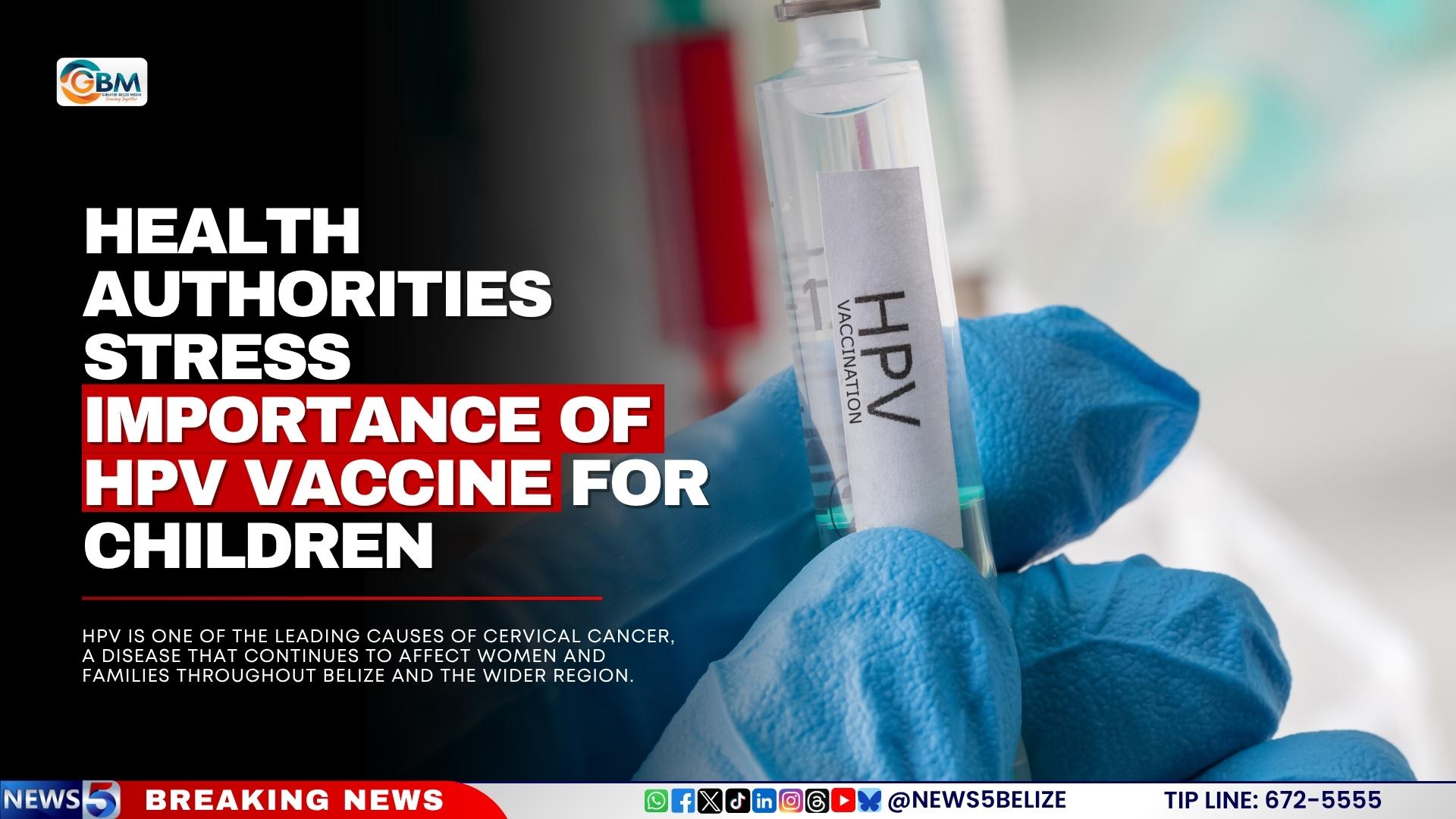
As of May 11, 2026, top health and child development officials in Belize are renewing a urgent national call to action, urging parents across the country to prioritize the HPV vaccine for their school-age children to prevent life-threatening cancers that have devastated local communities for generations.
Special Envoy Rossana Briceño, who leads the Office of the Special Envoy for the Development of Families and Children, emphasized that the Human Papillomavirus vaccine is a proven, safe and highly effective public health intervention that protects not just individual children, but the long-term well-being of entire Belizean families. HPV is globally recognized as the primary cause of cervical cancer, a preventable disease that continues to disproportionately harm women and their loved ones across Belize and the entire Central American region. Briceño noted that early childhood vaccination creates a protective barrier decades before most people would otherwise be exposed to the virus, cutting off the potential for cancer development at its root.
“By vaccinating children early, we are helping to protect future generations from a disease that has caused immeasurable pain to families across Belize,” Briceño shared in an official public statement. Acknowledging that a small number of individuals and religious organizations have raised personal concerns about the vaccine, Briceño reaffirmed that protecting children from a entirely preventable illness must stand as a non-negotiable national health priority. She extended a broad invitation to all sectors of Belizean society—including school administrators, faith leaders, community organizers, parents and guardians—to align behind national vaccination goals that aim to eliminate HPV-related cancers over time.
Belize’s Ministry of Health and Wellness has already operated school-based HPV vaccination initiatives for multiple years, with consistent outreach to bring services directly to students. Under the existing program, registered nurses travel to primary schools across every region of the country to offer the vaccine primarily to Standard Four students, with additional access provided to older students in Standards Five and Six who missed their initial dose opportunity.
Public health experts explain that school-based delivery models carry unique advantages for early vaccination campaigns. By bringing services directly to students, programs eliminate common barriers like transportation costs and scheduling conflicts that prevent many families from accessing preventive care on their own. This approach also ensures that large cohorts of children can gain full protection years before they face potential exposure to HPV through sexual activity later in adolescence and adulthood, maximizing the vaccine’s effectiveness at reducing population-level cancer rates.