
In a recent announcement from the Commonwealth Foundation dated April 14, three emerging writers from the Caribbean nation of Dominica have earned a coveted spot on the 2026 Commonwealth Short Story Prize longlist, earning recognition from the award’s judging panel as standout new voices in global fiction. Launched to spotlight untapped storytelling talent across the 56-nation Commonwealth bloc, the 2026 edition of the prize drew a record-breaking 7,806 total submissions from writers around the world, with fewer than 200 works advancing to the longlist phase of the competition, per official details published on the Foundation’s website. The three Dominican authors named to the extended longlist are Michelle A. Belle, recognized for her story *Breakfast Fete*, Nadege Roach for her entry *The Names He Carried*, and Zephrine Royer for her narrative *Witness*. While the longlisted works are not slated for official publication as part of the prize’s programming, the selection cements the three writers’ places among a curated group of up-and-coming literary talents that judges have flagged as names to watch in coming years. Industry observers note that this recognition carries meaningful weight for the emerging creators: the Commonwealth Short Story Prize ranks among the most fiercely competitive international literary awards for short-form fiction, drawing entries from both established and first-time writers across every inhabited region of the Commonwealth. In its official announcement, the Commonwealth Foundation underlined that longlisted honorees are those whose work sparked vigorous, enthusiastic debate among the judging panel. Though they did not advance to the final shortlist, their creative storytelling was deemed by the panel to rank just below the top tier of selected entries. In a public post shared to the Foundation’s official Facebook page, the organization extended formal congratulations to the three Dominican writers, writing, “We say congratulations to them, and look forward to seeing them grow in their craft and continue making Dominica proud!” Readers can access the full 2026 longlist via the link published on the Commonwealth Foundation’s website.
分类: entertainment
-
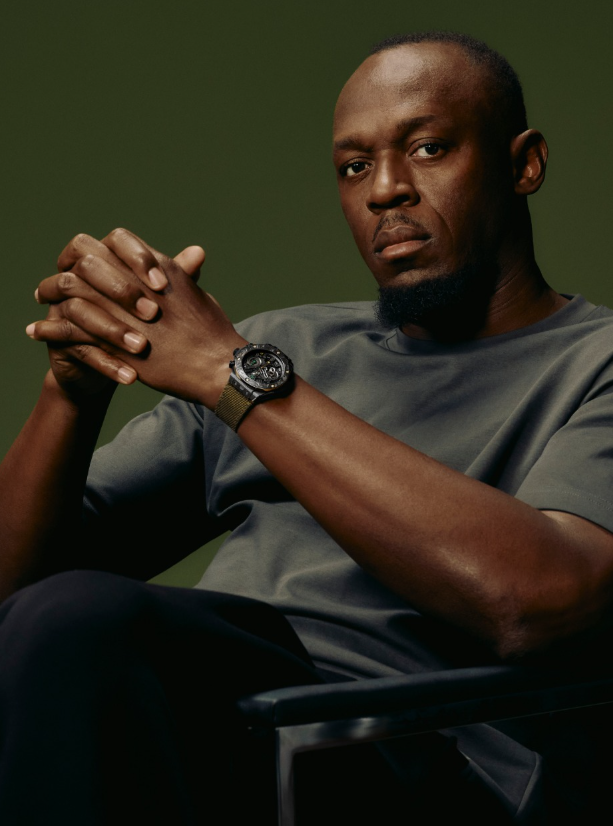
Usain Bolt revealed as Hublot ambassador with new limited-edition watch
Luxury Swiss watchmaker Hublot has joined forces with eight-time Olympic gold medalist and sprint legend Usain Bolt to launch an exclusive limited-edition timepiece that pays homage to the iconic athlete’s trailblazing career and groundbreaking world records. Capped at only 200 pieces globally, the new Hublot Big Bang Reloaded Usain Bolt incorporates personal touches from Bolt himself, including his iconic motivational mantra “Anything is possible, don’t think limits,” engraved into the watch’s design.
Crafted as a 44mm signature release, the timepiece blends premium black ceramic and lightweight carbon construction, finished with a striking polished 18K yellow gold bezel that adds a subtle luxurious flair. It is the latest entry in Hublot’s newly unveiled Big Bang Reloaded celebrity collaboration collection, which already includes a Kylian Mbappe-edition model made from white ceramic engraved with the football star’s motto “Trust yourself.”
Every design detail of the Bolt edition is tied to the sprinter’s Jamaican heritage and historic athletic achievements. The color palette pulls from the Jamaican national flag, pairing black and gold base tones with bold yellow and green accents. The timepiece features a lightning bolt-shaped second hand, a nod to Bolt’s well-known nickname “Lightning Bolt,” with a second golden lightning bolt engraving on the case back. Most notably, the watch dial displays the sequential numbers 6, 5, and 8 — when flipped upside down, these digits read 9.58, a permanent tribute to Bolt’s still-unbroken 100-meter world record of 9.58 seconds, set at the 2009 IAAF World Athletics Championships in Berlin.
Bolt himself shared the announcement of the collaboration with his followers on Instagram, posting a promotional video where he expressed excitement over the release, saying: “This is my watch, can you believe it? Believe it.”
Priced at approximately 29,000 euros (equivalent to around $30,000 USD), the ultra-exclusive timepiece targets both luxury watch collectors and die-hard fans of the sprint legend, offering a rare wearable tribute to one of the most decorated athletes in track and field history. Official promotional imagery of the watch has been released via Hublot’s official channels and Bolt’s personal Instagram account, showcasing the timepiece’s design details from multiple angles.
-
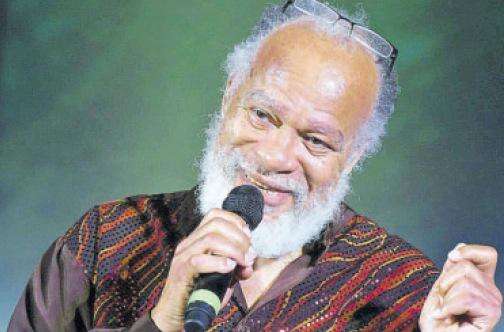
Ernie Smith, beloved Jamaican singer, has died
The Jamaican music industry is mourning the loss of one of its most distinctive voices of the 1970s, Ernie Smith, the easy-listening singer-songwriter whose mellow tracks dominated local airwaves during the decade. He passed away at 80 on Thursday at the University of Miami Hospital, after a period of prolonged illness, confirmed his manager Joanna Marie Robinson.
Smith’s wife, Claudette Bailey Smith, shared details of his final days with Jamaica’s *Observer Online*, explaining that he died shortly after experiencing a series of cardiac events. The musician had been admitted to the hospital on April 7, two days before undergoing a major surgical procedure that required him to be moved to the intensive care unit. While the operation itself was deemed a success, his wife noted that the 80-year-old remained heavily sedated and dependent on a ventilator in the days following the procedure.
A defining feature of Smith’s musical legacy is the contrast his laid-back, smooth sound offered to the politically charged, militant roots-reggae that dominated the 1970s Jamaican scene, popularized by icons such as Bob Marley, Peter Tosh and Burning Spear. His best-known hits, including *Pitta Patta*, *Duppy Gunman* and *Life is Just For Living*, carved out a unique niche for the artist that endures with reggae fans around the world today.
Born in Kingston and raised in St Ann, Smith’s career began to gain traction in the late 1960s with early singles *Ride on Sammy* and *Bend Down*. His first major international breakthrough came in 1972, when *Life is Just For Living* took top honors at the Yamaha Music Festival held in Japan. The majority of his most popular tracks were recorded at Federal Records, the iconic Kingston studio owned by the Khouri family, where he stood as one of the label’s headlining acts alongside Pluto Shervington, who died earlier in 2024.
After releasing additional fan-favorite tracks including *I For Jesus* and *Sunday Coming Down*, Smith migrated to Canada in the late 1970s. He returned to Jamaica in the 1990s, where he resumed his creative work, writing and recording new material and becoming a beloved draw for live music audiences across the island. Most recently, in late 2025, Smith collaborated with fellow reggae singer Ed Robinson on a new rendition of *Pitta Patta*, which climbed the South Florida reggae music charts following its release.
Smith is survived by his wife Claudette, five children (three daughters and two sons), and one grandchild.
-

Jamaican-born author launches Mirror to the Mic magazine
KINGSTON, Jamaica — A new global publication built to elevate underrepresented authentic narratives centered on Caribbean heritage and lived experience has officially entered the media landscape, founded by Jamaican-born author, transformational speaker and media entrepreneur Jenelle Simpson. Titled *Mirror to the Mic*, this quarterly magazine operates under Simpson’s existing Life’s Deceit brand, and it frames itself as far more than a standard print or digital publication: it is a purpose-driven movement that seeks to break cycles of silence, confront unspoken truths, and foster intergenerational healing.
Simpson, who was born in Jamaica and raised in Canada, brings her own lifelong journey of resilience, personal transformation and purpose to the project. For her, the magazine is the culmination of a personal mission to shift how Caribbean stories are told—moving from inclusion to intentional centering of these narratives in global media.
“This work is deeply personal to me,” Simpson explained in remarks following the launch. “I grew up in a culture where strength was so often expected to be carried in silence. This magazine exists to break that silence. It exists to give a platform to the stories we were taught to hide away.”
Beyond centering Caribbean voices, *Mirror to the Mic* is designed to connect the unique realities, resilience and depth of Caribbean communities to a broad global audience, highlighting shared human experiences that transcend geographic boundaries. The debut issue features a curated mix of personal storytelling, reflective commentary and purpose-driven editorial content divided into five distinct, intentionally structured sections:
*Women Who Rise*, a segment that celebrates women who have overcome systemic, generational and societal barriers to build meaningful lives and lead change. *Community Voices* shares anonymous, unfiltered real-life stories that reflect common struggles and triumphs shared across communities. *Mic Drop Moments* features powerful, actionable insights from prominent emerging and established leaders and change-makers. *Healing Grounds* offers accessible, trauma-informed healing resources and reflective exercises for readers. The final section, *Style & Legacy*, explores the intersections of personal identity, cultural expression and intergenerational legacy through the lens of Caribbean creativity.
Every section was developed intentionally to center both the complexity and inherent dignity of the narratives shared, avoiding exploitative framing and prioritizing authentic storytelling. To mark its global debut, *Mirror to the Mic* will launch a widely accessible digital edition available to readers across every region, paired with a limited-edition collector’s print run of only 100 copies. Once the limited print run sells out, no additional copies of the first issue will be produced, making it a unique collector’s item for early supporters and media archivists.
The new magazine extends the impact Simpson has already built through the Life’s Deceit Podcast, where she has earned a reputation for hosting unflinchingly honest, transformative conversations around personal growth and healing. Across both of her media platforms, Simpson remains committed to cultivating spaces where truth-telling, healing and intentional personal growth are not just welcomed—they are core requirements for the community she has built.
-
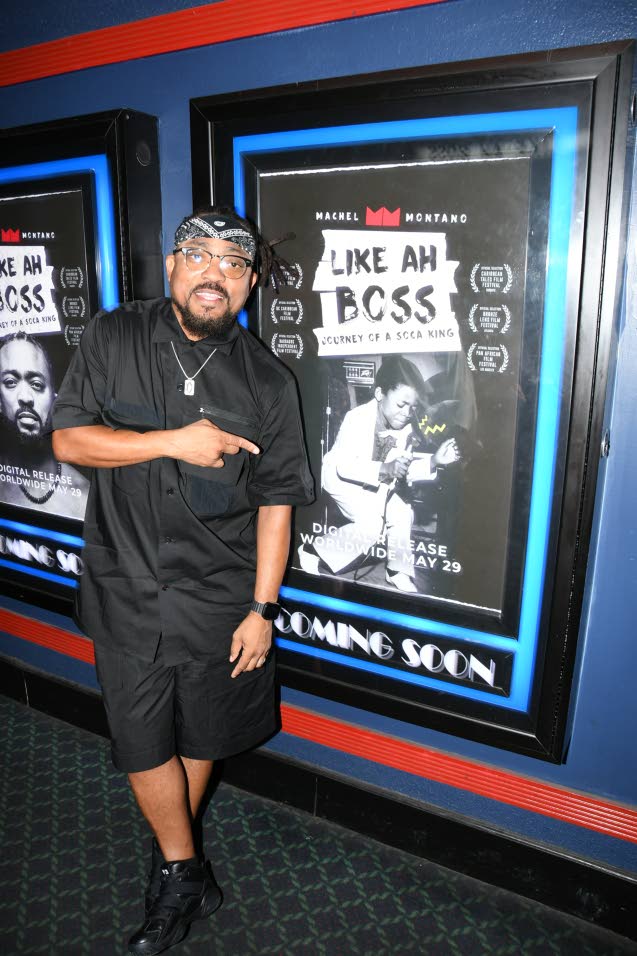
Like Ah Boss, but human
For decades, public audiences have held celebrities to an unwritten, unspoken rule: that entertainers exist as larger-than-life figures untouched by the fragility that defines ordinary human life. Fans often lock their favorite performers into a permanent snapshot of their brightest moments, remembering them only for roaring crowds, dazzling stage lights, and the joy they bring to crowds around the world. But the reality of stardom is far more nuanced: even the most beloved, upbeat icons carry private battles no audience sees.
Just days after headlining multiple stages at Jamaica Carnival 2024, soca music’s undisputed king Machel Montano stepped into a new kind of spotlight—one that asked him to set aside his stage persona and embrace radical vulnerability. On Tuesday afternoon, hundreds of diehard soca fans packed into Kingston’s Carib 5 Cinema for the world premiere of *Like Ah Boss: Journey of a Soca King*, a documentary that does far more than celebrate Montano’s decades-long career: it peels back the curtain to show the man behind the music.
Unlike typical music documentaries that rely on curated highlight reels and career best moments, *Like Ah Boss* reads more like a raw, unfiltered confession. Audiences expecting the high-energy, effervescent performer who fills carnival grounds with joy got a far more intimate portrait: a man who, even after decades in the spotlight, has fought quiet, devastating battles with mental health that stayed hidden for years.
Charting Montano’s trajectory from a child prodigy performing to crowds as a preteen, to a teen heartthrob, to the most decorated soca legend in history, the film pulls back the veil on the relentless pressure of building a global brand. It details the multiple times Montano had to rebuild his career from the ground up after burnout and collapse, and delves into struggles that almost never make entertainment headlines: open admissions of chronic depression, moments where he contemplated suicide, and a devastating financial collapse that left him reeling. These are not the struggles audiences expect from an artist whose name has been synonymous with celebration, whose tracks have served as the soundtrack for carnival and joy across six continents.
That contrast is the core message of the film. It cuts seamlessly between footage of Montano commanding massive carnival stages, and quiet, intimate close-ups where he opens up about the irony of his career: while he spent decades teaching the world how to celebrate, he was fighting just to survive his own private darkness.
“There were moments when I thought of doing harm to myself and I had to really dig deep,” Montano shares in one raw scene. “There have been moments in my apartment, by myself, in the dark, in the corner, crying to the point of no tears. There was a breaking point for me in 1996 where I felt like I just had to stop. I went away from music, stayed inside my room and it was a lot of dark times.”
What makes the documentary resonate long after the closing credits is its unflinching honesty. It never minimizes the depth of Montano’s pain, nor does it frame his struggles as a simple, feel-good redemption arc. Instead, it lets him speak not as a global icon, but as a human being who had to confront his own darkness over and over, and choose every single day to keep moving forward.
That drive to push through loneliness and depression ultimately led to one of the biggest career comebacks in soca history. “There was something about that loneliness and really wanting to come out of it and succeed that kind of pushed me…out of that depression,” Montano explains. “I had one of my biggest years in 1997. In 1997 I decided I was gonna win Road March.”
And win he did. To date, Montano has claimed the coveted Road March title 12 times, with his most recent win coming just this year for his hit single *Encore*. With this latest victory, he officially surpassed the late soca legend Lord Kitchener to become the all-time record holder for the most Road March wins in history.
By the end of the documentary, the title *Like Ah Boss* takes on a whole new meaning. It is no longer just a reference to Montano’s signature stage swagger and command of the crowd. Instead, it becomes a testament to quiet endurance: the kind of strength that does not brag or perform, but reveals itself only in survival.
In an interview with the Jamaica Observer following the premiere, Montano said he would not change a single chapter of his life, even the darkest ones. “Right now my life is full of gratitude,” he shared. “It’s two things I have right now; gratitude and patience, meaning I’m very excited for the next big thing to happen, but I know I have to wait and look back at everything and give thanks.”
*Like Ah Boss: Journey of a Soca King* will officially roll out in cinemas across the globe starting May 29. Organizers encourage all soca fans and anyone who has fought private battles to see the film: it invites audiences to look beyond the performance, understand the hidden cost of greatness, and recognize that even the most celebrated, joyful lives are woven through with unseen struggles. The premiere included a post-screening panel discussion hosted by Yendi Phillipps, featuring Montano, his manager and co-producer Che Kothari, and co-producer Bart Phillips.
-

450, Popcaan set to perform in stacked line-up at Barbados Reggae Weekend 2026
BRIDGETOWN, BARBADOS – One of the Caribbean’s most anticipated annual music gatherings, Barbados Reggae Weekend, is set to return next week with a stacked lineup of legendary and chart-topping reggae and dancehall artists from across the region and around the world. Scheduled to run April 24 through 26 at the iconic Kensington Oval, the 2026 iteration of the festival will feature more than 20 acts, with Jamaica’s biggest stars stepping into the spotlight alongside beloved Barbadian and international performers, and the Jamaica Observer will deliver on-the-ground coverage of all three days of the event.
The weekend-long celebration kicks off Friday, April 24 with the Mount Gay Legends of Reggae Show & Dance, powered by local radio station Q100.7 FM. Opening day’s lineup pays homage to reggae’s trailblazers, with iconic Jamaican artists including Barrington Levy, Norris Man, Sister Nancy, Super Cat, and JC Lodge gracing the stage, joined by fan-favorite Barbadian act Biggie Irie.
On Saturday, the energy shifts to the hard-hitting rhythms of dancehall for the Guinness Showdown, powered by 98.1 The One. Headlined by some of the genre’s biggest current hitmakers – including Capleton, General Degree, Popcaan, and 450 – the night also spotlights homegrown Barbadian talent, with sets from Doejay, Weather 40, Brutal Crankstar, and Idea the Artist.
The festival wraps up its 2026 run on Sunday, April 26 with Hennessy Reggae in the Gardens, powered by Hott 95.3 FM. This closing day features a diverse roster including Jamaican dancehall and reggae standouts Dexta Daps, D’Yani, Kranium, and Admiral Tibet, plus multi-award-winning international R&B superstar Fantasia, and popular local acts Spice and Company, DJ Puffy, and Rite Side of Red featuring Buggy Nhakente and Rhesa Garnes.
In just three years since its debut, Barbados Reggae Weekend has cemented its place as a cornerstone of Barbados’ entertainment calendar, according to event sponsorship manager Michelle Straughn. “From our first staging in 2024, the goal was to produce a high-quality, three-day event that goes beyond just performances. We wanted to deliver a top-tier experience unlike anything being offered and, based on the feedback from our patrons, we have done just that,” Straughn explained.
Organizers have steadily expanded the festival’s scope and lineup each year to keep the experience fresh for attendees. “Last year we introduced Ghanaian-American artiste Moliy to add something different to the traditional reggae line-up and for 2026 we stepped it up another notch with international superstar Fantasia,” Straughn added.
Public interest in the 2026 festival has surged, with strong early interest from both local audiences and international travelers. “We have scores of locals who are anxiously looking forward to the 2026 Barbados Reggae Weekend, as well many visitors travelling to Barbados from as far as Europe and Africa for the shows,” Straughn noted, confirming that audience feedback from past events has been uniformly positive.
For attendees planning to purchase tickets, a range of pricing options is available for individual days and full weekend access. Tier 2 general admission for Friday’s opening showcase costs 120 Barbados dollars (BDS). Saturday’s dancehall showcase carries a BDS$150 price tag for general tier 2 entry, while the premium Live The Luxe food-inclusive tier 2 experience is priced at BDS$450. Sunday’s closing event costs BDS$150 for general tier 2 entry, with the Live The Luxe food-inclusive experience priced at BDS$550. Full weekend season passes for tier 2 general entry are available for BDS$400, while tier 2 luxe full passes cost BDS$1000. All tickets can be purchased online through the ticketing platform Ticketlinkz.com.
-
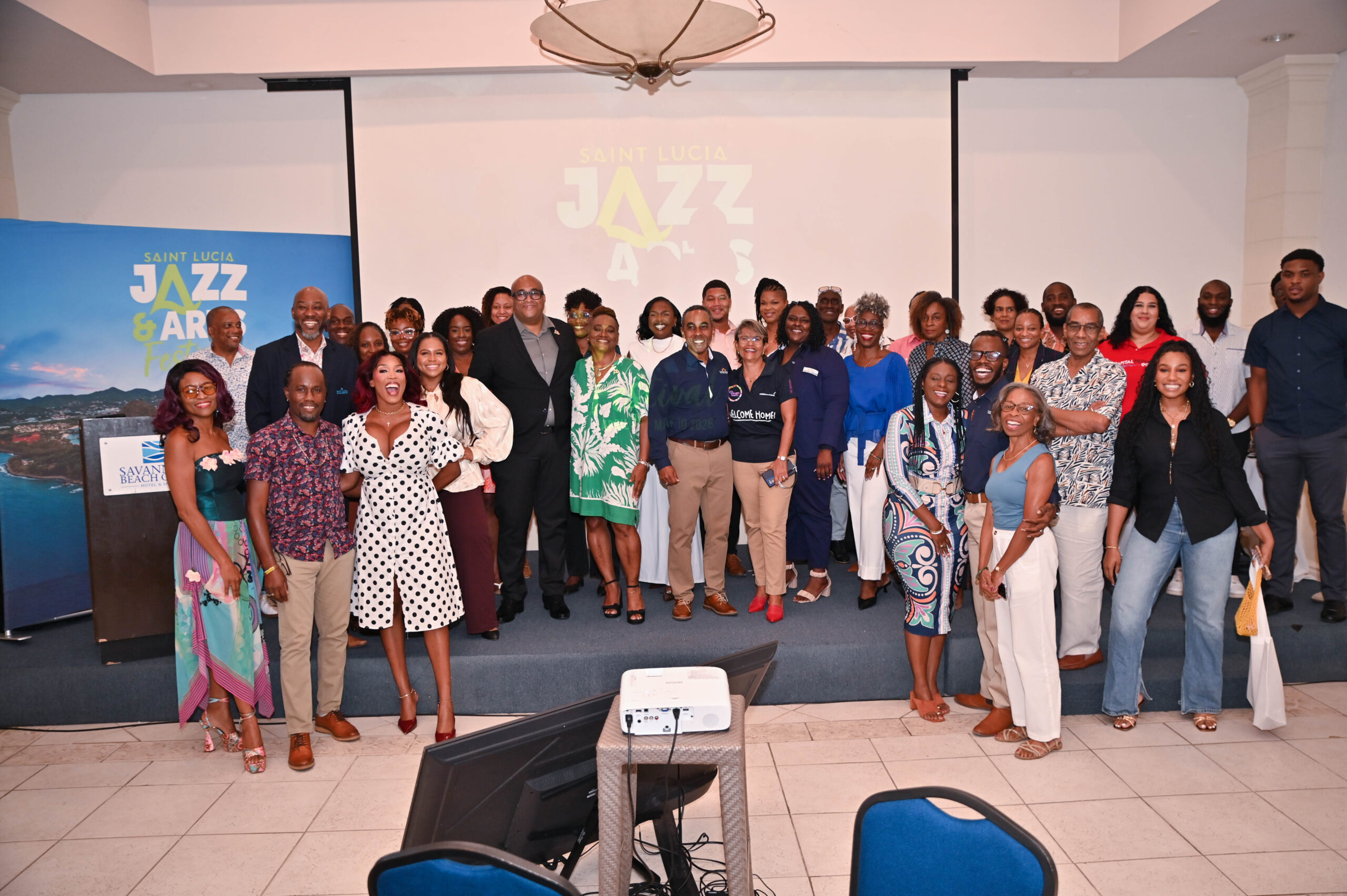
Saint Lucia Jazz and Arts Festival launched with Barbados brunch event
On a sunlit Tuesday, the highly anticipated annual Saint Lucia Jazz and Arts Festival kicked off its official launch with a convivial Jazz and Brunch gathering held at the picturesque Savannah Beach Club Hotel and Spa. The kickoff event, hosted by the Saint Lucia Tourism Authority, gave invited guests an early preview of the Caribbean island’s vibrant cultural and musical programming ahead of the full festival’s run at the end of April into early May. In addition to dropping the full 2025 performance lineup, the launch treated attendees to a spread of buffet-style brunch options alongside immersive live musical performances that set the tone for the main event.
Tourism leaders outlined that this year’s iteration of the festival will feature seven distinct, thoughtfully curated events running from the Opening Night gala on April 30 through a grand Ultimate Celebration on Mother’s Day, May 10. The roster of performers already drawing widespread excitement includes reggae icon Capleton, R&B stars Ella Mai and Brandy, chart-topping Afrobeats musician Tems, and legendary British-Caribbean singer Billy Ocean. Speaking to reporters from Barbados TODAY during the 11 a.m. to 2 p.m. launch, Saint Lucia Tourism Authority Marketing Manager Christopher Gustave explained that the festival’s themed slate of events was intentionally designed to cater to every possible musical preference, cementing the gathering’s reputation as one of the premier cultural festivals in the Caribbean.
“We try to cater for every musical taste… from reggae to soca to dancehall to gospel to jazz to R&B, [and] pop,” Gustave said. “No matter what you’re into, you could find at least either a night or an artiste that you’re interested in.”
Headlining the launch’s own live entertainment was Ronald “Boo” Hinkson, the legendary homegrown Saint Lucian jazz musician. Hinkson opened the event with a soulful solo rendition of John Lennon’s “Imagine”, before bringing Barbadian trumpeter Dr. Ricky Brathwaite and Saint Lucian vocalist Christa Bailey to the stage for collaborative numbers that earned thunderous, standing applause from the assembled crowd. In attendance at the launch was a cross-section of guests including working entertainers, social media influencers, and global arts industry professionals, many of whom traveled from neighboring Caribbean nations to attend the preview.
Barbadian singer-songwriter Adrianna Mayers shared that she left the launch deeply impressed by the festival’s commitment to inclusivity and its expansive range of programming. Sharkia Pereira, a Barbadian influencer who attended her second consecutive festival launch, echoed Mayers’ positive assessment. Pereira highlighted World Beats and the closing Ultimate Celebration as her most anticipated events on this year’s calendar. First established in 1992, the Saint Lucia Jazz and Arts Festival has grown from a small niche jazz gathering into one of the Caribbean’s most recognizable cultural events, drawing thousands of international tourists and arts lovers to the island each year to celebrate a diverse spectrum of global and regional artistic talent.
-
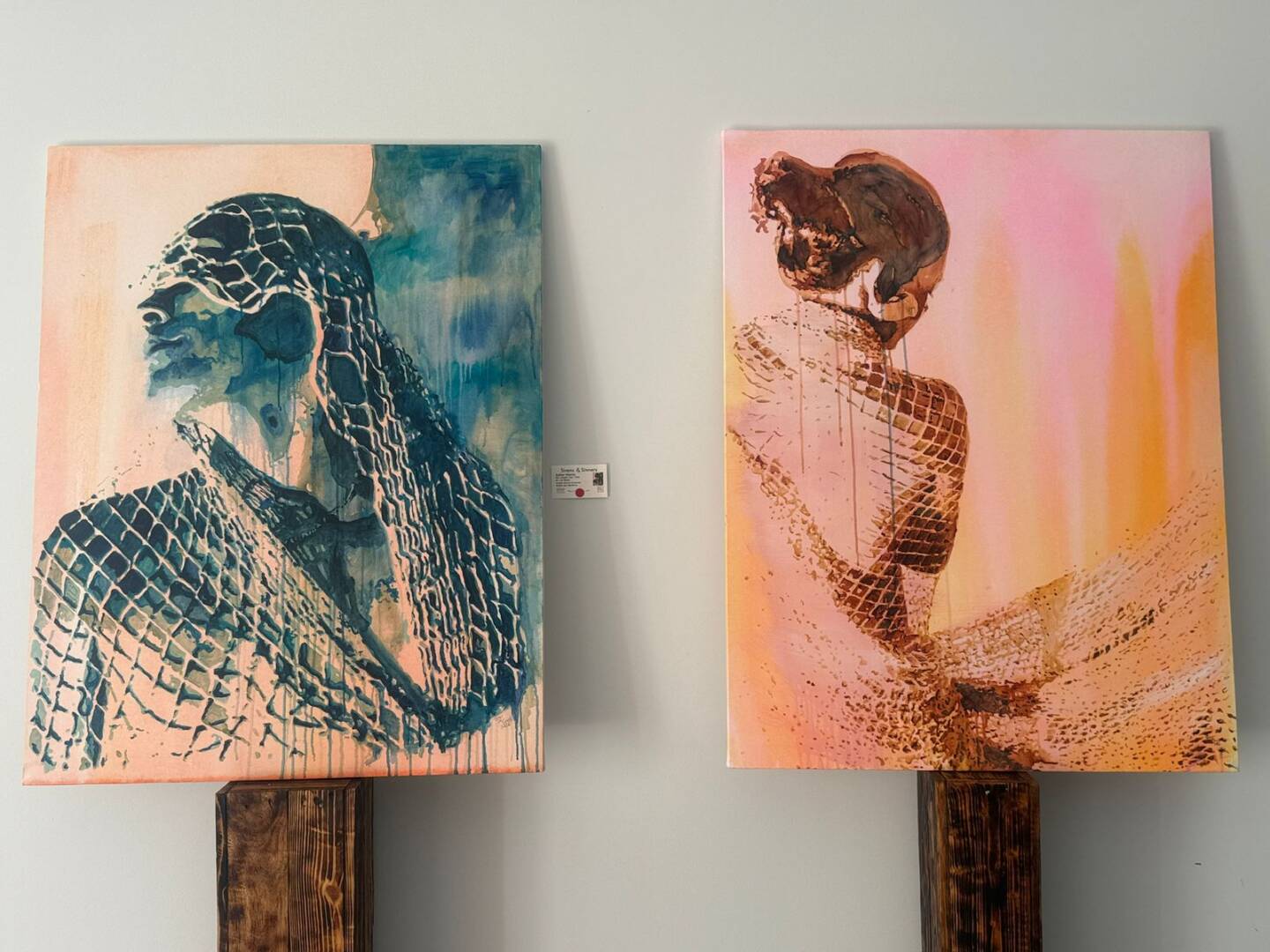
Sirens and Sinners at Art House 473
Tucked inside Art House 473, a former repurposed church that has been reinvented as a serene, chapel-like contemporary art space, the collaborative exhibition *Sirens and Sinners* from creators Asher Mains and Susan Mains unfolds not as a flashy public spectacle, but as a quiet, introspective reckoning with identity, morality and human experience.
Drawing on decades of creative exploration into masks and the layered personal stories they carry, the exhibition upends the binary moral framing suggested by its title, which evokes ancient myth, traditional morality, and the tension between temptation and transgression. Far from the seductive, dangerous figures of legend, the sirens depicted here do not lure viewers—they confront them. Likewise, the so-called sinners are not portrayed as condemned outsiders, but as deeply, tenderfully human. Most works center mask-like visages that are not generic pre-written archetypes, but cumulative identities shaped by lived experience, layered with the sediment of years of memory and struggle.
Susan Mains’ contribution to the show carries a particularly distinct sense of temporal layering. Her iconic “little faces” carry an uncanny, arresting weight: miniature in scale yet monumental in emotional impact, they read as both naive and knowing. Rooted in Caribbean masquerade traditions, the works transcend cultural reference to explore internal, psychological terrain, framing faces as thresholds of experience rather than static surfaces. Every small visage feels less like a finished art object than a residue of a lived moment, a faint, persistent trace that refuses to fade completely.
Asher Mains’ practice offers a compelling spatial and atmospheric counterpoint to Susan’s intimate works. His practice oscillates between abstraction and figuration, weaving the portrait-focused work into broader environmental and narrative contexts. He incorporates found ghost nets—discarded fishing gear that washes up on the beaches of the Grenadian fishing village Calliste—into both his installations and paintings, where the tangled nets hold, caress, and even trap the depictions of sirens. Drawing inspiration from Homer’s *Odyssey* and Derek Walcott’s *Omeros*, the St. Lucian poet’s reimagining of the Homeric epic, Asher crafts a unique magical realist narrative deeply rooted in Caribbean maritime life. If Susan’s pieces are quiet, intimate confessions, Asher’s installations are the resonant spaces where those confessions echo out for viewers to encounter.
What unifies the entire exhibition is its deliberate refusal to offer easy answers. There is no clear moral axis, no didactic narrative that draws a hard line between virtue and vice. Instead, *Sirens and Sinners* puts forward a far more unsettling core thesis: the categorical lines between good and evil, purity and corruption are porous, perhaps even entirely illusory. Viewers are left to navigate a creative landscape where allure and guilt, innocence and complicity coexist in the same quiet gaze.
It is this commitment to ambiguity that gives the exhibition its quiet, enduring power. In an era that constantly demands rigid clarity, quick labels, fixed positions and loud public declarations, *Sirens and Sinners* insists on the value of uncertainty. It does not invite viewers to judge the figures on display, but to recognize them—to see something uncomfortably familiar in their layered, weathered faces. In the end, the exhibition does not demand audiences answer who the sirens or sinners are. Instead, it poses a far more subtle, probing question: when you look long enough at these faces, can you still tell the difference between them?
-

Quiz : Did You Know ? #15
In the 15th installment of HaitiLibre’s popular “Did You Know?” general knowledge quiz series, published April 15, 2026, readers are invited to explore a little-known linguistic and economic fact that underpins the entire global financial system: the origins of modern currency terminology.
The quiz’s featured fun fact breaks down the linguistic roots of two key financial terms. First, the word “fiduciary” traces its lineage back to the Latin noun fiducia, which directly translates to “trust” — a core concept that still anchors modern monetary systems today. This stands in stark contrast to the gold standard that dominated global finance until the 20th century. Under that historic system, every paper banknote issued carried a tangible guarantee: holders could theoretically exchange their note for a fixed, specific weight of gold or another precious metal, tying the currency’s value directly to a physical commodity.
Today, the global economy relies on what is known as fiat money, a term that also draws from Latin, originating from the phrase “fiat,” meaning “let it be done.” Unlike gold-backed currency, the value of fiat money does not come from the material it is made of (paper or digital code, for that matter) — instead, its worth is derived from two sources: an official state decree that designates it as legal tender, and the ongoing trust that the public holds in its ability to be exchanged for goods and services. When that public confidence collapses, the result is hyperinflation, a catastrophic economic event where currency loses value so rapidly that banknotes become more useful as fuel for heating than as a medium of exchange, a stark example of what happens when trust evaporates.
Despite this risk, proponents of the system note that fiat money carries significant benefits for modern economic management: it grants central banks the flexibility to adjust monetary policy in response to shifting economic conditions, altering the total money supply in circulation to counter recessions, curb inflation, or support growth. This system, built on an implicit but critical social contract between governments, central banks, and the public, forms the very foundation of modern global finance and international trade.
This educational fun fact is pulled directly from the answer explanation sheets for HaitiLibre’s QuizHaitiLibre platform, an interactive general knowledge hub that launched to the public earlier this year. The platform invites users to test their own knowledge or challenge friends, covering a wide range of topics spanning Haitian current affairs, culture, history, and global issues. For users seeking a more rigorous challenge, the platform’s expert-level menu offers a curated selection of advanced themed quizzes across dozens of subjects.
As of its most recent monthly update on April 8, 2026, the platform has added 28 brand new quiz games to its library, with new content rolling out every month. All of the platform’s exclusive games are free to access, require no user registration, and are designed to accommodate all age groups and knowledge levels. Every quiz offers three distinct difficulty tiers — normal, intermediate, and advanced — and is fully available in both French and English to serve a broad audience.
Readers and knowledge enthusiasts can access the full platform, explore the 15th “Did You Know?” quiz, and browse past installments of the series at the official QuizHaitiLibre website.
-
Filmmaker urges monetisation push as digital creativity booms
Barbados’ digital creative scene has grown dramatically over the past decade, but a veteran local filmmaker who got his start shooting content on an early Nokia mobile phone is sounding the alarm: most of the island nation’s gifted content creators are still working without pay, and meaningful change will require action from advertisers as much as the government.
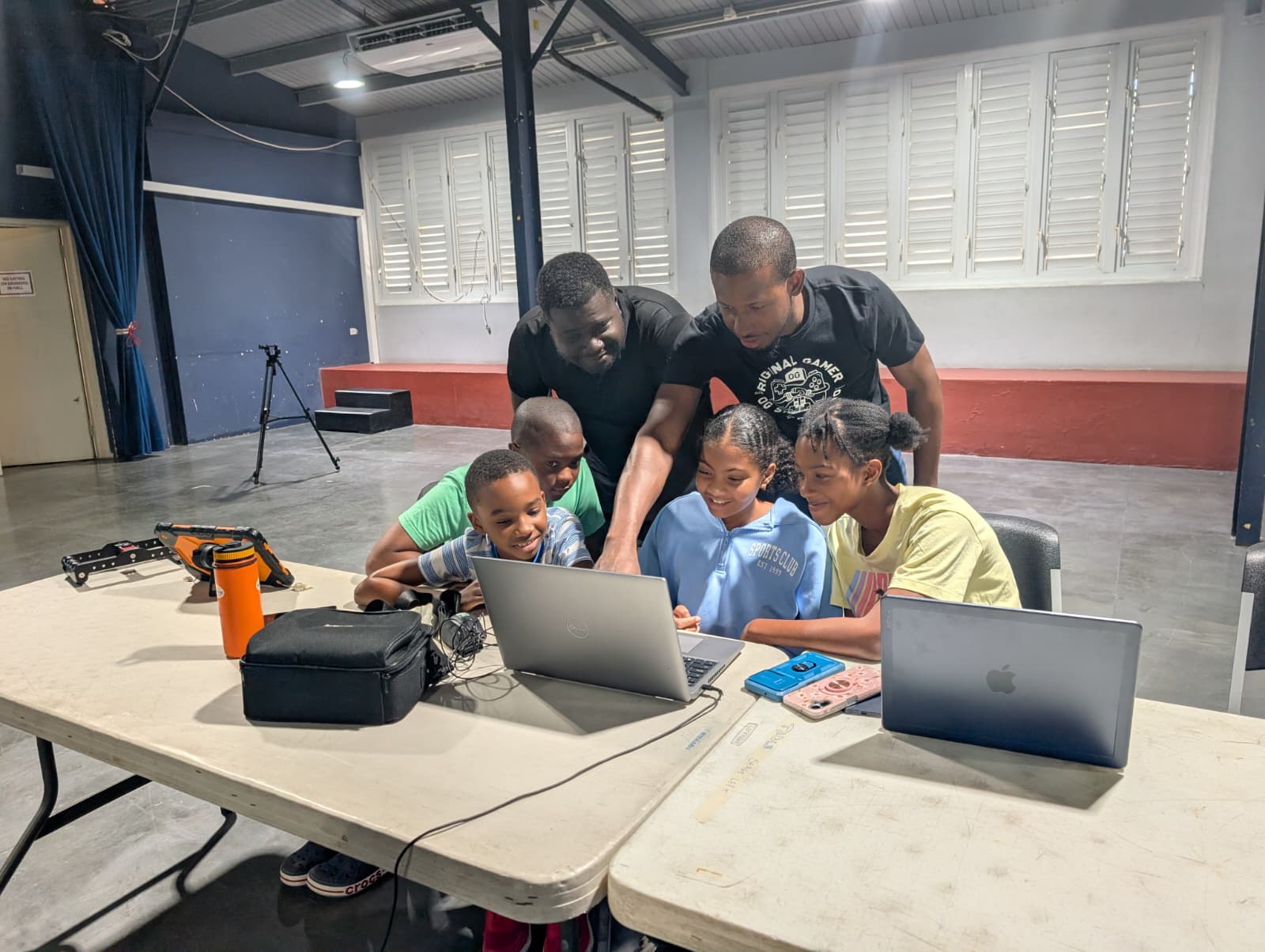
Stockton Miller, a successful film creator whose recent credits include the 2022 action-adventure feature *The Barbados Project* (now streaming on Amazon Prime) and 2025 horror film *The Silence After* (released on the U.S.-based Plex platform earlier this year), recently helped lead an Easter filmmaking camp at Bridgetown’s Queen’s Park Steel Shed. The initiative, organized in partnership with the National Cultural Foundation, was designed to nurture new talent by focusing entirely on mobile content creation — a framework Miller calls long overdue.
Speaking to local outlet Barbados TODAY, Miller explained he jumped at the chance to lead the camp when National Cultural Foundation CEO Carol Roberts first proposed the idea. As someone who launched his career with nothing more than a basic cell phone camera, Miller says the camp’s focus on accessible mobile filmmaking is uniquely suited to new creators in Barbados. “We all have to start somewhere,” he noted, pointing out that he is far from the only Barbadian filmmaker who got his start creating content on a mobile device. “Having children start with a cell phone is a good start. This is a great initiative, not only for the participating students, but for content creation across the entire island.”
Looking back on the industry’s evolution since he entered the field more than 10 years ago, Miller emphasized how far Barbados’ creative ecosystem has come. When he started creating content around 2012 and 2013, there were very few full-time or hobbyist creators active on the island. Today, the space is unrecognizable: creators are producing everything from small business advertisements and food reviews to travel vlogs, original music videos, and even feature-length films, all from their mobile devices.
Miller says this boom in output proves the island has an abundance of untapped creative talent, and that communities need to rethink outdated ideas about traditional career paths. “Not everybody is going to be a doctor or a lawyer,” he argued, adding that he is consistently impressed by the quality of content shared by local creators on major platforms like Instagram, TikTok, and YouTube. “The level of creativity is really high in Barbados, and I’m always excited to see what fellow Bajans are producing.”
Despite this rapid growth, however, Miller says a critical barrier remains: the vast majority of local creators are unable to turn their online followings and creative work into a sustainable, full-time income. Most are forced to balance content creation with second full- or part-time jobs, because the ecosystem does not yet support consistent monetization for Barbadian creators. While Miller now runs his own production company, Board House Productions, full-time, he says many of his peers do not have that luxury.
“I’m hoping to see monetization on these social media platforms become a regular thing here in Barbados,” he said. Miller stressed that fixing this gap cannot be shouldered by the government alone. Instead, he says the key shift has to come from local advertisers, who must begin investing in and paying local creators for sponsored content. When that shift happens, he predicts it will unlock a new wave of entrepreneurship across the island, building a more sustainable and inclusive creative economy for all Barbadian creators.
Miller’s call for collaboration comes as emerging creatives across small island nations face similar challenges of turning growing digital popularity into stable income, making his push for advertiser engagement a test case for other Caribbean creative ecosystems.