分类: education

  • No Campus, No Classrooms for Caye Caulker High School

    No Campus, No Classrooms for Caye Caulker High School

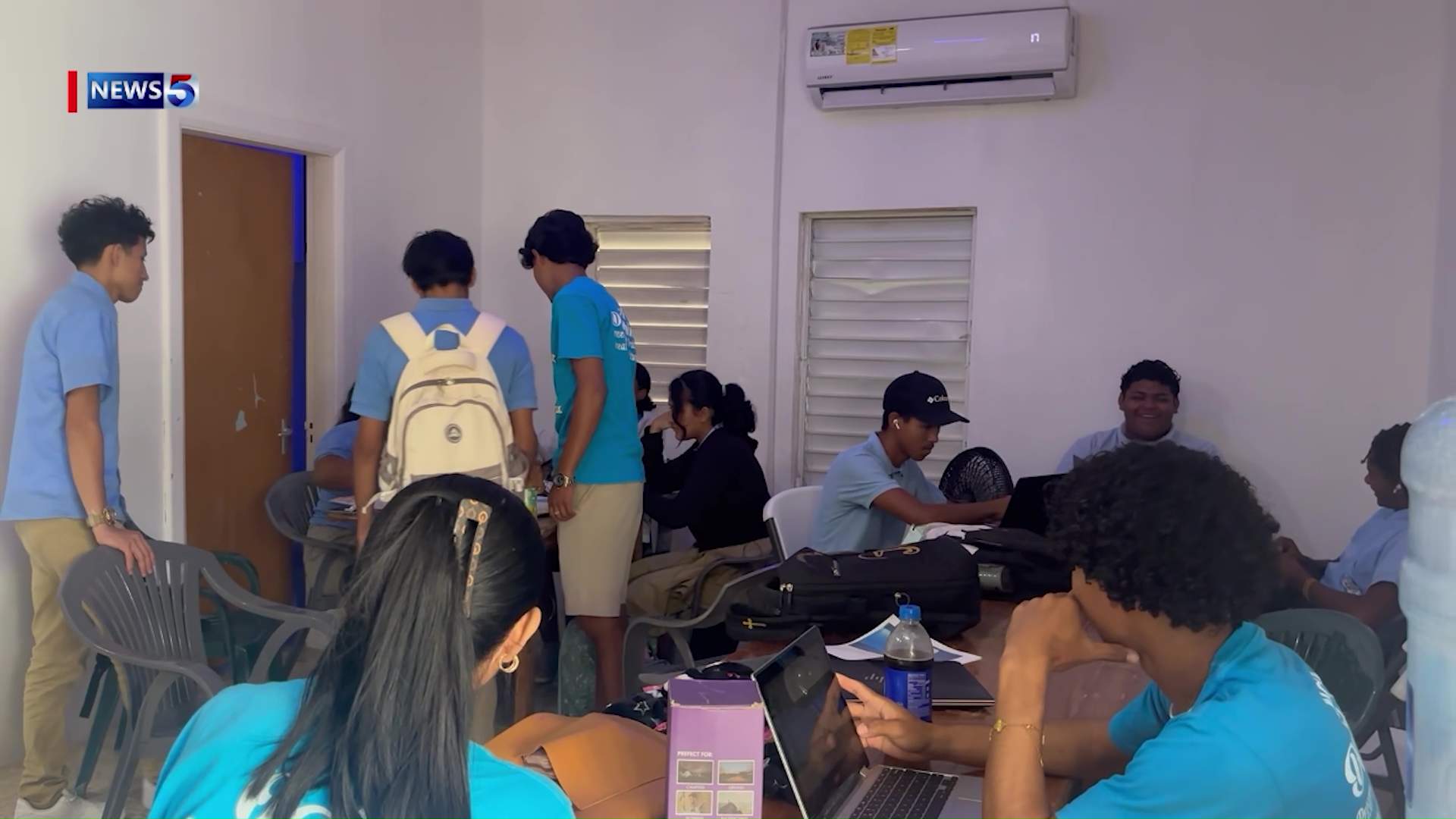
    The Ocean Academy, Caye Caulker’s sole high school, has commenced its new academic term under extraordinary circumstances—entirely without access to its primary campus. For over three weeks, students have been attending classes in borrowed and repurposed spaces including community centers, as their original school facilities remain shuttered due to severe flooding, mold infestation, and critical safety hazards.

    Principal Noemi Zaiden describes the profound operational challenges, noting that limited access to even these temporary spaces disrupts elective courses and general instruction. “It’s starting to wear on just even the resilience of the teachers and the students,” Zaiden stated, highlighting the strain after weeks of displaced learning.

    The situation has escalated into a pressing public issue, with parents, educators, and students collectively urging governmental intervention. In response, Education Minister Francis Fonseca announced the Ministry is exploring immediate remedies, including providing access to ministry-owned land for temporary structures.

    Minister Fonseca clarified the government’s complex position, emphasizing that as a private institution, Ocean Academy does not fall under direct governmental obligation. However, acknowledging the community’s needs, he committed to collaborative efforts with local representatives and educational stakeholders. Fonseca also revealed a long-term solution: a multi-million dollar project earmarked for Caye Caulker that promises new, modern primary and high school facilities designed to serve future generations.

  • CXC reports strong uptake for CTEC Pilot

    CXC reports strong uptake for CTEC Pilot

    The Caribbean Examinations Council (CXC) has launched its January 2026 examination period with significant advancements in digital assessment technologies and regional education reform. With over 10,000 candidates participating in the Caribbean Secondary Education Certificate (CSEC) examinations, the council is implementing a strategic shift toward complete digitalization of all testing within the next three to five years.

    During a press conference in Kingston, Jamaica, Registrar and CEO Dr. Wayne Wesley unveiled comprehensive updates on CXC’s evolving examination framework. The current January sitting, running through January 29th, utilizes the council’s digital e-assessment and hybrid systems. Following this period, CXC will immediately commence preparations for the May-June examinations, which anticipate over 100,000 candidates and more than 600,000 subject entries across CSEC and Caribbean Advanced Proficiency Examination (CAPE) programs.

    Dr. Wesley presented two foundational documents representing CXC’s renewed focus on educational standards: learning standards for literacy and numeracy, and standards with performance criteria for primary exit examinations. These resources establish benchmark proficiencies aligned with regional and international requirements. The literacy and numeracy standards specifically guide pedagogical approaches during the first three years of secondary education, while the updated Caribbean Primary Exit Assessment (CPEA) standards target enhanced primary-level instruction outcomes.

    A standout development is the remarkably successful Caribbean Targeted Education Certificate (CTEC) pilot, exceeding participation projections by more than 50%. Initially designed for 3,000 learners, the program attracted 6,453 candidates across all 13 CXC member states through 48 examination centers. Alton McPherson, supporting the pilot rollout, outlined the structured implementation timeline from January to March. Candidates will receive orientation on the Surpass platform, which will administer Paper One electronically and Paper Two in hybrid format, followed by comprehensive practice testing.

    The assessment process incorporates meticulous technical preparation between March and April, ensuring candidates can upload School-Based Assessments (SBAs), download timetables, and meet e-test readiness requirements. CTEC results will be addressed during the July-August results period, with comprehensive data analysis and qualitative feedback informing the full program rollout scheduled for June 2027.

    Dr. Wesley also emphasized CXC’s commitment to accessibility, referencing the council’s adherence to the Marrakesh Treaty. For the 2025 examinations, special arrangements accommodated 3,444 candidates with visual impairments and other special needs. The council continues to refine technologies and approaches to ensure full and equitable participation for all candidates regardless of ability.

    The Board of Governors has formally approved a comprehensive disaster and business recovery protocol featuring six implementation steps: initial response and support statement, coordination with education ministries, stakeholder consultation, recommendation development, board review, and measured implementation with ongoing evaluation. This protocol ensures continuity when member states experience disasters or unusual events.

    Dr. Wesley concluded with an optimistic outlook for 2026, inviting regional partnership in CXC’s mission to “ignite the potential and shape the future of our Caribbean people” through resilient stakeholder engagement, improved operational processes, and inclusively expanded service access.

  • CXC Uses Digital Exams to Keep January Tests on Track After Flight Disruptions

    CXC Uses Digital Exams to Keep January Tests on Track After Flight Disruptions

    In response to widespread flight cancellations stemming from the Venezuelan situation, the Caribbean Examinations Council (CXC) has successfully deployed its digital assessment infrastructure to ensure uninterrupted January 2026 examinations for affected candidates. Registrar and Chief Executive Officer Wayne Wesley announced at a Wednesday press conference in Kingston that the council immediately activated both e-assessment and hybrid examination platforms to accommodate students facing travel disruptions during the critical examination period.

    This technological intervention forms part of CXC’s comprehensive modernization initiative, with ambitious plans to transition all examinations to digital formats within the next three to five years. Currently, over 10,000 regional candidates are participating in January examinations running from January 22nd through 29th, utilizing these digital and hybrid assessment methods. Thursday’s examination schedule featured English B Paper Two and Human and Social Biology Paper Two administrations.

    Following the January examination session, CXC will shift focus toward preparing for the significantly larger May-June examination period, which anticipates over 100,000 candidates registering for more than 600,000 subject entries across both CSEC and CAPE qualification levels.

    Wesley emphasized the council’s unwavering commitment to educational continuity, noting CXC’s five-decade legacy as a CARICOM treaty organization. ‘The work at CXC never stops,’ Wesley stated, reaffirming confidence in the continued regional and international recognition of the council’s qualifications despite contemporary challenges.

  • CXC: CTEC pilot programme oversubscribed

    CXC: CTEC pilot programme oversubscribed

    The Caribbean Examinations Council (CXC) has reported overwhelming regional interest in its newly launched Caribbean Targeted Education Certificate (CTEC) program, with enrollment figures dramatically surpassing initial projections. During the organization’s first press conference of the year, Registrar and CEO Dr. Wayne Wesley announced that the innovative program had attracted 6,443 candidates across all 13 member states, far exceeding the anticipated 3,000 participants for the pilot phase.

    The CTEC initiative represents a significant departure from traditional educational assessment models by introducing a modular qualification system. This approach deconstructs conventional CSEC and CAPE subjects into smaller, more manageable units, granting students unprecedented flexibility in pursuing certification. The program offers three distinct pathways—accelerated, general, and extended—ensuring broader accessibility and increased certification opportunities while maintaining the established syllabus with a renewed emphasis on competency-based evaluation.

    Alton McPherson, Senior Manager of Examinations Development and Production at CXC, provided detailed operational insights into the pilot program’s implementation. The council will conduct its initial pilot in Mathematics Module One during the May/June 2026 examination period, with participation confirmed across 13 territories including Jamaica, Barbados, Guyana, and several Eastern Caribbean nations.

    The comprehensive implementation strategy involves candidate orientation on the Surpass digital platform from January to March 2026, followed by extensive preparation activities through April. The assessment approach will combine electronic testing for Paper 1 with a hybrid methodology for Paper 2. CXC has allocated July and August for final assessments, data collection, and qualitative feedback analysis to ensure seamless full-scale implementation in June 2027. Results will be released concurrently with traditional CSEC outcomes in August 2026.

    Jamaica emerges as a significant participant with 1,334 candidates distributed across nine examination centers, demonstrating the program’s substantial regional penetration and highlighting the Caribbean’s readiness for educational innovation.

  • Rethink student assessment as AI transforms classrooms, teachers told

    Rethink student assessment as AI transforms classrooms, teachers told

    Educators across the Eastern Caribbean are leading a pedagogical revolution, fundamentally reimagining student evaluation methods in response to artificial intelligence’s transformative impact on classrooms. The pressing need to transition from rote memorization toward innovation, practical application, and ethical technology use dominated discussions as the Eastern Caribbean Joint Board of Teacher Education (ECJBTE) convened its annual meeting at the Sagicor Cave Hill School of Business and Management.

    Dr. Roderick Rudder, Director of Tertiary Education in the Ministry of Training and Tertiary Education, delivered a compelling address to assembled educators, asserting that conventional assessment frameworks have become obsolete in an era where students demonstrate increasing proficiency with educational technology and AI tools. “We are witnessing the rapid global evolution of artificial intelligence,” Dr. Rudder observed, emphasizing that AI “has a significant role to play in addressing the learning requirements of both educators and students.”

    The education director presented AI as an inevitable force that must be strategically integrated into teaching methodologies, though this integration necessitates substantial modifications to evaluation protocols. “Artificial intelligence is unavoidable. It serves as a crucial instrument supporting both learning and instruction,” he stated, clarifying that educators must now prioritize assessing how students implement knowledge rather than merely measuring their capacity to replicate information.

    Dr. Rudder highlighted how students already employ AI technology to conduct research for School-Based Assessments (SBAs) and academic assignments, creating an urgent need for “more authentic assessments” and “higher-order questioning techniques” that evaluate problem-solving capabilities and innovative thinking within local environments and communities.

    The address placed particular responsibility on teacher training institutions to modernize their curricular approaches. Dr. Rudder emphasized the imperative for these institutions to reexamine how they prepare emerging educators for contemporary classrooms, advocating for a robust synthesis of theoretical knowledge, practical application, and strategic implementation of modern tools—especially artificial intelligence.

    This educational transformation, he argued, directly contributes to national development objectives. By enhancing the certification standards for graduating teachers, the education system can better equip individuals to make meaningful contributions to both economic advancement and social progress. Dr. Rudder identified technology as a powerful vehicle for optimizing educational outcomes within school environments, noting that many young people who might not be considered “book smart” frequently demonstrate impressive problem-solving abilities in their natural habitats through gaming and internet navigation. The critical challenge, he concluded, lies in channeling this technological engagement into productive learning experiences.

  • Students get hands-on with future tech at new sci-tech roadshow

    Students get hands-on with future tech at new sci-tech roadshow

    Barbados has officially launched a groundbreaking national STEM initiative with the debut of the ‘Innovating the Future’ roadshow at Grantley Adams Memorial Secondary School. This ambitious educational program, jointly organized by the Ministry of Innovation, Industry, Science and Technology (MIST) and the Ministry of Educational Transformation, represents the culmination of a 15-year vision to transform science education across the island nation.

    The interactive exhibition features cutting-edge technological demonstrations designed to engage students through hands-on learning experiences rather than theoretical instruction. According to Arlene Weekes, Acting Director of the Science, Market Research and Innovation Unit at MIST, the mobile science unit concept originated in 2009 under the working title ‘Driving into the Future’ before evolving into its current form.

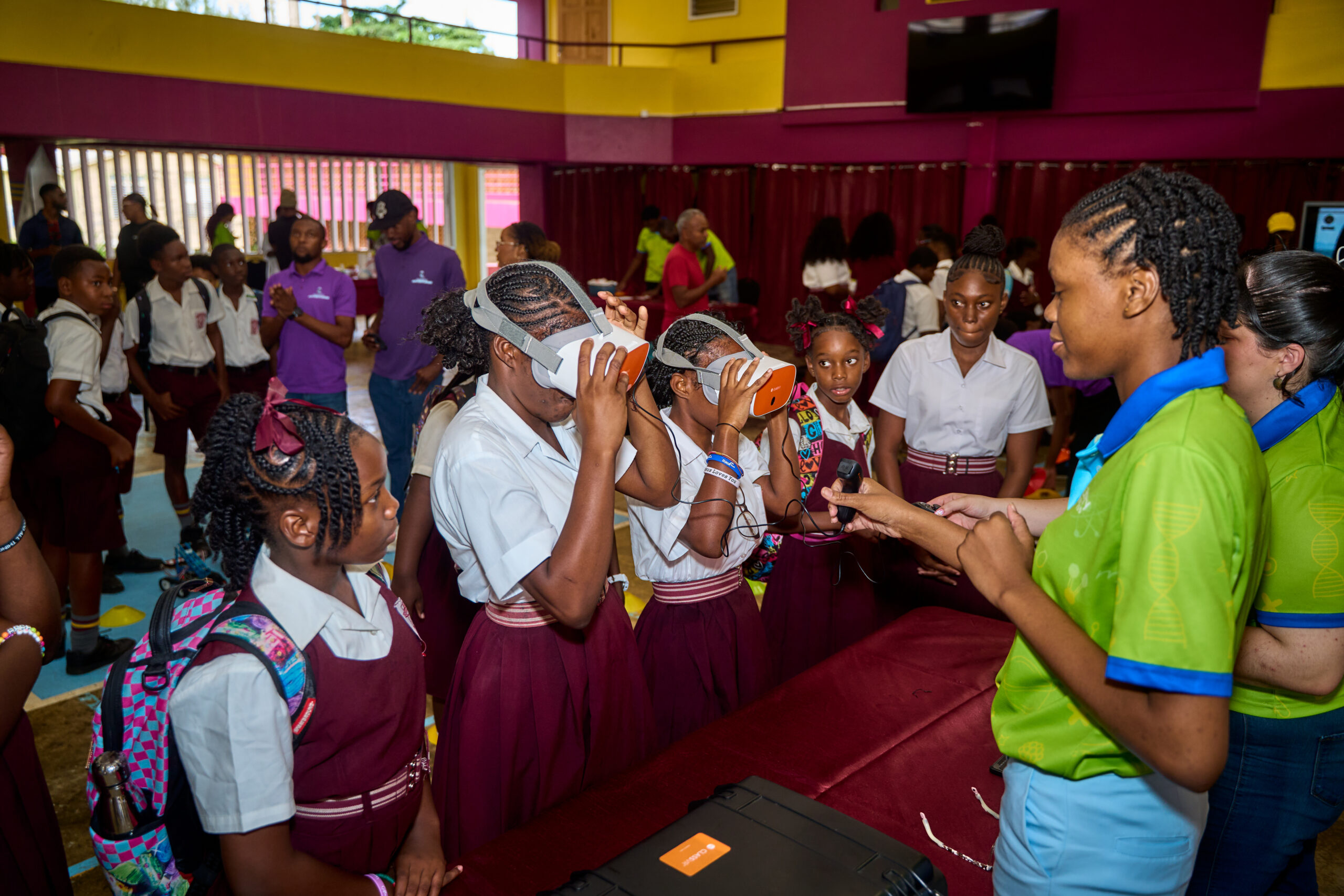
    Students explored multiple scientific disciplines through various interactive stations, including live DNA extraction experiments using bananas, electrical circuit demonstrations, flight simulation technology, robotics workshops, and virtual reality experiences. The flight simulator component specifically targeted students with aeronautical interests, while the robotics section encouraged participants to both operate and construct robotic systems.

    Minister of Educational Transformation Chad Blackman emphasized the strategic importance of this initiative within Barbados’s broader national development framework. He connected the STEM roadshow to the country’s transition toward a knowledge-based economy and the need to develop future innovators capable of addressing global challenges. With Barbados approaching significant milestones including 60 years of independence and five years as a republic, Blackman stressed the imperative to equip the next generation with both technical skills and creative confidence to drive national progress through technological innovation.

  • CXC charts a digital future for Caribbean learners

    CXC charts a digital future for Caribbean learners

    The Caribbean Examinations Council (CXC) has unveiled an ambitious digital transformation roadmap, targeting complete digitization of all examinations within the next three to five years. This strategic shift will commence with a partial digital rollout during the January 2026 sitting, marking a significant milestone in the region’s educational assessment evolution.

    Registrar and CEO Dr. Wayne Wesley confirmed that over 10,000 candidates will participate in the January 2026 Caribbean Secondary Education Certificate (CSEC) examinations through digital and hybrid assessment formats. Immediate preparations are underway for the May-June 2026 examinations, which will involve more than 100,000 candidates and exceed 600,000 subject entries as the organization accelerates toward full digital implementation.

    Concurrently, the Council’s Board of Governors has endorsed comprehensive disaster-response protocols to ensure educational continuity during crises. The six-step business recovery framework, currently activated in Jamaica following Hurricane Melissa, enables coordinated responses to hurricanes, floods, volcanic eruptions, or civil unrest. The protocol includes modified examination arrangements for severely affected schools, adjusted school-based assessments, waived late registration penalties, and extended submission deadlines until June 15, 2026.

    CXC has also introduced updated regional literacy and numeracy benchmarks alongside revised standards for the Caribbean Primary Exit Assessment (CPEA). These publicly available resources, benchmarked against international measures, define competency requirements for proficiency and aim to enhance learning outcomes across primary and secondary education levels.

    In a significant inclusion initiative, the Council is advocating for the adoption of the WIPO Marrakesh Treaty through regional ministries of education. This effort aims to guarantee accessible learning materials for visually impaired and print-disabled students. For the 2025 examinations, special arrangements were provided for more than 3,400 candidates with visual impairments and other special needs, reaffirming CXC’s commitment to equitable participation for all learners regardless of ability.

    Dr. Wesley emphasized CXC’s renewed vision to ‘ignite the potential and shape the future of our Caribbean people,’ highlighting the organization’s five-decade legacy as a CARICOM treaty body dedicated to advancing educational opportunities across the region.

  • The 2026 MOFA Taiwan Scholarship Program Now Open for Applications

    The 2026 MOFA Taiwan Scholarship Program Now Open for Applications

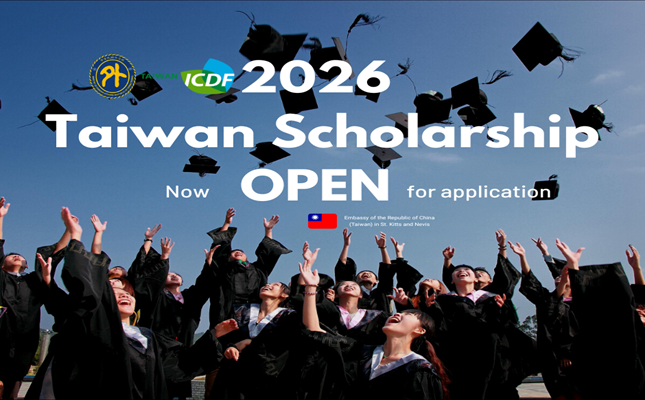
    The Ministry of Foreign Affairs (MOFA) of Taiwan has officially announced the opening of applications for its prestigious 2026 Taiwan Scholarship Program. This initiative provides exceptional educational opportunities for international students seeking to pursue undergraduate, graduate, or doctoral degrees at Taiwanese institutions, with instruction available in both Mandarin Chinese and English.

    The comprehensive scholarship program offers varying durations of support depending on academic level: up to one year for Mandarin Language Enrichment Programs, four years for undergraduate studies, two years for master’s programs, and four years for doctoral candidates. The maximum combined duration across any program combination is five years.

    A significant development for the 2026 cycle is the introduction of a specialized sub-program focusing on public health-related English programs. This track caters specifically to applicants interested in advanced public health education, though it notably excludes the pre-degree language program component.

    Eligibility requires applicants to possess at least a high school diploma. Prospective candidates from St. Kitts and Nevis must submit their applications through the Ministry of Education of St. Kitts and Nevis for preliminary review before onward transmission to Taiwanese authorities.

    The application package necessitates several critical documents: a completed application form, photocopied proof of identity and nationality, authenticated educational certificates and transcripts, evidence of institution application, language proficiency documentation for Chinese-taught programs, two letters of recommendation, and any additional materials requested by the Taiwanese Embassy.

    The Embassy of the Republic of China (Taiwan) emphasizes that incomplete submissions or late applications will not be processed. Final scholarship decisions will be made by a joint committee in Taiwan. Interested parties are directed to contact the Embassy at 465-2421 for further clarification and to ascertain specific application deadlines.

  • Inside the Collapse of American Northwest University

    Inside the Collapse of American Northwest University

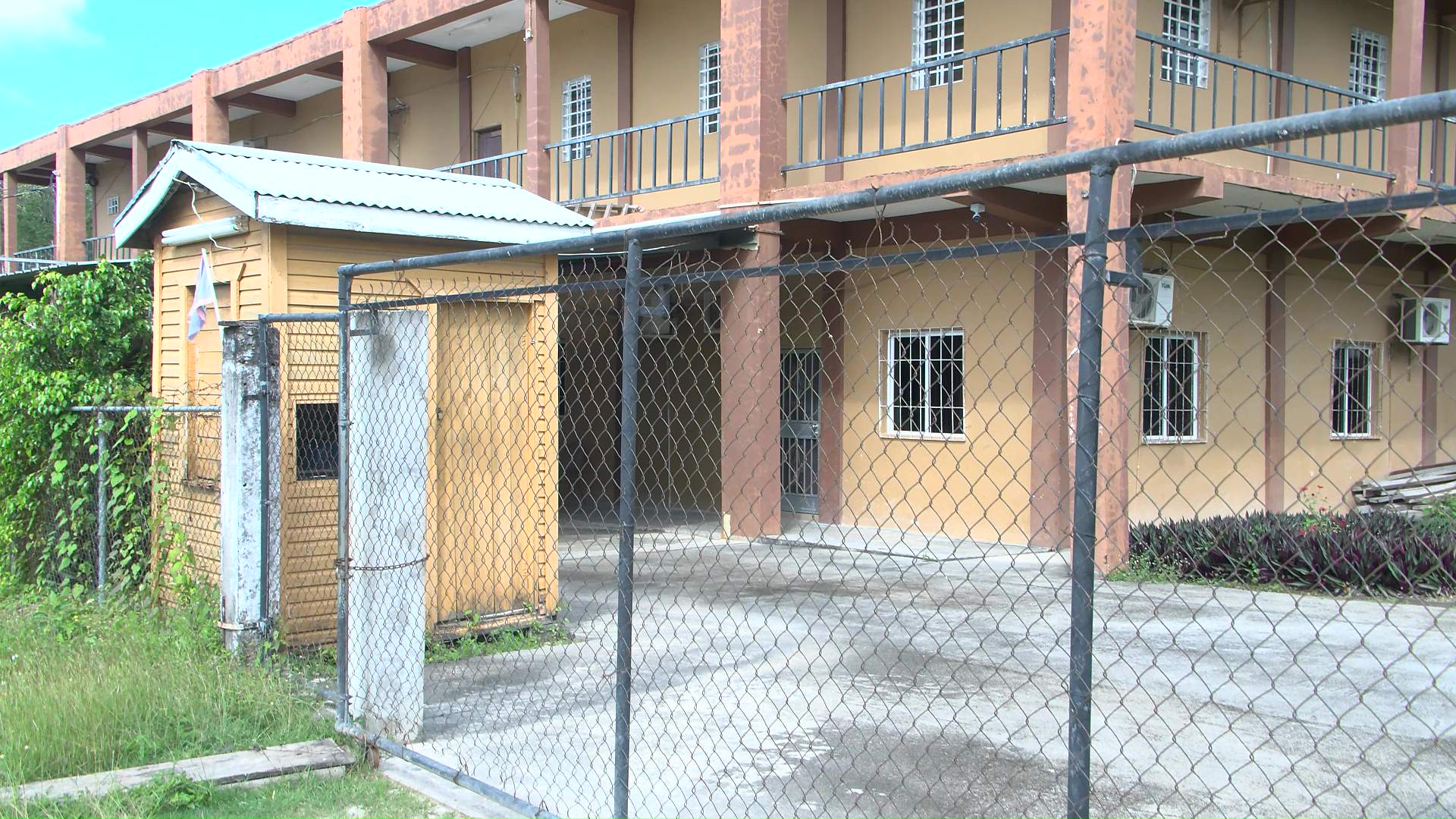
    A promising medical education pathway has disintegrated into chaos as American Northwest University (ANU) in Belmopan, Belize, has abruptly ceased operations, leaving dozens of aspiring physicians in academic and financial limbo. The institution, which aggressively marketed itself as an accredited international medical school offering U.S. clinical rotations, now stands abandoned with its campus chained shut and devoid of staff or academic activities.

    The crisis deepened when Belize’s Ministry of Education confirmed that ANU’s operating charter expired in June 2024 and was never renewed. This revelation came amid emerging legal complications involving a senior figure associated with the institution. According to Becker’s ASC Review, an Illinois physician faces charges exceeding $1 million in alleged Medicaid and Medicare fraud, including permitting an unlicensed individual described as a medical student from a non-certified institution to treat patients during his absence from the country.

    Education Minister Francis Fonseca acknowledged the severity of the situation, stating: “We believe this matter will be resolved very quickly. The reality is that the university’s charter expired and was not renewed because they failed to meet the terms and conditions.” The ministry is now collaborating with the University of Belize, which recently established its own medical school, to facilitate potential student transfers.

    Despite these efforts, affected students report losing thousands of dollars in tuition and years of academic investment without refunds or formal notification. Compounding their distress, many fear speaking publicly after receiving legal threats from university representatives warning of defamation action. The institution’s director allegedly claimed to possess evidence of legitimacy despite operating without valid authorization for over eighteen months.

    The complete absence of transparency, coupled with the ministry’s delayed response, has created an environment of uncertainty and apprehension among international medical students whose career aspirations now hang in precarious balance as investigations continue.

  • ANU Medical School Closes After Charter Not Renewed, Ministry Confirms

    ANU Medical School Closes After Charter Not Renewed, Ministry Confirms

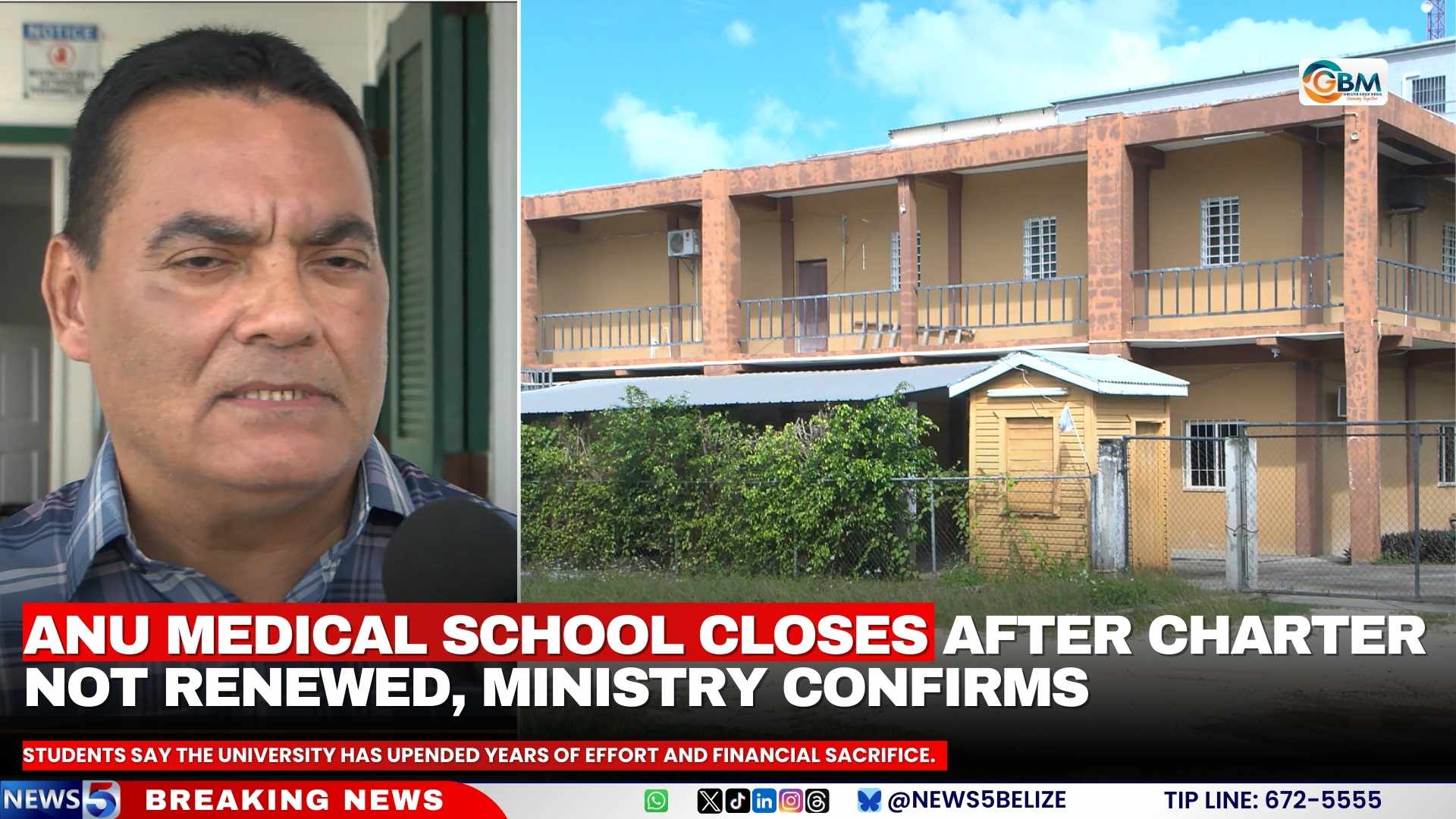
    The Ministry of Education, Culture, Science and Technology (MoECST) has officially confirmed the termination of American Northwest University School of Medicine’s operational charter, which expired in June 2024 without renewal. This administrative decision effectively forces the closure of the institution, leaving approximately 25 Belizean students in academic limbo after years of financial investment and dedicated study.

    Affected students express profound frustration over the abrupt disruption to their medical education, with many describing complete financial backing from families covering both tuition and living expenses throughout their enrollment. The lack of transparent communication regarding the institution’s status and accountability mechanisms has compounded their distress, with one student noting: ‘I’m being instructed to completely restart my education without a coherent explanation of what transpired or who bears responsibility.’

    Education Minister Francis Fonseca clarified that the charter non-renewal followed extended consultations with the university administration, stating: ‘The institution’s charter lapsed in June 2024 and has remained unrenewed since that time.’ The Ministry is currently facilitating transition discussions with the recently established University of Belize medical school to potentially absorb displaced students.

    In contrast, ANU leadership has vigorously defended its operational legitimacy through group communications, asserting possession of documentation demonstrating legal compliance and ongoing dialogue with educational authorities. The institution has cautioned against allegations of unlawful operation, emphasizing that unsubstantiated claims could constitute defamation under applicable laws.