分类: education

  • Revamped ITVET Campus Opens Doors in Hope Creek Village

    Revamped ITVET Campus Opens Doors in Hope Creek Village

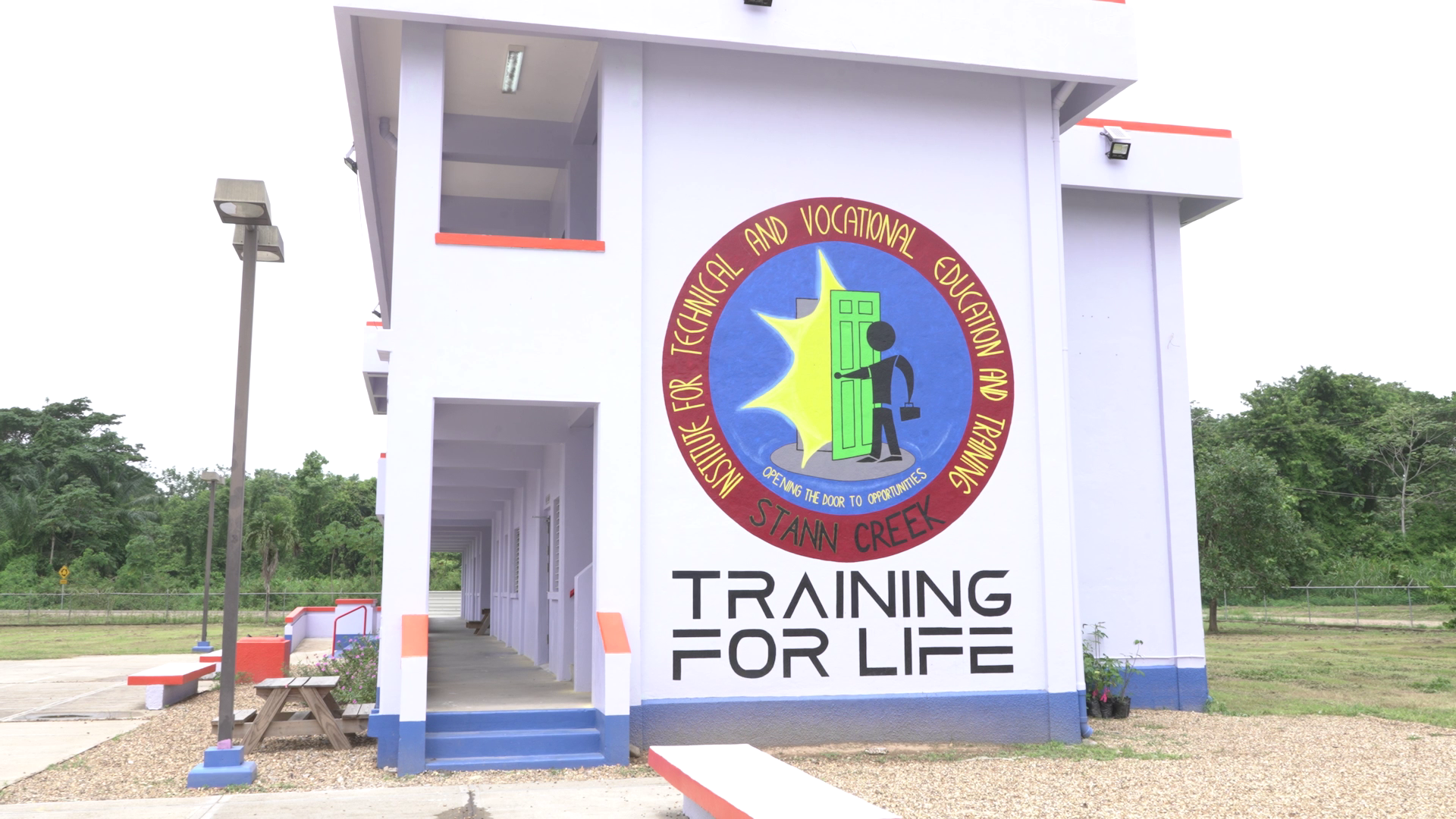
    For generations of young people and working adults in southern Belize, technical and vocational education has stood as one of the most reliable pathways to stable employment, in-demand skills, and upward economic mobility. Now, that critical pathway has received a transformative upgrade, with the official inauguration of the fully renovated Stann Creek ITVET (Institute for Technical and Vocational Education and Training) campus in Hope Creek Village, following a 12-month, $1.4 million rehabilitation project.

    The campus reopening, originally scheduled for late June 2026, was delayed by an unexpected heavy downpour, but the setback did little to reduce the milestone’s importance for the local community. A formal ribbon-cutting ceremony finally marked the completion of the project, which addresses years of structural decay that had limited the institution’s ability to serve a growing student body. Speaking at the event, Dangriga Area Representative Dr. Louis Zabaneh emphasized that the upgrades will touch lives across the entire Dangriga, Sarawee, and Hope Creek constituency.

    “Walking through the campus, it is clear that every classroom, office, and training lab is now fully functional,” Dr. Zabaneh noted. “One of the most persistent problems we faced, constant roof leaks that disrupted classes and damaged equipment, has finally been solved. These improvements will go a long way in helping us better serve our community, especially the students who come here to build the skills they need for successful careers.”

    Funded by the Caribbean Development Bank through the 10th cycle of the Basic Needs Trust Fund (BNTF), the project was implemented jointly by the Belize Social Investment Fund and the Ministry of Education. Beyond superficial aesthetic changes, the renovation completely overhauls the campus’s core infrastructure to meet modern training standards. Dorett Tennyson, project manager for the BNFT, outlined the full scope of work completed over the past year: “We fixed persistent roof leaks, repainted all campus buildings, upgraded security lighting across the grounds, and replaced every window and door. We fully refurbished all existing restroom facilities, added a new staff restroom on the ground floor of the administration building, installed new tile flooring in the computer lab, and even provided new equipment for the building and trade training programs.”

    Once a small campus serving fewer than 50 students total, Stann Creek ITVET has seen rapid growth in demand over the past decade, with more than 200 students graduating in recent years and applications continuing to climb. Campus manager Gwendolyn Garcia Martinez says the improved facilities have already sparked even more interest from prospective students, with more people eager to enroll and spreading the word about the upgraded institution to their communities.

    The impact of the renovation is already extending beyond traditional student populations, Garcia Martinez explained. Local businesses and tourism operators, the region’s largest employment sector, have reached out to the campus to partner on employee upskilling programs. The institution will also now be able to accommodate vocational training for asylum seekers in the area, expanding its public service mission.

    “The impact of this renovation is going to be far greater than any of us can fully anticipate right now,” Garcia Martinez said. “This upgraded campus gives us the capacity to serve far more people across this region, and to do it better than we ever could before.”

    Looking ahead, the second phase of the improvement project will focus on strengthening the quality of instruction itself. Professional development training sessions for campus instructors are scheduled for early August, designed to give educators the tools and resources they need to deliver more effective, industry-aligned training to the next generation of Belize’s workforce.

  • CARICOM digital TVET project strengthens region’s readiness for the digital economy

    CARICOM digital TVET project strengthens region’s readiness for the digital economy

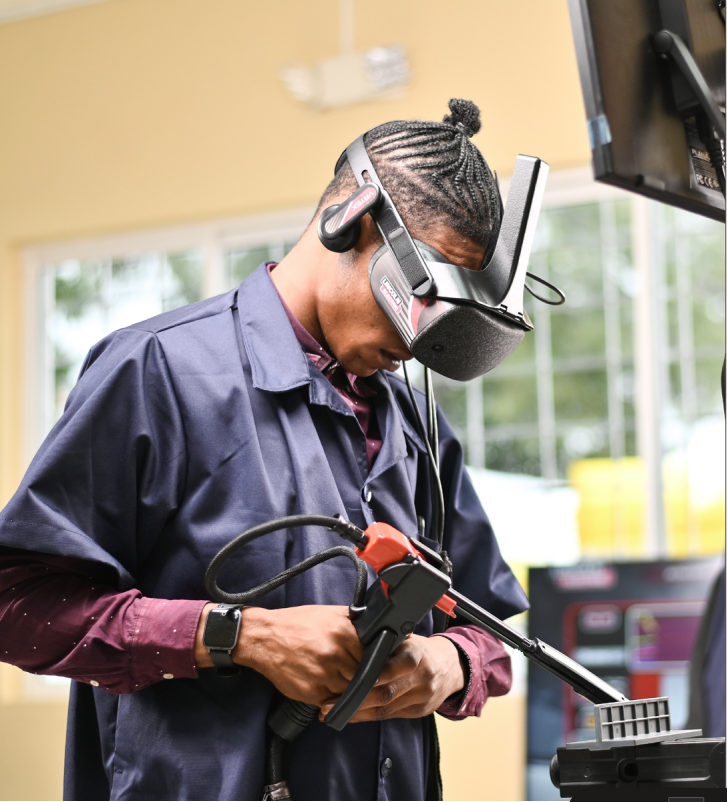
    After years of collaborative planning and implementation across multiple Caribbean nations, a landmark regional initiative to modernize technical and vocational education and training (TVET) through digital innovation has officially wrapped up, establishing a long-lasting institutional framework that will advance digital learning and strengthen regional workforce development for years to come.

    According to an official press release from the Caribbean Community (CARICOM), the Digitalisation of Technical and Vocational Education and Training Delivery Project has served as a powerful case study for how coordinated regional action can generate context-specific, practical solutions that address the distinct challenges and priorities of CARICOM member states. Unlike imported education models that often fail to align with local needs, the initiative was built from the ground up to serve the Caribbean region.

    During the project’s virtual closing ceremony held in recent weeks, Dr. Denise Stoney-James, Deputy Programme Manager for Education at the CARICOM Secretariat and the initiative’s Project Manager, explained that the project was launched to answer the rising demand for digital transformation across the region’s education systems. “CARICOM TVET institutions needed a practical, regionally owned pathway to accelerate digital transformation, not borrowed models, but solutions built for CARICOM Member States,” she noted.

    Stoney-James emphasized that the initiative demonstrates the tangible value of pooling regional expertise to advance shared goals. “This initiative sought to harness digital technology to transform Technical and Vocational Education and Training across the Caribbean. It reflects the power of regional cooperation and the importance of solutions tailored to our own realities,” she added.

    The project was delivered through a unique trilateral partnership that brought together the CARICOM Secretariat, the Brazilian Cooperation Agency, and dozens of regional education and training institutions across the bloc. The collaboration combined international development support with regional local knowledge to ensure all outputs aligned with national and regional priorities.

    Over the course of the initiative, the partnership developed three custom online learning units designed exclusively for CARICOM learners. Beyond creating new learning content, the project also provided specialized capacity-building training for hundreds of education professionals including instructors, learning monitors, instructional designers, and national focal points from four pilot countries: Barbados, Grenada, Jamaica, and Trinidad and Tobago. This training ensures that local teams can continue delivering high-quality digital instruction long after the project’s official conclusion.

    A core priority of the project was the development of learning resources that center Caribbean experiences and local context. All digital course materials feature CARICOM-based instructors and examples tied directly to local industries and community needs, while the initiative also invested in building the technical infrastructure and governance systems required to support long-term sustained use of the new digital tools.

    To embed national ownership of the project outcomes, all new courses were integrated directly into each participating country’s existing national learning platforms, rather than creating parallel external systems. The initiative also introduced targeted incentive programs designed to boost participation among women and other marginalized groups that have historically been underrepresented in technical vocational training. Additionally, the project established regional exchange networks and communities of practice to encourage ongoing collaboration and knowledge sharing between educators and institutions across member states.

    The CARICOM Secretariat reports that the project has already delivered measurable, meaningful results across the pilot countries. Digital delivery capacity across national TVET systems has been strengthened significantly, and all four pilot nations have successfully integrated the new digital systems into their existing national education infrastructure.

    Beyond immediate capacity gains, the initiative has created a sustainable, nationally owned model that reduces regional reliance on external development assistance while boosting the institutional resilience of CARICOM’s TVET systems. The foundation of technical and institutional capacity built through the project also sets the stage for wide expansion across the bloc, with multiple additional CARICOM member states already confirming their interest in adopting the successful model.

    Reflecting on the initiative’s long-term importance, Stoney-James noted that its impact extends far beyond its immediate tangible outputs. “The project not only delivered immediate results but also created the conditions for sustainable expansion, positioning CARICOM TVET systems to meet the demands of a rapidly evolving digital economy,” she said.

    She also highlighted one of the project’s most critical takeaways for future regional digital transformation efforts: that lasting change depends not only on rolling out new technology, but on preparing local institutions to manage and maintain that technology over time. “Sustainable digital transformation depends not only on the solutions we build, but on the capacity of institutions to adopt, own, and sustain them over time,” Stoney-James affirmed.

  • CARICOM Develops Online Courses for Technical and Vocational Students

    CARICOM Develops Online Courses for Technical and Vocational Students

    When regional institutions across the Caribbean Community (CARICOM) set out to modernize their Technical and Vocational Education and Training (TVET) systems, they rejected one-size-fits-all imported frameworks in favor of solutions built specifically for the unique needs of member states. That core vision guided the landmark Digitalisation of TVET Delivery Project, which concluded its initial phase with a virtual closing ceremony that celebrated tangible progress and laid the groundwork for long-term regional expansion.

    Dr. Denise Stoney-James, Deputy Programme Manager for Education at the CARICOM Secretariat and the project’s lead manager, framed the initiative as a model for what collective regional action can achieve when complementary strengths are aligned around a shared goal. “This initiative sought to harness digital technology to transform Technical and Vocational Education and Training across the Caribbean. It reflects the power of regional cooperation and the importance of solutions tailored to our own realities,” she noted, emphasizing that locally rooted design has been central to the project’s early success.

    Built on a innovative trilateral partnership structure that brings together the CARICOM Secretariat, the Brazilian Cooperation Agency, global technical experts, and regional education institutions, the project has already delivered a suite of targeted outcomes designed for long-term impact. Three custom online learning units have been developed from the ground up to fit CARICOM’s learner population, while education personnel including instructors, program monitors, instructional designers, and national focal points across four pilot countries—Barbados, Grenada, Jamaica, and Trinidad and Tobago—have completed hands-on training to lead ongoing digital delivery after the initial project phase concludes.

    Unlike generic off-the-shelf digital learning materials, all content created through the project is culturally contextualized, featuring local CARICOM instructors and examples that reflect regional economic and social realities. To ensure long-term accessibility, new technical infrastructure and governance frameworks have been established, and all courses have been integrated into existing national education platforms to cement country ownership of the initiative. Targeted incentive programs have been implemented to boost enrollment among women and marginalized groups, expanding access to digital skills training for underrepresented populations, while regional peer networks and communities of practice have been launched to foster ongoing knowledge sharing across member states.

    Early outcomes from the pilot phase mark a significant step forward for Caribbean TVET modernization. Regional capacity for digital TVET delivery has been substantially strengthened, with all four pilot countries successfully integrating the new digital tools and content into their existing national education systems. The project has also established a fully sustainable, country-led operating model that reduces long-term reliance on external support and builds regional institutional resilience. Critically, the initiative has laid the technical and institutional groundwork for region-wide scaling, with multiple additional CARICOM member states already indicating they are prepared to adopt the model for their own TVET systems.

    Stoney-James emphasized that the project’s impact extends far beyond its immediate deliverables, positioning regional TVET systems to meet the shifting demands of the 21st century digital economy. “The project not only delivered immediate results but also created the conditions for sustainable expansion, positioning CARICOM TVET systems to meet the demands of a rapidly evolving digital economy,” she said.

    The initiative also yielded key lessons that will shape future regional digital transformation efforts: institutional readiness, the project found, matters more than access to cutting-edge technology. While digital tools can be shared quickly across borders, long-term sustainability depends on national ownership, flexible implementation pathways, and alignment with each country’s existing institutional maturity. “Sustainable digital transformation depends not only on the solutions we build, but on the capacity of institutions to adopt, own, and sustain them over time,” Stoney-James affirmed.

    The project was developed to address long-standing structural gaps that have held back CARICOM TVET systems for years. For decades, regional institutions have struggled to keep pace with global digital shifts, with limited access to high-quality digital training and Industry 4.0 content, and wide disparities in institutional capacity across member states. While a small number of institutions had made independent progress toward digital modernization, many were still building the foundational systems needed to support digital delivery.

    A second equally critical gap was the lack of learning content tailored to CARICOM’s specific context. In most cases, existing digital TVET materials were not aligned with CARICOM Vocational Qualifications (CVQs) and did not reflect the actual skill needs of regional labour markets, leaving a damaging mismatch between the skills graduates gained and the skills that regional employers demand. At the same time, demand for digital and technical expertise across the Caribbean has grown rapidly, as economic diversification, competitiveness efforts, and the rise of technology-driven workplaces created an urgent need for a coordinated regional response.

    Launched in November 2022, the Digitalisation of TVET Delivery Project was developed as a strategic partnership between the CARICOM Secretariat and the Caribbean Association of National Training Authorities (CANTA), in response to a call for proposals from the Trilateral Technical Cooperation between Brazil, the European Union (EU) and Germany. The CARICOM Secretariat’s Human Resource Development (HRD) Programme ultimately secured €700,000 in technical support funding from the partnership to implement the initiative across CANTA member states. Brazil’s National Service for Industrial Training (SENAI), one of the largest TVET institutions in the world and a leading global innovator in vocational digitalization, joined as a core technical partner to lead the conversion of traditional in-person TVET curricula to flexible online programs. The project’s operational planning phase got underway in 2023, with a series of virtual planning meetings between all core partners followed by an in-person workshop convened in Brasilia, Brazil, from June 26 to 30 2023 to align on project goals and implementation timelines.

    Today, the initiative stands as a proof of concept for regionally led digital transformation, offering a timely strategic pathway to reduce capacity disparities across CARICOM, strengthen regional economic resilience, and equip Caribbean learners with the in-demand skills needed to thrive in a fast-changing global economy.

  • Empowering Young Women to Dream Big, Lead Boldly & Break Barriers

    Empowering Young Women to Dream Big, Lead Boldly & Break Barriers

    In a landmark step toward closing the gender gap in male-dominated innovation fields, Belize’s Ministry of Education, Culture, Science and Technology wrapped up its first-ever nationwide Girls in STEAM Festival over the weekend in San Ignacio. Backed by the Inter-American Development Bank (IDB) through its global Skills for the Future initiative, the event brought hundreds of young female students from across the country into hands-on learning experiences designed to reshape their understanding of what they can achieve in science, technology, engineering, arts and mathematics.

    The festival was structured in two sequential phases, starting with a week-long residential camp for upper-level primary school students. A total of 17 institutions from every region of Belize participated, with more than 300 girls enrolled from Standards 4 through 6. Dr. Consuelo Godfrey, the program’s lead consultant for Girls in STEAM, explained that the introductory camp was built around one core mission: to demystify STEAM fields for young learners before they internalize harmful gender stereotypes about technical work. “The goal was for those girls to be exposed to all aspects of STEAM: Science, Technology, Engineering, Arts and Mathematics,” Godfrey noted, emphasizing that early exposure is critical to encouraging long-term interest in these career paths.

    Following the primary school camp, a two-week secondary-level camp launched with a deeper focus on integrating practical technology across every STEAM discipline. To help students see STEAM work as tangible, accessible part of everyday life in Belize, organizers arranged immersive site visits to local industry and innovation hubs. Participants toured key locations including the Esquivel Apiary in Corozal, Hydro Belize’s Chalillo Dam in Cayo, the women-led clean energy network Solar Sisters in San Pedro Columbia, and the T.R.E.E.S. environmental research organization along the Hummingbird Highway. Keila Mai, a female STEAM professional who spoke to the secondary camp participants, shared actionable advice for young women entering male-dominated fields: “Every time I felt like an outsider or felt that heavy weight of a male-dominated field, I leaned into my curiosity. Curiosity leaves no room for fear.”

    The festival closed with a public showcase of the original projects developed by the participating students, followed by an award ceremony to honor the most innovative and impactful work. Yolanda Gongora, Belize’s Chief Education Officer, reflected on the transformational vision behind the event, noting that its purpose extends far beyond teaching technical skills like coding, robotics, or artificial intelligence. “When we first envisioned this programme at the Ministry of Education, Culture, Science and Technology, our ambition extended far beyond teaching coding, robotics or artificial intelligence. We set out to create something transformational: an extracurricular programme that would inspire girls to see themselves not simply as users of technology, but as innovators, creators, scientists, engineers, entrepreneurs and leaders,” Gongora said.

    Karla Gonzalez, the IDB’s resident representative in Belize, echoed that optimism, noting that closing the gender gap in STEAM will benefit not just individual women, but Belize’s entire economy and research ecosystem. “Belize, like the rest of the world, needs more women studying maths and science and leading research, and who knows, in the future maybe we will get a Nobel Prize,” Gonzalez said. Organizers have announced plans to make the Girls in STEAM Festival an annual event, expanding participation to more schools across the country in coming years.

  • School registration fees were ‘a mess’ — Minister

    School registration fees were ‘a mess’ — Minister

    St. Vincent and the Grenadines’ Ministry of Education is rolling out a sweeping new policy to standardize and eliminate inconsistent entry fees for first-year secondary school students, a key campaign promise from the ruling New Democratic Party (NDP) administration designed to cut education costs for local households.

    Education Minister Philip Jackson made the formal announcement of the policy change on July 15, confirming that all registration-related fees will be eliminated for Form 1 students enrolling in both public and government-assisted private secondary schools across the country. The reform grew out of an internal ministry review that exposed widespread, unfair disparities in how individual schools charged incoming students and their families.

    During an interview with NBC Radio, Jackson explained that after the NDP took office, ministry staff collected and analyzed registration fee packages from secondary schools across the nation to identify areas for reform. The review painted a clear picture of systemic inconsistency: mandatory registration fees ranged from as low as EC$30 to as high as EC$100, physical education t-shirts cost between EC$25 and EC$95, non-refundable processing fees spanned EC$50 to EC$100, report books varied from EC$10 to EC$25, and vague “supplies” charges ran from EC$30 to EC$50.

    “When you look at the range in the prices, they’re all over the place… and we concluded that’s really a mess,” Jackson told radio listeners. Beyond the gaps in pricing, he noted, there was no consistent framework for what schools could charge for or how fees were labeled, creating serious concerns around fairness, transparency, and financial accountability for families already struggling with rising living costs.

    Jackson drew a clear line between acceptable charges for tangible goods and what he termed “fuzzy” administrative fees that left parents confused. Most families are comfortable paying for physical items they can see and use, such as school ties, badges, and sports uniforms, he explained. But vague charges labeled “processing fee,” “admission fee,” or “registration fee” offer no clear value for families, creating unnecessary confusion and financial strain.

    To address these issues, the ministry issued an official circular to all eligible secondary schools on July 14 that lays out a new standardized fee framework. Under the new rules, schools are only permitted to charge for a limited list of required items: school badges, school ties, physical education uniforms, school polo shirts, and a parent-teacher association fee — a deliberate inclusion meant to strengthen collaborative partnerships between homes and schools.

    All other charges are now categorized as optional, meaning parents may choose whether to purchase these items through the school or source them independently. Optional items include student photographs, school handbooks, report books, homework books, art supplies, music equipment and materials, flash drives, school cooperative fees, textbook loan scheme contributions, and exercise books — all of which were previously classified as mandatory charges.

    A key provision of the new policy requires schools to accept any reasonably compliant exercise books, even those sent from overseas in donation barrels, as long as they are properly labeled. Jackson stressed that students must not be harassed or penalized for using these independently sourced materials.

    For schools that have already completed Form 1 registration under the old, unstandardized fee structure, the ministry has mandated immediate adjustments. All schools must revise their registration packages to align with the new framework, identify any impermissible fees that have already been collected, arrange full refunds for those charges, and notify parents of refund amounts, timelines, and disbursement methods. “That is the responsibility of the school, just like how they communicated up front the original fees,” Jackson said.

    The announcement comes after some school principals raised concerns that eliminating registration fees would create revenue gaps for core operational expenses, including toilet paper, security services, and printer supplies. Jackson acknowledged these concerns but noted the ministry anticipated this pushback and conducted a data-driven assessment of potential funding shortfalls before rolling out the policy.

    “We did the actual research based on the data we collected, and I’m confident that we will be able to meet the shortfall. It’s far less money than most people think,” Jackson said. In many schools, he added, the per-student revenue gap between the old and new fee structure ranges from just EC$60 to EC$85, and fears that the change will collapse school operations are vastly overstated.

    “Let us not be fatalistic about it… It’s not a whole set of money that’s going to cause the school operation to suddenly crash,” he said, noting that previous generations of Vincentian students attended secondary school without any registration fees, and schools operated successfully without this revenue stream.

    To cover any remaining gaps, the government has already allocated a total of EC$172.2 million in recurrent expenditure and EC$63.5 million in capital spending for the education sector this year, funding that covers both daily school operations and major infrastructure upgrades across the country.

    Jackson clarified that the new fee policy does not impact annual school fees charged by denominational secondary schools, which are not fully funded by the state and have long been permitted to charge separate fees supported by congregational tithes and offerings. Per longstanding national agreements, these fees must still be clearly labeled as “school fees” to maintain transparency for families. Looking ahead, Jackson added that the ministry will conduct a broader review of these independent fee arrangements to align them with the country’s long-term goal of universal, accessible secondary education for all students.

  • Teachers, parents reps put CXC assessment overhaul under scrutiny

    Teachers, parents reps put CXC assessment overhaul under scrutiny

    A major overhaul of secondary and post-secondary credential testing across the Caribbean has ignited demands for rigorous ongoing oversight, after education stakeholders raised alarms that the shift from long-standing coursework assessments to a supervised timed exam could deepen existing achievement gaps and leave systemic problems unaddressed.

    Last week, the Caribbean Examinations Council (CXC) announced its plan to phase out school-based assessments (SBAs) for most non-practical subjects in both the Caribbean Secondary Education Certificate (CSEC) and Caribbean Advanced Proficiency Examination (CAPE) programs, replacing them with a new structured assessment: Paper 032. Under the revised framework, students will receive their assessment topics months ahead of the official test date, then complete a final written response under full invigilation, using the pre-prepared notes they have developed in the interim.

    CXC officials frame the reform as a direct response to the disruptive rise of artificial intelligence in academic work, noting that the change is designed to shore up academic integrity and protect the international standing of Caribbean educational qualifications. The Barbados Union of Teachers (BUT) has acknowledged that the policy follows months of regional consultation and addresses a legitimate, AI-fueled threat to assessment credibility.

    “There can be little doubt that AI has fundamentally changed the educational landscape,” BUT General Secretary Gilbert Carmichael said in an official statement. “It has presented educators, examination bodies and policymakers with the difficult task of preserving the credibility of qualifications while embracing technological advancement.” The union has gone so far as to praise CXC for proactively tackling the AI challenge and protecting the global reputation of Caribbean certifications.

    But Carmichael emphasized that the reform’s success will ultimately hinge on whether it delivers equitable outcomes for all learners. For generations, SBAs have offered students a unique opportunity to build and demonstrate a range of high-value transferable skills, including independent research, creative problem-solving, collaborative work, time management, and sustained academic growth over an extended period, he explained. The SBA model also allows teachers to track student progress, deliver targeted formative feedback, and support learners at every stage of the research process — educational benefits that Carmichael said should not be cast aside lightly.

    While BUT recognizes promising elements of the new Paper 032 model, including advance access to topics, extended writing time, and permission to use pre-prepared notes, the union warns that advantages will not be distributed equally across student groups. Higher-performing students with already strong analytical and writing skills are expected to adapt smoothly to the revised format, Carmichael said. But he raised urgent concern that students who previously relied on the ongoing guidance and incremental feedback built into the SBA process may struggle to match their past performance under timed, invigilated conditions.

    “ There is therefore a genuine concern that the new assessment model may inadvertently widen the achievement gap between high-performing students and those requiring additional academic support,” Carmichael said.

    To mitigate this risk, BUT argues that schools will need to integrate explicit instruction in research methodology, critical thinking, note-taking, source evaluation, and evidence-based writing into curricula years before students reach their final assessment period. The union also called on CXC to invest in robust, ongoing professional development for teachers, alongside providing clear specimen papers, detailed marking rubrics, and accessible training resources to support a smooth transition to the new model.

    Beyond equity concerns, Carmichael pushed back against the dominant framing of AI as an inherent threat to education. “Instead of positioning AI exclusively as a threat, education systems must equip students to use these technologies ethically, responsibly and critically,” he said, noting that future graduates will need to master AI tools while still demonstrating independent thought, sound critical judgment, and academic honesty. BUT is also calling on CXC to implement continuous monitoring of student performance across all regions, school types, and ability bands to confirm that the new assessment meets its stated goals without creating unintended barriers for vulnerable groups.

    While BUT has accepted the core rationale for the reform, parent advocates have taken a far more critical stance. Paula-Anne Moore, spokesperson and coordinator for the Group of Concerned Parents of Barbados/Caribbean Coalition, argues that CXC’s framing of the change as a response to AI ignores long-standing systemic flaws that plagued the SBA system long before generative AI became widespread.

    “The integrity of the SBAs was an issue long before AI,” Moore said. “Blaming AI use (and framing it as abuse by a majority of students) is an incomplete, if not disingenuous premise, and is unfair and disrespectful to the students who honestly played by the rules.”

    Moore pointed to long-documented issues of SBA misconduct, including students obtaining unauthorized outside help, reusing work completed by older relatives or past test-takers, that predated the rise of AI. She questioned what safeguards CXC already had in place to detect this misconduct, and how widespread abuse was before AI emerged. She also raised questions about CXC’s unfulfilled 2020 commitment to implement 100 percent moderation of all SBAs, following a high-profile grading controversy that year, suggesting the full replacement of SBAs may also be a response to unacknowledged operational capacity issues within CXC’s own administrative systems.

    Among the concerns Moore raised are recurring reports of students receiving ungraded or unexpectedly low SBA marks because their coursework was never successfully transmitted to CXC’s central systems, leading her to question whether the examination body has the technical and operational capacity to manage SBA across all subjects effectively. She also questioned whether students who counted on SBAs to boost their overall final grades will now be placed at a disadvantage, and whether CAPE students already halfway through their two-year program will have enough time to adjust to the new assessment format in their second year.

    Moore also rejected CXC and BUT’s claim that the reform followed “extensive” consultation with stakeholders. “If you ask key education stakeholders, parents and students particularly, there was little meaningful engagement with us prior to the announcement of this change,” she said.

    Moore is calling on CXC to publish a full, public list of all subjects affected by the reform, noting that limited public information has already created unnecessary uncertainty for students, parents, and teachers across the region. She added that any conversation about examination integrity must also extend to broader concerns about examination quality, institutional governance, and public accountability.

    “Our children deserve better communication,” Moore declared. “The CARICOM taxpayer is entitled to better accountability from entities which enjoy our funds, tax-free status and many other privileges.”

  • ECAB Launches the ECAB Game Changers Scholarship

    ECAB Launches the ECAB Game Changers Scholarship

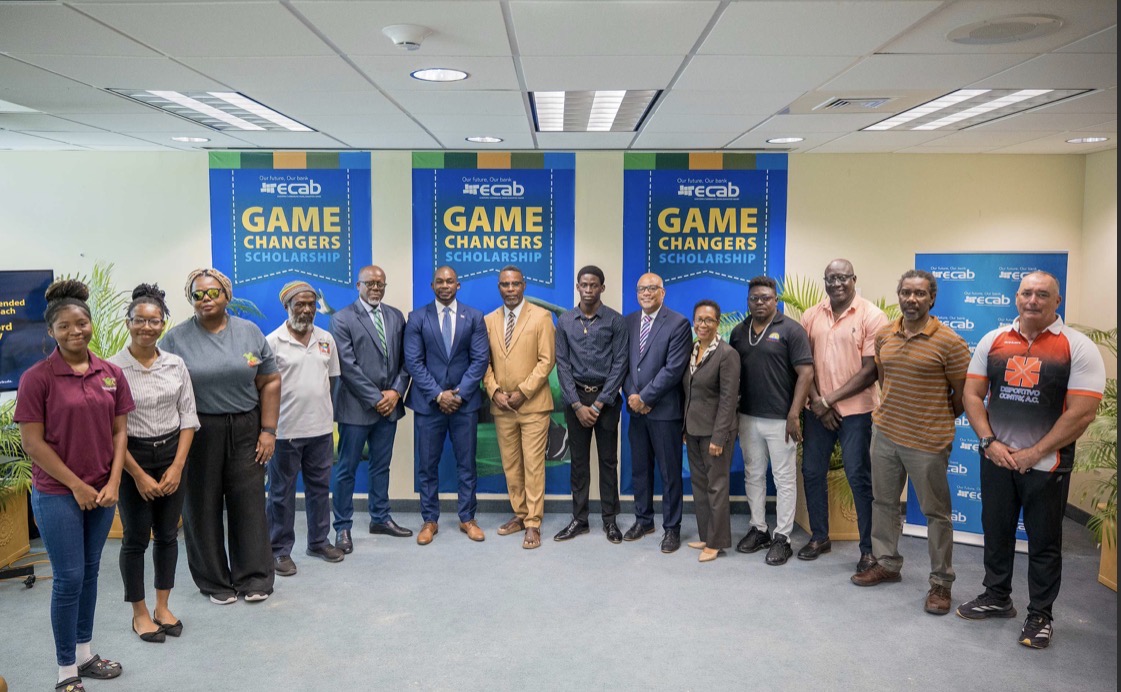
    On July 20, 2026, the Eastern Caribbean Amalgamated Bank (ECAB) officially introduced its transformative new initiative, the ECAB Game Changers Scholarship, at the bank’s Redcliffe Street headquarters. The launch event drew key stakeholders from both local government and the regional sporting community, gathering to mark a new milestone in combined investment for youth athletic and academic growth.

    Designed to remove financial barriers for talented young competitors, the scholarship will award a one-time disbursement of 25,000 Eastern Caribbean dollars to one eligible recipient each year. To qualify, candidates must be between 14 and 21 years of age, have already secured a partial scholarship to study overseas, and compete at a high level in one of three core sports: swimming, track and field, or association football. The program’s core mission is to empower promising young athletes to pursue dual excellence in their academic studies and their athletic careers while studying abroad.

    Speaking at the launch, ECAB Chief Executive Officer Michael Spencer emphasized that the initiative represents far more than just financial support for recipients. He framed the scholarship as a tangible demonstration of the bank’s long-standing dedication to holistic youth development across the Eastern Caribbean. “This program is about recognizing and rewarding relentless perseverance, fostering the next generation of community leaders, and backing young people who will go on to carry pride for their hometowns and their nation onto regional and global sporting stages,” Spencer explained.

    Dwayne George, the Honorable Minister of Sports and Creative Industries, joined in praising the initiative, highlighting ECAB’s sustained track record of meaningful corporate investment in local communities. “ECAB has consistently shown it stands apart from other institutions when it comes to investing in the region. Their contributions to education, community advancement, and cultural development have not gone unrecognized by the public or the government. We once again applaud their ongoing work as a responsible, engaged corporate citizen,” George said.

    Young athletes who meet the eligibility criteria and are interested in applying have until August 21, 2026, to submit their completed applications. Full details on eligibility requirements and submission instructions are available directly through ECAB.

  • What Would International Accreditation Mean for UB Students?

    What Would International Accreditation Mean for UB Students?

    In a landmark move that promises to reshape higher education in Belize, the University of Belize (UB) has announced the formal submission of its Application for Accreditation Candidacy to the Southern Association of Colleges and Schools Commission on Colleges (SACSCOC), a leading regional accrediting body for higher education across the United States and portions of the Caribbean. The July 2026 announcement marks the end of years of behind-the-scenes institutional improvement and the start of a new chapter for the public university, which has long aimed to earn global recognition for its academic programs.

    UB President Dr. Vincent Palacio framed the submission as a defining milestone for the institution in comments released alongside the announcement. “This is a historic day for the University of Belize,” Palacio stated. “Our submission represents the culmination of years of work to strengthen our academic and administrative systems and position UB to meet internationally recognised standards of excellence. Today, we have taken a decisive step toward our vision of becoming an internationally accredited university.”

    To prepare the candidacy application, UB undertook widespread systemic reforms across all divisions of the institution. These upgrades included a complete overhaul of the university’s institutional effectiveness measurement framework, updated requirements for faculty credentialing to align with global standards, and revisions to hundreds of academic and administrative policies to build a robust, transparent quality assurance system that meets SACSCOC’s strict criteria.

    While university leadership has celebrated the submission as a major achievement, institutional officials have been clear that the process is far from complete. Candidacy status itself is not equivalent to full international accreditation, and the application now enters a multi-stage review process overseen by SACSCOC. First, accrediting body officials will conduct an in-depth review of UB’s submitted materials to verify that the institution meets all baseline eligibility requirements. If the application passes this initial screen, SACSCOC will dispatch an official Candidacy Committee to conduct an on-campus review to assess institutional practices firsthand. Only after completing this on-site evaluation will the commission vote to grant or deny UB candidacy status, a required prerequisite for full accreditation and SACSCOC membership.

    If UB ultimately earns full accreditation, the impact will extend far beyond institutional prestige for the Belizean university. International accreditation from SACSCOC would significantly boost the global recognition of UB degrees, making it easier for graduates to pursue graduate study at top international institutions and secure employment with global organizations. For faculty, the accreditation would open new doors for collaborative research partnerships with universities in the United States and across the Caribbean, while also increasing access to regional and international funding opportunities for academic projects. For Belize as a whole, the accreditation would help position the country as a regional hub for quality higher education, attracting more international students and strengthening the nation’s education sector.

  • Grenada to implement reformed CXC SBA Framework

    Grenada to implement reformed CXC SBA Framework

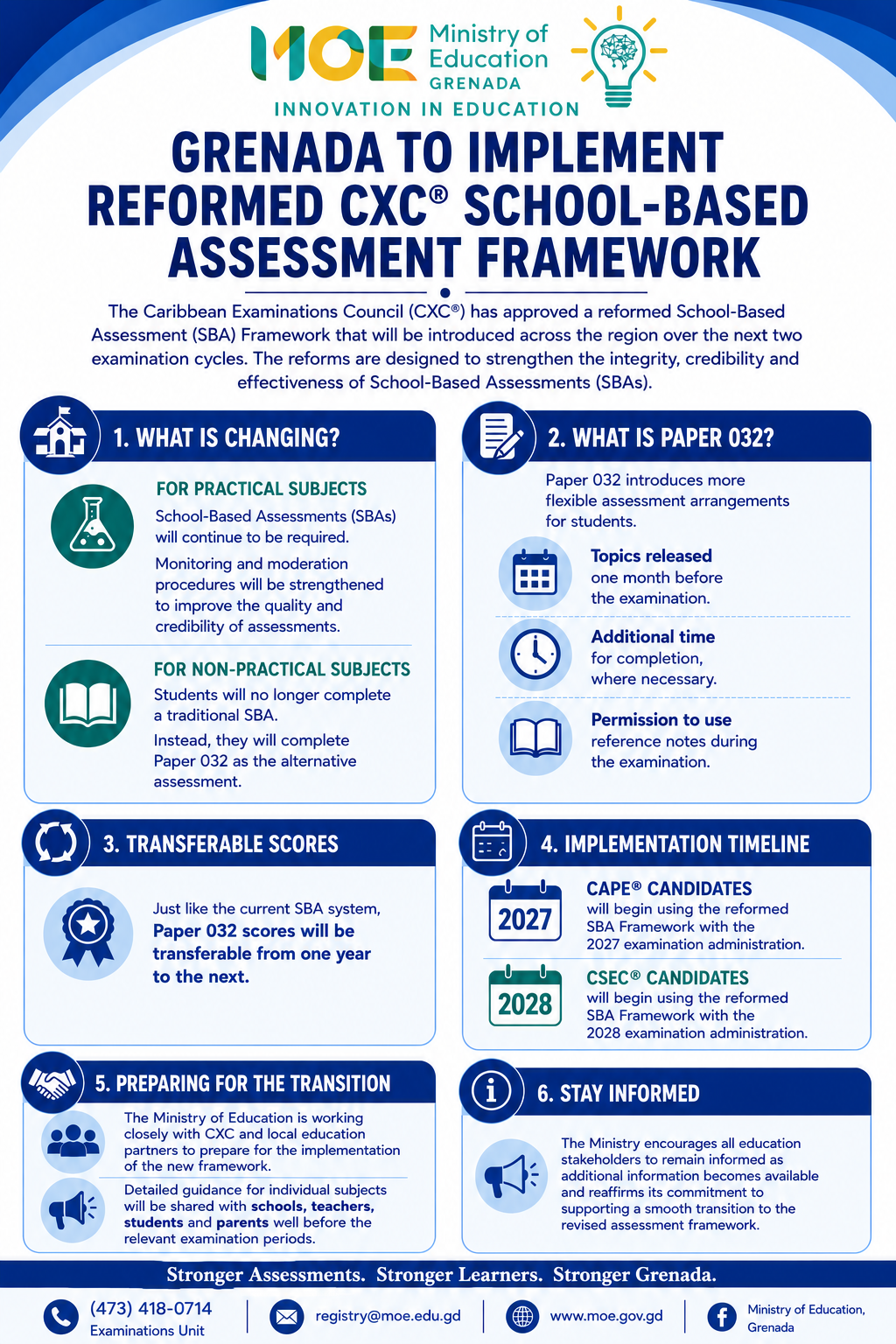
    The Caribbean Examinations Council (CXC) has given formal approval to an overhauled School-Based Assessment (SBA) framework that will roll out across Caribbean nations over the next two examination cycles, Grenada’s Ministry of Education has announced. The regulatory changes were greenlit during CXC’s 64th quarterly business meeting held on June 29, 2026, with the core goal of reinforcing the integrity, public credibility, and overall effectiveness of school-based assessment within the regional standardized examination system.

    The revised restructures how assessments are administered across different subject types, creating clear distinctions between practical and non-pacademic non-practical subjects. Moving forward, SBAs will only be mandatory for practical subjects, and the CXC has put in place substantially strengthened monitoring and moderation protocols to uphold assessment standards for these evaluated projects. For students enrolled in non-practical subjects, the traditional SBA requirement will be replaced by a new assessment component called Paper 032.

    Paper 032 is designed with greater flexibility to reduce student stress while still accurately measuring learning outcomes. Key accommodations built into the new assessment format include the release of examination topics one full month ahead of the test date, extra completion time for students who require it, and explicit permission for candidates to use approved reference notes during the assessment. Mirroring the existing SBA system, scores earned on Paper 032 will also be transferable across examination years, allowing students to carry over valid scores if they need to retake other components of their exams.

    Implementation of the full reform package will follow a staggered, phased timeline to give education systems, schools, and students sufficient time to adapt to the new structure. The new framework will first be introduced for Caribbean Advanced Proficiency Examination (CAPE) candidates ahead of the 2027 examination administration. For candidates sitting the Caribbean Secondary Education Certificate (CSEC) exams, the transition to the revised framework will begin with the 2028 examination cycle.

    Grenada’s Ministry of Education confirmed it is collaborating closely with CXC leadership and local education stakeholders—including school administrators, teacher associations, and parent groups—to prepare for a smooth transition. The ministry notes that detailed, subject-specific implementation guidance will be distributed to schools, teachers, students, and families well in advance of each group’s first examination under the new framework, to ensure all parties have adequate time to adjust their preparation strategies. The ministry has also called on all education stakeholders to monitor official updates as more details are released, and reaffirmed its ongoing commitment to delivering targeted support through the transition period to minimize disruption for learners across the country.

  • Naps student wins bronze

    Naps student wins bronze

    Trinidad and Tobago has marked a groundbreaking milestone in its academic and youth science history, after 18-year-old Naparima College student Reginald Mohammed secured the country’s first ever medal at the International Chemistry Olympiad (IChO), bringing home bronze from the 2026 event hosted in Tashkent, Uzbekistan.

    The annual global competition, which ran from July 10 to 19 this year, gathered hundreds of the world’s most talented young chemistry minds from across the globe to test their expertise in two grueling five-hour assessments: one theoretical examination and one practical lab assessment. The tests push participants far beyond standard secondary school chemistry curricula, challenging their advanced content knowledge, critical analytical thinking, and hands-on laboratory skills.

    Mohammed, an Upper Six student and head prefect from Debe, was one of four young competitors selected to represent Trinidad and Tobago at this year’s in-person event. The full national team also included Leon Copilah of Iere High School (Upper Six), Soren Narine of Fatima College (Lower Six), and Zeeshaan Lall, a Form Five student also representing Naparima College. The team was led by head mentor Dr Denise Beckles, a chemistry lecturer at The University of the West Indies (UWI), which oversaw pre-competition training for all national qualifiers.

    This medal win caps years of steady growth for Trinidad and Tobago’s national IChO program. The country made its competition debut with a virtual entry in 2021, followed by in-person delegations to the 2023 Olympiad in Switzerland and the 2025 event in the United Arab Emirates, before claiming its first historic medal in 2026.

    Speaking to local outlet *Trinidad Express* via WhatsApp on Sunday, just hours before the team boarded their return flight to Trinidad and Tobago, Mohammed called his win a long-awaited dream come true. “Elated — it was always a personal goal of mine to represent T&T on the international stage, at an Olympiad,” he shared. “I was confident in my ability, having taken part in the TT Chemistry Olympiad for many years, and all the faculty at UWI and my teachers in school and family believed that I could achieve a medal, which gave me the extra push.”

    Mohammed explained that preparation for the competition required far more work than standard secondary school coursework, as the IChO covers advanced chemistry topics far outside the standard high school curriculum. To prepare, he maintained a daily routine of working through past competition papers and expanding his knowledge across all branches of chemistry, rather than focusing on only one subfield. “It was a lot of work … But ultimately, I’m happy that my dream to represent T&T internationally and to win a medal came true,” he added.

    Following the conclusion of this year’s Caribbean Secondary Education Certificate (CSEC) exams, Mohammed and the entire national team participated in an intensive daily training program hosted by the UWI Department of Chemistry, where coaches covered both theoretical frameworks and hands-on practical lab skills needed to compete at the global level.

    Selection for the T&T national IChO team is an extremely competitive process that begins months in advance. Each year, the local Trinidad and Tobago Chemistry Olympiad (TTChO) opens its first-round competition to all secondary school students across the country every December, with two divisions: Level A for Forms One through Five, and Level B for Form Six students. The top 10 scorers from each division advance to a two-week virtual training program led by UWI chemistry faculty, after which finalists sit a second-round examination in May. Only the top four performers earn the chance to represent the country at the international competition.

    Naparima College formally announced Mohammed’s historic achievement on the school’s official social media pages, extending enthusiastic congratulations to the entire team and supporting staff. The institution called the win a truly landmark milestone for both the school and the entire nation, noting that the program’s success has been six years in the making.

    “Naparima College is proud to announce a truly historic milestone! We were honoured to receive a congratulatory call from Dr Terry Mohammed of the Department of Chemistry, The University of the West Indies, celebrating an extraordinary achievement by our students and staff!” the post read. “Master Reginald Mohammed, our Head Prefect, has earned Trinidad and Tobago’s first-ever medal at the International Chemistry Olympiad (IChO)—a landmark achievement for our nation, The University of the West Indies, and Naparima College!”

    The school also recognized Lall, the second Naparima College student on the national team, noting that his selection as a Form Five competitor was an outstanding achievement in its own right. “With more opportunities ahead, this is just the start of an exciting journey for Zeeshaan!” the post added.

    The institution went on to trace the program’s growth back to 2020, when Dipak Balladin captured the first national TTChO title, marking the start of Naparima College’s Olympiad journey. After national delegations in 2021 and 2025, Mohammed’s 2026 medal win has cemented this moment as a historic turning point for science education in the country. “This accomplishment at the International Chemistry Olympiad is the culmination of years of dedication and excellence,” the school wrote. “Today, in 2026, Reginald Mohammed has etched his name in history by becoming our country’s first International Chemistry Olympiad medallist!”

    The post credited the historic win to the consistent hard work of students, school faculty, and the Naparima College Science Department, which has spent years nurturing young scientific talent. “This remarkable success reflects the unwavering commitment, perseverance and hard work of our students, teachers and the entire Science Department, who have consistently pursued excellence and inspired generations of young scientists,” the statement read. “On behalf of the Naparima College family, we extend our heartfelt congratulations to Master Reginald Mohammed, our Olympiad team, our dedicated Science Department, and everyone who contributed to this historic achievement. History has been made, and Naparima College is immensely proud! Congratulations once again to everyone involved!”