分类: business

  • Communiqué of the 112th Meeting of the Monetary Council of the Eastern Caribbean Central Bank

    Communiqué of the 112th Meeting of the Monetary Council of the Eastern Caribbean Central Bank

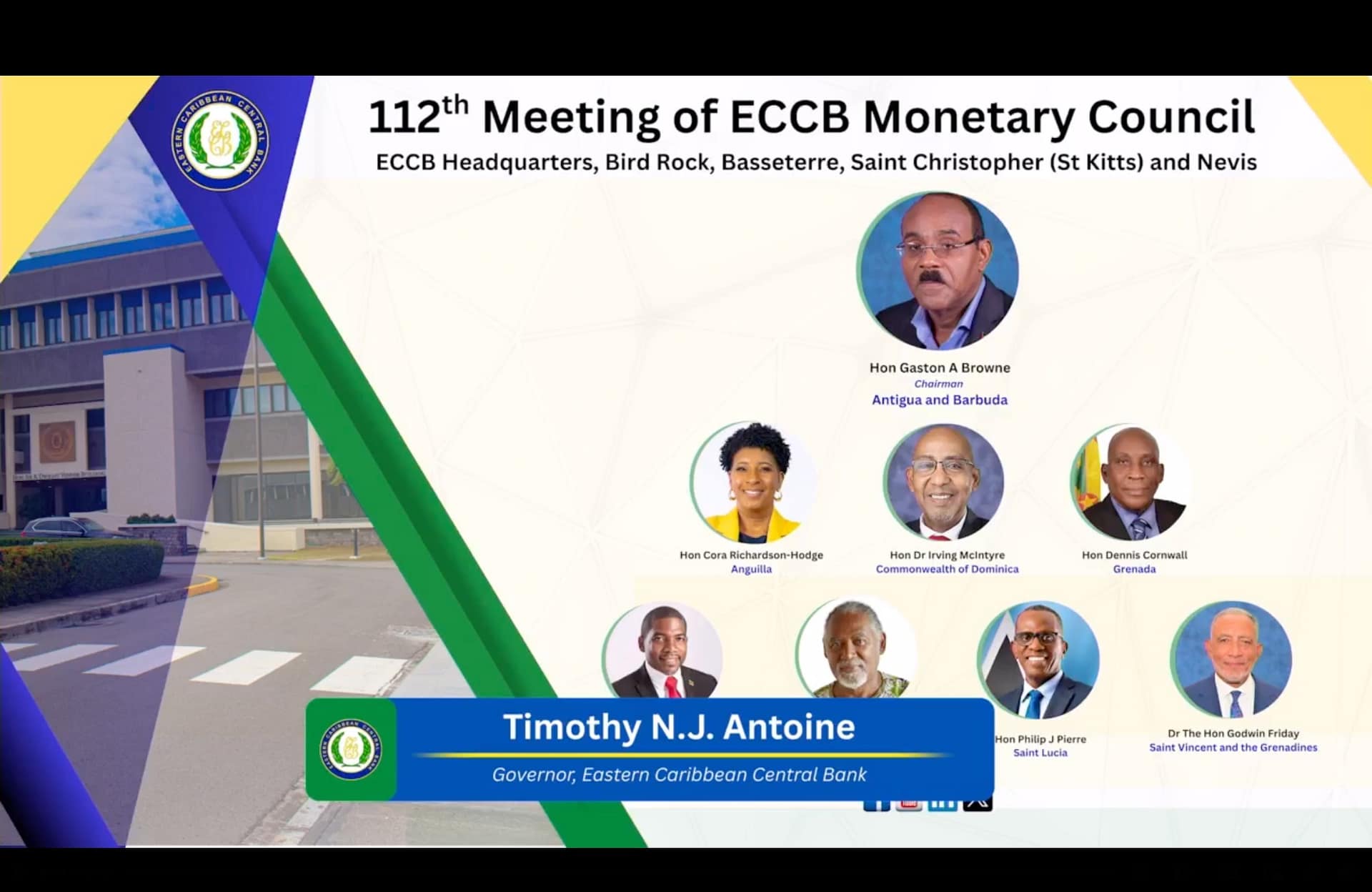
    The Eastern Caribbean Central Bank (ECCB) Monetary Council convened its 112th meeting on February 13, 2026, in St. Kitts and Nevis, addressing critical economic challenges and strategic initiatives for the Eastern Caribbean Currency Union (ECCU). Chaired by Honourable Gaston A. Browne, Prime Minister of Antigua and Barbuda, the council’s deliberations occurred against a complex backdrop of global economic shifts and regional structural constraints.

    Leadership continuity emerged as a cornerstone of institutional stability with the confirmation of Timothy N.J. Antoine’s reappointment as ECCB Governor for a five-year term commencing February 1, 2026. This decision reflects the region’s commitment to consistent leadership during a period demanding coordinated policy action.

    The council reinforced the EC dollar’s formidable stability, reporting a backing ratio of 99.5%—significantly exceeding the statutory 60% minimum—and foreign reserves totaling EC$5.83 billion. The currency peg at EC$2.70 to US$1.00 will celebrate its 50th anniversary in July 2026. In response to stable domestic conditions and moderating global inflation, the council maintained key rates: the Minimum Savings Rate at 2.0% and Discount Rates at 3.0% (short-term) and 4.5% (long-term).

    Despite projected global growth of 3.3% in 2026, the council identified persistent risks including geopolitical tensions, commodity price volatility, and disruptions to international trade. The ECCU banking sector demonstrated robust health with high liquidity (EC$1.41 billion in excess liquidity), strengthening capital adequacy, and declining non-performing loans. Five member states are now operational on the ECCU Credit Bureau system.

    The council acknowledged that projected ECCU growth of 3.3% for 2026 remains substantially below the 7% annual growth required to double regional output within a decade. This recognition prompted reinforced commitment to the ‘Big Push’ strategy, focusing on five strategic transformation areas: food security, energy security, logistics and connectivity, financial deepening and inclusion, and human capital development.

    Significant governance advancements included the enactment of the ECCIRA Agreement into national law, establishing the Eastern Caribbean Citizenship by Investment Regulatory Authority to enhance transparency and due diligence. Concurrently, the council approved suspending DCash 2.0 development to prioritize the Fast Payment System and participation in the CARICOM Payments and Settlement System pilot.

    Fiscal concerns emerged regarding debt sustainability, with some member states not on track to achieve the 60% Debt-to-GDP target by 2035. Tourism continued as an economic pillar with 3.3 million visitor arrivals and EC$6.4 billion in expenditure by Q3 2025, though the council emphasized the necessity of moving beyond recovery toward structural competitiveness.

    The council scheduled its 113th meeting for July 10, 2026, in Dominica, where Honourable Dr. Irving McIntyre will assume chairmanship. The meeting concluded with consensus on maintaining monetary stability while accelerating structural reforms to build economic resilience across the currency union.


  • LVV start trainingstraject om lokale kipproductie fors te vergroten

    LVV start trainingstraject om lokale kipproductie fors te vergroten

    The Ministry of Agriculture, Livestock, and Fisheries (LVV) of Suriname will initiate a comprehensive nationwide training program in March, targeting young and aspiring entrepreneurs interested in entering the poultry sector. This strategic move aims to significantly increase domestic chicken production and reduce the country’s heavy reliance on imported poultry products.

    Currently, Suriname imports approximately 65% of its consumed chicken, with only 35% originating from local production—a balance the government is determined to change. “Increased domestic production directly translates to reduced imports. This is our focused objective,” stated Minister Mike Noersalim, emphasizing the ministry’s ongoing dialogue with industry stakeholders.

    The training program will commence in the Saramacca district, with plans for gradual expansion across all districts nationwide. While no participant cap has been established, applicants will undergo a screening process to ensure commitment. “We must avoid training individuals who may not utilize the acquired knowledge,” Minister Noersalim emphasized.

    The ministry identifies poultry farming as a low-barrier entry point for young entrepreneurs, requiring comparatively lower investment than sectors like cattle ranching. “Many already have coops or previous experience. Our responsibility is to provide proper knowledge and guidance, which are crucial for success,” Noersalim added.

    Beyond training, LVV is enhancing access to financing through the National Agribusiness Development Fund (NOFA) and a specialized youth fund at the National Development Bank (NOB). Simultaneously, the ministry encourages optimal land utilization, noting that many available terrains remain underutilized.

    This production expansion supports broader agro-projects, including a planned passion fruit processing facility at the Milk Center complex, requiring substantial fruit supply. LVV has engaged with large-scale passion fruit growers in Saramacca and residents capable of backyard cultivation. This initiative receives support from the Inter-American Development Bank (IDB).

    Additionally, the ministry has established partnerships with Granman Aboikoni of the Saramaccaners for two collaborative projects: raising local chickens (oso fowru) and cultivating highland rice, a staple crop in the Upper Suriname region.

    Minister Noersalim confirms this approach aligns with a broader district-specific strategy that leverages unique regional strengths. “We are systematically building a more productive agricultural sector and enhancing food security for Suriname,” he concluded.

  • Regering verlaagt royalty goudsector voor 6 maanden naar 3,5% voor grip sector

    Regering verlaagt royalty goudsector voor 6 maanden naar 3,5% voor grip sector

    In a strategic move to formalize its gold sector and strengthen foreign exchange reserves, Suriname’s government has announced a temporary reduction in royalty rates for small-scale gold mining operations. The Ministry of Finance and Planning, in coordination with the Central Bank of Suriname (CBvS), revealed that the royalty rate will be decreased from 4.5% to 3.5% for a six-month trial period.

    The policy intervention specifically targets small-scale gold miners and construction material operators, aiming to incentivize proper registration and official declaration of production outputs. This measure forms part of a broader governmental initiative to enhance transparency, regulatory oversight, and documentation within the precious metals industry.

    Official data from 2020-2024 indicates significant discrepancies in gold production reporting. While an estimated 27.7 tons of gold were produced in 2024, only 26.9 tons were officially registered for export, leaving approximately 0.8 tons unaccounted for. This gap represents substantial royalty revenue losses for the state.

    Given that gold constitutes nearly two-thirds of Suriname’s total export value, every unregistered gram directly impacts the nation’s foreign exchange earnings. Approximately one-third of the country’s total gold production originates from small-scale mining operations, where documentation remains particularly weak and illegal trading persists.

    The government’s temporary royalty reduction seeks to achieve multiple objectives:
    – Encourage greater participation in formal gold trading channels
    – Reduce illegal and unregistered gold exports
    – Increase royalty collections through improved compliance
    – Strengthen the Central Bank’s international reserves
    – Stabilize the Surinamese dollar (SRD) and improve macroeconomic balance

    Additionally, the initiative addresses socioeconomic challenges in interior regions where thousands work in gold mining under difficult conditions. Many miners lack access to formal banking services, credit facilities, and insurance products. Improved integration into the formal economy could potentially enhance their economic standing while increasing sector transparency.

    The six-month experimental period will conclude with a comprehensive policy evaluation to determine the measure’s effectiveness and potential extension.

  • Why has Postage to the US Increased by One Dollar?

    Why has Postage to the US Increased by One Dollar?

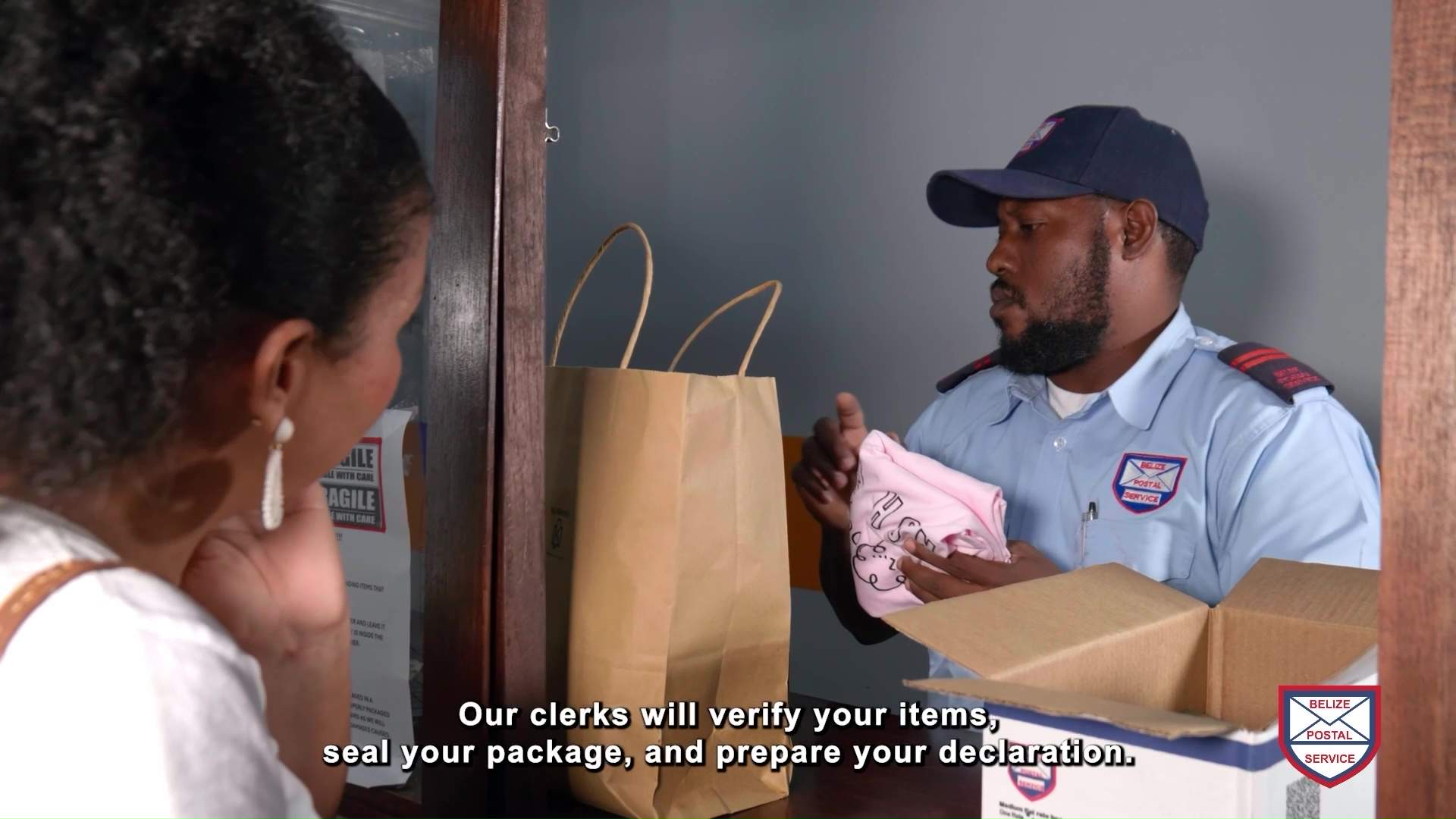
    The Belize Postal Service has instituted a mandatory one-dollar surcharge on all packages destined for the United States, effective immediately. This policy adjustment received formal approval from the Belizean Cabinet in response to sweeping changes in U.S. international trade regulations.

    The fee increase directly results from President Donald Trump’s July 2025 executive order that eliminated the longstanding $800 duty-free exemption for imported goods. This regulatory shift, implemented in late August 2025, now requires every international parcel entering the United States to undergo comprehensive customs declaration, including detailed documentation of contents, declared value, and country of origin.

    Postmaster General Dr. Marsha Price explained that the Belize Postal Service must now utilize the Global Solution system developed by the Universal Postal Union to comply with these new requirements. This digital platform automatically calculates U.S. customs duties and associated fees, providing customers with transparent cost breakdowns before they visit post offices.

    “The system enables customers to view all relevant fees, including HS classification codes and customs duties payable to third-party zones, from their homes,” Dr. Price stated during a phone interview. The one-dollar fee specifically covers operational costs associated with implementing and maintaining this new digital infrastructure.

    When questioned whether the surcharge adequately addresses the new administrative burdens, Dr. Price confirmed that “for now, yes. For now, that is what we foresee” as sufficient. Belizean officials emphasize that this nominal fee ensures continued smooth operation of U.S.-bound shipping services while maintaining compliance with enhanced American regulatory requirements.

    The policy change represents how smaller nations must adapt their postal and trade infrastructures to accommodate unilateral policy decisions by larger trading partners, with operational costs ultimately transferring to consumers.

  • Digitalised news and shift to Online advertising major reasons for Stabroek News’ closure- Editor-in-Chief

    Digitalised news and shift to Online advertising major reasons for Stabroek News’ closure- Editor-in-Chief

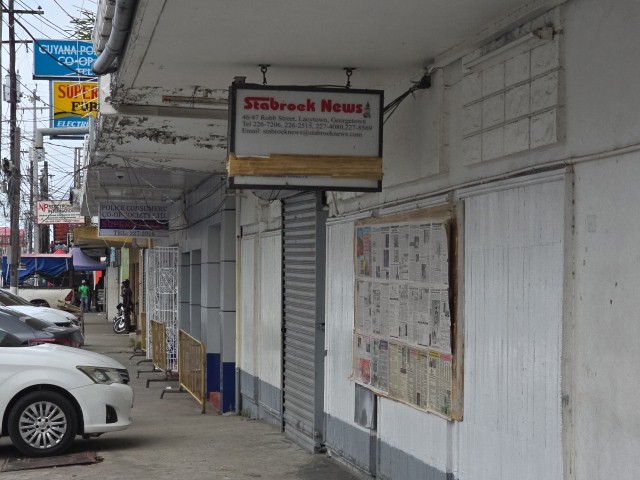
    Guyana’s renowned independent newspaper Stabroek News will cease operations in March 2026 after nearly four decades of publication, citing fundamental market shifts toward digital platforms as the primary cause. Editor-in-Chief Anand Persaud revealed that the convergence of digital news consumption and advertising migration to online channels has rendered the print business model unsustainable.

    The publication’s advertising revenue experienced catastrophic decline as major corporations including Digicel, Banks DIH, and Demerara Distillers Limited redirected marketing budgets toward digital platforms. This left the newspaper dependent primarily on statutory government advertising, occasional financial statements, and legal notices. Circulation numbers plummeted from historic peaks of 40,000 Sunday copies to a mere 4,000-5,000 copies currently.

    Persaud emphasized that while political considerations may have marginally influenced some advertisers’ decisions, the core issue remains irreversible consumer behavior transformation. “People were so engrossed on their phones and what they can see in live real time,” he noted, adding that newspapers providing next-day coverage became functionally obsolete.

    The publishing company, Guyana Publications Inc., maintains solvency and will fulfill all financial obligations to its 60 employees through severance packages and contributory pension schemes. The final edition will publish March 15, followed by voluntary liquidation proceedings.

    This development mirrors regional trends, occurring shortly after Trinidad’s Newsday announced its closure following 32 years of operation. Stabroek News, established in 1986 during Guyana’s political transition from socialism, initially received funding from the US National Endowment for Democracy but evolved into an independent voice.

    Despite exploring hybrid digital-print models over five years of evaluation, management determined that digital revenue streams proved too “ephemeral” to ensure long-term viability. Persaud concluded that the newspaper preferred “to leave with dignity” rather than compromise editorial independence through financial dependencies.

  • Hesse and Gobat Address Alfa Nero Brokerage Agreement

    Hesse and Gobat Address Alfa Nero Brokerage Agreement

    In a significant development concerning the high-profile sale of the superyacht Alfa Nero, brokers John Hesse and Rupert Gobat have formally addressed the terms of their brokerage agreement. The clarification comes amidst ongoing legal and financial scrutiny surrounding the vessel, which was seized and auctioned by the Antiguan government.

    The brokers emphasized that their contractual arrangement was structured on a success-fee basis, meaning compensation was contingent solely upon the successful completion of the yacht’s sale. This statement appears to counter any speculation of guaranteed payments or retainers unrelated to the transaction’s finalization.

    Background investigations reveal the Alfa Nero became embroiled in international sanctions, leading to its abandonment in Antiguan waters. Its subsequent government-led auction was intended to settle outstanding debts, including crew wages and port fees. The involvement of high-caliber brokers like Hesse and Gobat underscores the complex asset valuation and diplomatic sensitivities inherent in selling a sanctioned luxury asset.

    The brokers’ disclosure highlights the financial risks undertaken by professionals dealing with seized assets, where payment is inherently tied to the resolution of often protracted legal and political proceedings. This case sets a notable precedent for brokerage engagements in the high-stakes maritime industry, particularly for vessels impacted by global sanctions regimes.

  • Prime Minister Gaston Browne Chairs 112th Monetary Council Meeting of the Eastern Caribbean Central Bank

    Prime Minister Gaston Browne Chairs 112th Monetary Council Meeting of the Eastern Caribbean Central Bank

    The Eastern Caribbean Central Bank’s Monetary Council convened its 112th meeting on February 13, 2026, under the remote chairmanship of Prime Minister Gaston Browne. The high-level gathering at the ECCB Campus in Saint Kitts and Nevis addressed pressing economic challenges and strategic responses to evolving global conditions.

    Amid geopolitical tensions and structural hurdles within the Eastern Caribbean Currency Union, council members prioritized maintaining monetary stability while accelerating regional transformation initiatives. The session yielded several significant outcomes, beginning with the unanimous reappointment of Timothy N.J. Antoine as ECCB Governor for an additional five-year term starting February 1, 2026. This decision reflects the council’s emphasis on leadership continuity during critical economic restructuring.

    The council extensively reviewed the Governor’s comprehensive report titled ‘ECCU 2026 and Beyond: Bold Policies for Bigger and More Resilient Economies,’ which reinforced monetary stability as the foundation of regional development strategy. The Eastern Caribbean dollar demonstrated remarkable strength with a 99.5% backing ratio—significantly exceeding the statutory 60% requirement—and foreign reserves totaling EC$5.83 billion. July 2026 will commemorate five decades of the currency’s fixed exchange rate at EC$2.70 to US$1.00.

    Considering stable domestic conditions and moderating global inflation, policymakers maintained current interest rates: the Minimum Savings Rate at 2.0%, Discount Rate at 3.0% for short-term credit, and 4.5% for long-term credit. These measures aim to preserve currency union stability and sustain investor confidence.

    The banking sector assessment revealed robust health with substantial liquidity (EC$1.41 billion in excess reserves as of January 2026), strengthened capital buffers, improved adequacy ratios, and declining non-performing loans. The ECCU Credit Bureau expansion continues, with five member states now fully operational, facilitating improved credit access.

    While projecting 3.3% growth for 2026, the council acknowledged the necessity to accelerate expansion to approximately 7% annually to double regional output within ten years. Members committed to advancing the ‘Big Push’ strategy focusing on productivity enhancement, economic diversification, food and energy security, financial market development, and climate resilience. Strategic priorities include infrastructure modernization, renewable energy expansion, human capital development, and increased financial inclusion.

    Significant regulatory advancements include progress toward establishing the Eastern Caribbean Citizenship by Investment Regulatory Authority (ECCIRA) and implementing a Regional Biometrics Programme, both expected to enhance governance and investor confidence.

    Financial modernization efforts featured the suspension of DCash 2.0 development to prioritize a Fast Payment System and participation in the CARICOM Payments and Settlement System pilot. The successful 2025 ECCU Retail Bond Programme pilot was recognized as instrumental in broadening capital market access, while plans for a 2026 Office of Financial Conduct aim to strengthen consumer protection.

    Fiscal sustainability concerns emerged as some member states risk missing the 2035 debt-to-GDP target of 60%, underscoring the need for disciplined fiscal management. Tourism remained the economic cornerstone with 3.3 million visitor arrivals and EC$6.4 billion in expenditures by Q3 2025, though long-term prosperity requires deeper economic diversification.

    The upcoming 10th Annual Growth and Resilience Dialogue (April 22-24, 2026) will further develop these initiatives under the theme ‘Big Push: Resilient Leadership in a Dynamic World.’ Leadership transition will occur on July 9, 2026, in Dominica, with Irving McIntyre expected to assume chairmanship before the 113th Monetary Council meeting on July 10, 2026.

    Prime Minister Browne reiterated Antigua and Barbuda’s steadfast commitment to regional cooperation, financial innovation, macroeconomic stability, and sustainable growth throughout the Eastern Caribbean.

  • Antigua Carnival Has Been Promoted in Dominica and Trinidad

    Antigua Carnival Has Been Promoted in Dominica and Trinidad

    In a strategic move to capture post-Carnival tourism traffic, Antigua and Barbuda officials launched an aggressive promotional campaign during Trinidad’s iconic Carnival celebrations. A high-level delegation comprising representatives from both the Antigua and Barbuda Tourism Authority and the Antigua and Barbuda Festivals Commission engaged directly with attendees, media outlets, and event promoters throughout the festivities.

    The initiative specifically targets maintaining regional travel momentum immediately following Trinidad’s final parade, positioning Antigua’s Carnival as the natural continuation for dedicated soca enthusiasts and festival participants. This calculated approach aims to channel the energy of Trinidad’s celebrations directly into Antigua’s tourism ecosystem.

    Beyond the obvious musical and parade attractions, representatives highlighted the dual-island nation’s diverse appeal, showcasing pristine beaches, world-class sailing facilities, gourmet culinary experiences, and rich cultural heritage. This comprehensive presentation forms part of a broader strategy to transform short-term carnival visitors into extended-stay tourists, thereby increasing tourism revenue and visitor engagement.

    The campaign represents a concerted effort to strengthen Antigua and Barbuda’s competitive position within the Caribbean’s crowded festival market. By targeting both first-time visitors and returning guests from across the Caribbean region, the tourism authority aims to create sustainable growth in its tourism sector while establishing the nation as a premier destination for cultural and recreational tourism.

  • Your Package Will Cost $1 More to Ship to the U.S.

    Your Package Will Cost $1 More to Ship to the U.S.

    The Belize Postal Service has announced a significant policy change that will increase shipping costs for packages destined for the United States. Effective immediately, all international shipments to the U.S. will incur an additional one-dollar fee, a measure formally approved by the nation’s Cabinet.

    This strategic adjustment directly responds to sweeping changes in U.S. trade regulations initiated by an executive order from President Donald Trump in July 2025. The American policy overhaul eliminated the longstanding duty-free threshold that previously allowed goods valued up to $800 to enter the United States without taxation. Under the updated framework, all dutiable international postal items are now subject to U.S. import taxes.

    Belizean officials have characterized the surcharge as an essential operational measure rather than a revenue-generating initiative. The additional dollar per package will enable the postal service to offset increased administrative costs and compliance burdens associated with the revised American regulatory requirements. These include enhanced customs documentation, processing procedures, and potential liability for undeclared goods.

    The financial impact is expected to affect both commercial enterprises and private citizens who regularly utilize postal services for transboundary shipments. Small to medium-sized businesses engaged in e-commerce and export activities may face compounded operational expenses, while individuals sending gifts or personal items to family members in the U.S. will encounter higher mailing costs.

    The policy implementation reflects broader global adjustments to the U.S. trade policy shift, with multiple nations reconsidering their postal agreements and fee structures. Belize’s approach demonstrates how smaller economies are adapting their administrative frameworks to maintain functional postal relationships with the United States while managing increased regulatory complexity.

  • Stabroek News closes operations

    Stabroek News closes operations

    In a significant development for Guyanese media, the independent newspaper Stabroek News has announced its permanent closure after four decades of operation. The decision, described by the publication’s leadership as “extraordinarily difficult and painful,” marks the end of an era for one of Guyana’s most respected journalistic institutions.

    The newspaper’s demise stems from a complex confluence of factors including sustained financial pressure from state entities, an unlevel competitive landscape, and fundamental shifts in how audiences consume news. Most notably, the state-run Department of Public Information has accrued an outstanding debt exceeding G$80,000,000 for unpaid advertisements—a financial burden that has persisted despite repeated appeals for resolution. This substantial arrears represents what the publication characterizes as a deliberate tactic to starve the independent media outlet of crucial operating funds.

    Founded in the mid-1980s by David de Caires during an era of state-controlled media dominance, Stabroek News emerged as a pioneering voice in a media landscape previously limited to government-owned publications. The newspaper maintained its editorial independence despite numerous challenges, including a previous period when advertisements from state-owned companies were deliberately withheld in what was seen as an attempt to muzzle free press.

    The publication’s struggles reflect broader challenges facing traditional journalism in the digital age. As readers increasingly turn to algorithmic news feeds and online sources, the newspaper’s commitment to balanced coverage found itself at odds with contemporary click-driven metrics. Additionally, the company faced significant structural obstacles including repeated refusals for radio broadcasting licenses and a non-competitive environment where main competitors enjoyed substantial privileges.

    Beyond the political and market challenges, Stabroek News cultivated a remarkable legacy of staff loyalty through compassionate employment practices including childcare facilities, transportation services, and comprehensive benefit schemes. These measures resulted in extraordinary staff retention rates, with nearly half of employees remaining with the company for a decade or longer.

    The closure represents not just a business failure but the end of a institution that nurtured generations of readers, writers, and thinkers in Guyana. The newspaper’s leadership exits with heads “unbowed,” bequeathing a legacy of democratic discourse and civil public conversation to the nation.