分类: business

  • New edition of Jamaica Live spotlights golf community real estate

    New edition of Jamaica Live spotlights golf community real estate

    KINGSTON, Jamaica – Jamaica Sotheby’s International Realty has unveiled the highly anticipated fourth installment of its premium publication, Jamaica Live magazine, which became publicly accessible on February 7, 2026. This latest edition presents an authoritative examination of one of the island’s most dynamic luxury market segments: golf-oriented residential communities and their comprehensive lifestyle offerings.

    The publication provides an immersive exploration into how Jamaica’s master-planned golf communities are fundamentally transforming contemporary luxury living paradigms. These developments integrate premium residential properties with holistic wellness amenities, recreational facilities, and bespoke hospitality services, creating unprecedented living experiences that extend far beyond traditional real estate offerings.

    Brittney Bent, Marketing Supervisor at Jamaica Sotheby’s International Realty, articulated the vision behind this edition: “Our objective was to document the evolving conceptualization of luxury living in Jamaica. Golf communities represent a distinctive convergence of lifestyle enhancement, leisure amenities, and substantial investment potential that continues to captivate both domestic and international purchasers.”

    The magazine’s fourth iteration expands its scope to encompass Jamaica’s complete luxury experience spectrum. It features meticulously curated culinary sections celebrating the island’s gastronomic heritage, cultural showcases, and immersive lifestyle experiences available in Kingston and Montego Bay. Through sophisticated narrative techniques and visually rich presentations, the publication positions these communities as both residential retreats and strategic investment vehicles for discerning buyers seeking authentic connections to Jamaica’s vibrant cultural landscape.

    The launch event facilitated professional networking among industry leaders, including Jamaica Sotheby’s agents Whitney O’Connor and Tamrah Pryce. The fourth edition of Jamaica Live is currently available through the company’s offices, partnered distribution networks, and select luxury-oriented venues across the island.

  • FedEx sues US government for tariff refunds

    FedEx sues US government for tariff refunds

    In a significant legal challenge, global logistics leader FedEx has filed suit against the U.S. federal government to recover substantial tariff payments deemed unlawful by the nation’s highest court. The action targets U.S. Customs and Border Protection and was lodged with the U.S. Court of International Trade following last week’s Supreme Court decision that invalidated President Trump’s signature tariff program.

    The Supreme Court’s ruling determined that the administration overstepped its authority by utilizing emergency economic powers to implement widespread tariffs on imported goods. This judicial rebuke not only represented a substantial political defeat for President Trump but also dismantled a fundamental component of his economic strategy.

    FedEx’s litigation seeks comprehensive reimbursement of all duties paid under the now-illegal tariff structure. While the Supreme Court’s decision did not explicitly outline refund procedures, Justice Stephen Breyer acknowledged during deliberations that the implementation could present considerable administrative complexities.

    This case emerges as the first major corporate challenge since the judicial ruling, though numerous smaller lawsuits were already pending before Friday’s decision. The contested tariffs generated approximately $130 billion in government revenue collected from importers across various sectors.

    In response to the judicial setback, President Trump promptly invoked alternative legislative authority to enact new across-the-board import duties. The replacement measure imposes a 10% tariff effective immediately, with the president subsequently announcing intentions to escalate these new tariffs to 15% in the near future.

  • Negril Paradise Integrated Resort to transform tourism, health care

    Negril Paradise Integrated Resort to transform tourism, health care

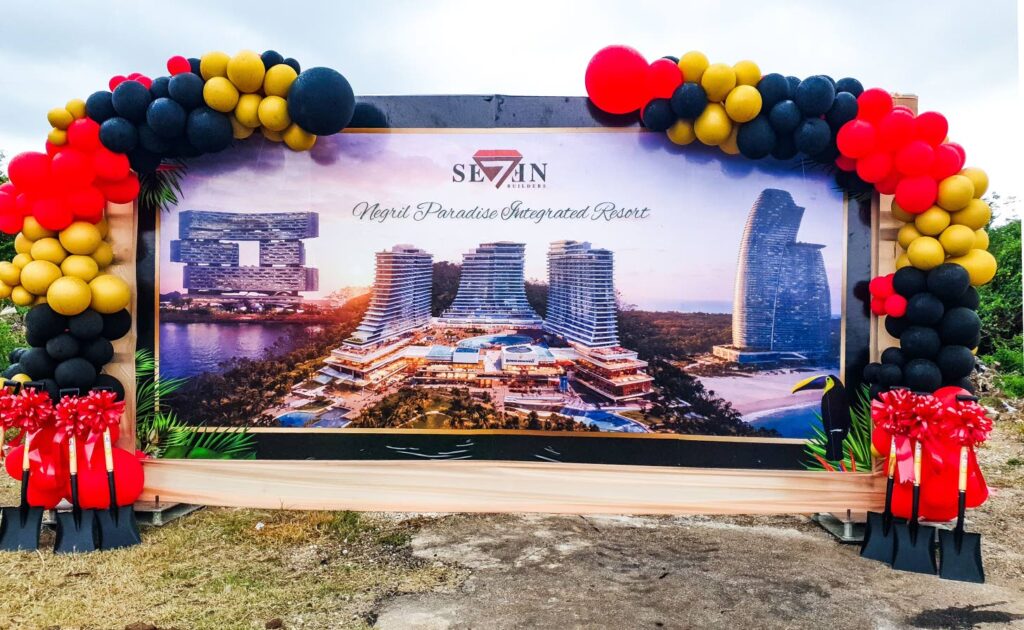
    NEGRIL, Jamaica — Jamaica has embarked on an unprecedented economic development initiative with the formal groundbreaking of the Negril Paradise Integrated Resort, a monumental project valued at approximately US$22 billion. Spearheaded by Seven Builders Jamaica Limited, this visionary endeavor represents one of the most ambitious private-sector investments in Caribbean history, with phased development scheduled over the next 15 years.

    The comprehensive development, spanning 362 acres in its initial phase on Negril’s West End, transcends conventional tourism models by integrating luxury hospitality with cutting-edge medical facilities and sustainable infrastructure. CEO Marlon Howell emphasized the project’s transformative potential, stating: “This is not merely a rendering or a theoretical concept—it constitutes a binding covenant with Jamaica’s future generations.”

    The medical component will establish a state-of-the-art healthcare campus featuring a 1,100-bed medical center, world-class research laboratories, advanced pediatric units, specialized trauma facilities, and internationally accredited oncology treatment. In a landmark commitment, Howell announced that every Jamaican child will receive complimentary medical care at the facility, eliminating financial barriers to world-class healthcare that previously required international travel.

    Tourism infrastructure will be equally transformative, incorporating a four-million-square-foot cruise terminal capable of simultaneously berthing four vessels. This design reimagines Negril as a primary destination rather than a transit port, immersing visitors in authentic Jamaican culture through curated experiences in local cuisine, entertainment, and craftsmanship from arrival.

    The project’s economic impact projections are substantial, with an estimated 20,000 jobs anticipated across construction, healthcare, hospitality, renewable energy, and retail sectors. Additional components include affordable housing developments and renewable energy infrastructure, positioning Jamaica as a leader in sustainable development.

    Government support was confirmed by Minister of Labour and Social Security Pearnel Charles Jr., who pledged administrative cooperation for the “exceptionally large project” that aligns with national priorities for healthcare access and employment generation. The development consortium combines local expertise with international investment from diverse corporate entities, representing a collaborative model of economic development.

    Having undergone 25 years of meticulous planning, the project currently advances through regulatory approval processes, with construction anticipated to commence by year-end pending final authorization.

  • Commercial space for rent: Ocean House, Grand Anse

    Commercial space for rent: Ocean House, Grand Anse

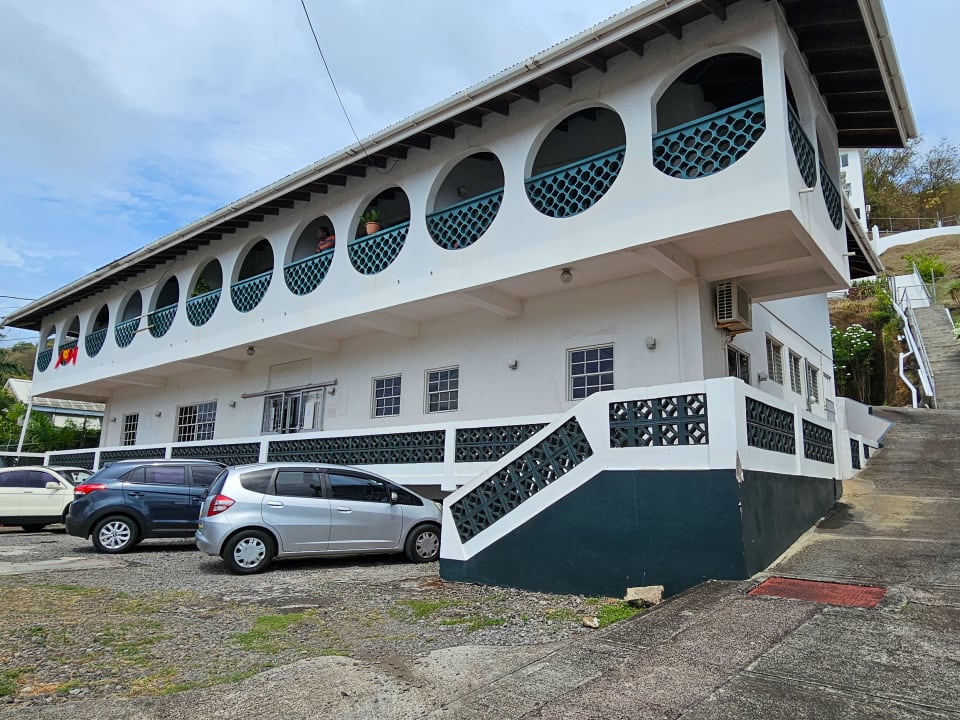
    A premium commercial office space has become available for long-term lease at the prestigious Ocean House building located on Morne Rouge Road in Grand Anse, St. George, Grenada. This versatile professional environment offers businesses an exceptional opportunity to establish operations in one of the island’s most sought-after commercial districts.

    The office spans 867 square feet (80 square meters) of customizable space suitable for various professional applications including corporate offices, consultancy firms, or tourism-related enterprises. The property boasts modern amenities and maintains high professional standards ideal for businesses seeking an elevated corporate presence.

    Significant convenience features include two dedicated parking spaces—a valuable commodity in the area—and exceptional accessibility with public transportation options just a five-minute walk from the building. The strategic location places tenants within easy reach of Grand Anse’s business hub while maintaining a tranquil professional atmosphere.

    The asking rental rate is set at EC$4,000 monthly, with indications that this figure remains negotiable for qualified tenants. Interested parties are directed to contact the Grenada Hotel and Tourism Association (GHTA) via telephone at +1 (473) 444-1353 or through email correspondence at [email protected] for comprehensive details, viewing arrangements, and lease negotiations.

    The Ocean House property represents a significant commercial opportunity in Grenada’s growing business landscape, particularly for enterprises looking to benefit from proximity to the island’s thriving tourism sector while maintaining a professional corporate identity.

  • Minister Straughn ready to build on Barbados’ economic gains

    Minister Straughn ready to build on Barbados’ economic gains

    Barbados’ Finance Minister Ryan Straughn has identified public financial education as a cornerstone of his strategy to stabilize the nation’s economy. In a recent interview with the Barbados Government Information Service, Minister Straughn outlined his vision to democratize investment opportunities traditionally dominated by large financial institutions.

    With seven and a half years of experience working alongside Prime Minister Mia Mottley, Straughn emphasized his readiness to assume full responsibility for the ministry. “This appointment represents a natural progression of our previous successes,” he stated, noting he has already directed ministry staff to advance several initiatives to modernize the Finance Ministry for 21st-century challenges.

    The minister plans increased communication regarding government policies and legitimate investment avenues, specifically aiming to steer citizens away from risky ‘get rich quick’ schemes. “Currently, only commercial banks and major insurance companies access these opportunities,” Straughn observed. “My mission is to ensure every Bajan, regardless of wealth, can benefit equally from shaping public policy and achieving solid returns on savings.”

    Central to this financial inclusion strategy is the recently launched BIMPay Platform, designed to enable small-scale investments that accumulate over time. Additionally, Straughn announced re-education programs for public servants to improve understanding of government financing mechanisms, thereby building trust in financial instruments like BOSS Bonds and other government securities.

    Reflecting on Barbados’ recent challenges—including COVID-19, volcanic ashfall, and economic difficulties he described as among the nation’s most severe outside world wars—Straughn expressed confidence. “Having emerged from these crises, we’re now positioned to shift Barbados into higher gears of economic acceleration and sustainable growth.”

  • Economy : Preparation for the Regional Women’s Entrepreneurship Fair in the Great South

    Economy : Preparation for the Regional Women’s Entrepreneurship Fair in the Great South

    The Haitian Ministry of Commerce and Industry (MCI) is advancing its commitment to female economic empowerment through the upcoming Regional Women’s Entrepreneurship Fair, scheduled for March 7-8, 2026, in the Grand Sud region. This strategic initiative forms a core component of the Women’s Entrepreneurship Support Program (PAEF), designed to transform women’s economic participation into a tangible driver of national development.

    Minister James Monazard, championing the program, recently convened a critical working session at the Montana Hotel to finalize preparations. In his opening address, Minister Monazard emphasized the foundational role of women in Haiti’s economic future, stating, “We are preparing Haiti’s future. Women are the pillars of the Haitian economy.”

    The PAEF represents a structured, multi-faceted approach to economic inclusion. Its current cohort includes 40 beneficiaries, with ambitious goals to formalize women-led enterprises, deliver market-relevant training programs, and enhance collaboration between national and international partners to maximize local resource utilization.

    Mona Lisa Dunbar, PAEF Coordinator, clarified that the program extends beyond a single event, constituting a long-term support ecosystem. This includes structuring business activities, building capacity for over 500 women, and providing technical and financial support in partnership with institutions like the Industrial Development Fund (FDI).

    Panel Paulemont, Director of Trade at the Ministry, identified the resource-rich Grand Sud region as an ideal launchpad for this inaugural regional edition, highlighting its significant economic potential.

    The Fair itself is designed to deliver concrete benefits to participants, including dedicated exhibition booths to increase product visibility, curated networking spaces for business promotion, and facilitated access to new economic opportunities aimed at fostering business growth and formalization. This effort specifically targets the gradual integration of women from the informal sector into the formal economy, a move deemed essential for sustainable national growth.

  • A’ila rises on Mt Pimard

    A’ila rises on Mt Pimard

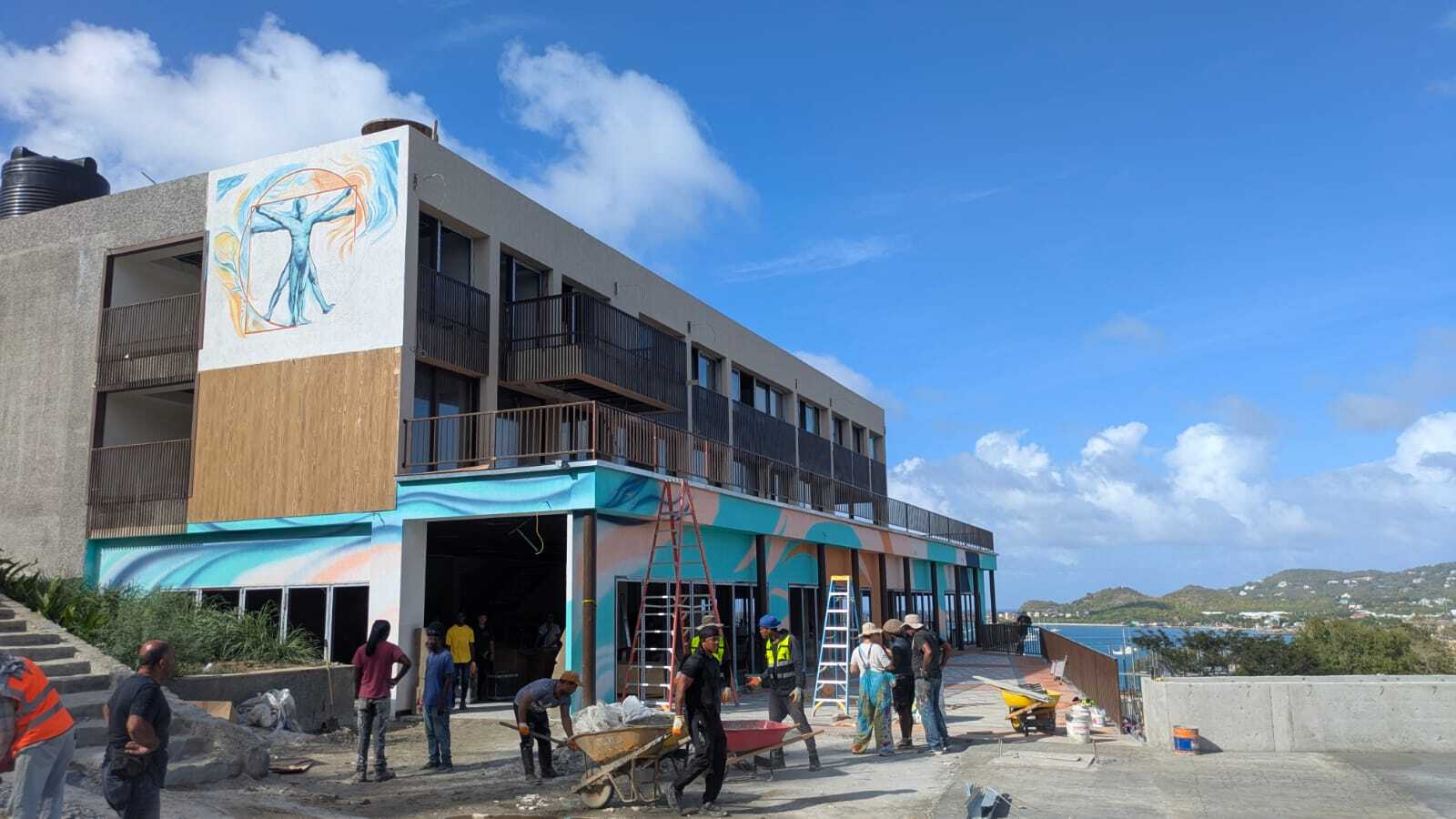
    Saint Lucia’s tourism landscape is undergoing a transformative expansion with the imminent opening of the first phase of the massive A’ila Resort project. Perched on the slopes of Mt Pimard in Rodney Bay, the development offers breathtaking panoramic views encompassing Pigeon Island and extending as far as Martinique.

    The project’s inception traces back to developer Yunus Dogan’s initial visit to the island, where he found himself captivated by both Saint Lucia’s natural beauty and the genuine warmth of its people. This personal connection sparked the ambitious development that broke ground in early 2025.

    The inaugural phase features a 65-room wellness hotel operated by TheLifeCo, scheduled to welcome guests beginning March. This strategic emphasis on wellness aligns perfectly with Saint Lucia’s tourism evolution. Dexter Percil, Director of Global Marketing at the Saint Lucia Tourism Authority, confirmed the island’s deliberate pivot toward wellness tourism, noting that A’ila Resort will significantly enhance their promotional efforts while addressing critical room capacity needs.

    Tourism and Investment Minister Dr. Ernest Hilaire emphasized the project’s importance in replenishing the island’s accommodation inventory, particularly after the loss of several hotel properties along the Reduit strip last year. The minister expressed considerable excitement about both the immediate opening and subsequent phases planned through 2027.

    The project’s local impact has been substantial already. According to administrative consultant Sean Bonete, hundreds of Saint Lucians have gained employment during construction, with the resort expected to create numerous permanent positions across various skill levels. When fully completed, the development is projected to employ over 800 nationals directly while generating additional indirect economic benefits for surrounding communities.

    TheLifeCo wellness center will serve as a holistic retreat offering natural therapies and programs designed to help guests reconnect with themselves through conscious living practices. Project manager Aslihan Ozgur explained that Saint Lucia’s pristine natural environment and vibrant culture made it an ideal location for expanding their mission that began in Turkey two years ago.

    The comprehensive $1.3 billion development, representing one of Saint Lucia’s largest tourism projects under Invest Saint Lucia, will eventually include a family hotel, adults-only resort, luxury villas, residential units, a shopping boulevard, and one of the country’s largest conference facilities. Subsequent phases are targeted for completion between late 2026 and 2027.

  • Uber dodges legal questions but open to talks with stakeholders

    Uber dodges legal questions but open to talks with stakeholders

    The global ride-hailing behemoth Uber has declared its intention to remain part of Saint Lucia’s future despite facing mounting regulatory challenges and government opposition. This Caribbean confrontation escalated when Deputy Prime Minister Ernest Hilaire publicly declared Uber’s operations illegal earlier this month, citing significant regulatory violations.

    Despite direct questioning from St Lucia Times regarding its legal status and compliance intentions, Uber provided evasive responses, avoiding specific answers about its regulatory standing. Instead, the company reiterated its willingness to engage in “respectful dialogue with all stakeholders” while maintaining operations despite the government’s cease-and-desist order.

    The core regulatory conflicts identified by Minister Hilaire encompass three critical areas: Uber’s failure to obtain a necessary trade license, non-registration with the Inland Revenue Department for tax purposes, and lack of certification under the Tourism Development Act. Compounding these official challenges, the National Taxi Union has warned its members that association with the Uber platform could jeopardize their union registration status.

    Since its January 27 launch on the island, Uber has promoted its platform as a technological solution benefiting local drivers through enhanced connectivity with tourists, credit card payment options, and schedule flexibility. However, its arrival has ignited complex debates about transportation modernization versus regulatory compliance.

    The controversy reflects deeper systemic issues within Saint Lucia’s transportation infrastructure. Residents report persistent challenges with limited routes, inconsistent service, and coverage gaps that complicate daily commutes for workers and students alike.

    One Beausejour resident, familiar with international ride-hailing services, expressed cautious optimism tempered by practical concerns: “The idea of a dependable service is appealing but I’ve faced disappointing experiences with local platforms—unavailable drivers or unexpected fees eventually made me stop trying.”

    This standoff transcends corporate-regulatory tensions, revealing fundamental questions about how Saint Lucia might develop more reliable, affordable, and accessible transportation systems. As the government and union maintain firm opposition, many citizens are weighing the potential benefits of technological innovation against the necessity of regulatory oversight and fair competition.

  • Local egg farmers crying foul

    Local egg farmers crying foul

    FALMOUTH, Trelawny — Jamaica’s domestic egg industry is confronting an existential threat as prolonged importation policies, initially enacted following Hurricane Melissa, now jeopardize the recovery of local producers. Mark Campbell, President of the Jamaica Egg Farmers’ Association (JEFA), issued a stark warning that imported eggs are systematically displacing local products in retail and hospitality markets, undermining the resilience of farmers who had nearly recovered from previous hurricane damage.

    Campbell reported that both large-scale and small-scale farmers are experiencing market rejection, with supermarkets and shops prioritizing cheaper imported eggs over locally sourced produce. This sudden shift has left numerous long-term suppliers without viable outlets for their stock, creating severe uncertainty across the agricultural sector.

    The industry had demonstrated remarkable recovery following hurricanes Beryl and Melissa, with production levels in St. Elizabeth, St. Ann, Trelawny, and western Jamaica rebounding to approximately 80% of pre-hurricane capacity. While JEFA had initially supported limited, temporary imports to address peak-season shortages, Campbell emphasized that continued foreign egg shipments now threaten to deliver a “double blow” to local farmers, potentially creating oversupply conditions that could lead to spoilage and financial losses.

    Additionally, Campbell raised alarms about alleged improper repackaging of imported eggs without adequate origin labeling or expiration dates, creating potential consumer safety risks and traceability challenges. He acknowledged the post-hurricane support from the Ministry of Agriculture and Fisheries and the Rural Agricultural Development Authority but urged immediate regulatory intervention to protect local producers and ensure market stability. Campbell asserted that any supermarket experiencing shortages should contact JEFA directly for local egg sourcing, warning that continued imports might inflict irreparable damage on Jamaica’s agricultural sector.

  • IMF warns pressure is mounting on Trinidad to loosen grip on currency

    IMF warns pressure is mounting on Trinidad to loosen grip on currency

    The International Monetary Fund has issued a stark warning to Trinidad and Tobago regarding its economic stability, emphasizing that maintaining the country’s fixed currency regime will require significant fiscal discipline and monetary policy adjustments. With foreign reserves experiencing a concerning decline—projected to drop from $6.88 billion in 2021 to approximately $4.61 billion by 2026—the IMF stresses that defending the current exchange rate framework necessitates immediate policy interventions.

    According to the Fund’s latest economic assessment, the Central Bank’s repeated interventions in currency markets have steadily depleted the nation’s financial buffers. While reserves remain above traditional adequacy benchmarks at approximately 5.4 months of import cover, the IMF projects that without corrective measures, the fiscal deficit will remain around 5% of GDP—significantly higher than the government’s 2.2% target.

    The IMF recommends a multi-pronged approach: implementing additional fiscal measures equivalent to 2.8% of GDP, raising interest rates from their current 3.5% level (unchanged since 2020), and pursuing structural reforms including tax base broadening and reduction of untargeted subsidies. These measures aim to stabilize public debt, which has climbed to 84% of GDP, while limiting negative impacts on economic growth.

    As an alternative strategy, the IMF suggested greater exchange rate flexibility could alleviate pressure on reserves and allow for more gradual fiscal adjustment. While this approach might introduce short-term volatility, it could ultimately help rebalance the economy through export encouragement and import restraint.

    The report noted several positive indicators: inflation remains low at approximately 2%, unemployment sits below 5%, the banking system demonstrates resilience, and the government maintains access to international capital markets—evidenced by the successful oversubscription of a $1 billion bond issuance in January. However, recent negative outlook revisions by ratings agencies underscore the urgency of addressing these economic challenges.