分类: business

  • Jamaica remains among lower-paying markets in 2025

    Jamaica remains among lower-paying markets in 2025

    For the second consecutive year, Jamaica has been positioned among the Caribbean’s lowest-paying markets for entry-level positions, according to the comprehensive PayPulse 2025 Survey released by the Caribbean Society for HR Professionals (CSHRP). The island nation now finds itself in a comparable salary bracket with Belize and St. Vincent and the Grenadines, while regional leaders The Bahamas, St. Kitts and Nevis, and Barbados continue to dominate compensation benchmarks for executive and specialized roles.

    This sustained positioning represents a notable reversal from Jamaica’s 2023 performance when it ranked as the region’s third-highest paying country. The extensive survey, now in its fourth edition with enhanced data analytics and expanded coverage, examined compensation trends across 137 distinct job roles within 34 industries throughout 20 Caribbean nations.

    The research reveals a persistent regional disparity: executive positions including CEOs, CFOs, and general managers command premium salaries across all markets, while entry-level and support roles such as groundskeepers, bartenders, and receptionists remain consistently at the lower end of the pay scale. The report notes varying degrees of salary growth for key positions including accountants, auditors, and HR managers, attributing these differences to evolving market dynamics, inflationary pressures, and cost of living variations across the region.

    Sector analysis identified human resources, banking, financial services, insurance, and hospitality/tourism as the most lucrative industries. Conversely, education, childcare, retail, wholesale, and certain public sector positions were highlighted as fields requiring significant salary reform.

    A groundbreaking addition to the 2025 survey is the inaugural Affordability Index, which measures average monthly salaries against fundamental living costs including housing, food, utilities, and transportation. Belize emerged with the highest affordability score at 233.99%, followed by Guyana (138.63%) and Grenada (136.56%). Jamaica, along with The Bahamas and Antigua and Barbuda, registered within the moderately affordable range. Alarmingly, eight nations including Trinidad and Tobago, Barbados, and St. Lucia scored below 100%, indicating that average salaries in these countries fail to cover basic living expenses.

    Vaughn McDonald, Deputy Chairman of CSHRP, emphasized the critical importance of reliable compensation data amid ongoing challenges of economic volatility, digital transformation, and the persistent threat of brain drain. The survey, compiling data from approximately 206 companies, aims to provide organizations with strategic insights for informed salary structuring while empowering both employers and employees to make decisions that could reshape the Caribbean’s labor landscape.

  • Beharry Group, Jamaica’s Amber Group in joint venture to fill cybersecurity gap in Guyana

    Beharry Group, Jamaica’s Amber Group in joint venture to fill cybersecurity gap in Guyana

    In a landmark strategic move, Guyana’s premier conglomerate Beharry Group has entered a joint venture with Caribbean technology leader Amber Technologies Inc. to establish Beharry-Amber Technologies Inc., a new entity dedicated to addressing critical cybersecurity needs in the rapidly expanding Guyanese economy.

    The partnership, formalized through a signing ceremony attended by top executives from both organizations, represents a significant investment in Guyana’s digital infrastructure. The collaboration brings together Beharry Group’s extensive local market presence and Amber Group’s technological expertise in artificial intelligence, cybersecurity, and digital transformation.

    According to the newly formed company, this initiative directly responds to Guyana’s extraordinary economic growth and the government’s intensified focus on digital modernization. The joint venture will provide comprehensive, end-to-end IT and cybersecurity services tailored to both public and private sector requirements, positioning itself as a one-stop technology platform capable of serving domestic and regional demand.

    Suresh Beharry, Chairman and CEO of Beharry Group, emphasized the timeliness of this venture, stating that digital infrastructure and cybersecurity have become essential components of national development. He highlighted Amber Group’s proven delivery record and shared commitment to long-term regional impact as key factors in selecting the technology partner.

    Dushyant Savadia, Founder and CEO of Amber Group, characterized the partnership as more than a commercial endeavor, describing it as a shared commitment to Guyana’s growth, resilience, and technological advancement. He acknowledged Beharry Group’s longstanding contribution to national development and expressed confidence that the collaboration would significantly enhance the country’s cybersecurity readiness.

    The timing of this venture coincides with Guyana’s emergence as one of the world’s fastest-growing economies, attracting substantial investments across energy, infrastructure, and financial services sectors. Beharry-Amber Technologies Inc. aims to become a cornerstone of innovation, security, and operational efficiency, supporting the country’s digital transformation objectives while extending its potential impact throughout the Caribbean region.

  • Olie maakt Guyana economische uitschieter in Caribische exportgroei

    Olie maakt Guyana economische uitschieter in Caribische exportgroei

    Guyana has solidified its position as the Caribbean’s most remarkable economic performer in 2025, recording an estimated 18.3% increase in export values according to the Inter-American Development Bank’s latest Trade Trends Estimates report. This sustained growth, primarily fueled by relentless expansion in oil production, follows an extraordinary export year in 2024 when the nation achieved a record-breaking 137.6% surge.

    The United States and European Union emerged as the primary catalysts behind Guyana’s export acceleration, effectively counterbalancing declines in shipments to other Latin American, Caribbean, and Asian markets (excluding China). This development underscores Guyana’s increasingly strategic role in global energy markets while simultaneously highlighting its vulnerability to fluctuations in worldwide demand and oil price volatility.

    Regionally, Latin America and the Caribbean witnessed a significant export acceleration with goods exports growing by 6.4% in 2025 compared to 4.7% in 2024. This expansion was predominantly volume-driven rather than price-induced, with metals (gold, copper, silver), agro-industrial products (coffee, cocoa, fruits, meat), and various industrial sectors including medical devices, vehicles, plastics, and data processing equipment delivering robust performances.

    Paolo Giordano, IDB Chief Economist and report coordinator, noted the region demonstrates ‘remarkable resilience’ within a challenging global environment. However, the bank cautioned that prospects remain uncertain with prevailing risks. The IDB emphasized that structural reforms, investment attraction, reduced trade costs, improved logistics, and targeted export support are crucial for sustaining international trade as an economic growth engine.

    Significant regional disparities emerged: South America recorded 5.1% growth with second-half acceleration, Meso-America achieved 7.2% growth (nearly double 2024’s rate), Central America averaged 11.5% growth (though decelerating later), while the Caribbean posted 14.6% growth—less explosive than 2024’s 41.2% surge but concentrated in few countries with Guyana as the undeniable frontrunner.

    Commodity price volatility remained pronounced with coffee prices soaring nearly 50% while sugar and soybean prices declined. Gold appreciated significantly whereas oil prices averaged 14.3% lower than 2024, underscoring the vulnerability of commodity-dependent economies. Guyana’s oil-driven growth epitomizes both the opportunities and risks inherent in the Caribbean’s current export boom.

  • Venezolaanse interim-president wil oliesector hervormen en breken met Chavez-model

    Venezolaanse interim-president wil oliesector hervormen en breken met Chavez-model

    Venezuela’s National Assembly has passed groundbreaking legislation to liberalize state control over its oil industry, marking the most significant overhaul in decades and signaling a departure from the nationalization policies of former president Hugo Chávez.

    The newly approved Hydrocarbons Law reform, introduced following the January 3rd detention of former president Nicolás Maduro by United States authorities, enables private companies to directly sell oil and maintain bank accounts in any currency and jurisdiction. While state-owned PDVSA retains majority stakes in joint ventures, minority shareholders now gain technical and operational control authority. The legislation additionally eliminates exclusive state rights for certain ancillary services, permitting private entities to subcontract oil extraction operations while assuming associated costs and risks.

    To stimulate investment, particularly for new drilling activities in unexplored regions, the reform reduces royalty rates from 30% to 15%. The framework also introduces independent dispute resolution mechanisms including mediation and arbitration to enhance legal certainty for international investors.

    The reform’s implementation has proven contentious, with opposition lawmakers refusing to participate in voting after receiving the proposal mere hours before parliamentary debate. Critics including economist José Guerra characterize the legislation as ambiguous and insufficiently clear regarding private ownership rights, arguing it fails to completely break from Chávez’s legacy.

    Energy sector analysts note that the reforms effectively formalize existing production participation contracts (CPPs) that have already enabled private majority ownership exceeding 50%, though these arrangements have faced transparency concerns. According to former Energy Minister Rodríguez, CPP implementations since April 2024 have boosted oil production from 900,000 to 1.2 million barrels daily, attracting nearly $900 million in investments during 2025.

    Industry experts maintain mixed perspectives on the reforms. Luis Oliveros, Dean of Economic Sciences at Caracas University, views positively the formalization of the Chevron model granting foreign companies operational leadership with enhanced flexibility. Conversely, Oswaldo Felizzola of the Venezuelan Center for Energy and Environment considers the updates necessary but inadequate for addressing contemporary challenges including climate change.

    The legislation now proceeds to consultation phases and article-byarticle debate before final adoption. Meanwhile, cooperation with the U.S. government has already yielded economic impacts, with Venezuela receiving $300 million from crude oil sales to stabilize currency markets. Economic projections indicate potential 30% increases in oil revenues this year, aided by sanction removals enabling market-based pricing.

  • Dominican Republic and Puerto Rico agree to multi-destination deal worth US$2 million

    Dominican Republic and Puerto Rico agree to multi-destination deal worth US$2 million

    In a landmark move for Caribbean tourism, Puerto Rico and the Dominican Republic have formalized a strategic partnership with a combined $2 million investment aimed at revolutionizing regional travel. The agreement, signed by Puerto Rican Governor Jennifer González and Dominican Tourism Minister David Collado at the FITUR 2026 international fair in Madrid, establishes the “Together we are the Caribbean” promotional campaign.

    The initiative will unfold in two strategic phases: initially targeting European markets followed by a comprehensive push in the United States. The campaign’s core proposition leverages the remarkable 40-minute flight connectivity between the islands, encouraging tourists to experience two distinct Caribbean cultures within a single trip.

    Minister Collado emphasized the historical significance of this collaboration, noting that Latin American tourism authorities have contemplated such integration for over two decades. “This promotion always remained in theory and never in execution,” Governor González acknowledged, highlighting how the partnership evolved from informal discussions to concrete implementation following high-level diplomatic engagements.

    The infrastructure supporting this initiative includes robust air connectivity through carriers JetBlue, Frontier, and Arajet, complemented by existing Caribbean Ferries service and prospective expansion with Balearia’s planned Mayagüez-San Pedro de Macorís route. Beyond marketing, the agreement includes strategies to reduce overall travel costs and enhance maritime transportation options.

    The official campaign launch will be presided over by Dominican President Luis Abinader, with specific dates to be announced. This bilateral effort represents a paradigm shift in Caribbean tourism, moving from competitive isolation to collaborative promotion that benefits both nations’ economies and cultural exchange.

  • Punta Bergantín will transform Puerto Plata with more than 4,500 rooms

    Punta Bergantín will transform Puerto Plata with more than 4,500 rooms

    The Punta Bergantín tourism development in Puerto Plata is poised to become a transformative economic force, with projections indicating it will generate approximately 600 million pesos in payroll across its initial three hotels. According to Andrés Marranzini, General Manager of the project, this ambitious initiative will employ 2,000 people from the local community of 35,000 inhabitants, with development planned across a 10-15 year timeframe.

    Major international hotel chains including Hyatt, Westin, Marriott, and Meliá are leading the development, which ultimately aims to feature nine hotels totaling over 4,500 rooms. The project is designed to create a premier tourist destination that emphasizes harmonious coexistence with the natural environment while driving significant economic benefits for the region.

    Marranzini revealed these details during the 2026 International Tourism Fair (Fitur), emphasizing that the project’s scale would not overshadow its community benefits. “We require 6,500 employees in the first phase alone,” he stated. “If we can source at least half from Montellano, it will represent a transformative element for an area that previously lacked this magnitude of payroll.”

    Construction of the initial hotels is scheduled to commence in 2026, with operations targeted for the 2027-2028 high season. The first phase will include three hotels, 240 residential plots, a golf course, beach club, and clubhouse, all expected to be operational by mid-2028. Marranzini noted that some elements might be completed earlier, but the comprehensive development would not extend beyond summer 2028.

    The project incorporates strict architectural guidelines emphasizing Victorian design principles across its nine million square kilometer property, including six million square kilometers of beachfront. Marranzini explained that plot owners will have 24 months to begin construction following acquisition, all adhering to a unified development code that prevents arbitrary design choices.

    With 11 architects currently working on the integrated tourism and real estate project, the development will feature beach apartments and completed homes in a carefully managed process designed to maintain property values and investor returns. The invitation extended to 30 investment funds at Fitur 2026 underscores the project’s significant economic potential while maintaining focus on community transformation and environmental sustainability.

  • Fraud Wave Hits Belizean Businesses as Legal Loopholes Shield Scammers

    Fraud Wave Hits Belizean Businesses as Legal Loopholes Shield Scammers

    Belize’s commercial sector faces a mounting crisis as sophisticated credit card scams exploit legislative deficiencies, costing enterprises substantial financial losses. A comprehensive investigation reveals that systemic legal gaps enable fraudsters to operate with near impunity, compelling business owners to absorb the financial impact while perpetrators evade justice.

    The situation has reached critical mass with multiple prominent companies coming forward. Chon Saan Palace restaurant, ticketing platform KwiqPass, and transportation provider Caribbean Sprinters have collectively lost thousands to coordinated fraud operations. Their shared experience underscores a pattern of vulnerability affecting Belize’s growing digital economy.

    At the heart of the problem lies a jurisdictional dilemma: Belizean authorities require formal complaints from international cardholders—who typically receive bank reimbursements—to initiate prosecution. This procedural barrier effectively neutralizes law enforcement response, creating a safe haven for financial criminals.

    According to Delroy Fairweather, Public Relations Manager at KwiqPass, “The current framework mandates that cardholders themselves must file complaints locally before police can pursue charges for money laundering or obtaining property by deception. Without this, our hands are tied.”

    The modus operandi typically involves targeting vulnerable demographics, particularly elderly foreign nationals seeking online promotions. As one anonymous former BPO employee explained, “Scammers exploit this thirst for ‘free’ offers, harvesting personal information through deceptive registrations and fraudulent callbacks.”

    Historical precedent suggests legislative intervention could prove effective. Jamaica confronted similar challenges during 2007-2009 by implementing stringent anti-fraud measures: criminalizing possession of “lead lists,” imposing 25-year sentences for credit card fraud, and enabling asset seizure. These reforms successfully disrupted criminal networks.

    Businessman and legislator Lee Mark Chang advocates for similar measures in Belize: “I’m urging governmental action to institute tougher penalties. This ongoing fraud damages our local economy, and we need immediate legislative action to deter these crimes.”

    Prime Minister John Briceño has acknowledged the urgency, stating, “We must ensure police pursue these cases aggressively. If current penalties prove insufficient, we stand ready to strengthen them.”

    While political will appears growing, affected businesses continue investing heavily in cybersecurity measures as stopgap protection. The collective call for comprehensive legal reform grows louder as losses mount, highlighting the critical need for updated financial crime legislation in Belize’s digital age.

  • Senator Herrera Warns: Merger Risks Telecom Monopoly

    Senator Herrera Warns: Merger Risks Telecom Monopoly

    In a striking address concluding today’s virtual Senate session, Business Senator Kevin Herrera issued a stern warning regarding the proposed acquisition of Speednet by Belize Telemedia Limited (BTL). Herrera characterized the merger as a “state-sponsored execution of competition” disguised under corporate rhetoric about efficiency and strategic consolidation.

    The Senator drew sharp historical parallels to Belize’s previous telecom monopoly in the late 1990s, noting that BTL once enjoyed profit margins of fifty cents on every dollar earned—a period marked by exorbitant pricing that burdened consumers. Herrera emphasized that returning to a single provider system would represent a voluntary return to the restrictive conditions that took decades to overcome.

    Responding to BTL’s justification that the merger represents a necessary survival strategy against potential market entry by global satellite provider Starlink, Herrera dismissed this reasoning as “dangerous delusion.” He argued that eliminating local competition rather than fostering innovation would render BTL “a larger, slower, and more bureaucratic target” against international giants.

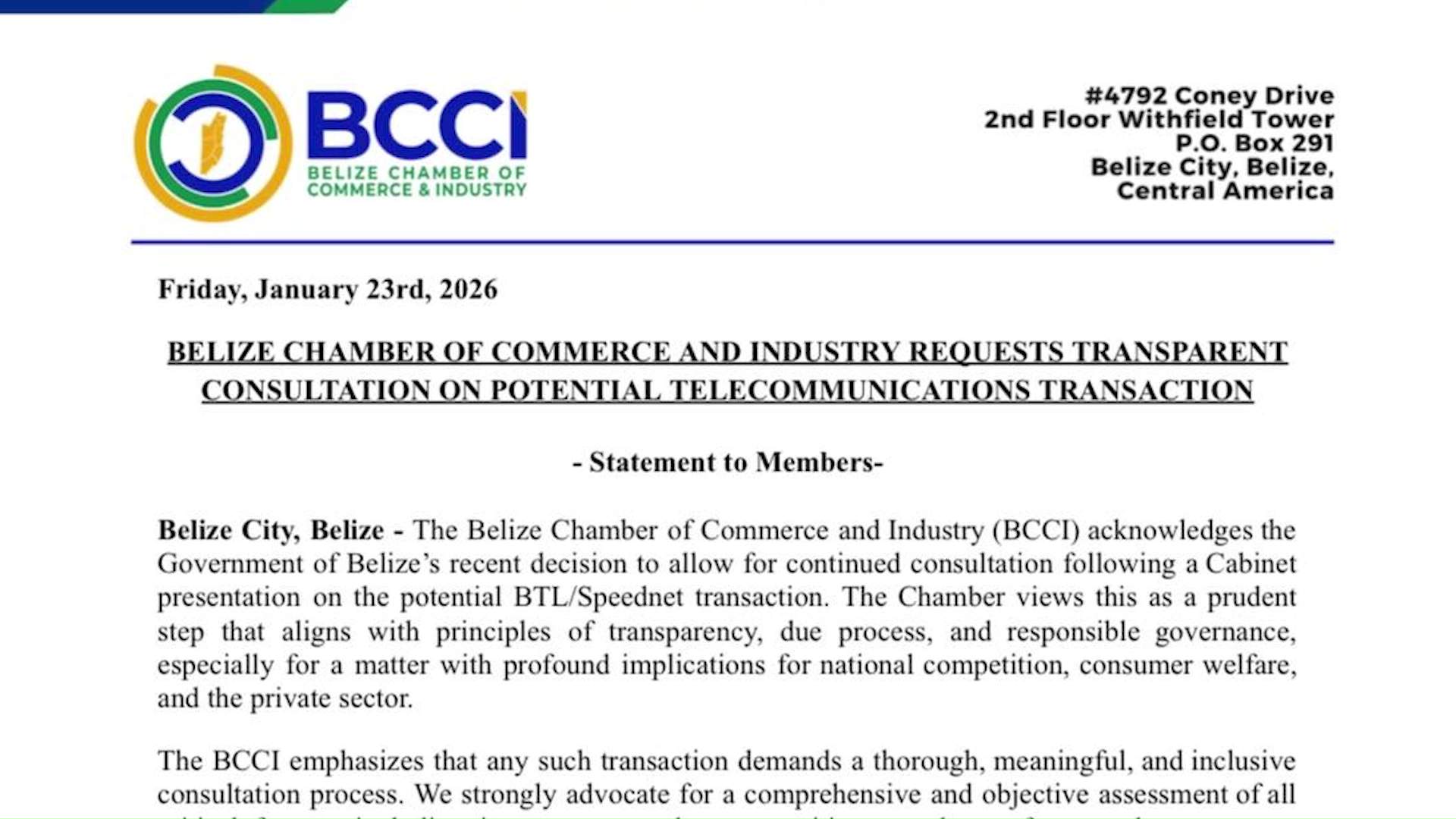
    The Belize Chamber of Commerce and Industry has called for continued transparent consultations with thorough examination of competitive impacts, urging BTL to publicly address mounting concerns. As national consultations progress, Herrera maintains that Belizeans deserve better than reverting to monopolistic structures and challenges BTL to justify the deal before the public.

  • Hydro Belize IPO Oversubscribed by Belizeans

    Hydro Belize IPO Oversubscribed by Belizeans

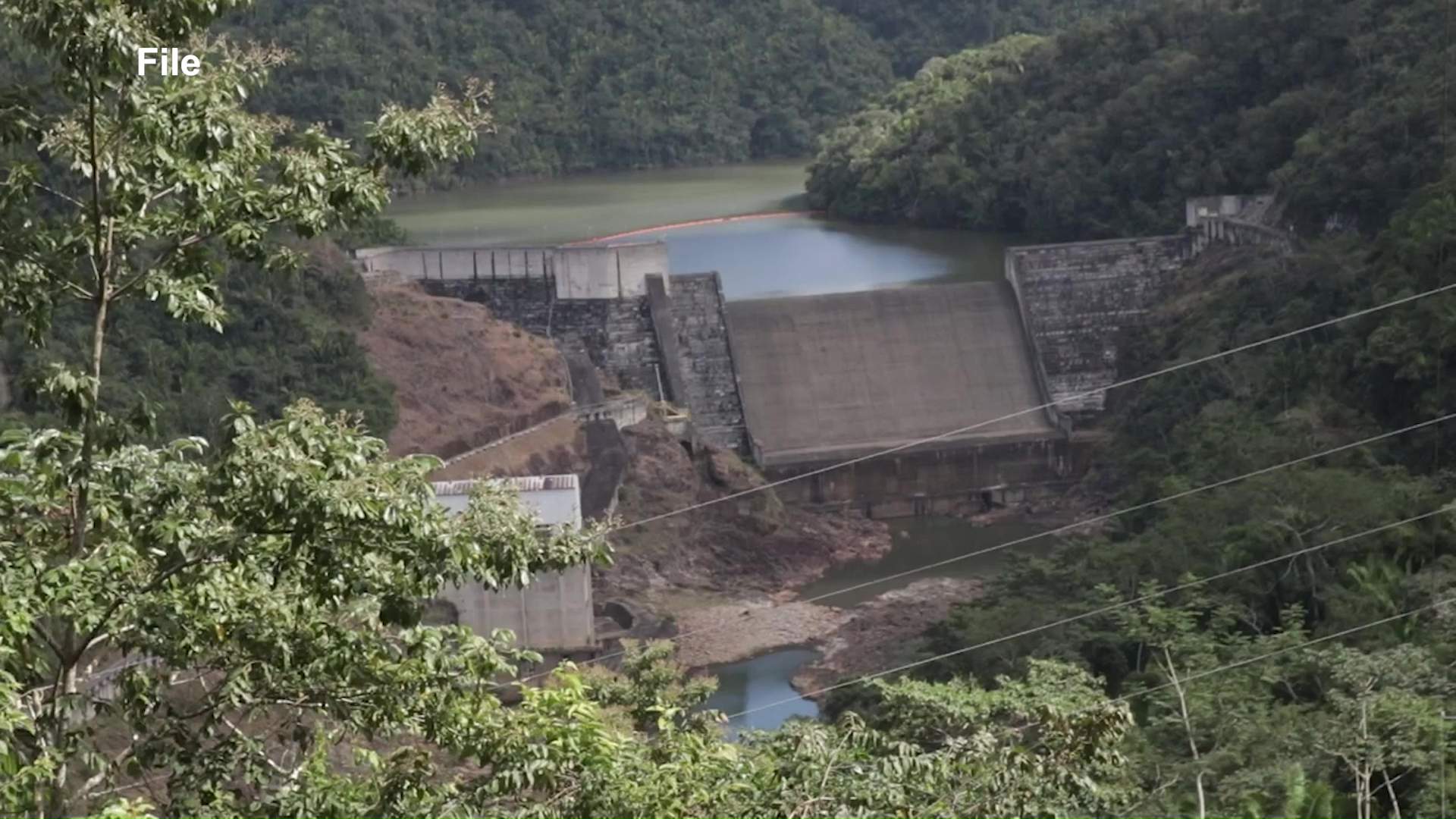
    In an extraordinary display of public confidence, Belize’s recently nationalized hydropower enterprise Hydro Belize Limited has witnessed its initial public offering (IPO) dramatically oversubscribed by domestic investors. The offering, which concluded this January, attracted overwhelming participation from over 2,000 Belizean citizens who collectively sought approximately 4.5 million shares—exceeding the available inventory by half a million units.

    The share pricing, strategically established at twenty-nine Belize dollars per unit, contributed significantly to the offering’s accessibility. However, the investment frenzy appears driven by deeper nationalistic and environmental considerations beyond mere affordability. The state-owned utility company currently generates approximately one-third of the nation’s electricity through renewable hydroelectric sources.

    Among the new investors is twenty-five-year-old Monilee Aspinall, representing a younger generation of first-time participants in the nation’s financial markets. “I’ve never quite invested in something like this,” Aspinall acknowledged, noting the company’s effective communication strategy that made complex financial information accessible to novice investors.

    Hydro Belize President Kay Menzies clarified the fundamental nature of the investment during a phone interview: “This isn’t a loan—you’ve bought a piece of the company.” Menzies outlined the company’s commitment to transparency, including independent annual audits and public disclosure of financial statements. Profits will be distributed to shareholders following comprehensive annual reviews.

    The company’s leadership has expressed profound gratitude for the overwhelming response and emphasized their dual commitment to delivering investor returns while maintaining environmental integrity. Menzies confirmed Hydro Belize’s dedication to exclusively renewable energy expansion, specifically mentioning potential investments in solar technology and additional hydroelectric capacity enhancements.

    With review processes for thousands of applications ongoing, this public offering represents a significant milestone in Belize’s journey toward energy independence and sustainable economic development.

  • Expedia The Dominican Republic can become the tourism hub of the Caribbean

    Expedia The Dominican Republic can become the tourism hub of the Caribbean

    Industry executives from leading global travel organizations have identified the Dominican Republic as the Caribbean’s next pivotal tourism hub, citing its unique combination of scale, infrastructure, and economic maturity. This assessment was delivered at the III BHD Tourism and Investment Forum during Fitur 2026 in Madrid.

    Salim Arkuch, Vice President and General Manager for Latin America and the Caribbean at Expedia Group, articulated that the nation possesses the necessary assets to function as a regional anchor for sustainable tourism development and large-scale capital investment. He emphasized the country’s superior air connectivity, extensive hotel capacity, and well-consolidated tourism economy as critical advantages.

    These foundational strengths position the Dominican Republic as an ideal gateway and dispersion point for the growing trend of multi-destination travel within the Caribbean. This model, often referred to as ‘hotel hopping’ or ‘multi-stay trips,’ is perfectly aligned with the nation’s operational capabilities, allowing tourists to experience multiple destinations within a single itinerary.

    Echoing the strategic importance of the sector, Christopher Imbsen, Vice President of Public Policy at the World Travel & Tourism Council (WTTC), addressed the forum. He underscored that tourism constitutes approximately 18% of the Caribbean’s regional GDP, establishing it as a primary economic driver. Consequently, Imbsen stressed that integrating tourism into national development planning is no longer optional but an essential prerequisite for sustainable growth. This holistic approach necessitates that policy decisions on transportation, housing, energy, land use, and human capital development are made in concert with the sector’s strategic needs, rather than in isolation.