分类: business

  • NTUCB Postpones Protest for Membership Consultation

    NTUCB Postpones Protest for Membership Consultation

    Belize’s labor movement has entered a period of strategic recalibration as the National Trade Union Congress of Belize (NTUCB) announces the postponement of planned industrial actions. The decision follows intensive internal deliberations aimed at strengthening organizational cohesion and ensuring comprehensive member consultation.

    The temporary halt in protest activities does not signify abandonment of labor concerns but represents a tactical pause to facilitate broader engagement. Union leadership emphasizes that this interim period will enable more thorough consultations with member unions, particularly the Belize National Teachers’ Union (BNTU) and Public Service Union (PSU), which are currently polling their members regarding potential escalation strategies.

    Central to the dispute remains the contested acquisition process involving telecommunications provider BTL and Speednet. Despite recent developments temporarily pausing the transaction, union officials maintain that fundamental questions regarding worker protections and benefits remain inadequately addressed.

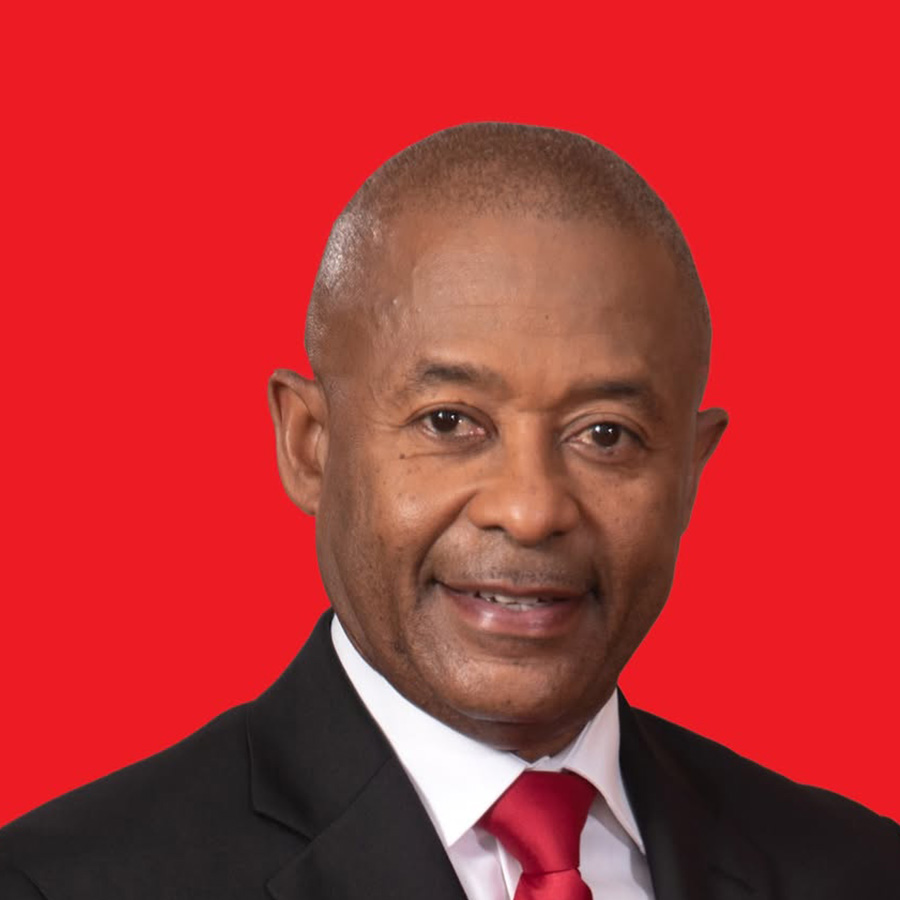
    NTUCB President Ella Waight clarified the organization’s position: “We are far from saying we have abandoned the issue or we are not concerned anymore. That is not the case. We still are very concerned because we still haven’t gotten answers to many of the questions we asked.”

    The labor congress has actively sought meetings with both the Public Utilities Commission (PUC) and Smart management to address employee concerns, particularly regarding potential impacts on non-unionized workers. These requests have thus far yielded limited responsiveness from the relevant entities.

    The strategic delay allows for more comprehensive preparation while maintaining pressure on stakeholders. Union leadership indicates that protest actions remain imminent should satisfactory resolutions not emerge through ongoing dialogue processes.

  • Belmopan Mayor Defends Trade License Overhaul

    Belmopan Mayor Defends Trade License Overhaul

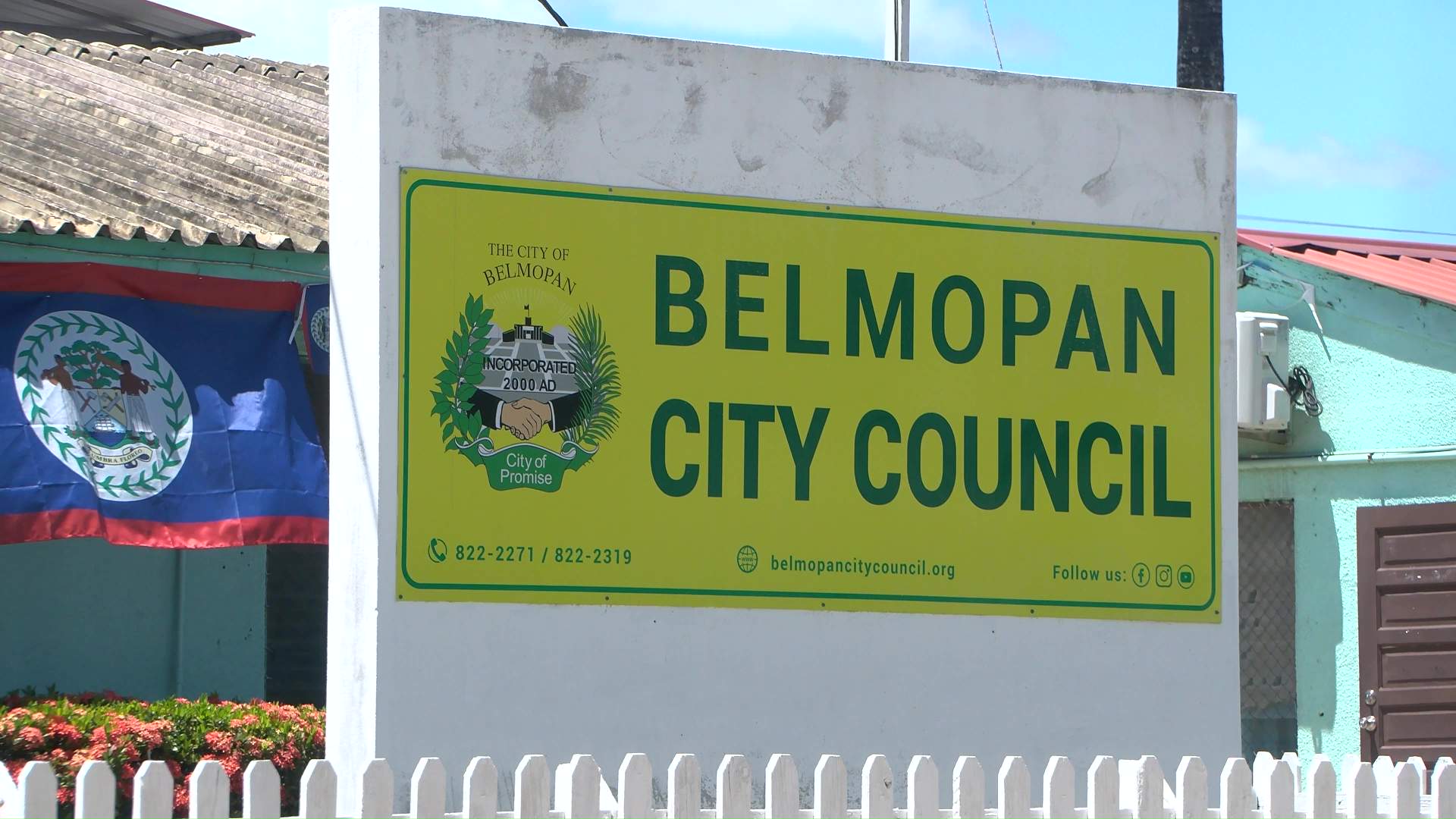
    The Mayor of Belmopan, Pablo Cawich, has publicly addressed growing concerns from the local business community regarding significant changes to their trade license assessments. This development follows a comprehensive city-wide review initiated by the newly appointed trade board upon taking office last year.

    The administrative overhaul began when officials discovered numerous discrepancies within the municipal licensing system, including blank business files, missing documentation, and outdated calculation methods for numerous enterprises. Mayor Cawich explained that these discoveries necessitated a wave of reassessments to establish fair and consistent fee structures across all business categories.

    Despite business owner frustrations, the mayor emphasized that no new regulatory regime was formally implemented. Instead, the trade board offered updated fee estimates designed to prevent overcharging that might have occurred under the previous system’s flawed calculations. The recalibration effort affected businesses across all sectors without singling out any specific industry category.

    When questioned about the legal authority for these changes without senate-level approval, Mayor Cawich clarified that the city didn’t implement new regulations but rather provided recalculated values based on proper documentation. This approach aimed to give business owners more accurate fee assessments rather than maintaining potentially inflated rates from the outdated system.

  • Businesses Protest Sudden Fee Calculation Changes

    Businesses Protest Sudden Fee Calculation Changes

    The Belmopan City Council faces mounting opposition from local enterprises following a comprehensive audit that triggered widespread recalculation of trade license fees. Municipal authorities defend the reassessments as necessary corrections to address inconsistent record-keeping and outdated calculation methods discovered during a year-long review process.

    Mayor Pablo Cawich maintains that the initiative represents an administrative correction rather than the implementation of new fee structures. However, Khalid Belisle, the United Democratic Party’s caretaker representative for Belmopan, contends the council acted prematurely. Belisle asserts that the amended trade license legislation was formally deferred in December, yet businesses continued receiving updated assessments throughout the capital.

    The controversy extends beyond licensing fees to include significant increases in garbage collection charges. Belisle cited a specific case where a small business owner experienced a 400% rate hike over four to five years, with charges jumping from $150 to $600. Belmopan operates under unique legislation that permits separate residential and commercial garbage collection fees, though the justification for consecutive increases remains unclear.

    The situation remains unresolved as municipal officials defend their audit methodology while business owners grapple with unexpected financial burdens. Critics argue the reassessments create unnecessary economic pressure despite the council’s claims of merely rectifying historical inconsistencies.

  • Air Century confirms direct flights between Santo Domingo and Venezuela

    Air Century confirms direct flights between Santo Domingo and Venezuela

    In a significant development for Caribbean aviation, Dominican carrier Air Century has officially unveiled plans to establish a new direct air corridor linking Santo Domingo with multiple Venezuelan cities. The airline made the formal announcement through its institutional communication platforms, marking a strategic expansion of its regional network.

    The proposed connectivity initiative will operate from La Isabela International Airport (JBQ) in Santo Domingo, targeting four key Venezuelan destinations: Caracas, Maracaibo, Valencia, and Barquisimeto. In an innovative approach to route planning, Air Century is actively soliciting passenger input through social media channels, inviting travelers to participate in selecting the most preferred destinations before finalizing flight schedules.

    This aviation development occurs within the broader context of Caribbean airlines progressively reestablishing connections with Venezuela after extended periods of operational hiatus. The restoration of air links follows previous suspensions triggered by complex regulatory environments and economic challenges that had constrained Venezuela’s aviation sector.

    Industry analysts observe that the new route network will require careful navigation of operational logistics and bilateral aviation agreements between the two nations. While specific launch dates and flight frequencies remain undisclosed, the airline confirmed that regulatory approvals and technical preparations are currently underway.

    The reestablished air bridge promises to facilitate renewed commercial exchange, tourism flows, and personal connections between the Dominican Republic and Venezuela. This connectivity enhancement is particularly significant for the Venezuelan diaspora residing in the Dominican Republic, who stand to benefit from more accessible travel options to multiple Venezuelan regions.

  • 1 800 new hotel rooms by 2030, says Gooding-Edghill

    1 800 new hotel rooms by 2030, says Gooding-Edghill

    Barbados is poised for a substantial transformation of its tourism infrastructure with an ambitious plan to add 1,800 new hotel rooms by 2030, according to campaign declarations from incumbent officials. Ian Gooding-Edghill, the Barbados Labour Party candidate for St Michael West Central and former tourism minister, revealed that over $1 billion has already been invested in tourism development projects across the island.

    The comprehensive expansion includes numerous high-profile developments currently in various stages of completion. The recently opened Indigo hotel on the South Coast, which replaced the former Caribee hotel, now employs approximately 300 people. Nearby, the emerging Hyatt property will contribute an additional 400 rooms to the island’s accommodation inventory. Further developments include the Pierhead project featuring combined hotel and residential spaces, the upcoming Montage resort in the Paradise area, the nearly completed Royalton, the planned 422-room Beaches resort at the former Heywoods site, and the Pendry resort scheduled for St Peter.

    Gooding-Edghill emphasized that these developments represent significant progress that will generate substantial employment opportunities for Barbadians beyond construction, including permanent hospitality positions and increased business for supporting industries such as taxi services. He also addressed previous criticisms regarding the demolition and reconstruction of the former Hilton hotel, noting that the new facility is now completely debt-free with an asset valuation exceeding $220 million.

    Additionally, the official reiterated his party’s commitment to enhancing transportation infrastructure, with expansion plans for both the Bridgetown Port and Grantley Adams International Airport, the latter scheduled to commence later this year.

  • BCCI Supports GoB’s Pause on BTL–Speednet Deal

    BCCI Supports GoB’s Pause on BTL–Speednet Deal

    The Belize Chamber of Commerce and Industry (BCCI) has formally endorsed the government’s decision to suspend negotiations concerning Belize Telemedia Limited’s proposed acquisition of telecommunications provider Speednet/SMART. Prime Minister John Briceño officially mandated the pause during a recent parliamentary session.

    In an official statement released this week, the BCCI emphasized that any movement on this significant deal must be predicated on establishing robust regulatory frameworks, ensuring complete transparency, and facilitating thorough public examination. The Chamber highlighted a critical regulatory gap, noting that Belize currently operates without modern competition and merger control legislation, creating an environment unsuitable for evaluating such a substantial market consolidation.

    Central to the BCCI’s concerns is the contested valuation of Speednet, which has been preliminarily estimated at approximately $80 million. The Chamber insists this figure demands rigorous, independent verification and must be subjected to comprehensive public scrutiny to ensure accuracy and fairness.

    The business advocacy group has specifically called upon the Public Utilities Commission (PUC) to prioritize and advocate for essential legislative reforms before even considering the transaction for approval. The BCCI has affirmed its commitment to participate actively and constructively in any legitimate public consultation process initiated by the PUC, provided it is conducted with genuine national interest at its core.

  • ICAB urges clarity in tax laws as global reforms reshape landscape

    ICAB urges clarity in tax laws as global reforms reshape landscape

    The Institute of Chartered Accountants of Barbados (ICAB) has intensified its advocacy for more transparent and consistent tax legislation, emphasizing that international tax reforms are revolutionizing the global financial landscape at an unprecedented pace. During the organization’s recent conference at the Lloyd Erskine Sandiford Centre, Marilyn Husbands, Chair of ICAB’s Tax Committee, delivered a compelling address highlighting how these sweeping changes necessitate a fundamental transformation in professional accounting practices.

    Husbands articulated that the rapid evolution of global taxation frameworks demands accountants move beyond traditional compliance methods and advisory approaches. She specifically identified Pillar Two of the Organisation for Economic Co-operation and Development’s (OECD) Global Minimum Tax initiative as a strategic inflection point rather than merely a technical adjustment. This framework, designed to ensure large multinational enterprises pay a minimum corporate tax rate across jurisdictions, carries profound implications for legislative interpretation and application in Barbados.

    The tax expert cautioned that conventional methodologies for tax computation are becoming obsolete as regulatory changes outpace established processes. She emphasized that professionals must cultivate a more skeptical and interrogative approach toward data and automated system outputs, particularly as technology becomes increasingly integrated into tax reporting systems. “Our role lies not in passively accepting data, but interrogating it with rigour, confidence, and professional scepticism,” Husbands stated, questioning whether automated outputs genuinely reflect legislative intent and underlying risk profiles.

    Furthermore, Husbands underscored the critical importance of maintaining professional independence as the cornerstone of objective judgment and public trust. She characterized independence not merely as a regulatory requirement but as an essential mindset for practitioners. As Barbados continues balancing international tax alignment with competitive preservation, Husbands concluded that continuous professional education and proactive engagement with compliance developments have become indispensable components of professional credibility.

  • Govt hopes to wean GUYSUCO off multi-billion dollar subsidies within five years

    Govt hopes to wean GUYSUCO off multi-billion dollar subsidies within five years

    The Guyanese government has announced an ambitious five-year strategic plan aimed at revitalizing the financially troubled Guyana Sugar Corporation (GUYSUCO) and eliminating its dependence on state subsidies that currently amount to billions of dollars annually.

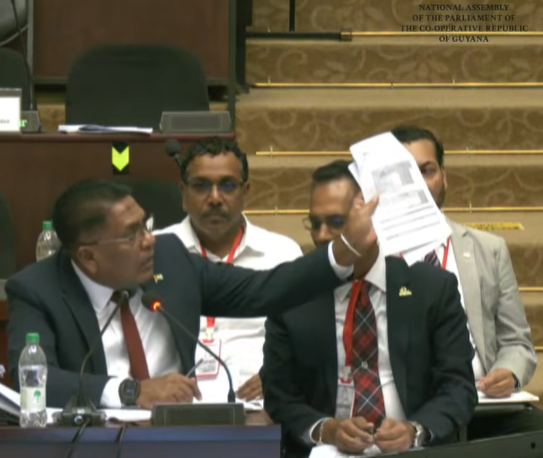
    Agriculture Minister Zulfikar Mustapha revealed the turnaround strategy during parliamentary proceedings on Tuesday, February 10, 2026, in response to questioning from opposition parliamentarians. The plan represents a significant shift in approach for the wholly state-owned corporation, which has relied on government support for decades.

    Central to the revitalization effort is an aggressive mechanization program that has already reached 41% implementation. Minister Mustapha detailed substantial investments in new agricultural machinery, including billet cutters, planters, and harvesters, scheduled for acquisition over the next five years. These technological upgrades are expected to dramatically improve operational efficiency and reduce production costs.

    The corporation’s financial challenges are substantial. GUYSUCO currently owes approximately GY$1 billion to the National Insurance Scheme (NIS), while 81% of its GY$8.4 billion allocation will be directed toward covering part of its GY$20 billion wage and salary obligations.

    Production statistics reveal the scale of the challenge. Sugar output has declined steadily over the past 15 years due to adverse weather conditions and industrial unrest, with 2025 production reaching only 59,200 metric tonnes against a revised target of 70,000 metric tonnes. The government has set an ambitious target of 100,000 metric tonnes for the current year, representing a 36% increase.

    Minister Mustapha expressed confidence that factory rehabilitations, improved juice extraction rates, and increased use of plant cane would drive production improvements. He anticipates mechanization rates will reach 50-60% in the near future, significantly enhancing operational capabilities.

    The political context adds complexity to the revitalization effort. The previous administration’s closure of four sugar estates and resulting mass layoffs became a central campaign issue in the 2020 general elections. The current government now faces the challenge of delivering on its promises to restore the industry while achieving financial sustainability.

    Management accountability has been emphasized as a critical component of the turnaround strategy. Regular performance reviews and meetings with estate managers are being implemented to ensure progress toward the 2030 profitability target.

  • From $2,500 to $18,000: Trade Licence Fees Jump 700%

    From $2,500 to $18,000: Trade Licence Fees Jump 700%

    Belmopan’s commercial sector is confronting an unprecedented financial shock as municipal trade licence fees have skyrocketed by as much as 700%, creating widespread alarm among business proprietors. Khalid Belisle, a caretaker representative from the United Democratic Party (UDP), has revealed that these dramatic increases directly contravene legislative protections established under the Trade Licence Amendment Bill, which mandates a maximum 10% annual adjustment cap for a three-year period.

    Documented cases illustrate the severity of the situation, with one enterprise experiencing a projected fee escalation from $2,500 to approximately $18,000. Belisle condemned these increases as unlawful under existing regulatory frameworks, emphasizing that such exponential hikes undermine legal safeguards designed to protect businesses from arbitrary financial burdens.

    The Trade Licence Amendment Bill, which cleared the House of Representatives but awaits Senate ratification, was intended to modernize fee calculation methodologies. Its provisions explicitly state that for thirty-six months following implementation, fee adjustments “shall not be greater or less than 10% of the annual licence fee levied on that trade before the commencement of this section.”

    Business owners report experiencing what one described as ‘death by a thousand cuts,’ with the cumulative effect of various regulatory pressures creating an increasingly hostile environment for commercial operations. The UDP has issued urgent appeals to municipal councils, urging responsible governance and adequate advance communication to prevent residents from being blindsided by financial demands.

    The opposition party is actively pressuring local authorities to alleviate rather than exacerbate tax burdens, warning that sudden and severe fee increases could potentially destabilize small businesses and jeopardize numerous livelihoods throughout the community.

  • At CAF summit, CDB President calls for enhanced South-South collaboration to drive development

    At CAF summit, CDB President calls for enhanced South-South collaboration to drive development

    At the pivotal Latin America and Caribbean International Economic Forum 2026, Caribbean Development Bank (CDB) President Daniel M. Best articulated a compelling vision for accelerated regional progress through strengthened South-South collaboration. The high-level gathering in Panama City, attracting over 6,500 delegates from 70 nations, became the staging ground for a strategic reassessment of Global South partnerships.

    Mr. Best emphasized the critical importance of forging more deliberate transatlantic connections between Caribbean, Latin American, and African nations. ‘Africa represents the world’s fastest-growing region,’ Best noted during his address. ‘Beyond our profound historical and cultural linkages, tremendous opportunities exist for mutual learning and crafting a cohesive developmental pathway for our populations.’

    The CDB president detailed concrete institutional efforts to transform this vision into reality through innovative financial mechanisms. Current initiatives include developing a multi-guarantor debt swap facility and establishing new credit lines specifically designed for Caribbean nations. These efforts are being advanced through strategic partnerships with CAF – Development Bank of Latin America and the Caribbean and the African Export-Import Bank (Afreximbank).

    Dr. Stacy Richards-Kennedy, CAF’s Regional Manager for the Caribbean, reinforced this collaborative imperative, stating: ‘Our engagements demonstrate the power of regional partnerships in mobilizing capital, addressing development gaps, and promoting inclusive growth. By combining our expertise and financial resources, we can effectively assist the Caribbean in meeting its development challenges.’

    The forum’s discussions extended across multiple development sectors, with particular focus on regional integration, trade facilitation, artificial intelligence applications, energy transition strategies, and competitiveness enhancement. The overarching objective remained transforming regional vulnerabilities into strategic global leadership through coordinated action and innovative financing solutions.

    Parallel to the main events, CDB representatives conducted substantive dialogues with regional policymakers and development partners to explore pioneering financing approaches aimed at accelerating infrastructure development, reducing inequality, and supporting inclusive economic growth throughout the Caribbean region.