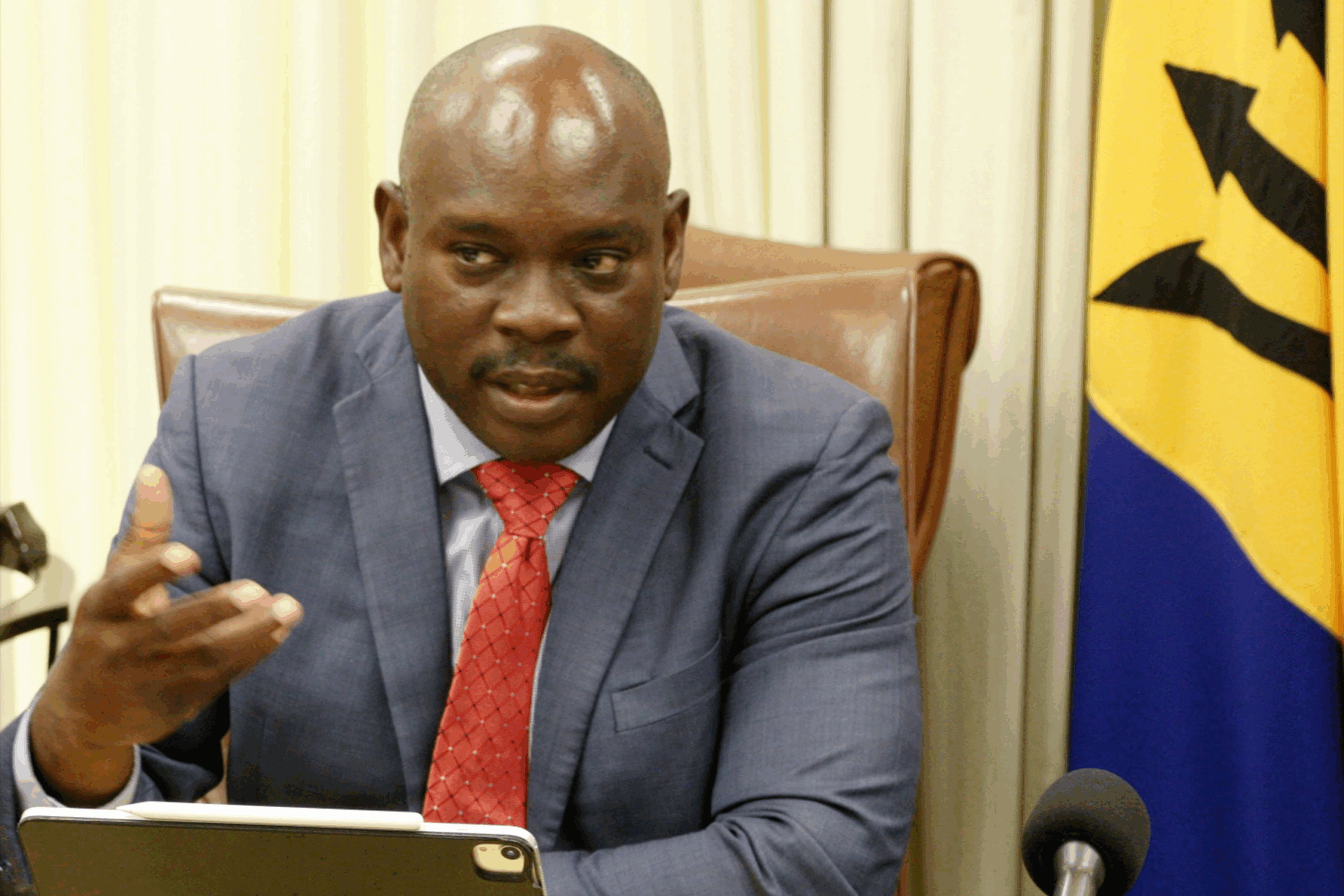
The Barbados government has announced that the reclassification of car rental companies under the tourism sector will depend on their commitment to transitioning from fossil fuel vehicles to hybrid and electric models. Finance Minister Ryan Straughn emphasized this during a recent statement, clarifying that no incentives will be provided for the importation of petrol or diesel vehicles.
分类: business
-

Central Bank Makes It Easier for Ordinary People to Invest in Government Bonds
The Eastern Caribbean Central Bank (ECCB) and member governments of the Eastern Caribbean Currency Union (ECCU) have unveiled a groundbreaking Retail Bond Initiative, designed to democratize access to government securities for individual investors. This initiative, launched in collaboration with the Regional Government Securities Market (RGSM), aims to transform household savers into active participants in the financial market.
Over the past two decades, the RGSM has successfully mobilized approximately EC$20.7 billion for regional development. However, household involvement has been minimal, accounting for only 1.5% (EC$310.3 million) of total investments, with a mere 600 individuals participating. To address this gap, the ECCB’s Research, Statistics, and Data Analytics Department (RSDAD) conducted a survey, identifying three primary barriers: high minimum investment thresholds (EC$5,000), excessive fees, and a lack of financial literacy.
In response, the Regional Debt Coordinating Committee (RDCC) and the ECCB developed the Retail Bond Initiative, which significantly lowers the entry barrier. The minimum investment is now set at EC$500, with increments of EC$100, and a maximum cap of EC$50,000 per investor. The bonds offer an annual interest rate of 4.25% and a two-year term, with principal repayment at maturity.
Juletta Edinborough, Fiscal and Debt Specialist at the ECCB, emphasized the initiative’s goal of empowering individuals. ‘This is a pivotal step in transitioning savers to investors,’ she stated. ‘We encourage all ECCU citizens and residents to seize this opportunity.’
The inaugural retail bonds will be issued by the governments of Grenada and Saint Christopher (St Kitts) and Nevis. Investors can participate through six licensed brokers, including the Bank of Saint Lucia Limited, Grenada Co-operative Bank Limited, and St Kitts-Nevis-Anguilla National Bank Limited.
This initiative not only enhances financial inclusion but also strengthens regional economic resilience and sustainable development. For more details, visit www.ecseonline.com/broker-dealer and www.eccuretailbond.com.
-

Caribbean Airlines Named “Caribbean’s Leading Airline Brand 2025” For Ninth Consecutive Year
Caribbean Airlines has once again soared to new heights, securing the coveted title of ‘Caribbean’s Leading Airline Brand 2025’ at the 32nd Annual World Travel Awards™. This marks the ninth consecutive year the airline has been honored in this prestigious category, solidifying its reputation as a leader in regional aviation. The award was accepted by Samantha Faucher, Caribbean Airlines’ Airport Representative for St. Lucia, during the gala ceremony held on October 4 at Sandals Grande Saint Lucian. Since its establishment in 1993, the World Travel Awards™ have been a global benchmark for excellence in the travel, tourism, and hospitality industries. Caribbean Airlines’ latest achievement underscores its commitment to delivering exceptional service, expanding its route network, and enhancing the passenger experience. Over the past year, the airline has extended its reach into the French Caribbean, now connecting 28 destinations across North and South America and the wider Caribbean. Additionally, it has introduced innovative upgrades to its baggage handling systems and refined its product offerings to better cater to evolving customer needs. Beyond this top honor, Caribbean Airlines was also nominated in three other categories: ‘Caribbean’s Leading Airline,’ ‘Caribbean’s Leading Cabin Crew,’ and ‘Caribbean’s Leading In-flight Magazine (Caribbean Beat).’ These accolades highlight the airline’s dedication to regional integration and its mission to provide a uniquely Caribbean travel experience.
-

Stability not optional for Trinidad and Tobago
As Trinidad and Tobago (TT) prepares for the 2025-2026 national budget presentation on October 13, the nation stands at a critical juncture. Finance Minister Davendranath Tancoo faces the daunting task of addressing deep-rooted economic challenges that have plagued the country for years. Persistent issues such as low national savings, fragile foreign exchange reserves, stagnant productivity, and institutional inefficiencies have hindered growth and competitiveness. The upcoming budget must transcend the incremental adjustments of the past and deliver a decisive policy reset to restore economic stability and resilience.
Global uncertainties, including energy market volatility, rising US interest rates, and geopolitical risks, compound TT’s domestic pressures. Chronic fiscal deficits, an unstable foreign exchange market, and eroding buffers have weakened confidence in the economy. On the real economy front, weak productivity growth, distorted wages, and sluggish non-energy investment further exacerbate the situation. Policy measures often clash rather than complement each other, creating a cycle of inefficiency and diminishing credibility.
Drawing lessons from successful economies like the Gulf states and the Asian tigers, TT must prioritize long-term strategies over short-term fixes. These nations leveraged energy windfalls and mobilized savings to build robust sovereign wealth funds, reduce dependency on rents, and drive efficiency. In contrast, TT has seen low savings, inefficient public projects, and hesitant private investment. The lack of institutional adaptability has further hindered coherent policy design.
The 2025-2026 budget must focus on four key priorities: external stability, national savings mobilization, capital efficiency, and institutional reinforcement. A transparent and credible foreign exchange regime, robust savings frameworks, smarter public investment, and strengthened institutions are essential for sustainable growth. The budget should balance short-term stabilization with long-term reforms, demonstrating a clear trajectory for citizens, investors, and international partners.
This budget is not just a fiscal exercise; it is a moment for leadership. TT must move beyond improvisation and chart a durable course anchored in savings, efficiency, and credibility. The government’s choice is clear: continue with patchwork measures and risk decline, or seize this opportunity to transform the economic model and secure a stable future.
-

New HRIZONs in Trinidad and Tobago for young tech talent
In a bold move to bridge the gap between global technology demands and local talent, HRIZONS Caribbean has established a thriving hub in Trinidad and Tobago. Spearheaded by Cassandra Patrovani, Managing Director of HRIZONS Caribbean, the initiative began with a candid conversation at a 2023 tech conference. Patrovani challenged Jim Newman, founder of HRIZONS, on the lack of knowledge transfer to the Caribbean despite years of operations in the region. This frank exchange sparked a collaboration that has since transformed into a dynamic workspace at Albion Plaza, Port of Spain, where young professionals are delivering high-quality, billable work for international clients.
The initiative leverages Trinidad and Tobago’s existing frameworks, including the Special Economic Zone and the On-the-Job Training (OJT) programme, to nurture talent from institutions like the University of the West Indies (UWI) and the University of Trinidad and Tobago (UTT). By March 2024, HRIZONS had partnered with the Ministry of Labour and InvesTT, recognizing the region’s potential as a cost-effective alternative to traditional tech hubs like India and Colombia.
Starting with a rigorous selection process, 100 students were narrowed down to seven finalists, all UTT graduates, who began operations on January 6, 2024. Dubbed the ‘Magnificent Seven,’ these young professionals are now handling back-end technology and front-end client interfaces. By May, the team expanded to include a UWI graduate preparing to take over the IT leadership role. As of September, 12 employees, all under 25, are driving business development efforts.
The HRIZONS Caribbean model emphasizes flexibility, with core office days from Tuesday to Thursday and the ability to work across time zones. Patrovani highlights the importance of adaptability, noting that employees often adjust their schedules to meet the demands of global clients, such as those in Japan. The physical office space fosters collaboration, with teams currently working on projects for Yamaha and preparing for SAP certification exams.
SAP, a cornerstone of HRIZONS’ operations, is a challenging yet essential platform for international business. Patrovani underscores the need for mindset shifts and behavioral changes to effectively adopt such technologies. She also calls for a broader transformation in HR practices, urging professionals to integrate technology and finance into their strategic discussions.
Jim Newman views HRIZONS Caribbean as a pivotal step in the company’s growth, emphasizing its dual focus on client service and talent development. By offering opportunities to work on advanced platforms like SAP and Microsoft, HRIZONS is not only delivering innovative HR solutions but also cultivating the next generation of tech professionals in the region. The partnership with the OJT programme has been particularly rewarding, creating meaningful career pathways and contributing to Trinidad and Tobago’s economic development.
As HRIZONS Caribbean continues to expand, its impact on both the local tech ecosystem and the global business landscape is poised to grow, setting a new standard for talent development and innovation in the Caribbean.
-

Driving transformation: Budget blueprint for a resilient economy
As Trinidad and Tobago (TT) approaches fiscal year 2025/2026, the nation stands at a pivotal juncture. The TT Chamber of Industry and Commerce (TT Chamber) has unveiled a transformative budget blueprint titled ‘Unlocking TT’s Next-Generation Economy,’ aimed at addressing the vulnerabilities of an economy overly reliant on oil and gas. With hydrocarbons contributing 32% of GDP and 75% of export earnings while employing only 5% of the workforce, the Chamber emphasizes the urgent need for diversification and resilience. The blueprint outlines seven strategic pillars: Agriculture and Food Security, Economic Diversification, Government Efficiency, Human Capital Development, Health Sector Reform, Public Safety and Justice, and Digital Transformation. Agriculture, currently contributing less than 1% of GDP, is highlighted as a critical area for reducing the TT$7.3 billion food import bill and enhancing national security. The Chamber proposes a structured three-year plan to develop priority crops like breadfruit, hot peppers, and cassava, supported by Caricom’s 25 by 2025 initiative. The creative industries, including music, film, and fashion, are identified as high-growth sectors with significant export potential. To sustain this momentum, the Chamber calls for stronger intellectual property protection, targeted export promotion, and improved access to financing. Professional services, ICT, marine services, and niche tourism are also seen as key areas for growth. The Chamber advocates for government efficiency through digitized customs management, VAT refund fast-tracking, transparent foreign exchange policies, and a universal payment interface. Human capital development is prioritized with expanded youth employment tax incentives, increased tertiary education tax deductions, and a national STEM roadmap. Health and public safety reforms include diversifying NCD treatment procurement, introducing a sugar tax, and modernizing eHealth legislation. The Chamber’s digital transformation agenda includes a national e-ID system, updated data protection laws, and an AI policy framework, with the Start-Up T&T initiative modeled after Chile’s successful program. The Chamber’s message is clear: TT must embrace bold reforms and public-private collaboration to build a sustainable, competitive, and inclusive economy.
-

Why CAL grounded Montego Bay, Kingston to Ft Lauderdale routes
Caribbean Airlines Limited (CAL) has announced the discontinuation of its flights between Fort Lauderdale, Florida, and Montego Bay and Kingston, Jamaica, effective November 2. This decision is part of the airline’s broader network optimization strategy, aimed at enhancing sustainability and operational efficiency. The routes, which were resumed in December 2024 and March 2025 using a leased Boeing 737-800NG, failed to achieve breakeven load factors despite targeted promotions and discounted fares.
-
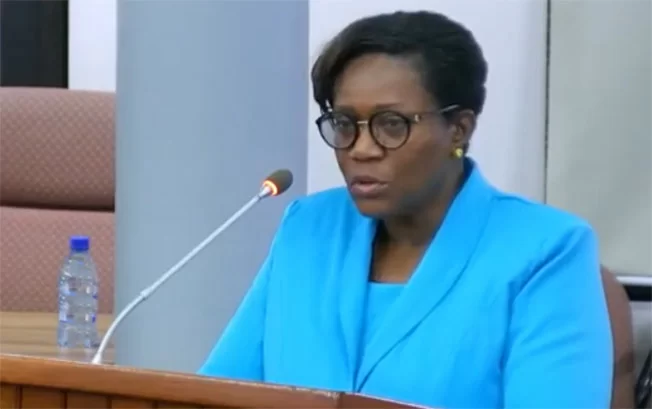
Wijnerman: Wetswijziging is juridische reparatie, geen vrijbrief voor meer leningen
In a significant legislative move, Suriname’s Minister of Finance and Planning, Adelien Wijnerman, has underscored the necessity of amending the State Debt Law. The revision, passed with a unanimous 36 votes in the National Assembly, aims to realign the law with the country’s current financial realities rather than facilitate additional borrowing. Minister Wijnerman emphasized that the amendment is a legal correction, enabling the government to manage existing debts more effectively. She clarified that the adjustment is not a carte blanche for increasing debt but a structured approach to address financial obligations.
As of August 2025, Suriname’s total state debt stands at approximately SRD 145 billion, equivalent to 98% of its GDP—well above the legal threshold of 60%. Without this amendment, any new loans or refinancing of existing debts would constitute a formal violation of the law. The temporary measure allows the debt ceiling to be exceeded until the end of 2027, providing the government with the necessary leeway to meet its commitments, particularly in social sectors, infrastructure, tourism, and other productive areas.
The revised law mandates the government to submit an annual state debt plan alongside the budget, detailing loans, repayments, restructurings, and associated risks. Minister Wijnerman assured that the National Assembly retains its oversight role, with annual approval of the debt plan ensuring parliamentary control. She also addressed Suriname’s heavy international obligations, including a debt to the International Monetary Fund (IMF) amounting to 390% of the country’s General Resource Account.
Regarding the restructuring of Oppenheimer bonds, Wijnerman noted that repayment obligations have been deferred to 2026–2028, coinciding with the expected influx of oil revenues. However, she warned that Suriname will still face annual payments of nearly USD 200 million in interest and principal before the oil income materializes. The restructuring also introduced a Value Recovery Instrument (VRI), now valued at USD 374 million, with total costs estimated at USD 1.9 billion.
Since assuming office in July 2025, the current administration has refrained from taking on new loans, focusing instead on stabilizing debt management and improving revenue and expenditure frameworks. Ongoing projects, such as a USD 25 million Inter-American Development Bank (IDB) loan for aviation, were approved earlier and are now being executed. The government is also developing a restructuring strategy for major loans to ensure medium-term debt sustainability.
Reforms within the tax and customs departments aim to enhance revenue collection, transparency, and capacity. Minister Wijnerman announced plans to consolidate the State Debt Law, incorporating modern insights and clear norms to provide a stable legal framework. She concluded with a call for discipline and realism, stressing that the law alone will not resolve Suriname’s financial challenges. The ultimate solution lies in boosting production, exports, and the income base to achieve financial sovereignty.
-
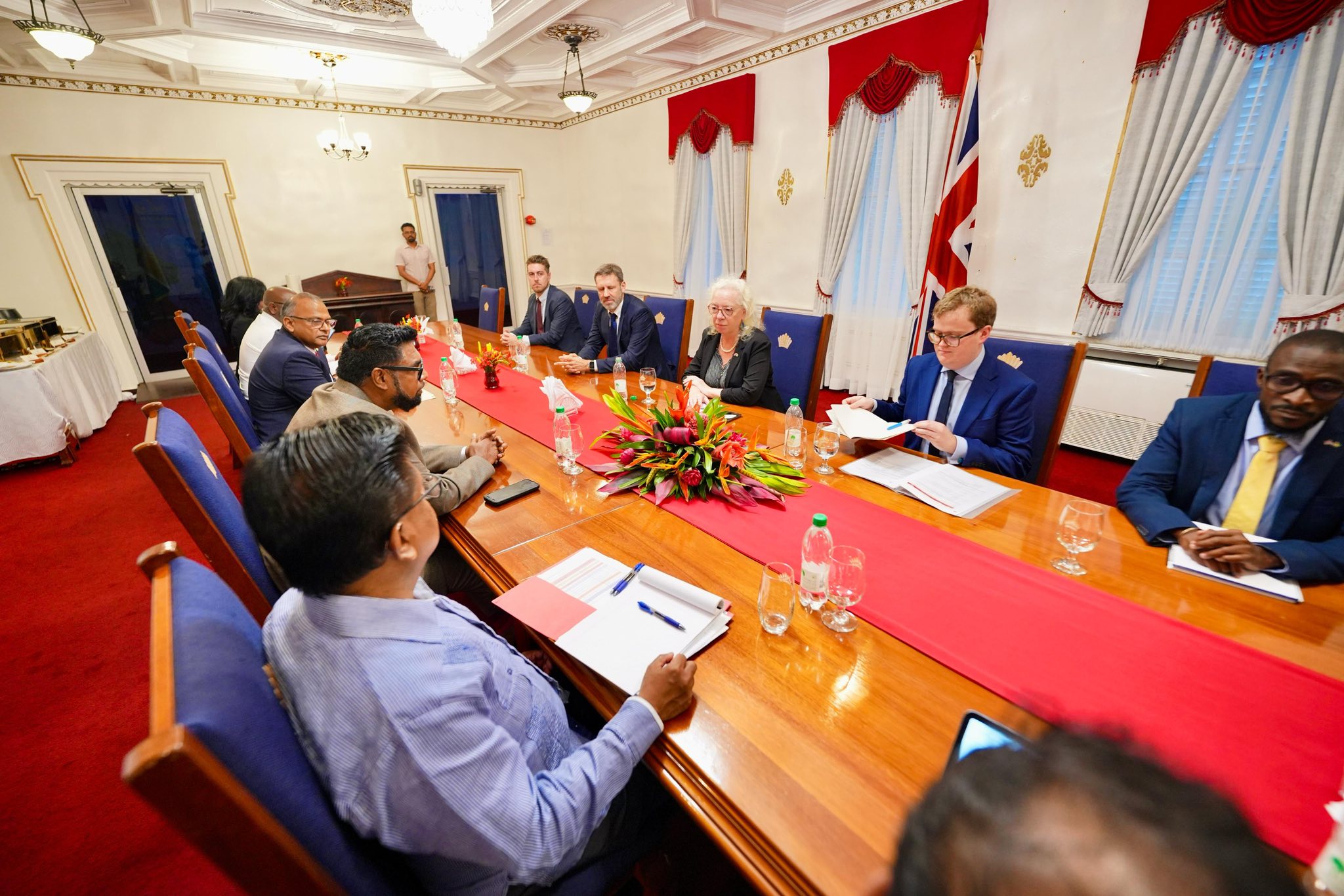
UK increases available financing to Guyana; Ali eyes major infrastructural projects
The United Kingdom has significantly increased its financial commitment to Guyana, raising the available financing through its Export Finance (UKEF) agency from £2.1 billion to £3 billion. This move, announced on October 8, 2025, underscores the UK’s confidence in Guyana’s economic trajectory and fiscal sustainability, while also deepening the bilateral relationship between the two nations. President Irfaan Ali highlighted that the funds will be channeled into transformative infrastructure projects, including the extension of the Linden to Lethem all-weather road, the development of a deep-water port in Berbice, and modernization initiatives in the health and energy sectors. The Berbice port, a public-private venture, is expected to serve as a strategic gateway for northern Brazil, enhancing regional trade and connectivity. Additionally, plans for a second gas-to-energy project are underway, with the aim of integrating these developments into a new industrial hub. The announcement was made during a meeting between President Ali, a UKEF delegation, and the UK’s Deputy Trade Commissioner for Latin America and the Caribbean. The British High Commission emphasized that this support aligns with Guyana’s accelerated infrastructural development and its emergence as a key investment destination. Private sector leaders, including Gerry Gouveia Jr., Chairman of the Private Sector Commission, welcomed the increased financing, noting its potential to foster local economic diversification, capacity building, and international partnerships. Dr. Clinton Urling, Secretary of the Private Sector Commission, also highlighted the opportunities for collaboration between Guyanese and UK firms, emphasizing the importance of financing for private sector growth and expansion. The Guyanese delegation included key ministers, reflecting the government’s commitment to leveraging this financial boost for sustainable development and shared prosperity.
-

GPL fast-track upgrade with Dom Rep’s InterEnergy two-year contract
In a landmark move to modernize its energy infrastructure, Guyana Power and Light Inc. (GPL) has entered into a two-year contract with the Dominican Republic’s InterEnergy Group. The $15.8 million agreement, signed on October 8, 2025, aims to accelerate the transformation of Guyana’s electricity grid, enhance reliability, and advance the country’s transition to a smart grid system. The contract was awarded through a sole-sourced formula, bypassing the initially selected Canadian firm Method4, which later withdrew from the bid. The signing ceremony, attended by key stakeholders including GPL’s Executive Management Head Kesh Nandlall and InterEnergy Chairman Rolando González Bunster, marked a significant step in strengthening regional ties. Under the agreement, InterEnergy will provide supervisory, engineering, and project management consultancy services, ensuring technical compliance, timely execution, and the integration of smart technologies. The partnership also includes technical advisory services for the operation and maintenance of generation assets, audits, and recommendations for improved reliability, efficiency, and cost-effectiveness. Additionally, InterEnergy will lead smart grid integration, conduct technical gap analyses, and develop cost-effective expansion plans. The Guyana government has assured that no GPL employees will lose their jobs as a result of this collaboration. Public Utilities Minister Deodat Indar emphasized the importance of capacity building within GPL, while GPL Chairman Maurice Gajadhar hailed the partnership as a historic milestone in regional cooperation. InterEnergy’s Chairman highlighted the symbolic and strategic value of the agreement, expressing confidence in its potential to drive Guyana’s energy sector forward. The collaboration is part of a broader $400 million project to install a new transmission and distribution system, set for completion by mid-2026.