分类: business

  • Rijstboeren krijgen padieprijs aangeboden van SRD 500–550 per baal

    Rijstboeren krijgen padieprijs aangeboden van SRD 500–550 per baal

    In a significant development for Suriname’s agricultural sector, rice farmers have secured substantially improved pricing following government-mediated negotiations. Minister Mike Noersalim of Agriculture, Livestock, and Fisheries (LVV) successfully facilitated an agreement that will see rice millers offering between SRD 500–550 per bale, a notable increase from the previously proposed SRD 300–400 range.

    The breakthrough emerged from comprehensive consultations involving multiple stakeholders, including Agriculture Minister Noersalim, Economic Affairs Minister Andrew Basaaron, parliamentary representative Ebu Jones, and Edmund Duiker, Chairman of the NOFA Fund. The discussions focused not only on immediate pricing concerns but also on establishing sustainable solutions for subsequent harvesting seasons.

    Ashwin Jagmohansing, President of the Nickerie Rice Farmers Interest Group Association (VBPN), expressed satisfaction with the outcome, stating he would return to his members with positive news. Approximately 20,000–22,000 hectares of rice have been planted for the current season.

    Minister Noersalim emphasized that while LVV maintains a mediator role in price determinations, the rice sector operates under a free-market system where prices are ultimately determined by supply and demand dynamics. The ministry’s intervention aims to streamline negotiations ensuring both producer satisfaction and continued rice production stability.

    Infrastructure improvements were also addressed, with Minister Noersalim confirming resolution of pumping station issues at Wakay and ongoing efforts to upgrade irrigation systems through public tenders.

    The pricing dispute represents a longstanding challenge in global agricultural markets, as noted by Economic Affairs Minister Basaaron, who highlighted regional developments influencing price structures. The current administration has committed to establishing comprehensive cost-calculation methodologies with broad stakeholder support.

    Parliamentarian Ebu Jones praised the collaborative approach, contrasting it with previous administrations’ priorities. He emphasized that fair pricing for farmers would ultimately benefit consumers through potentially lower market prices for rice products, creating a win-win scenario for both producers and the broader society.


  • SEOB waarschuwt: economie blijft fragiel, strikte discipline en hervormingen noodzakelijk

    SEOB waarschuwt: economie blijft fragiel, strikte discipline en hervormingen noodzakelijk

    The Suriname Economic Oversight Board (SEOB) has issued a stark warning about the nation’s ongoing economic fragility in its latest February 2026 bulletin. While acknowledging certain stabilizing factors including robust banking institutions and relatively strong reserve positions, the independent monitoring body highlighted several critical concerns that continue to threaten macroeconomic stability.

    The report reveals accelerating inflation rates, persistent government deficits, and national debt levels soaring significantly above the internationally accepted threshold of 60% of GDP. This elevated debt ratio presents substantial risks to economic stability according to the oversight board’s analysis.

    In response to these challenges, the SEOB has presented comprehensive recommendations centered on implementing strict fiscal discipline. Key proposals include enhancing fiscal transparency, developing coherent medium-term tax policy frameworks, establishing five-year government financial plans with expenditure ceilings, and implementing sustainability targets for total public debt.

    The board specifically addressed concerns regarding substantial government subsidies, particularly in the electricity sector. Recommendations call for transparent divestment of non-strategic, loss-making state enterprises that require significant subsidies and the formal proclamation of procurement legislation to ensure transparency and cost control in government contracts.

    Looking toward anticipated offshore oil revenues, the SEOB emphasized the urgent need to strengthen and operationalize critical institutions including the Savings and Stabilization Fund (SSFS). The organization stressed that transparency and anti-corruption mechanisms must be fully established before substantial revenue inflows begin.

    To reduce mining sector dependency, the report advocates for active economic diversification efforts prioritizing agricultural development (including fisheries and processing), service sector expansion, ecotourism, and collaborative production and export growth strategies between government and private enterprises.

    The bulletin also addressed debt management and monetary policy coordination, highlighting the necessity of active debt management given current debt levels and ensuring proper alignment between fiscal and monetary policies to contain inflationary pressures and stabilize the Surinamese dollar. Maintaining central bank independence in accordance with the 2022 Central Bank Act remains paramount.

    Finally, the SEOB underscored that sustainable economic recovery depends not merely on statistical improvements but equally on building confidence through consistent policy implementation and clear communication regarding socioeconomic strategy for the coming years.

  • Winners in Massy Wheels for Deals competition announced

    Winners in Massy Wheels for Deals competition announced

    Massy Stores culminated its customer appreciation initiative with a ceremonial prize distribution on Saturday at its Warrens, St. Michael location. The event marked the conclusion of the ‘Win Wheels for Deals’ promotion, which ran from November through January to honor shopper loyalty.

    Kim Stoute emerged as the grand prize recipient, securing a 2025 Proton X90 mild hybrid SUV through the retailer’s partnership with ANSA Motors. The seven-seater vehicle addresses practical transportation needs while incorporating hybrid technology. In secondary honors, Kelly Nicholls received an entertainment package from Flow, featuring a Samsung S24 Ultra smartphone and television. Peter Yearwood completed the top winners by earning a Whirlpool-sponsored kitchen appliance bundle.

    Recipients conveyed profound appreciation for their awards, with Stoute characterizing her win as emotionally significant. She emphasized the vehicle’s transformative impact on her family’s mobility, particularly noting the spacious interior that accommodates their three-member household with additional seating capacity.

    The promotion mechanics automatically enrolled customers upon achieving a $50 minimum purchase during the campaign period. Massy Stores representatives framed the initiative as component of their broader corporate strategy to acknowledge and reciprocate continued consumer patronage through experiential rewards programs.

  • Realtors welcome gov’t water infrastructure upgrades to boost real estate development

    Realtors welcome gov’t water infrastructure upgrades to boost real estate development

    KINGSTON, Jamaica — Jamaica’s real estate sector has enthusiastically endorsed the government’s ambitious water infrastructure modernization plan, recognizing it as a transformative catalyst for property development. The Realtors Association of Jamaica (RAJ) formally announced its support following detailed presentations by Minister of Water and Climate Change Matthew Samuda during the association’s leadership breakfast at The Jamaica Pegasus hotel on February 26.

    The event, which simultaneously launched RAJ’s 60th anniversary celebrations, revealed comprehensive details of the government’s Water Vision 2030 initiative. Central to this strategy are three critical infrastructure projects: construction of a new Hermitage Dam in St. Andrew, significant expansion of the Mona Reservoir’s capacity, and comprehensive upgrades to the water distribution network throughout the Kingston Metropolitan Area.

    Minister Samuda provided concrete progress updates, confirming that initial engineering phases for the new Hermitage Dam have been completed. “We anticipate finalizing transaction designs and procurement processes within the coming twelve months,” the minister declared to industry leaders.

    RAJ President Gabrielle Gilpin-Hudson characterized the infrastructure initiative as pivotal for Jamaica’s development trajectory. “We stand at the threshold of a transformative era where water infrastructure serves as the fundamental enabler for progress,” she stated. “For decades, our island’s potential in housing, agriculture, and comprehensive development has remained constrained by inadequate water access. Now we have both a viable timeline and clear implementation pathway—precisely what the market has awaited.”

    The minister additionally disclosed plans for upgrading the Soapberry sewage treatment facility to tertiary-level processing standards, supporting broader environmental objectives to restore Kingston Harbour’s ecological status as a blue-water body. Gilpin-Hudson emphasized the economic implications: “A revitalized harbor would initiate an entirely new developmental chapter for downtown Kingston, potentially positioning Jamaica among the world’s premier waterfront cities.”

    The RAJ leadership highlighted how reliable water access directly supports the Corporate Area’s evolving skyline, where multi-story residential and commercial developments require robust infrastructure. These government initiatives are viewed as essential foundations for sustainable development, affordable housing expansion, and enhanced economic vitality nationwide.

    Looking toward the future, the RAJ reaffirmed its commitment to strengthening public-private collaborations under its 60th anniversary theme: “Strengthening Partnerships for a More Efficient, Transparent and Sustainable Real Estate Sector.” Gilpin-Hudson concluded: “We remain open to collaborative engagement with all stakeholders—both private and public sectors—to advance Jamaica’s transition toward a first-world real estate market.”

    The leadership breakfast featured additional presentations from key financial and regulatory figures, including Yvett Anderson of Bank of Nova Scotia Jamaica Ltd (event sponsor), Hyacinth Picart of the National Land Agency, Andrew James of the Real Estate Board, and Dayton Wood of the Jamaica Developers Association.

  • Hogere goudprijs stuwt staatsinkomsten en internationale reserves

    Hogere goudprijs stuwt staatsinkomsten en internationale reserves

    Suriname’s Finance and Planning Minister Adelien Wijnerman announced Friday that soaring global gold prices have generated substantial revenue gains for the nation throughout 2025 and early 2026. The mineral-rich South American country has experienced measurable improvements in both mining sector revenues and international reserve levels, marking a significant turnaround in fiscal stability.

    Minister Wijnerman detailed that beyond conventional tax revenues, non-tax receipts have shown particular strength—primarily royalties and dividends from the mining industry. The international gold market’s robust performance has directly translated into increased sectoral income, contributing to a stronger governmental financial position compared to 2024. While final 2025 figures remain under processing, the minister characterized these developments as “positively transformative” for national finances.

    By January 2026, Suriname’s international reserves climbed to approximately $1.8 billion, providing import coverage for 7.8 months. This reserve accumulation stems largely from enhanced mining revenues, particularly gold exports. Minister Wijnerman emphasized that fortified reserves play crucial roles in exchange rate stabilization, meeting foreign debt obligations, and buffering against external economic shocks.

    Despite these fiscal improvements, inflation persists as a pressing concern. Annual inflation reached 11.4% in 2025, exceeding 2024’s 10% rate. The minister attributed persistent price pressures to elevated utility tariffs, rising food costs, and broader economic expense developments.

    During questioning, Minister Wijnerman corrected previous communications regarding gold royalty rates, confirming the current 5.5% levy remains effective. While a potential reduction to 4.5% remains under discussion, earlier references to 3.5% were acknowledged as erroneous.

    The minister cautioned that while elevated gold prices provide immediate fiscal breathing room, Suriname’s economy remains heavily dependent on mining revenues. She stressed that economic diversification remains imperative to reduce vulnerability to commodity price fluctuations and build sustainable long-term resilience.

  • Rare earth elements could become a major source of non-tax revenue, says Luis Abinader

    Rare earth elements could become a major source of non-tax revenue, says Luis Abinader

    The Dominican Republic’s mining industry has reached an unprecedented milestone, achieving record-breaking export revenues while making significant strides in rare earth element exploration that could transform the nation’s economic landscape.

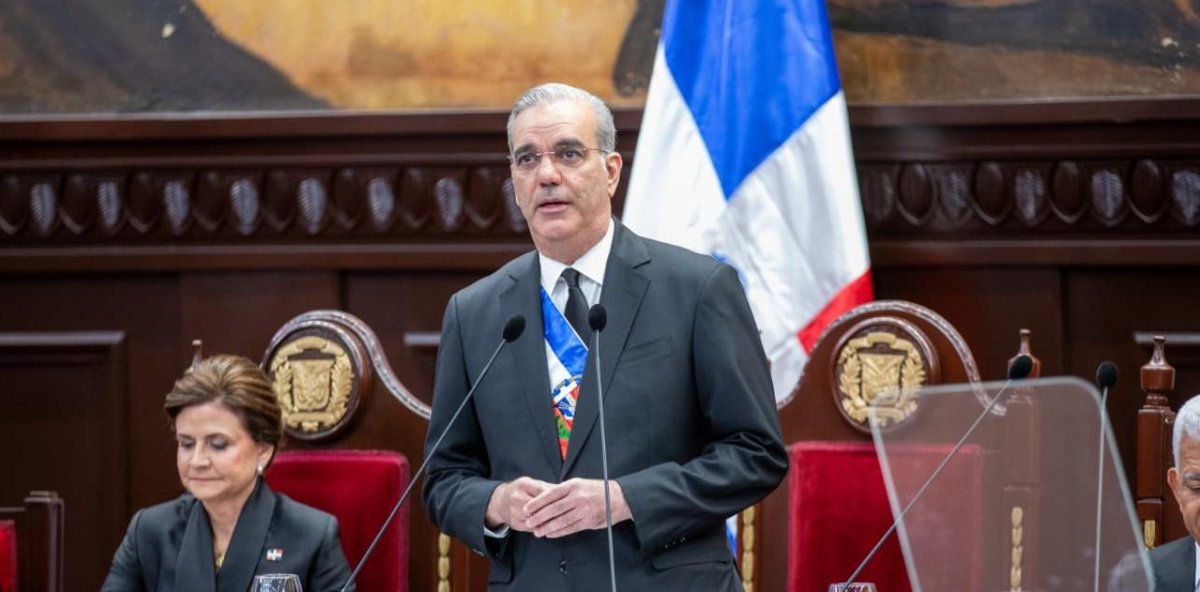
    President Luis Abinader announced during his accountability address that the mining sector generated over US$2.6 billion in exports—representing a remarkable 52% increase compared to the previous year. This performance solidifies mining as one of the country’s primary generators of foreign exchange and a cornerstone of its economic development strategy.

    Concurrently, exploratory efforts for rare earth elements—a group of 17 minerals critical for manufacturing advanced technologies including smartphones, semiconductors, space industry components, and military applications—are yielding increasingly optimistic results. Initial findings have confirmed gross deposits exceeding 150 million tons, with international laboratories verifying exceptional purity levels and extraction feasibility that rank among the world’s most promising reserves.

    The President revealed that formal mineral resource determination will be finalized this year, with reserve certification scheduled for completion by the first quarter of 2025. This timeline will pave the way for subsequent exploitation and refining phases, potentially establishing the Dominican Republic as a significant global player in the strategic rare earth market.

    Beyond their technological significance, these mineral resources could become the nation’s primary non-tax revenue source, creating a substantial strategic income stream. The mining sector’s success has already attracted substantial foreign investment, with US$556 million flowing into mining operations between January and September, while the energy sector received over US$1.01 billion during the same period. Combined, these sectors accounted for approximately 40% of total foreign direct investment, demonstrating strong international confidence in the country’s resource development capabilities.

  • Inflatie in januari licht gestegen; jaarinflatie op 11%

    Inflatie in januari licht gestegen; jaarinflatie op 11%

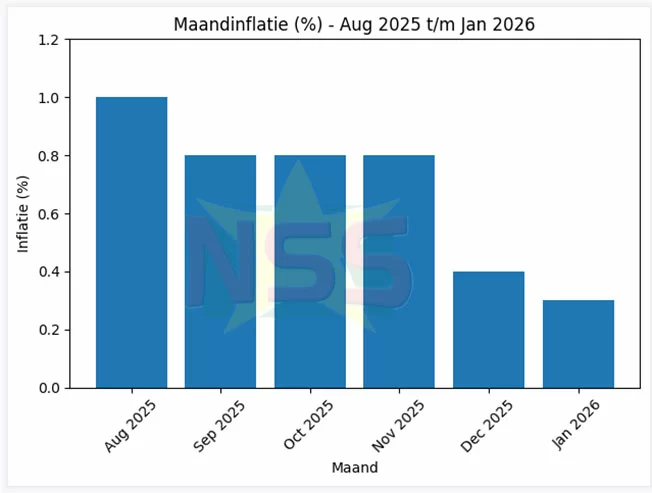
    January 2026 witnessed a continued upward trajectory in consumer prices, with official data revealing a 0.3% month-over-month increase from December 2025. The more striking figure emerges from the annual comparison, showing prices have surged by 11% compared to January of the previous year, indicating persistent inflationary pressures within the economy.

    The Consumer Price Index (CPI), a crucial gauge of inflation, climbed to 934.3 points in January from 931.4 the preceding month. This incremental monthly rise masks the substantial year-on-year price growth that continues to affect consumers’ purchasing power.

    Analysis of spending categories reveals uneven price movements across different sectors. The most significant increases were recorded in housing and utilities, alongside alcohol and tobacco products. Conversely, the transportation sector experienced a slight reprieve with modest price decreases, providing some relief to consumers in this category.

    The overall inflation rate, while appearing relatively moderate in monthly terms, conceals considerable volatility at the product level. Certain goods and services have actually become more affordable, while others have undergone substantial price hikes, creating a mixed experience for consumers depending on their spending patterns.

    These inflation metrics are derived from comprehensive monthly price collections covering a wide basket of goods and services across seven districts. Notably, the regions of Marowijne, Brokopondo and Sipaliwini are excluded from these measurements, areas where prices are reportedly significantly higher, suggesting the reported inflation figures may not fully capture the economic reality across all demographic and geographic segments.

  • US$ 180 miljoen uit obligatie-uitbreiding voor sociale en economische projecten

    US$ 180 miljoen uit obligatie-uitbreiding voor sociale en economische projecten

    Suriname’s Ministry of Finance has announced that approximately $180 million from its recently expanded $265 million state bond will be directed toward critical social and economic development projects. Finance Minister Adelien Wijnerman detailed the allocation during a press conference on Friday, emphasizing that these funds are specifically earmarked for capital investments rather than operational expenses like salaries or subsidies.

    The 10-year bond extension, maturing in 2035 and carrying an 8.5% interest rate, has already been deposited into a dedicated account. These resources are strictly designated for pre-approved initiatives across several key sectors:

    – Healthcare: Strengthening hospital infrastructure, enhancing primary care services, and improving access to essential medicines
    – Education: Renovating school facilities, upgrading sanitation systems, and implementing digital learning support
    – Government Digitalization: Modernizing public services while increasing transparency and revenue collection capabilities
    – Agriculture and Food Security: Boosting agro-processing capabilities and reinforcing local production systems
    – SME and Youth Programs: Creating financing opportunities for emerging entrepreneurs
    – Energy and Basic Utilities: Supporting improved energy and drinking water infrastructure for schools and healthcare institutions

    While exact sectoral distributions remain under discussion, Minister Wijnerman confirmed that project specifications are being finalized in collaboration with relevant ministries.

    A portion of the total bond amount will address outstanding commercial debts, allowing the government to further reduce previous obligations. The bond’s semi-annual interest payments amount to approximately $11.3 million, with the first payment scheduled for May 2026. Notably, interest payments for the initial 2.5 years have been incorporated into the borrowed amount, meaning they will be drawn from the reserved special account rather than impacting the current operational budget.

    Minister Wijnerman defended the strategic timing of these investments, stating they are essential for strengthening social infrastructure ahead of anticipated oil revenues expected from 2028 onward. Although the bond expansion increases the national debt burden, the minister emphasized that previous refinancing operations and extended repayment terms have created additional fiscal space for these development priorities.

  • Sugar planters prepare for first cut

    Sugar planters prepare for first cut

    Barbados is poised to commence its 2026 sugar cane harvest in early March, with comprehensive preparations underway to ensure operational readiness across the industry. Agriculture Minister Dr. Shantal Munro-Knight confirmed the imminent start while addressing journalists during the Agrofest agricultural exhibition at Queen’s Park on Friday.

    The minister revealed that operational assessments are currently in progress, including a personal inspection of Portvale Factory’s facilities to verify complete preparedness for the upcoming season. “Within another week and a half, we will be officially starting the sugar crop,” Dr. Munro-Knight stated, adding that a specific commencement date would be formally announced shortly.

    This year’s harvest forms part of a broader strategic initiative to modernize Barbados’ agricultural sector while maintaining respect for traditional practices. The minister emphasized the critical balance between technological innovation and preservation of historical knowledge, advocating for a resilient agricultural value chain that incorporates both elements.

    The Barbados Sugar Industry Limited (BSIL) has confirmed its members’ readiness for the harvesting season. Chairman Mark Sealy reported that associated cane farmers have completed essential preparatory work, including equipment maintenance and insurance arrangements, awaiting only the official start signal.

    According to industry projections, BSIL-affiliated farmers are expected to yield approximately 66,000 tonnes of sugar cane this season. The modernized industry—which has evolved from its historical roots in enslaved labor through various phases of agricultural development—now operates with complete mechanization, eliminating manual cane cutting entirely.

  • PM Says BCWJ Exploiting Dispute, Urges End to Standoff

    PM Says BCWJ Exploiting Dispute, Urges End to Standoff

    Belize City, February 27, 2026 – A protracted severance dispute between Belize Telecommunications Limited (BTL) and former employees has escalated to involve the highest levels of government, with Prime Minister John Briceño calling for immediate resolution while accusing the Belize Communication Workers for Justice (BCWJ) of exploiting the situation.

    The conflict centers on outstanding severance payments and accumulated interest for former BTL workers. Prime Minister Briceño emphasized that BTL has already committed to paying the base severance amounts, regardless of potential court outcomes, but expressed concern over the BCWJ’s insistence on six percent interest payments dating back to a Caribbean Court of Justice (CCJ) ruling.

    “I do believe that the BCWJ is taking advantage of the situation and demanding the six percent interest,” stated Briceño during a phone interview. “BTL has offered to settle with any qualified employees who provide evidence of eligibility, including severance plus six percent interest from the CCJ ruling date. I consider this fair and urge the group to settle.”

    Meanwhile, negotiations between BCWJ and BTL have collapsed, prompting the workers’ group to seek the Prime Minister’s direct intervention. BCWJ organizers Michael Augustus and Emily Turner contend that while they have compromised during negotiations, BTL has remained inflexible. They argue that as the government appoints BTL’s board members, the administration bears responsibility for resolving the standoff.

    Turner highlighted the financial dimensions of the dispute: “BTL calculated the amount owed beyond six years at approximately $4.8 million. Even doubling that figure remains under $10 million—a manageable sum for the company.”

    The impasse has raised questions about BTL’s priorities, with Union Senator Glenfield Dennison criticizing the company’s preference for legal battles over settlement. “They appear willing to pour money into legal fees rather than compensate the hardworking Belizean people who built BTL,” Dennison remarked, suggesting the company might be making either an intentional miscalculation or demonstrating incompetence.

    With both sides entrenched in their positions, the dispute continues to highlight tensions between corporate governance, worker rights, and government oversight in Belize’s telecommunications sector.