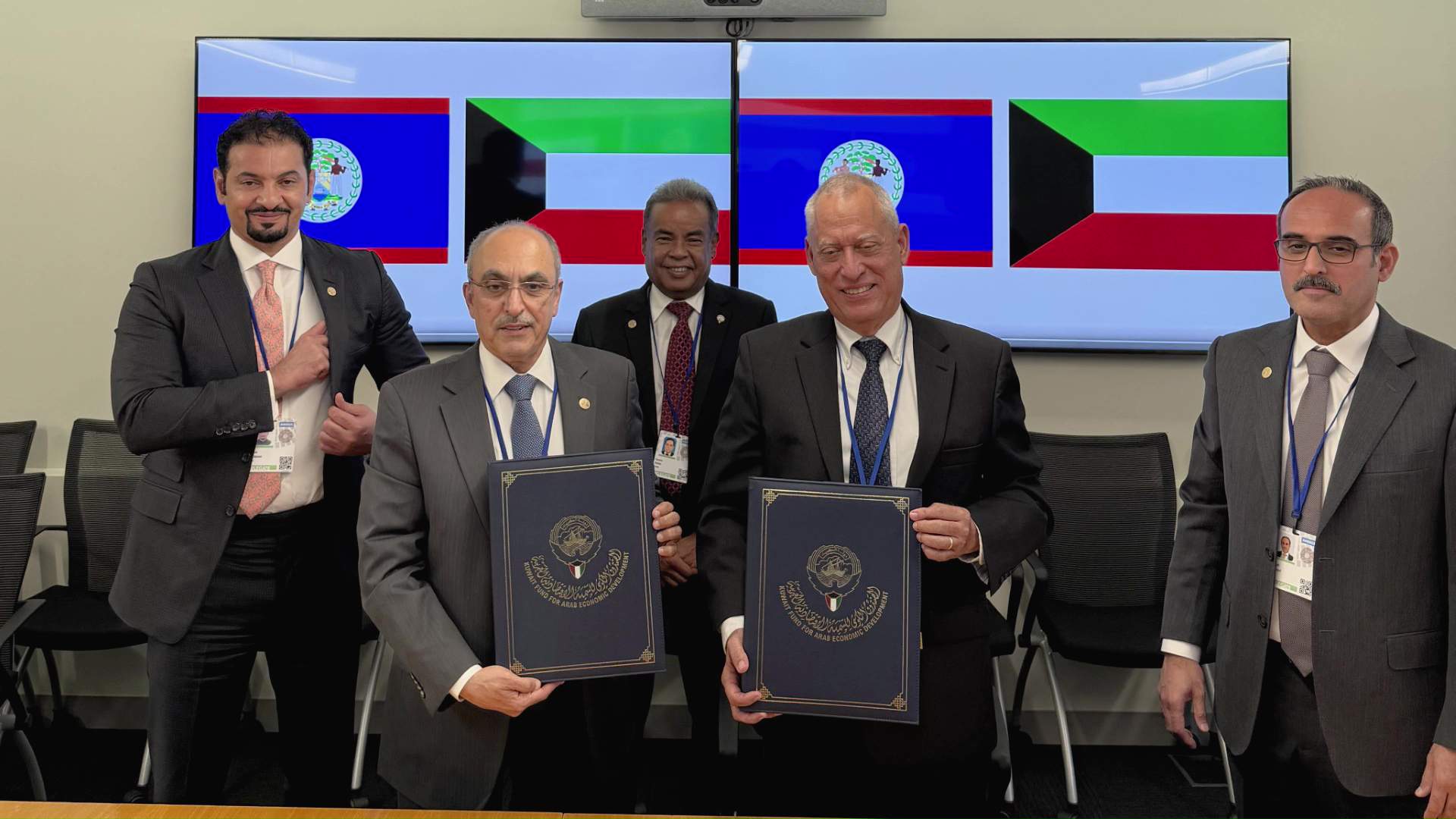
Belize has taken a significant step toward enhancing its transportation infrastructure with a $12.5 million loan agreement signed with the Kuwait Fund for Arab Economic Development. The funding, secured during the World Bank and IMF Annual Meetings, will be allocated to modernize an 18-mile segment of the George Price Highway, stretching from Belmopan to La Democracia. The ambitious project includes the construction of new service lanes, upgraded bridges, and 16 dedicated bus stop lanes, all aimed at improving safety, efficiency, and convenience for commuters and trade activities. This collaboration builds on a long-standing partnership between Belize and Kuwait, which dates back to the 1990s. Over the decades, the Kuwait Fund has supported Belize in developing critical roadways such as the Southern Highway, the Hummingbird Highway, and the Caracol Road. The agreement was formalized by Belize’s Financial Secretary, Joseph Waight, and Waleed Al-Bahar, Acting Director General of the Kuwait Fund. This initiative underscores Belize’s commitment to advancing its infrastructure and fostering economic growth through strategic international partnerships.
分类: business
-
Economy : BRH presents Haiti’s progress to the IMF
On October 13, 2025, during the Annual Meetings of the International Monetary Fund (IMF) and the World Bank, the Bank of the Republic of Haiti (BRH) engaged in high-level discussions with IMF officials to highlight Haiti’s economic advancements and future collaboration prospects. The meeting, held in Washington, D.C., featured Ronald Gabriel, Governor of the BRH, and Alfred Métellus, Haiti’s Minister of Economy and Finance, alongside key IMF representatives including Nigel Clarke, Deputy Managing Director; André Roncaglia, Executive Director for Haiti; and Camillo Tovar, Mission Chief. The discussions centered on the second review of the Staff Monitored Program (SMP) and explored avenues for continued support in Haiti’s economic and institutional reforms. Governor Gabriel outlined Haiti’s significant achievements, such as maintaining zero monetary financing to ensure fiscal discipline, enhancing the prudential framework with anti-money laundering measures, stabilizing the exchange rate, advancing financial inclusion strategies, and bolstering foreign exchange reserves. These efforts underscored Haiti’s commitment to macroeconomic stability and institutional strengthening. The meeting reinforced the collaborative spirit between Haiti and the IMF, paving the way for sustained reforms and economic recovery.
-

Abiamofo: Bemoedigende resultaten bij biedingsronde voor nieuwe offshoreblokken
The Surinamese government has taken a significant step forward in its offshore oil exploration efforts, as the State Oil Company (Staatsolie) presented the outcomes of the recent bidding round for shallow offshore blocks 9 and 10. The presentation, held at the Cabinet of the President on Monday, was attended by key stakeholders, including Natural Resources Minister David Abiamofo, who described the results as ‘encouraging.’
The bidding process, which ran from November 2024 to May 2025, targeted oil exploration in shallow waters off Suriname’s coast. International oil companies (IOCs) were invited to submit proposals for the two blocks. Following the conclusion of the bidding period, an independent evaluation committee reviewed the submissions and prepared recommendations, which were subsequently presented to the government by Staatsolie.
Minister Abiamofo revealed that the proposal will be further discussed in the Council of Ministers on Wednesday. ‘What I can already say is that the results are encouraging. Multiple bids were received, and for each block, a different international consortium has been proposed as the operator,’ he stated in a release from Suriname’s Communication Service. The minister emphasized that the current focus is on oil exploration and production, with the potential presence of associated natural gas to be addressed in later development phases.
This bidding round is part of Staatsolie’s broader strategy to develop Suriname’s offshore potential and attract new investors in anticipation of expected oil production in the coming years. The initiative underscores the country’s commitment to leveraging its natural resources for economic growth and energy development.
-
VS: Surinaams investeringsklimaat verbetert; hervormingen en olieproject stuwen vertrouwen
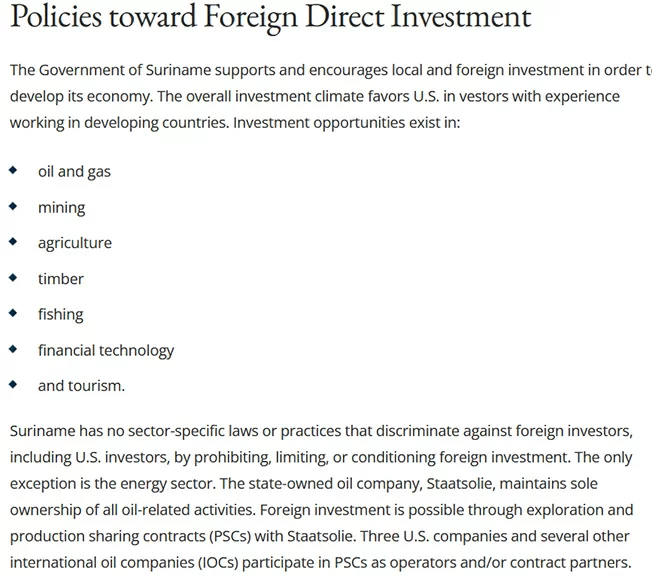
Suriname has witnessed a significant enhancement in its investment climate over the past year, driven by economic reforms, rising investor confidence, and growing foreign interest, particularly in the energy sector. This is highlighted in the 2025 Investment Climate Statements: Suriname, published by the U.S. Department of State. The report underscores a breakthrough in offshore oil development, with TotalEnergies and APA Corporation spearheading a USD 10.5 billion project set to commence production by 2028. Other major oil companies, including Chevron, Petronas, Shell, and PetroChina, are also active in Suriname’s concessions. In the gold mining sector, Newmont and Zijin dominate as the largest legal operators, with taxes from the regulated gold industry contributing approximately 80% of state revenues. The successful completion of the IMF’s Extended Fund Facility (EFF) program in March 2025 has stabilized the macroeconomy, with economic growth hovering around 3% and inflation dropping below 10% from a peak of 60% in 2021. The government has also restructured external debt through agreements with the Paris Club and China. Key reforms include the independence of the central bank, modernization of the currency framework, and the introduction of VAT in 2023. Additionally, a new procurement law, accounting act, and sovereign wealth fund act were enacted to enhance transparency. However, challenges persist, including opaque approval processes for foreign direct investment, corruption risks, stringent labor protections, and a high corporate tax rate of 36%. The report emphasizes that sustained institutional reforms, macroeconomic stability, and infrastructure investments are crucial to maintaining investor interest.
-

Mathias: Jolly Beach Investment to Strengthen Social Security’s Cash Flow
The Antigua and Barbuda government has announced a strategic investment in the Jolly Beach Resort, aimed at bolstering the nation’s Social Security pension fund. David Mathias, Executive Director of the Antigua and Barbuda Social Security Board, revealed that the initiative is designed to generate reliable returns without tapping into contributors’ funds. Speaking on the program ‘Government in Motion,’ Mathias emphasized that the arrangement focuses on enhancing cash flow through ownership and dividends rather than direct spending. He clarified that the government will finance and redevelop the property, subsequently transferring equity to the Social Security Board, thereby making it a major stakeholder in the venture. The fund is expected to earn income from hotel operations and potential future dividends. This partnership marks a shift toward sustainable, income-producing assets to address growing pension liabilities, driven by longer retiree lifespans and increasing average payments. Mathias highlighted that the investment is part of a broader strategy to stabilize the scheme’s reserves and ensure timely benefit payments for retirees.
-
Belize Inks US$12.5 Million Deal with Kuwait to Upgrade George Price Highway
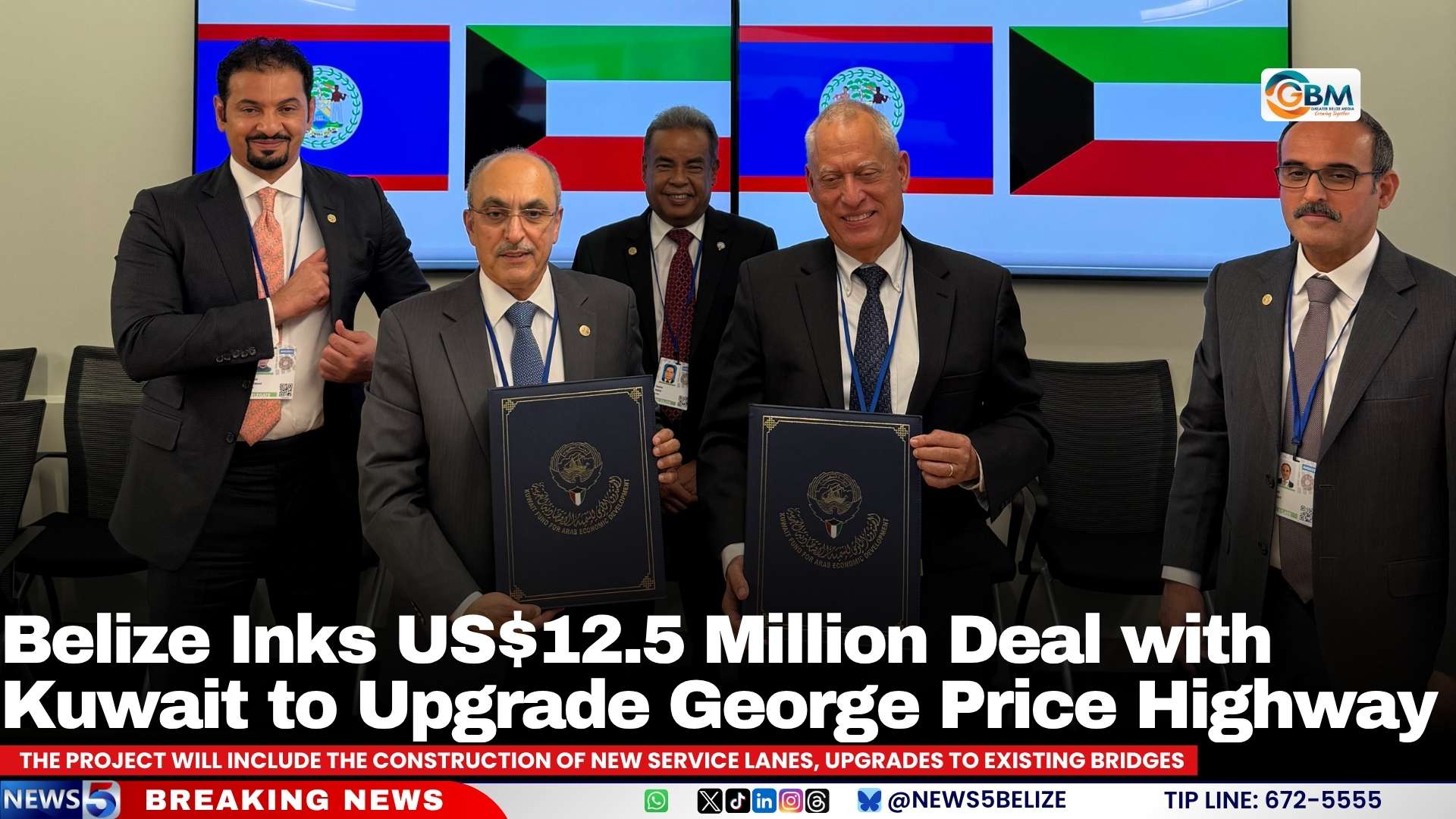
Belize has taken a significant step toward enhancing its transportation infrastructure with a new $12.5 million loan agreement signed with the Kuwait Fund for Arab Economic Development. The funds will be allocated to upgrade an 18-mile stretch of the George Price Highway, a critical roadway connecting Belmopan and La Democracia. The project encompasses the construction of new service lanes, improvements to existing bridges, and the addition of 16 bus stop lanes to enhance public transit accessibility. The agreement was formalized by Joseph Waight, Belize’s Financial Secretary, and Waleed Sh. Al-Bahar, Acting Director General of the Kuwait Fund. This collaboration marks another milestone in the longstanding partnership between Belize and Kuwait, which has previously supported major infrastructure initiatives, including upgrades to the Southern Highway, Hummingbird Highway, and Caracol Road. The project is expected to bolster economic growth, improve road safety, and facilitate smoother transportation for residents and businesses alike.
-
BANKS PUSH BACK AGAINST REGULATORY ONSLAUGHT
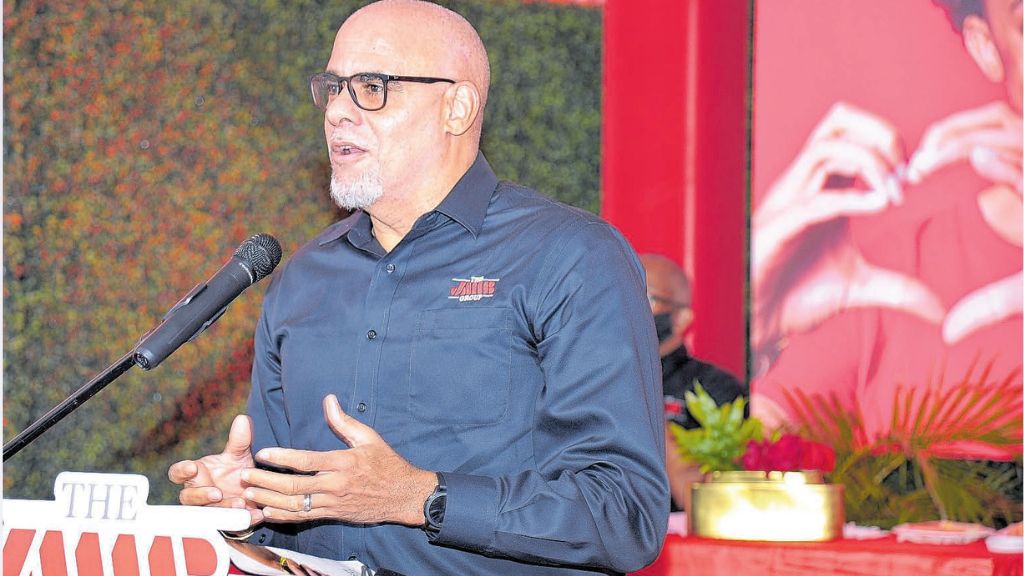
Jamaican financial institutions are pressing regulators to synchronize the implementation of new capital and liquidity regulations, citing the rapid pace of reforms as a significant compliance burden that could erode profitability. Keith Duncan, CEO of JMMB Group Ltd, one of Jamaica’s largest financial entities, emphasized this concern during the company’s 12th annual general meeting (AGM) on Friday. Duncan highlighted that over 100 policy reforms have been introduced in the past decade, creating substantial operational challenges for the sector. While these measures aim to enhance financial stability, their accelerated rollout has strained resources, particularly for smaller institutions. The Bank of Jamaica (BOJ) is currently advancing a series of reforms, including Basel III capital standards, a ‘twin peaks’ regulatory model, and new liquidity requirements for financial holding companies (FHCs). These changes, though beneficial in the long term, are driving up costs and limiting capital deployment flexibility. Duncan urged regulators to adopt a collaborative approach, ensuring reforms are sequenced to minimize the burden on the industry. The BOJ is also developing a special resolution regime (SRR) to address failing financial institutions, though its funding mechanism remains contentious. Additionally, the Financial Services Commission (FSC) has introduced reforms to exposure limits for collective investment schemes and dividend declarations by securities dealers. While these measures aim to strengthen the financial system, they may lead to higher compliance costs, potentially passed on to consumers. The JMMB Group CEO called for a balanced regulatory framework to safeguard profitability and shareholder returns.
-

Jamaica’s inflation rises by 0.8% in September, driven by food and housing
KINGSTON, Jamaica — Jamaica’s consumer prices surged by 0.8 per cent in September, according to the Statistical Institute of Jamaica (STATIN). This increase, driven by escalating costs in food, housing, and education, has elevated the annual point-to-point inflation rate to 2.1 per cent for the period spanning September 2024 to September 2025. The education sector witnessed the most pronounced monthly price hike, soaring by 5.6 per cent, primarily due to higher tuition fees at private primary schools as the new academic term commenced. The housing, water, electricity, gas, and other fuels category also saw a 1.0 per cent rise, reflecting increased electricity rates and rental expenses. Food and non-alcoholic beverage prices climbed 0.9 per cent, largely influenced by higher costs for agricultural produce such as sweet potatoes, tomatoes, carrots, and cabbages. Over the twelve months leading to September 2025, the housing division and restaurant and accommodation services were the primary contributors to the 2.1 per cent inflation rate, with increases of 4.8 per cent and 4.1 per cent, respectively. Food and non-alcoholic beverages experienced a more modest annual rise of 0.7 per cent. Regional disparities in inflation were evident, with the Greater Kingston Metropolitan Area recording the highest monthly increase at 1.0 per cent, compared to 0.8 per cent in other urban centres and 0.6 per cent in rural areas. Additional sectors facing upward pressure included transport, which rose 0.3 per cent due to higher petrol prices and toll fees, and personal care goods and services, which increased by 0.5 per cent. These rises were partially mitigated by stability or deflation in other categories. The information and communication division remained unchanged for the month but declined by 5.8 per cent year-on-year, while insurance and financial services showed no monthly or annual variation. The Consumer Price Index (CPI), which tracks changes in the general level of prices for goods and services purchased by households, underscores the ongoing economic challenges faced by Jamaican consumers.
-

Jamaica eyes new port in St Thomas to tap Guyana’s building boom
The Port Authority of Jamaica (PAJ) is actively considering the development of a new export port in St Thomas, a strategic move aimed at positioning Jamaica as the leading supplier of construction materials across the Caribbean. This initiative is particularly targeted at Guyana, where an oil-driven infrastructure boom has created unprecedented demand for aggregates, limestone, and cement. PAJ Chairman Alok Jain revealed these plans during a recent address at the Institute of Chartered Accountants of Jamaica (ICAJ) annual business conference, emphasizing the need for additional ports to meet regional demands. While a specific timeline remains undisclosed, Jain highlighted the importance of locating ports near mining sites to minimize transportation costs and logistical challenges. The St Thomas port is envisioned as a dedicated bulk export facility, designed to streamline the movement of heavy materials to regional buyers. This development aligns with Prime Minister Andrew Holness’s March 2023 call for local quarry operators to expand production to serve Caribbean markets, particularly Guyana. Guyana’s infrastructure projects have surged in recent years, driven by its oil wealth, leading to a 250% increase in gravel and crushed stone imports in 2023, totaling $47 million. While Suriname’s State-owned Grassalco has been a primary supplier, Guyana has also sought materials from Jamaica and other Caribbean nations. The proposed St Thomas port is part of a broader strategy to transform Jamaica into a global logistics hub, with Jain envisioning the island as the fourth global logistics node after Singapore, Dubai, and Rotterdam. This ambition is supported by significant investments in Jamaica’s port infrastructure, including over $400 million in the Kingston Freeport Terminal since 2016 and the development of the Caymanas Special Economic Zone, a modern logistics and light-manufacturing hub. Jain believes that shifting global trade dynamics, including tariff upheavals and supply chain disruptions, present a unique opportunity for Jamaica to leverage its geographic advantage and emerge as a key player in international trade.
-

Observer and Gleaner move to sign joint venture agreement
In a landmark move aimed at optimizing operational efficiency, Jamaica Observer Limited (JOL) and Gleaner Company Media Limited (GCML) have announced plans to establish a formal joint venture (JV) by the end of the calendar year. This collaboration follows the signing of a Memorandum of Understanding (MOU) in early August, which initiated a feasibility study into shared logistics and production services. The MOU explored the potential for consolidating printing, distribution networks, and other operational processes to achieve cost savings, improved delivery timelines, and enhanced consumer service.
Anthony Smith, Chief Executive Officer of the RJRGleaner Communications Group, emphasized the strategic nature of the partnership, stating, ‘Our JV discussions have focused on coordinating efficient printing and distribution logistics, as well as establishing processes that ensure the stability and integrity of both operations.’
Dominic Beaubrun, Managing Director of JOL, highlighted the transformative potential of the venture, noting, ‘This JV represents a practical and forward-thinking approach to preserving the industry. Our companies recognize the exponential benefits this collaboration will bring.’
Despite the joint venture, both companies will retain their independence, with separate ownership, operations, and editorial control. The Gleaner, established in 1834, and the Jamaica Observer, founded in 1993, will continue to deliver high-quality journalism and maintain their unique identities while leveraging the efficiencies of the shared logistics model. This partnership marks a significant step in the evolution of Jamaica’s media landscape, setting a precedent for innovative collaboration in the industry.