
KINGSTON, Jamaica — Scotia Jamaica Investments Limited (SIJL) has emerged as the undisputed market leader within Jamaica’s collective investment schemes (CIS) industry, cementing its position following a sustained period of robust expansion in assets under management. Financial data reveals the firm now commands a formidable 32.8 percent market share as of December 2025, marking a significant surge from its 24.6 percent standing recorded in 2020. This translates to an impressive growth of over eight percentage points across the five-year timeframe, underscoring a remarkable upward trajectory. Marie Lyn James, Head of Investment Management for the Caribbean and Central America, attributed this market dominance to unwavering investor confidence in the company’s diverse portfolio offerings. She expressed considerable enthusiasm about the achievement, stating it serves as a powerful endorsement of the firm’s commitment to crafting tailored investment solutions that enable clients to nurture and expand their portfolios consistently, even amidst fluctuating market conditions. James further noted that escalating investor engagement with SIJL’s products signifies a growing perception of the company as a trusted, long-term financial ally. Operating as a subsidiary of Scotia Group Jamaica, SIJL delivers comprehensive investment advisory and wealth management services to both individual and institutional clients. The corporation credits its sophisticated portfolio management and personalized client advisory services as pivotal drivers behind its ascendance in the CIS segment. Adding to its accolades, the firm was honored with the prestigious Best Pension Fund Manager in Jamaica and the Caribbean award by World Finance in 2025, recognizing its exemplary performance in managing retirement assets throughout the region. Under the leadership of Chief Executive Officer Sabrina Cooper, SIJL has pioneered the introduction of an innovative ‘Total Wealth Approach.’ This globally-informed wealth management framework empowers the company’s wealth advisers to transcend conventional investment paradigms, facilitating a holistic assessment of a client’s financial aspirations. This comprehensive strategy encompasses critical areas such as retirement planning, estate considerations, liquidity requirements, and the intricacies of generational wealth transfer. Collective investment schemes, which aggregate capital from numerous investors to deploy across diversified portfolios including equities, bonds, and other securities, form the cornerstone of this rapidly expanding sector.
分类: business
-
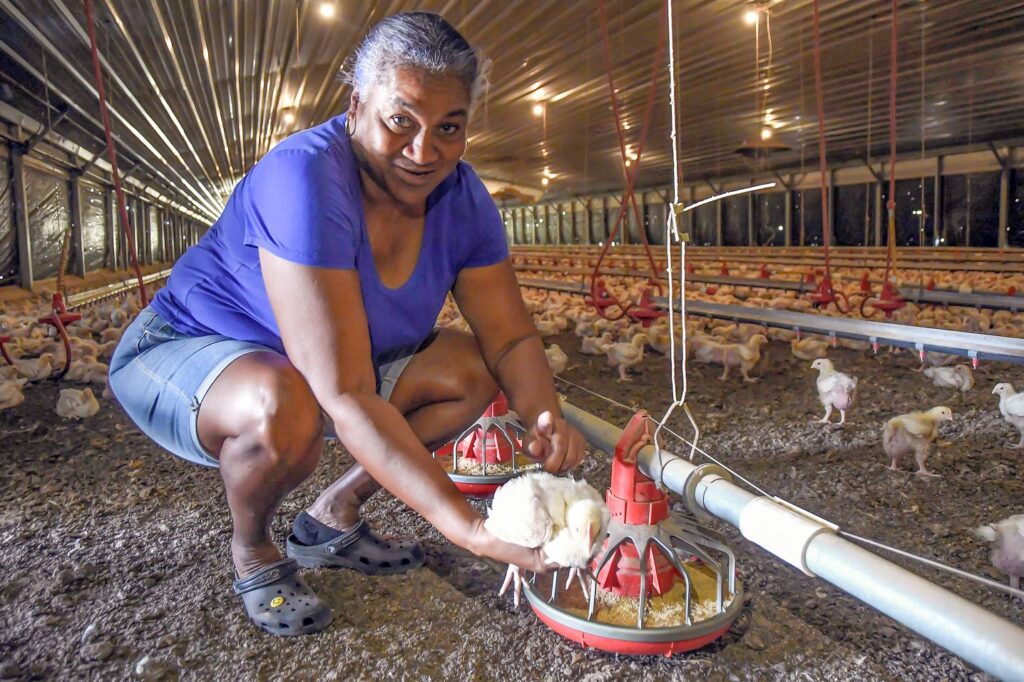
Poultry producers warn against extending chicken import waivers
Jamaica’s poultry producers are mounting pressure on the government to terminate emergency import concessions on chicken and eggs, asserting that these measures have surpassed their original purpose and now threaten to undermine local agricultural recovery efforts following Hurricane Melissa.
The temporary waivers, which suspended duties and General Consumption Tax on specific food imports to address post-hurricane shortages, were initially scheduled to conclude in February. Agriculture officials have recently suggested a potential extension through May as a precautionary measure.
Industry data reveals a remarkable production rebound, with weekly chicken output projected to reach 3-3.1 million kilograms by late March—significantly exceeding last year’s 2.7 million kilograms during the same period and surpassing typical supply levels.
Dave Fairman, Vice-President of Jamaica Broilers Group’s Best Dressed Chicken Division, confirmed to media outlets: “We feel fairly confident that current supplies exceed normal annual availability levels.”
While producers acknowledge the initial necessity of emergency measures to stabilize food supplies after widespread damage to farms and livestock operations across multiple parishes, they contend that extending import concessions would disadvantage local farmers who have invested substantially in rebuilding operations. These recovery efforts have been supported by government agencies, private sector initiatives, and aid organizations.
Jaimie Ogilvie, Vice-President of Jamaica Broilers Group’s Hi-Pro Division, emphasized the broader implications: “This extends beyond poultry products to encompass the entire agricultural sector. Farmers are expressing concerns about onions, tomatoes, and vegetables. Our import policy must strike a balance—we cannot allow imported products to compete with local production while attempting to resuscitate domestic agriculture.”
The hurricane disproportionately affected small-scale farmers, who contribute approximately 30-35% of Jamaica’s chicken supply. Many operations in western parishes—including St Elizabeth, Westmoreland, Hanover, St James, and Trelawny—suffered catastrophic losses of infrastructure and livestock.
Industry recovery has been accelerated through coordinated support programs that provided construction materials, increased chick distributions, and technical assistance. Jamaica Broilers alone supplied 17% more baby chicks to small farmers in January and 15% more in February compared to typical levels, while government agencies distributed approximately 80,000 chicks.
Current market challenges primarily reflect distribution imbalances rather than actual shortages, according to industry representatives. While some western regions continue experiencing reduced demand due to ongoing hotel and business recovery, other areas have developed surplus supplies. The Rural Agricultural Development Authority has been facilitating regional distribution networks to address these disparities.
The egg market faces similar complications, with temporary import approvals leading to market oversupply. Hurricane Melissa resulted in the loss of approximately 400,000 laying hens, prompting limited import permissions to prevent shortages. However, imported eggs—particularly medium-sized products from the United States—are now entering the market below local production costs, creating temporary gluts that disadvantage Jamaican egg farmers.
-

Greython Construction Ltd vacancy: Construction Superintendent
A prominent development firm has announced an opening for a Construction Superintendent position to lead operations on an upcoming luxury hotel and resort project. This senior role requires oversight of all on-site activities, with a focus on maintaining stringent quality standards and project timelines.
The successful applicant will be tasked with managing subcontractor teams, coordinating multiple trade disciplines, and enforcing rigorous safety protocols. A critical component of the position involves ensuring all construction work aligns precisely with approved architectural drawings and specifications, particularly for high-end finishings.
Qualifications for this leadership position mandate a minimum decade of construction management experience, with a demonstrated history of delivering large-scale hospitality or commercial developments. Specialized expertise in reinforced concrete structures, mechanical-electrical-plumbing systems integration, and luxury interior finishes will receive preferential consideration.
The application window remains open on a rolling admission basis until March 24, 2026. Prospective candidates must email their curriculum vitae with accompanying cover letters to the dedicated hiring address: hr@greythonconstruction.gd. All communications must include the exact subject line ‘Construction Superintendent — Vacancy’ for processing.
While all applications receive acknowledgment, only shortlisted candidates will receive direct follow-up communication. This recruitment notice appears through NOW Grenada’s contributor platform, which disclaims responsibility for contributor content while providing abuse reporting mechanisms.
-

LISTEN: Antigua and Barbuda Set to Outpace Caribbean Neighbours, PM Says
Prime Minister Gaston Browne has articulated a compelling vision for Antigua and Barbuda’s economic trajectory, positioning the nation to surpass regional counterparts through strategic developmental initiatives. During a recent appearance on the Browne and Browne radio program, the leader detailed comprehensive government investments across critical sectors including infrastructure modernization, tourism expansion, and housing development.
Browne characterized the current period as the dawn of a national economic ‘renaissance,’ with tangible results expected to materialize within the coming years. ‘We are literally on the cusp of a transformative economic phase that will distinguish our growth trajectory from other Caribbean nations,’ Browne stated, emphasizing the foundational work completed over recent years.
The Prime Minister highlighted specific developmental projects demonstrating the scale of national investment, including tourism infrastructure enhancements in Jolly Harbour and Barbuda, alongside new residential communities and comprehensive infrastructure upgrades. These initiatives have already yielded positive outcomes, particularly within the tourism sector where cruise port expansions have driven increased visitor arrivals.
Browne’s economic strategy focuses on strengthening the nation’s economic foundation while simultaneously elevating living standards. The Prime Minister projected that by 2027-2028, the cumulative impact of current development projects will become increasingly evident, potentially transforming Antigua and Barbuda into one of the Caribbean’s most competitive and prosperous economies. This optimistic outlook stems from deliberate policy decisions and strategic investments designed to create sustainable long-term growth and regional economic leadership.
-

Government Plans Yepton’s Hotel Alongside Airbnb Investment Programme for Locals
The Antiguan government has unveiled a novel tourism development strategy designed to boost local economic participation through an innovative property initiative. Prime Minister Gaston Browne announced plans to transform a 15-acre beachfront parcel in Yepton’s into a dual-purpose tourism hub, featuring a government-developed 30-room boutique hotel alongside individually owned vacation rental properties.
This ambitious project, revealed during the ‘Browne and Browne’ radio program, represents a significant shift from traditional large-scale foreign investment models. Instead of selling the entire coastal property to a single developer, the administration has created what Browne termed an “inclusive ownership programme” that enables citizens to construct and operate Airbnb-style accommodations on subdivided lots adjacent to the hotel.
The prime minister explained that the prime beachfront land was acquired through a strategic asset swap with Global Bank of Commerce, resolving outstanding deposit obligations to the state. The development will feature a centrally located boutique hotel offering restaurant services and premium amenities, while individual lot owners will build small villas potentially equipped with plunge pools. All participants will share access to beachfront facilities and hospitality services connected to the hotel infrastructure.
“We provide an opportunity for people to get involved in the hotel space by building Airbnb properties,” Browne stated, emphasizing the government’s deliberate choice to distribute ownership opportunities broadly rather than concentrating benefits with a single investor. This approach marks a strategic effort to ensure Antiguans and Barbudans gain direct stakes in their nation’s lucrative hospitality industry, potentially creating new wealth streams for local families while expanding the country’s tourism accommodation capacity.
-
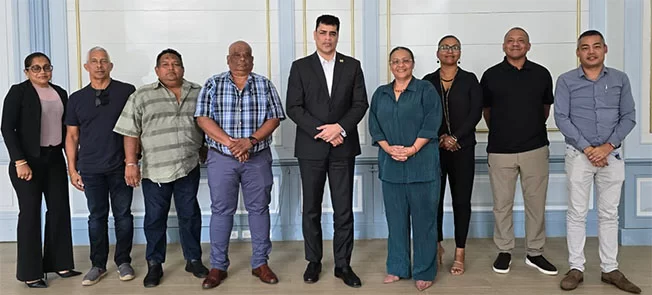
Groente-export zakt van 65 naar 15 ton per maand: sector vraagt actie
Suriname’s agricultural industry is confronting a severe crisis, with representatives from the Federation of Surinamese Agrarians (FSA) raising urgent alarms during a meeting with Parliamentary Chairman Ashwin Adhin. The sector, comprising various subsectors including vegetable exports, poultry, fisheries, and agricultural women’s and youth organizations, reported dramatic declines in production and export capabilities that threaten the nation’s food security and economic stability.
Statistical evidence presented during Monday’s meeting reveals a disturbing trend: vegetable exports have experienced a catastrophic decline from previous monthly averages of 65 tons to approximately 15 tons currently. The number of active exporters has similarly dwindled from 13 to just 7, indicating a sector in rapid decline. This alarming contraction demonstrates the vulnerability of Suriname’s agricultural infrastructure and the pressing need for policy intervention.
A central concern highlighted by sector representatives involves the dysfunctional state of agricultural institutions and the inadequate implementation of existing legislation. Particularly troubling is the complete operational halt at the National Food Safety Institute Suriname, which was unanimously established by the National Assembly in 2021 to provide essential food safety standards and controls. This institution’s inactivity represents a significant setback for quality assurance and international market access.
The poultry sector similarly emphasized the critical need to formalize developed standards into binding legislation to ensure professionalization and competitive capability. Meanwhile, the fisheries sector expressed concerns about developments at the Fish Inspection Institute, which despite maintaining a strong international reputation, faces internal challenges that threaten its effectiveness.
Governance structures within agricultural institutions emerged as another critical issue, with sector representatives noting that excessive government dominance often disrupts the intended strengthening function of these organizations. The FSA advocated for expert, professional, and neutral government representation within such institutions, with principles clearly embedded in legislation to ensure stability beyond political cycles.
Parliamentary Chairman Adhin acknowledged the sector’s concerns and emphasized the importance of robust, autonomously functioning institutions with government playing a facilitative and supervisory role. The FSA described the dialogue as constructive and open, expressing hope that the discussed challenges would lead to concrete measures to revitalize Suriname’s agricultural sector.
-

Antigua Cruise Port Reports 95% Completion of New Homeport Terminal, Phase Two Begins
Antigua Cruise Port has announced the near-completion of its state-of-the-art homeport terminal, with construction progress reaching 95% fulfillment. The milestone achievement signals the imminent operational readiness of this transformative infrastructure project designed to elevate the island’s status as a premier Caribbean cruise destination.
The terminal’s development represents a cornerstone initiative within the broader redevelopment strategy for Antigua’s port facilities. With structural work substantially finalized, attention now shifts to interior finishing, technological systems integration, and final compliance certifications necessary for passenger operations.
Concurrent with these concluding activities, port authorities have officially inaugurated Phase Two of their comprehensive development plan. This subsequent stage encompasses enhanced retail spaces, expanded passenger amenities, and upgraded logistical support facilities to accommodate larger vessel volumes and improve overall passenger experience.
The project’s advancement reinforces Antigua’s strategic positioning within the competitive cruise tourism market. Industry analysts anticipate the enhanced facilities will significantly increase passenger throughput, extend average visitor stays, and generate substantial economic benefits for local businesses and employment sectors.
Port management emphasizes that the development aligns with sustainable tourism practices, incorporating environmental considerations and community engagement components throughout its implementation. The project timeline remains on schedule for full operational capability within the coming months, coinciding with the region’s peak tourism season.
-
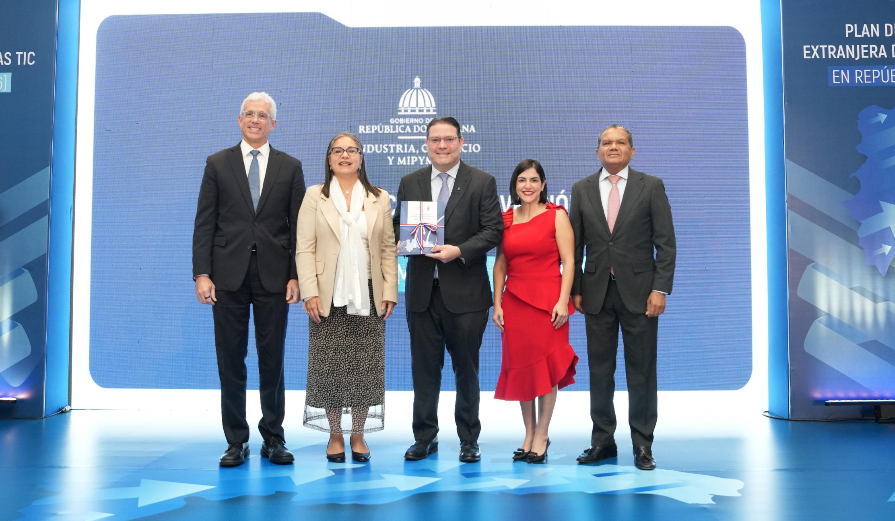
Government unveils strategy to attract high-tech foreign investment
The Dominican Republic has launched a comprehensive ten-year strategy designed to transform the nation into a premier destination for high-value digital investments in the Caribbean region. With technical support from the United Nations Development Programme (UNDP), the Ministry of Industry, Commerce and MSMEs (MICM) formally introduced the Foreign Direct Investment Attraction Plan for ICT Companies 2026–2036 during a high-level presentation in Santo Domingo.
This strategic blueprint outlines a detailed roadmap for integrating the Dominican Republic into global technology supply chains, specifically targeting four high-growth sectors: semiconductor manufacturing, specialized software development, Healthtech innovations, and advanced Business Process Outsourcing (BPO) services. Industry and Commerce Minister Yayo Sanz Lovatón emphasized the country’s unique competitive advantages during the unveiling, highlighting its strategic geographical location, robust digital infrastructure, and growing pool of technically skilled professionals as key factors for attracting international technology corporations.
The initiative represents a coordinated effort among multiple national institutions including ProDominicana, the National Council of Export Free Zones, and the Association of Foreign Investment Companies. Beyond immediate investment attraction, the plan aims to stimulate technological innovation, generate high-quality employment opportunities in STEM fields, and foster sustainable economic diversification. By aligning with international best practices in investment promotion, the Dominican government seeks to establish the country as a central node in the global digital economy landscape for the coming decade.
-

Travel : Philippe Bayard and Sunrise Airways honored in Berlin
BERLIN – In a landmark achievement for Caribbean aviation, Haitian airline Sunrise Airways and its founder Philippe Bayard have been distinguished with two prestigious international awards at the 2026 International Travel Awards. The ceremony, organized by the Pacific Area Travel Writers Association (PATWA), took place during the World Tourism Leaders’ Summit at ITB Berlin, the globe’s premier travel industry gathering.
Bayard received both the Gold Award for Excellence in Airline Leadership – Caribbean and the Best Airline – Caribbean award, recognizing his company’s transformative impact on regional connectivity. This dual honor represents a significant milestone for the Haiti-based carrier, which has dedicated over a decade to developing air links throughout the Caribbean basin.
In his acceptance speech, Bayard emphasized the symbolic importance of this recognition: “These international awards stand as tremendous honors for Sunrise Airways and our dedicated teams who work daily to bridge Caribbean communities. As a Haitian-founded enterprise, we take particular pride in fortifying connections between our islands and diaspora populations. Our objective remains unequivocal: to foster a more interconnected, accessible, and unified region through our One Caribbean vision.”
Established in 2012, Sunrise Airways has transported approximately 1.85 million passengers across an expanding network that includes Port-au-Prince, Cap-Haitien, Santo Domingo, Havana, Miami, and numerous other Caribbean destinations. The airline’s recent expansion into the Eastern Caribbean in April 2024 has further integrated Antigua, Saint Kitts, Dominica, and Saint Lucia into its operational framework.
The Pacific Area Travel Writers Association (PATWA), founded in 1999, is an internationally recognized professional media organization and UN Tourism affiliate that promotes sustainable development within the global travel sector. Their endorsement signals growing international recognition for Caribbean-based aviation initiatives challenging traditional transportation barriers in the region.
-

Grenada and tourism leaders win top honours at PATWA
Grenada achieved an extraordinary triumph at the prestigious PATWA International Travel Awards 2026, securing five distinguished honors during the 26th World Tourism Leaders’ Summit at ITB Berlin on March 4, 2026. The Caribbean nation’s comprehensive victory spanned destination excellence, ministerial leadership, and hospitality innovation, marking a significant milestone in global tourism recognition.
The island nation received the coveted Destination of the Year award for Caribbean Experiences, celebrating its unique tourism model built upon cultural authenticity, environmental sustainability, and immersive visitor engagement. This top honor reflects Grenada’s strategic positioning as a leader in responsible tourism development within the competitive Caribbean market.
Tourism Minister Adrian Thomas was honored as Tourism Minister of the Year for Sustainable Development, while Grenada Tourism Authority CEO Stacey Liburd received the Gold Award for Excellence in Destination Development. The hospitality sector shone equally bright, with Spice Island Beach Resort claiming Best All-Inclusive Resort and its President Janelle Hopkin earning the Gold Award Woman of the Year in Hospitality.
The awards ceremony, presided over by PATWA Secretary General Yatan Ahluwalia and Jamaica’s Tourism Minister Edmund Bartlett, highlighted Grenada’s holistic approach to tourism development. Minister Thomas emphasized the nation’s commitment to sustainability as a core survival strategy, stating: ‘In Grenada, sustainability is not a slogan; it is a survival strategy. Our tourism model is anchored in environmental protection, community empowerment and economic inclusion.’
GTA CEO Liburd attributed the recognition to collaborative efforts across public and private sectors, noting that Grenada’s success stems from its ‘approach grounded in authenticity, sustainability and community connection.’ The awards coincide with Grenada’s ongoing initiatives to strengthen its global tourism profile through strategic marketing and sustainable destination development.
As a vital economic pillar supporting livelihoods across hospitality, agriculture, and creative industries, Grenada’s tourism sector demonstrates how small island nations can achieve global excellence while maintaining environmental and cultural integrity. The PATWA recognition positions Grenada as a model for sustainable tourism development worldwide.