分类: business

  • Antigua Cruise Port to unveil new terminal this weekend

    Antigua Cruise Port to unveil new terminal this weekend

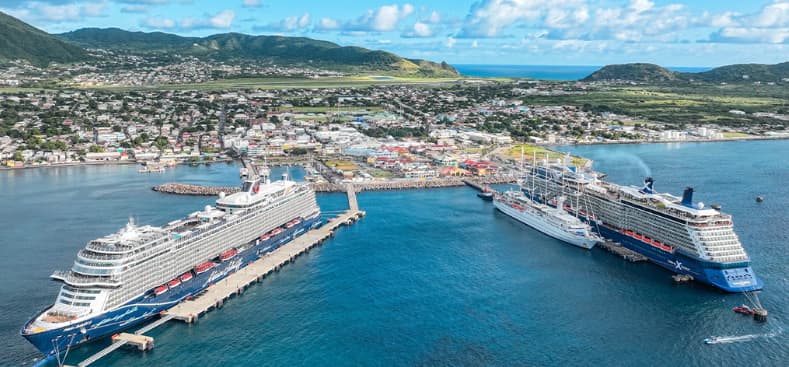
    Antigua and Barbuda is poised to enter a transformative phase in its cruise tourism sector with the official unveiling of its state-of-the-art cruise terminal scheduled for January 24, 2026. Antigua Cruise Port has announced preparations for the landmark reveal, which will showcase the culmination of a significant infrastructure project.

    The development represents a cornerstone of the broader Upland Development Project, a strategic collaboration between the Government of Antigua and Barbuda and Global Ports Holding, the world’s largest independent cruise port operator. This partnership underscores a mutual dedication to revolutionizing the island nation’s maritime facilities.

    Officials emphasize that the project was driven by a tripartite mission: to comprehensively modernize cruise infrastructure, elevate the overall passenger experience to world-class standards, and create lasting, sustainable economic advantages for local communities. The terminal’s design progressed through meticulous phases, evolving from initial conceptual frameworks into detailed architectural plans and final construction blueprints, all aimed at materializing a forward-looking vision for Antigua’s tourism economy.

    In the days preceding the grand opening ceremony, Antigua Cruise Port has committed to releasing a series of comprehensive updates. These communications are designed to chronicle the project’s extensive journey from its original conception through to its final completion, highlighting the milestones achieved and the anticipated impact on the nation’s tourism landscape.

  • Antigua And Barbuda Tourism Authority Hosts U.S. Travel Advisory Board

    Antigua And Barbuda Tourism Authority Hosts U.S. Travel Advisory Board

    The Antigua and Barbuda Tourism Authority (ABTA) recently concluded a strategic on-island retreat for its U.S. Travel Advisory Board, bringing together prominent travel advisors from key American markets. The immersive program combined destination experiences with high-level strategic discussions aimed at strengthening trade relationships and enhancing the islands’ tourism appeal.

    Led by Dean Fenton, U.S. Director for ABTA, the retreat served as the final on-island meeting for the current Advisory Board before new appointments in March. The carefully orchestrated agenda featured comprehensive site inspections at premier resorts including Blue Waters Resort & Spa and Hodges Bay Resort & Spa, where board members evaluated accommodation standards and held strategic planning sessions with ABTA leadership.

    The experiential component showcased Antigua and Barbuda’s diverse tourism offerings through curated culinary experiences at renowned establishments including The Palm, The Cove, and White Sands Restaurant. Participants enjoyed a sailing excursion aboard the Excellence Catamaran, explored St. John’s shopping district, visited Prickly Pear Island, and experienced beachfront dining at The Hut. The program concluded with a dinner at Mamma Mia, highlighting the islands’ vibrant culinary scene.

    Beyond commercial activities, the retreat incorporated community engagement initiatives including a beach clean-up at Jabberwock Beach and a donation of supplies to the Denis Bowers Rehabilitation Centre. Minister of Tourism, Civil Aviation, Transportation and Investment, The Honourable Charles Fernandez, personally met with the group, expressing appreciation for their support and participation in these responsible tourism efforts.

    The current Advisory Board comprises senior travel specialists representing luxury travel, destination weddings, honeymoons, and experiential travel, including representatives from Travel Smart with Paula, Bayside Travel, Romantics Travel, and several other prominent agencies. This initiative forms part of ABTA’s ongoing strategy to deepen industry partnerships and drive increased visitor bookings to the dual-island nation.

  • Venezuelan crude oil offloads at Caribbean hubs

    Venezuelan crude oil offloads at Caribbean hubs

    A significant realignment in global oil shipping is underway as tankers commence open discharge of Venezuelan crude at Caribbean hubs, signaling a dramatic shift in trade patterns following Washington’s intervention in Caracas’ petroleum industry. Over the weekend, approximately 2.5 million barrels of Merey heavy crude were delivered to storage facilities on Saint Lucia and Curaçao, transforming these islands into strategic staging posts for expanded global distribution.

    The market disruption is immediately evident in freight rates, which have surged on certain routes as previously obscured vessels—including members of the so-called ‘dark fleet’—now activate transponders during offloading operations. This transparency marks a departure from previous covert shipping practices.

    Detailed shipping movements confirm this new paradigm: The VLCC Kelly arrived at Castries, Saint Lucia on January 18 carrying 1.9 million barrels—the first Venezuelan crude shipment to the island since December 2018. Simultaneously, the Aframax tanker Volans discharged approximately 600,000 barrels at Curaçao’s Bullen Bay terminal on January 17, transporting cargo for commodities giant Vitol. Further confirming the trend, the VLCC Marbella reached South Riding Point in the Bahamas on January 19 with another 1.9 million-barrel Vitol consignment.

    The Biden administration has strategically engaged trading powerhouses Trafigura Group and Vitol Group to market Venezuelan barrels while encouraging US energy majors to invest in revitalizing the country’s distressed oil infrastructure. Buckeye Partners LP, operator of the Saint Lucia storage facility, confirmed its role in this recalibrated supply chain, emphasizing its commitment to ‘leveraging operational expertise and strategically positioned infrastructure to bring Venezuelan crude to market safely, responsibly, and in compliance with all applicable laws.’

    This geopolitical maneuver has fundamentally redirected Venezuela’s oil flow from predominantly China-bound shipments via shadowy tanker networks to diversified destinations including Indian refiners and US Gulf Coast facilities, establishing a new architecture for global heavy crude distribution.

  • Four Seasons Resort Nevis launches local Manager-In-Training program

    Four Seasons Resort Nevis launches local Manager-In-Training program

    Four Seasons Resort Nevis has inaugurated a groundbreaking Manager-in-Training (MIT) initiative, selecting seven exceptional employees for an intensive 18-month leadership development program commencing February 1, 2026. This strategic investment in local talent development underscores the resort’s commitment to cultivating future leaders who will perpetuate the organization’s legacy of excellence and community engagement.

    The comprehensive program identifies high-potential staff members across diverse departments: Kevin Raymond (Spa), Nykeisha Henry (People & Culture), Margaret Castro (Culinary), Michianna Austrie (Kids for All Seasons), Terrencia Nisbett (Food & Beverage), Tinari Chapman (Housekeeping), and Za’Miere Givace (Residences). These individuals were chosen based on their demonstrated embodiment of Four Seasons’ cultural values and service standards.

    General Manager Avi Phookan emphasized the program’s strategic significance during the resort’s 35th anniversary celebrations in the Federation of St. Kitts and Nevis. “This initiative represents our deliberate investment in professionals who already exemplify our organizational culture and operational standards,” Phookan stated. “By empowering local talent, we ensure our leadership legacy maintains authenticity, resilience, and deep roots within the community we serve.”

    The structured curriculum is designed to equip participants with advanced leadership capabilities, strategic decision-making competencies, and the confidence necessary to assume greater responsibilities. This developmental journey aims to simultaneously accelerate individual career progression while strengthening the resort’s competitive positioning as a Caribbean hospitality leader.

    This workforce development strategy reflects Four Seasons’ forward-looking approach to talent management, ensuring the preservation of service excellence through successive generations while promoting internal career advancement opportunities for Caribbean hospitality professionals.

  • Vissers  zetten in op bescherming zeeleven en behoud exportmarkten

    Vissers zetten in op bescherming zeeleven en behoud exportmarkten

    Suriname’s fishing industry is undergoing significant regulatory transformations with the mandatory implementation of acoustic deterrent devices, known as pingers, across fishing vessels. This initiative, spearheaded by the Suriname Fisherfolk Organization (SUNFO), aims to protect endangered marine species including sea turtles and dolphins from entanglement in fishing nets.

    The regulatory overhaul comes in response to recent trade restrictions imposed by the United States on specific fishing methods. To regain access to the American market while simultaneously securing continued export privileges to the European Union, Suriname has attached stringent environmental conditions to all fishing licenses effective 2026.

    Comprehensive conservation measures extend beyond acoustic devices to include reduced maximum net lengths, mandatory onboard documentation of protected species, and the installation of Vessel Monitoring Systems for enhanced maritime surveillance. The government has simultaneously intensified crackdowns on Illegal, Unreported, and Unregulated (IUU) fishing activities, with violations now carrying penalties including permanent license revocation.

    Industry representatives have pledged full cooperation with the new framework. SUNFO Secretary Mark Lall emphasized that collective compliance is essential for maintaining international market presence. Suriname currently ranks among few regional nations with near-global export privileges, attributed to its robust management systems and adherence to international hygiene standards.

    The fishing sector acknowledges marine resources as renewable assets that, under responsible stewardship, can sustain future generations. Sustainable fisheries management is now framed as a shared responsibility among fishers, government agencies, and international partners.

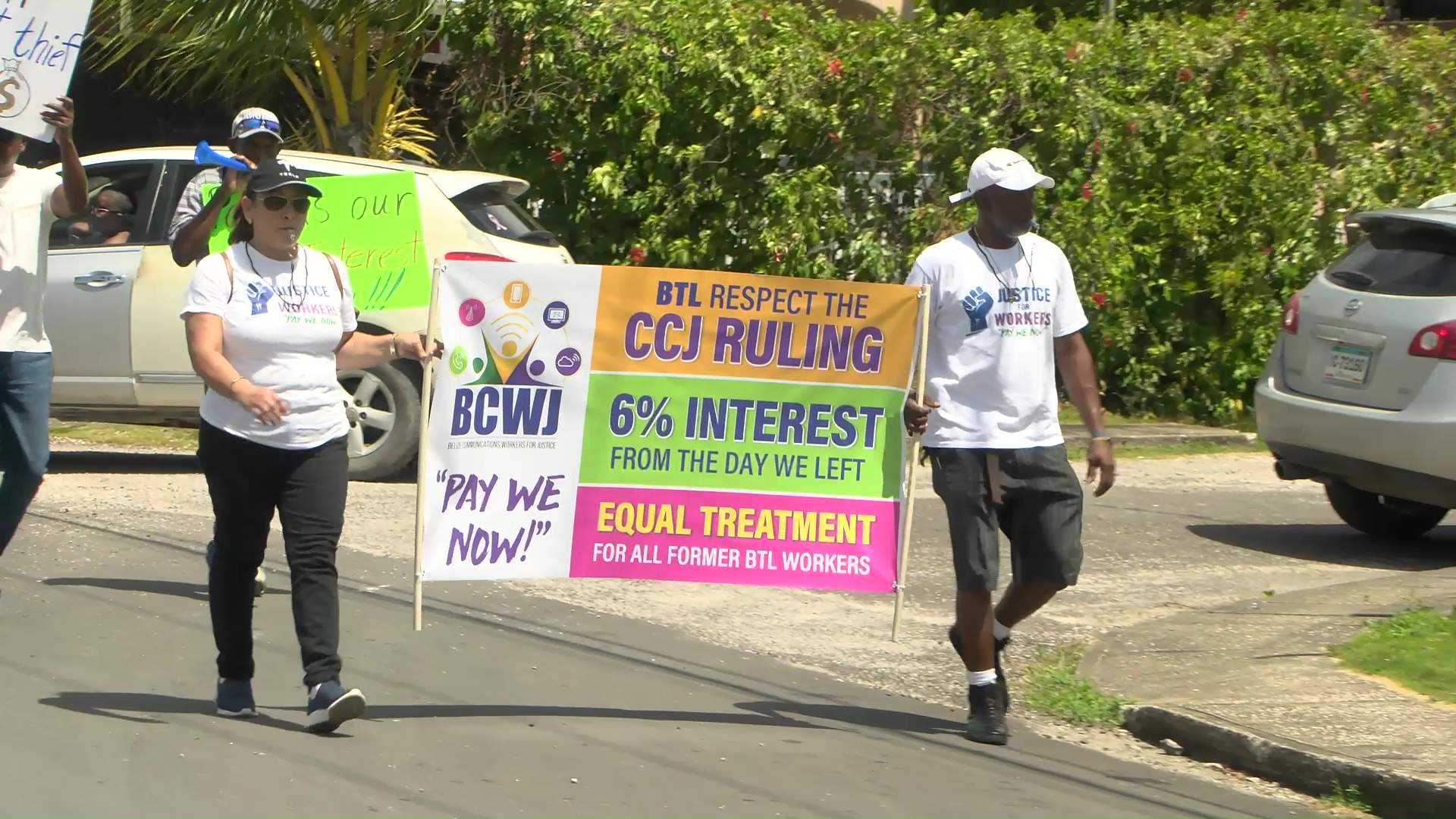
  • PM Backs Chebat, Says Stalled BTL Needs Merger to Survive

    PM Backs Chebat, Says Stalled BTL Needs Merger to Survive

    Belize’s Prime Minister John Briceño has issued a strong defense of his Public Utilities Minister Michel Chebat’s position regarding the proposed telecommunications merger involving Belize Telemedia Limited (BTL). The Prime Minister’s statements come following Tuesday’s Cabinet meeting where the controversial consolidation was discussed.

    Minister Chebat previously asserted that the market consolidation would not create a monopoly, highlighting the existence of approximately twenty-three broadband providers currently operating within Belize’s telecommunications landscape. Prime Minister Briceño expanded on this position with a stark warning about BTL’s financial trajectory.

    “Taxpayers invested almost seven hundred million dollars in BTL,” stated Briceño, “and if they do not make changes it is going to crash.” The Prime Minister revealed concerning internal projections showing the company’s growth flatlining for the next five years without consolidation, while operational costs continue to escalate.

    The government maintains that the proposed merger with Smart is fundamentally about creating operational efficiencies rather than market domination. Briceño emphasized that broadband services remain accessible through numerous competitors, contradicting monopoly concerns raised by critics.

    In response to questions about regulatory oversight, the Prime Minister confirmed plans to strengthen the Public Utilities Commission’s role and amend existing legislation where necessary. However, he reiterated that the primary objective remains preventing the collapse of a significant public investment and protecting stakeholders including Social Security and Belizean taxpayers.

    The administration’s unified stance signals a determined approach to telecommunications reform, framing the merger as an economic imperative rather than merely a market restructuring exercise.

  • Economy : Towards a revision of the personal income tax

    Economy : Towards a revision of the personal income tax

    Port-au-Prince, Haiti – In a significant move toward fiscal modernization, Haiti’s Ministry of Economy and Finance convened a high-level technical meeting on January 20, 2026, to advance revisions to the nation’s Personal Income Tax (IRPP) structure. Minister Alfred Fils Metellus led the session alongside members of the Tax Policy Committee (CPF), engaging economists and chartered accountants in substantive dialogue regarding proposed changes to the tax scale.

    The initiative represents a strategic effort to address systemic inefficiencies within Haiti’s current taxation framework. Ministry officials identified several critical areas for improvement, including the need to eliminate structural distortions and create a more equitable system aligned with contemporary economic realities. The revision process emphasizes technical precision while upholding fundamental taxation principles.

    Minister Metellus highlighted the reform’s potential impact on small and medium enterprises (SMEs), identifying them as crucial engines for economic expansion and employment generation. “Our objective is to establish a fiscal environment that actively promotes SME development through thoughtful policy adjustments,” Metellus stated during the proceedings. He further committed to maintaining inclusive dialogue with private sector stakeholders throughout the reform process.

    Technical discussions organized around four central pillars: equitable contribution according to economic capacity, systemic effectiveness promoting formal economic participation, simplified tax scale transparency, and overall structural coherence within Haiti’s tax architecture.

    CPF President Andral Joseph outlined complementary initiatives including the ongoing revision of Haiti’s General Tax Code and planned modernization of tax administration systems. Directors Romel Troissou and Carl-Edwice Estima presented analytical frameworks detailing multiple revision scenarios, emphasizing three core objectives: restoring fiscal justice, protecting low-income households, and maintaining budgetary sustainability.

    Prominent private sector representatives including economists Kesner Pharel and Duval Lucnaire contributed substantive assessments and recommendations. Their participatory engagement reflects a concerted effort to develop a taxation system characterized by enhanced fairness, operational transparency, and improved adaptation to Haiti’s distinctive economic conditions.

  • BTL Defends Merger Push, Says Efficiency Key to Protecting Consumers

    BTL Defends Merger Push, Says Efficiency Key to Protecting Consumers

    Amid mounting public scrutiny, Belize Telemedia Limited (BTL) is vigorously defending its proposed merger with Speednet, asserting that operational efficiency through consolidation represents the only viable path forward. BTL Chairman Mark Lizarraga presented a stark choice to Belizean consumers: embrace the merger or face potential reductions in dividends, infrastructure investment, and consumer benefits.

    In an exclusive interview, Lizarraga emphasized the enormous financial demands of maintaining and expanding telecommunications infrastructure in Belize’s small market. “Technology has a very short lifespan and they’re very expensive,” stated Lizarraga, highlighting the economic challenges of serving a limited population base without achieving greater operational efficiencies.

    The chairman outlined BTL’s dual commitment to both national development and consumer protection, noting the company’s pledge to maintain current pricing structures for at least two years regardless of the merger outcome. However, Lizarraga warned that without the proposed consolidation, BTL’s ability to expand services, lower prices, and maintain existing infrastructure would be severely compromised.

    Lizarraga positioned the merger as fundamentally connected to Belize’s broader digital transformation agenda, arguing that the telecommunications efficiencies gained would directly enable national progress. The chairman’s remarks come as public debate intensifies regarding the potential market consolidation and its implications for consumer choice and pricing in Belize’s telecommunications sector.

  • BTL Claims Speednet Acquisition Would Boost Efficiency

    BTL Claims Speednet Acquisition Would Boost Efficiency

    In the wake of recent warnings about operational sustainability, Belize Telemedia Limited (BTL) has articulated its strategic rationale for acquiring competitor Speednet, emphasizing significant efficiency gains rather than immediate financial figures. Chairman Mark Lizarraga presented the case that BTL’s existing infrastructure could absorb Speednet’s customer base with minimal additional expenditure, creating substantial operational synergies.

    The proposed merger, according to Lizarraga, represents a strategic move to enhance telecommunications efficiency in Belize without necessitating price increases or workforce reductions. The chairman emphasized that BTL’s current network capacity remains underutilized and could accommodate Speednet’s subscribers with virtually no incremental costs, thereby generating substantial savings.

    These efficiency gains, Lizarraga argued, would produce multifaceted benefits for multiple stakeholders. Consumers would benefit from maintained pricing structures, employees would see job security reinforced, and shareholders would value the improved operational metrics. Furthermore, the chairman positioned the acquisition as critical for national interests, noting that enhanced telecommunications efficiency would strengthen Belize’s competitiveness in the rapidly evolving digital economy.

    Lizarraga highlighted the indispensable nature of reliable internet services for modern economic activities, particularly referencing how Business Process Outsourcing (BPO) sectors and other employment channels depend on robust digital infrastructure. The integration would theoretically create a more economically efficient telecommunications environment that supports national productivity.

    Despite these asserted advantages, the proposal remains subject to scrutiny as BTL has not disclosed specific financial projections or detailed cost-saving calculations. The absence of quantifiable metrics leaves unanswered questions regarding the precise economic impact and potential market implications of creating a consolidated telecommunications entity in Belize’s relatively compact market.

  • Hydro Belize Share Sale Raises Big Money, But What Comes Next?

    Hydro Belize Share Sale Raises Big Money, But What Comes Next?

    Belize’s ambitious initiative to transfer public ownership of its key hydroelectric provider to private investors has yielded remarkable financial results, significantly exceeding initial governmental projections. Preliminary data reveals an overwhelming response to the share offering of Hydro Belize Limited, with domestic applicants seeking approximately 4.5 million shares despite only 4 million being initially available. With shares priced at $29 Belize dollars each, this demonstrates substantial market confidence totaling over $130 million in demand.

    The investor landscape comprises a diverse mix of nearly 2,000 individual citizens alongside more than sixty corporate entities and major institutional participants. Notable institutional interest came from credit unions, pension funds, and the Social Security Board, reflecting broad-based confidence in the nation’s energy infrastructure.

    In response to the exceptional demand, government authorities have announced they will allocate additional shares from their reserved portion to satisfy all applications. This strategic decision results in the state relinquishing a larger equity stake than originally envisioned in the privatization roadmap.

    The transformation continues beyond this initial public offering. Hydro Belize has outlined plans to issue new corporate bonds specifically designed to repurchase the government’s remaining shares. This financial maneuver would culminate in complete privatization by the targeted date of February 28, 2026, should the schedule proceed without complications.

    Hydro Belize, previously operating as Fortis Belize, represents a critical component of the nation’s energy infrastructure. The company manages three hydroelectric facilities situated on the Macal River, generating up to 51.2 megawatts of electricity. This output constitutes approximately 30-35% of Belize’s total electricity supply, making the transfer of ownership fundamentally significant for national energy security.

    This transaction transcends conventional corporate restructuring, representing a strategic shift in the ownership model of essential national infrastructure with far-reaching implications for Belize’s economic and energy future.