分类: business

  • Seafoodfestival moet sector en horeca dichter bij elkaar brengen

    Seafoodfestival moet sector en horeca dichter bij elkaar brengen

    Three major Surinamese organizations have formed a strategic alliance to launch the groundbreaking Easter Seafood Festival 2026 in Paramaribo. SAIL N.V., the Suriname Hospitality & Tourism Training Centre (SHTTC), and the Suriname Hospitality & Tourism Association (SHATA) have formalized their partnership through a Memorandum of Understanding signed by their respective leaders.

    The landmark agreement was executed by SAIL Director Ifuel Alberg, SHTTC Acting Director Nazara Kranenburg, and SHATA Chairman Egon Von Foidl. The festival is scheduled for Saturday, March 28th at SAIL’s premises on Cornelis Jongbawstraat, representing a significant development in Suriname’s culinary tourism landscape.

    This collaborative initiative aims to achieve multiple objectives: boosting the seafood sector’s visibility, strengthening hospitality industry partnerships, and creating an innovative platform for culinary excellence. SAIL’s leadership emphasizes strategic expansion through this venture, seeking not only to enhance product positioning but also to actively engage with the broader hospitality community.

    The educational component forms a crucial aspect of the festival, with SHTTC focusing on providing hands-on experience for hospitality students. The event offers students unprecedented opportunities to collaborate with industry professionals and gain practical skills in authentic working environments.

    From SHATA’s perspective, the festival serves as a strategic convergence point for producers, hospitality businesses, and educational institutions. This tripartite collaboration is expected to drive innovation, foster cooperation, and stimulate sector-wide growth through shared expertise and resources.

    The festival program features diverse attractions including a Live Cooking Arena, Student Chef Showdown competition, demonstrations by professional chefs, and extensive seafood tasting sessions. Additionally, the event will facilitate networking opportunities and serve as a catalyst for new business partnerships.

    This alliance represents a concerted effort to create a more integrated and robust hospitality sector in Suriname, combining production, education, and industry expertise to elevate the country’s culinary tourism offerings.

  • President grijpt in bij stijgende brandstofprijzen, price cap afgesproken

    President grijpt in bij stijgende brandstofprijzen, price cap afgesproken

    The Surinamese government has enacted emergency measures to stabilize domestic fuel prices as global oil market volatility intensifies due to ongoing Middle East conflicts. President Jennifer Simons, following consultations with cabinet members and oil companies, authorized a price cap mechanism effective March 17, 2026, establishing fixed maximum rates of SRD 53.27 per liter for diesel and SRD 48.32 for unleaded gasoline. The stabilization measure excludes super unleaded fuel products.

    Under the newly implemented system, the government will subsidize price differentials through its Government Take mechanism when international benchmarks exceed the established cap. This intervention aims to cushion consumers from immediate pump price fluctuations while maintaining national economic stability.

    Despite these measures, inflationary pressures are already emerging throughout supply chains. Construction material suppliers have implemented transport surcharges, driving noticeable price increases for sand, gravel, and other building commodities this week.

    Economic Affairs Minister Andrew Baasaron issued stern warnings against unjustified price manipulations, emphasizing that most retail goods currently in circulation were imported under previous freight and insurance rates. “Arbitrary price increases are unacceptable,” Baasaron stated, revealing that the Economic Control Service (ECD) will enforce compliance through audits based on original purchase costs and authorized profit margins.

    The minister confirmed exchange rate stability remains intact, noting that fuel price impacts haven’t yet materially affected import costs. However, excavation and logistics firms counter that already-elevated fuel costs are significantly impacting operational expenses.

    A presidential crisis task force is monitoring developments and preparing contingency plans, including targeted subsidies for vulnerable populations should inflationary trends persist. The government acknowledges further price increases are likely and stands ready to implement additional protective measures as the international energy situation evolves.

  • Economists Applaud Belize’s Fiscal Turnaround

    Economists Applaud Belize’s Fiscal Turnaround

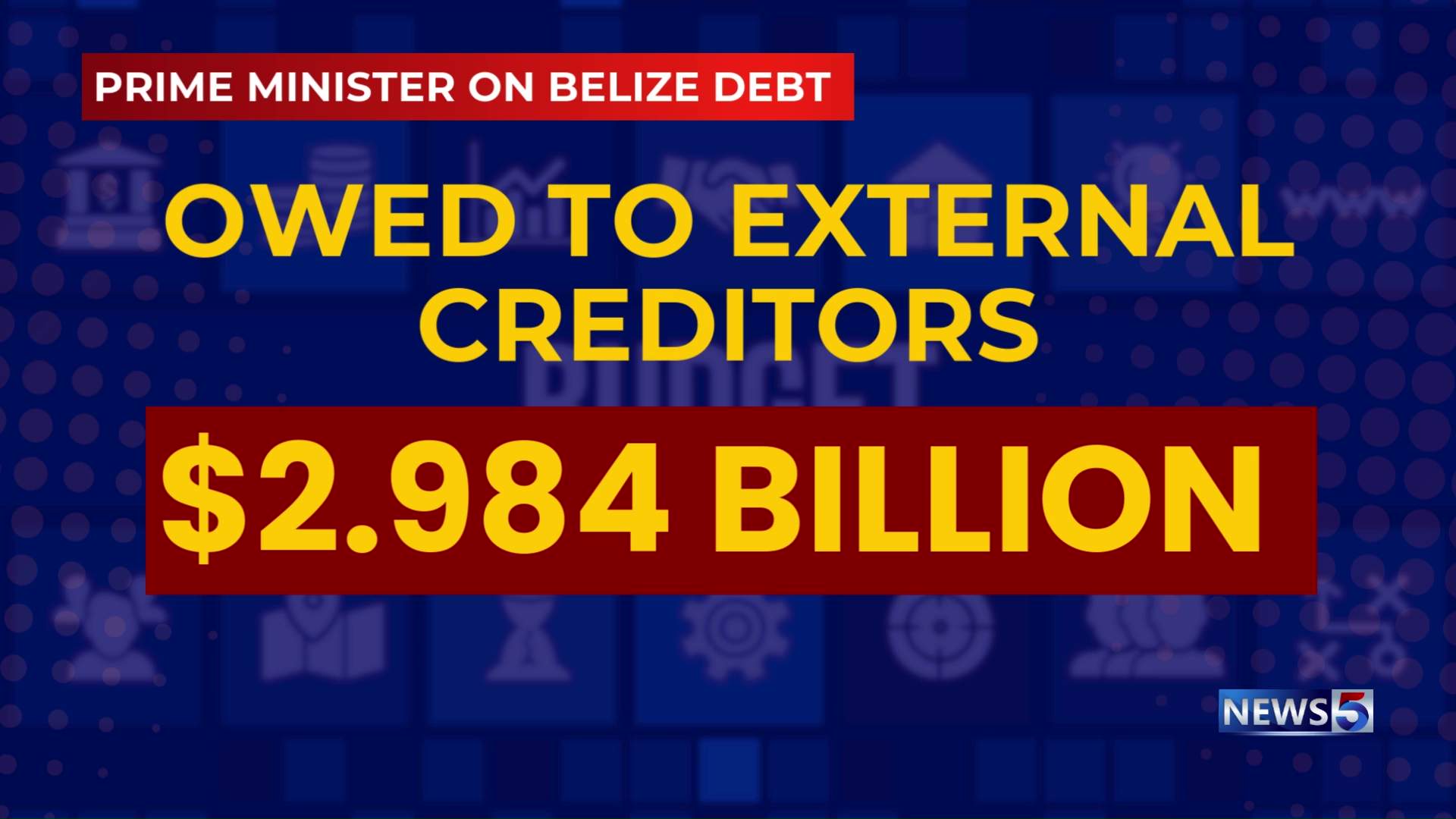
    Belize has engineered one of the most impressive financial recoveries in recent regional history, transforming from a debt-burdened nation to an emerging model of fiscal responsibility. In a dramatic reversal, the country has slashed its debt-to-GDP ratio from approximately 130% in 2020 to around 65% today—cutting its relative debt burden in half within just six years.

    Esteemed economist Dr. Phillip Castillo highlights that this achievement places Belize comfortably within the sustainable threshold recognized by global financial institutions. “The size of the debt is not by itself a problem,” Dr. Castillo explains. “The critical metric is the percentage of debt relative to GDP. At approximately 60%, we now fall within the range international financial agencies regard as acceptable.”

    The nation’s remarkable turnaround has been significantly accelerated by innovative financial instruments, particularly the groundbreaking Blue Bonds initiative. These specialized bonds have provided strategic debt relief while simultaneously funding critical marine conservation efforts, creating a dual benefit for both the economy and environment.

    Concurrent with its debt reduction success, the Belizean government has launched an ambitious public investment campaign targeting education, healthcare, and infrastructure modernization. This comprehensive spending strategy represents one of the most substantial domestic investment pushes in recent years, with officials describing these upgrades as fundamental prerequisites for sustainable long-term growth.

    Dr. Castillo emphasizes the interconnected nature of these developments: “A healthy and educated population is inherently more productive. Government involvement in education and healthcare at all levels is essential, provided that spending remains efficient and meaningful.” The economist also praised recent infrastructure improvements, noting dramatically reduced travel times between major population centers thanks to road network enhancements.

    Beyond transportation, Dr. Castillo stresses the importance of holistic infrastructure development encompassing utilities, water systems, and sanitation facilities. The government’s coordinated approach—balancing fiscal responsibility with strategic investment—appears to be creating a foundation for sustained economic growth built on human capital development and modernized national systems.

  • New Agreement Aims to Boost Belize’s Workforce

    New Agreement Aims to Boost Belize’s Workforce

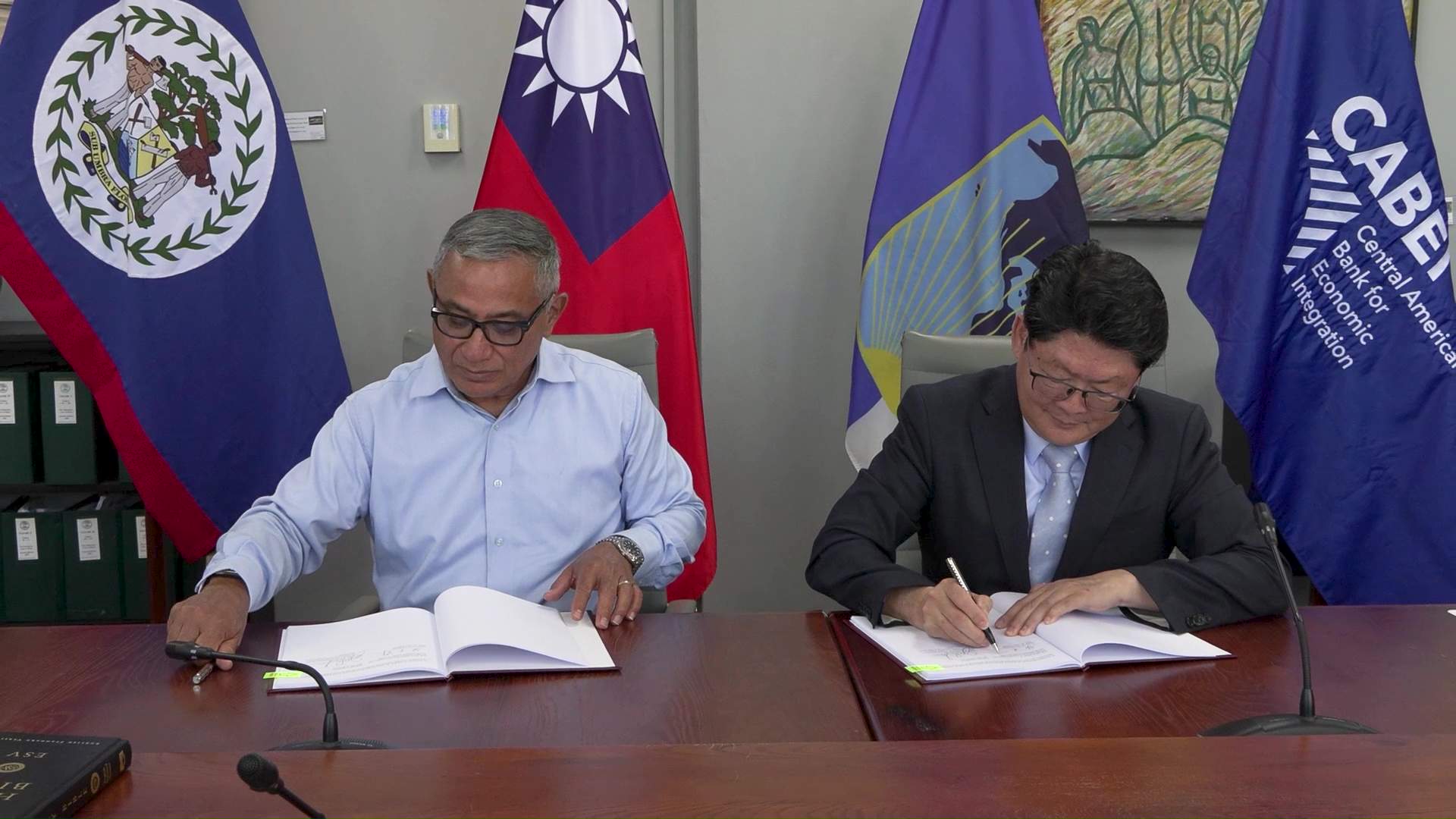
    The Government of Belize has embarked on a dual-pronged development strategy through the signing of two significant loan agreements on Monday. Prime Minister John Briceño’s administration formalized a coordination agreement with the Inter-American Development Bank (IDB) specifically designed to enhance national workforce capabilities and labor market participation.

    The cornerstone workforce initiative targets the comprehensive modernization of Belize’s employment services infrastructure. Funded through IDB financing, the program aims to elevate workforce employability by equipping Belizean citizens with contemporary skillsets demanded by the current economic landscape. This human capital development project runs parallel to a separate transportation infrastructure loan earmarked for the expansion and upgrade of the critical Philip Goldson Highway.

    Prime Minister Briceño characterized both signings as reflective of his government’s integrated development philosophy. “These two initiatives reflect our government’s commitment to strengthening both the physical and the human infrastructure for our country,” Briceño stated during the signing ceremony in Cabinet. He emphasized that national development necessitates not only modern connective infrastructure like roads but also a “productive and empowered workforce.”

    The highway project focuses on one of Belize’s most vital transportation arteries. The Philip Goldson Highway serves as the primary northern corridor, connecting Belize City to northern districts and onward to Mexico. This infrastructure supports daily transit for thousands of citizens while functioning as a crucial conduit for tourism and agricultural commerce, directly contributing to economic growth through enhanced mobility and logistics.

  • Govt to expose hidden company owners with new beneficial ownership register

    Govt to expose hidden company owners with new beneficial ownership register

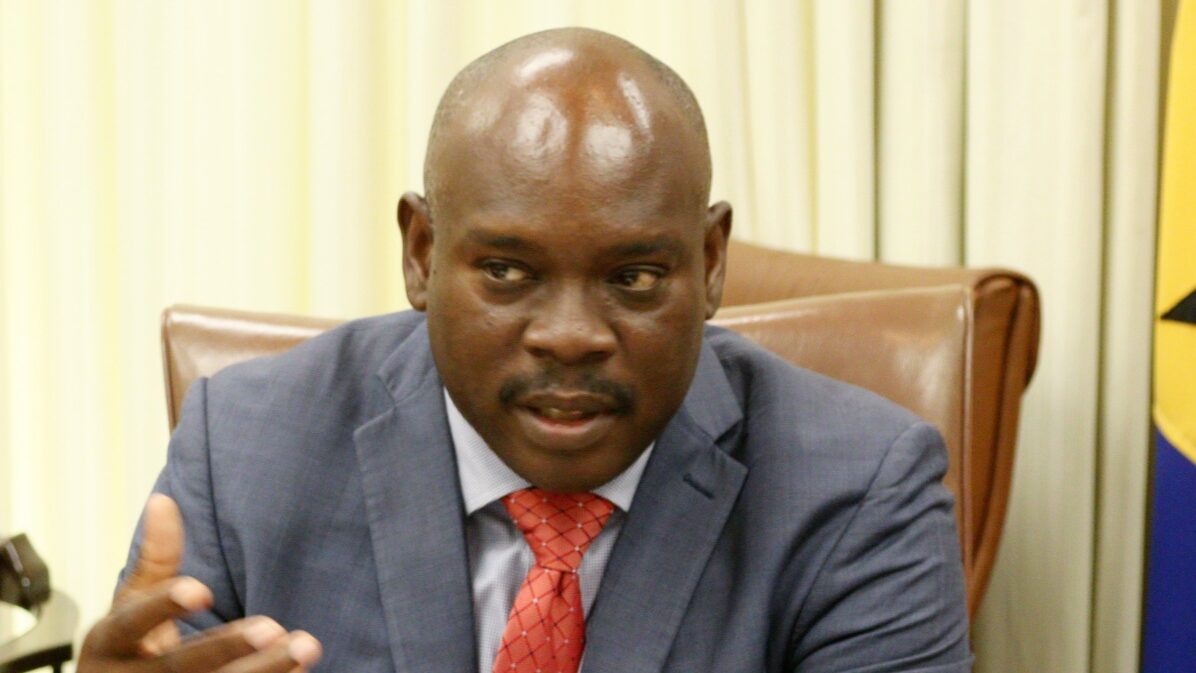
    In a decisive move to enhance financial transparency, the Barbadian government has approved a comprehensive policy to establish a national beneficial ownership registry. Finance Minister Ryan Straughn announced this landmark initiative during his budget presentation, positioning Barbados at the forefront of global efforts against illicit financial activities.

    The registry will specifically target identifying the ultimate human beneficiaries behind corporate entities—those who exercise final control over company assets and profits, regardless of who appears on official documentation as legal owners. This distinction is crucial for piercing through complex corporate veils and shell company arrangements that obscure true ownership.

    Minister Straughn emphasized the critical importance of this transparency mechanism for combating money laundering, tax evasion, and terrorist financing. “Understanding who ultimately controls companies is fundamental to strengthening our regulatory framework and corporate governance standards,” he stated.

    The implementation will occur through a carefully structured three-phase approach. Initial efforts will focus on legislative reforms, including drafting appropriate sanctions, penalties, and provisions for information sharing with international authorities. Subsequently, the government will develop secure digital infrastructure to safeguard sensitive data against cyber threats and unauthorized access.

    A specialized business compliance unit will be established to assist micro, small, and medium-sized enterprises—numbering over 10,000—that lack corporate service providers. The government has set a target of May 2027 for full operationalization of the framework, which will enhance both domestic oversight and international cooperation capabilities.

  • OM Nederland: Boete banken bepaald door ernst en omvang zaak

    OM Nederland: Boete banken bepaald door ernst en omvang zaak

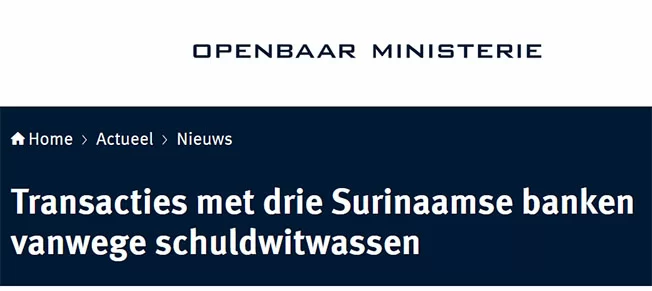
    Three major Surinamese financial institutions have reached substantial settlements with Dutch prosecutors following a comprehensive money laundering investigation initiated in 2018. The resolution concludes a prolonged examination into suspicious cash transportation practices through Amsterdam’s Schiphol Airport.

    Hakrinbank will pay €166,000 in penalties, while both Finabank and De Surinaamsche Bank face fines of €124,500 each. These financial sanctions were determined through meticulous assessment of multiple factors: the substantial volume of funds involved, severity of regulatory violations, and the specific nature of the offenses classified as negligent money laundering.

    The case originated from a significant April 2018 incident where Dutch Financial Intelligence and Investigation Service (FIOD) authorities intercepted €19.5 million in cash at Schiphol Airport. The substantial currency shipment, originating from the three Surinamese banks, was destined for Hong Kong when seized by customs officials.

    According to the Dutch Public Prosecution Service, the banks demonstrated insufficient oversight regarding the origin of the transported cash. Particular concerns were raised about inadequate monitoring of exchange office clients who subsequently conducted business with the banks, creating potential channels for illicit fund movement.

    This investigation forms part of a broader, multi-agency probe launched in 2016 involving Dutch Customs, FIOD, Royal Marechaussee military police, De Nederlandsche Bank (Dutch central bank), and the Public Prosecution Service. The collaborative effort focused on identifying potential money laundering operations utilizing bulk cash transportation through Schiphol’s aviation infrastructure.

    The determined penalties reflect consideration of maximum corporate fine categories, varying scales of involved amounts, and acknowledgment that the banks acted without criminal intent. Prosecutors emphasized this constitutes negligent money laundering—a less severe form of financial crime—with no evidence suggesting the entire €19.5 million possessed criminal origins.

    Following the settlement agreements, the seized funds will be returned to the respective financial institutions, concluding one of the Caribbean region’s significant cross-border financial oversight cases.

  • Bajans told brace for global recession risk

    Bajans told brace for global recession risk

    Barbados Finance Minister Ryan Straughn has issued a stark warning that the world, including his island nation, faces imminent recession should oil prices escalate to the speculated $200 per barrel threshold. Delivering the national budget address in the House of Assembly, Straughn emphasized that temporary cost-of-living measures implemented by the government provide only limited protection against the coming energy crisis.

    The minister revealed that current economic projections indicate oil prices could skyrocket to between $150 and $200 per barrel if geopolitical tensions continue to intensify. “No matter how you look at it,” Straughn stated, “if any of these scenarios materialize, the world, which includes Barbados, will likely go into recession.”

    Straughn delivered a sobering assessment of the government’s fiscal limitations, declaring: “There’s no fiscal response the Government of Barbados could undertake on its own to absorb the impact if any of these scenarios played out. The mathematics just doesn’t work.” Instead, he called for a comprehensive societal response involving government, households, and private sector cooperation.

    The finance minister outlined specific conservation measures, urging citizens to carpool, combine errands into single trips, and utilize public transportation during peak hours. For electricity conservation, he recommended switching off unused lights and appliances, installing solar lighting where possible, and maintaining air conditioning units at 24-25 degrees Celsius.

    Businesses received directives to audit refrigeration and cooling systems, adopt solar solutions, and reduce energy consumption after operating hours. Straughn emphasized that companies reducing their energy footprint now would gain competitive advantages when prices eventually normalize.

    Highlighting the connection between energy costs and food prices, Straughn encouraged support for local agriculture and domestic food production. “Every dollar kept in the local food economy is a dollar that does not depend on imported fuel to reach our table,” he noted, revealing that Barbados spent $519 million on fuel imports even during the pandemic’s peak lockdowns.

    Despite the grim projections, the minister expressed confidence in national resilience, invoking his grandmother’s wisdom: “God helps those who help themselves.” He concluded that Barbados would overcome the challenges through collective action and shared commitment to energy conservation and local production.

  • Nexa: Call for nominations

    Nexa: Call for nominations

    Nexa Credit Union has officially initiated its nomination process for three key governance bodies, inviting committed members to participate in shaping the institution’s future leadership. The financial cooperative is seeking candidates for election to its Board of Directors, Credit Committee, and Supervisory Committee, with a submission deadline set for March 26, 2026.

    The Board of Directors position offers members the opportunity to influence strategic direction and governance policies, while the Credit Committee plays a crucial role in lending decisions and credit risk management. The Supervisory Committee serves as the internal watchdog, ensuring regulatory compliance and financial integrity across the organization’s operations.

    Prospective candidates must complete the official Nexa Credit Union Limited Self-Nominating Form, available through the institution’s administrative channels. This extended nomination timeline provides ample opportunity for members to consider their qualifications and prepare comprehensive applications.

    The nomination drive reflects Nexa Credit Union’s commitment to member-driven governance and democratic principles inherent in the credit union movement. These volunteer positions enable members to contribute directly to the financial cooperative’s stewardship while gaining valuable governance experience.

    NOW Grenada, while publishing this announcement, has clarified that it bears no responsibility for contributor opinions or statements presented in relation to this nomination process. The media outlet has established reporting mechanisms for addressing content concerns.

  • Owner of fire-destroyed Kaikoconut floating bar to rebuild

    Owner of fire-destroyed Kaikoconut floating bar to rebuild

    In a devastating blow to Antigua’s tourism sector, the acclaimed Kaikoconut floating bar was completely destroyed by a fire on Sunday evening. Owner Glen Hector has made an unwavering commitment to rebuild the luxurious party catamaran, despite facing estimated losses exceeding EC$2 million.

    The two-level vessel, equipped with restaurant facilities, waterslides, and trampolines, had capacity for 175 guests and had rapidly become a must-visit destination since its January 2024 launch. Hector described watching his three-year construction project burn in under 30 minutes as utterly heartbreaking. The entrepreneur was at home with his infant son when alerted to the blaze near Valley Church Beach.

    The cause remains mysterious, with Hector confirming standard closing procedures were followed and no one was aboard when the fire ignited. The inferno presented explosion risks due to EC$35,000 worth of alcohol onboard.

    The timing proves particularly devastating for the business momentum. Kaikoconut had secured prestigious cruise ship contracts, 50 confirmed events, and a scheduled appearance at Miami’s major cruise industry conference next month. Immediately following the incident, Hector began refunding over EC$120,000 in customer deposits.

    This setback represents the latest challenge for the resilient businessman, who previously built Creole Antigua Tours over two decades ago. The Kaikoconut project already survived pandemic-related construction delays, financial strain, and supply chain disruptions.

    The catastrophe currently leaves eight staff members unemployed, with the wreckage submerged pending insurance assessment and salvage operations. Despite the overwhelming loss, Hector’s determination remains steadfast, envisioning Kaikoconut as a legacy for his children and grandchildren. The company’s social media expressed gratitude for the community’s outpouring of support during this challenging period.

  • Food price swings mask underlying pressures as inflation dips

    Food price swings mask underlying pressures as inflation dips

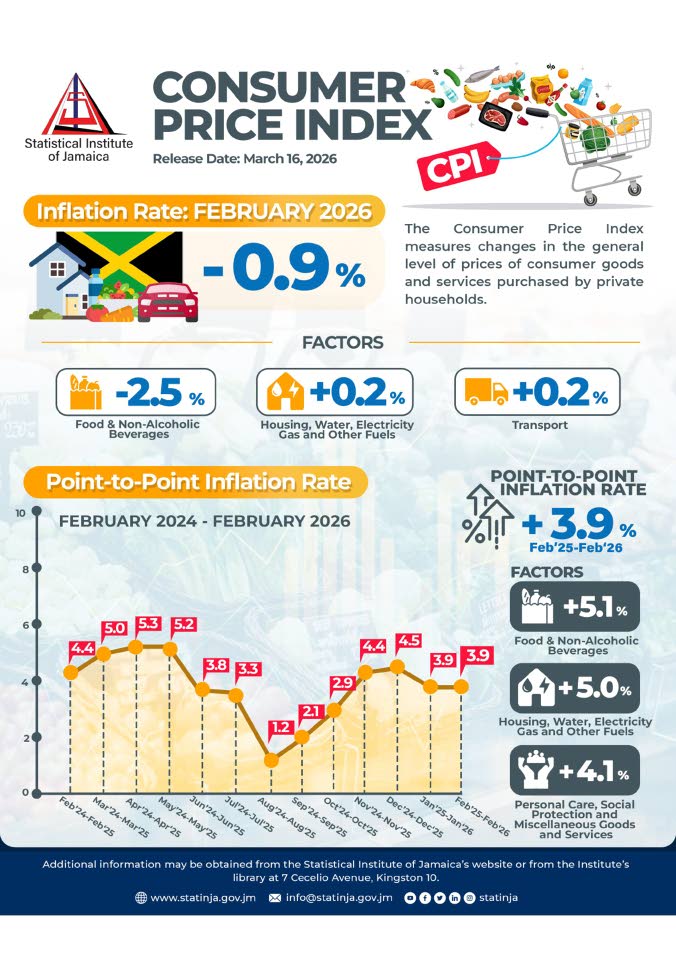
    Jamaica experienced a significant downturn in inflation during February, with official statistics revealing a 0.9% monthly contraction in the All-Jamaica Consumer Price Index. This substantial decline was predominantly propelled by a dramatic 11.3% collapse in vegetable prices alongside reductions in tubers, plantains, and pulses, culminating in a 2.5% decrease within the food and non-alcoholic beverages category. Superficially, these figures position annual inflation at 3.9%—comfortably within the Bank of Jamaica’s target corridor of 4-6%—suggesting economic stability.

    However, beneath this apparent tranquility lies a more complex economic narrative. Despite the dramatic monthly food price correction, annualized food inflation persists at 5.1%, maintaining its position as the primary driver of overall price increases. Concurrently, housing utilities and fuels recorded 5% inflation while personal care services rose 4.1%, indicating sustained pressure across essential expenditure categories.

    The February data reveals critical sectoral divergences: while agricultural products experienced deflationary trends, housing-related costs including electricity advanced 0.2% alongside similar increases in transportation fueled by rising petrol prices. This dichotomy underscores Jamaica’s fundamental inflation characteristic—volatile food prices creating optical illusions that mask structural cost increases in energy-dependent sectors.

    This presents policymakers with a formidable challenge, as monetary tools designed to combat demand-driven inflation remain largely ineffective against supply-side volatility in agricultural production. The current stability thus appears contingent upon unpredictable factors including harvest yields and global energy markets, creating a fragile equilibrium that could rapidly reverse.

    For Jamaican households, the statistical decline offers limited relief as reduced grocery expenses are offset by mounting utility and transportation costs, maintaining constant pressure on household budgets. The economy consequently demonstrates superficially controlled inflation while remaining vulnerable to sudden shifts in commodity markets and energy pricing.