分类: business

  • WIP Terminal Limited lists on Jamaica Stock Exchange

    WIP Terminal Limited lists on Jamaica Stock Exchange

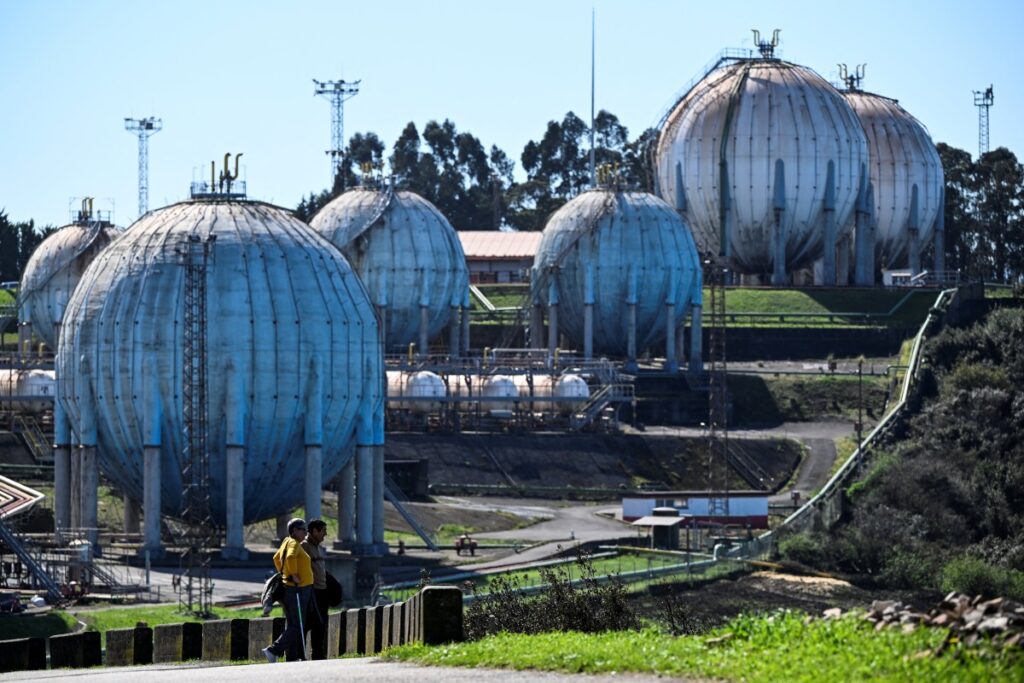
    KINGSTON, Jamaica — In a landmark development for Jamaica’s financial markets, West Indies Petroleum Terminal Limited (WIP Terminal) initiated public trading on the Jamaica Stock Exchange (JSE) on Tuesday through a Listing by Introduction arrangement. The company entered the market with 11.18 billion existing ordinary shares priced at J$0.50 each, establishing an initial market capitalization of approximately J$5.59 billion and positioning itself among the largest recent energy infrastructure listings on the local exchange.

    Chairman Charles Chambers characterized the listing as a historic milestone, noting the absence of comparable assets currently trading on the exchange. “This is a moment of great pride for us at WIP Terminal as we bring to the public market an asset that serves an important function for our country,” Chambers stated during the listing ceremony.

    Emphasizing the strategic significance of the terminal infrastructure, Chambers elaborated on its national importance: “WIP Terminal underscores the strategic importance of our fuel infrastructure and energy security. Fuel supply powers our economy, industries, transportation networks, and daily lives.” The facility boasts a combined storage capacity exceeding 750,000 barrels, representing what Chambers described as “nationally important infrastructure for Jamaica.”

    The decision to pursue a public listing served multiple strategic objectives according to company leadership. Chambers explained that the move creates transparency and price discovery mechanisms for this critical asset while enabling public participation in national infrastructure ownership. Additionally, the listing forms part of a broader corporate reorganization aimed at enhancing operational efficiency across all business segments.

    Looking toward future growth, Chambers identified significant opportunities in the expanding Caribbean cruise industry, increasing regional trade, and growing marine fuel demand. “We have land available for expansion at our Port Esquivel facility,” he noted. “We have the expertise, infrastructure, and strategic vision to grow this asset responsibly.”

    JSE Group CEO Livingstone Morrison welcomed the listing as reinforcing the exchange’s role as a catalyst for regional companies seeking transparency, governance excellence, and capital market access. “This listing represents an important milestone for the capital markets, providing investment options in a critical sector of Jamaica’s economy,” Morrison commented.

    VM Wealth Management Ltd., which served as lead arranger and broker for the listing, highlighted through Capital Markets Manager Romario Sterling the company’s transition to enhanced disclosure and governance standards associated with public listing. Sterling emphasized the listing’s broader market implications: “This listing expands the investable universe on the Jamaica Stock Exchange by introducing exposure to the bunker fuel and petroleum logistics sector, providing portfolio diversification opportunity.”

    WIP Terminal operates as a direct subsidiary of WIP Energy, with ultimate parent company West Indies Petroleum Limited representing a leading integrated energy company in Jamaica. The terminal business constitutes a critical component of the parent company’s vertically integrated operations spanning fuel import, storage, distribution, and retail services.

    The company’s board features industry veteran Gordon Shirley alongside directors Tarik Felix, Kurt Boothe, Amanda Levien, and Karl Townsend, bringing collective expertise across petroleum, finance, law, and corporate governance.

    Chambers concluded by reaffirming the company’s commitment to operational excellence, safety, transparency, and value creation for all stakeholders. Trading of WIP Terminal shares commenced under ticker symbol WIPT on the JSE Main Market.

  • Caricom private sector organisations reaffirm commitment to CSME, regional integration

    Caricom private sector organisations reaffirm commitment to CSME, regional integration

    KINGSTON, Jamaica — Major private sector organizations across seven Caribbean Community (Caricom) nations have issued a strong endorsement of the Caricom Single Market and Economy (CSME), emphasizing its critical role in regional economic integration and resilience. This unified stance emerges as a direct response to recent criticisms leveled against Caricom by Trinidad and Tobago’s Prime Minister Kamla Persad-Bissessar.

    In a collective statement, the business groups characterized Caricom as “the forum for leaders, governments, institutions and the people of our community to join hands and stand shoulder to shoulder in solidarity to transform vulnerabilities into assets.” The declaration notably avoided direct reference to Persad-Bissessar’s remarks while implicitly addressing the underlying tensions.

    The Trinidadian leader had previously denounced Caricom as “not a reliable partner,” particularly criticizing the organization’s stance toward Venezuela’s Nicolás Maduro administration and its relationship with the United States. These comments marked one of the most significant public challenges to Caribbean unity in recent years.

    The private sector coalition, operating under the Caricom Private Sector Organisation (CPSO) umbrella, includes influential business groups from Trinidad & Tobago, Jamaica, Barbados, Guyana, Eastern Caribbean States, Suriname, and Belize. These organizations highlighted the CSME’s demonstrable economic benefits, citing enhanced intra-regional trade, strengthened supply chains, and substantial foreign exchange earnings across member states.

    CPSO, which gained associate institution status within Caricom in October 2020, emphasized the historical significance of the CSME framework, tracing its origins to the 1989 Declaration of Grand Anse and the Revised Treaty of Chaguaramas in 2001. The private sector representatives affirmed that the vision of creating “greater economies of scale to regional business and more opportunities for Caricom citizens to thrive remains a relevant aspiration.”

    The business leaders articulated a nuanced position on international relations, stating: “The Caricom private sector places great value on the benefits derived both from intra-Caricom trade and from the community’s strong trading relationships beyond the region, including with the United States.” They characterized these relationships as complementary rather than competitive, reinforcing economic resilience and diversification.

    The statement concluded with a commitment to collaborative improvement of the CSME framework and extended seasonal goodwill to all Caribbean citizens, expressing optimism for continued dialogue and respectful engagement in pursuing regional advancement and security.

  • Olieprijzen stijgen nu VS  actie tegen Venezolaanse tankers opvoert

    Olieprijzen stijgen nu VS actie tegen Venezolaanse tankers opvoert

    Global oil markets experienced significant price increases on Monday as geopolitical tensions and supply disruption concerns intensified. The benchmark Brent crude futures climbed by $1.31 (2.17%) to reach $61.78 per barrel, while U.S. West Texas Intermediate crude rose by $1.25 (2.2%) to $57.77 per barrel.

    The price surge follows the U.S. interception of an oil tanker in international waters off Venezuela’s coast, marking what officials described as potentially the third such operation in less than two weeks if successful. This development, combined with ongoing Russia-Ukraine tensions, has heightened market anxieties about potential supply disruptions.

    Market analysts note a shifting perspective among investors regarding Venezuelan oil exports. UBS analyst Giovanni Staunovo observed that market participants are now recognizing risks to Venezuela’s oil exports due to U.S. embargo enforcement, whereas previously they had been relatively complacent. Venezuelan crude represents approximately 1% of global supply.

    The market dynamics reflect a complex balance between supply factors. Growing output from the United States and OPEC+ producers has largely offset concerns about supply disruptions elsewhere, keeping Brent futures around $65 per barrel in the second half of 2025. However, prices have declined recently due to oversupply worries.

    According to Sparta Commodities analyst June Goh, oil prices are being supported by developments near Venezuela while Russia-Ukraine tensions simmer in the background of an otherwise highly volatile market.

    The recent price recovery was triggered by President Donald Trump’s announcement of a “total and complete” blockade of sanctioned Venezuelan oil tankers, followed by reports of a Ukrainian drone attack on a Russian shadow vessel in the Mediterranean, as noted by IG analyst Tony Sycamore.

    Despite last week’s approximately 1% decline in both benchmarks, diplomatic efforts continue. U.S. Special Envoy Steve Witkoff described recent trilateral talks between American, European, and Ukrainian officials in Florida as productive, focusing on aligning positions to end the Russian war in Ukraine. However, the primary foreign policy advisor to Russian President Vladimir Putin stated that European and Ukrainian modifications to U.S. proposals had not improved peace prospects.

  • DSB zet stevig in op digitaal bankieren met nieuwe online diensten

    DSB zet stevig in op digitaal bankieren met nieuwe online diensten

    Suriname’s financial landscape is undergoing a significant digital transformation as De Surinaamsche Bank N.V. (DSB) unveils a comprehensive suite of innovative banking solutions. The institution has launched cutting-edge services including real-time ATM status monitoring and an AI-powered WhatsApp chatbot, marking a substantial leap in digital banking accessibility for its customers.

    The bank’s technological advancements include the DSB Buddy, an artificial intelligence chatbot available 24/7 via WhatsApp (+471100), providing instant information about various products and services. Additionally, the bank introduced the Corporate Prepaid Card, enabling employees to make company-approved payments seamlessly.

    These innovations have yielded remarkable results: DSB recorded 23,000 new accounts opened through September, while online banking users surged to 100,138—a significant increase from 76,510 in 2023 and 87,650 in 2024. The growth demonstrates the successful adoption of digital banking services among Surinamese consumers.

    During a press conference at their headquarters, DSB’s management elaborated on these developments while presenting their 2024 financial results. Among the standout innovations is the Digital Personal Loan platform, which enables completely paperless loan applications, processing, and signing through the same WhatsApp number used for the AI chatbot.

    The bank also unveiled a new compact Point-of-Sale (POS) device that enhances payment convenience through paperless transactions. The device sends electronic receipts via email, eliminating traditional paper receipts.

    The Corporate Prepaid Card has gained particular traction among larger corporations, allowing employees to cover business-related expenses with easily reloadable cards. Meanwhile, the reintroduced Easy Card enables international online payments from any location with internet access, requiring a USD checking account with a monthly limit of $2,000 and an annual fee of $50.

    For customers preferring cash transactions, DSB launched the online ATM Status Overview (atm.dsb.sr), providing real-time visibility of all DSB ATMs nationwide, indicating which machines are operational, out of service, or empty.

  • St. Kitts and Nevis joins CAF, opening door to new development financing

    St. Kitts and Nevis joins CAF, opening door to new development financing

    In a significant move for regional economic development, the Federation of St. Kitts and Nevis has officially become a shareholder member of the Development Bank of Latin America and the Caribbean (CAF). This strategic accession, confirmed during CAF’s Board of Directors meeting in Panama City, positions the dual-island nation alongside Haiti as the latest Caribbean members to join the financial institution.

    The incorporation enables St. Kitts and Nevis to access tailored development financing solutions specifically designed for small island developing states facing climate vulnerabilities. The membership provides the Federation with streamlined access to technical assistance programs, knowledge-sharing initiatives, and flexible funding mechanisms aligned with national development priorities.

    CAF Executive President Sergio Díaz-Granados emphasized the institution’s regional commitment, stating: ‘Saint Kitts and Nevis and Haiti are joining a homegrown development bank established by the region for the region. CAF serves as more than a financial institution—it functions as a bridge enhancing connectivity between Latin America and the Caribbean.’

    The Panama City meeting proved substantially productive, with CAF approving approximately $3.175 billion in new regional operations. These funds will support critical infrastructure projects including electricity grid modernization, water security enhancements, sustainable transportation systems, and financial assistance programs for vulnerable communities and small-to-medium enterprises.

    This expansion triples CAF’s Caribbean shareholder representation compared to 2023 levels, following recent incorporations of Saint Lucia, The Bahamas, Antigua and Barbuda, and Grenada. The institution now counts six Caribbean shareholder nations, with additional countries progressing through membership procedures.

    Concurrently, Barbados achieved compliance requirements to transition to full membership status, joining Trinidad and Tobago as the second CARICOM nation to attain complete CAF membership. This development signals strengthening regional integration and enhanced financial cooperation throughout the Caribbean basin.

  • InterCaribbean Just Launched Puerto Rico-St Kitts Flights – Caribbean Journal

    InterCaribbean Just Launched Puerto Rico-St Kitts Flights – Caribbean Journal

    In a significant development for Caribbean aviation, interCaribbean Airways has inaugurated a new direct air service connecting San Juan, Puerto Rico with St. Kitts, marking a strategic enhancement to the region’s transportation network. The twice-weekly flight operation commenced with an official ceremony at Kayan Jet terminal, attended by government dignitaries, tourism executives, and airline representatives.

    This new air bridge establishes vital connectivity between St. Kitts and one of the Caribbean’s most crucial aviation hubs, facilitating smoother travel for both regional passengers and international visitors transiting through San Juan from major gateway cities across the United States and Europe. The service operates with flights departing San Juan on Fridays and Mondays at 5:20 PM, arriving in St. Kitts at 6:30 PM, while return flights operate Thursdays and Sundays departing at 8:30 AM with arrival at 9:40 AM.

    St. Kitts Tourism Minister Marsha T. Henderson emphasized the dual significance of recognizing the Puerto Rican market’s cultural and economic importance while simultaneously positioning San Juan as a strategic connection point for broader international growth. The enhanced airlift capacity is expected to generate substantial benefits across the local tourism ecosystem, supporting transportation providers, restaurants, and cultural experience operators.

    Kelly Fontenelle, CEO of the St. Kitts Tourism Authority, characterized the launch as a meaningful milestone in regional connectivity achieved through collaborative efforts between multiple stakeholders. The initiative aligns with the destination’s strategic objective to diversify arrival sources and improve accessibility across key markets.

    InterCaribbean Airways Chairman Lyndon Gardnier highlighted the route’s role in strengthening ties between Caribbean destinations while supporting family travel, business connections, and regional mobility. This expansion builds upon the airline’s growing partnership with St. Kitts and Nevis and reflects its broader commitment to improving intra-Caribbean air connectivity, addressing long-standing transportation challenges within the region.

  • Republic Bank’s Power to Make a Difference invests $2 million in Eastern Caribbean community partnerships

    Republic Bank’s Power to Make a Difference invests $2 million in Eastern Caribbean community partnerships

    Republic Bank (EC) Limited has officially inaugurated the 2025–2026 cycle of its Power to Make a Difference (PMAD) Programme, reinforcing its four-year legacy of strategic, purpose-driven social investment throughout the Eastern Caribbean. Under the revitalized theme ‘Powered by Purpose, Transforming Communities,’ the initiative continues to drive meaningful change across the region.

    The launch event, a Presentation of Partners gathering held on December 10 at the Sandals Grande Ballroom, introduced 14 new and returning partner organizations spanning six Eastern Caribbean territories. This expansion signals both the program’s growing influence and its deepening commitment to regional development.

    Financial commitments underscore the scale of this initiative: Republic Bank has channeled over $6.3 million into community projects across its operational territories during the past five years. Notably, nearly $2 million has been dedicated specifically to the PMAD Programme over the last three years, with Saint Lucia receiving approximately $500,000 in investments.

    The 2024/2025 funding cycle supported diverse initiatives focusing on youth empowerment through educational and cultural programs, environmental conservation, healthcare accessibility for differently-abled individuals, and entrepreneurship and sports development.

    Tracy Bartholomew, Managing Director for Republic Bank (EC) Limited Group, articulated the program’s philosophical foundation: “Our PMAD programme embodies the deepest values of Caribbean people. We help each other, lift as we climb, and build communities and bridges. Sustainability at Republic Bank transcends environmental concerns—it encompasses creating systems that enable individuals to flourish, communities to thrive, and opportunities to multiply regardless of geography, background, or circumstance.”

    The PMAD framework aligns with the United Nations Principles for Responsible Banking and supports the achievement of all 17 Sustainable Development Goals (SDGs). This cycle brings particular momentum to Saint Lucia, where projects emphasize innovation, inclusion, and youth development.

    Returning partner Orbtronics continues its leadership in STEM education, providing advanced robotics and industry-level training that prepares students for scholarships, university placements, and global technology careers. The National Council of and for Persons with Disabilities advances its media-based aquaponics program, enabling persons with disabilities to cultivate food, generate income, and operate modern agricultural technology independently.

    The Daren Sammy Foundation, established by the celebrated cricket icon, continues creating pathways for promising student-athletes from low-income backgrounds through mentorship, scholarship opportunities, and leadership development. New partner St. Mary’s College Secondary School joins with its robotics, coding, and ICT program designed to bridge the digital divide by providing hands-on technological access for young boys, cultivating future engineers, programmers, and digital innovators.

    Anna-Kaye Boodho, General Manager of Orbtronics, highlighted the distinctive nature of the bank’s partnership approach: “Republic Bank’s investment is not silent. It has enabled partners to learn, grow, and expand beyond initial expectations. Their care transcends corporate social responsibility obligations, nurturing authentic relationships rooted in a shared passion for lasting, positive change.”

    Collectively, these partnerships reflect RBEC’s steadfast belief in community-led progress and its dedication to forging opportunities for future generations. Through PMAD, the Bank sustains its investment in programs that strengthen social infrastructure, promote equity, protect vulnerable populations, encourage innovation, and empower Caribbean communities to thrive.

  • When private sector becomes government client

    When private sector becomes government client

    In a stark assessment of Trinidad and Tobago’s economic landscape, Dr. Fuad Khan delivers a piercing critique of the nation’s private sector, revealing what he describes as a fundamental transformation from development partner to permanent state client.

    The analysis identifies a structural condition where private sector performance has become intrinsically tied to government spending patterns rather than market innovation. When state expenditure contracts, business confidence plummets; when government spending flows, temporary growth emerges. This dependency cycle signals a profound dysfunction within TT’s economic framework.

    A truly independent private sector typically drives progress through anticipating demand, investing ahead of policy developments, and competing internationally. However, Dr. Khan observes that TT’s business community increasingly organizes strategies around public procurement cycles, tax concessions, and regulatory protections. Lobbying has effectively replaced innovation as the primary business strategy, while compliance has superseded creativity.

    This dependency manifests across multiple sectors. Construction and infrastructure activities fluctuate directly with government capital expenditure. Energy services discussion about diversification rarely translates into action without state financing guarantees. Financial sector innovation remains superficial with minimal focus on funding productive enterprises. Retail and distribution sectors prioritize protected domestic markets over regional expansion.

    The consequences are measurable and severe: minimal research and development investment, weak export capacity, stagnant productivity growth, and lagging technology adoption. These indicators reflect a business culture that favors insulation over innovation, ultimately creating a self-reinforcing cycle where navigating institutional weaknesses becomes a competitive advantage.

    Young and innovative enterprises suffer most acutely in this environment, lacking the political access, legacy scale, or financial leverage to compete effectively. Many stagnate, relocate, or never launch, resulting in lost economic dynamism replaced by the illusion of stability.

    While government policy enabled this dependency, Dr. Khan emphasizes that the private sector actively embraced it. The choice to abandon export ambition, underinvest in technology, and accept protection represents a voluntary surrender of competitive spirit.

    True economic transformation requires a fundamental shift toward exports, technology investment, skills development, regional integration, and genuine competition. This transition will inevitably involve failure, consolidation, and discomfort—but remains essential for sustainable growth. Until TT’s private sector chooses independence over access, it will remain a client rather than a leader in national development.

  • Krystle Thorpe: Building a life of purpose, one client at a time

    Krystle Thorpe: Building a life of purpose, one client at a time

    In the competitive landscape of financial services, Krystle Thorpe stands out as a paradigm of empathetic leadership and professional excellence. The 37-year-old Sagicor Life advisor has cultivated an extraordinary career over ten years, transforming financial planning into a vehicle for delivering confidence and security to families across Jamaica.

    Thorpe’s journey began in humble circumstances, raised by a single mother alongside five siblings in St. Andrew’s Harriman’s Close neighborhood. Her early observations of maternal sacrifice became the foundation for her own determination to achieve more. After earning a business management degree from The University of the West Indies, Thorpe initially pursued marketing in a naturopathic medical office until a fortuitous encounter redirected her path.

    A casual conversation with a Sagicor client sparked curiosity about insurance—a field Thorpe had previously dismissed as commonplace. Despite initial reservations, she embraced the opportunity, dedicating two days weekly for a year to learn the profession under that agent’s mentorship. This apprenticeship culminated in Thorpe passing the Financial Services Commission’s rigorous examination, launching her formal career in 2015.

    Her decade-long tenure has been marked by consistent achievement, including annual qualification for the prestigious Million Dollar Round Table since her inaugural year—a testament to her unwavering commitment to client care. Beyond numerical success, Thorpe prioritizes meaningful relationships, noting that many clients have evolved into genuine friendships.

    Thorpe’s professional ascent followed personal challenges, including a difficult divorce in her twenties that tested her resilience. She credits this experience with forging greater mental strength and reinforcing her conviction that setbacks can become catalysts for growth. Now happily remarried, she balances her thriving career with active involvement in her faith community, describing her life as profoundly purposeful.

    Looking forward, Thorpe aims to transition into management where she can mentor emerging advisors, emphasizing integrity and human-centered service. Her professional philosophy transcends transactional metrics, focusing instead on the lasting impact of making clients feel understood and supported in pursuing their aspirations.

  • EU slams China dairy duties as ‘unjustified’

    EU slams China dairy duties as ‘unjustified’

    BEIJING — China has escalated its trade confrontation with the European Union by implementing provisional anti-subsidy tariffs ranging from 21.9% to 42.7% on imported EU dairy products, effective immediately. The move has drawn sharp criticism from Brussels, which labeled the measures as “unjustified” and based on insufficient evidence.

    The tariffs target various dairy commodities including fresh and processed cheeses, curd, blue cheese, and specific milk and cream products. China’s Ministry of Commerce stated that these measures follow an anti-subsidy investigation initiated in August 2024, prompted by a formal request from the Dairy Association of China. Preliminary findings from the investigation allegedly demonstrate a direct correlation between EU subsidies and significant harm to China’s domestic dairy sector.

    European Commission trade representatives immediately challenged the validity of China’s conclusions. “Our assessment indicates the investigation relies on questionable allegations and inadequate evidence, making these measures both unjustified and unwarranted,” a Commission spokesperson stated, adding that the EU is currently reviewing the preliminary determination and will submit formal comments to Chinese authorities.

    This dairy tariff imposition follows closely on Beijing’s recent decision to enforce five-year anti-dumping duties on EU pork imports, which took effect December 17th with rates between 4.9% and 19.8%. These developments represent the latest escalation in a broader trade conflict that began when the EU moved toward implementing substantial tariffs on Chinese electric vehicles, citing unfair subsidy practices.

    The ongoing trade tensions occur against the backdrop of a significant trade imbalance, with the EU reporting a $350 billion trade deficit with China in 2024. French President Emmanuel Macron recently indicated Europe’s willingness to consider stronger measures, including additional tariffs, if the trade disparity remains unaddressed. Beyond commercial disputes, the two economic powers also remain divided on geopolitical issues including the Ukraine conflict, where the EU has repeatedly urged China to leverage its influence with Moscow.