分类: business

  • Nevisian businesswoman Shobaina Prince wins Taiwan ICDF Entrepreneurial Elite Pitch Competition

    Nevisian businesswoman Shobaina Prince wins Taiwan ICDF Entrepreneurial Elite Pitch Competition

    Nevisian entrepreneur Shobaina Prince, founder of Native Radiance, has emerged victorious in the Entrepreneurial Elite Pitch Competition, a key initiative under the Taiwan International Cooperation and Development Fund’s (ICDF) Women’s Employment, Entrepreneurship, and Financial Inclusion (WEEEFI) Project. The competition, held at the Nevis Performing Arts Center (NEPAC), showcased six female-led businesses, each presenting innovative ideas to a panel of judges. Prince secured the top prize of a US$3,000 grant, awarded by H.E. Edward Tao, Ambassador of the Republic of China (Taiwan) to St. Kitts and Nevis, and Hon. Spencer Brand, Minister of Labour in the Nevis Island Administration (NIA).

    The event marked the second phase of the WEEEFI Project, now integrated into the Sustainable Island State Phase One Project. Claudia Walwyn, Project Coordinator, emphasized the initiative’s goal to foster entrepreneurial skills and economic development through vocational training and financial support. Participants benefited from cash grants to either launch or enhance their businesses, with the top three entrepreneurs receiving additional recognition and funding.

    Patricia Haliday, owner of Vera SKN Hair and Skin Care, claimed second place with a US$2,000 grant, while Vincia Alexander secured third place for her renewable energy microgrid project, earning a US$1,000 grant. All six participants received certificates of participation, underscoring the program’s commitment to empowering women entrepreneurs in Nevis and beyond.

    Prince’s success highlights the transformative impact of initiatives that promote gender equality in entrepreneurship, driving innovation and economic resilience in the Federation of St. Kitts and Nevis.

  • Post-BERT, CTUSAB urges fairer share of growth for workers

    Post-BERT, CTUSAB urges fairer share of growth for workers

    The Congress of Trade Unions and Staff Associations of Barbados (CTUSAB) has issued a stark warning that the nation’s economic recovery will remain incomplete unless workers see tangible benefits from growth. CTUSAB President Ryan Phillips emphasized this during a press conference on Wednesday, as the organization assessed progress under the Barbados Economic Recovery and Transformation (BERT) programme, backed by the International Monetary Fund (IMF). While acknowledging BERT’s successes in areas like employment recovery, macroeconomic stability, and climate resilience, Phillips stressed that economic growth alone is insufficient if workers do not share in its rewards. He highlighted ongoing challenges such as stagnant wages, high living costs, and financial strains on state-owned enterprises. Phillips argued for wage increases tied to productivity, stronger social protection systems, and greater worker involvement in policy-making. He also raised concerns about the exodus of skilled Barbadians seeking opportunities abroad, warning that this talent drain threatens job security and national competitiveness. Prime Minister Mia Mottley recently noted that while the formal IMF arrangement under BERT is ending, the government will continue structural reforms, keeping the IMF engaged for future collaboration. Phillips outlined six priorities for the next phase of recovery: sustainable job creation, enhanced social protection, worker participation in policy implementation, equitable economic gains, skills development, and addressing the high cost of living. He urged policymakers to prioritize people in the nation’s economic strategy, declaring, ‘Economic recovery without social justice is incomplete.’ The BERT programme, launched in 2018 to address a severe debt crisis, has evolved through phases focusing on fiscal consolidation, green transformation, and now ‘shock-proofing’ Barbados against climate volatility and supply chain instability.

  • Uber rolls in, pledging safety, opportunity – for taxis only

    Uber rolls in, pledging safety, opportunity – for taxis only

    Uber, the global ride-hailing giant, has officially introduced its services in Barbados, marking a significant milestone in the Caribbean region. The launch event, held at the Hilton Barbados Resort, highlighted Uber’s commitment to modernizing transportation while positioning itself as a collaborator rather than a competitor to the local taxi industry. Over 400 licensed taxi operators have already joined the Uber Taxi platform, which is exclusively designed for registered taxi drivers. Belén Romero, Uber’s Regional General Manager for the Andean, Central America, and Caribbean region, emphasized the company’s goal to address a critical gap in Barbados’ transport market. Romero expressed enthusiasm about supporting tourism and providing a seamless experience for Uber’s 1.9 million global users, many of whom travel internationally. She also underscored the benefits for local drivers, including enhanced earning opportunities, access to innovative technology, and improved safety features. Romero welcomed competition from local taxi associations planning to develop their own ride-hailing apps, stating that it fosters innovation and improves user experiences. Additionally, Uber is collaborating with the Barbados Police Service to strengthen safety protocols, leveraging its global team of experts and over 30 safety features to ensure passenger and driver security. The Uber Taxi product in Barbados offers drivers flexibility, access to a global user base of 149 million, and advanced safety tools. Alongside its core ride-hailing service, Uber has introduced Uber Hourly for time-based bookings, ideal for island tours, and Uber Reserve, allowing trips to be scheduled up to 90 days in advance. The launch has sparked discussions within the transport sector, with traditional taxi operators advocating for fair regulations and a level playing field.

  • Aftrek van voorbelasting: hoe zit het nu?

    Aftrek van voorbelasting: hoe zit het nu?

    The Value Added Tax (VAT) Law of 2022, which came into effect on January 1, 2023, has now become a familiar concept for entrepreneurs. However, as the Tax Administration begins its enforcement checks, it has become evident that certain aspects, particularly the deduction of input VAT, remain unclear. This article delves into the mechanics of input VAT deductions, exceptions, and why the 0% VAT rate, such as in supplies to contractors and subcontractors in the oil and gas sector, does not negate the right to deduct. Input VAT refers to the VAT paid by businesses on expenses like purchasing goods, hiring services, or office supplies. This VAT can be deducted from the tax on turnover, provided these expenses are used for taxable supplies. A fundamental principle of the VAT system is that the tax is ultimately borne by the end consumer, not the entrepreneur. Entrepreneurs act as intermediaries and can deduct the VAT paid on business expenses, provided there is a direct link to taxable supplies. Taxable supplies include goods or services subject to VAT rates like 10%, 5%, or 0%. Even supplies under the 0% rate are considered taxable, meaning input VAT on related costs remains deductible. For instance, supplies and services to contractors and subcontractors in the oil and gas sector, as per Annex 1 of the VAT Law, are subject to a 0% rate if they fall under the Petroleum Act 1990. This provision ensures that the right to deduct is preserved for suppliers or service providers. However, the 0% rate can lead to misunderstandings, with some assuming that no VAT charged means no right to deduct, which is incorrect. There are exceptions to input VAT deductions, such as expenses related to food, beverages, tobacco, gifts, staff benefits in kind, and personal cars (with some exceptions). These exclusions are legally mandated and apply to all VAT-registered businesses, including those subject to the 0% rate. In summary, input VAT is deductible if linked to taxable supplies, the 0% rate does not affect the right to deduct, and there are specific legal exceptions. Entrepreneurs must be prepared to substantiate how business expenses relate to taxable activities during Tax Administration checks.

  • Regional Tourism Leaders Unite in San Pedro Sula for CATM 2025

    Regional Tourism Leaders Unite in San Pedro Sula for CATM 2025

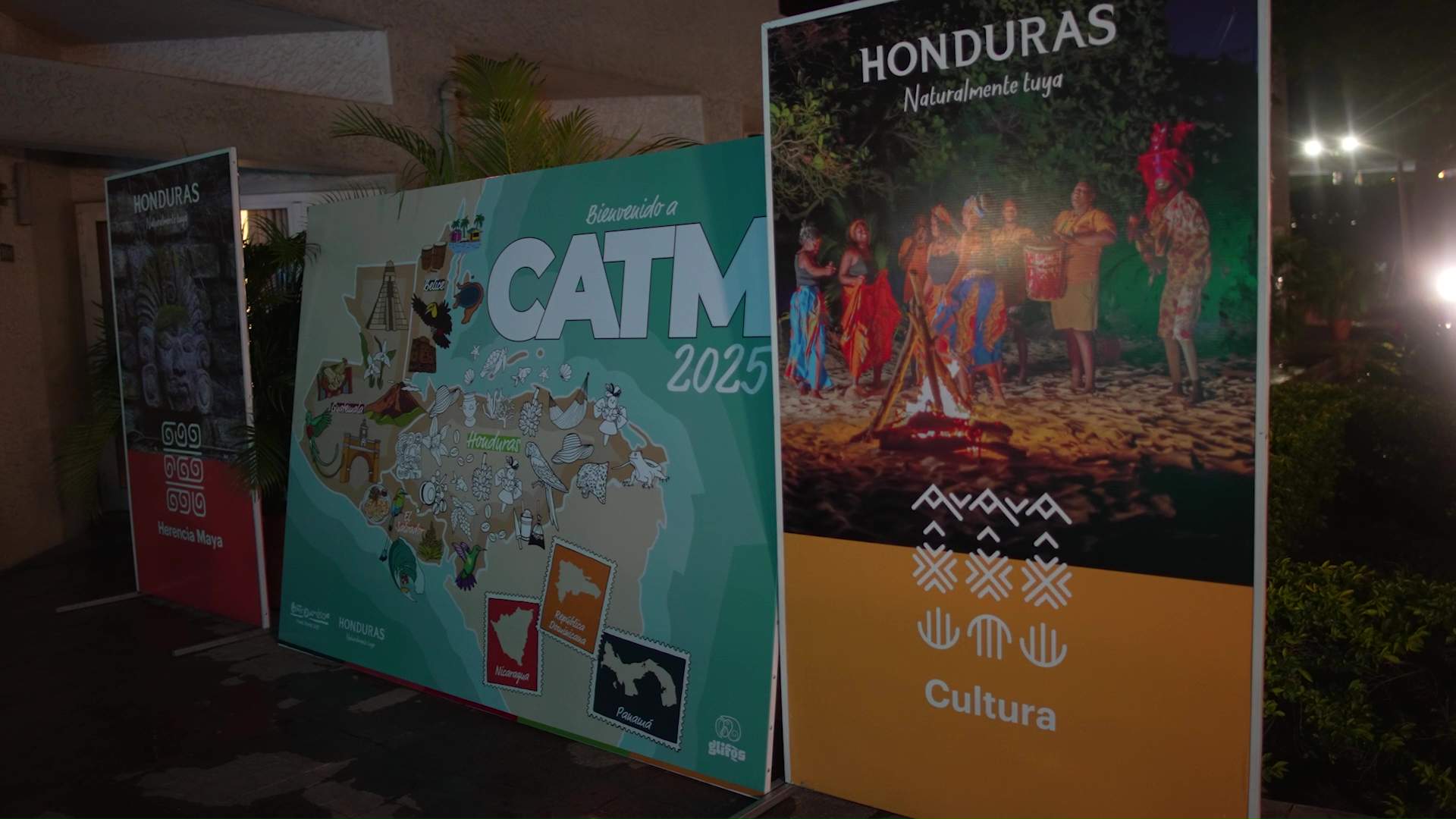
    Central America is experiencing a tourism renaissance, with over 26 million visitors in 2024 generating $20 billion in revenue and supporting nearly 3 million jobs. The region’s rich culture, adventurous landscapes, and affordability have made it a global hotspot. This momentum continues at the Central America Travel Market (CATM) 2025, hosted in San Pedro Sula, Honduras. The event brings together over 150 exhibitors, international buyers, and tourism leaders to foster collaboration and promote multi-country travel. CATM 2025 highlights the region’s diversity, with countries like Belize showcasing sustainable tourism and cultural experiences, while El Salvador emphasizes safety and adventure. Guatemala has already announced its plans to host CATM 2026, promising an event rooted in tradition and natural beauty. The event underscores the importance of regional cooperation, as Vice Minister of Tourism of Honduras Reizel Vilorio noted, ‘If we work together, we can encourage tourists to stay longer.’ With visitor numbers expected to rise by 6% in 2025, Central America’s tourism industry is poised for continued growth.

  • Bureau of Standards hosts collaborative facility tour

    Bureau of Standards hosts collaborative facility tour

    The Trinidad and Tobago Bureau of Standards (TTBS) recently hosted members of the Trinidad and Tobago Chapter of the International Facility Management Association (TTIFMA) for an insightful tour of its Macoya headquarters on October 22. The visit underscored the critical role of standards, testing, and measurement in ensuring safe and efficient facilities nationwide. Participants explored various laboratories, including chemical, electrical, fibre, and materials testing units, as well as the metrology division, which offers calibration services for mass, pressure, temperature, and electrical measurements. The tour emphasized the application of international standards, such as ISO 15189:2022, to improve operational efficiency and competitiveness in facility management. Acting TTBS Executive Director Karlene Lewis described the event as a vital link between science, standards, and sustainability, highlighting the importance of integrating technical standards into everyday operations to enhance safety, efficiency, and quality of life. TTBS and TTIFMA also reaffirmed their commitment to advancing Trinidad and Tobago’s national quality infrastructure and ensuring compliance with global standards. Edward Kacal, Chair of the National Mirror Committee, praised the collaboration for fostering professional practice and operational excellence in the country.

  • Fitch upgrades Sagicor’s investment rating

    Fitch upgrades Sagicor’s investment rating

    Sagicor Financial Company Ltd has achieved a significant milestone as global credit rating agency Fitch Ratings elevated its long-term issuer default rating from BBB- to BBB. Additionally, the company’s senior unsecured debt rating was upgraded from BB+ to BBB-. Fitch also assigned Sagicor a ‘stable’ outlook, reflecting confidence in the company’s financial health. The upgrade was attributed to Sagicor’s improved core profitability, consolidated contributions from its Canadian subsidiary ivari over the past two years, reduced debt financing costs, and a robust capitalisation profile. Fitch further affirmed ivari’s financial strength rating at A-, maintaining a stable outlook. Andre Mousseau, Sagicor’s President and CEO, expressed satisfaction with the upgrade, emphasizing its validation of the company’s strong capitalisation and its alignment with stable and profitable growth strategies. He noted that the enhanced rating would improve Sagicor’s access to capital and support the execution of its strategic initiatives. Founded over 180 years ago, Sagicor is a leading financial services provider headquartered in Barbados, offering a diverse portfolio of products and services, including life, health, and general insurance, banking, pensions, annuities, investment management, and real estate across the Caribbean.

  • Phillip Morris announces launch of CCA cluster

    Phillip Morris announces launch of CCA cluster

    In a strategic move to consolidate its presence in the Caribbean, Central America, and the Andean region, Philip Morris International (PMI) has established the new Philip Morris CCA (Caribbean, Central America, and Andean) cluster. This initiative aims to unify over 30 countries under a single operational framework, enhancing market development and regional integration. PMI emphasized that this decision underscores its dedication to fostering growth and opportunities within these diverse markets. The newly formed cluster will leverage PMI’s extensive multi-category portfolio, positioning Trinidad and Tobago (TT) as a pivotal hub for the Caribbean community. Concurrently, PMI announced the appointment of Dominic Lau as the new commercial manager for TT and the Caribbean Community (Caricom). Lau will spearhead the expansion of Philip Morris TT Ltd’s (PMTT) product portfolio, focusing on offering reduced-harm alternatives for adult smokers and ensuring responsible commercialization practices. This dual announcement highlights PMI’s commitment to innovation and regional development.

  • UTC signs eKYC agreement with NPIC-TT, TSTT

    UTC signs eKYC agreement with NPIC-TT, TSTT

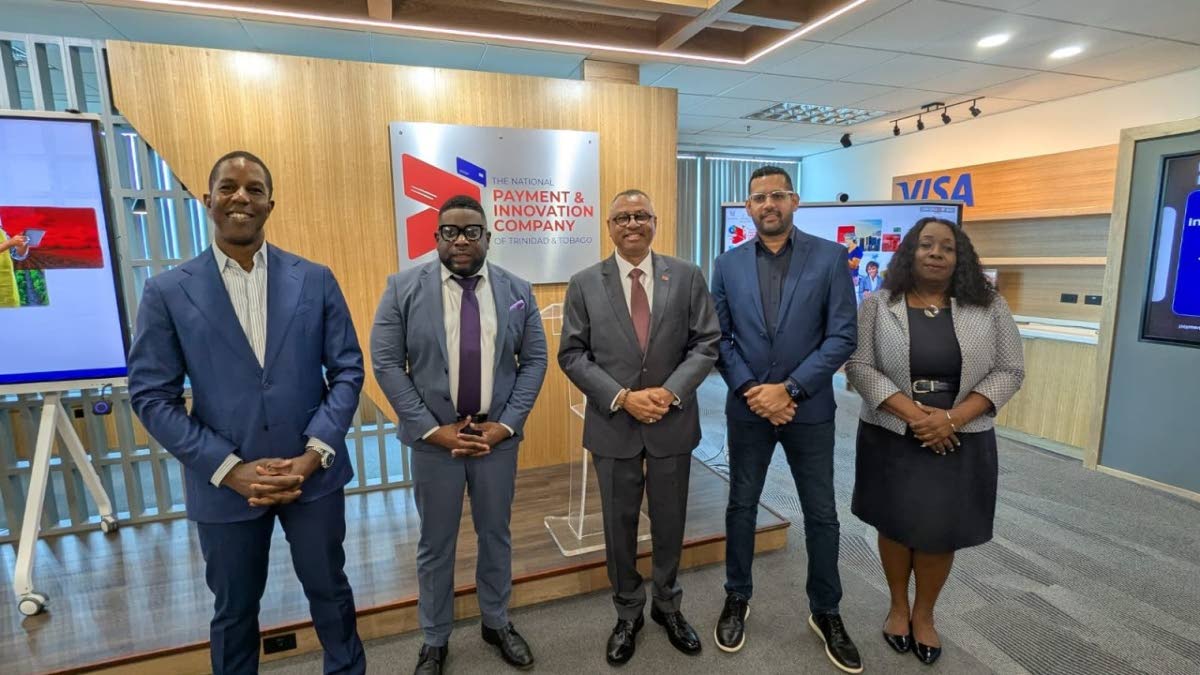
    In a landmark move towards digital modernization, Trinidad and Tobago has unveiled NOBIS, a national electronic Know Your Customer (eKYC) platform. The initiative, a collaborative effort between the Unit Trust Corporation (UTC), the National Payment and Innovation Company of TT (NPIC-TT), and the Telecommunications Services of TT (TSTT), was formalized through a recent agreement signing ceremony. The platform, developed locally by NPIC-TT’s Innovative Centre, aims to revolutionize identity verification and account onboarding processes by replacing traditional manual methods with a secure, efficient, and paperless system. UTC will be the first entity to implement NOBIS for digital onboarding, reflecting its commitment to customer convenience and trust. TSTT will provide the necessary telecommunications and cloud infrastructure to ensure a seamless national rollout. Dawn Nelson, Vice President of the Innovative Centre, emphasized the system’s scalability and security, underscoring its local development as a testament to Trinidad and Tobago’s technological capabilities. Beyond financial services, NOBIS will be extended free of charge to government ministries and state agencies, enabling a unified digital identity for services such as passport renewals, driver’s license updates, and government fee payments. This initiative positions Trinidad and Tobago as a regional leader in secure and inclusive digital services, setting the stage for a fully digital future.

  • Ansa McAL celebrates Guyanese mall opening

    Ansa McAL celebrates Guyanese mall opening

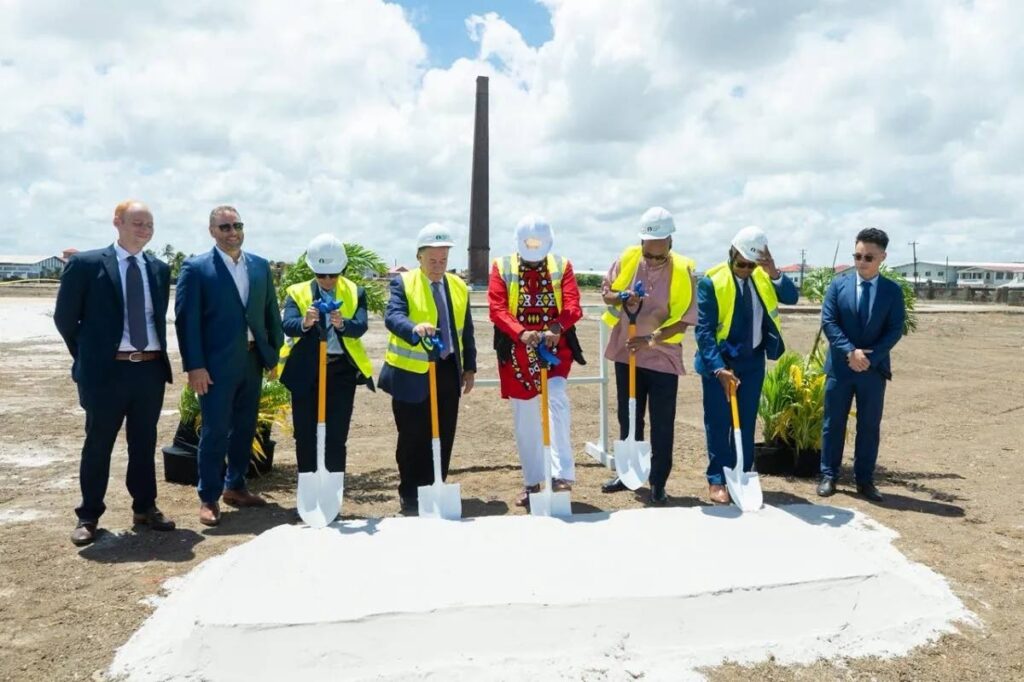
    Guyana’s retail and cultural landscape is set for a transformative leap with the commencement of the $60 million Chateau Margot Mall, a project spearheaded by Ansa McAL. The groundbreaking ceremony, held recently, was attended by Guyanese President Dr. Mohammed Irfaan Ali, Ansa McAL Chairman Norman Sabga, and Managing Director of Ansa McAL Distribution Inc Guyana, Troy Cadogan. The 110,000 square-foot mixed-use development, located along Guyana’s east corridor, marks a bold new chapter in the nation’s economic and cultural narrative. Designed by internationally renowned architect Varchi, the mall will feature over 60 stores, cultural landmarks, public spaces, premium office suites spanning 24,000 square feet, and nearly 500 parking spaces. The project’s proximity to the historic Chateau Margot Chimney, a symbol of Guyana’s industrial heritage, underscores its commitment to preserving the nation’s past while driving future progress. Ansa McAL has collaborated closely with the National Trust of Guyana to ensure the integrity of the site’s heritage is maintained. Group Chairman Norman Sabga emphasized that the mall is not merely a commercial development but a testament to regional expertise and collaboration. President Ali highlighted the project’s alignment with Guyana’s vision for societal transformation, rooted in human development. As Guyana embraces its moment of growth, the Chateau Margot Mall stands as a beacon of progress and partnership.