
The Grand Lucayan Resort in Grand Bahama experienced a temporary power outage on Thursday morning, reportedly due to unresolved electricity bills tied to the property’s recent change of ownership. The Office of the Prime Minister (OPM) confirmed that the issue was swiftly resolved, attributing it to a minor hiccup during the transition process. Latrae Rahming, Director of Communications at the OPM, stated, ‘The matter of power supply at the Grand Lucayan has been resolved, and electricity has been reconnected. This was a matter of reconciling utility bills between the government and the new owners.’ The resort, currently unoccupied, remains in a transitional phase as redevelopment efforts progress. Approximately 300 employees are still on staff to manage operations during this period. Sources revealed that the Grand Bahama Power Company (GBPC) disconnected the resort’s power supply due to unpaid arrears from the previous management. The new owners, Miami-based Concord Wilshire Capital, reportedly refused to assume the debt, leading to the brief disruption. GBPC declined to comment on the matter. The government sold the 56-acre property to Concord Wilshire in May for $120 million as part of an $827 million redevelopment plan aimed at transforming the resort into a mixed-use complex featuring a hotel, casino, marina, and cruise port. The incident highlights the challenges of transitioning ownership and the expectations for tangible progress on the project, which is seen as pivotal to revitalizing Grand Bahama’s tourism sector after years of setbacks, including hurricane damage and stalled ownership changes.
分类: business
-

TTSE announces shift to T+1 trade settlement by 2026
The Trinidad and Tobago Stock Exchange (TTSE) is set to transition to a one-day trade settlement cycle (T+1) by 2026, as part of its broader efforts to modernize operations and align with global standards. CEO Eva Mitchell made the announcement during her opening remarks at the TTSE’s 2025 Capital Markets and Investor Conference held at the Hyatt Regency in Port of Spain on October 24. Mitchell highlighted that the exchange had already reduced its settlement cycle from T+3 to T+2 in 2024, and the move to T+1 will further enhance market efficiency. The T+1 system, already adopted by major exchanges like the New York Stock Exchange, will reduce settlement time to a single day, improving liquidity and minimizing counterparty risk. Mitchell emphasized that this transition aligns the TTSE with global best practices for advanced exchanges. Alongside the settlement cycle change, the TTSE is rolling out a series of technology upgrades, including an updated depository portal set to launch in November. The new portal promises faster processing, smarter systems, and enhanced scalability, while also enabling the collection of valuable data to better understand market trends and opportunities. Additionally, the exchange introduced TOBI, a user-friendly digital assistant designed to help investors access information and ask questions about the market and its services. Mitchell also revealed that the TTSE has completed infrastructure for a new Spot Market to support derivatives trading, marking a first for the Caribbean. The exchange is also exploring the introduction of a ‘market maker’ framework to improve liquidity and price stability. In line with its commitment to sustainability, the TTSE has partnered with IDB Invest to develop a Green Bond Guide and joined the United Nations Sustainable Stock Exchanges (UNSSE) Initiative. Mitchell acknowledged the subdued local market but urged stakeholders to focus on long-term growth, emphasizing the importance of modernizing the market, embracing innovation, and fostering transparency and trust.
-

Young warns of energy sector fallout
The closure of Nutrien’s operations at the Point Lisas Industrial Estate in Trinidad has sparked significant concerns over the management of the country’s energy sector. Former Energy Minister and Prime Minister Stuart Young attributed the shutdown to what he termed “unfortunate mismanagement,” warning of its potential to undermine Trinidad and Tobago’s global competitiveness. The shutdown, confirmed on October 23, has already begun to disrupt the supply of carbon dioxide (CO₂) to local and regional manufacturers, including those in the carbonated beverage industry, a key export sector for the nation. Nutrien cited port access restrictions and unreliable natural gas supply as primary reasons for the decision, which has impacted its Trinidad Nitrogen operations’ cash flow over an extended period. Despite the closure, Nutrien remains confident in meeting its 2025 nitrogen sales targets, supported by its North American production. Young emphasized the critical role of the energy sector as a major foreign exchange earner and employer, stressing the importance of maintaining investor confidence and fostering respectful relationships with energy companies. He criticized the current government for failing to uphold these principles, warning of potential long-term plant closures and broader economic fallout.
-

NGC finds alternative CO2 for beverages amid Nutrien shutdown
The National Gas Company of Trinidad and Tobago (NGC) has successfully secured alternative sources of carbon dioxide (CO2) for the food and beverage industry, following the abrupt shutdown of Nutrien, the primary supplier. The announcement, made on October 24, comes in response to widespread concern over potential disruptions to CO2 supplies, which are critical for various domestic and industrial applications. Nutrien’s closure on October 20 had sparked fears of a shortage, particularly affecting Massy Gas Products Trinidad Ltd, the main distributor of CO2 to local manufacturers. NGC has collaborated with key stakeholders, including Proman Group and Plipdeco, to ensure a seamless transition. Proman has committed to supplying the same volume of CO2 previously provided by Nutrien, with no price increases for customers. Engineering pipeline tie-ins are currently being installed, with completion expected by October 27. NGC expressed regret over Nutrien’s indifference to the potential hardships caused by its shutdown but emphasized that the crisis has been averted. Meanwhile, former Energy Minister Stuart Young criticized the government’s handling of the situation, accusing it of aggressive tactics that led to Nutrien’s closure and warning of broader regional impacts on CO2-dependent industries.
-

Nutrien shuts down operations as port fee talks collapse
Global nitrogen and agrochemicals producer Nutrien has ceased operations in Trinidad, resulting in the layoff of 600 employees. This decision follows the breakdown of last-minute negotiations with the National Energy Corporation of Trinidad and Tobago (National Energy) over port and pier facility fees. National Energy asserted that Nutrien and other clients had been paying significantly below-market rates for decades, depriving taxpayers of over $500 million in revenue. The dispute escalated when Nutrien’s 2006 Pier User Agreement (PUA) expired in December 2020, and the company demanded even lower rates than those previously enjoyed. National Energy proposed fairer rates, but Nutrien refused to negotiate unless a $28 million invoice was withdrawn. Amid the standoff, Nutrien threatened to shut down its plants, prompting National Energy to offer temporary use of facilities at legacy rates until December 31, 2023, while urging negotiations for a new PUA. Despite this proposal, Nutrien proceeded with the shutdown, citing unresolved issues with future gas supply. National Energy emphasized that neither it nor the National Gas Company (NGC) is responsible for subsidizing Nutrien’s operations. The closure is expected to significantly impact employees and their families, though National Energy and NGC are working to minimize disruptions by reallocating gas supplies to other downstream plants.
-

Antigua Cabinet Orders End to All Tax Concessions Effective November 30
In a significant move to overhaul its fiscal policies, the government of Antigua and Barbuda has declared that all existing tax concessions for businesses and entities will be terminated effective November 30. This decision is part of a broader reform aimed at enhancing transparency, aligning policies with national priorities, and fostering fair competition. Starting December 1, 2025, businesses and ongoing projects will need to reapply for concessions under a new framework designed to ensure that incentives align with the country’s sustainable development and investment goals. Maurice Merchant, the Director General of Communications, emphasized during a post-Cabinet briefing that this measure will enable the government to reassess which sectors genuinely require support. He highlighted that the initiative aims to “promote fair competition” and strengthen accountability in the allocation of tax benefits. Merchant also pointed out that past broad-based concessions were often misused by businesses for projects beyond their original approval scope. The reform is expected to realign incentives with long-term objectives, including investments in green energy, tourism diversification, and the development of health and education sectors. While the decision will impact industries such as tourism, manufacturing, and renewable energy, officials clarified that qualified projects will still receive support. However, the reapplication process will ensure that incentives are appropriately scaled and compliant with updated national policies.
-

Integration of sustainable energy practices and regional tourism subject of new cross-sector agreement
The Caribbean Electric Utility Services Corporation (CARILEC) and the Caribbean Hotel and Tourism Association (CHTA), alongside its affiliate, the Caribbean Alliance for Sustainable Tourism (CAST), have formalized a groundbreaking Memorandum of Understanding (MOU) aimed at enhancing the Caribbean’s energy and tourism sectors. Signed on October 20, 2025, during the opening of the annual CARILEC Resilient Energy Community (CAREC) Conference and Exhibition in Santo Domingo, Dominican Republic, the agreement seeks to foster collaboration between these critical industries. The partnership focuses on promoting sustainable energy practices, accelerating renewable energy integration, and bolstering climate resilience within the region’s tourism and hospitality sectors. Additionally, it aims to support economic development and environmental responsibility. The MOU outlines a collaborative framework across five key areas: knowledge exchange and research, policy and regulatory enhancements, disaster preparedness and resilience, membership opportunities and joint promotional efforts, and workforce development and capacity building. CARILEC emphasized that this initiative aligns with its overarching goal of achieving a sustainable energy future for the Caribbean. Furthermore, CARILEC has expanded its membership criteria to include Large Commercial Prosumers—businesses and institutions with at least 20 kW of grid-connected generation capacity. This inclusion allows tourism operators and self-generating enterprises to participate directly in regional dialogue, share best practices, and influence policies for cleaner, more resilient, and economically sustainable energy systems. The signing ceremony featured Mr. Wayne M. Caines, Chairman of CARILEC’s Board of Directors, and Dr. Cletus Bertin, CARILEC’s Executive Director, who highlighted the partnership’s potential to bridge energy and tourism for tangible progress in renewable energy deployment and disaster resilience. Mr. Sanovnik Destang, President of CHTA, underscored the interconnectedness of tourism and energy, noting that hotels and resorts are among the largest energy users in the region. He cited renewable energy projects in Aruba, Barbados, and Dominica as examples of progress but emphasized the need for greater adoption. The MOU also establishes a Joint Working Group to develop annual work plans, monitor implementation, and evaluate progress. The agreement is set for an initial term of three years, with provisions for renewal by mutual consent. This alliance aims to empower Caribbean utilities and tourism stakeholders to collaborate toward a cleaner, more resilient, and energy-efficient future, strengthening sustainable economic growth and competitiveness across the region.
-

The International Seed Testing Association and IICA collaborate to upgrade seed testing and certfificationin region
In a landmark virtual ceremony, the International Seed Testing Association (ISTA) and the Inter-American Institute for Cooperation on Agriculture (IICA) formalized a groundbreaking partnership aimed at revolutionizing seed quality testing and certification systems across the Americas. The memorandum of understanding was signed by ISTA President Ernest Allen and IICA Director General Manuel Otero, marking a significant step toward agricultural modernization and food security in the region. The collaboration will focus on sharing technical expertise, training personnel, standardizing seed analysis protocols, and enhancing the capabilities of certification and quality assurance bodies. Ernest Allen emphasized the transformative potential of the agreement, stating, ‘This partnership is a bridge between our organizations. Just as a small seed can grow into something extraordinary, we expect this alliance to flourish into a robust collaboration benefiting all 34 IICA Member States.’ Manuel Otero highlighted the critical role of seeds in agricultural development, stressing the need for actionable strategies to improve quality of life across the hemisphere. The partnership will also promote regional technological innovation and facilitate greater participation in international seed trade, ensuring the Americas remain at the forefront of agricultural advancements.
-
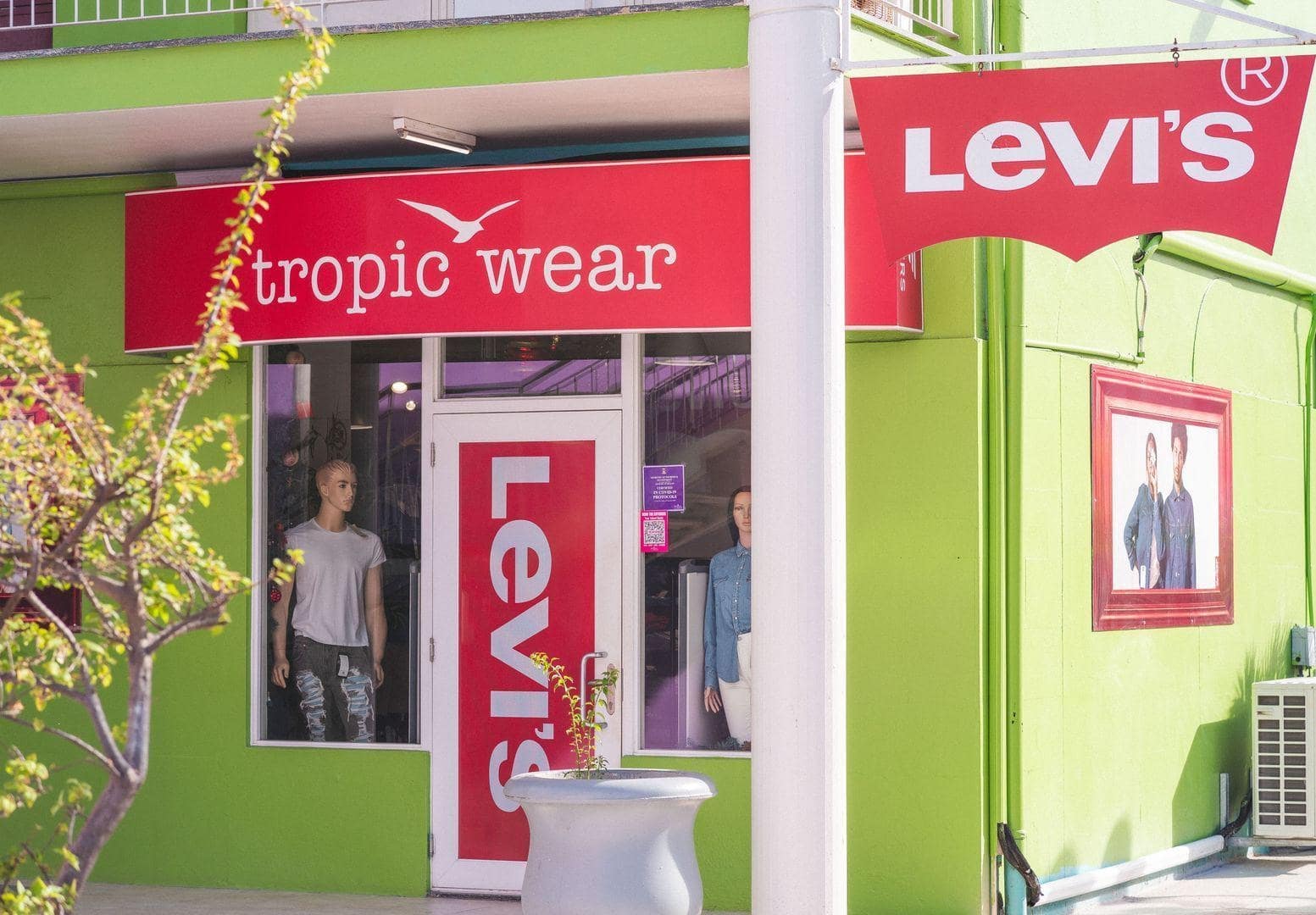
Tropic Wear Celebrates 30+ Years as Antigua’s Destination for Authentic Levi’s® & Dockers® Collections
Tropic Wear, the premier authorized retailer of Levi’s® and Dockers® brands in Antigua and Barbuda, continues to uphold its esteemed legacy of delivering high-quality, trusted fashion to the island community. Strategically situated at #17 Heritage Quay (bottom floor) in St. John’s, this iconic store has been a beacon of style and exceptional service for over three decades. Renowned as the go-to destination for authentic Levi’s® and Dockers® apparel, Tropic Wear now showcases the latest Spring/Summer 2025 collections, blending contemporary trends with timeless classics that epitomize both brands. From the legendary Levi’s® 501® jeans and trucker jackets to Dockers® smart-casual essentials, the store offers versatile pieces tailored to suit every lifestyle. To celebrate the new season, Tropic Wear is offering an exclusive 30% discount on cozy sweaters, Levi’s® denim, and Dockers® apparel for both men and women, featuring a diverse range of wardrobe staples. ‘We take immense pride in serving our community and visitors for over 30 years,’ said a spokesperson. ‘Our customers have made us a part of their lives across generations, and we remain dedicated to upholding this tradition with exceptional fashion, value, and service.’ Tropic Wear extends heartfelt gratitude to its loyal patrons and warmly invites everyone to explore its newest arrivals. Whether you’re seeking a modern wardrobe update or a timeless Levi’s® classic, Tropic Wear promises the perfect fit for every style. Visit #17 Heritage Quay, St. John’s, Antigua, or call (268) 462-6251 for more information.
-

Sandals, local fisherfolk discuss boosting sustainable seafood supply
Sandals Resorts International (SRI) has taken significant steps to establish a sustainable and reliable seafood supply chain in Saint Vincent and the Grenadines (SVG) by engaging directly with the local fishing community. On October 14, representatives from Sandals SVG, alongside Winsbert Harry, President of the National Fisherfolk Organization (NFO), and members of the Barrouallie Fishing Cooperative, conducted a site visit to a proposed storage and processing facility in Barrouallie. The visit highlighted critical areas for improvement, including investments in storage infrastructure, ice supply, and handling systems, all designed to meet the resort’s stringent quality and efficiency standards. Discussions also centered on diversifying the seafood supply by incorporating species such as butterfish (coral trout) and various groupers, in addition to the resort’s existing offerings. The collaboration deepened on October 15, when Sandals hosted a workshop at the resort for NFO and cooperative members. The session focused on understanding seasonal seafood demand, assessing feasible catch volumes, reviewing pricing models, and mapping out logistics for direct delivery to the resort. Participants also addressed training needs in quality control, proper handling, and cold storage management to align with international hospitality benchmarks. As a tangible outcome, the parties agreed to launch a trial program centered on tuna, supported by recently installed fish aggregating devices that have boosted tuna availability. The NFO is set to finalize a target species list and propose a delivery structure in the coming weeks, with training sessions planned to ensure quality and traceability. This initiative reflects SRI’s broader commitment to community empowerment and the integration of locally sourced, high-quality ingredients into its culinary offerings. Matthew Flynn, SRI’s senior purchasing manager, emphasized that the partnership exemplifies Sandals’ ethos of linking tourism with community development. ‘By investing in local capacity and strengthening the seafood supply chain, we are creating meaningful opportunities for Vincentian fisherfolk while providing our guests with the freshest taste of the Caribbean,’ Flynn remarked.