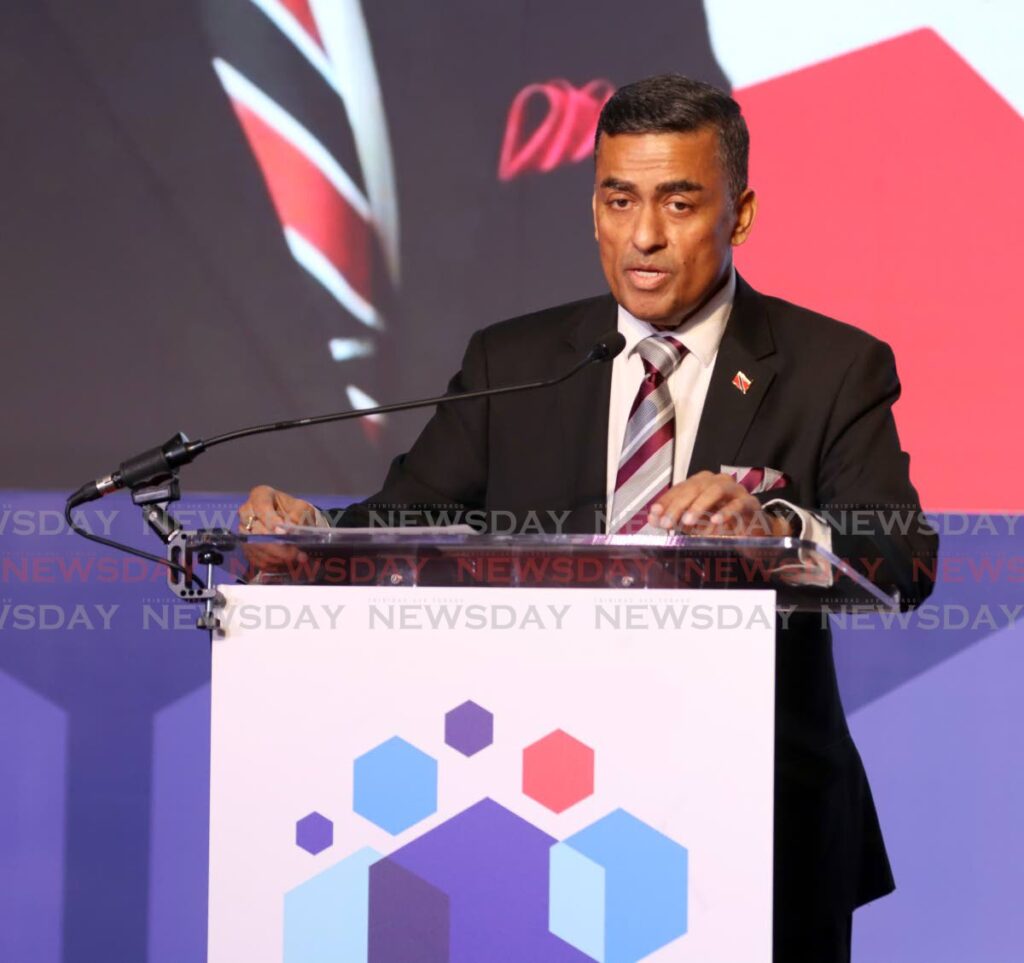
Finance Minister Dave Tancoo has issued a stark warning about Trinidad and Tobago’s rapidly aging population, emphasizing its profound implications for the country’s economic stability. Speaking at the TT Stock Exchange’s Capital Markets and Investor Conference in Port of Spain on October 24, Tancoo highlighted the urgent need for reforms to the National Insurance System (NIS) and initiatives to mobilize domestic capital. He revealed that the proportion of citizens aged 65 and older has surged from 5% in 1980 to over 11% today, with projections indicating it will exceed 26% by 2060. This demographic shift, he cautioned, threatens the sustainability of the NIS, which is already paying out more in benefits than it collects in contributions. Tancoo warned that without immediate action, the National Insurance Fund could be depleted by 2032, leaving thousands of retirees without support. To address this, the government plans to increase NIS contribution rates by 3% in 2026 and 2027, gradually raise the retirement age starting in 2028, and deepen the country’s capital markets. Tancoo also announced the launch of a $1 billion National Investment Fund bond and a state-sponsored Real Estate Investment Trust (REIT) to encourage domestic investment and unlock value in public assets. These measures, he stressed, are essential to ensuring financial security for retirees and fostering long-term economic growth.
分类: business
-
Suriname zet koers naar nationale local content-roadmap
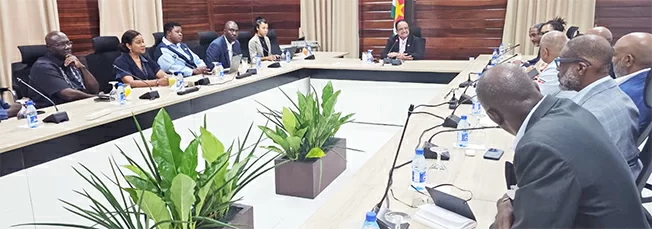
Suriname has taken a significant step toward establishing a unified national strategy for local content development in its energy sector through the Local Content Conference 2025. Organized by the Suriname Energy Chamber (SEC), the three-day event brought together a diverse range of stakeholders, including government officials, parliamentarians, State Oil Company, Energy Authority Suriname (EAS), private sector representatives, labor unions, international oil companies like TotalEnergies, and global partners. The conference aimed to create a cohesive national vision and definition for local content development, with the goal of finalizing a National Local Content Roadmap within months. This roadmap is expected to lay the foundation for a sustainable, inclusive, and diversified economy, ensuring that Surinamese businesses, workers, and communities benefit from the growth in the energy industry. SEC Chairman Orlando Olmberg emphasized the importance of this initiative during the plenary sessions, highlighting TotalEnergies’ $1.5 billion commitment to local content within the GranMorgu project (Block 58) and Afreximbank’s $5 billion facility to strengthen local enterprises for future large-scale projects. These international commitments underscore Suriname’s position at a historic juncture. Vice President Gregory Rusland called for collaboration across all sectors to further develop the energy industry, stressing the government’s responsibility to create a robust and inclusive local content policy. Full support was expressed by both the government and parliament, with Oil, Gas, and Environment Minister Patrick Brunings emphasizing the need for aligned policy, legislation, and execution. National Assembly Chairman Ashwin Adhin announced plans to develop legislation and establish a special committee to oversee the process. Foreign Affairs Minister Melvin Bouva highlighted the importance of local technical capacity, market-aligned education, and transparent social and financial conditions as the foundation for sustainable trust. The conference, which began with a networking event at the Marriott Hotel, included plenary sessions, workshops, and panel discussions at the Assuria High-Rise Building. Follow-up steps include the establishment of a National Local Content Commission, tasked with presenting a policy proposal within three to four months. This conference marks the beginning of a collaborative effort to embed local content as a cornerstone of Suriname’s future economic development.
-
Caribbean Development Bank urges investment in irrigation systems region-wide to support food security
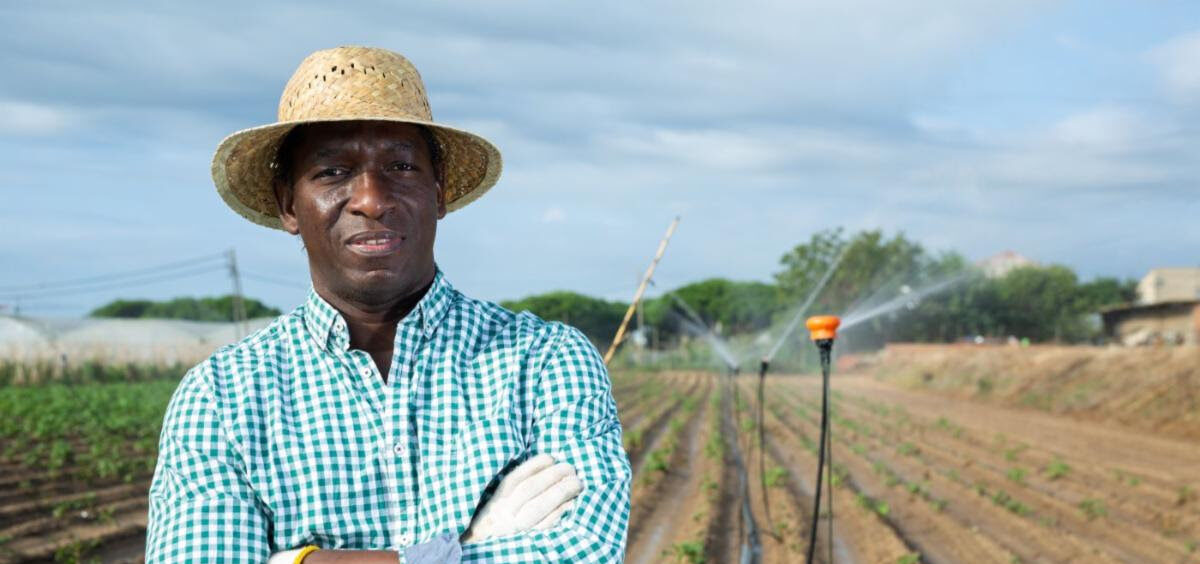
The Caribbean Development Bank (CDB) has reaffirmed its commitment to enhancing food security and income stability across the region through strategic investments in sustainable irrigation projects. Speaking at the closing ceremony of the Hand-in-Hand Investment Forum during the 2025 World Food Forum, Dr. Isaac Solomon, the Bank’s Vice President of Operations, highlighted the urgent need for climate-resilient water infrastructure to support small-scale farmers and strengthen national food systems. The forum, themed ‘Enhancing Food and Income Security Through Sustainable Irrigation Investments in Caribbean Countries,’ brought together government officials, technical experts, and development partners to discuss innovative water management strategies in agriculture. Dr. Solomon emphasized that reliable irrigation systems can significantly boost agricultural productivity, enabling crop diversification and year-round production. He cited findings from a joint study by the CDB and the Food and Agriculture Organization, which revealed that droughts are becoming more frequent and severe in the Caribbean, threatening rural livelihoods and food security. With less than 4% of the region’s arable land currently irrigated, the CDB is advocating for increased concessional and grant funding to expand infrastructure. Dr. Solomon stressed that irrigation projects must be tailored to local conditions, incorporating advanced technologies, water efficiency, and robust governance practices. The Bank also announced plans to develop a regional knowledge platform to provide farmers with mobile access to location-specific best practices. Additionally, the CDB called for integrated water resources management to ensure sustainability and equitable access. In his closing remarks, Dr. Solomon urged Caribbean nations to adopt comprehensive, climate-smart irrigation strategies to mitigate drought impacts and build resilient agricultural systems. As part of its Rebirth Vision, the CDB continues to promote solutions that combine infrastructure development, policy reform, and technological innovation to achieve sustainable progress in food and water security.
-

PSV owners seek urgent meeting with Uber amid launch concerns
Public Service Vehicle (PSV) owners in Barbados are calling for immediate discussions with Uber, the global ride-hailing giant, following its recent entry into the local transportation market. The AOPT (Alliance Owners of Public Transport), led by Chairman Roy Raphael, is concerned that Uber’s presence could destabilize traditional taxi businesses, particularly those operating at key hubs like the airport and seaport. Uber officially launched its services in Barbados on Tuesday, positioning itself as a partner rather than a competitor to the taxi industry. Already, 400 licensed taxi operators have joined the Uber Taxi platform, which is exclusively for registered taxis. However, Raphael emphasized the need for clarity on Uber’s mission and its potential impact on local operators. He warned that the recent increase in taxi fares might drive customers toward cheaper alternatives like Uber, further squeezing traditional taxi drivers. Raphael also raised concerns about the misuse of ‘C’ plate commercial vehicles, which are not registered taxis but could potentially join Uber’s platform, exacerbating competition. In response, the AOPT is exploring a partnership with a local ‘book-a-ride’ app to create opportunities for its members and safeguard their livelihoods. The association plans to launch this app soon, encouraging locals to support homegrown taxi services. Raphael assured that the AOPT will closely monitor Uber’s activities and advocate for fair practices in the evolving transportation landscape.
-
Cable & Wireless St. Kitts & Nevis Ltd Dividend Payment
Basseterre, 24 October 2025 – Cable & Wireless St. Kitts & Nevis Ltd has announced a dividend payout of EC$0.70 per share, approved by its Board of Directors. This payment covers the fiscal years 2021, 2022, 2023, and 2024 and will be distributed to shareholders recorded as of 19 September 2025. The Eastern Caribbean Securities Exchange (ECSE) will facilitate the disbursement, effective from 24 October 2025. Additionally, the company has indicated that further details regarding the Annual General Meeting (AGM) will be communicated soon. The AGM will focus on reviewing the financial performance of the company over the aforementioned years. This announcement underscores the company’s commitment to delivering value to its shareholders amidst its financial operations.
-

Robert De Niro’s Nobu-Branded Private Residences in Barbuda Are Officially on the Market
Renowned Hollywood actor Robert De Niro has officially listed his luxury Nobu-branded private residences in Barbuda for sale. The properties, which are part of the prestigious Nobu brand co-founded by De Niro, offer unparalleled exclusivity and sophistication. Located on the pristine Caribbean island of Barbuda, these residences are designed to blend seamlessly with the island’s natural beauty while providing world-class amenities. The development is a collaboration between De Niro, celebrity chef Nobu Matsuhisa, and entrepreneur Meir Teper, who have successfully expanded the Nobu brand into the hospitality and real estate sectors. The sale of these properties marks a significant moment in the luxury real estate market, attracting attention from high-net-worth individuals seeking unique investment opportunities. The residences are expected to fetch premium prices, given their association with the globally recognized Nobu brand and their idyllic location. This move also highlights the growing trend of celebrity-backed real estate ventures, which continue to shape the high-end property market.
-
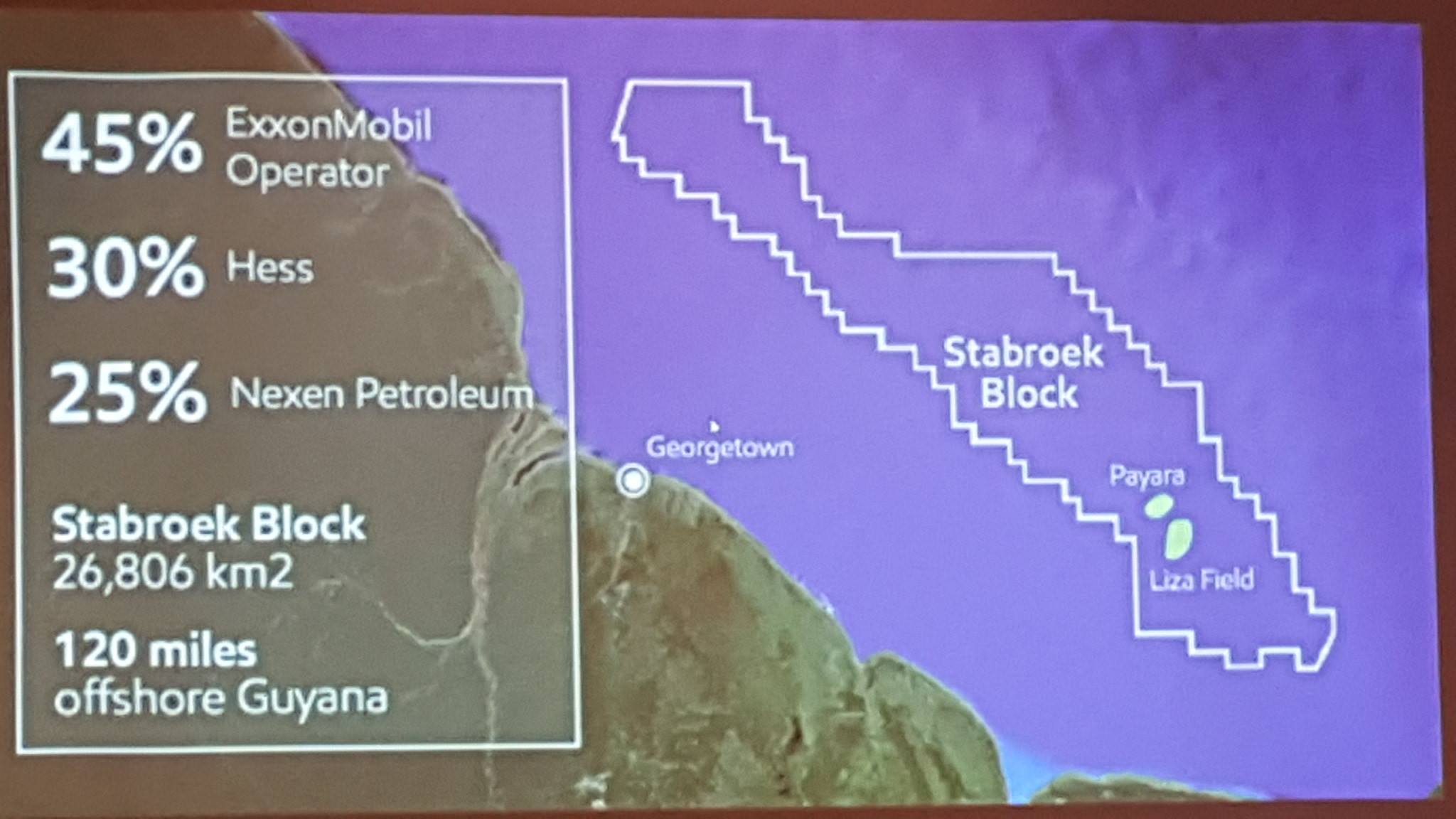
Eco-Atlantic says Hammerhead may fuel heavy oil build out offshore Guyana
Eco Atlantic Oil & Gas has indicated that the recent sanctioning of the Hammerhead project by ExxonMobil could pave the way for significant heavy oil development offshore Guyana. The US$6.8 billion seventh phase of the Stabroek block has demonstrated the economic viability of heavy oil extraction, according to Eco Atlantic’s President and CEO, Gil Holzman. In an interview, Holzman emphasized that this development has prompted a reevaluation of the Jethro-1 discovery, which holds an estimated 1 billion barrels of oil, located in the neighboring Orinduik block where Eco Atlantic holds a 100% working interest. The company is now in discussions with the Guyanese government to potentially revisit the non-commercialization notice issued by Tullow, the previous operator of Orinduik. Holzman also noted that the extended farmout process for Orinduik was influenced by the shift in focus from light Cretaceous oil to heavy oil development. Additionally, Eco Atlantic maintains a stake in the Canje block, which borders Stabroek, further solidifying its presence in Guyana’s burgeoning oil sector.
-
Faber Criticizes Secretive BEL Acquisition Plan
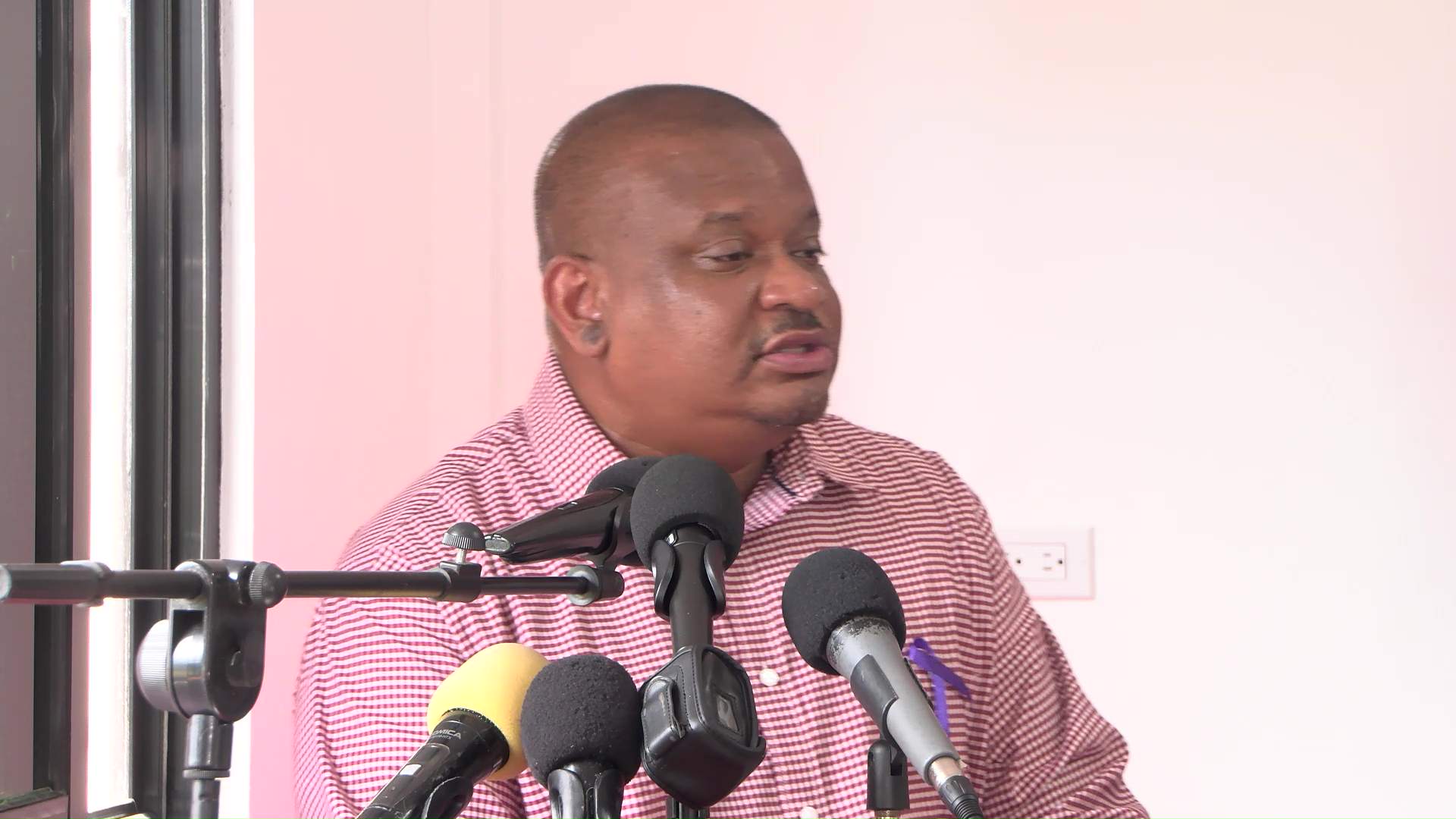
Opposition Senator Patrick Faber has launched a scathing critique of the Belizean government’s secretive plan to acquire Fortis Belize and its shares in Belize Electricity Limited (BEL). Faber accuses the Briceño administration of lacking transparency in its dealings with Fortis principals, particularly regarding the financial and procedural details of the agreement. The senator expressed frustration over the rushed legislative process, which he claims forces the Senate to evaluate, study, and pass the bill in a single sitting. Faber described this approach as ‘unconscionable,’ suggesting the government is attempting to push through a significant financial deal without proper scrutiny. The acquisition includes Fortis Belize Ltd., which owns three hydroelectric dams, at a reported cost of $110 million USD. Faber questioned whether the payment has already been made, citing discrepancies in the circulated documents, including one marked ‘executed’ with the prime minister’s signature. This move, according to Faber, represents an unnecessary and costly expansion of the government’s initial plan to repurchase BEL shares.
-
Central America Targets Connectivity Fix to Boost Regional Tourism
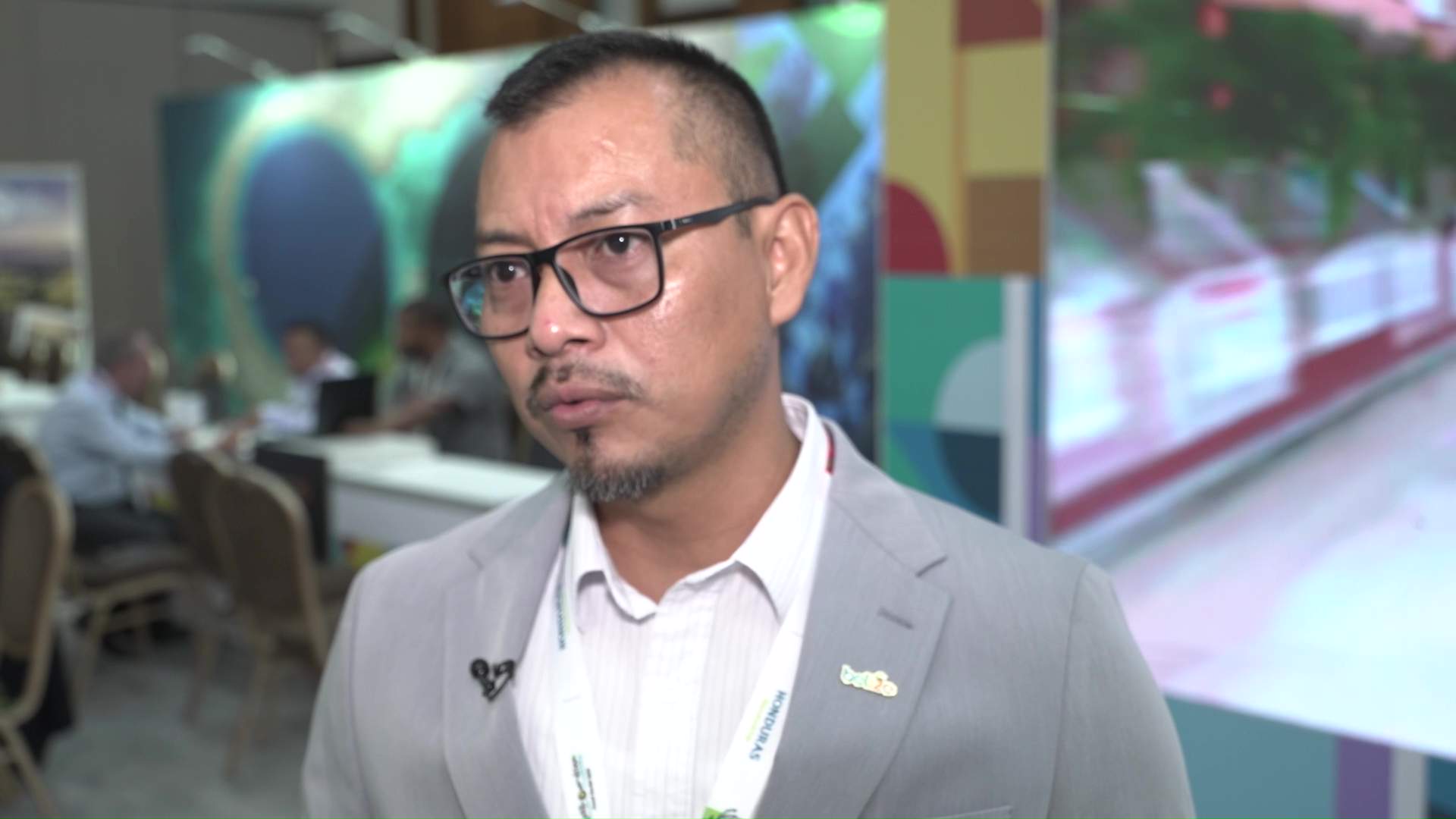
Central America is taking significant steps to address its connectivity challenges, which have long hindered the growth of its tourism sector. Despite marketing itself as a unified, multi-destination region, the lack of seamless air and land routes continues to restrict travelers’ ability to move freely between countries. Efren Perez, Pro Tem President of the Federation of Central American Tourism Chambers and President of the Belize Tourism Industry Association, emphasized the importance of this issue during a recent regional meeting. Key organizations such as the Central American Tourism Agency and FEDECATUR are collaborating to develop solutions that improve cross-border access, revisit the CA-4 Agreement, and strengthen partnerships with regional airlines. Perez highlighted that these efforts are part of a broader strategy to make travel within the region more accessible, encourage longer stays, and elevate Central America’s position on the global tourism map. During the meeting, Perez also discussed the need for regional immigration reforms and the integration of the private sector into promotional strategies. He provided an example of how travelers moving from Honduras to Belize might not require a round-trip ticket if they are engaging in multi-destination travel, which is a key focus of the region’s tourism promotion. Perez stressed the importance of balancing border security with the need to maintain a smooth flow of tourists. The private sector is actively working with government agencies to propose solutions that enhance connectivity and improve the overall tourism experience. These initiatives are expected to be a central topic in ongoing regional discussions, with the goal of fostering a more integrated and attractive tourism market in Central America.
-

Nutrien shuts down operations as port fee talks collapse
Global nitrogen and agrochemicals producer Nutrien has ceased operations in Trinidad, resulting in the layoff of 600 employees. This decision follows the breakdown of last-minute negotiations with the National Energy Corporation of Trinidad and Tobago (National Energy) over port and pier facility fees. National Energy asserted that Nutrien and other clients had been paying significantly below-market rates for decades, depriving taxpayers of over $500 million in revenue. The dispute escalated when Nutrien’s 2006 Pier User Agreement (PUA) expired in December 2020, and the company demanded even lower rates than those previously enjoyed. National Energy proposed fairer rates, but Nutrien refused to negotiate unless a $28 million invoice was withdrawn. Amid the standoff, Nutrien threatened to shut down its plants, prompting National Energy to offer temporary use of facilities at legacy rates until December 31, 2023, while urging negotiations for a new PUA. Despite this proposal, Nutrien proceeded with the shutdown, citing unresolved issues with future gas supply. National Energy emphasized that neither it nor the National Gas Company (NGC) is responsible for subsidizing Nutrien’s operations. The closure is expected to significantly impact employees and their families, though National Energy and NGC are working to minimize disruptions by reallocating gas supplies to other downstream plants.