
In a pivotal hearing before the US Federal Appeals Court, judges expressed skepticism over arguments presented by lawyers for Sam Bankman-Fried, the disgraced former cryptocurrency tycoon, who is seeking to overturn his fraud conviction and secure a new trial. Bankman-Fried’s defense team, led by attorney Alexandria Shapiro, argued that the initial trial was “fundamentally unfair,” claiming that Judge Lewis Kaplan improperly restricted Bankman-Fried’s testimony, thereby favoring prosecutors. Shapiro contended that the prosecution’s narrative was “morally compelling” but misleading, emphasizing that nearly all FTX creditors had been repaid 120% of their investments, with $8 billion already returned and an additional $1 billion in legal fees covered. Bankman-Fried’s legal team also argued that key evidence supporting his claim that FTX had sufficient funds to cover customer withdrawals was excluded, rendering the verdict unjust. However, the appellate judges appeared unconvinced, with one noting “very substantial evidence of guilt” in the trial record. Judge Barrington Parker questioned whether the jury’s verdict would have differed even if Bankman-Fried had been allowed to testify about his lawyers’ involvement in drafting certain documents. Bankman-Fried, once hailed as a billionaire cryptocurrency mogul and founder of FTX and Alameda Research, saw his empire crumble when it was revealed he had misused billions in customer funds to cover losses, finance political donations, and support personal and corporate spending. In March 2024, he was sentenced to 25 years in prison, three years of supervised release, and ordered to forfeit $11 billion after being convicted on seven charges, including wire fraud, securities fraud, and money laundering. Prosecutors described his actions as one of the largest financial frauds in US history, with Judge Kaplan condemning his “exceptional greed and disregard for the truth.” Meanwhile, reports suggest Bankman-Fried’s inner circle has lobbied former President Donald Trump for a pardon, though it remains unclear whether Trump is considering the request.
分类: business
-

US appeal court upholds US$131m Piarco airport judgment
The Florida Third District Court of Appeal has reaffirmed a $131 million judgment against businessman Steve Ferguson, marking the conclusion of a 19-year legal saga. Ferguson was accused of orchestrating a multimillion-dollar fraud scheme tied to the construction of Trinidad and Tobago’s Piarco International Airport. In a November 5 ruling, judges Thomas Logue, Monica Gordo, and Fleur Lobree upheld a Miami-Dade County jury’s verdict, which found Ferguson guilty of civil fraud, conspiracy to commit fraud, and violations of Florida’s Civil Remedies for Criminal Practices Act and the Racketeer Influenced and Corrupt Organizations Act (RICO). The court dismissed Ferguson’s argument that the Republic of Trinidad and Tobago failed to prove a ‘domestic injury,’ a critical requirement under federal RICO law. The judges highlighted evidence of bribes, bid manipulation, and money transfers through Miami-based companies and bank accounts, establishing Florida as a central hub for the fraudulent activities. The court also noted the use of Florida corporations to inflate bids, funnel kickbacks through Bahamian shell accounts, and purchase Miami properties for government officials involved in the conspiracy. The ruling emphasized Florida’s role as a global financial and business hub, underscoring the state’s interest in addressing criminal enterprises operating within its jurisdiction. The case, which began in 2004, saw most defendants settle or be dismissed before trial. In 2023, Ferguson and two co-defendants were found jointly liable for $32 million in damages, later tripled under Florida’s RICO provisions and increased to $131.3 million with prejudgment interest.
-

7 new members appointed to NIF board as 4 resign
The National Investment Fund Holding Company Ltd (NIF) is undergoing significant changes as four board members have resigned, and seven new members have been appointed. The resignations, effective from October 28, include Chairperson Jennifer Lutchman, along with board members Nadira Lyder, Dexter Jaggernauth, and Cindy Pierre. The vacancies have been filled with the appointment of Dr. Sandra Sookram as the new chairperson, Patrice Jameela Ayoung-Chee as deputy chairman, and Aiden Boodoo, Shivanand Maharaj, Vandanna Singh-Maharaj, and Dexter V. Ragoonath as board members. The new board will serve a two-year term starting October 28. Established in 2018, the NIF was created to manage assets received by the government from Clico’s shareholdings, following a $4 billion government bailout in 2009. The fund has since repaid the bailout and made significant interest distributions, totaling $2.4 billion since its inception. Notable assets under the NIF include Republic Financial Holdings Ltd, One Caribbean Media Ltd, West Indian Tobacco Company Ltd, Angostura Holdings Ltd, and TT Generation Unlimited. The NIF has also made multiple coupon payments to bondholders, including a recent $9 million payment under the NIF 2 bond offer launched in 2022.
-
TCL reports $86m in profits
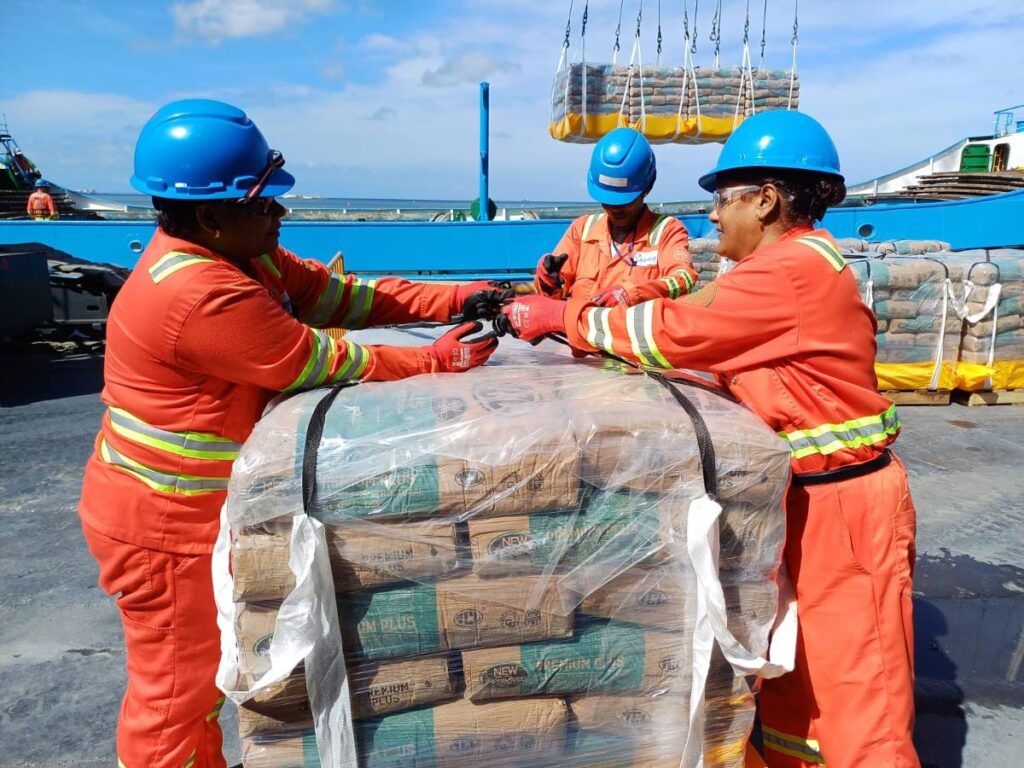
TCL Group has announced a substantial quarterly profit of $86 million for the period ending September 30, as revealed in its consolidated interim financial report published on the Trinidad and Tobago Stock Exchange’s website. This marks a notable increase compared to the $34.6 million profit recorded during the same period the previous year. The surge in earnings is attributed to heightened revenues, strategic cost optimization measures, and improved market conditions. For the quarter, the group generated $607 million in revenue, up from $522.4 million in the prior year, while operating earnings soared to $149.5 million from $43.8 million. Earnings before tax also saw a significant rise, reaching $141 million compared to $43.7 million in 2024. The directors, Chairman David G. Inglefield and Managing Director Francisco Aguilera Mendoza, highlighted robust sales in Jamaica and Guyana, alongside favorable regional pricing, as key drivers of this growth. These gains offset weaker domestic sales in Trinidad and Tobago. Approximately 88% of the profit increase stemmed from Jamaica’s operations, with Trinidad and Tobago, Guyana, and Barbados each contributing 4%. The group also benefited from a strategic restructuring program implemented in 2025, which reduced administrative expenses. However, the group faced challenges, including the adverse impact of Hurricane Beryl, which affected operations in St. Vincent and the Grenadines and Jamaica in 2024. Despite the strong quarterly performance, TCL Group reported a decline in annual profits for the year ending September 30, 2025, with profits dropping to $159.6 million from $210.6 million the previous year. This was due to lower sales in Trinidad and Tobago and increased expenses related to fixed asset impairments and restructuring costs in Barbados. Nevertheless, the group’s revenue for the year rose to $1.8 billion from $1.7 billion, driven by growth in Jamaica and Guyana.
-

Standard Distributors sale amid retail sluggishness
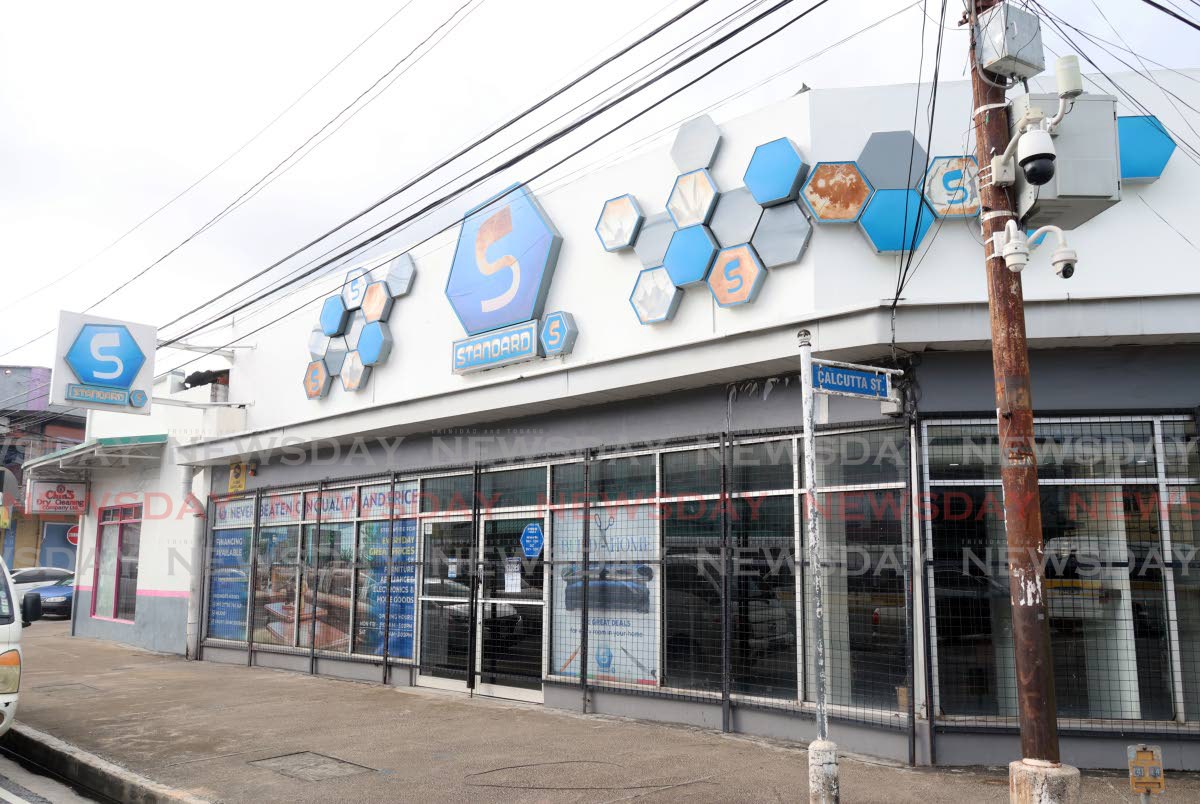
The retail sector continues to face significant challenges, as highlighted by the recent developments surrounding Standard Distributors, a long-standing furniture and appliance retailer. Established in 1945, Standard Distributors has been a household name for decades. However, on November 1, all its branches, including one in Barbados, were reportedly closed. Ansa McAL, the parent company, announced the sale of Standard Distributors to Term Finance, which plans to transform the brand into a dedicated credit provider and e-commerce platform under the new name Standard Credit. The transaction, expected to be finalized by December 31 pending approvals, aims to leverage Standard’s 80-year expertise in hire-purchase agreements to offer innovative credit products. This move comes amidst a broader decline in the retail sector, exacerbated by the lingering effects of the COVID-19 pandemic. The Central Statistical Office reported a 7.8% drop in the index of retail sales for household appliances and furnishings in the first quarter of 2025, with the overall retail index falling by 3.7%. Central Bank data further indicates a consistent decline in retail sales since 2024, reflecting reduced consumer spending and low confidence. While online shopping platforms like Amazon and Shein have impacted physical stores, high shipping costs for bulky items had previously given furniture retailers an edge. However, the sector now faces additional pressures, including unmet housing demand and consumers’ reluctance to spend. The government’s efforts to stimulate economic growth through sustained spending and institutional strengthening may provide some relief, but the ongoing challenges in the furnishings sector underscore the depth of the issue.
-
Supply Solutions strengthens SME procurement
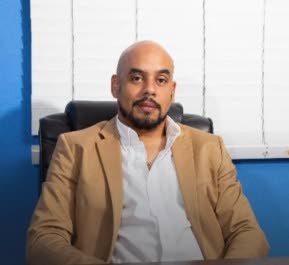
Supply Solutions Ltd, a prominent player in engineering and construction, is now positioning itself as a leading procurement service provider, particularly for small to medium-sized enterprises (SMEs). The company is broadening its horizons by targeting both regional and international markets while reinforcing its domestic presence. CEO Nicholas Ottley emphasized the company’s unique approach: \”My product is the ability to take your problem and implement the mechanism to solve it.\
-
Home retail sector rearranges
The closure of Standard Distributors, a long-standing retail giant in Trinidad and Tobago, marks the end of an era for traditional brick-and-mortar home furnishings and electronics stores. Simultaneously, American Stores, a family-run competitor, has opened a new branch in Arima, symbolizing the shifting dynamics in the local retail market. The contrasting events highlight the challenges faced by traditional retailers in adapting to online competition, squeezed profit margins, and evolving consumer preferences. Standard Distributors, founded in 1945 and acquired by the Ansa McAL Group in 1967, officially closed its doors on November 1, 2025. Its operations have been sold to Term Finance (TT) Ltd, a regional fintech company, which plans to rebrand the business as Standard Credit, focusing on credit and e-commerce services. Sarah Inglefield, Ansa McAL’s head of marketing, emphasized that the divestment aligns with the group’s strategic growth priorities, allowing it to focus on high-growth sectors. Meanwhile, American Stores, founded in 1950, is reclaiming its position in the market. The company, now led by the third generation of the Hosein family, has opened a new branch in Arima, replacing a smaller, congested location. COO Tana de Freitas highlighted the company’s resilience and commitment to customer service, despite challenges such as foreign exchange shortages and shipping costs. While Standard Distributors’ closure reflects the harsh realities of traditional retail, American Stores’ expansion demonstrates the enduring potential of family-owned businesses in a rapidly changing market.
-

TTMA unveils plans for convention centre, exports, SMEs
The Trinidad and Tobago Manufacturers’ Association (TTMA) recently hosted its annual President’s Dinner and Awards at the Hyatt Regency in Port of Spain, celebrating the resilience, innovation, and economic contributions of the nation’s manufacturing sector. The event, held on November 5, 2025, highlighted the industry’s pivotal role in national development, with TTMA President Dale Parson emphasizing its employment of over 60,000 people and its status as a key economic stabilizer. Parson also revealed that the TTMA, in partnership with the government, raised over $5 million in goods and cash within 24 hours to support Jamaica’s recovery efforts following Hurricane Melissa. The manufacturing sector accounts for approximately 18% of Trinidad and Tobago’s Gross Domestic Product (GDP), making it the second-largest employer after the state. Small and medium-sized enterprises (SMEs) were recognized as the backbone of the industry, comprising nearly 65% of manufacturers nationwide. Parson outlined initiatives to enhance SME export readiness, including participation in trade conventions, international missions, and collaboration with the Eximbank. Looking ahead, the TTMA has proposed redeveloping the Caroni Racing Complex into a world-class convention center, aiming to position Trinidad and Tobago as a regional manufacturing and trade hub. The event also featured calls for deeper bilateral collaboration between Trinidad and Tobago and Guyana, with Guyana Manufacturing and Services Association President Rafeek Khan urging the resolution of trade barriers to unlock regional opportunities. Trade Minister Satyakama Maharaj commended manufacturers for their role in economic diversification, announcing ambitious targets to expand exports by $5 billion and attract $9 billion in investments over the next five years. The evening concluded with awards recognizing industry leaders, including Angostura Ltd, which won Exporter of the Year (Large Category), and Novo Farms Ltd, honored as Manufacturer of the Year (Medium Category).
-

Is AI taking our jobs or not?
The rise of artificial intelligence (AI) is fundamentally transforming the global workforce, challenging traditional job structures and reshaping industries. While the phrase ‘AI won’t take your job – but someone using AI will’ offers a sense of optimism, the reality is far more complex. Companies worldwide are increasingly citing AI as a reason for cutting thousands of white-collar roles. Amazon’s CEO, Andy Jassy, recently highlighted that AI enables teams to achieve more with fewer people, signaling a shift in workforce dynamics.
Jobs are not monolithic but rather collections of tasks. Research from McKinsey & Company reveals that AI can perform 30 to 70 percent of these tasks, altering the economic viability of many roles. When AI handles half of a job’s workload more efficiently, companies face three choices: eliminate the role, merge it with another function, or redesign it into an AI-assisted position. This gradual erosion of tasks is particularly evident in routine cognitive work, such as data entry, report writing, and document review, which AI now manages with near-professional precision.
Gartner predicts that by 2026, 20 percent of organizations will use AI to flatten their hierarchies, eliminating half of their middle-management layers. AI systems are now capable of handling coordination, analytics, and communication—functions traditionally overseen by managers. This shift is creating what McKinsey terms the ‘agentic organization,’ where small human teams supervise networks of AI agents, resulting in leaner companies and faster decision-making.
While AI is automating many tasks, it is also driving job transformation. In medicine, surgeons use AI to enhance decision-making during operations. In law, AI tools save lawyers an estimated 240 hours annually by handling contract analysis and legal research. In marketing, generative AI has reduced content creation costs by 30 to 50 percent. AI acts as a copilot, handling repetitive work so humans can focus on creativity and judgment. However, companies often fail to replace eliminated tasks with new creative roles, leading to workforce reductions.
AI is also reshaping income distribution. According to PwC’s Global AI Jobs Barometer (2025), industries like finance, IT, and professional services are experiencing productivity growth five times faster than sectors like manufacturing or transport. Workers with advanced AI skills command a 56 percent wage premium, while routine professional roles face decline. This dynamic is compressing the middle class and rewarding those who can direct, train, or govern AI systems.
One of the most pressing concerns is the hollowing-out of the career ladder. AI is automating entry-level tasks that once provided young professionals with learning opportunities. Simultaneously, firms are adopting ‘AI-first’ hiring policies, deploying automation before opening new roles. This trend raises questions about how the next generation of managers and specialists will be trained.
Governments are responding differently to these challenges. The European Union’s AI Act classifies workplace AI as ‘high-risk,’ demanding transparency and safety protocols, which slows innovation but protects workers. In contrast, Singapore is rapidly building an AI-fluent workforce through national upskilling initiatives and a government-backed ethics framework called AI Verify.
In conclusion, AI is not eliminating all jobs but is dismantling the structure of work as we know it. Tasks are being automated, hierarchies flattened, and entry points erased. The future will favor individuals and nations that master AI literacy, creative judgment, and the ability to design systems rather than merely operate within them. As companies in the Caribbean and beyond adopt digital tools more aggressively, the question is no longer if AI affects our jobs, but how quickly we adapt. When half of your tasks vanish, what remains is a test of the true value of the human element in your work.
-
First Citizens doubles Neo Achievers student awards
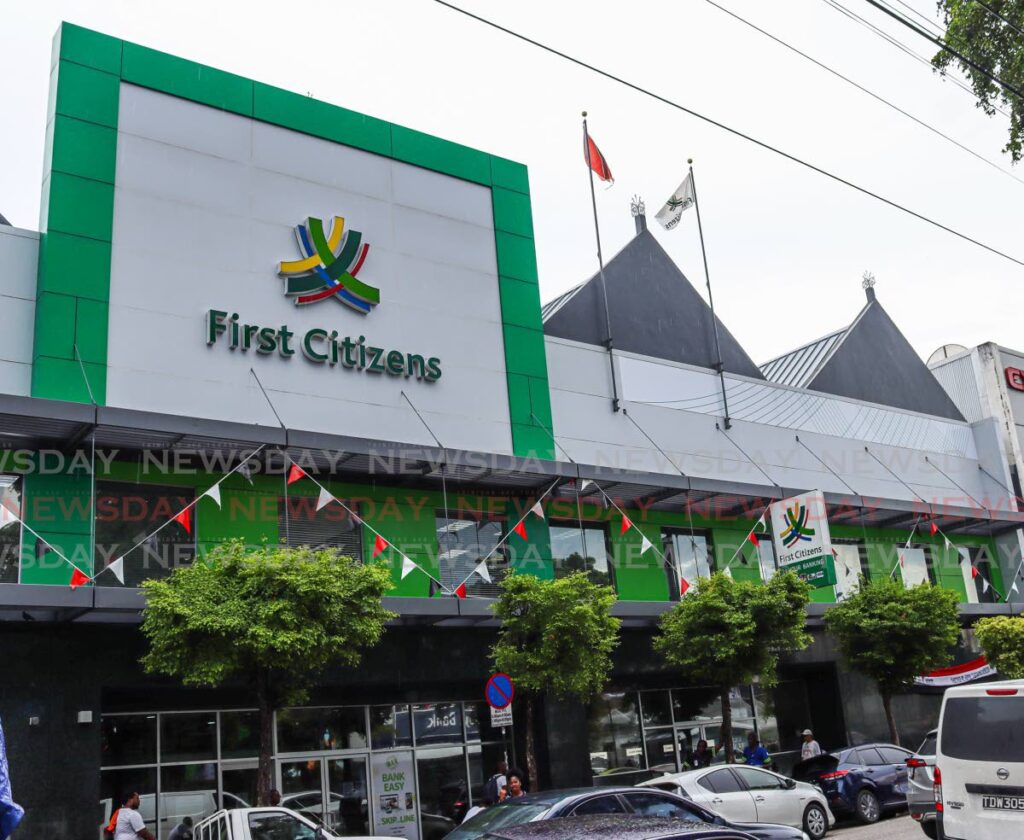
First Citizens Bank has recently celebrated the academic excellence of 16 young achievers through its Neo Education Awards. This annual event, held to honor student account holders nationwide, underscores the bank’s dedication to fostering youth empowerment and financial literacy. The Neo account, a savings product tailored for individuals from birth to age 25, aims to instill sound financial habits early in life. This year, the bank doubled the number of awardees from eight in 2024 to 16, reflecting its growing commitment to education and youth development. Recipients received cash prizes directly deposited into their Neo accounts, ranging from $1,000 for Secondary Entrance Assessment (SEA) achievers to $6,000 for top tertiary-level performers. CSEC and CAPE students were awarded $2,500 and $3,000, respectively. Lyndon Balkran, Acting Senior Manager for Market Development, Intelligence, and Promotions, praised the awardees, emphasizing the bank’s belief in nurturing a financially confident generation. Parents and students expressed gratitude, viewing the ceremony as both a celebration of academic success and a motivation to pursue excellence. The Neo Education Awards are a key component of First Citizens’ strategy to promote lifelong financial awareness, bridging academic achievement with responsible money management.